Đùn ép Φ90 mm · Từ bộ cấp lõi đến bộ thu cuộn cáp thành phẩm
Apply the specified outer sheath around your prepared optical cable core. Configure material feeding, aramid yarn stranding or metal-tape protection as required, extrusion, cooling and take-up as one coordinated production stage.
Coordinate melt delivery, tooling, cooling and traction around the cable design.
REFERENCE ARRANGEMENTEquipment quantities and final layout follow the reviewed project.
Scope boundary: this page covers the sheathing stage. Upstream coloring, loose-tube extrusion and SZ core stranding are separate processes. Reinforcement and armoring modules are selected for the approved cable construction.
02PROCESS & MATERIAL HANDOFF
From prepared core to finished outer sheath.
Build the process around the cable layers. Optional protection modules are selected before the extrusion and downstream handling requirements are finalized.
01CORE & MATERIAL PAY-OFF
Feed the specified construction.
Start with the prepared core or loose tube. Match the core, wire and protection-material pay-offs to the incoming package.
02PROTECTION & FORMING
Prepare the layers before extrusion.
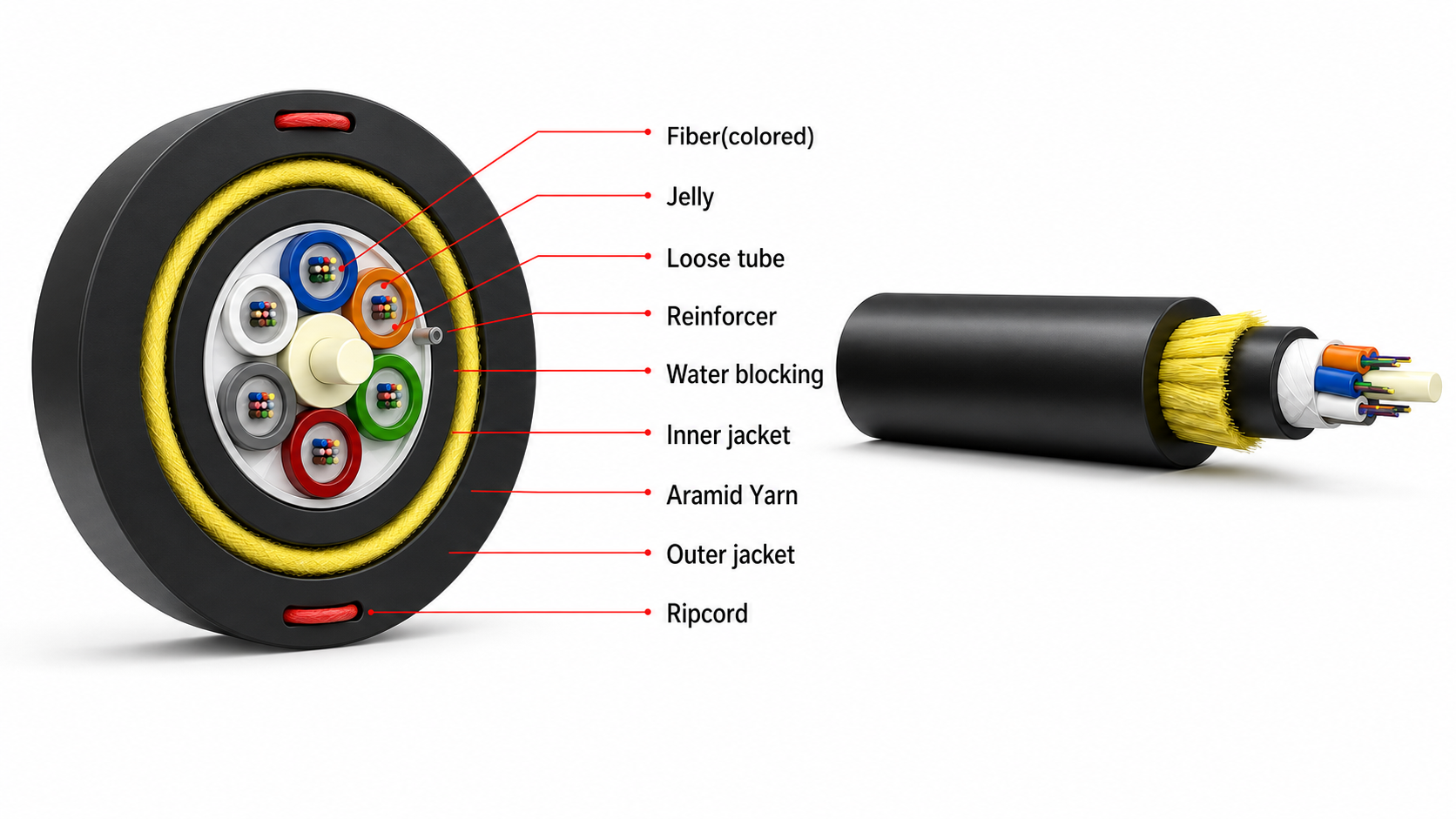
Apply the selected water blocking and ripcord. ADSS routes add aramid yarn stranding before the outer sheath; armored routes use the specified metal-tape preparation and forming modules.
03SHEATH EXTRUSION
Form the outer jacket.
Feed the approved compound to the Φ90 mm extruder and crosshead. Coordinate melt delivery, cable centering, temperature and line speed.
04COOLING TO TAKE-UP
Cool, inspect and collect.
Cool and dry the sheath, monitor diameter, apply the specified marking and tests, then coordinate caterpillar traction with finished-cable take-up.
03CONFIGURATION & PROJECT SCOPE
Choose the protection route for your cable.
The same extrusion stage can sit within different process routes. Compare the incoming core, reinforcement and tape requirements before defining the equipment package.
PROJECT EQUIPMENT REFERENCEĐơn vị tạo gợn băng kim loại
CONFIGURATION BASISCác mô-đun dành riêng cho xây dựng · phạm vi cuối cùng theo bản vẽ cáp
04EQUIPMENT IN THE LINE
Follow the line, one machine at a time.
Select a number or equipment card to see its equipment area, image and process role. Dashed regions identify process interfaces whose final position must be confirmed. The reference includes optional preparation and testing modules; the final equipment list follows your cable construction.
HK-90 EQUIPMENT MAP · REFERENCE ARRANGEMENT
13 · Φ90 mm sheath extruderEquipment area in the reference arrangement
SELECTED EQUIPMENT · PROJECT REFERENCE13 / 23
Equipment-family reference from the supplied project document. Final construction and quantity follow the approved equipment list.
SHEATH EXTRUSION
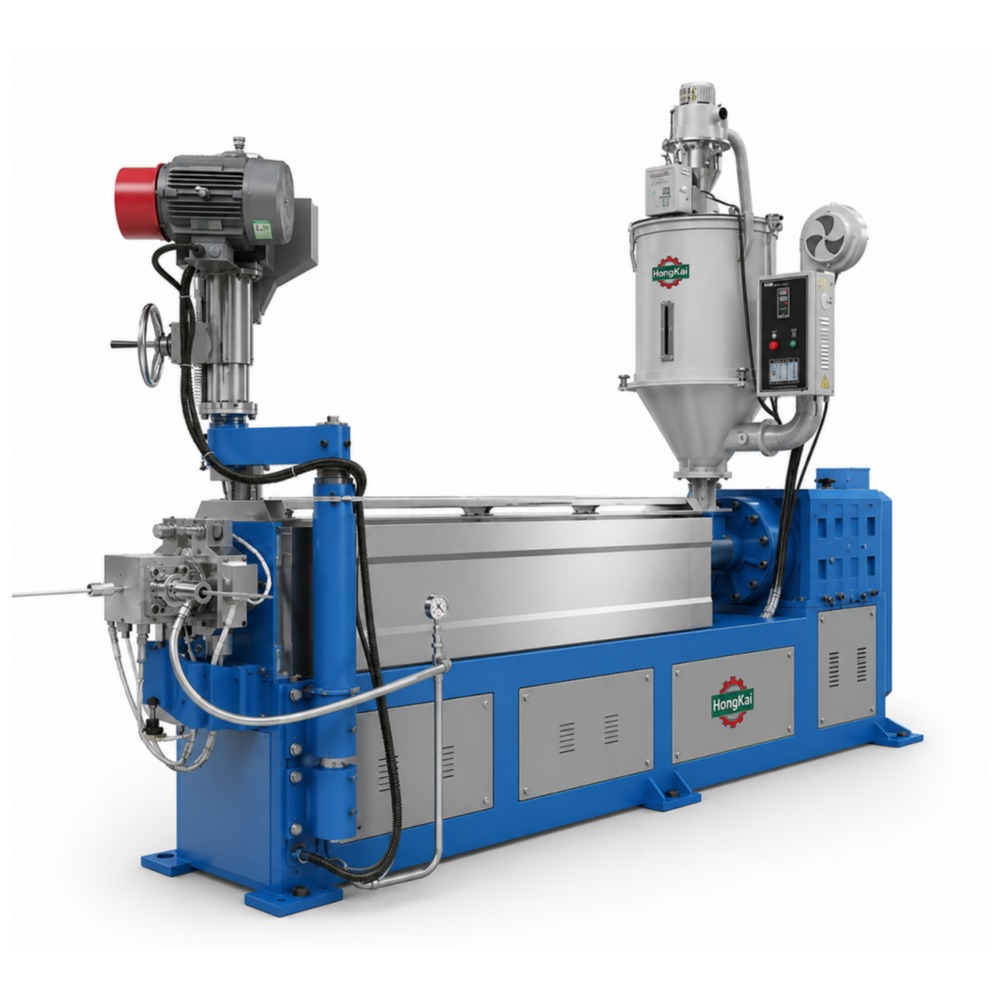
Φ90 mm sheath extruder
Plasticizes the approved sheath compound and supplies the adjustable crosshead. The reference uses a Φ90 mm screw with a 25:1 L/D ratio.
CONFIRM FOR YOUR PROJECT
Compound grade, screw and crosshead, tooling, temperature profile, output and required jacket dimensions.
Selected equipment 13: Φ90 mm sheath extruder
Giới hạn tham chiếu: the panorama illustrates equipment order, not the final machine count, footprint or construction. Images from the project document show equipment families; the approved layout and equipment list define the supplied arrangement.
05TECHNICAL CONFIGURATION REVIEW
Xác định các điều kiện vận hành đằng sau đặc tả kỹ thuật.
Sử dụng tài liệu tham khảo dưới đây để bắt đầu đánh giá kỹ thuật. Xác nhận đầy đủ cấu trúc cáp, cấp vật liệu và điều kiện thử nghiệm trước khi thống nhất về hiệu suất sản xuất.
HK-90 reference data and project confirmation points
Review area
Reference / requirement
Điều kiện để xác nhận
Extruder reference
Φ90 mm screw · 25:1 L/D · 75 kW main drive.
Cấu hình thiết bị tham chiếu; trục vít, đầu ngang và dụng cụ phải phù hợp với hỗn hợp và cáp.
Aramid stranding reference
24 heads · independent tension · adjustable pitch · S or Z lay.
Selected for the cable construction. Confirm yarn grade, quantity, tension and stranding pitch together with extrusion speed. The reference 120 rpm rotation is not a cable line speed.
Sheath materials
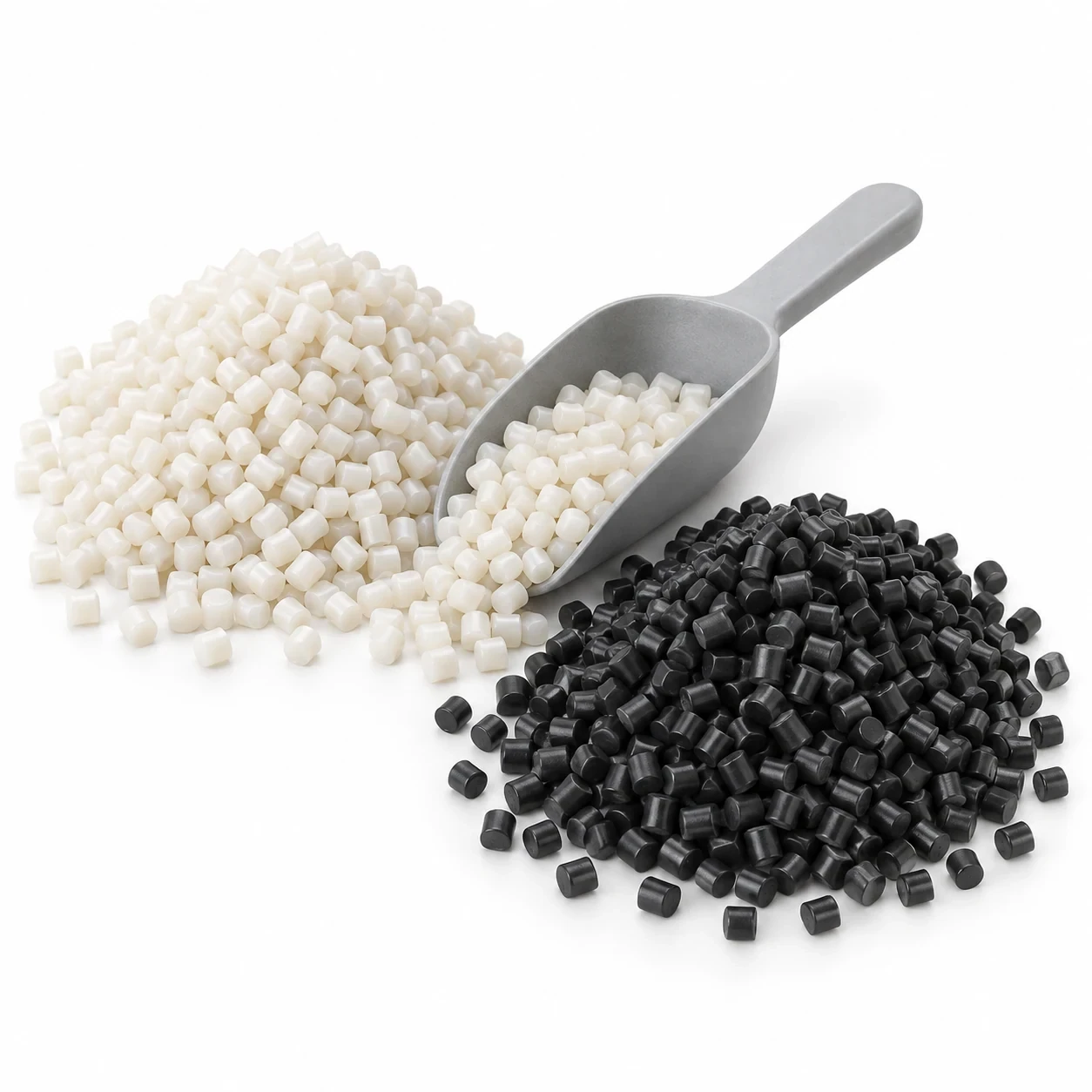
PE / PVC in the supplied extruder reference.
Confirm the compound grade and process settings. Other compounds require a separate suitability review.
Tốc độ sản xuất
Reference: up to 80 m/min for PE cable below Φ10 mm.
Conditional source value; confirm the complete construction, jacket thickness, cooling, reel changes and quality targets.
Extrusion output
Reference: up to 250 kg/h PE, with the crosshead open in the source specification.
An extruder-output reference is not guaranteed finished-cable throughput. Verify it with the agreed tooling and compound.
Cable & tooling range
Specify incoming core, finished diameter and jacket thickness.
Review every module. A metal-tape forming tool may have a narrower range than the extruder or capstan.
Reels, tension & utilities
Agree supply/output drums, winding tension, layout and utility loads.
Use one approved schedule for the chosen configuration; do not infer these values from the HK-90 name.
Controls & acceptance
PLC / IPC coordination, recipes, alarms and agreed inspection records.
Define instruments, interfaces, safety functions, trial duration and acceptance criteria.
CABLE DRAWING → TECHNICAL SCHEDULE → ACCEPTANCE
Xác nhận lịch trình kỹ thuật cho cáp của bạn.
Review output together with the sheath cross-section, compound, tooling and cooling capacity. Reel capacity, line footprint, tension settings and utility loads are finalized for the selected configuration.
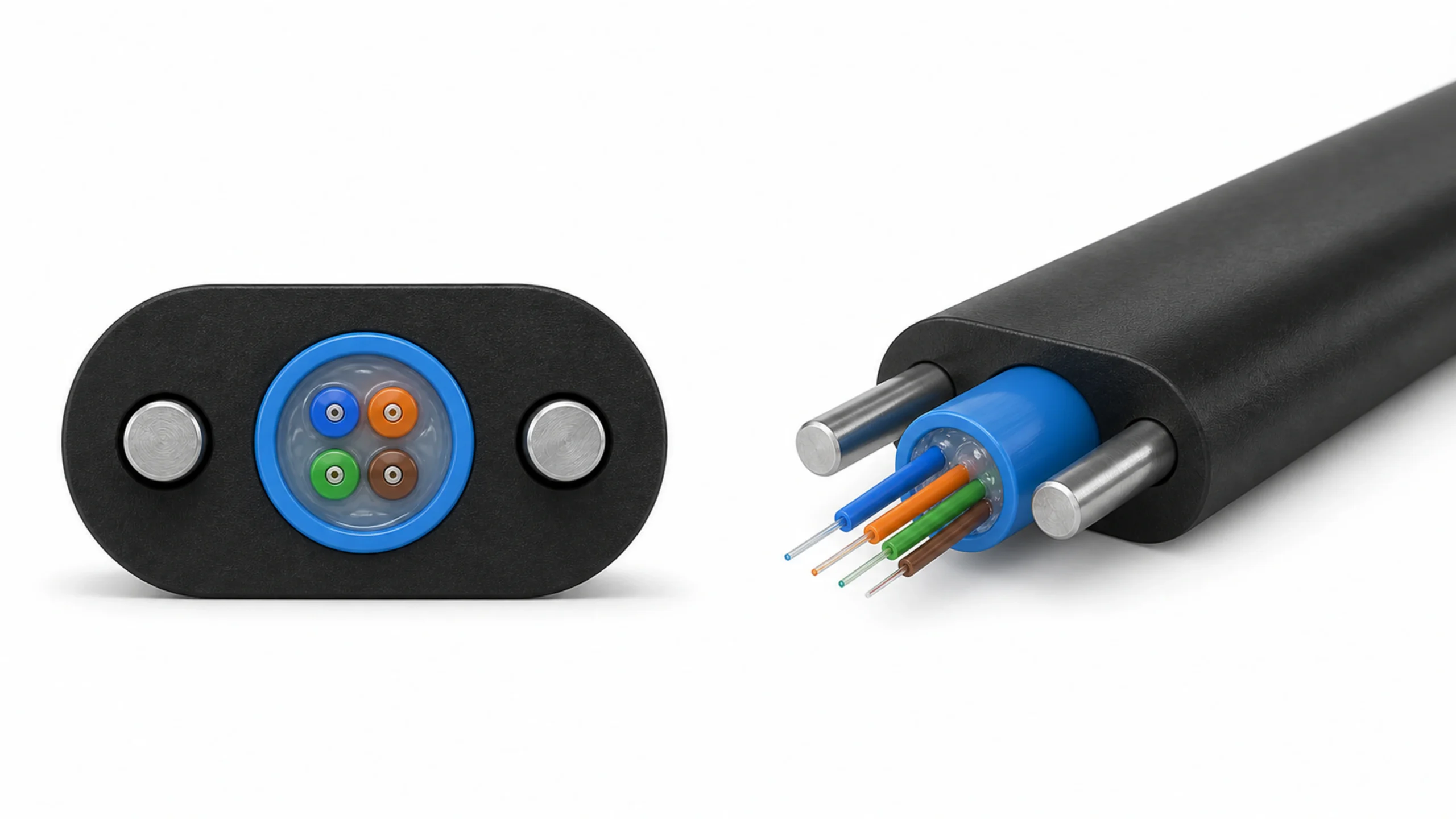
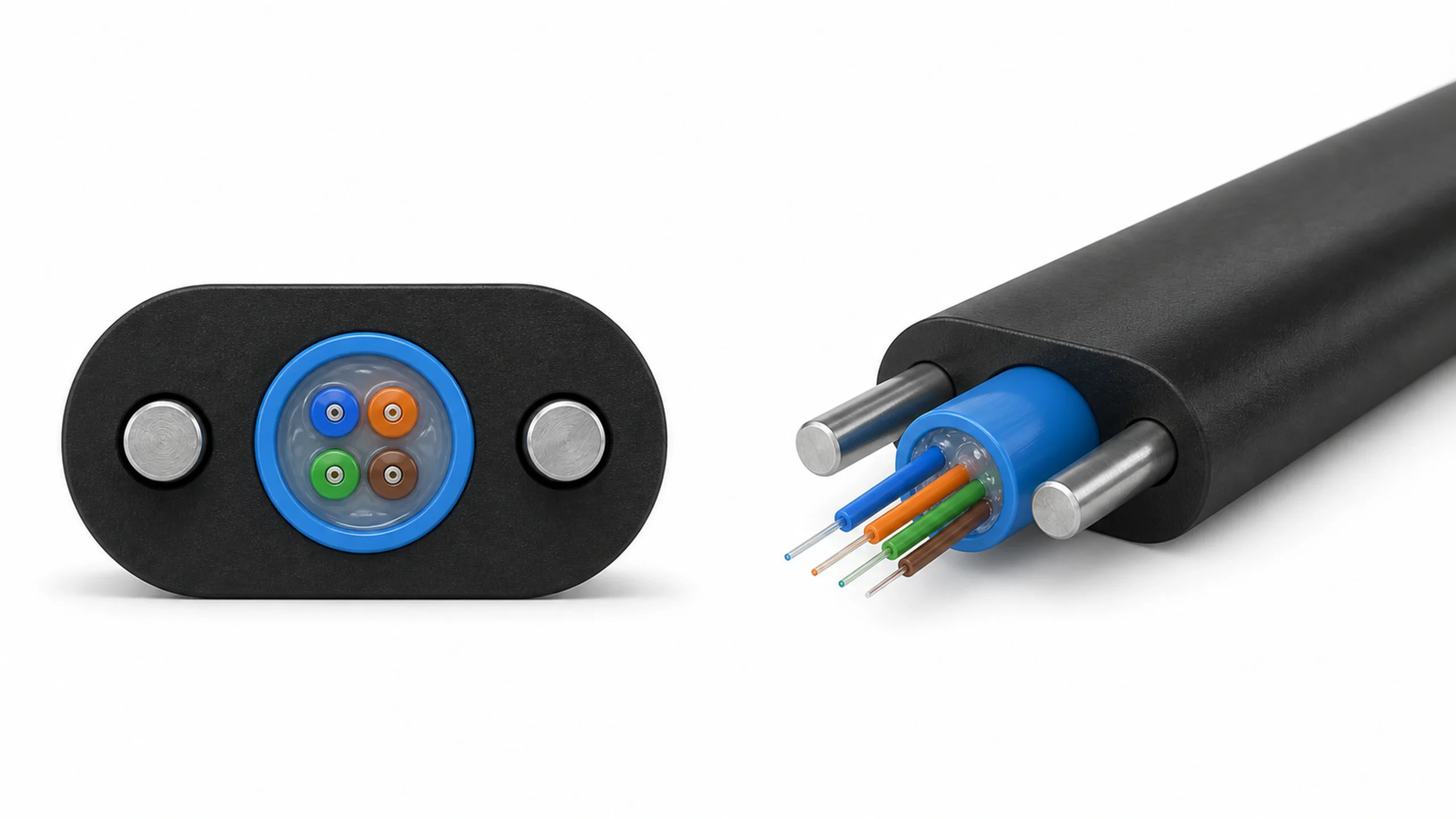
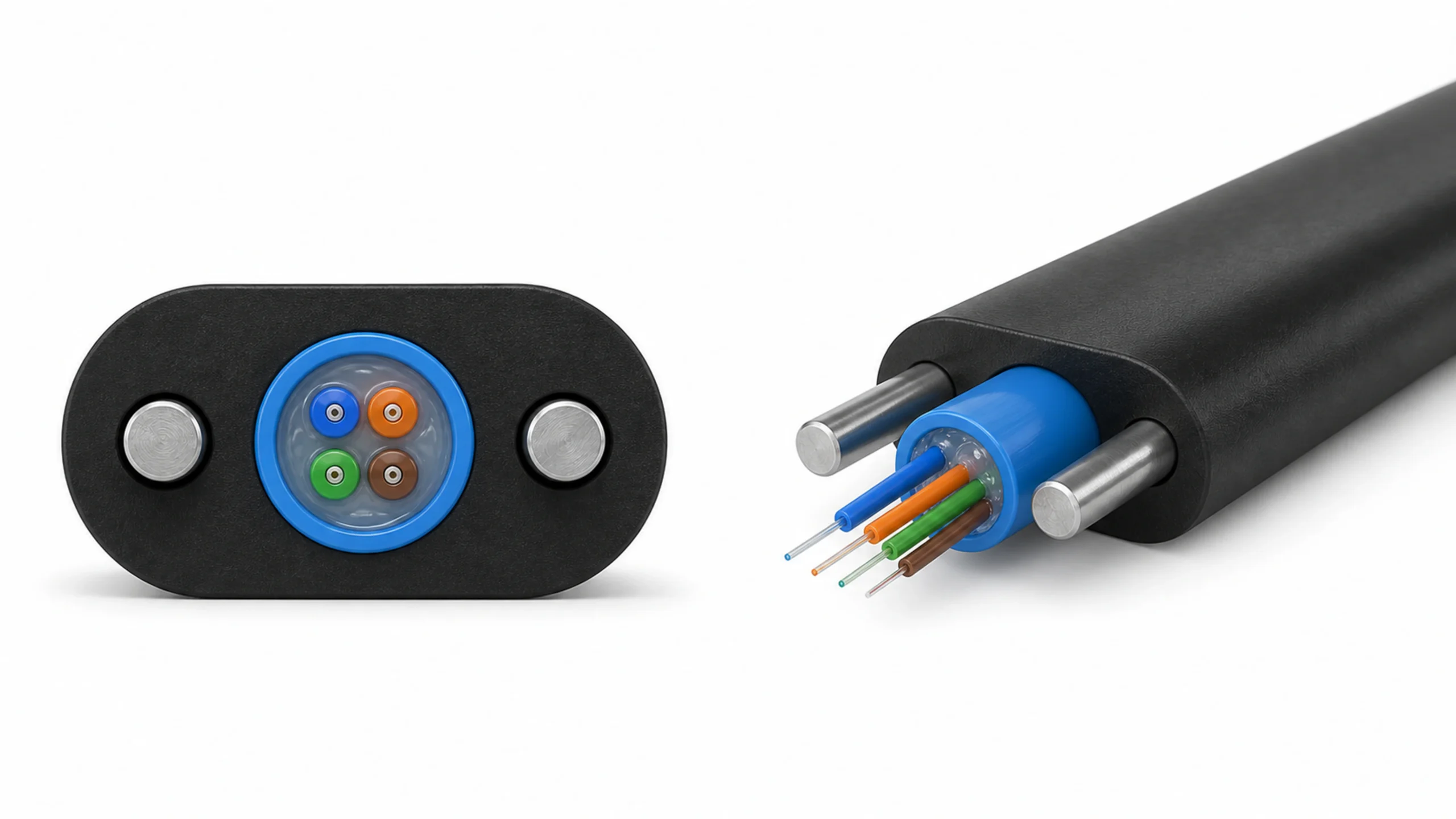
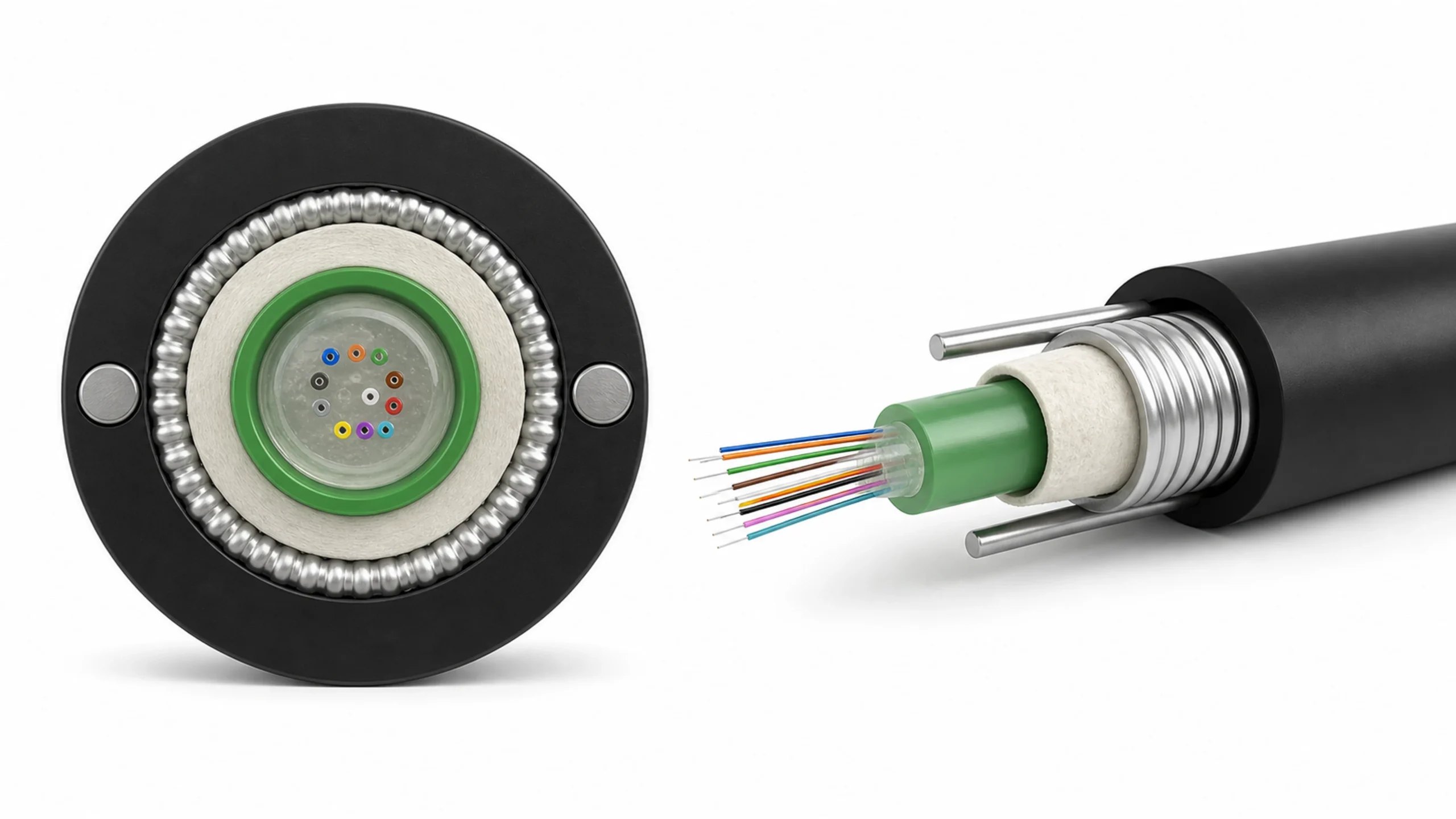
Construction matters: armored, all-dielectric and figure-8 cables require different preparation, reinforcement and tooling. One illustrated arrangement does not establish compatibility with every cable.
Xem quy trình bọc vỏ. Lên kế hoạch thử nghiệm nghiệm thu.
The HONGKAI HK-90 video shows a sheathing reference for an ADSS cable route. Use it to discuss equipment and operating sequence, then agree the trial for your construction.
01PRODUCT
Thử nghiệm cấu trúc đã chỉ định.
Sử dụng lõi đã được phê duyệt, hợp chất vỏ bọc, vật liệu bảo vệ và trống đầu ra.
02PROCESS
Kiểm tra hành vi phối hợp.
Observe extrusion, cooling, diameter monitoring, traction and take-up during starts, steady running and stops.
03OUTPUT
Agree the inspection record.
Kiểm tra đường kính thành phẩm, độ dày lớp vỏ bọc và ngoại quan, đánh dấu, cách quấn dây cũng như các phép thử quang học và lớp áo đã thỏa thuận.
ACCEPTANCE BASISBản vẽ được phê duyệt + vật liệu đã thỏa thuận + điều kiện vận hành + phương pháp kiểm tra bằng văn bản
Đề xuất bằng văn bản cần nêu rõ trách nhiệm về lựa chọn thiết bị, tích hợp và khởi động. Hãy xác nhận phạm vi công việc với HONGKAI cho dự án của bạn.
01
Phạm vi thiết bị
Specify the supplied modules and quantities
Xác định thiết bị được giữ lại và thiết bị do người mua cung cấp
Record equipment-source responsibilities
02
Line integration
Xem xét bố trí và các giao diện luồng vật liệu
Xác định các điều khiển, tiện ích và ranh giới an toàn
Agree installation and commissioning scope
03
Khởi động & hỗ trợ
Define trial products and acceptance records
Xác nhận đào tạo và tài liệu hướng dẫn cho người vận hành
Agree spare-parts and after-sales scope
09START THE ENGINEERING REVIEW
Tell us about the cable you need to sheath.
Bắt đầu với bản vẽ, yêu cầu sản phẩm hoặc thiết bị hiện có của bạn. Các chi tiết kỹ thuật có thể được xác nhận trong lần xem xét đầu tiên.
WHAT TO PREPARE
Nine inputs for your sheathing line.
01
Cable drawing and finished dimensions
02
Incoming core or loose-tube details
03
Sheath compound and jacket thickness
04
Reinforcement, tape and ripcord requirements
05
Input and output drum sizes / weights
06
Mục tiêu đầu ra và kế hoạch vận hành
07
Marking, testing and acceptance criteria
08
Factory layout and retained equipment
09
Utilities, installation and project timing
10BUYER FAQ
Questions before specifying an HK-90 sheathing line.
Review the cable construction, equipment boundary and information needed for a proposal.
01Dây chuyền bọc vỏ HK-90 sản xuất ra gì?
Nó áp dụng lớp vỏ bọc ngoài đã được chỉ định lên lõi cáp quang đã được chuẩn bị sẵn hoặc ống và gói bảo vệ đặc thù theo cấu trúc, sau đó làm nguội, kiểm tra và thu gom cáp. Các công đoạn sơn màu sợi ở thượng nguồn, đùn ống lỏng và bện SZ là những giai đoạn riêng biệt trừ khi được bao gồm trong phạm vi dự án.
02Một dây chuyền có thể sản xuất được cáp GYXTW, ADSS và cáp hình 8 không?
Các dòng cáp này có thể bao gồm giai đoạn bọc vỏ HK-90, nhưng chúng không sử dụng cùng một bộ thiết bị giống hệt nhau. Việc xử lý lõi, gia cường, bọc giáp, định vị dây treo, dụng cụ đầu ép hình chữ thập và kiểm tra hạ nguồn phải được xem xét riêng cho từng bản vẽ cáp.
03Mọi cấu hình có bao gồm thiết bị băng kim loại không?
Không. Các công đoạn tháo băng kim loại, nối, tích trữ, tạo gợn sóng và định hình dọc được lựa chọn cho cấu trúc bọc giáp hoặc bọc composite đã chỉ định. Tuyến cáp hoàn toàn điện môi có các yêu cầu gia cường khác nhau.
04Tốc độ và công suất được ghi trong báo giá có nghĩa là gì?
Nguồn cung cấp lên tới 80 m/min cho cáp PE dưới 10 mm và tham chiếu năng suất đùn tối đa lên tới 250 kg/h PE khi đầu ghép ngang mở. Các giá trị này mô tả điều kiện tham chiếu đã nêu. Năng suất cáp thực tế được chấp nhận phải được thống nhất dựa trên loại cáp, hỗn hợp vật liệu, khuôn, hệ thống làm nguội và kế hoạch vận hành.
05Các hợp chất vỏ bọc nào có thể được sử dụng?
Thông số máy đùn được cung cấp mô tả PE và PVC. Hãy xác nhận chính xác cấp vật liệu và các thông số yêu cầu về trục vít, khuôn, sấy khô và nhiệt độ. Không được mặc định rằng LSZH hoặc hợp chất khác đã được bao gồm nếu chưa có đánh giá kỹ thuật riêng biệt.
06Có bao gồm bộ tích trữ cáp thành phẩm không?
Tham chiếu thiết bị bao gồm một bộ tích trữ băng kim loại, dùng để lưu trữ băng cho chuỗi ghép nối của nó. Bộ tích trữ cáp thành phẩm thực hiện nhiệm vụ khác và đòi hỏi cấu hình riêng, cùng với việc xem xét về lực căng, chiều dài lưu trữ và thay đổi cuộn.
07Máy kiểm tra phóng điện lớp vỏ có thể dùng cho cáp ADSS không?
Khả năng áp dụng phép thử phụ thuộc vào cấu trúc cáp và đường dẫn hồi tiếp điện phù hợp. Cáp hoàn toàn bằng điện môi không được tự động gán cùng phương pháp thử phóng điện như cáp có chứa kim loại. Hãy xác nhận phương pháp thử và tiêu chí chấp nhận cho sản phẩm thực tế.
08Tôi nên gửi gì để nhận báo giá?
Gửi bản vẽ cáp, lõi đầu vào, hợp chất vỏ bọc, vật liệu bảo vệ, kích thước trống yêu cầu và mục tiêu sản xuất. Nếu có, vui lòng đính kèm mặt bằng nhà máy và các máy móc hiện có. Các chi tiết kỹ thuật có thể được hoàn thiện trong lần đánh giá đầu tiên.
We've detected you might be speaking a different language. Do you want to change to:












 English
  हिन्दी
  فارسی
فارسی