
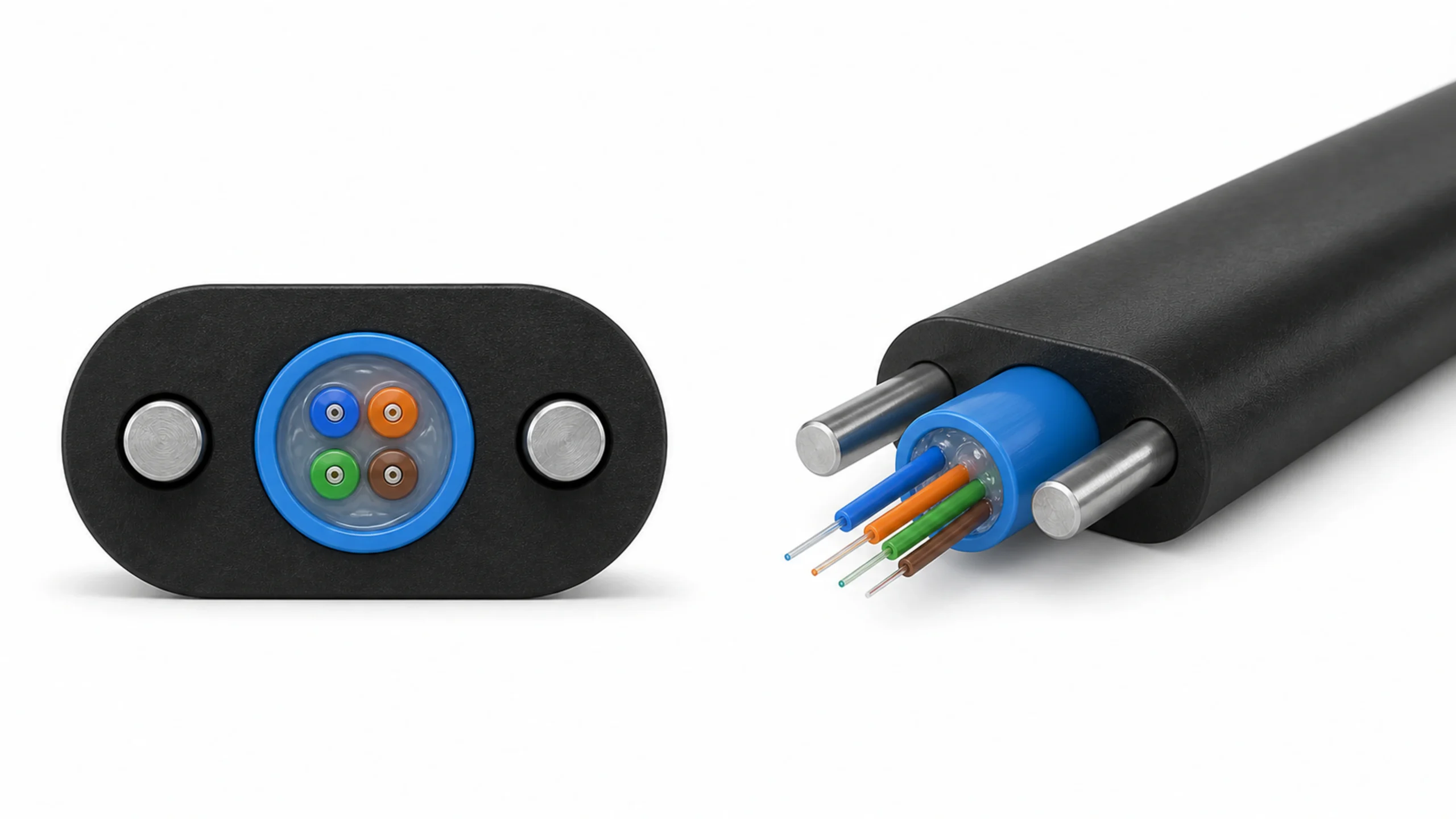
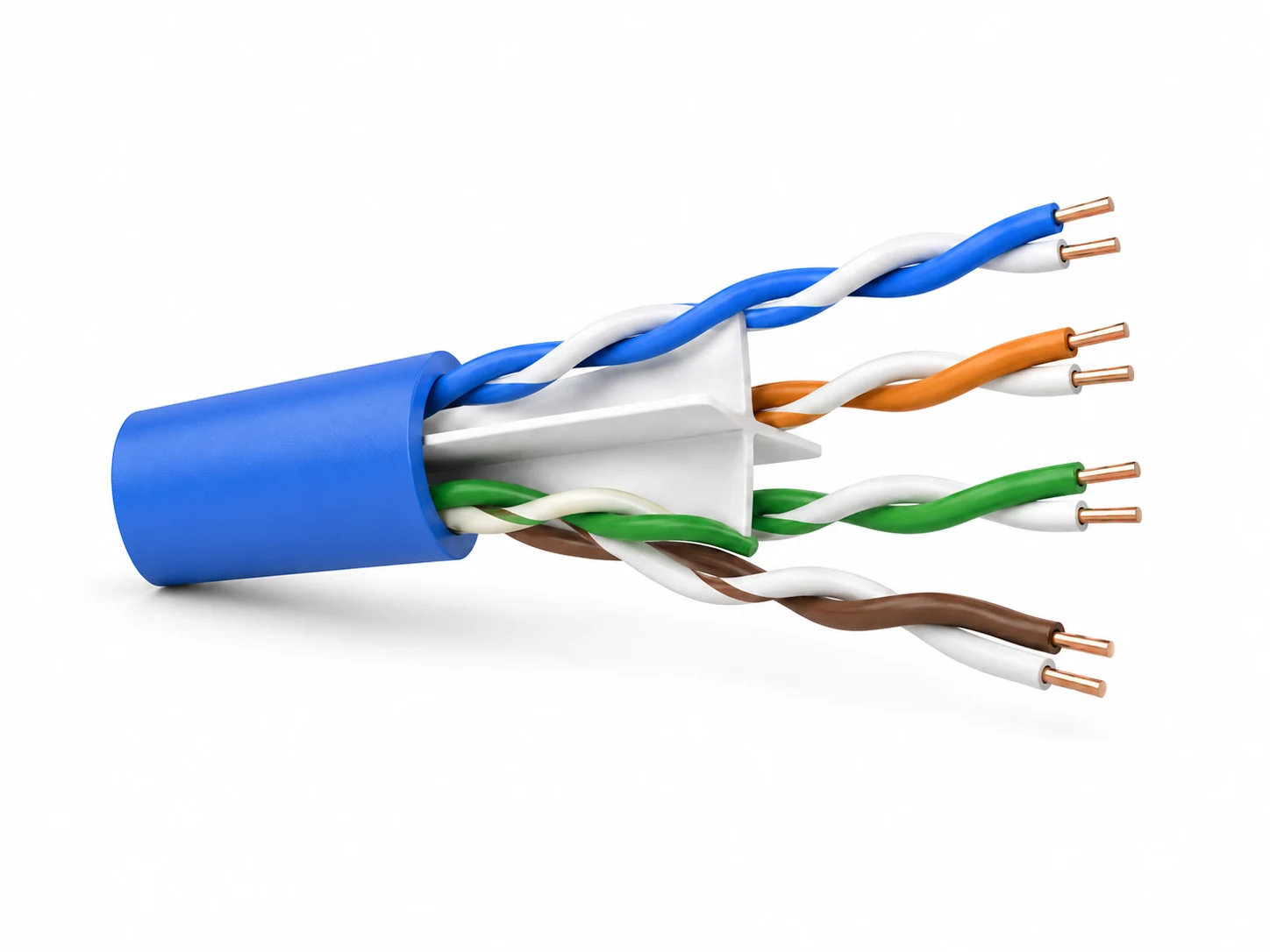
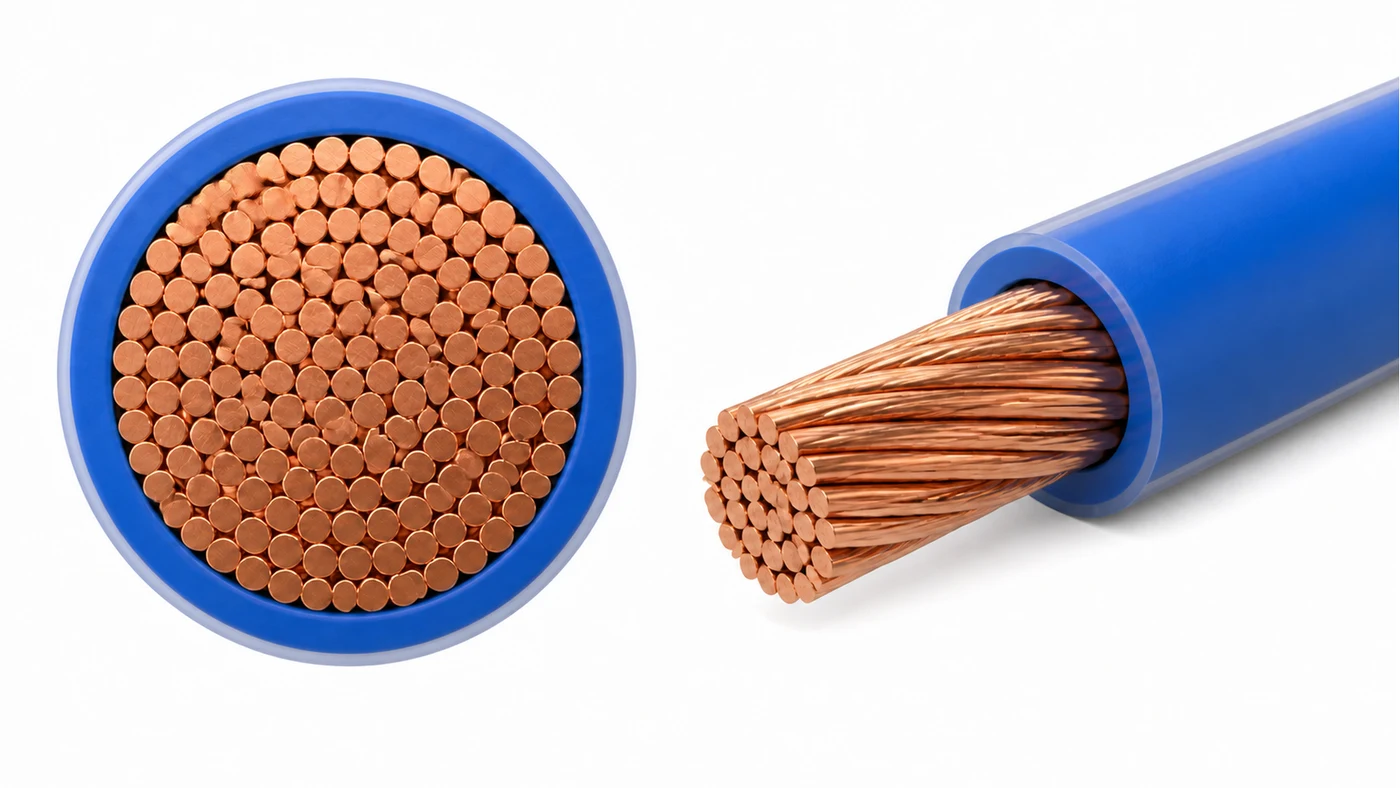
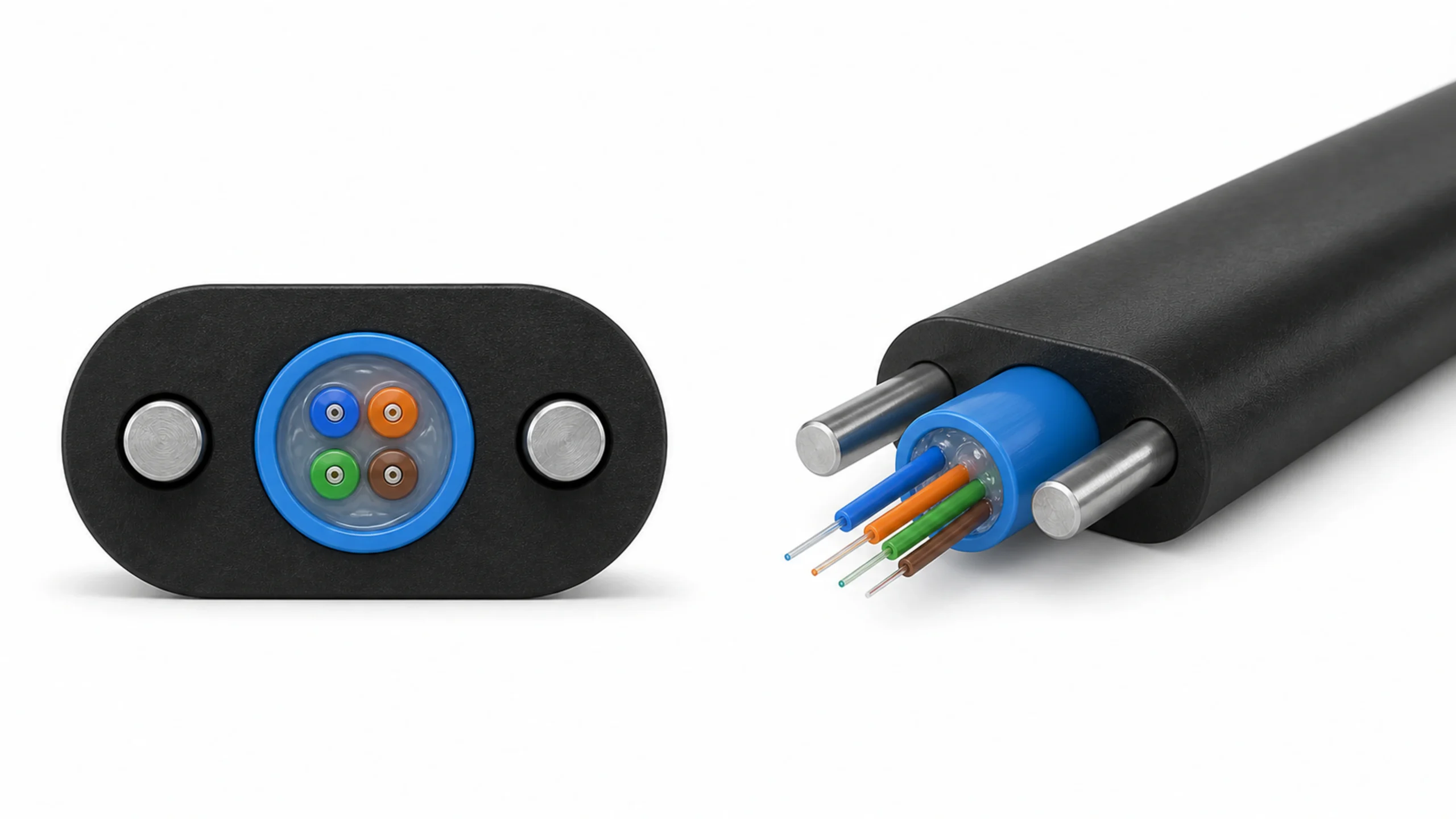

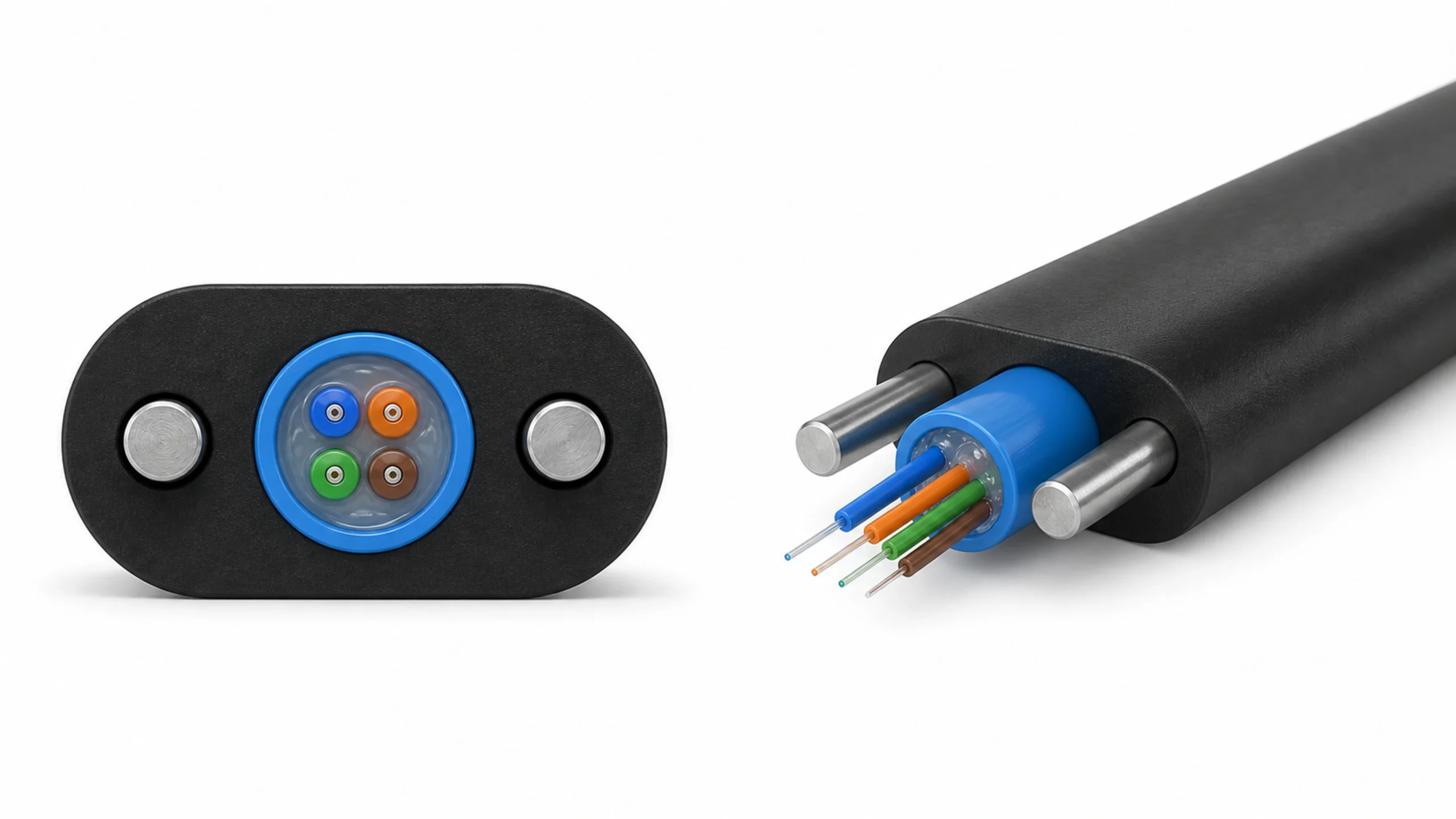

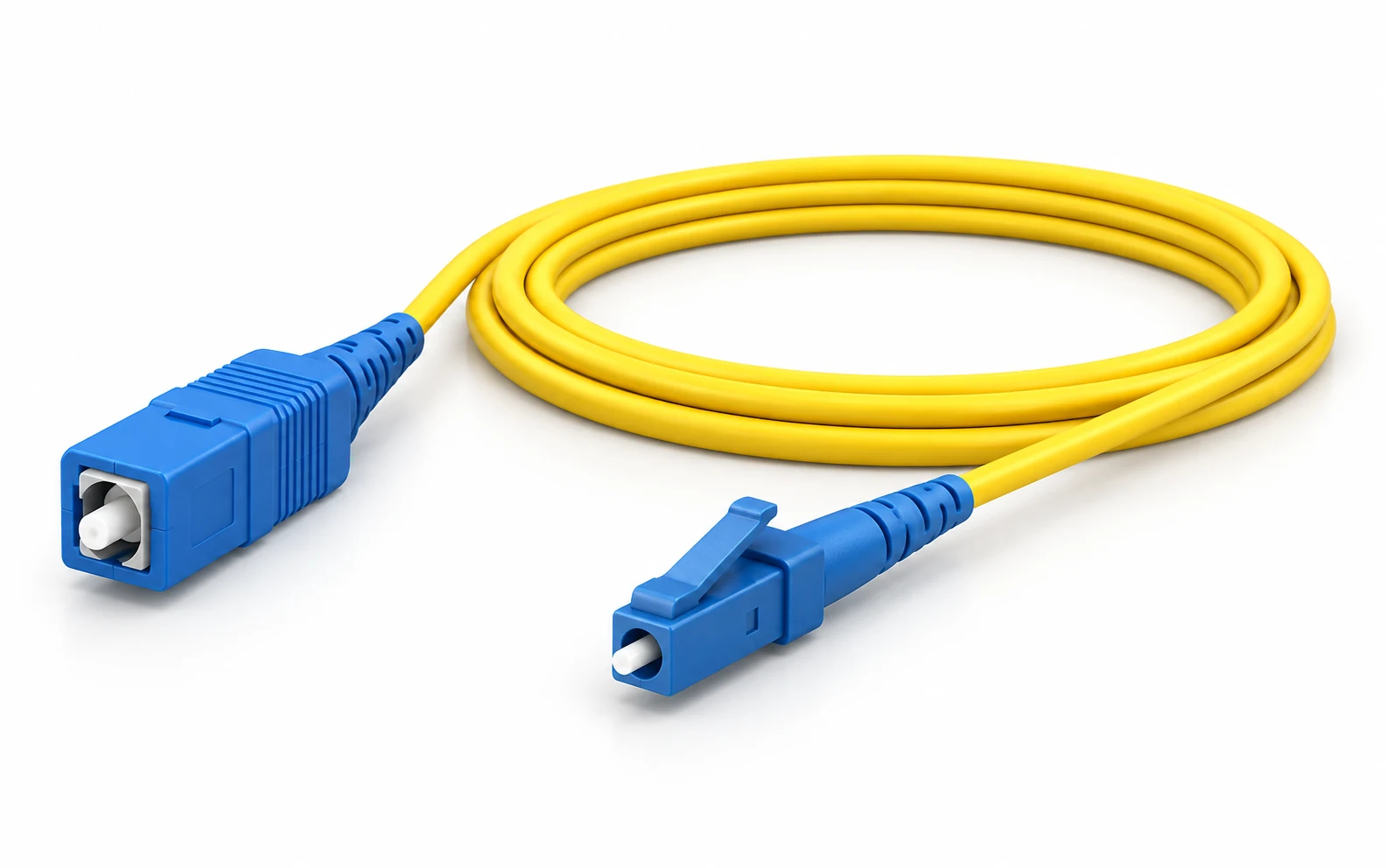
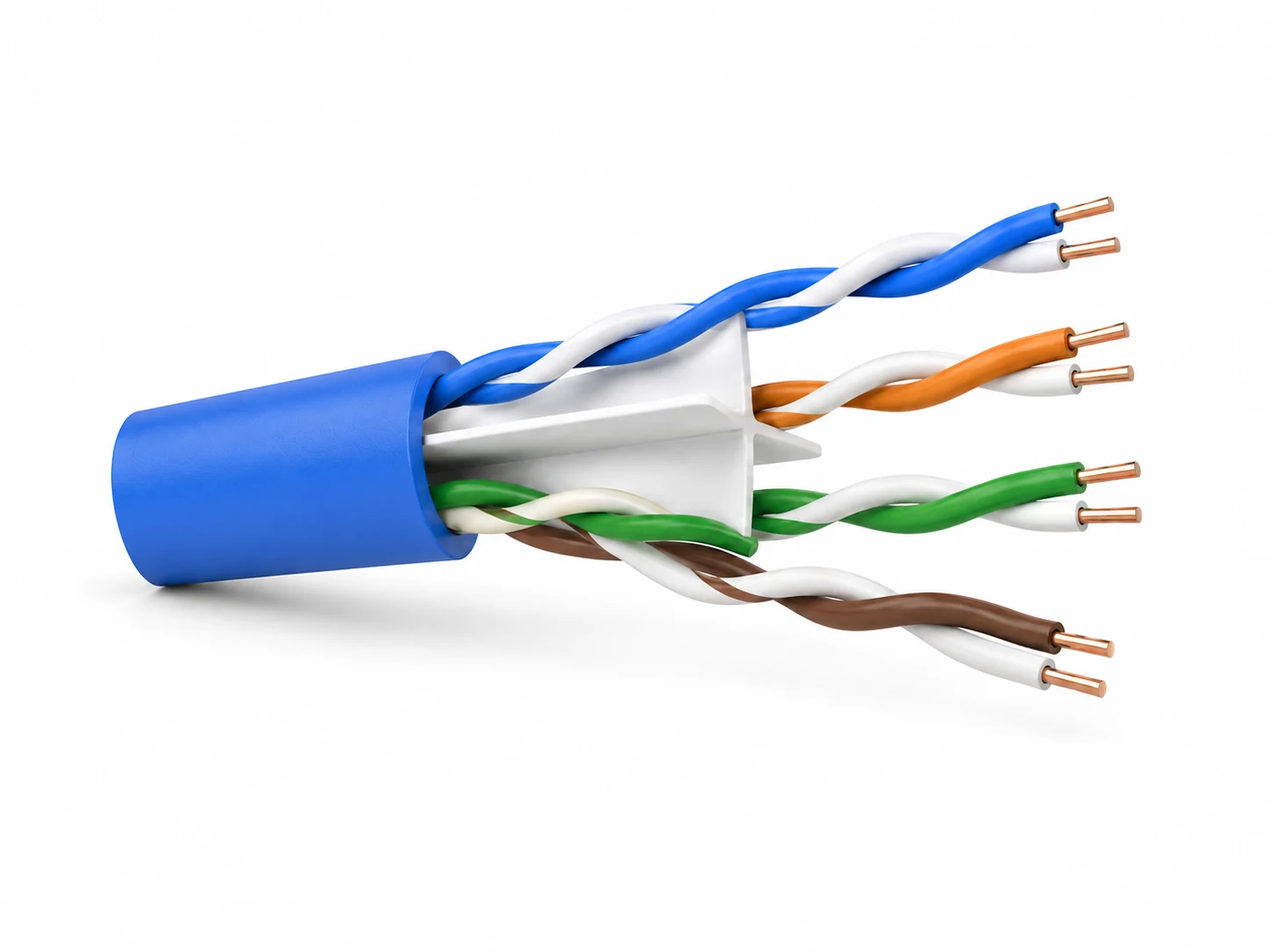











A buyer may ask several suppliers for a “complete cable production line” and receive equipment lists that cannot be compared. First establish whether the buyer has a real order or is only exploring an investment. A request for quotation (RFQ) for a specific project needs the cable construction, output target and problem the equipment must solve.
A price enquiry without an order or defined product can support only an early discussion, not a precise equipment configuration. For a project RFQ, describe the target cable, its structure and diameter range, the required capacity and the existing factory situation. Ask every supplier to quote against the same assumptions and acceptance conditions.
This guide is for a new factory defining its first production route and for an existing factory solving a capacity or product problem. It explains what to send, what to leave explicitly open and how to compare replies without treating a budgetary concept as a final equipment list.
Đầu tiên, hãy quyết định xem yêu cầu có sẵn sàng để cấu hình hay chưa
A buyer with a real customer order should send its cable specification, construction and required capacity before requesting the first equipment configuration. A trader asking only what machinery costs, without an order or defined product, cannot expect the same level of configuration or quotation accuracy.
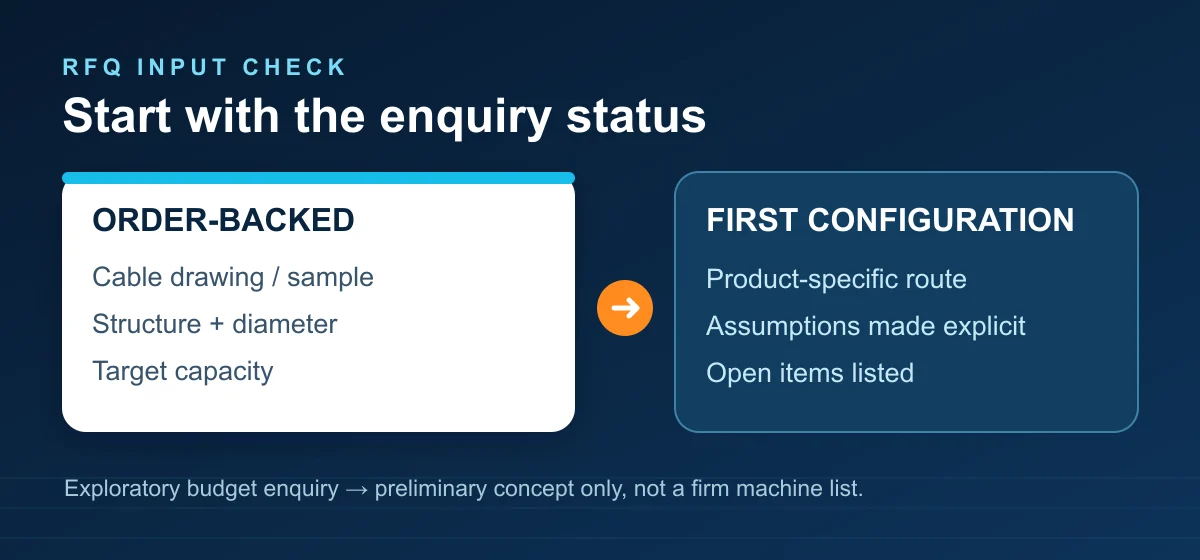
Sơ đồ biên tập: Cấu hình thiết bị đầu tiên cần có cáp và công suất xác định; yêu cầu báo giá thăm dò vẫn mang tính sơ bộ.
HONGKAI first asks what situation the enquiry represents: an existing customer order, an identified product for a planned factory, or an exploratory price check. Even when a buyer can name a cable but has not confirmed the order, investment range and output, the response may remain an initial route or budgetary concept rather than a settled machine list. That boundary should be stated in the reply, not hidden behind a precise-looking price.
For an order-backed project, send the customer specification or an approved cable drawing. If there is no formal drawing, provide a physical sample or clear cross-section and identify which dimensions and materials are confirmed. “Power cable,” “network cable,” and “optical cable” are product families, not full equipment specifications. The buyer and supplier must resolve the missing construction decisions before a final configuration.
| Product input | Cung cấp những gì nếu đã biết | Nếu nó vẫn còn mở |
|---|---|---|
| Enquiry basis | Giai đoạn đơn hàng hoặc dự án của khách hàng, loại cáp dự kiến và thị trường mục tiêu | Gắn nhãn cuộc thảo luận ngân sách thăm dò là sơ bộ |
| Product identity | Tên cáp, ứng dụng và bản vẽ hoặc phiên bản mẫu | Đánh dấu ứng dụng dự kiến và yêu cầu xem xét thiết kế |
| Components | Đầu vào dây dẫn hoặc sợi quang có lớp phủ, số lượng lõi và cấu trúc lắp ráp | Hỏi xem tuyến đường được báo giá giả định sử dụng đầu vào hoặc sản phẩm trung gian nào |
| Material layers | Lớp cách điện, lớp đệm, lớp gia cường, lớp chắn, lớp giáp và lớp vỏ ngoài (nếu có) | Ghi lại từng lớp chưa được quyết định một cách riêng biệt; không chấp nhận giả định chung chung về “vật liệu tiêu chuẩn” |
| Finished form | Kích thước ngoài, hình dạng, nhãn mác và bao bì giao hàng yêu cầu | Yêu cầu làm rõ dựa trên mẫu trước khi hoàn thiện khuôn mẫu |
| Mục tiêu đầu ra | Số lượng thành phẩm yêu cầu và lịch vận hành | Giữ số lượng máy và hiệu suất phụ thuộc vào công suất ở trạng thái mở |
Cùng một dòng cáp có thể cần thiết bị khác nhau khi kết cấu thay đổi. Ví dụ, một tuyến sản xuất cáp hạ áp depends on its conductor, applied layers and testing boundary; an optical-fiber route starts from different purchased inputs and process stages. The RFQ should not merge those routes because both end with a cable on a drum.
Cần hỏi: “Đây là báo giá cho đơn hàng đã được xác nhận hay chỉ là trao đổi sơ bộ để lập ngân sách? Cấu hình được đề xuất bao gồm bản vẽ cáp, mẫu và mục tiêu đầu ra nào?”
Chuyển đổi Nhu cầu Bán hàng Thành Yêu cầu Đầu ra Có Thể Kiểm thử
Specify the cable structure, the actual diameter range, the technical requirements and the required finished output before asking for a speed. “High speed” alone is not a production target: the stable speed must be calculated for the product that will actually run.

Sơ đồ biên tập: Tốc độ chạy được nêu rõ chỉ có ý nghĩa khi kèm theo cấu trúc cáp, đường kính và điều kiện chất lượng tương ứng.
When a customer requests a “high-capacity” line, HONGKAI’s first follow-up is the product’s construction, diameter and required technical result. Those conditions determine a realistic production-speed discussion. Ask for the product mix, expected order quantities, batch lengths, shifts, reel sizes and planned changeovers. An existing factory should add actual stop and quality-loss records; a new factory should ask suppliers to label any availability or yield assumption that has not yet been tested. The hướng dẫn lập kế hoạch dung lượng sợi quang giải thích lý do vì sao giai đoạn yêu cầu chậm nhất có thể giới hạn sản lượng cáp hoàn chỉnh trong một dự án quang học đa giai đoạn.
Sử dụng một bản tuyên bố năng lực cho tất cả các báo giá:
| RFQ field | Buyer entry | Nhà cung cấp phải nêu rõ |
|---|---|---|
| Finished product and mix | Named cable revisions, constructions, diameter ranges and expected proportions | Which products were included in the sizing calculation |
| Demand period | Required conforming length or quantity per period | Lịch ca làm việc giả định và thời gian vận hành |
| Batch and package | Chiều dài đặt hàng thông thường và tang thu hoặc cuộn dây | Changeover and package limits |
| Điều kiện sản xuất ổn định | Target for the agreed representative product | Vật liệu, dụng cụ, đường kính, kết cấu và các điều kiện về chất lượng đằng sau tốc độ đề xuất |
| Factory result | Mục tiêu đầu ra của người mua | Which stages, losses or extra lines constrain the result |
Decision criterion: Separate mechanical design speed, stable speed for the approved sample, and expected factory output. They answer different questions and must not appear as one unexplained number.
Xác định vấn đề mà một nhà máy hiện có cần giải quyết
For an existing factory, start with the past order mix and the reason for adding equipment. Is the buyer trying to increase output, make a new cable or remove a bottleneck? The proposed line and investment range should answer that problem, not simply duplicate the machines already on site.
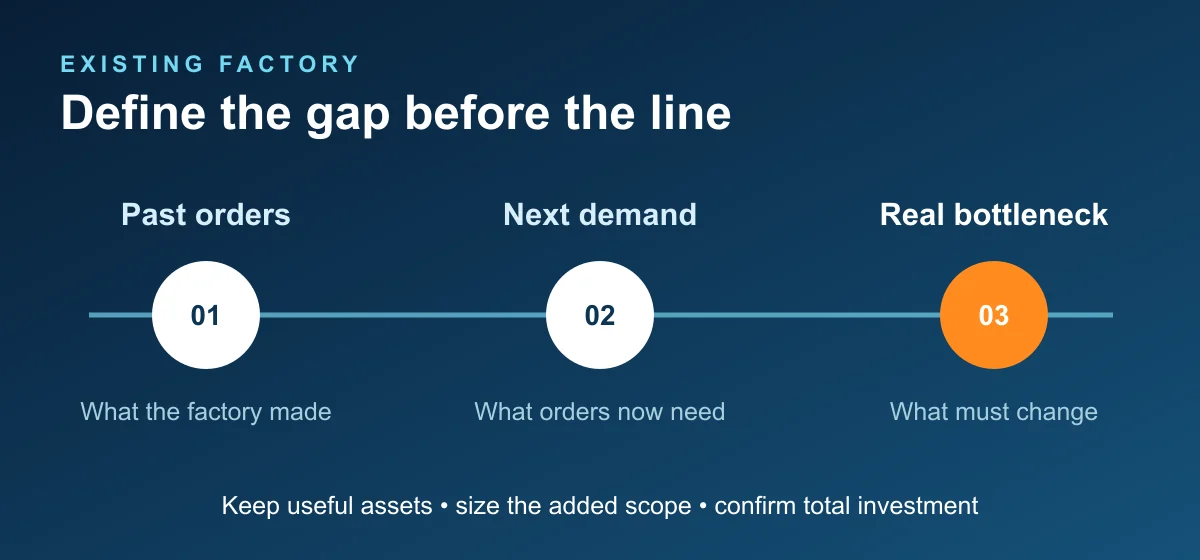
Sơ đồ biên tập: Xác định khoảng cách giữa năng lực hiện tại và đơn hàng mới trước khi bổ sung thiết bị.
HONGKAI asks what the factory used to produce, what current orders require and what the proposed investment is meant to change. The buyer should state the target capacity and approximate total project investment, not only a preferred machine price. An equipment-interface review then checks which existing process and factory assets can actually support the new route. This review is project-specific; Peter’s answer did not establish one universal list of interfaces for every factory.
Show the machines that remain in service and the handoff to new equipment: incoming reel sizes, output package sizes, line direction, floor space, utilities and controls. For a new plant, ask for a staged scope that distinguishes launch-critical machines from later expansion. The danh sách kiểm tra nhà máy sợi quang illustrates how product, capacity, schedule, budget and service boundary affect one optical project; a power-cable or LAN-cable project needs its own process map.
| Boundary | Bao gồm trong RFQ | Yêu cầu trong mỗi phản hồi của nhà cung cấp |
|---|---|---|
| Incoming material | Mẫu biểu đầu vào đã mua, bao bì và trách nhiệm về chất lượng | Thông số đầu vào yêu cầu và giao diện cấp liệu |
| Các quy trình chính | Existing and new production stages | Máy móc bao gồm, các công đoạn loại trừ và mọi quy trình gia công ngoài |
| Factory services | Nguồn điện, nước, làm mát, khí nén và không gian sẵn có | Utility demand and installation conditions for the offered configuration |
| Chất lượng | Phạm vi đo lường trực tuyến và phòng thí nghiệm cuối cùng | Included instruments, buyer-supplied tests and calibration boundary |
| Giao hàng và hỗ trợ | Installation site, schedule and operator team | Installation, training, documentation and after-sales responsibility |
Note: Do not infer an equipment capability from a drawing of the final cable. Ask the supplier to map every required process stage to the machine or existing factory asset that performs it.
So sánh báo giá theo phạm vi và các giả định
Compare the actual machine configuration before deciding that the higher or lower price is better. The electrical and electronic components, installed power and demonstrated production condition may differ even when two quotations use the same machine name.
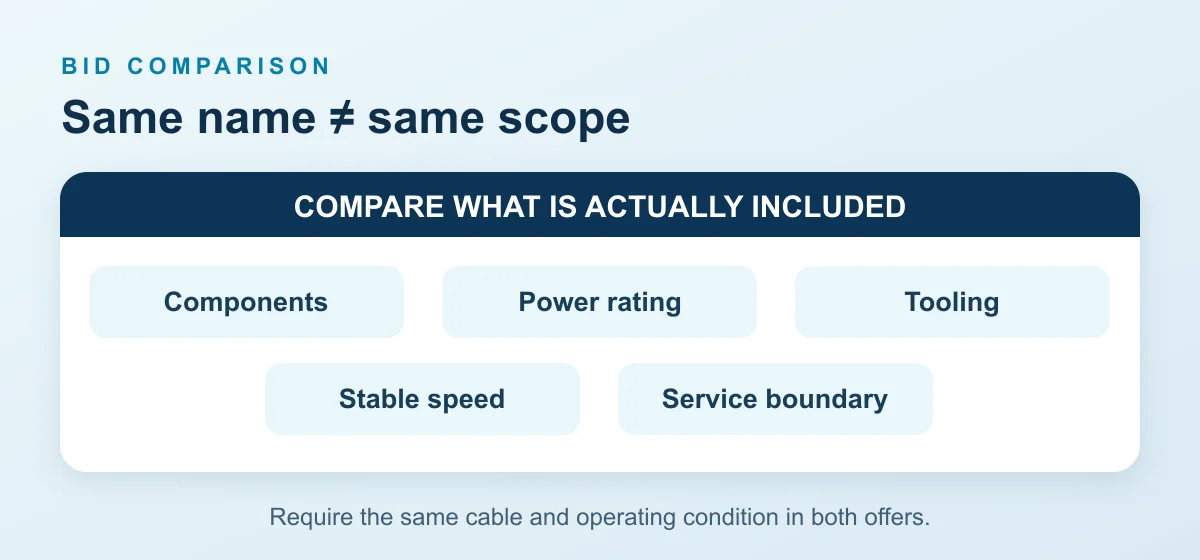
Sơ đồ minh họa: Việc có chung tên máy không chứng minh rằng hai báo giá bao gồm cùng phạm vi kỹ thuật và dịch vụ.
When HONGKAI reviews a large price difference, the first check is what each configuration contains: the specified electrical and control components, power ratings, product range and actual speed under the relevant cable condition. These are possible reasons for a difference, not proof that the more expensive offer is better. Keep one bid-comparison sheet with a column for each supplier. Record the offered model or configuration, component specifications, included tooling, supported product range, operating assumptions, testing, services, exclusions and open points. Ask the supplier to label every deviation from the RFQ rather than burying it in a brochure or email.
| So sánh trên cùng một dòng | Supplier A | Supplier B | Decision needed |
|---|---|---|---|
| Phiên bản sản phẩm và bản vẽ đã được phê duyệt | Để được hoàn thành | Để được hoàn thành | Cả hai đề nghị có dựa trên cùng một loại cáp không? |
| Các công đoạn và dụng cụ đi kèm | Để được hoàn thành | Để được hoàn thành | Is any intermediate process missing? |
| Các thành phần điện/điều khiển và định mức công suất | Để được hoàn thành | Để được hoàn thành | Các mô hình, định mức và chức năng điều khiển có tương đương nhau không? |
| Stable output condition at the specified diameter and structure | Để được hoàn thành | Để được hoàn thành | What product and run record support the claim? |
| Giao diện tiện ích và máy hiện có | Để được hoàn thành | Để được hoàn thành | Who supplies each missing interface? |
| Inspection, FAT and site acceptance | Để được hoàn thành | Để được hoàn thành | Mẫu thành phẩm giống nhau có được thử nghiệm không? |
| Installation, training and exclusions | Để được hoàn thành | Để được hoàn thành | Which work remains with the buyer? |
Evidence to request: A revised technical schedule and a marked deviation list. A supplier who proposes a sensible alternative should explain which product requirement it changes and obtain approval before that alternative becomes the comparison baseline.
Viết Bằng chứng Chấp nhận vào RFQ
Agree on a representative cable and the basic quality checks before factory acceptance testing (FAT). For an applicable insulated or sheathed cable, HONGKAI commonly checks centering or concentricity, outside-diameter stability and whether the surface is damaged. The product specification must set the actual limits and methods.

Sơ đồ biên tập: Mẫu đã được thống nhất, hồ sơ chạy thử, các phép đo và biên bản bàn giao phải tham chiếu đến cùng một đặc tả sản phẩm.
Concentricity, outside diameter and ovality are distinct measurements, even when a single in-line system reports all three.1 If a customer’s specification calls for concentricity above 95%, use that figure only for the specified product and measurement method. It is không a universal cable requirement; “eccentricity” should not be treated as a higher-is-better percentage. Before using the figure in a contract, identify the applicable product, calculation, measuring position and pass limit. For optical or other products where centering is not the relevant finished-cable criterion, specify the tests appropriate to that construction instead.
The RFQ should identify the sample construction, who supplies qualified materials, what will be measured, the pass limits and the documents the buyer will receive. It does not need to invent a universal test duration or speed. If the full product range cannot be run at FAT, list the untested products as open site-validation items. Do not turn one successful sample into a claim for every cable in the catalogue.
| Acceptance record | Nó nên kết nối với gì |
|---|---|
| Định danh mẫu đã được phê duyệt | Drawing revision, input materials, tooling and package |
| Run record | Công thức hoặc cài đặt, thời gian vận hành, các lần dừng và sản lượng đo được |
| Product measurements | Độ biến thiên đường kính ngoài đã thỏa thuận, độ đồng tâm/đồng trục (nơi áp dụng), tình trạng bề mặt và các kết quả đặc thù khác của sản phẩm |
| Scope record | Máy móc, thiết bị, tiện ích đã lắp đặt và các giao diện chưa được giải quyết |
| Handover | Manuals, training, spare-parts scope and open-item owners |
How to verify: Use the same product and acceptance schedule for the RFQ, technical agreement, FAT and site handover. Amend a field by revision instead of silently changing the product after prices arrive.
An RFQ is ready to send when a supplier can identify the finished cable, calculate the required route and output, see the factory boundary, and explain how its proposal will be accepted. Any open field should have an owner and a date for resolution. That is more useful to a buyer than a longer list of unqualified machine names.
-
SIKORA, "Kỹ thuật đo độ đồng tâm chính xác của ruột dẫn trong lớp cách điện và các thông số liên quan của cáp và dây dẫn". The source describes conductor-in-insulation concentricity together with outer-diameter and ovality measurements; it does not set a universal 95% acceptance limit. ↩

 English
 हिन्दी
 فارسی