

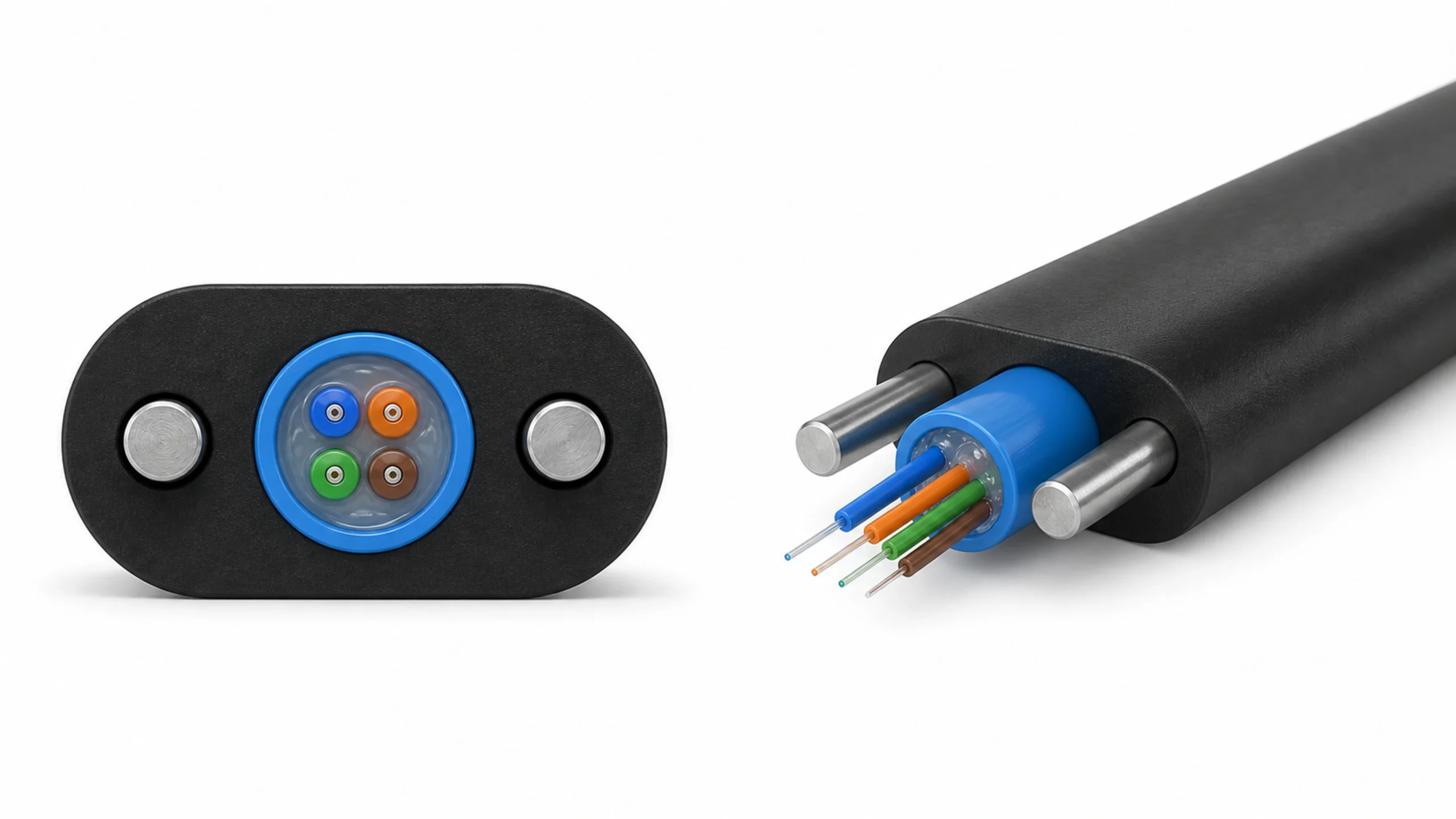

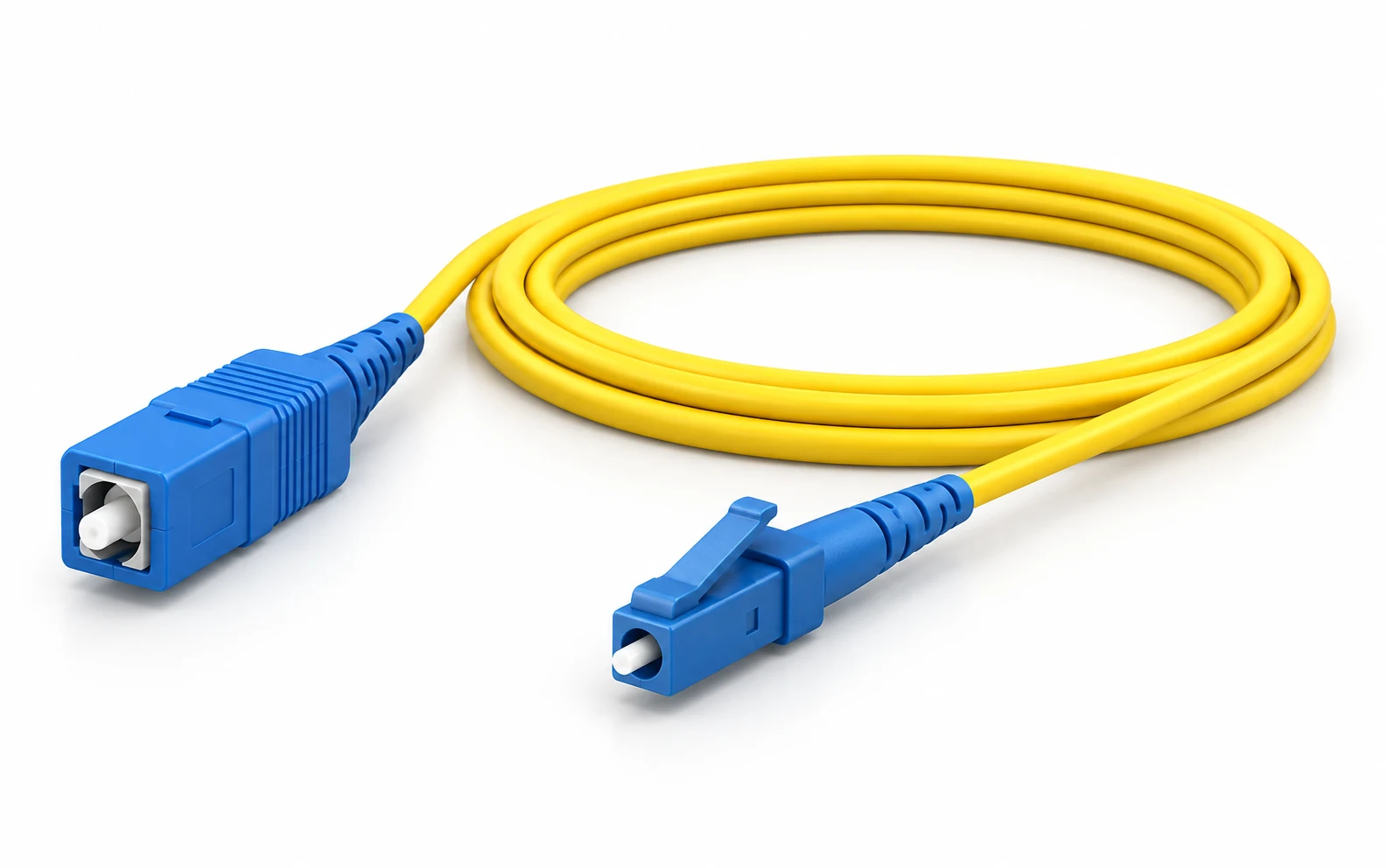
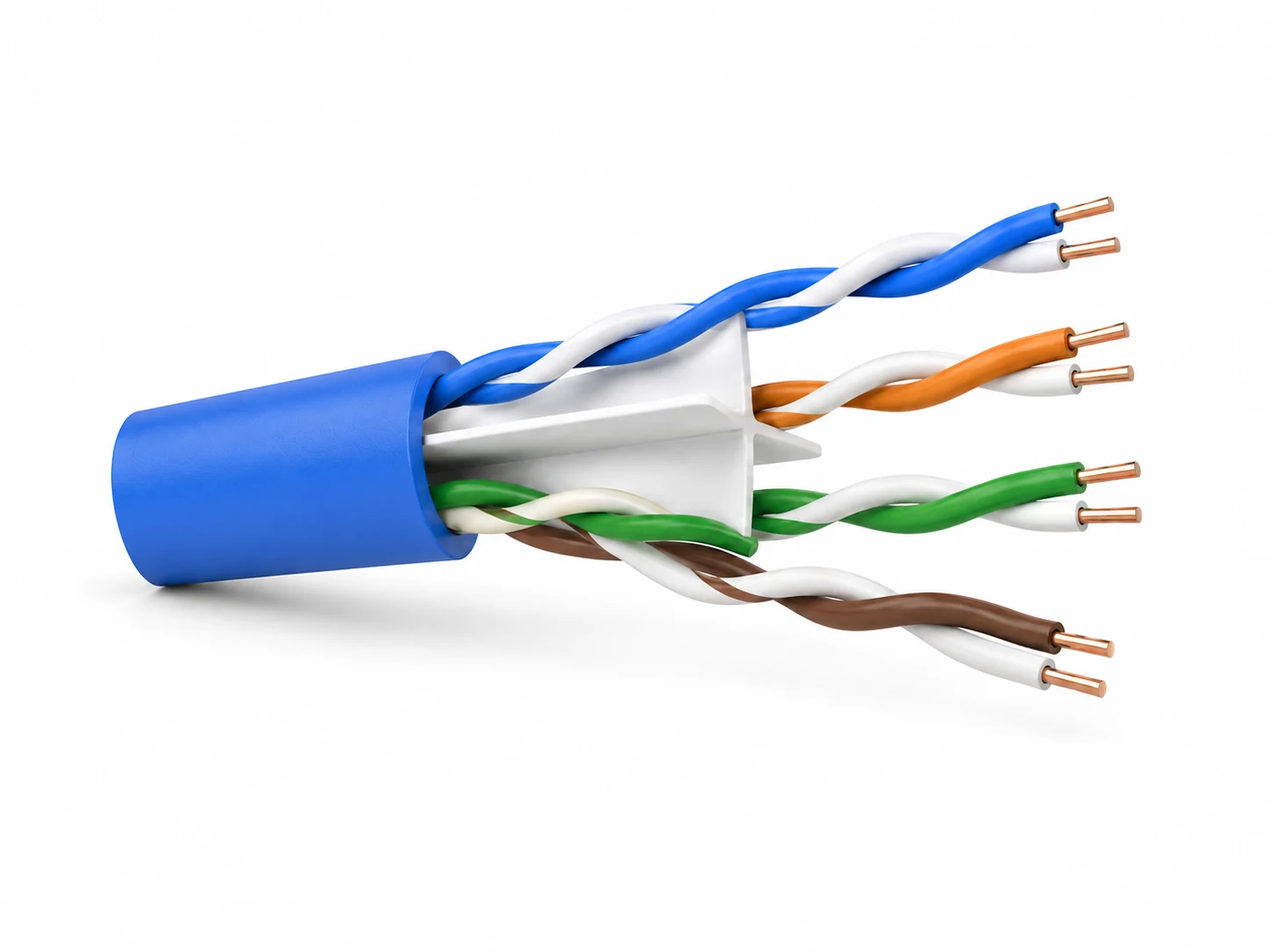











A buyer may ask several suppliers for a “complete cable production line” and receive equipment lists that cannot be compared. First establish whether the buyer has a real order or is only exploring an investment. A request for quotation (RFQ) for a specific project needs the cable construction, output target and problem the equipment must solve.
A price enquiry without an order or defined product can support only an early discussion, not a precise equipment configuration. For a project RFQ, describe the target cable, its structure and diameter range, the required capacity and the existing factory situation. Ask every supplier to quote against the same assumptions and acceptance conditions.
This guide is for a new factory defining its first production route and for an existing factory solving a capacity or product problem. It explains what to send, what to leave explicitly open and how to compare replies without treating a budgetary concept as a final equipment list.
구성 준비가 되었는지 먼저 결정하십시오
A buyer with a real customer order should send its cable specification, construction and required capacity before requesting the first equipment configuration. A trader asking only what machinery costs, without an order or defined product, cannot expect the same level of configuration or quotation accuracy.
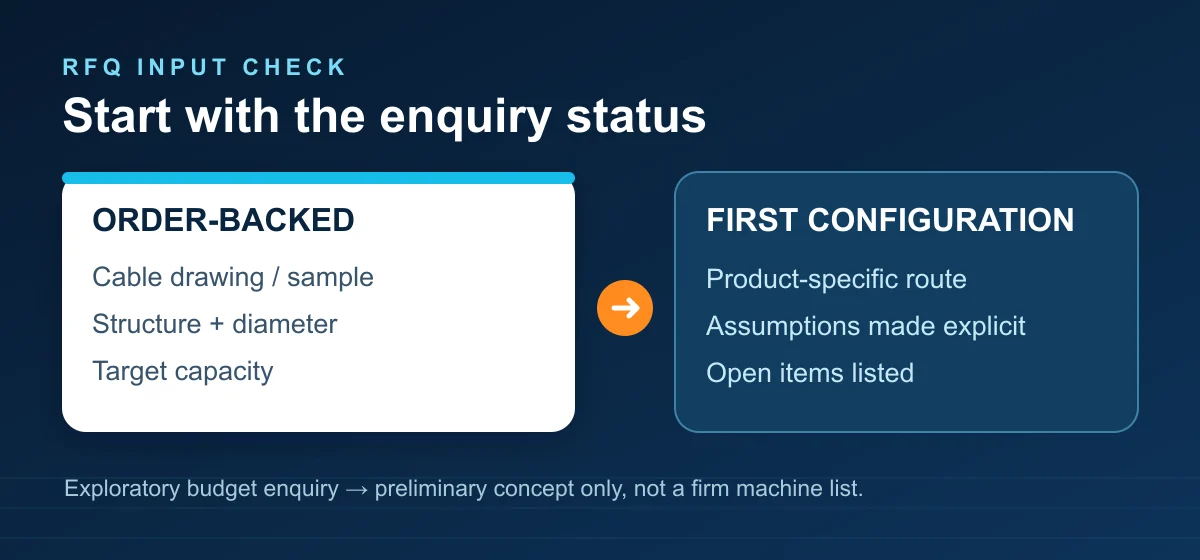
편집용 다이어그램: 첫 번째 장비 구성에는 정의된 케이블과 용량이 필요하며, 탐색적 가격 문의는 예비 단계로 남는다.
HONGKAI first asks what situation the enquiry represents: an existing customer order, an identified product for a planned factory, or an exploratory price check. Even when a buyer can name a cable but has not confirmed the order, investment range and output, the response may remain an initial route or budgetary concept rather than a settled machine list. That boundary should be stated in the reply, not hidden behind a precise-looking price.
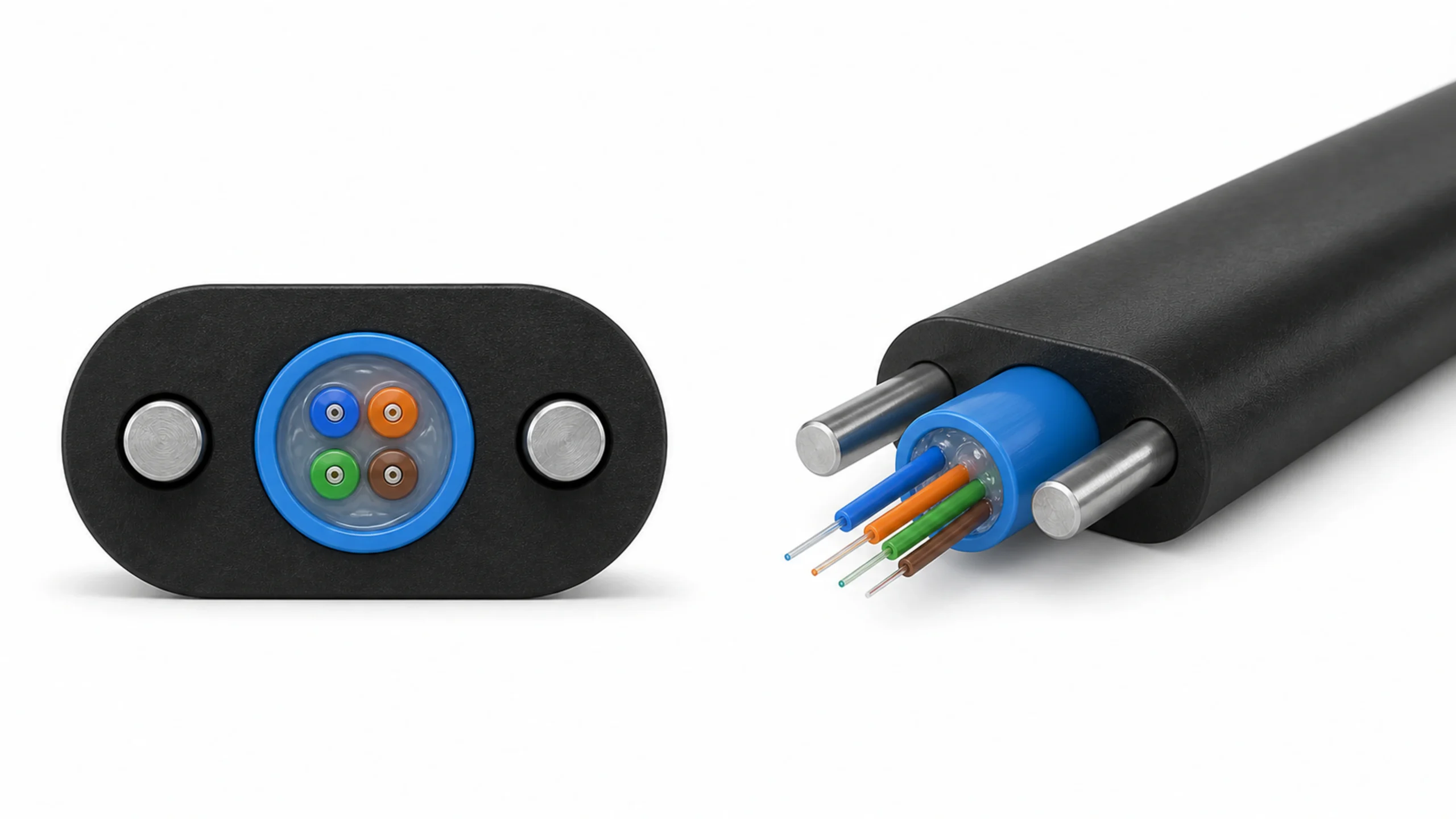
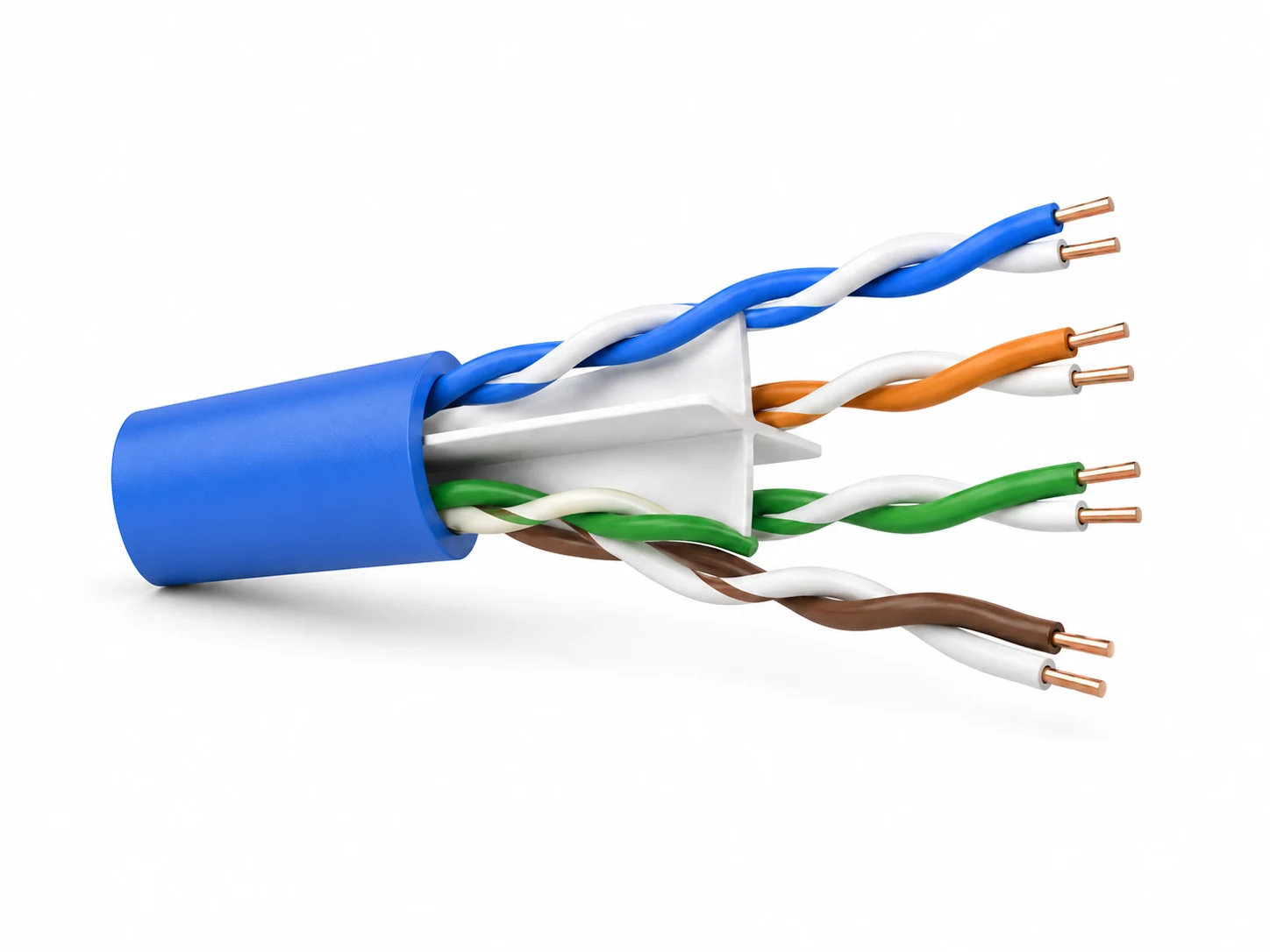
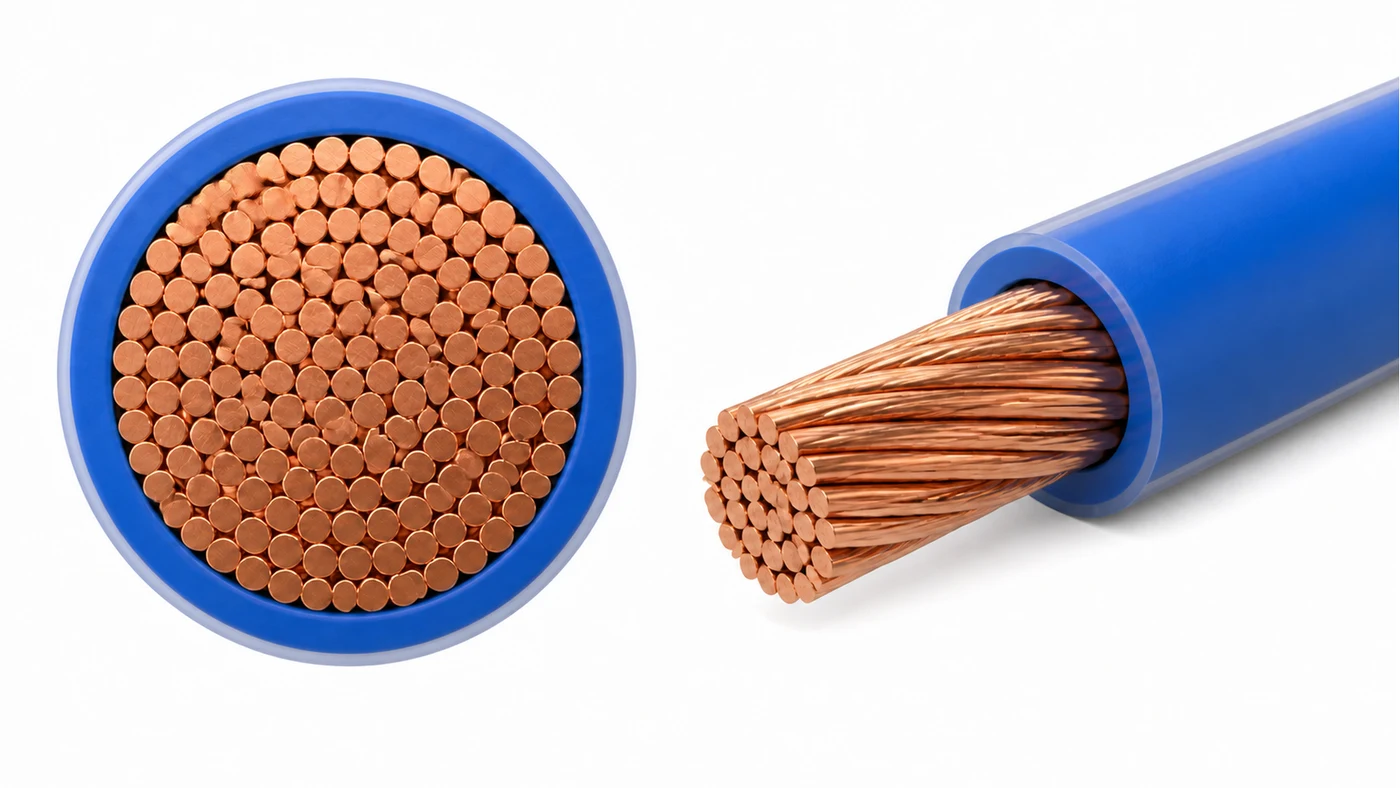
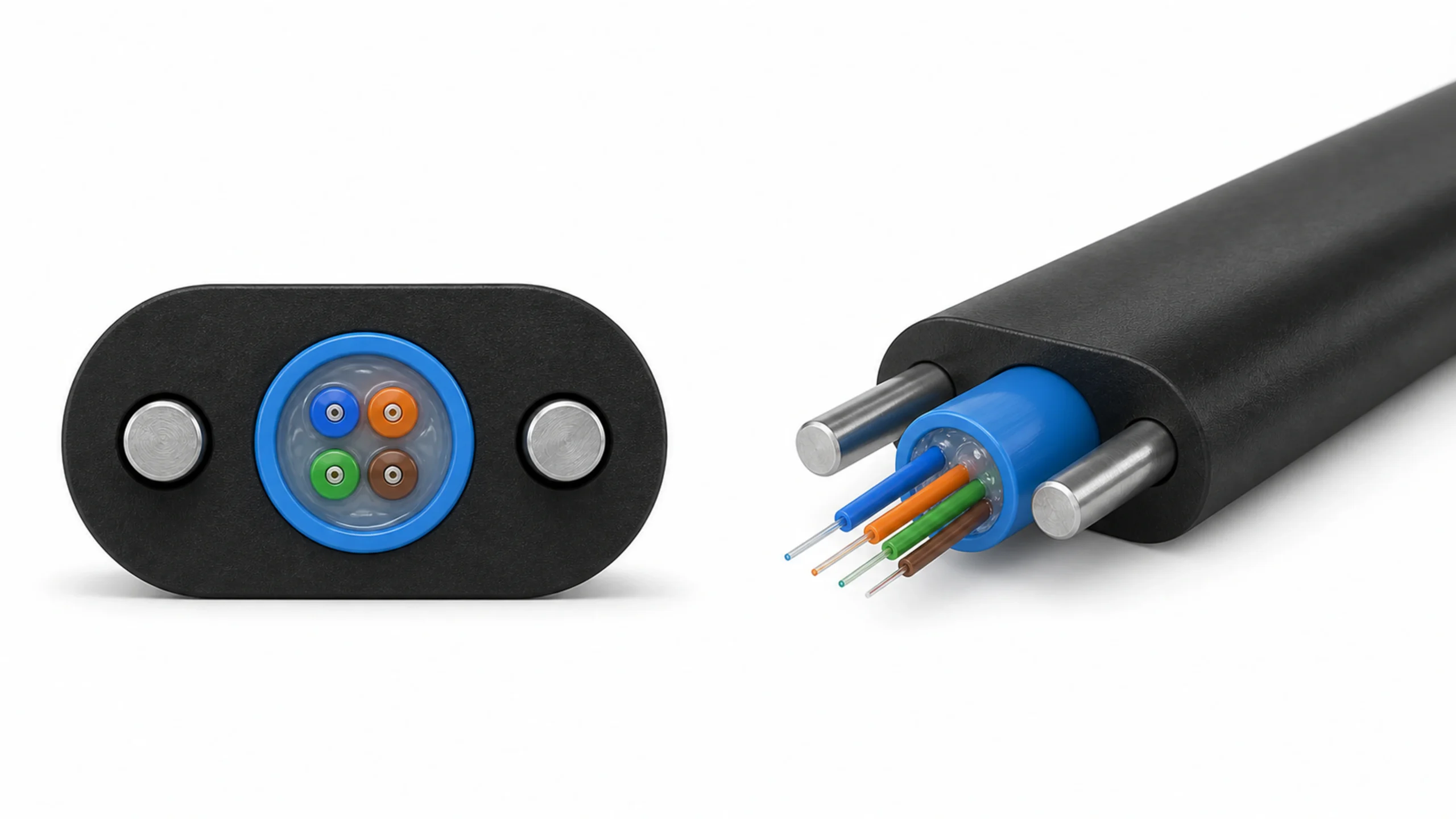
For an order-backed project, send the customer specification or an approved cable drawing. If there is no formal drawing, provide a physical sample or clear cross-section and identify which dimensions and materials are confirmed. “Power cable,” “network cable,” and “optical cable” are product families, not full equipment specifications. The buyer and supplier must resolve the missing construction decisions before a final configuration.
| Product input | 알고 있는 경우 제공할 사항 | 여전히 열려 있는 경우 |
|---|---|---|
| Enquiry basis | 고객 주문 또는 프로젝트 단계, 의도된 케이블 및 대상 시장 | 탐색적 예산 논의를 예비 단계로 표시하세요 |
| Product identity | 케이블 명칭, 용도 및 도면 또는 샘플 리비전 | 예정된 용도를 표시하고 구조 검토를 요청하세요. |
| Components | 도체 또는 코팅된 광섬유 입력, 코어 수 및 조립 구조 | 견적된 경로가 어느 입력 또는 중간 제품을 전제로 하는지 문의하십시오. |
| Material layers | 절연층, 버퍼, 보강재, 차폐층, 피복 및 외피(해당하는 경우) | 각 미결정 레이어를 별도로 기록하십시오. 일반적인 “표준 재료’라는 가정을 받아들이지 마십시오. |
| Finished form | 필요한 외부 치수, 형상, 마킹 및 납품 포장 | 공구 설계가 확정되기 전에 샘플 기반의 명확화를 요청하십시오. |
| 출력 목표 | 필요한 완제품 수량 및 운영 일정 | 용량에 따라 달라지는 기계 수와 성능을 공개 상태로 유지하세요 |
케이블 구조가 변경되면 동일한 케이블 계열이라도 다른 장비가 필요할 수 있습니다. 예를 들어, 저압 케이블 생산 라인 depends on its conductor, applied layers and testing boundary; an optical-fiber route starts from different purchased inputs and process stages. The RFQ should not merge those routes because both end with a cable on a drum.
무엇을 질문할 것인가: “이 견적은 확정된 주문을 위한 것입니까, 아니면 초기 예산 검토를 위한 것입니까? 제안된 구성은 어떤 케이블 도면, 샘플 및 생산 목표를 포함합니까?”
판매 수요를 테스트 가능한 출력 요구사항으로 전환하기
Specify the cable structure, the actual diameter range, the technical requirements and the required finished output before asking for a speed. “High speed” alone is not a production target: the stable speed must be calculated for the product that will actually run.

편집용 다이어그램: 명시된 작동 속도는 케이블 구조, 직경 및 품질 조건과 함께할 때만 의미가 있습니다.
When a customer requests a “high-capacity” line, HONGKAI’s first follow-up is the product’s construction, diameter and required technical result. Those conditions determine a realistic production-speed discussion. Ask for the product mix, expected order quantities, batch lengths, shifts, reel sizes and planned changeovers. An existing factory should add actual stop and quality-loss records; a new factory should ask suppliers to label any availability or yield assumption that has not yet been tested. The 광섬유 용량 계획 가이드 다단계 광케이블 프로젝트에서 가장 느린 필수 공정 단계가 완제 케이블 생산량을 제한할 수 있는 이유를 설명합니다.
모든 견적에 동일한 용량 명세서를 사용하십시오:
| RFQ field | Buyer entry | 공급자는 명시해야 합니다 |
|---|---|---|
| 완성품 및 혼합물 | 명명된 케이블 개정, 구조, 직경 범위 및 예상 비율 | 사이징 계산에 포함된 제품은 무엇입니까? |
| Demand period | 기간별 요구 적합 길이 또는 수량 | 가정한 교대 일정 및 가동 시간 |
| 일괄 생산 및 포장 | 일반적인 주문 길이 및 권취 드럼 또는 릴 | 전환 및 포장 한도 |
| 안정적인 생산 조건 | 합의된 대표 제품의 대상 | 제안된 속도를 뒷받침하는 재료, 공구, 직경, 구조 및 품질 조건 |
| Factory result | 구매자의 생산 목표 | 어떤 단계, 손실 또는 추가 라인이 결과를 제약하는가 |
Decision criterion: Separate mechanical design speed, stable speed for the approved sample, and expected factory output. They answer different questions and must not appear as one unexplained number.
기존 공장이 해결해야 할 문제 정의하기
For an existing factory, start with the past order mix and the reason for adding equipment. Is the buyer trying to increase output, make a new cable or remove a bottleneck? The proposed line and investment range should answer that problem, not simply duplicate the machines already on site.
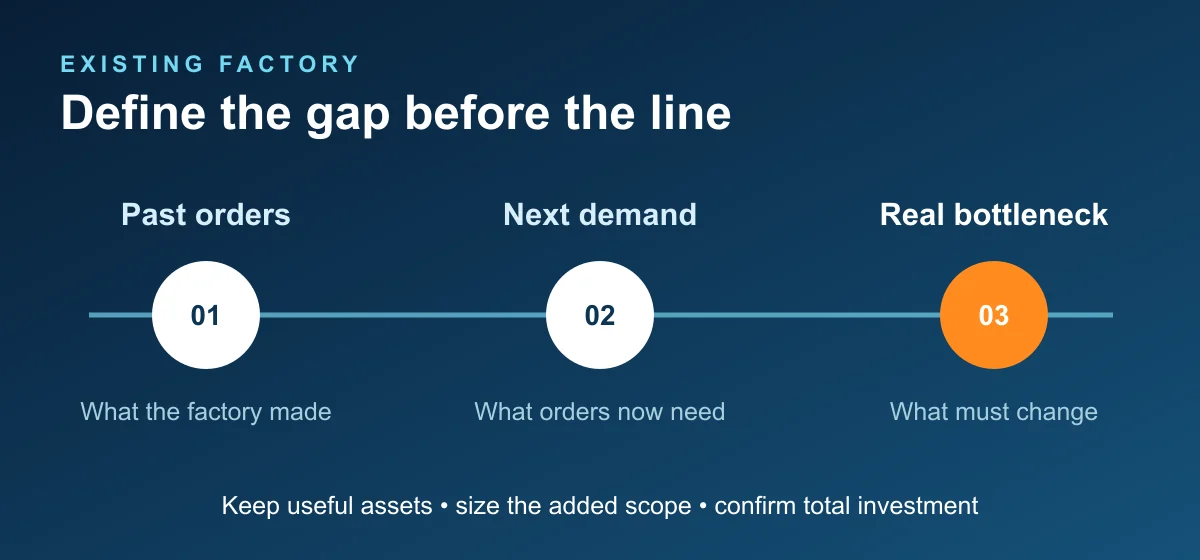
편집 다이어그램: 장비를 추가하기 전에 현재 역량과 신규 주문 간의 격차를 파악하세요.
HONGKAI asks what the factory used to produce, what current orders require and what the proposed investment is meant to change. The buyer should state the target capacity and approximate total project investment, not only a preferred machine price. An equipment-interface review then checks which existing process and factory assets can actually support the new route. This review is project-specific; Peter’s answer did not establish one universal list of interfaces for every factory.
Show the machines that remain in service and the handoff to new equipment: incoming reel sizes, output package sizes, line direction, floor space, utilities and controls. For a new plant, ask for a staged scope that distinguishes launch-critical machines from later expansion. The 광섬유 공장 점검 목록 illustrates how product, capacity, schedule, budget and service boundary affect one optical project; a power-cable or LAN-cable project needs its own process map.
| Boundary | Include in the RFQ | 각 공급업체의 회신에 반드시 포함되어야 함 |
|---|---|---|
| Incoming material | 구매 입력 양식, 포장 및 품질 책임 | 필수 입력 사양 및 페이오프 인터페이스 |
| 주요 공정 | 기존 및 신규 생산 단계 | 포함된 기계, 제외된 공정 및 외부 위탁 프로세스 |
| Factory services | 사용 가능한 전원, 수도, 냉각, 압축 공기 및 공간 | 제안된 구성에 대한 유틸리티 요구사항 및 설치 조건 |
| 품질 | 인라인 측정 및 최종 실험실 범위 | 포함된 계측기, 구매자 제공 시험 및 교정 경계 |
| 배송 및 지원 | 설치 현장, 일정 및 작업자 팀 | 설치, 교육, 문서화 및 애프터서비스 책임 |
Note: Do not infer an equipment capability from a drawing of the final cable. Ask the supplier to map every required process stage to the machine or existing factory asset that performs it.
범위와 가정에 따라 견적 비교
Compare the actual machine configuration before deciding that the higher or lower price is better. The electrical and electronic components, installed power and demonstrated production condition may differ even when two quotations use the same machine name.
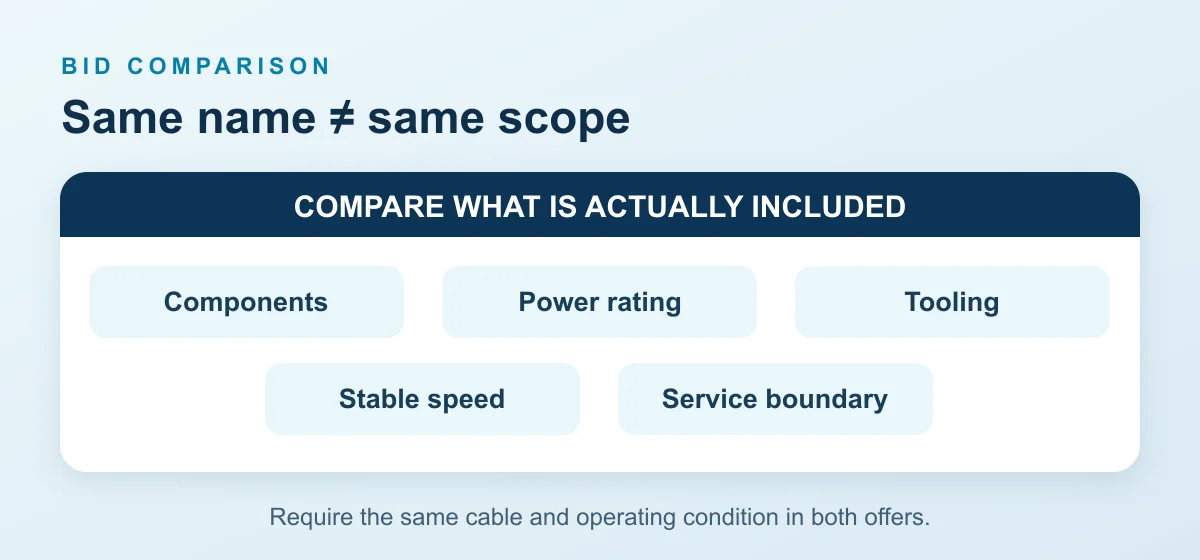
편집 다이어그램: 공유된 기계명이 두 견적이 동일한 기술 및 서비스 범위를 포함한다는 것을 증명하지는 않는다.
When HONGKAI reviews a large price difference, the first check is what each configuration contains: the specified electrical and control components, power ratings, product range and actual speed under the relevant cable condition. These are possible reasons for a difference, not proof that the more expensive offer is better. Keep one bid-comparison sheet with a column for each supplier. Record the offered model or configuration, component specifications, included tooling, supported product range, operating assumptions, testing, services, exclusions and open points. Ask the supplier to label every deviation from the RFQ rather than burying it in a brochure or email.
| 동일한 라인에서 비교하세요 | Supplier A | Supplier B | Decision needed |
|---|---|---|---|
| 승인된 제품 및 도면 개정판 | 작성 완료 필요 | 작성 완료 필요 | 두 견적 모두 동일한 케이블을 기준으로 한 것입니까? |
| 포함된 공정 단계 및 공구 | 작성 완료 필요 | 작성 완료 필요 | 중간 공정이 누락된 것이 있습니까? |
| 전기/제어 부품 및 전력 정격 | 작성 완료 필요 | 작성 완료 필요 | 모델, 등급 및 제어 기능이 동일한가요? |
| 지정된 직경과 구조에서 안정적인 출력 조건 | 작성 완료 필요 | 작성 완료 필요 | 해당 주장을 뒷받침하는 제품 및 생산 기록은 무엇입니까? |
| 유니버설 및 기존 기계 인터페이스 | 작성 완료 필요 | 작성 완료 필요 | 누가 각 누락된 인터페이스를 공급합니까? |
| 검사, 공장 가동 전 시험(FAT) 및 현장 승인 | 작성 완료 필요 | 작성 완료 필요 | 동일한 완제품 샘플이 테스트됩니까? |
| 설치, 교육 및 제외 사항 | 작성 완료 필요 | 작성 완료 필요 | 어떤 작업이 구매자에게 남아 있습니까? |
Evidence to request: A revised technical schedule and a marked deviation list. A supplier who proposes a sensible alternative should explain which product requirement it changes and obtain approval before that alternative becomes the comparison baseline.
Write Acceptance Evidence Into the RFQ
Agree on a representative cable and the basic quality checks before factory acceptance testing (FAT). For an applicable insulated or sheathed cable, HONGKAI commonly checks centering or concentricity, outside-diameter stability and whether the surface is damaged. The product specification must set the actual limits and methods.

편집 다이어그램: 합의된 샘플, 실행 기록, 측정치 및 인도 문서는 동일한 제품 사양을 참조해야 한다.
동심도, 외경 및 타원도는 단일 온라인 시스템이 세 가지 모두를 보고하더라도 별개의 측정 항목입니다.1 고객 사양에서 95% 이상의 동심도를 요구하는 경우, 해당 수치는 지정된 제품 및 측정 방법에 대해서만 사용해야 합니다. 이는 ~ 아니다 a universal cable requirement; “eccentricity” should not be treated as a higher-is-better percentage. Before using the figure in a contract, identify the applicable product, calculation, measuring position and pass limit. For optical or other products where centering is not the relevant finished-cable criterion, specify the tests appropriate to that construction instead.
The RFQ should identify the sample construction, who supplies qualified materials, what will be measured, the pass limits and the documents the buyer will receive. It does not need to invent a universal test duration or speed. If the full product range cannot be run at FAT, list the untested products as open site-validation items. Do not turn one successful sample into a claim for every cable in the catalogue.
| Acceptance record | 연결되어야 할 대상 |
|---|---|
| 승인된 샘플 식별 정보 | 도면 개정, 원자재, 공구 및 포장 |
| Run record | 레시피 또는 설정, 운전 기간, 정지 및 측정된 출력 |
| Product measurements | 외경 편차, 중심 정렬/동심도(해당 시), 표면 상태 및 기타 제품별 결과에 동의함 |
| Scope record | 설치된 기계, 계측기, 유틸리티 및 미해결 인터페이스 |
| Handover | 매뉴얼, 교육, 예비 부품 범위 및 미해결 항목 담당자 |
How to verify: Use the same product and acceptance schedule for the RFQ, technical agreement, FAT and site handover. Amend a field by revision instead of silently changing the product after prices arrive.
An RFQ is ready to send when a supplier can identify the finished cable, calculate the required route and output, see the factory boundary, and explain how its proposal will be accepted. Any open field should have an owner and a date for resolution. That is more useful to a buyer than a longer list of unqualified machine names.
-
SIKORA, "케이블 및 전선의 절연체 내 도체의 정밀 동심도 측정 기법 및 관련 파라미터". The source describes conductor-in-insulation concentricity together with outer-diameter and ovality measurements; it does not set a universal 95% acceptance limit. ↩

 English
 हिन्दी
 فارسی