









HONGKAI · Fiber optic cable library
Find the right fiber optic cable for your application.
Explore cable types, understand the construction, and build a clear project brief — with finished-cable supply and production support from HONGKAI.
Start with what you know.
No model number needed.1. Where will the cable be installed?
Choose the part of the network you are working on.
One project can include several cable types. Start with one route; you can add other families to the same brief.
2. What does the construction need to do?
Choose a priority, or let us help you compare the options.
These are selection priorities. The final cable drawing determines the actual construction.
3. Add the fiber requirements you already have.
Leave either field open if the network specification is still being prepared.
The same cable family may use different fiber counts. We keep this as a project requirement, so an incomplete catalog specification does not hide a potentially relevant family.
4. What would you like help with?
Tell us what you are connecting, where the cable will run, and what is already specified. You can add a photo or drawing when you contact us.
Six applications. Six starting points.
Examples · choose a route to refineAll 6 applications representedFrom FTTH drop cables to microduct: explore one example for each route, or browse all 41 entries in the complete catalog below.
GJXFH(V) FRP
FTTH drop cable with FRP reinforcement
An FTTH drop-cable listing with FRP reinforcement. Share the indoor or outdoor route and any unsupported span so the exact construction and jacket can be confirmed.
What to confirm
Confirm the approved construction, installation conditions, fiber count and acceptance requirements.
Fiber count, fiber type and final performance: confirm with your specification.
GJFJV
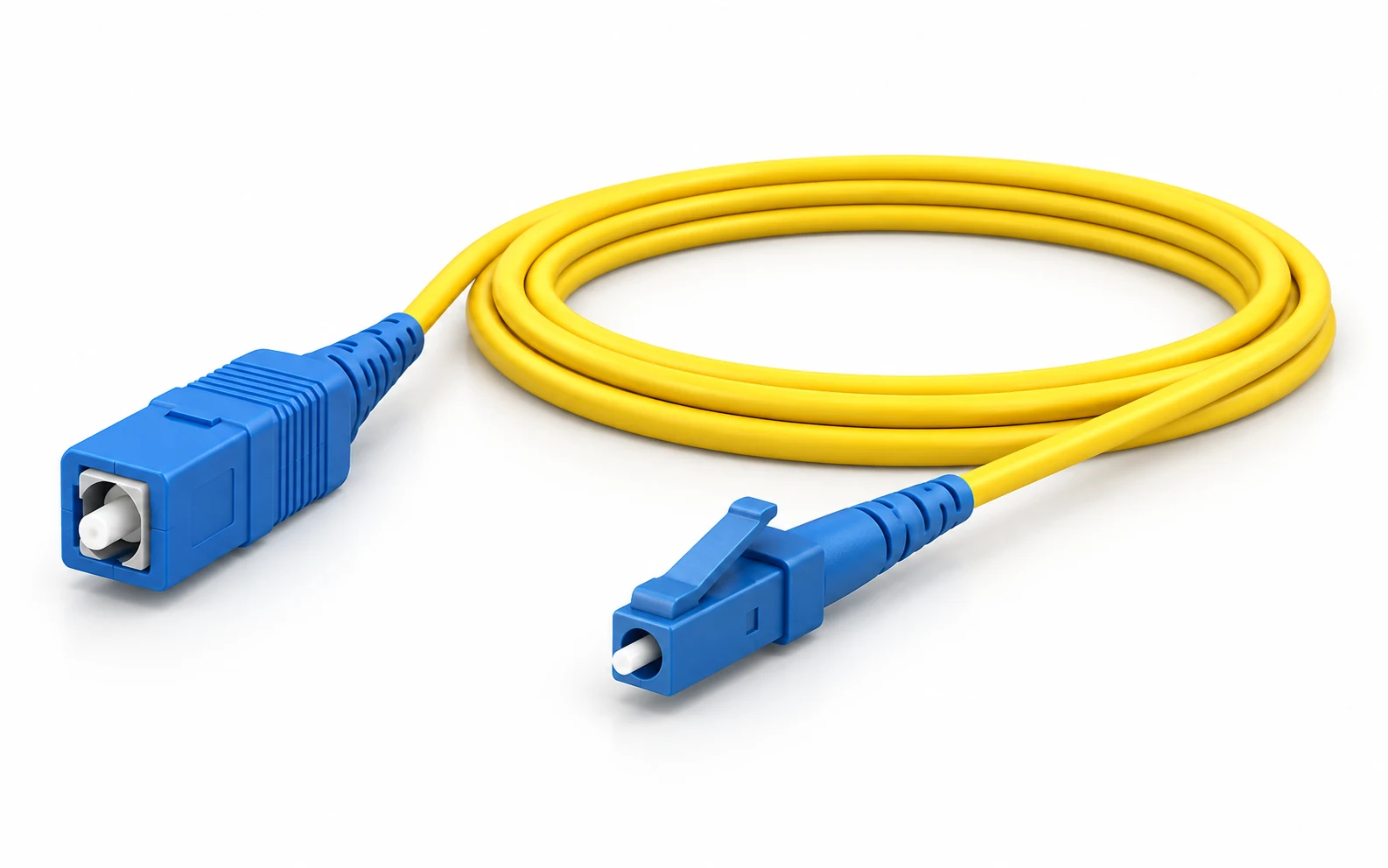
Simplex indoor cable
A single indoor connection for patching or direct termination.
What to confirm
Fiber specification, connector plan and jacket fire performance.
Fiber count, fiber type and final performance: confirm with your specification.
ADSS
All-dielectric self-supporting
An aerial family without a metallic messenger.
What to confirm
Span design and sheath suitability for the electrical environment.
Fiber count, fiber type and final performance: confirm with your specification.
GYTS
Steel-tape loose-tube cable
A stranded outdoor construction for multi-fiber duct routes.
What to confirm
Mechanical requirements and the approved sheath / armor structure.
Fiber count, fiber type and final performance: confirm with your specification.
GYFTY53
Armored outdoor cable
A protected outdoor family to review for burial or duct routes.
What to confirm
Soil, crush / impact conditions and installation protection.
Fiber count, fiber type and final performance: confirm with your specification.
JET MICRO
Unitube micro cable
A compact non-metallic micro-cable family to review for microduct routes.
What to confirm
Compatibility with your microduct and installation equipment.
Fiber count, fiber type and final performance: confirm with your specification.
Let's clarify the route first.
Your project description is enough to start a selection conversation.
Family shortlist only. Final suitability follows the approved specification.
Why a machinery company has a cable library
Understand the cable. Define the project. Find the right support.
HONGKAI supplies finished fiber optic cables as well as cable-making equipment. We connect production knowledge with cable selection, and handle payment, agreed acceptance inspection and delivery for your finished-cable order.
Understand & select
Compare cable families by application and construction. Use the existing product pages to examine the structure and prepare the questions that matter.
Find your starting pointDiscuss finished cable supply
Your finished cable is made by an independent factory in China using HONGKAI equipment. HONGKAI is your supplier: the actual manufacturing source, specification, inspection scope and delivery terms are agreed for your order.
Plan cable production
Use the finished cable as the starting point for equipment selection, production-stage planning and project support.
Cable family listings describe what to evaluate. The project proposal identifies who manufactures, supplies and supports each part of the scope.
The complete HONGKAI cable library
Every cable type. One clear catalog.
Browse all 41 entries across FTTH, indoor, aerial, duct, direct burial and microduct applications. Search a model or select a route to compare constructions and prepare your project brief.
33 website product entries + 8 reference families. All entries are included in search and application filters.
GJXFH(V) FRP
FTTH drop cable with FRP reinforcement
An FTTH drop-cable listing with FRP reinforcement. Share the indoor or outdoor route and any unsupported span so the exact construction and jacket can be confirmed.
What to confirm
Confirm the approved construction, installation conditions, fiber count and acceptance requirements.
Fiber count, fiber type and final performance: confirm with your specification.
GJXFH(V)
FTTH drop cable for the final connection
A separate GJXFH(V) FTTH product listing. Confirm the reinforcement, jacket and installation arrangement in the selected drawing before matching this version to your project.
What to confirm
Confirm the approved construction, installation conditions, fiber count and acceptance requirements.
Fiber count, fiber type and final performance: confirm with your specification.
GJYXFCH(V) FRP
Self-supporting FTTH drop cable family
An FTTH drop-cable family to review for pole-to-premises routes. Confirm the messenger design, span, jacket and building-entry requirements for the selected construction.
What to confirm
Confirm the approved construction, installation conditions, fiber count and acceptance requirements.
Fiber count, fiber type and final performance: confirm with your specification.
GJXH
Bow-type FTTH drop family
A starting point for the last connection within or into a building.
What to confirm
Indoor / outdoor grade and bending requirements.
Fiber count, fiber type and final performance: confirm with your specification.
3D family illustration · not an approved product drawing. Exact structure must be confirmed.GJYXFCH
Self-supporting FTTH drop family
A drop construction with a messenger for pole-to-premises routes.
What to confirm
Span, messenger design and entry into the building.
Fiber count, fiber type and final performance: confirm with your specification.
3D family illustration · not an approved product drawing. Exact structure must be confirmed.TIGHT BUFFERED
Tight-buffered fiber
An intermediate fiber element for indoor cable or termination assemblies.
What to confirm
This is a buffered fiber element, not a complete outdoor cable.
Fiber count, fiber type and final performance: confirm with your specification.
GJSFJV
Armored simplex indoor cable
A protected indoor connection with a tight-buffered fiber.
What to confirm
Armor construction and termination method.
Fiber count, fiber type and final performance: confirm with your specification.
GJFJV
Simplex indoor cable
A single indoor connection for patching or direct termination.
What to confirm
Fiber specification, connector plan and jacket fire performance.
Fiber count, fiber type and final performance: confirm with your specification.
GJFJV
Duplex indoor cable
Two indoor cable units for paired connections.
What to confirm
Duplex layout and termination requirements.
Fiber count, fiber type and final performance: confirm with your specification.
GJFV
Mini-bundle indoor cable
A compact bundle of colored fibers for indoor cabling.
What to confirm
Fiber protection and breakout / termination method.
Fiber count, fiber type and final performance: confirm with your specification.
GJFJHV
Breakout indoor cable
Individually protected sub-units for multi-fiber indoor routes.
What to confirm
Sub-unit size, fiber count and termination plan.
Fiber count, fiber type and final performance: confirm with your specification.
GJFJV
Tight-buffer indoor variant
Another GJFJV listing; check the detailed construction before choosing.
What to confirm
Compare this listing with the simplex and duplex versions.
Fiber count, fiber type and final performance: confirm with your specification.
GJPFJV
Multi-purpose breakout cable
A breakout family for indoor distribution and termination.
What to confirm
The exact sub-unit structure in the product drawing.
Fiber count, fiber type and final performance: confirm with your specification.
GJFJH53
Armored indoor cable
An indoor construction to discuss when mechanical protection matters.
What to confirm
Armor structure and required fire performance.
Fiber count, fiber type and final performance: confirm with your specification.
GJFJTC8Y
Indoor Figure-8 cable
A Figure-8 construction in the indoor cable catalog.
What to confirm
Installation limits in the drawing; an indoor listing is not outdoor approval.
Fiber count, fiber type and final performance: confirm with your specification.
GJAFKV
Multi-core bundle-type armored cable
An indoor armored construction combining fiber-bundle sub-units with FRP reinforcement. Confirm each sub-unit, armor system and final PVC or LSZH sheath.
What to confirm
Confirm the approved construction, installation conditions, fiber count and acceptance requirements.
Fiber count, fiber type and final performance: confirm with your specification.
GJASFKV
Multi-core armored indoor cable
An indoor multi-core construction with protected fiber-bundle sub-units and a steel-wire armor layer. Match the final jacket and cable dimensions to the installation.
What to confirm
Confirm the approved construction, installation conditions, fiber count and acceptance requirements.
Fiber count, fiber type and final performance: confirm with your specification.
GJSFJV Distribution
Armored indoor distribution cable
An indoor distribution construction with tight-buffered fibers, an inner sheath and stainless-steel wire protection. Confirm the core, armor and termination arrangement together.
What to confirm
Confirm the approved construction, installation conditions, fiber count and acceptance requirements.
Fiber count, fiber type and final performance: confirm with your specification.
GJFJBV
Breakout reference family
An additional indoor breakout family for specification review.
What to confirm
Verify the exact code and sub-unit construction.
Fiber count, fiber type and final performance: confirm with your specification.
3D family illustration · not an approved product drawing. Exact structure must be confirmed.GYXTW
Central loose-tube cable
A compact outdoor family with a central tube and steel-tape protection.
What to confirm
Supported aerial installation where relevant; do not assume self-supporting.
Fiber count, fiber type and final performance: confirm with your specification.
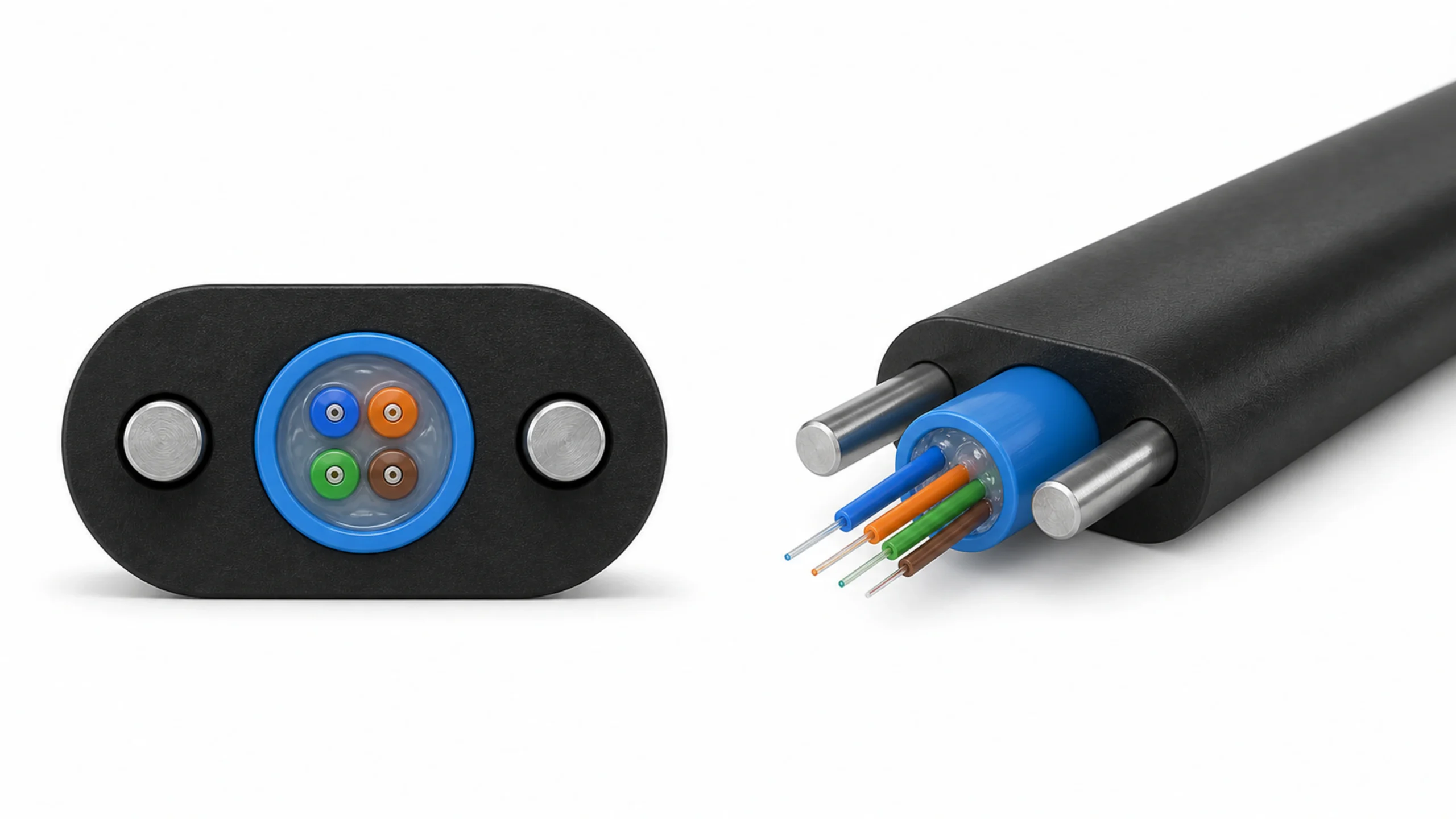
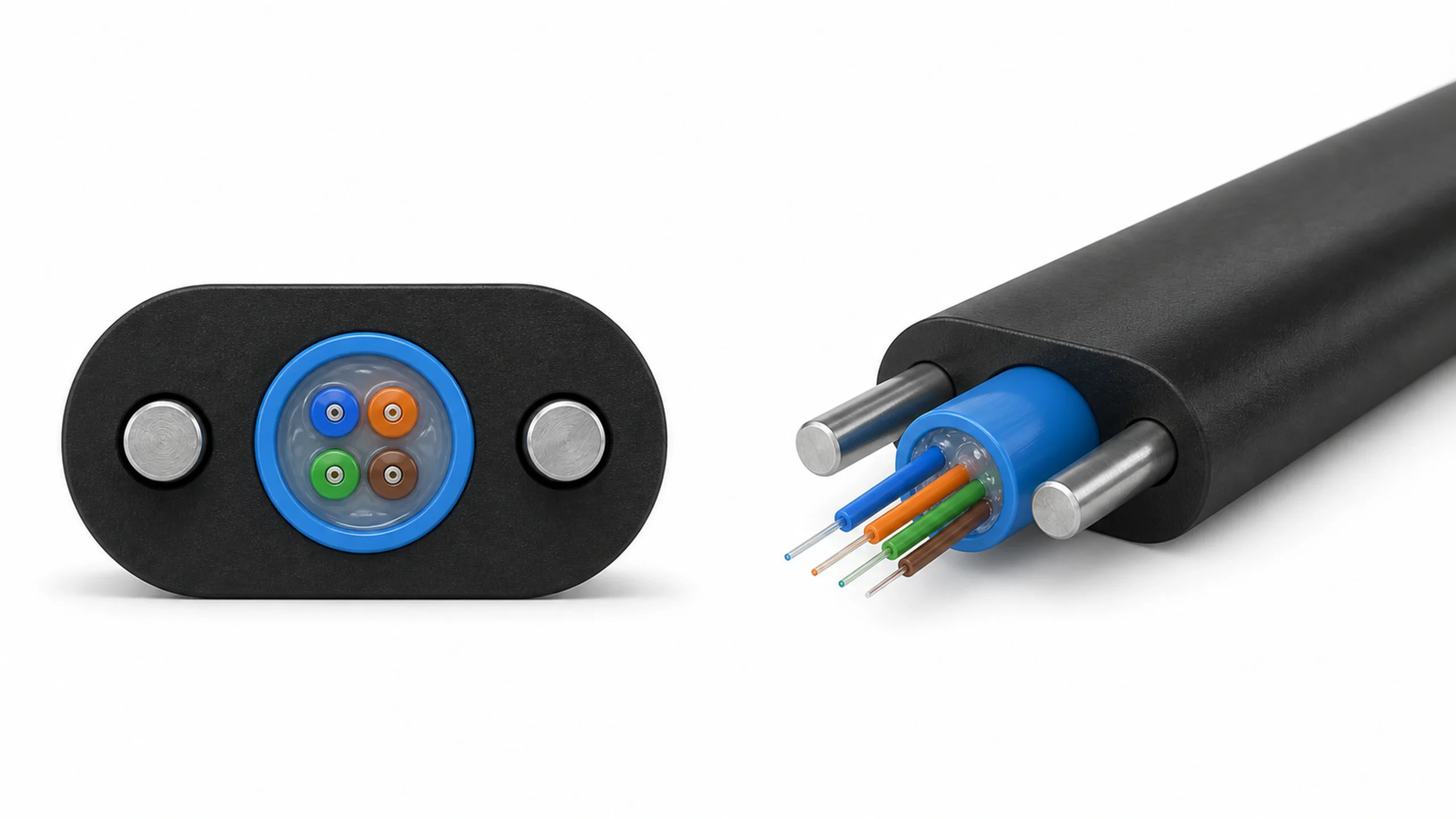
ASU / GYFFY
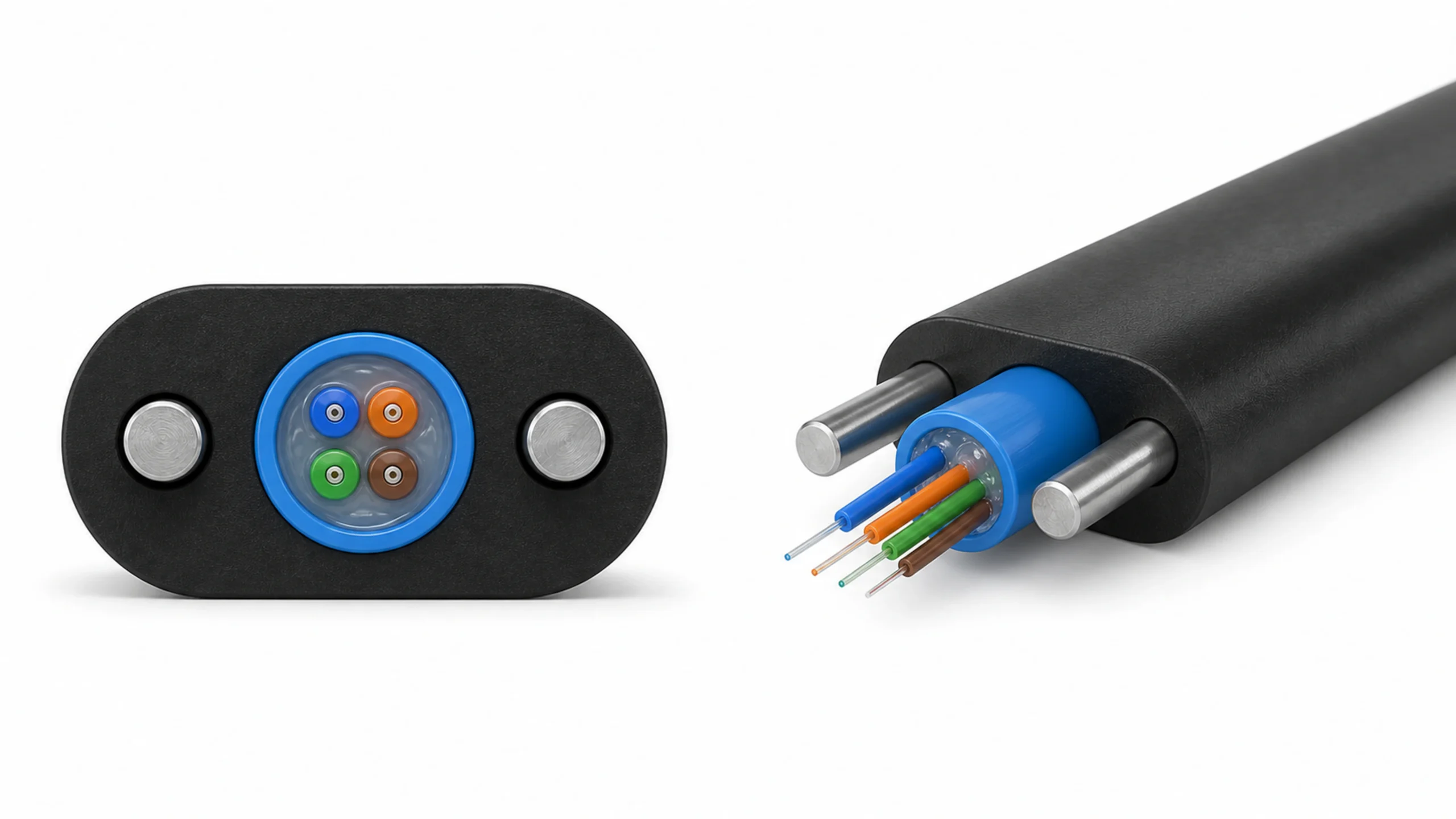
Two-FRP aerial fiber optic cable
A compact aerial cable construction with a central PBT loose tube, two FRP strength members and a PE sheath. Span, loading and installation conditions define the required configuration.
What to confirm
Confirm the approved construction, installation conditions, fiber count and acceptance requirements.
Fiber count, fiber type and final performance: confirm with your specification.
GYFTY
Non-metallic outdoor cable
A non-armored outdoor family with non-metallic reinforcement.
What to confirm
External support for aerial use; this is not an ADSS substitute.
Fiber count, fiber type and final performance: confirm with your specification.
GYXTC8S
Central-tube Figure-8 cable
An overhead cable with an integrated metallic messenger.
What to confirm
Span, messenger load and grounding requirements.
Fiber count, fiber type and final performance: confirm with your specification.
GYFTC8S
Stranded Figure-8 cable
A stranded optical unit with an integrated aerial messenger.
What to confirm
Span loading and the metallic parts in the final construction.
Fiber count, fiber type and final performance: confirm with your specification.
ADSS
All-dielectric self-supporting
An aerial family without a metallic messenger.
What to confirm
Span design and sheath suitability for the electrical environment.
Fiber count, fiber type and final performance: confirm with your specification.
ADSS
Double-sheathed self-supporting aerial cable
An ADSS construction with an FRP-centered optical core, inner PE sheath, aramid yarn and outer PE or AT sheath. Review span and electrical conditions before selecting a configuration.
What to confirm
Confirm the approved construction, installation conditions, fiber count and acceptance requirements.
Fiber count, fiber type and final performance: confirm with your specification.
GYFXY
Non-metallic central loose-tube cable
A central loose-tube construction with two parallel FRP strength members and a PE outer sheath. Confirm route protection, loads and water-blocking requirements.
What to confirm
Confirm the approved construction, installation conditions, fiber count and acceptance requirements.
Fiber count, fiber type and final performance: confirm with your specification.
GYXY
Non-armored unitube cable
A central-tube construction for protected outdoor routes.
What to confirm
External mechanical protection and pulling requirements.
Fiber count, fiber type and final performance: confirm with your specification.
GYTA
Stranded loose-tube cable with aluminium tape
A stranded loose-tube construction with a central steel strength member, aluminium-polyethylene laminate and a PE sheath. Aluminium moisture protection is not the same as steel-tape armor.
What to confirm
Confirm the approved construction, installation conditions, fiber count and acceptance requirements.
Fiber count, fiber type and final performance: confirm with your specification.
GYTS
Steel-tape loose-tube cable
A stranded outdoor construction for multi-fiber duct routes.
What to confirm
Mechanical requirements and the approved sheath / armor structure.
Fiber count, fiber type and final performance: confirm with your specification.
GYTY53
Double-sheathed steel-armored cable
A stranded loose-tube cable with a central steel strength member, inner PE sheath, steel-tape protection and outer PE sheath. Review ground conditions and installation protection together.
What to confirm
Confirm the approved construction, installation conditions, fiber count and acceptance requirements.
Fiber count, fiber type and final performance: confirm with your specification.
GYFTA
GYFTA outdoor cable
An outdoor family listed with a non-metallic strength member.
What to confirm
Confirm the tape and sheath structure in the drawing; FRP alone does not make the whole cable dielectric.
Fiber count, fiber type and final performance: confirm with your specification.
GYFTY53
Armored outdoor cable
A protected outdoor family to review for burial or duct routes.
What to confirm
Soil, crush / impact conditions and installation protection.
Fiber count, fiber type and final performance: confirm with your specification.
GYTA
Aluminium-tape outdoor family
A stranded outdoor cable family with an aluminium moisture barrier.
What to confirm
Aluminium tape is not steel-tape armor; confirm protection separately.
Fiber count, fiber type and final performance: confirm with your specification.
3D family illustration · not an approved product drawing. Exact structure must be confirmed.GYTA53
Double-sheathed burial family
An additional armored family to discuss for underground routes.
What to confirm
The exact armor, sheath and mechanical requirements.
Fiber count, fiber type and final performance: confirm with your specification.
3D family illustration · not an approved product drawing. Exact structure must be confirmed.GYTY53
Armored burial reference family
A loose-tube family to discuss for mechanically protected buried routes.
What to confirm
Approved construction and installation requirements.
Fiber count, fiber type and final performance: confirm with your specification.
3D family illustration · not an approved product drawing. Exact structure must be confirmed.JET MICRO
Unitube micro cable
A compact non-metallic micro-cable family to review for microduct routes.
What to confirm
Compatibility with your microduct and installation equipment.
Fiber count, fiber type and final performance: confirm with your specification.
GCYFY
Air-blown optical fiber micro cable
An optical micro-cable family for compatible microduct systems. Confirm cable diameter, duct size, route geometry and installation equipment before defining the blowing requirement.
What to confirm
Confirm the approved construction, installation conditions, fiber count and acceptance requirements.
Fiber count, fiber type and final performance: confirm with your specification.
Center Tube Micro
Central-tube optical micro cable
A compact optical micro cable with fibers housed in a central tube. Match the final cable construction to the microduct and intended installation method.
What to confirm
Confirm the approved construction, installation conditions, fiber count and acceptance requirements.
Fiber count, fiber type and final performance: confirm with your specification.
GYFXTBY
Air-blown micro-cable family
An additional micro-cable construction for a compatible duct system.
What to confirm
Exact construction, diameter and blowing compatibility.
Fiber count, fiber type and final performance: confirm with your specification.
3D family illustration · not an approved product drawing. Exact structure must be confirmed.GCYFXTY
Microduct reference family
A multi-fiber microduct family for specification-led discussion.
What to confirm
Exact code, diameter, fiber count and installation method.
Fiber count, fiber type and final performance: confirm with your specification.
3D family illustration · not an approved product drawing. Exact structure must be confirmed.No matching cable family
Try a shorter model code, reset the application filter, or describe the requirement to our team. All 41 entries are included in this search.
Reference families are selection starting points, not a statement of stock availability. Confirm the final cable construction and supply scope with us.
Understand the choices
Similar-looking cables can do different jobs.
Use these distinctions to narrow the conversation. Installation loads, protection and the approved construction still decide suitability.
ADSS or Figure-8?
Both appear in aerial projects.ADSS uses an all-dielectric self-supporting construction. Figure-8 designs use a messenger. Start with the span and whether metallic components are acceptable.
Duct or direct burial?
Both are outdoor routes.A duct provides external protection. A directly buried route needs its own protection strategy. Do not assume any outdoor cable is suitable for direct burial.
Simplex, duplex or breakout?
All can serve indoor networks.Start with how many connections you need and how they will terminate. Several fibers in one cable is different from individually protected sub-units.
From cable appearance to construction
See what the family name is describing.
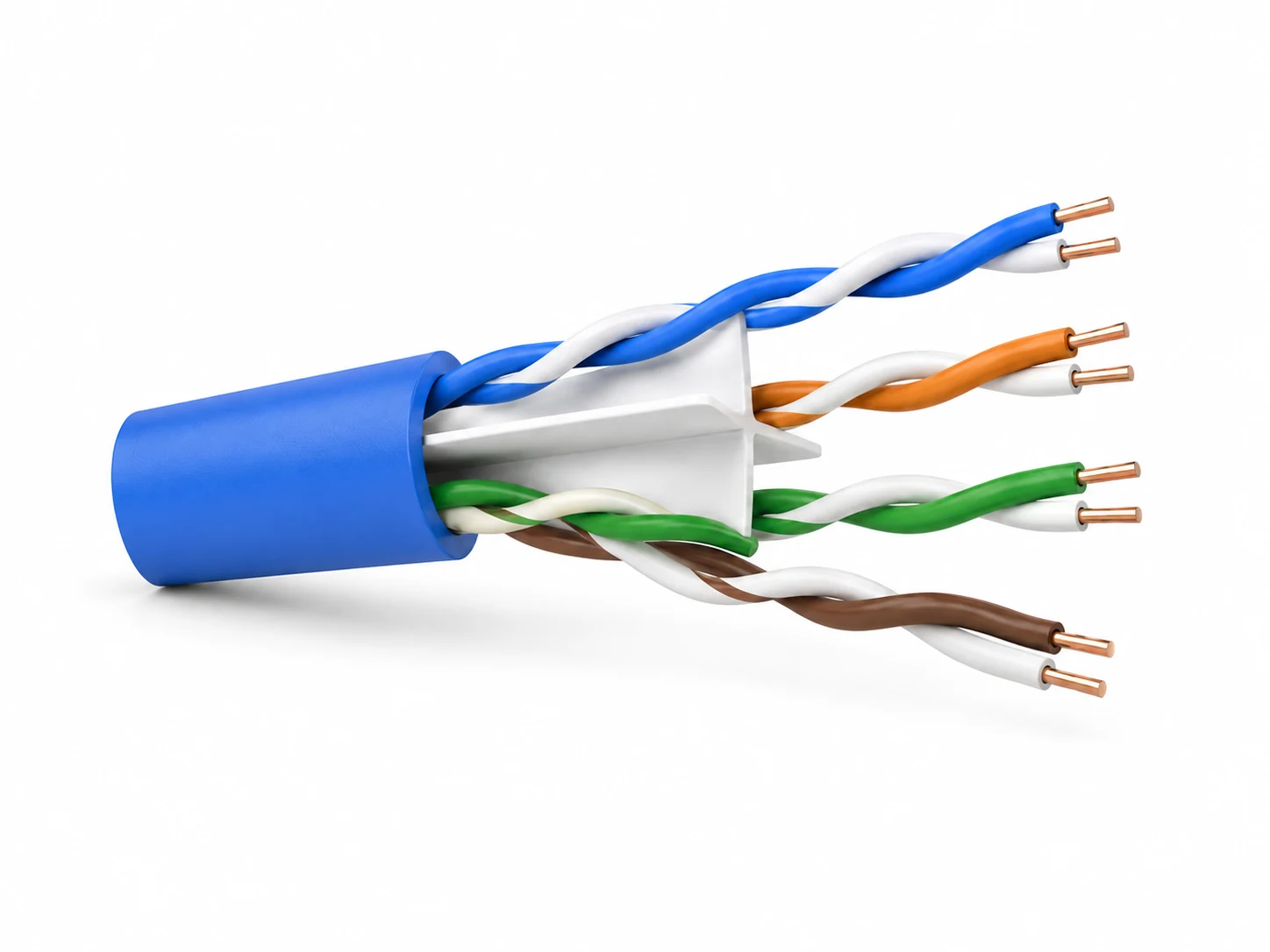
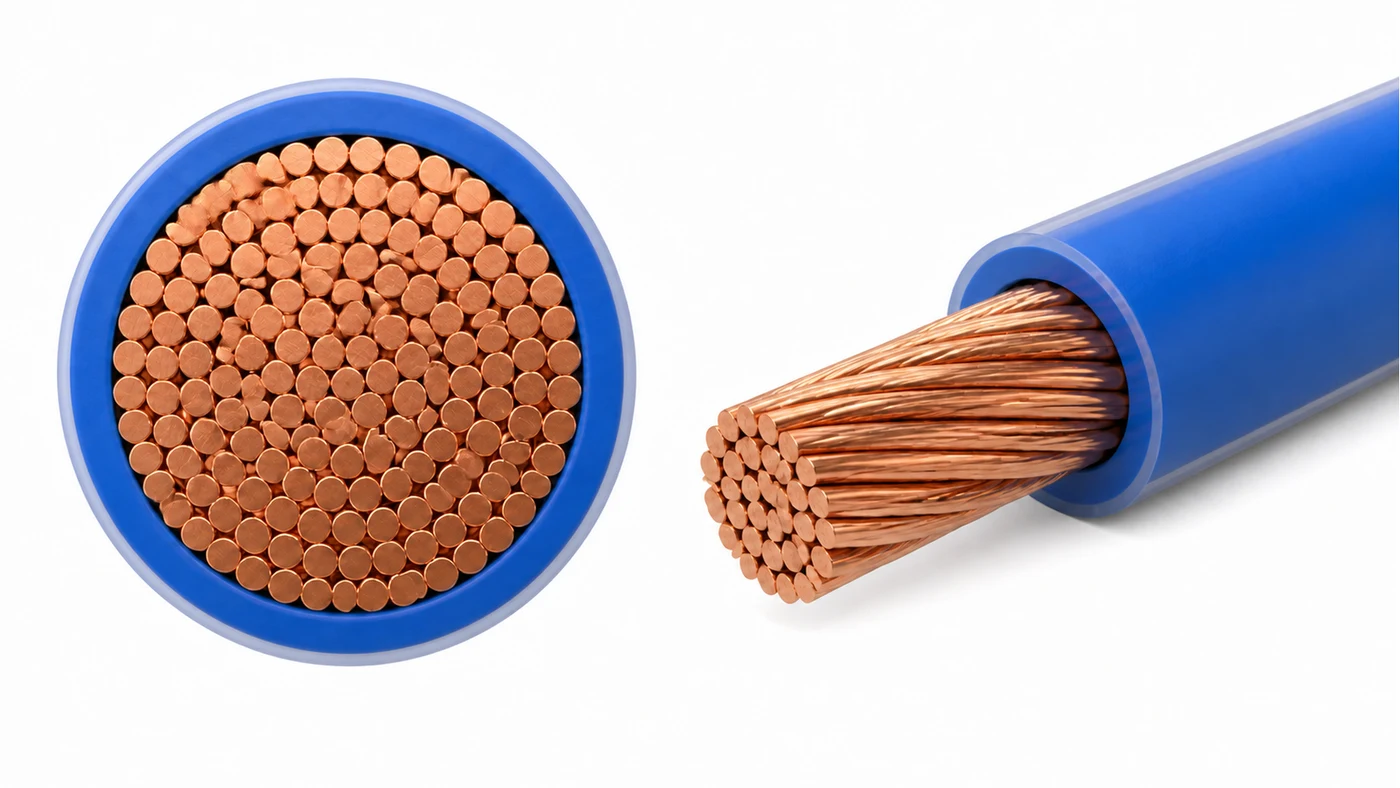
The outer jacket can look similar. The fiber protection and load-bearing structure are what change inside.
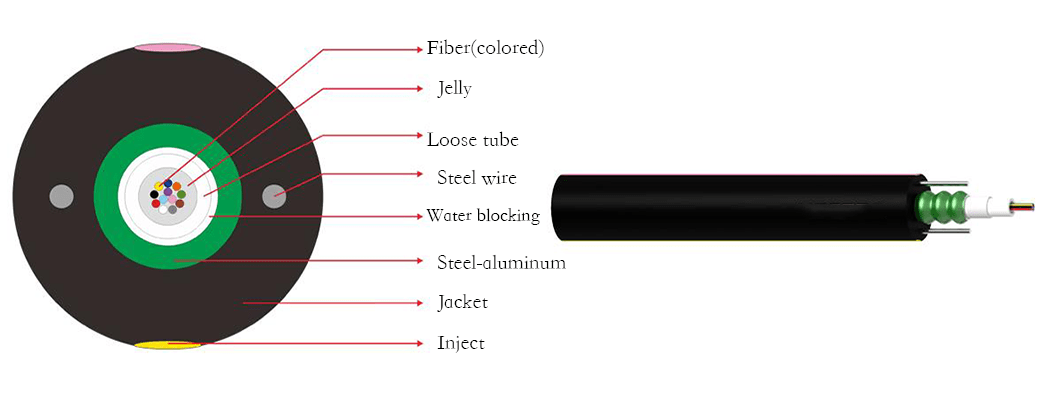
Example families · GYXTW / GYXY
Several fibers in a central tube.
Useful when reviewing compact outdoor constructions. Check how the cable is reinforced and protected.
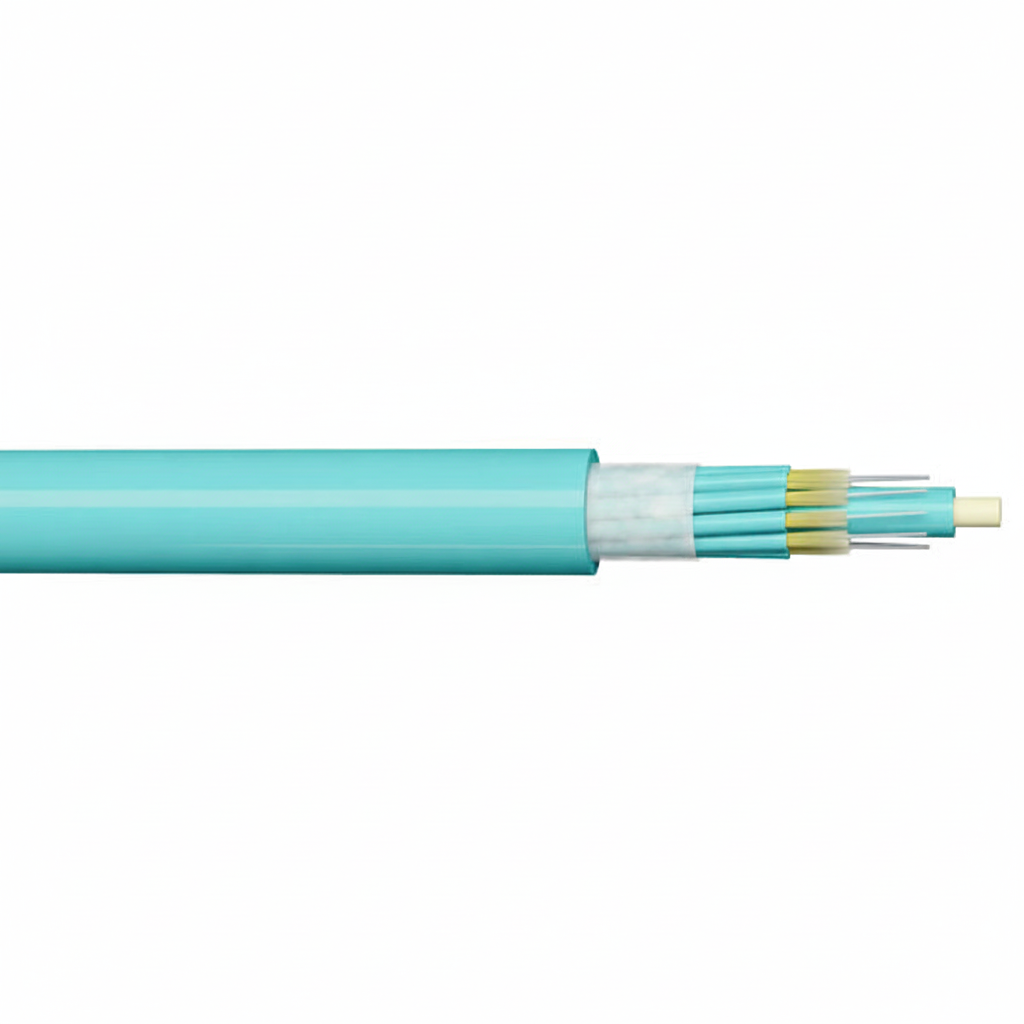
Example families · GJFJV / GJFJHV
Protection arranged for indoor handling.
Compare single connections with individually protected sub-units. The termination method helps decide which to discuss.
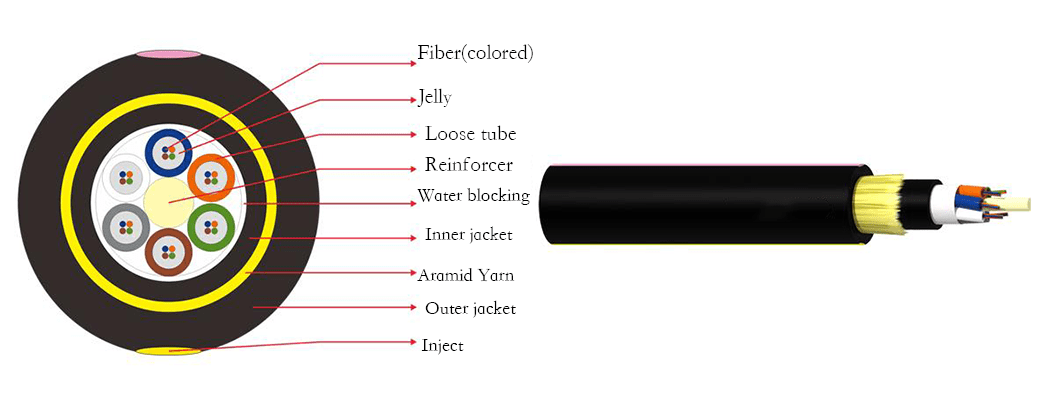
Example families · ADSS / Figure-8
A cable designed around an overhead span.
Distinguish an all-dielectric construction from a metallic messenger. The span and loading conditions still need engineering review.
For cable manufacturers & new production projects
Want to make the cable?
The cable structure becomes the starting point for the production process. Explore the equipment route, then discuss the required configuration with HONGKAI.
- Finished cable
- Structure & materials
- Production stages
- Equipment configuration

Before a supply proposal becomes an order
Make the requirements and responsibilities visible.
Agree the acceptance basis with the proposed manufacturer and supplier. Ask for records that correspond to the actual cable and order.
Construction & source
Approved drawing, fiber requirement and the actual manufacturing source.
Inspection & acceptance
Dimensional, optical and applicable mechanical verification in the agreed scope.
Packing & delivery
Drum length, marking, packing list, delivery basis and document responsibilities.
New to fiber optic cable selection?
Three questions are enough to start.
Cable selection & project scope
A clearer starting point.
I do not know the cable model. Where should I start?
Choose where the cable will run: into a home, inside a building, between poles, inside a duct, directly underground, or in a microduct. You can leave the technical fields open. A route description, installation photo or drawing helps us identify the questions to resolve.
What is included in this cable catalog?
All 41 entries are visible and searchable by default: 33 existing website product entries and 8 additional reference families, including FTTH drop cables. A catalog entry does not establish stock availability. Reference families are discussion starting points; exact construction and supply scope must be confirmed.
Is HONGKAI the manufacturer of every finished cable shown here?
HONGKAI supplies finished fiber optic cables and cable-making equipment. For finished cables, HONGKAI handles payment, agreed acceptance inspection and delivery. Independent factories in China using our equipment manufacture the cables. The actual source, specification and acceptance requirements are confirmed for each order; equipment use is not a finished-product certification.
Does a recommendation confirm that the cable meets my standard?
No. These results shortlist families by installation and construction needs. Fiber count, optical performance, fire requirements, span, tensile and crush values must be checked against the project specification and the proposed product. A family name alone does not establish compliance.
Can I ask about production equipment instead of finished cable?
Yes. Select “Plan cable manufacturing” in your project brief. Your chosen cable family becomes the starting point for discussing the cable structure, production stages and equipment configuration. Finished cable procurement and equipment supply are separate project scopes.
Your next step
Bring the requirement.
We can work through the details.
You can start with a cable model, a route description or a manufacturing idea. Your selections and questions are gathered into one brief.
peterhe@hkcablemachine.comFinished cable source, equipment scope and project responsibilities are confirmed in the proposal.
Your project brief
No cable selected. You can still ask for selection help.
Your email app opens a draft. Attach your specification there, then send it when ready.
Send your enquiry here
Add your name and email, review your message, then press Send. For document attachments, use the email option above.