


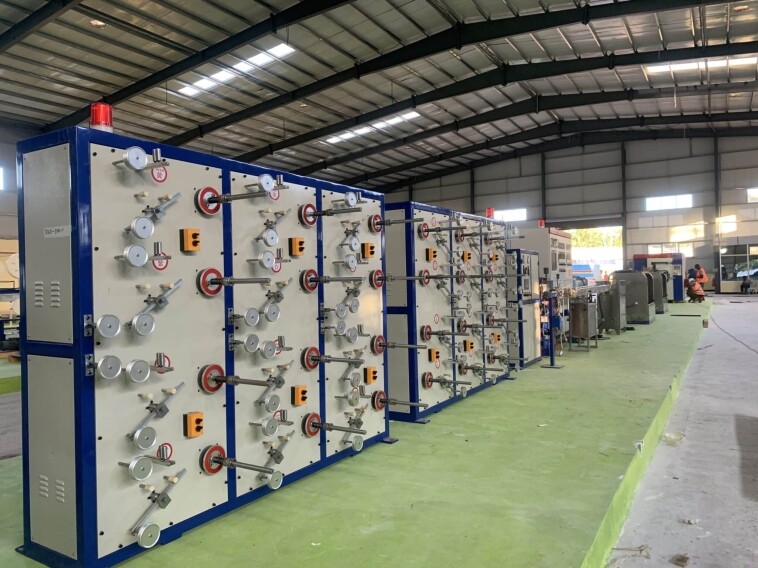
Những người mua yêu cầu một "dây chuyền sản xuất cáp quang hoàn chỉnh" thường nhận được các báo giá không thể so sánh với nhau. Bài viết này nêu ra sáu câu hỏi quyết định danh sách thiết bị và tại sao câu trả lời thay đổi các máy móc xuất hiện trên đó.
Không có danh sách thiết bị duy nhất cho mọi nhà máy sản xuất cáp quang. Một dây chuyền sản xuất cáp quang hoàn chỉnh phụ thuộc vào sáu yếu tố: cáp trong nhà hay ngoài trời, sản phẩm cụ thể, năng lực yêu cầu, lịch trình dự án, ngân sách và liệu khách hàng cần chỉ máy móc hay giải pháp nhà máy trọn gói. Trả lời sáu câu hỏi này trước, danh sách thiết bị sẽ được xác định dựa trên sản phẩm chứ không phải theo mẫu. Bỏ qua chúng, bạn sẽ kết thúc bằng việc so sánh các báo giá được xây dựng trên phạm vi khác nhau.
Khi khách hàng yêu cầu HONGKAI một "dây chuyền hoàn chỉnh", chúng tôi không gửi cùng một báo giá đến tất cả mọi người. Trước tiên, chúng tôi hỏi khách hàng muốn sản xuất loại cáp nào, sau đó lựa chọn máy móc, thiết bị kiểm tra và hỗ trợ nhà máy phù hợp với sản phẩm đó.
Bước này ngăn chặn ba vấn đề phổ biến: mua máy móc không cần thiết cho sản phẩm, bỏ sót một quy trình sản xuất quan trọng và so sánh các báo giá không bao gồm cùng phạm vi.
Sáu Câu Hỏi Quyết Định Danh Sách Thiết Bị Của Bạn Là Gì?
Sáu câu trả lời quyết định danh sách thiết bị sản xuất cáp quang: cáp trong nhà hay ngoài trời, sản phẩm cụ thể, năng lực yêu cầu, ngày bắt đầu dự kiến, phạm vi ngân sách và phạm vi dự án. Sản phẩm và năng lực là hai yếu tố thay đổi các máy móc xuất hiện trên danh sách; bốn yếu tố còn lại ảnh hưởng đến kế hoạch dự án và gói thương mại. Hai khách hàng yêu cầu cùng một "dây chuyền hoàn chỉnh" sẽ nhận được các đề xuất khác nhau vì sáu câu trả lời này khác nhau.
1. Bạn sẽ sản xuất cáp trong nhà hay ngoài trời?
Cáp quang trong nhà và ngoài trời không được sản xuất theo cùng một cách. Cấu trúc, nguyên vật liệu và máy móc của chúng có thể khác nhau. Đây luôn là câu hỏi đầu tiên, vì câu trả lời sẽ loại bỏ phần lớn thiết bị không phù hợp trước khi thảo luận bất kỳ điều gì khác.
2. Bạn muốn sản xuất loại cáp chính xác nào?
Tên cáp là hữu ích, nhưng hình ảnh thường tốt hơn. Khách hàng có thể gửi tên sản phẩm hoặc model, ảnh cáp, bản vẽ mặt cắt ngang, thông số kỹ thuật hoặc mẫu cáp.
Nếu khách hàng chỉ nói "Tôi muốn sản xuất cáp quang", thì vẫn không thể xác định được dây chuyền sản xuất đúng. Một cáp drop FTTH, một cáp tight-buffer trong nhà và một cáp loose-tube ngoài trời sử dụng các quy trình sản xuất khác nhau. Hướng dẫn HONGKAI về cách chọn dây chuyền sản xuất cáp quang phù hợp giải thích chi tiết hơn về những khác biệt này của sản phẩm.
3. Bạn cần năng lực sản xuất bao nhiêu?
Cần xác định sản lượng hàng ngày, hàng tháng hoặc hàng năm, cùng số ca vận hành của nhà máy. Năng lực ảnh hưởng đến tốc độ máy, kích thước cuộn và trống, mức độ tự động hóa, số lượng dây chuyền sản xuất và kích thước thiết bị hỗ trợ.
A customer making one product in one shift may need a different solution from a factory making several products around the clock.
4. Bạn dự định bắt đầu sản xuất khi nào?
Ngày bắt đầu ảnh hưởng đến toàn bộ kế hoạch dự án. Khách hàng cần thời gian để xác nhận cáp, chuẩn bị nhà máy, sản xuất và vận chuyển máy móc, lắp đặt thiết bị, đào tạo vận hành và kiểm tra cáp đầu tiên. Một lịch trình rõ ràng giúp phân biệt nhu cầu khẩn cấp với thiết bị có thể bổ sung ở giai đoạn sau.
5. Ngân sách ước tính của bạn là bao nhiêu?
Phạm vi ngân sách giúp xác định mức độ thiết bị phù hợp. Nếu không có thông tin này, đề xuất có thể quá cơ bản so với mục tiêu sản xuất hoặc đắt hơn nhu cầu thực tế của dự án. Khi cáp và năng lực đã rõ ràng, các tùy chọn thiết bị và tự động hóa khác nhau có thể được thảo luận dựa trên phạm vi ngân sách đó.
6. Bạn cần chỉ máy móc hay giải pháp trọn gói?
Một số khách hàng cần một máy, một số cần cả dây chuyền sản xuất hoàn chỉnh, và nhà đầu tư mới có thể cần kế hoạch nhà máy rộng hơn. Một dự án trọn gói có thể bao gồm các máy sản xuất chính, thiết bị kiểm tra trực tuyến, thiết bị kiểm tra trong phòng thí nghiệm, thiết bị hỗ trợ nhà máy, hướng dẫn bố trí và tiện nghi, lắp đặt và vận hành, đào tạo người vận hành và các phụ tùng thay thế được khuyến nghị.
Phạm vi cuối cùng vẫn phụ thuộc vào sản phẩm, điều kiện nhà máy, nguồn lực địa phương, lịch trình và ngân sách.
Lưu ý: Trả lời đầy đủ sáu câu hỏi trước khi yêu cầu báo giá, và mọi đề xuất nhận được sẽ được xây dựng trên cùng một phạm vi.
Bạn có đang sản xuất sợi quang hay cáp quang không?
Sản xuất sợi quang và sản xuất cáp quang là hai ngành khác nhau sử dụng thiết bị khác nhau. Sản xuất sợi quang kéo sợi thủy tinh từ khối nguyên mẫu và phủ lớp bảo vệ đầu tiên. Sản xuất cáp quang mua sợi đã được phủ này và biến nó thành cáp bảo vệ dùng trong nhà hoặc ngoài trời. HONGKAI cung cấp thiết bị cho sản xuất cáp quang chỉ.
Việc nhầm lẫn hai loại này là một trong những hiểu lầm phổ biến nhất trong các cuộc thảo luận ban đầu với khách hàng.
| Dự án | Chức năng của nó | Phạm vi HONGKAI |
|---|---|---|
| Sản xuất sợi quang | Kéo sợi thủy tinh từ khối nguyên mẫu và phủ lớp bảo vệ đầu tiên | Không được cung cấp bởi HONGKAI |
| Sản xuất cáp quang | Sử dụng sợi đã được phủ mua vào và biến nó thành cáp bảo vệ dùng trong nhà hoặc ngoài trời | Được cung cấp bởi HONGKAI |
HONGKAI cung cấp thiết bị sản xuất cáp quang. HONGKAI không cung cấp tháp kéo sợi quang hoặc gói chuyển giao công nghệ kéo sợi hoàn chỉnh.
Phạm vi sản xuất của HONGKAI thông thường bắt đầu với sợi quang đã được phủ đạt tiêu chuẩn do nhà máy cáp mua vào. Các quy trình tiếp theo xác định, bảo vệ, kết hợp, bao bọc, kiểm tra và đóng gói sợi đó.
Lưu ý: Nếu bạn không chắc chắn về dự án bạn đang lên kế hoạch, hãy gửi sản phẩm cuối cùng dự kiến — một hình ảnh hoặc mẫu sẽ cho bạn biết trong vài phút liệu yêu cầu là sản xuất sợi quang hay sản xuất cáp.
Tại sao phải tách biệt cáp trong nhà và ngoài trời?
Cáp quang trong nhà và ngoài trời là hai sản phẩm khác nhau, không phải hai phiên bản của cùng một sản phẩm. Cáp trong nhà được thiết kế để có kích thước nhỏ gọn và độ linh hoạt bên trong các tòa nhà. Cáp ngoài trời được thiết kế để chống nước, chịu lực cơ học và chịu được điều kiện môi trường. Sự khác biệt này ảnh hưởng đến nguyên vật liệu, quy trình sản xuất và thiết bị, do đó một dây chuyền sản xuất được xây dựng cho một loại sẽ không thể sản xuất loại kia mà không thêm thiết bị.
| Câu hỏi | Cáp trong nhà | Cáp ngoài trời |
|---|---|---|
| Nó thường được sử dụng ở đâu? | Bên trong các tòa nhà hoặc môi trường được bảo vệ | Ống dẫn, tuyến đường treo, mạng ngoài trời hoặc ứng dụng chôn trực tiếp |
| Nhu cầu thiết kế chính là gì? | Kích thước nhỏ gọn, độ linh hoạt và hiệu suất lắp đặt trong nhà | Chống nước, độ bền cơ học và bảo vệ môi trường |
| Các vật liệu nào có thể được sử dụng? | Vật liệu đệm chặt, cốt sợi gia cố và lớp vỏ ngoài | Ống lỏng, thành phần chịu lực, vật liệu chống thấm nước, áo giáp tùy chọn và lớp vỏ ngoài |
| Làm thế nào để chọn thiết bị? | Dựa trên cấu trúc cáp trong nhà chính xác | Dựa trên cấu trúc cáp, số lượng sợi, mức độ bảo vệ và năng suất yêu cầu |
Bảng này cho thấy sự khác biệt cơ bản giữa cáp trong nhà và cáp ngoài trời. Đây không phải là thông số kỹ thuật cố định cho mọi loại cáp.
Một cáp trong nhà có thể sử dụng một dây chuyền sản xuất đệm chặt. Một Dây chuyền sản xuất cáp thả FTTH có thể kết hợp sợi, bộ phận tăng cường và lớp vỏ ngoài trong một quy trình trực tiếp hơn.
Nhiều sản phẩm ngoài trời sử dụng ống lỏng, nhưng cấu trúc cuối cùng của chúng vẫn khác nhau. Một ADSS dây chuyền sản xuất cáp không sử dụng hệ thống bảo vệ giống như mọi ống dẫn hoặc cáp được gia cố.
Lưu ý: Trong nhà hoặc ngoài trời là bộ lọc đầu tiên, nhưng điều đó chưa đủ — vẫn cần tên cáp, hình ảnh, bản vẽ hoặc mẫu trước khi có thể chọn thiết bị.
Quy trình điển hình của một cáp ngoài trời trông như thế nào?
Một cáp quang ngoài trời với ống lỏng được đan có bảy giai đoạn: sợi phủ vào, nhuộm màu, sản xuất ống lỏng, đan lõi cáp, vật liệu bảo vệ, lớp vỏ ngoài, sau đó là kiểm tra và đóng gói. Không phải giai đoạn nào cũng áp dụng cho mọi sản phẩm ngoài trời — cáp ống trung tâm và một số thiết kế đặc biệt bỏ qua bước đan, và nhà máy mua sợi đã nhuộm màu thì bỏ qua bước nhuộm màu. Thứ tự dưới đây là một ví dụ đã thực hiện, không phải lộ trình bắt buộc.
Sợi quang phủ → nhuộm màu → sản xuất ống lỏng → lắp ráp lõi cáp → chống thấm nước hoặc gia cố tùy chọn → lớp vỏ ngoài → kiểm tra và đóng gói
Bước 1: Sợi quang phủ đi vào nhà máy
Nhà máy cáp mua sợi quang phủ đạt tiêu chuẩn. Sợi được kiểm tra trước khi sản xuất và được xếp lên các cuộn cấp đúng cách. Đây là nguyên liệu đầu vào cho thiết bị sản xuất cáp HONGKAI.
Bước 2: Các sợi được nhận diện
Máy nhuộm màu áp dụng các màu khác nhau để công nhân có thể nhận diện từng sợi sau này. Máy này có thể không cần thiết nếu nhà máy đã mua sợi với màu yêu cầu hoặc sử dụng phương pháp nhận diện được phê duyệt khác.
Bước 3: Các sợi được đặt vào ống lỏng
Dây chuyền ống lỏng đặt nhiều sợi vào bên trong một ống nhựa bảo vệ. Ống bảo vệ các sợi trong các giai đoạn sau của quá trình sản xuất cáp. Vật liệu ống, số lượng sợi và phương pháp bơm đầy được xác định theo thiết kế cáp.
Bước 4: Các ống được lắp ráp thành lõi cáp
Đối với nhiều thiết kế xoắn, máy xoắn SZ đặt các ống lỏng xung quanh thành phần chịu lực trung tâm. Máy này tạo thành lõi cáp chính. Một số thiết kế cáp ống trung tâm hoặc đặc biệt không cần quy trình này.
The HONGKAI loose-tube SZ pitch study cung cấp thêm chi tiết kỹ thuật cho quản lý sản xuất và kỹ sư.
Bước 5: Thêm vật liệu bảo vệ khi cần thiết
Cáp có thể cần sợi chống nước, băng chống nước, hợp chất bơm đầy, sợi chịu lực, băng thép hoặc vật liệu bảo vệ khác. Những thành phần này được chọn theo cấu trúc cáp và môi trường lắp đặt. Chúng không bắt buộc cho mọi cáp ngoài trời.
Bước 6: Thêm lớp vỏ ngoài
Các dây bọc cáp thêm lớp vỏ ngoài cùng xung quanh lõi cáp. Dây chuyền cũng có thể bao gồm in ấn, đo chiều dài, kiểm tra đường kính, kéo và cuộn lại. Thiết bị và hệ thống vật liệu chính xác phải phù hợp với cáp.
Bước 7: Cáp thành phẩm được kiểm tra và đóng gói
Cáp được cuộn lên trống đúng và kiểm tra trước khi vận chuyển. Kiểm tra có thể bao gồm kiểm tra quang học, kích thước và cơ học. Kế hoạch kiểm tra chính xác tuân theo tiêu chuẩn cáp và yêu cầu khách hàng.
Lưu ý: Đường đi quy trình được xác định bởi cấu trúc cáp, không phải bởi số lượng sợi — lý do tại sao bảy giai đoạn giống nhau tạo ra danh sách thiết bị khác nhau cho các loại cáp ngoài trời khác nhau.
Một dự án hoàn chỉnh có bao gồm nhiều hơn chỉ máy sản xuất không?
Có. Một nhà máy cáp quang không thể vận hành ổn định chỉ với máy sản xuất. Một dự án hoàn chỉnh còn cần thiết bị kiểm tra và phòng thí nghiệm, cùng các hệ thống hỗ trợ nhà máy như phân phối điện, làm mát, khí nén và xử lý vật liệu. Một khách hàng có nhà máy hiện có và cáp rõ ràng có thể chỉ cần một hoặc hai máy mới, trong khi một nhà máy mới thường cần đầy đủ danh sách kiểm tra.
Thiết bị sản xuất chính
Những máy này trực tiếp sản xuất cáp mục tiêu. Danh sách có thể bao gồm thiết bị nhuộm màu, ống lỏng, đan, gia cố, đệm chặt hoặc bao vỏ. Tổ hợp chính xác phụ thuộc vào sản phẩm cáp.
Thiết bị kiểm tra và thử nghiệm
Các thiết bị trực tuyến kiểm tra cáp trong quá trình sản xuất. Thiết bị phòng thí nghiệm kiểm tra nguyên vật liệu, mẫu quy trình và cáp thành phẩm.
Danh sách kiểm tra phải phù hợp với sản phẩm. IEC 60794-1-1:2023 cung cấp một khung tổng thể cho các thông số kỹ thuật cáp sợi quang, nhưng thông số kỹ thuật của khách hàng quyết định các bài kiểm tra và giới hạn cuối cùng.

Ảnh thực tế xưởng HONGKAI: một kỹ sư kiểm tra mạch điện trước khi giao thiết bị.
Thiết bị hỗ trợ nhà máy
Tùy thuộc vào quy trình, dự án có thể cũng cần:
- phân phối điện;
- nước làm mát hoặc hệ thống làm mát;
- khí nén;
- nguồn nitơ khi quy trình được chọn yêu cầu;
- sấy và xử lý vật liệu;
- cuộn cáp, trống và lưu trữ;
- không gian an toàn cho người vận hành và bảo trì.
Thiết bị phụ trợ nên xuất phát từ yêu cầu thực tế của quy trình. Không nên thêm vào chỉ để làm cho báo giá trông đầy đủ hơn.

Chi tiết thiết bị HONGKAI thực tế: hệ thống điều khiển điện và phân phối điện phải được lập kế hoạch cùng với dây chuyền sản xuất.
Lưu ý: Việc loại bỏ thiết bị kiểm tra và hỗ trợ khỏi ngân sách là nguyên nhân phổ biến gây chậm trễ khởi động, vì máy sản xuất sẽ đến trước khi nhà máy có thể vận hành chúng.
Một đề xuất dây chuyền sản xuất được cấu hình như thế nào cho các khách hàng khác nhau?
Cùng một dây chuyền sản xuất cáp quang được đề xuất theo ba cách khác nhau tùy thuộc vào người mua. Một chủ nhà máy mới cần xác định sản phẩm và công suất trước, sau đó là danh sách thiết bị theo từng giai đoạn. Một quản lý sản xuất hiện tại thường đã biết quy trình và cần phù hợp với tiện nghi hiện có và kích thước cuộn. Một người mua kỹ thuật so sánh các nhà cung cấp cần xác định rõ ràng ranh giới phạm vi, vì sự khác biệt về giá giữa các báo giá thường xuất phát từ sự khác biệt về phạm vi.
Chủ nhà máy mới
Một nhà đầu tư mới có thể không biết chính xác trình tự cáp hoặc máy móc. Bước đầu tiên là xác định sản phẩm và công suất mục tiêu. Nếu khách hàng chưa chọn một loại cáp ngoài trời, có thể thảo luận một kế hoạch nhà máy cáp ngoài trời rộng hơn dựa trên thị trường mục tiêu và kinh nghiệm các dự án trước đó.
Bản đề xuất sau đó có thể tách riêng các máy cần thiết cho sản phẩm đầu tiên, các máy tùy chọn cho sản phẩm tương lai, thiết bị kiểm tra, thiết bị hỗ trợ nhà máy và các dịch vụ cần thiết trước khi bắt đầu sản xuất.
Quản lý sản xuất hiện tại
Một nhà máy có kinh nghiệm thường đã biết quy trình họ muốn bổ sung. Cuộc thảo luận tập trung vào loại cáp mục tiêu, công suất bổ sung, kích thước cuộn, máy móc hiện có, tiện ích nhà máy và thời gian lắp đặt dự kiến. Khách hàng có thể cần một máy, một dây chuyền bổ sung hoặc thay thế một điểm nghẽn sản xuất.
Người mua kỹ thuật đang so sánh các nhà cung cấp
Người mua kỹ thuật cần so sánh cùng phạm vi giữa các nhà cung cấp. Kiểm tra:
- các sản phẩm cáp mà dây chuyền có thể sản xuất;
- công suất sản xuất đã thống nhất;
- bao gồm những máy móc và hạng mục kiểm tra nào;
- những hệ thống phụ trợ nào bị loại trừ;
- các bộ phận và hệ thống điều khiển được sử dụng;
- lắp đặt, đào tạo và hỗ trợ sau bán hàng;
- phương pháp chấp thuận đã thống nhất.
Lưu ý: Hai báo giá có thể có mức giá rất khác nhau chỉ vì công suất và các hạng mục bao gồm khác nhau, do đó phạm vi phải được đồng bộ trước khi so sánh giá.
Ba sai lầm phổ biến nhất trong báo giá là gì?
Ba sai lầm chiếm phần lớn chu kỳ báo giá bị lãng phí khi mua một dây chuyền sản xuất cáp quang: nhầm lẫn giữa kéo sợi quang và sản xuất cáp, yêu cầu một dây chuyền hoàn chỉnh mà không xác định loại cáp, và so sánh giá giữa các báo giá có phạm vi khác nhau. Cả ba đều có thể tránh được trước khi đưa ra báo giá đầu tiên, và mỗi sai lầm đều được khắc phục bằng cách cung cấp hai thông tin giống nhau — sản phẩm mục tiêu và công suất dự kiến.
Sai lầm 1: Trộn lẫn kéo sợi quang với sản xuất cáp
Trước tiên hãy xác định xem nhà máy sẽ sản xuất sợi quang hay mua sợi quang để sản xuất cáp thành phẩm. Đây là hai ngành công nghiệp khác nhau với thiết bị khác nhau. HONGKAI hoạt động trong lĩnh vực thứ hai.
Sai lầm 2: Yêu cầu một dây chuyền hoàn chỉnh mà không xác định loại cáp
"Cáp ngoài trời" vẫn còn quá chung chung để lựa chọn thiết bị. Hãy gửi tên cáp, hình ảnh, mẫu hoặc mặt cắt ngang để xác định đúng quy trình sản xuất.
Sai lầm 3: So sánh giá mà không so sánh công suất và phạm vi
Một báo giá có thể chỉ bao gồm máy sản xuất. Một báo giá khác có thể bao gồm thiết bị kiểm tra, thiết bị phụ trợ, lắp đặt, đào tạo và hỗ trợ khởi động. Hãy so sánh những gì mỗi báo giá có thể sản xuất và những gì nó bao gồm — không chỉ là giá cuối cùng.
Lưu ý: Cả ba sai lầm đều được khắc phục trước khi đưa ra báo giá, không phải sau — một khi các đề xuất đã được đưa ra với phạm vi khác nhau, chúng không thể được so sánh ngược lại.
Bạn nên gửi những thông tin gì trước khi yêu cầu báo giá?
Sáu mục là đủ để bắt đầu thảo luận về dây chuyền sản xuất cáp quang: trong nhà hay ngoài trời, tên cáp hoặc hình ảnh hoặc mẫu, công suất yêu cầu, ngày khởi động dự kiến, ngân sách ước tính và liệu bạn cần chỉ máy móc hay hỗ trợ trọn gói. Không cần bản thông số đầy đủ của nhà máy cho cuộc trò chuyện đầu tiên. Với sáu câu trả lời này, có thể xác định được quy trình sản xuất và xây dựng đề xuất theo phạm vi cụ thể, thay vì danh sách máy móc chung chung.
- Cáp trong nhà hay ngoài trời.
- Tên cáp, hình ảnh, mẫu hoặc bản vẽ.
- Công suất sản xuất yêu cầu.
- Ngày bắt đầu dự kiến của dự án.
- Ngân sách ước tính.
- Chỉ máy móc hay hỗ trợ dự án trọn gói.
Khám phá HONGKAI giải pháp dây chuyền sản xuất cáp quang để so sánh các tuyến sản phẩm trong nhà và ngoài trời phổ biến.
Sau đó gửi sáu mục này cho đội HONGKAI. Chúng tôi sẽ sử dụng chúng để chuẩn bị các câu hỏi chính xác và cuộc thảo luận thiết bị thực tế cho dự án của bạn.
Lưu ý: Một dây chuyền hoàn chỉnh phải hoàn chỉnh cho loại cáp bạn dự định bán — không đơn thuần là một danh sách dài các máy móc.
