
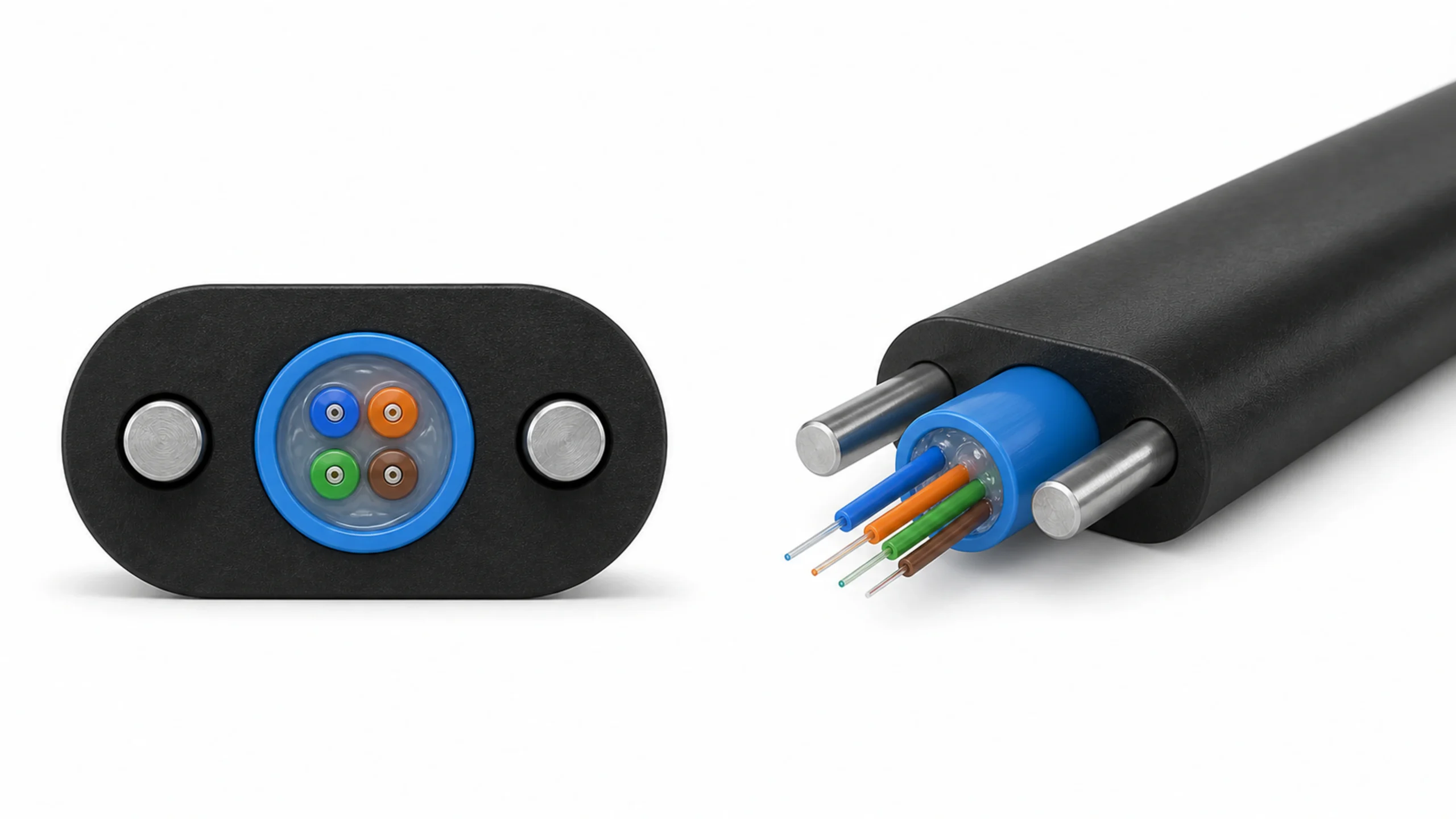
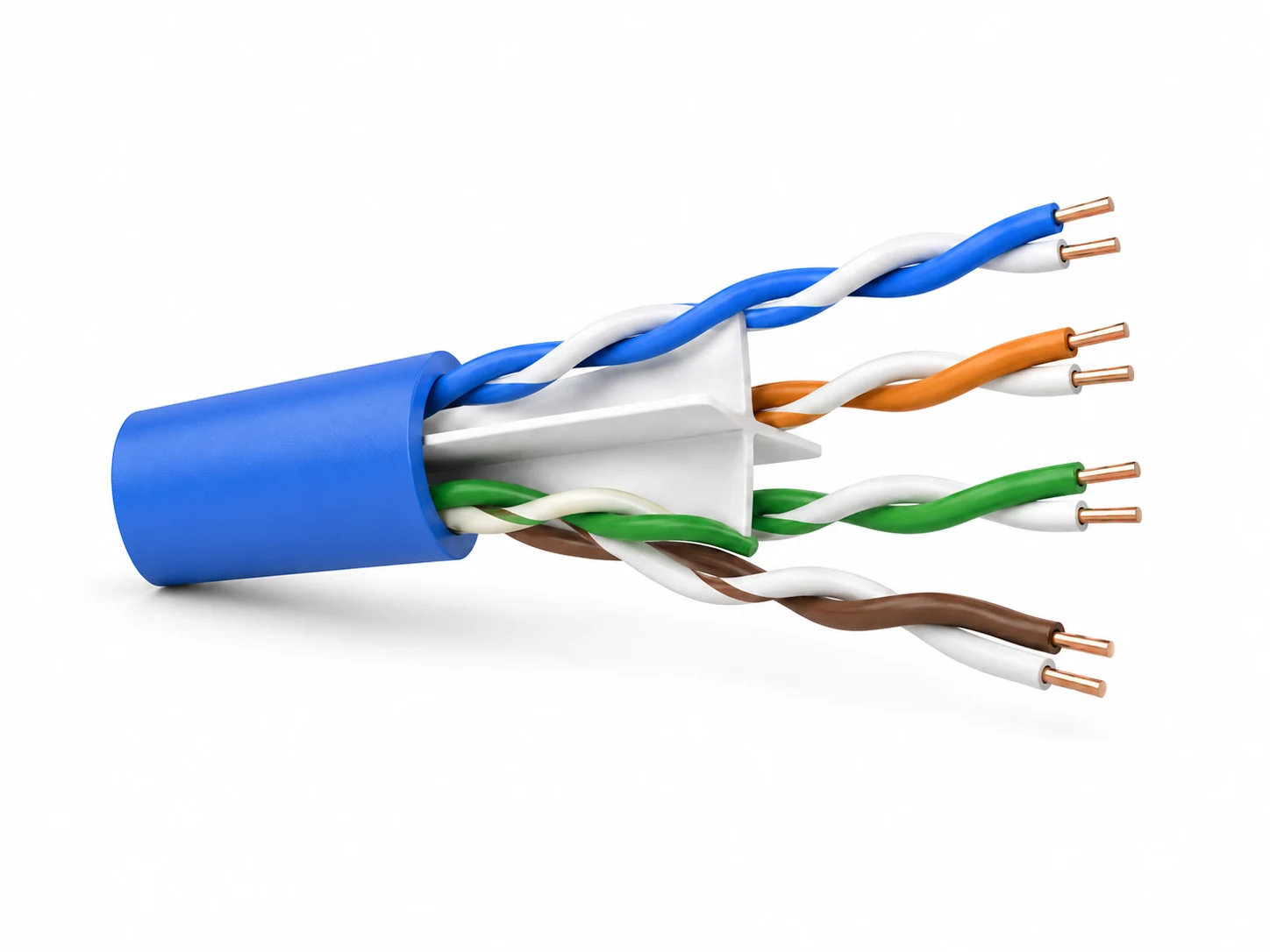
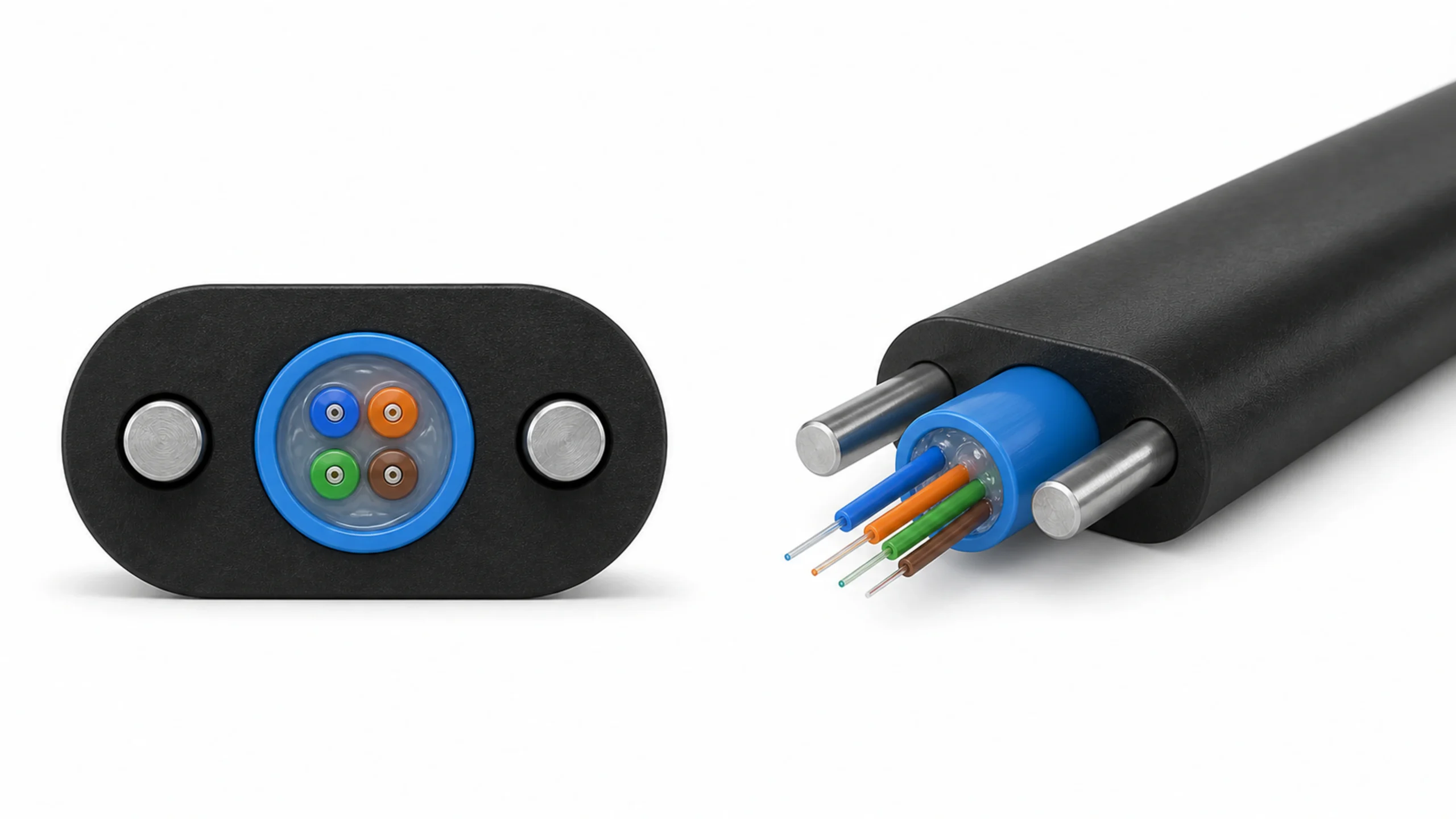






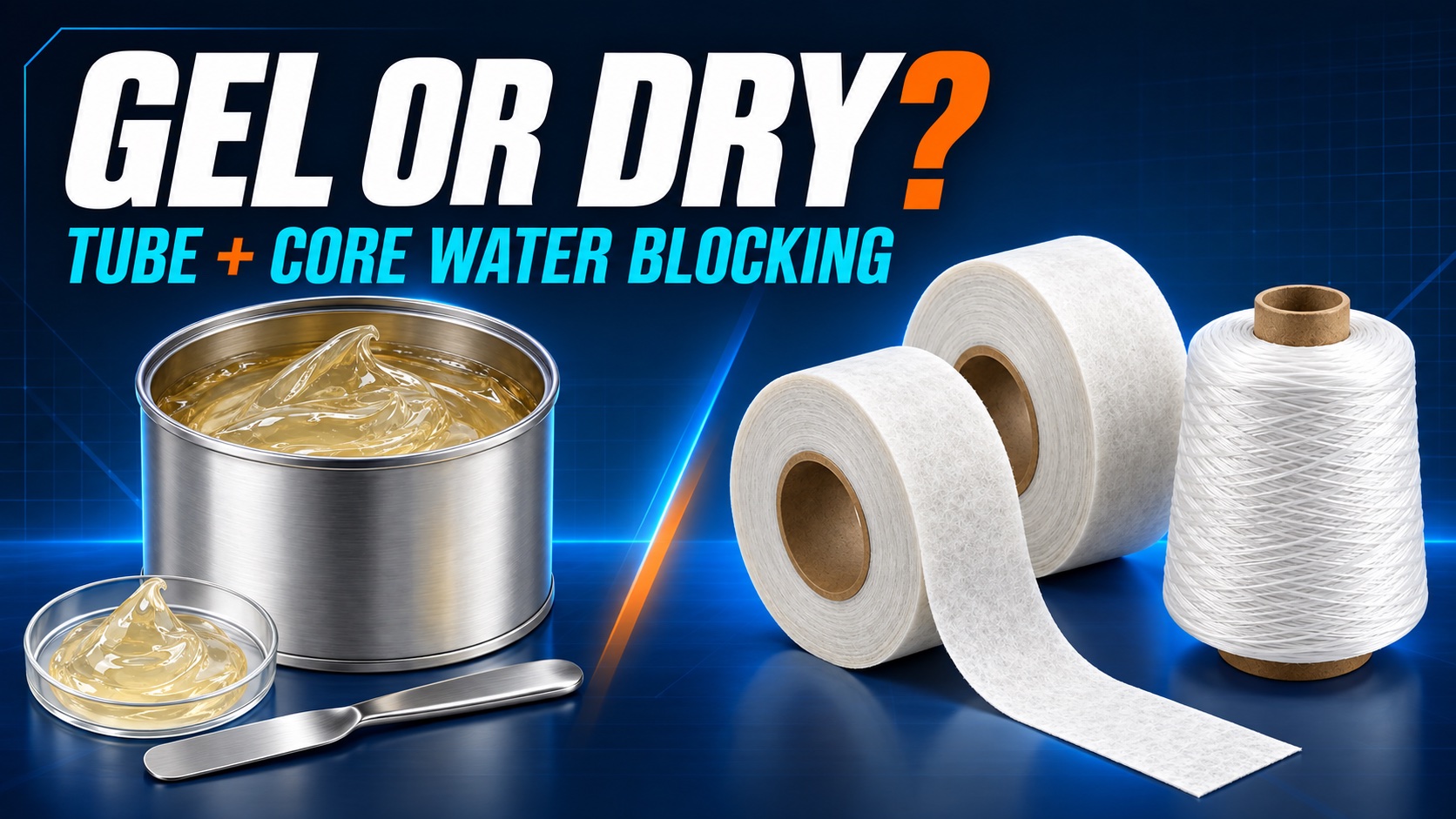
Một người mua cáp ngoài trời có thể yêu cầu thiết kế “khô”, nhưng từ này có thể mang những ý nghĩa khác nhau trên các bản vẽ khác nhau. Trong các trao đổi thông thường của HONGKAI với khách hàng, nó có nghĩa là không có gel điền đầy bên trong các ống lỏng và không có gel điền đầy xung quanh lõi cáp. Các nhà cung cấp khác đôi khi vẫn sử dụng cụm từ “lõi khô” ngay cả khi các ống vẫn chứa gel. Sự khác biệt này phải được làm rõ trước khi so sánh báo giá thiết bị.
Write down what goes inside the loose tube and what goes around the cable core. For a HONGKAI all-dry request, neither location is gel-filled. If another supplier calls a cable “dry core,” ask whether its tubes still contain gel. Then match the approved construction to the production route and finished-cable tests.
So sánh này dành cho các nhà sản xuất khi lựa chọn kết cấu cáp quang ngoài trời và phạm vi thiết bị của nó. So sánh này không xếp hạng vật liệu nào là tốt nhất cho mọi loại cáp ngoài trời.
Hai vị trí để chặn nước
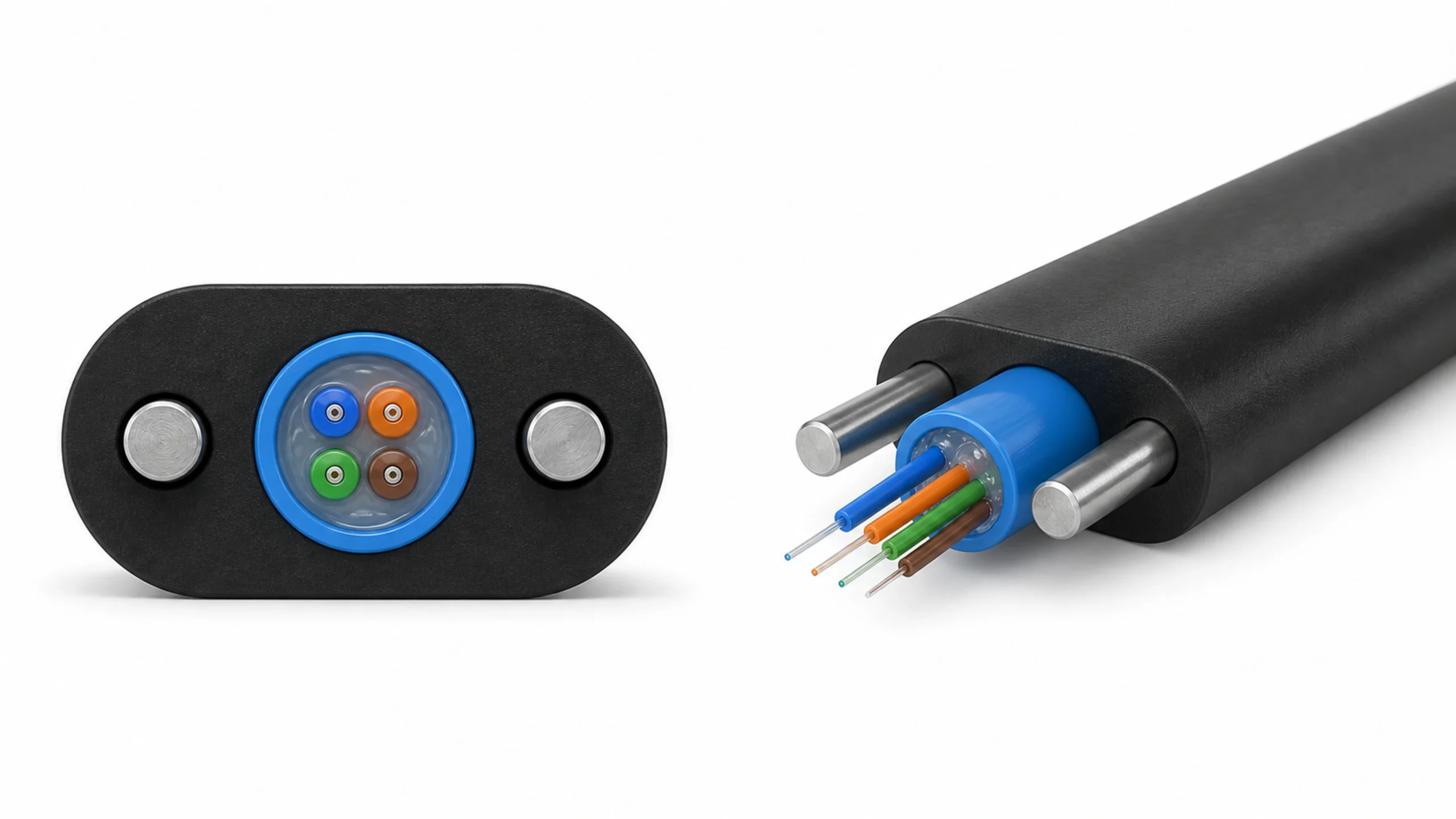
In a stranded loose-tube cable, optical fibers sit inside individual buffer tubes. Those tubes form a cable core beneath the outer protective layers. Water blocking can be needed in both locations. Corning’s technical note describes gel or dry water-swellable materials used in the cable core and within the buffer tubes.1 HONGKAI do đó yêu cầu người mua phải chỉ định tube interior Và khoảng trống xung quanh lõi đã được lắp ráp separately.
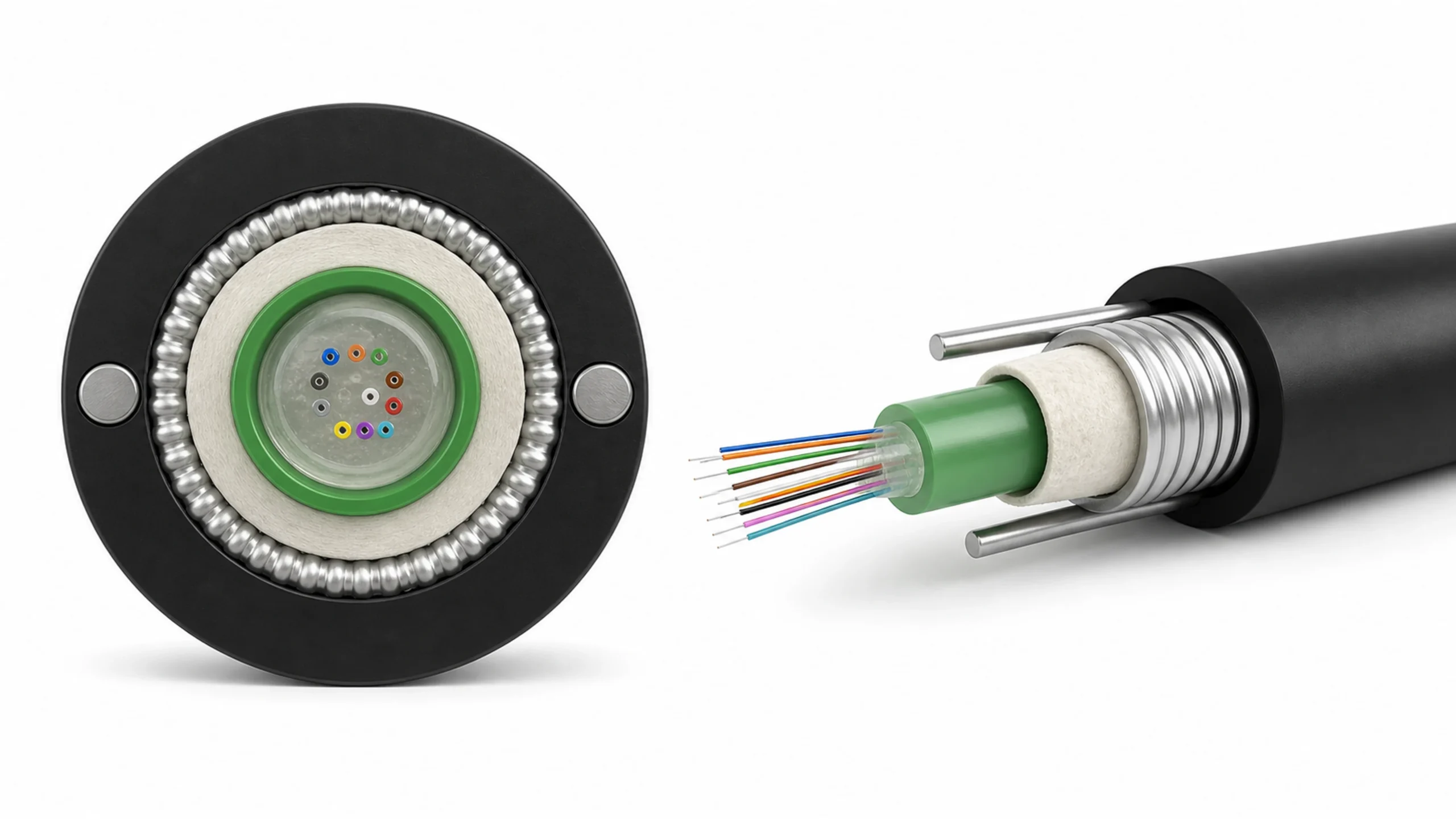
HONGKAI GYXTW 3D structure reference helps locate the tube and surrounding layers. It does not show or certify an all-dry construction.
Để phục vụ báo giá, hãy tách riêng ba cách bố trí. Các tên dưới đây mô tả các vị trí đang được so sánh; bản vẽ đã được phê duyệt phải thể hiện rõ vật liệu thực tế.
| Sự sắp xếp đang được so sánh | Bên trong các ống đệm | Xung quanh lõi cáp | Điều mà người mua phải làm rõ |
|---|---|---|---|
| Gel trong ống và lõi cáp | Hợp chất điền đầy được chỉ định | Hợp chất điền đầy hoặc hợp chất ngập lụt cho lõi được chỉ định | Hợp chất nào thuộc về từng vị trí? |
| Lõi khô với các ống chứa đầy gel | Hợp chất điền đầy được chỉ định | Các thành phần chặn nước khô được chỉ định | Khách hàng có chấp nhận gel bên trong các ống không? |
| Cấu trúc hoàn toàn khô—nghĩa thông thường trong các cuộc trao đổi của khách hàng HONGKAI | Không có gel điền đầy; sử dụng thiết kế ống khô đã được phê duyệt | Không có gel điền đầy; sử dụng thiết kế lõi khô đã được phê duyệt | Cái gì chặn nước tại mỗi vị trí, và bằng chứng cáp nào hỗ trợ điều đó? |
Đây không chỉ là một bài tập về cách diễn đạt: Cáp dải đa ống MassLink của Prysmian được mô tả là có lõi khô với các ống đệm chứa đầy gel.2 Đó là cách sử dụng hợp lệ của nhà sản xuất, nhưng nó là không cấu trúc hoàn toàn khô HONGKAI thường được đề cập đến khi nói về cáp khô. Ví dụ này không ngụ ý rằng HONGKAI cung cấp loại cáp Prysmian cụ thể đó.
Removing cable-core filling from a proposal does not necessarily remove tube filling. Likewise, a drawing showing water-blocking tape outside the tubes does not explain what is inside them.
Ask the cable supplier or designer to mark the two locations on the cross-section. For a central-tube cable, use that cable’s drawing rather than forcing it into a stranded-tube layout. Confirm whether the words dry core, gel-free or all-dry apply to one part or the whole construction.
Giữ riêng biệt danh tính vật liệu. Một hợp chất được phê duyệt cho một vị trí không nên được mặc định là phù hợp cho vị trí khác chỉ vì cả hai đều được gọi là jelly.
Chọn cho Việc Tiếp Cận Cáp và Việc Lắp Đặt Thực Tế
Start with the customer’s drawing, installation setting and required cable performance—not a general rule that gel or dry is always better. In some HONGKAI enquiries, a customer seeking a flame-retardant cable has also specified a gel-free construction. That is a yêu cầu dự án cần kiểm tra, not proof that simply removing gel makes a cable flame-retardant. Flame performance belongs to the complete approved cable design and its applicable test evidence. Corning, for example, lists both gel-free water blocking and a flame-retardant sheath for one specific LSZH cable family.3
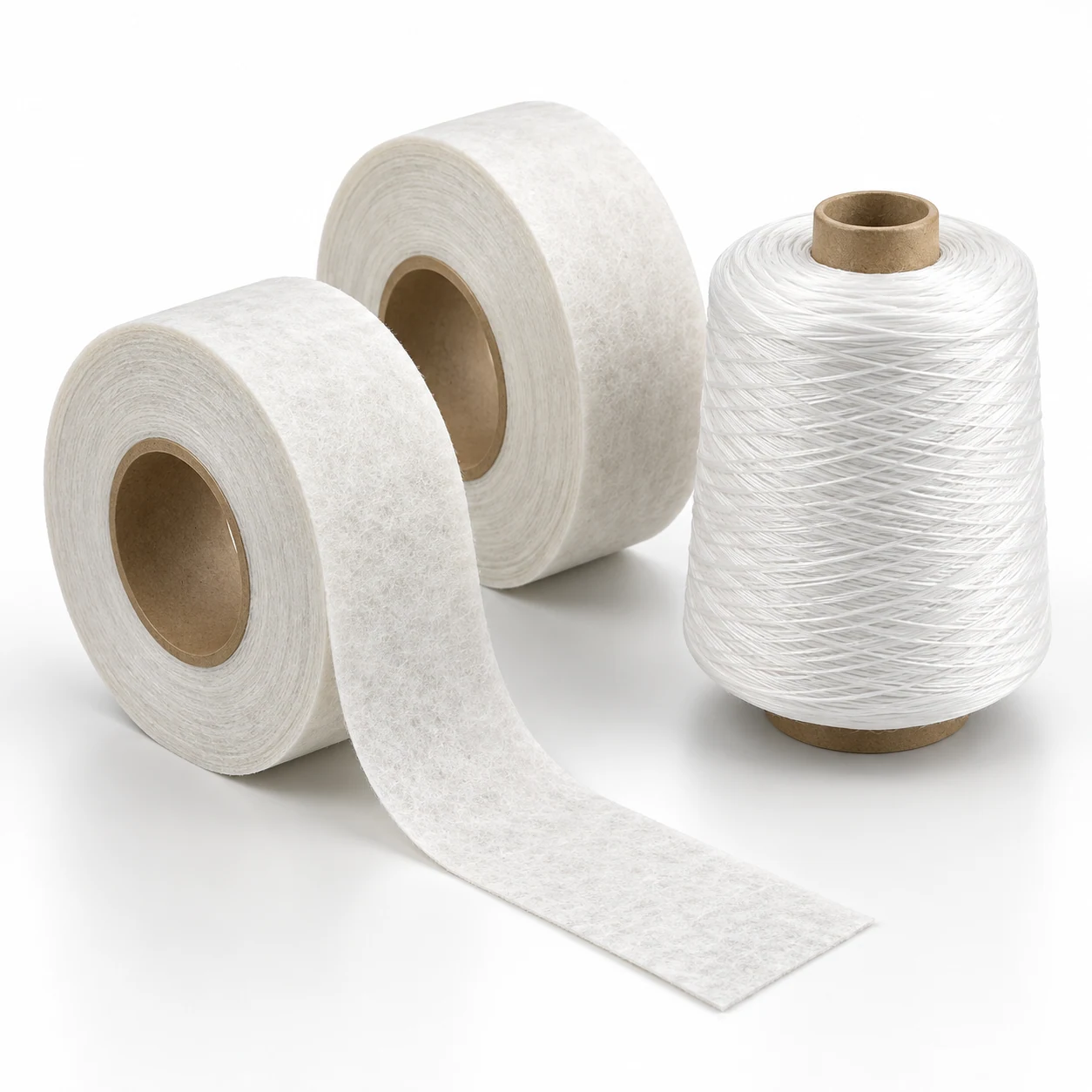
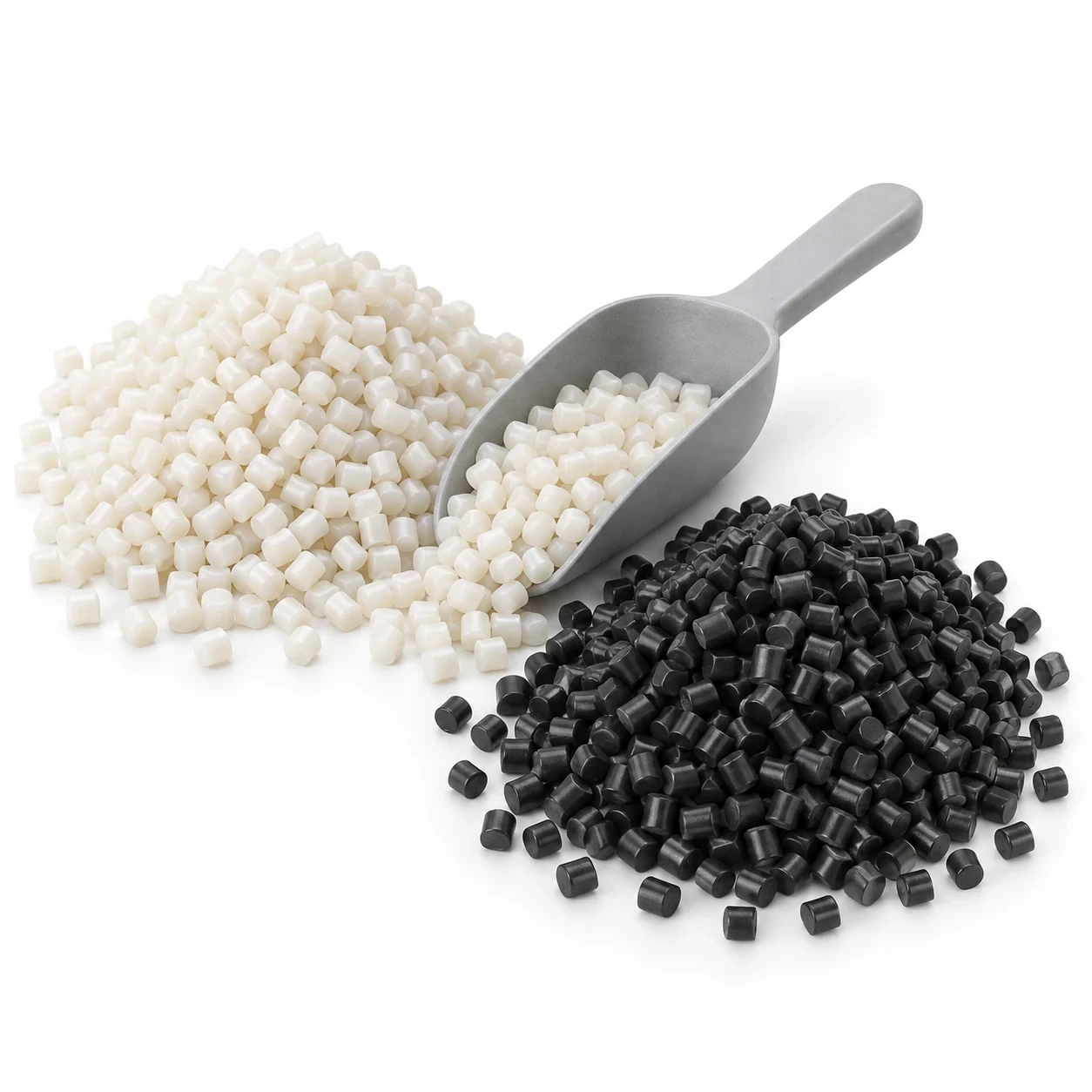
HONGKAI minh họa vật liệu: băng và sợi chống thấm nước là các đầu vào khả thi cho thiết kế khô, không phải tuyên bố rằng riêng từng loại đáp ứng được yêu cầu thử nghiệm cáp của người mua.
The clearest operational reason to compare gel-free options is often the work done when opening the cable. Corning describes easier cable preparation and access for its gel-free FREEDM LST product using water-blocking tapes and yarns.4 Đó là bằng chứng cho cách tiếp cận thiết kế của một sản phẩm cụ thể, chứ không phải là cam kết tiết kiệm thời gian cho mọi loại cáp khô.
If easier access matters to the customer, compare representative samples using the intended preparation procedure. Record which layer is opened, whether fibers must be cleaned, what tools and cleaning materials are needed, and whether the prepared fibers are suitable for the next operation. For a dry core with gel-filled tubes, opening the jacket and opening a tube are different jobs.
Do not turn that comparison into a universal claim that dry cable is cheaper. Compare the material bill and factory costs separately from the installation team’s access work. Use the customer’s expected work and measured sample results, not an assumed percentage saving.
The installation specification still controls. A dry label does not by itself establish suitability for duct, aerial or direct-buried service. Those applications have requirements beyond water blocking, so compare the complete cable specifications before treating two offers as alternatives.
ITU-T L.100, which covers duct and tunnel optical cables, discusses filling compounds and swellable materials as ways to limit longitudinal water penetration. It also distinguishes that problem from moisture passing radially through a sheath.5 Tránh mô tả cấu trúc nào là hoàn toàn chống thấm nước mà không nêu rõ đã thử nghiệm điều gì.
If a tender already specifies a construction, ask whether an alternative is permitted before changing it. If the requirement is performance-based, present the proposed construction and its test evidence together. A different material name is not enough to establish equivalence.
The Production Route Changes at More Than One Stage
The equipment discussion starts after both water-blocking locations are defined. If only the cable core changes to dry, the loose-tube process may still use gel. In the all-dry route discussed for HONGKAI enquiries, ống lỏng cũng được làm mà không có gel điền đầy, and the core is not gel-filled either. It is not enough to call the finished cable dry while leaving the tube process unspecified.

HONGKAI filling-unit reference for the gel-filled route. This image does not depict the dry-tube vacuum arrangement.
Sử dụng sơ đồ vị trí đến quy trình khi so sánh các đề xuất:
| Construction decision | Phạm vi sản xuất cần xem xét | Điều mà báo giá nên nêu rõ |
|---|---|---|
| Gel-filled buffer tubes | Giao diện chuẩn bị, cấp liệu và điền đầy hợp chất tại công đoạn ống lỏng | Approved compound, filling controls, start-up handling and verification method |
| Ống lỏng không chứa gel | Leave the jelly-filling machine off for the HONGKAI changeover described here; review the tube-forming and vacuum-assisted diameter-control arrangement | Đơn vị chân không/giao diện chính xác trên bản vẽ dây chuyền, đường dẫn vật liệu khô nếu được chỉ định, và đường kính ngoài ống ổn định trong quá trình sản xuất thử nghiệm |
| Gel-filled cable core | Bố trí điền đầy lõi hoặc ngập nước dọc theo tuyến sản xuất cáp đã thỏa thuận | Application location, material handling and the boundary with adjacent equipment |
| Lõi cáp khô | Placement of the specified water-blocking tapes, yarns or other elements | Cấp liệu vật liệu, định vị, tính liên tục và giao diện với quá trình tạo lõi và bao vỏ |
This is a proposal-review map, not a universal machine layout. For the HONGKAI dry-tube route described here, the gel-filling unit need not run, while a vacuum arrangement near the tube-forming head is added or used to help control the tube’s outer diameter. Đầu nối chân không chính xác và bất kỳ đầu cấp liệu khô nào phải được cố định trên bản vẽ dây chuyền thực tế; that project-level experience does not establish that every existing filling line can switch simply by pressing Stop. Cooling, tension, material and diameter measurement still need a stable trial.
HONGKAI’s tham chiếu dây chuyền sản xuất ống lỏng treats the filling or water-blocking interface as part of secondary coating. It also separates that stage from cable-core stranding and final sheathing. This is a useful boundary when requesting a quotation; it is not confirmation that every dry and gel-filled design uses interchangeable equipment.
For an existing factory, request a marked list of retained units, modified units and new units. Include the gel shut-off path, any vacuum interface, material path and control points—not just the extruder model. If both constructions must run on the same line, ask the supplier to demonstrate the changeover and record tube-diameter stability for each route. Stopping a gel pump is only one operation in that check.
Keep the production target attached to a specific cable and material combination. A speed demonstrated for one tube or one filling arrangement does not automatically apply to the alternative. If both routes matter to the business, specify how each will be demonstrated rather than accepting a single unqualified maximum speed.
Chọn kết cấu mà bạn có thể chỉ định và chứng minh
Đối với thử nghiệm ống lỏng khô HONGKAI được mô tả ở đây, trước tiên hãy kiểm tra xem đường kính ngoài của ống giữ ổn định while the gel-filling arrangement is not running. Agree a target and tolerance for the selected tube drawing, inspect measurements across the agreed trial length and retain the records. This checks the tube-making stage; it is not a finished-cable water-blocking result.
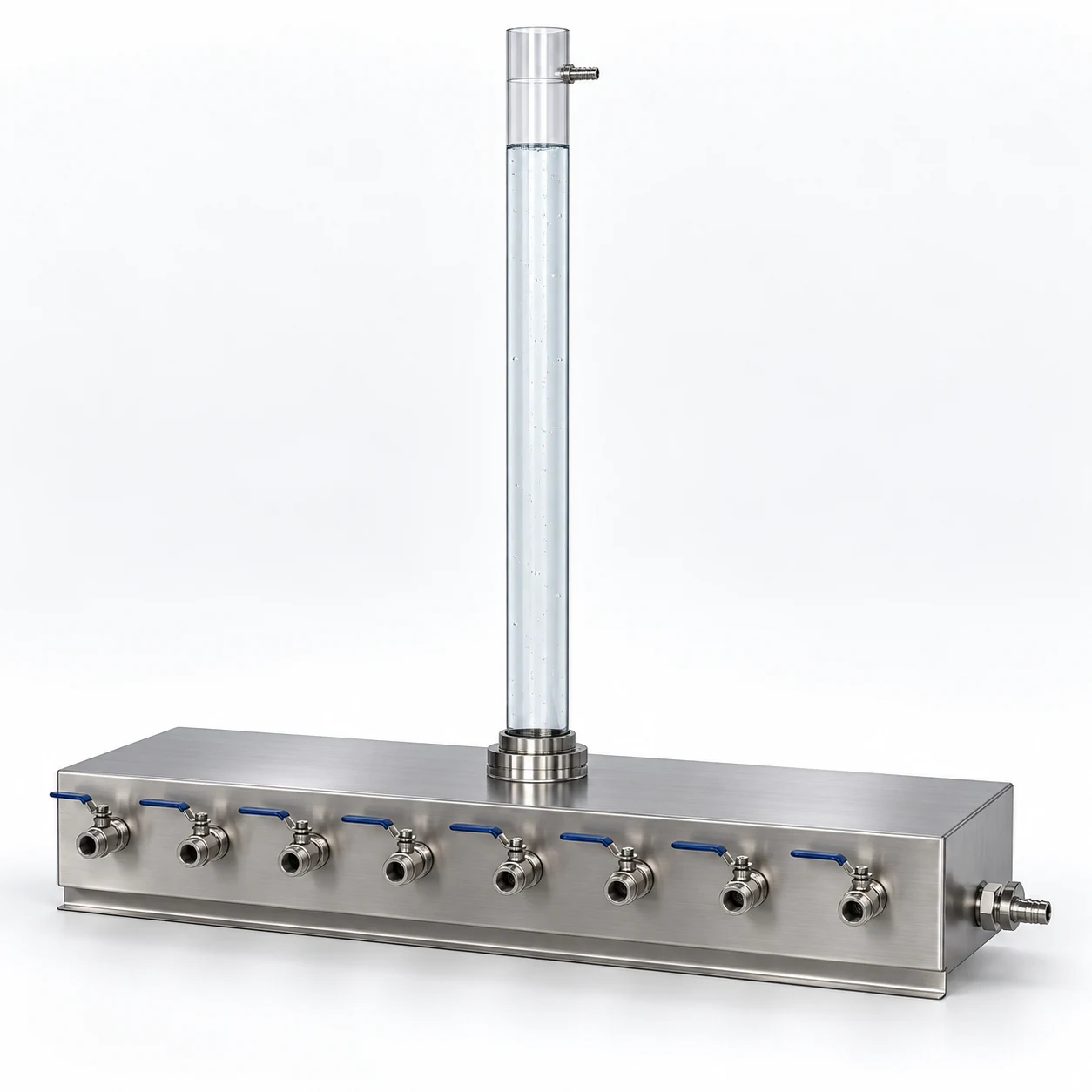
HONGKAI 3D test-equipment illustration. The final test setup, conditions and pass criteria must match the selected cable specification; no test result is implied.
Water-blocking material data and finished-cable test results answer different questions. The material document identifies what will be used. The finished-cable report shows how a particular construction performed under stated test conditions. In HONGKAI’s acceptance sequence, tube-diameter stability is checked during tube production; water-penetration and optical attenuation are checked on the finished cable under the agreed methods and limits.
For duct and tunnel cables, ITU-T L.100 addresses material compatibility and recommends water-penetration testing; its test selection depends on the cable design.5 Agree the applicable product specification, test method and edition, sample requirements, conditions and acceptance limits before ordering. Do not borrow a test limit from an unrelated cable or treat a tape’s swelling demonstration as a finished-cable result.
Match each report to the offered drawing revision and material identities. Confirm which water paths the test assesses, and request the finished-cable attenuation report and any other environmental results required by the customer. HONGKAI’s hướng dẫn kiểm tra cáp quang giúp tách biệt các phép thử cáp khỏi các máy móc được sử dụng để sản xuất nó.
Một trình tự ra quyết định thực tế là:
- Nếu khách hàng yêu cầu gel ở cả hai vị trí, hãy báo giá theo cấu trúc đó hoặc xin phê duyệt cho một phương án thay thế. Không được tự ý thay thế bằng thiết kế khô chỉ dựa trên lựa chọn ưa thích của nhà máy.
- Nếu khách hàng chấp nhận ống chứa gel nhưng muốn lõi khô, hãy giữ nguyên công đoạn điền đầy ống trong phạm vi sản xuất và so sánh các thay đổi về vật liệu và xử lý ở cấp độ lõi.
- If the customer requires an all-dry cable, specify no filling gel in the tubes or core. Verify the dry-design materials, the dry-tube vacuum/diameter-control arrangement and the finished-cable tests for that exact construction.
- If the customer says only dry cable, resolve that wording before comparing equipment prices.
The useful purchasing description is not just “jelly-filled versus dry.” It states what is inside the tubes, what surrounds the core, how the cable will be used and how the offered construction will be verified. That description lets the factory compare genuinely equivalent proposals.
-
Corning Application Engineering Note 026, revision 9, page 2, describes water blocking in the cable core and buffer tubes. Used for construction principles only; its older standards references are not adopted as current requirements. ↩
-
Cáp dải băng nhiều ống Prysmian MassLink, mô tả sản phẩm. Một ví dụ từ nhà sản xuất về cấu trúc lõi khô với các ống đệm chứa gel, không phải là tuyên bố sản phẩm HONGKAI. ↩
-
Thông số kỹ thuật cáp Corning LSZH, ống lỏng không gel, giáp liên kết, page 1, identifies gel-free water blocking and a flame-retardant sheath for that specific product. It does not establish a universal rule that gel removal grants a fire rating. ↩
-
Thông số kỹ thuật cáp ống lỏng không gel Corning FREEDM LST, page 1, describes swellable tapes/yarns and cable-preparation benefits for that product. No numerical saving or HONGKAI product performance is inferred. ↩
-
ITU-T L.100 (01/2024), Optical fibre cables for duct and tunnel application, clauses 6.3.3–6.3.4, 7.2.8 and A.4.3. Supports the distinctions between longitudinal water penetration, moisture permeation, material compatibility and cable-level testing within that recommendation’s scope. ↩ ↩

 English
 हिन्दी
 فارسی