
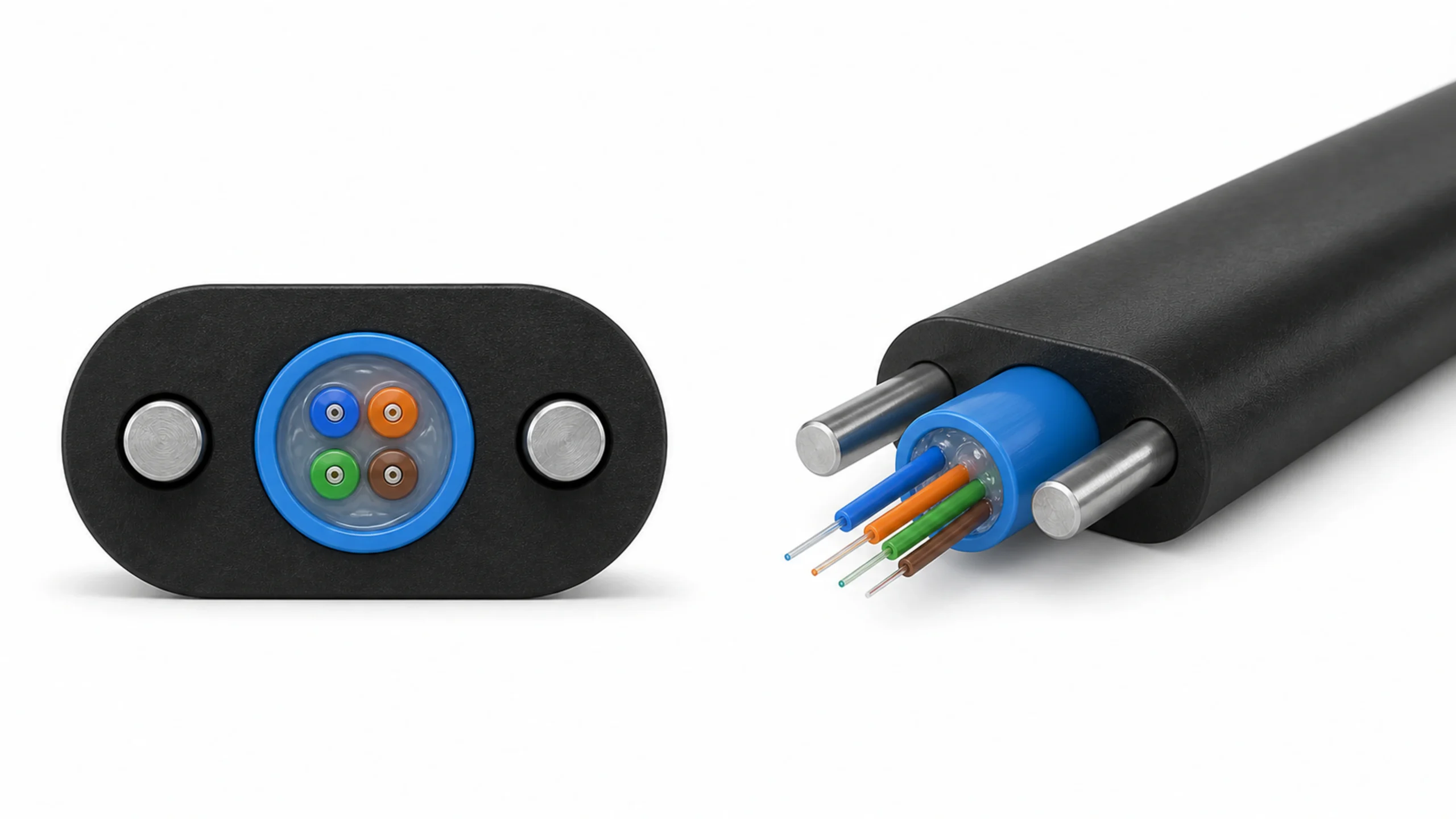
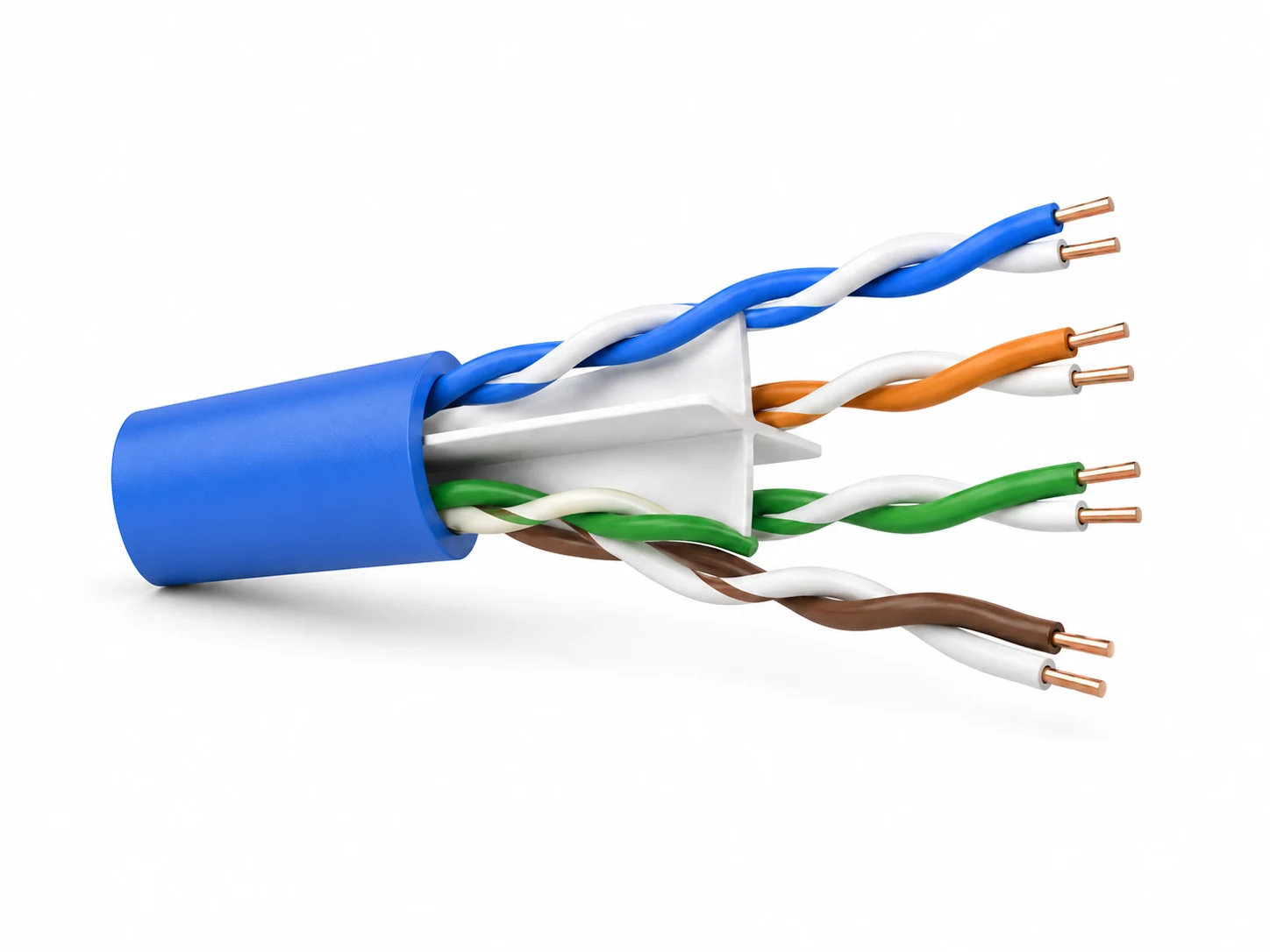
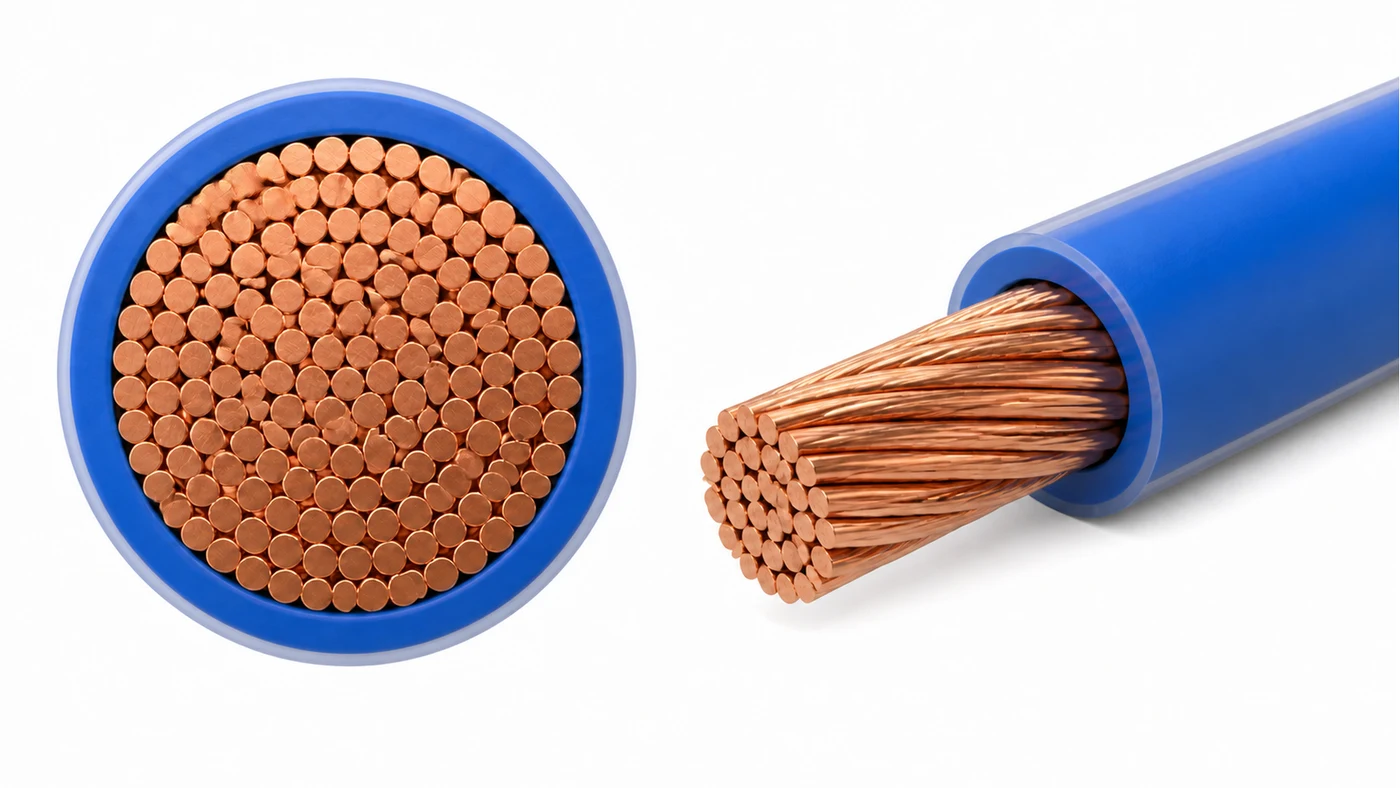
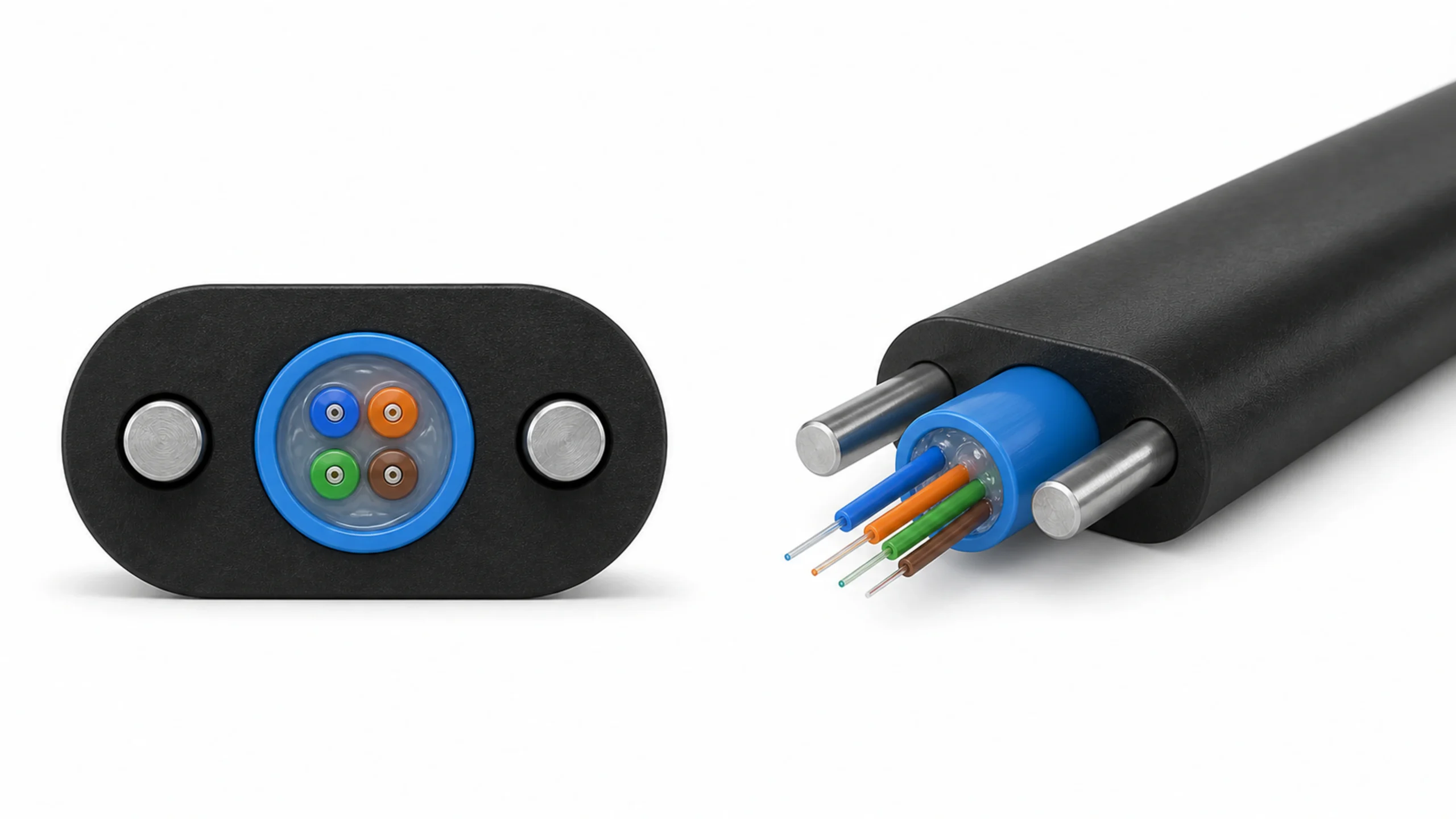






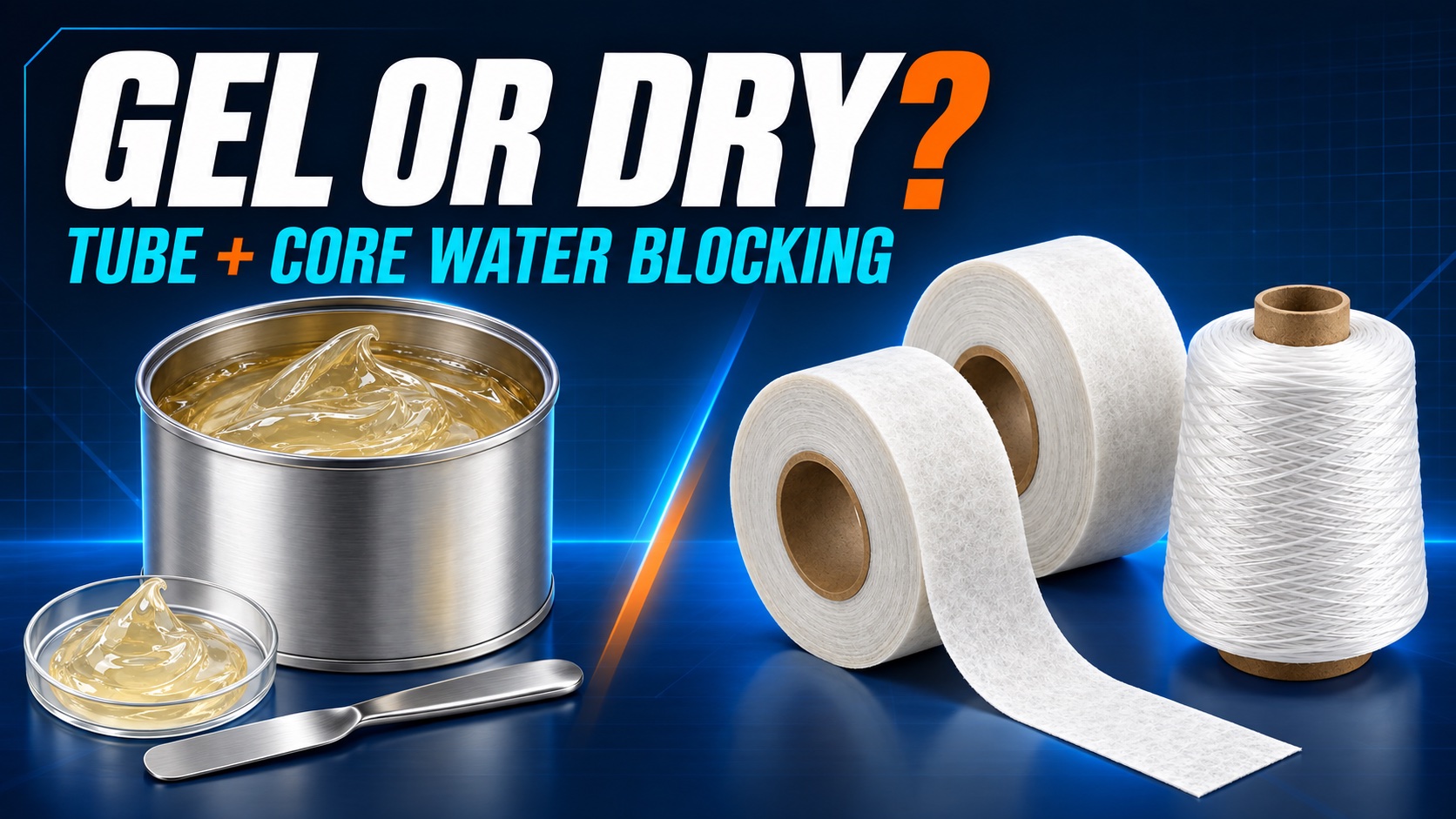
An outdoor cable buyer may ask for a “dry” design, but the word can mean different things on different drawings. In HONGKAI’s usual customer discussions, it means ലൂസ് ട്യൂബുകളുടെ ഉള്ളിൽ ഫില്ലിംഗ് ജെല്ലും കേബിൾ കോറിന് ചുറ്റുമുള്ള ഫില്ലിംഗ് ജെല്ലും ഇല്ല. മറ്റ് വിതരണക്കാർ പലപ്പോഴും ട്യൂബുകളിൽ ഇപ്പോഴും ജെൽ അടങ്ങിയിരിക്കുമ്പോൾ പോലും “ഡ്രൈ കോർ” ഉപയോഗിക്കാറുണ്ട്. ഉപകരണങ്ങളുടെ കോട്ടേഷനുകൾ താരതമ്യം ചെയ്യുന്നതിന് മുമ്പ് ആ വ്യത്യാസം പരിഹരിക്കപ്പെടണം.
Write down what goes inside the loose tube and what goes around the cable core. For a HONGKAI all-dry request, neither location is gel-filled. If another supplier calls a cable “dry core,” ask whether its tubes still contain gel. Then match the approved construction to the production route and finished-cable tests.
ഈ താരതമ്യം ഒരു ഔട്ട്ഡോർ ഒപ്റ്റിക്കൽ കേബിൾ നിർമ്മാണത്തിനും അതിന്റെ ഉപകരണ പരിധിക്കുമായി നിർമ്മാതാക്കൾ തിരഞ്ഞെടുക്കുന്നതിനാണ്. ഓരോ ഔട്ട്ഡോർ കേബിളിനും ഏറ്റവും നല്ലതായി ഒരു മെറ്റീരിയലിനെ ഇത് റാങ്ക് ചെയ്യുന്നില്ല.
വെള്ളം തടയാനുള്ള രണ്ട് സ്ഥലങ്ങൾ
In a stranded loose-tube cable, optical fibers sit inside individual buffer tubes. Those tubes form a cable core beneath the outer protective layers. Water blocking can be needed in both locations. Corning’s technical note describes gel or dry water-swellable materials used in the cable core and within the buffer tubes.1 HONGKAI അതിനാൽ വാങ്ങുന്നയാളോട് വ്യക്തമാക്കാൻ ആവശ്യപ്പെടുന്നു tube interior ഒപ്പം അസംബ്ലി ചെയ്ത കോറിന് ചുറ്റുമുള്ള സ്ഥലം separately.
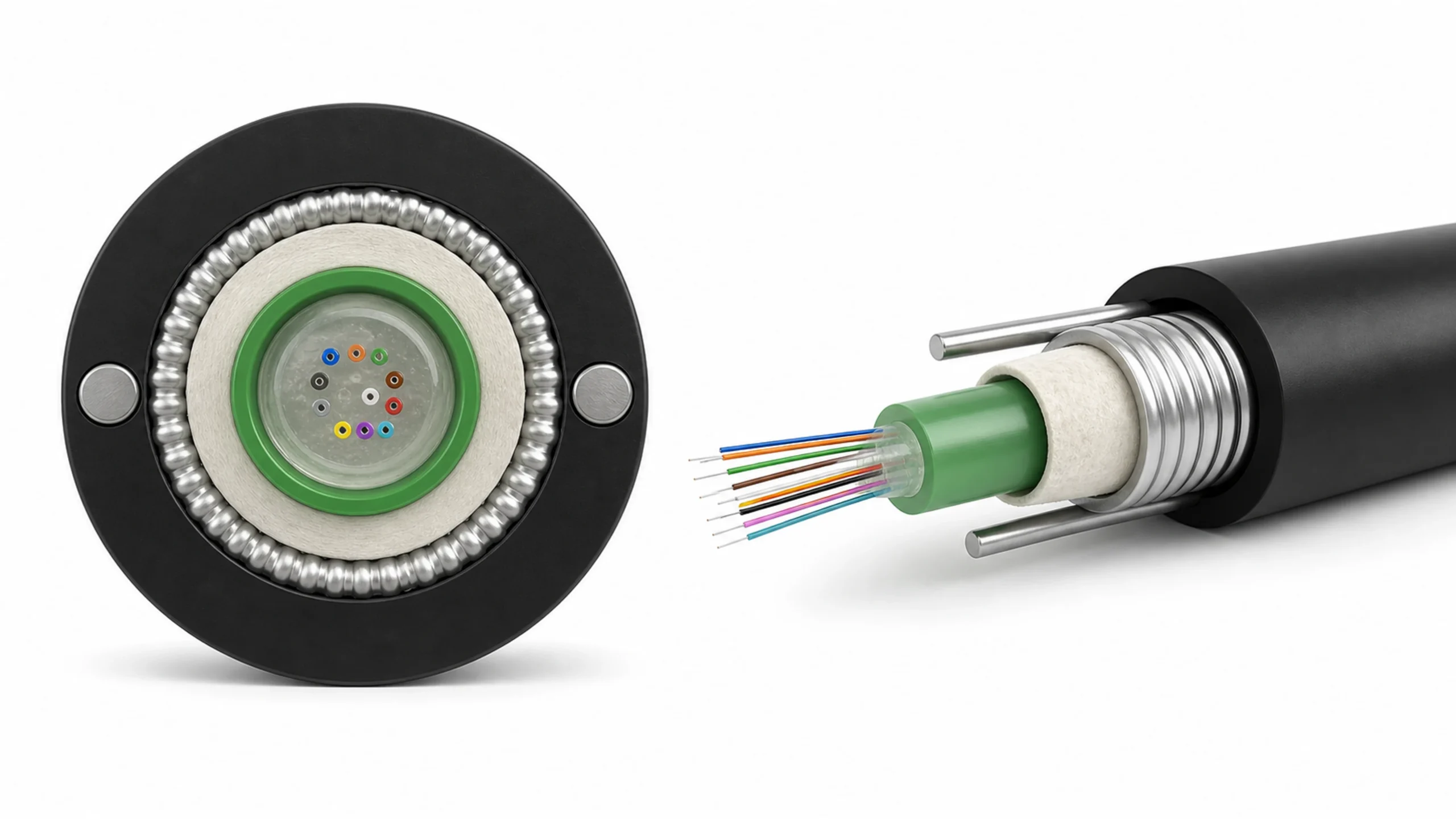
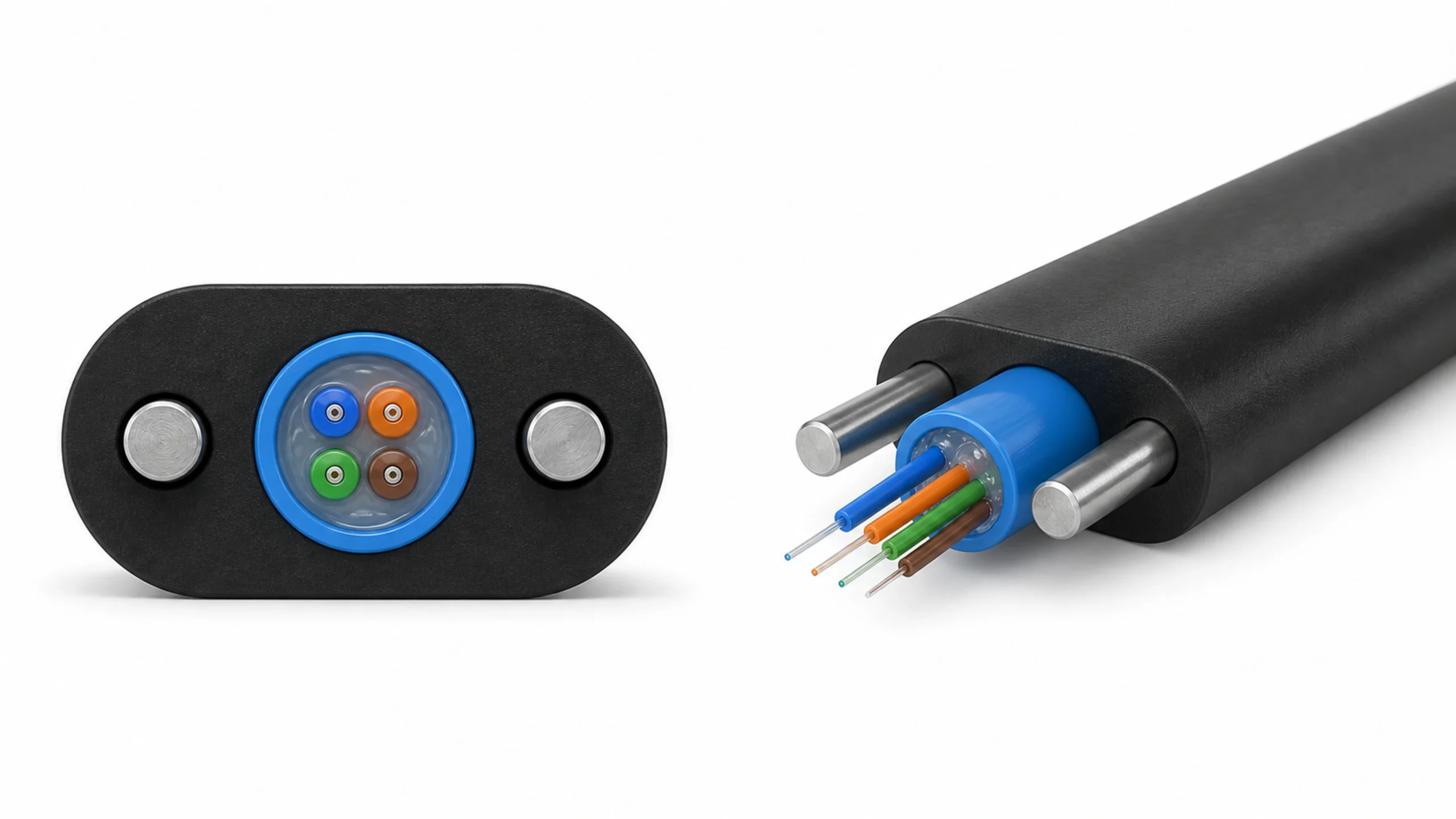
HONGKAI GYXTW 3D structure reference helps locate the tube and surrounding layers. It does not show or certify an all-dry construction.
കോട്ടേഷൻ ആവശ്യങ്ങൾക്കായി, മൂന്ന് ഏർപ്പാടുകളും പ്രത്യേകം നൽകുക. താഴെ നൽകിയിരിക്കുന്ന പേരുകൾ താരതമ്യം ചെയ്യുന്ന സ്ഥാനങ്ങളെ വിവരിക്കുന്നു; അംഗീകൃത ഡ്രോയിംഗിൽ യഥാർത്ഥ മെറ്റീരിയലുകൾ കാണിച്ചിരിക്കണം.
| താരതമ്യം ചെയ്യുന്ന ക്രമീകരണം | ബഫർ ട്യൂബുകളുടെ ഉള്ളിൽ | കേബിൾ കോറിന് ചുറ്റുമായി | വാങ്ങുന്നയാൾ വ്യക്തമാക്കേണ്ടത് എന്താണ് |
|---|---|---|---|
| ട്യൂബുകളിലെയും കേബിൾ കോറിലെയും ജെൽ | നിർദ്ദിഷ്ട ഫില്ലിംഗ് കോമ്പൗണ്ട് | നിർദ്ദേശിച്ച കോർ ഫില്ലിംഗ് അല്ലെങ്കിൽ ഫ്ലഡിംഗ് കോമ്പൗണ്ട് | ഏത് സംയുക്തമാണ് ഓരോ സ്ഥാനത്തും ഉൾപ്പെടുത്തേണ്ടത്? |
| ജെൽ നിറച്ച ട്യൂബുകളുള്ള ഉണങ്ങിയ കോർ | നിർദ്ദിഷ്ട ഫില്ലിംഗ് കോമ്പൗണ്ട് | നിർദ്ദിഷ്ട വരണ്ട ജല-തടസ്സപ്പെടുത്തൽ ഘടകങ്ങൾ | ഉപഭോക്താവ് ട്യൂബുകളുടെ ഉള്ളിൽ ജെൽ സ്വീകരിക്കുന്നുണ്ടോ? |
| "HONGKAI"-ന്റെ ഉപഭോക്തൃ ചർച്ചകളിൽ സാധാരണയായി ഉദ്ദേശിക്കുന്നത്: പൂർണ്ണമായും വരണ്ട നിർമ്മാണം" | നിറയ്ക്കൽ ജെൽ ഇല്ല; അംഗീകരിച്ച വരണ്ട ട്യൂബ് രൂപകൽപ്പന ഉപയോഗിക്കുക | നിറയ്ക്കൽ ജെൽ ഇല്ല; അംഗീകരിച്ച വരണ്ട കോർ ഡിസൈൻ ഉപയോഗിക്കുക | ഓരോ സ്ഥലത്തും വെള്ളത്തെ തടയുന്നത് എന്താണ്, അതിനെ പിന്തുണയ്ക്കുന്ന കേബിൾ തെളിവുകൾ ഏവ? |
This is not just a wording exercise: Prysmian’s MassLink multi-tube ribbon cable is described as having a dry core with gel-filled buffer tubes.2 അത് ഒരു നിയമപരമായ ഉൽപ്പാദന ഉപയോഗമാണ്, പക്ഷേ അത് അല്ല the all-dry construction HONGKAI usually discusses for a dry cable. The example does not imply that HONGKAI supplies that particular Prysmian cable.
Removing cable-core filling from a proposal does not necessarily remove tube filling. Likewise, a drawing showing water-blocking tape outside the tubes does not explain what is inside them.
Ask the cable supplier or designer to mark the two locations on the cross-section. For a central-tube cable, use that cable’s drawing rather than forcing it into a stranded-tube layout. Confirm whether the words dry core, gel-free or all-dry apply to one part or the whole construction.
Keep material identities separate. A compound approved for one location should not be assumed suitable for another simply because both are called jelly.
കേബിൾ ആക്സസ്, യഥാർത്ഥ ഇൻസ്റ്റാളേഷൻ എന്നിവയ്ക്ക് തിരഞ്ഞെടുക്കുക
Start with the customer’s drawing, installation setting and required cable performance—not a general rule that gel or dry is always better. In some HONGKAI enquiries, a customer seeking a flame-retardant cable has also specified a gel-free construction. That is a പ്രോജക്റ്റ് ആവശ്യങ്ങൾ പരിശോധിക്കാൻ, not proof that simply removing gel makes a cable flame-retardant. Flame performance belongs to the complete approved cable design and its applicable test evidence. Corning, for example, lists both gel-free water blocking and a flame-retardant sheath for one specific LSZH cable family.3
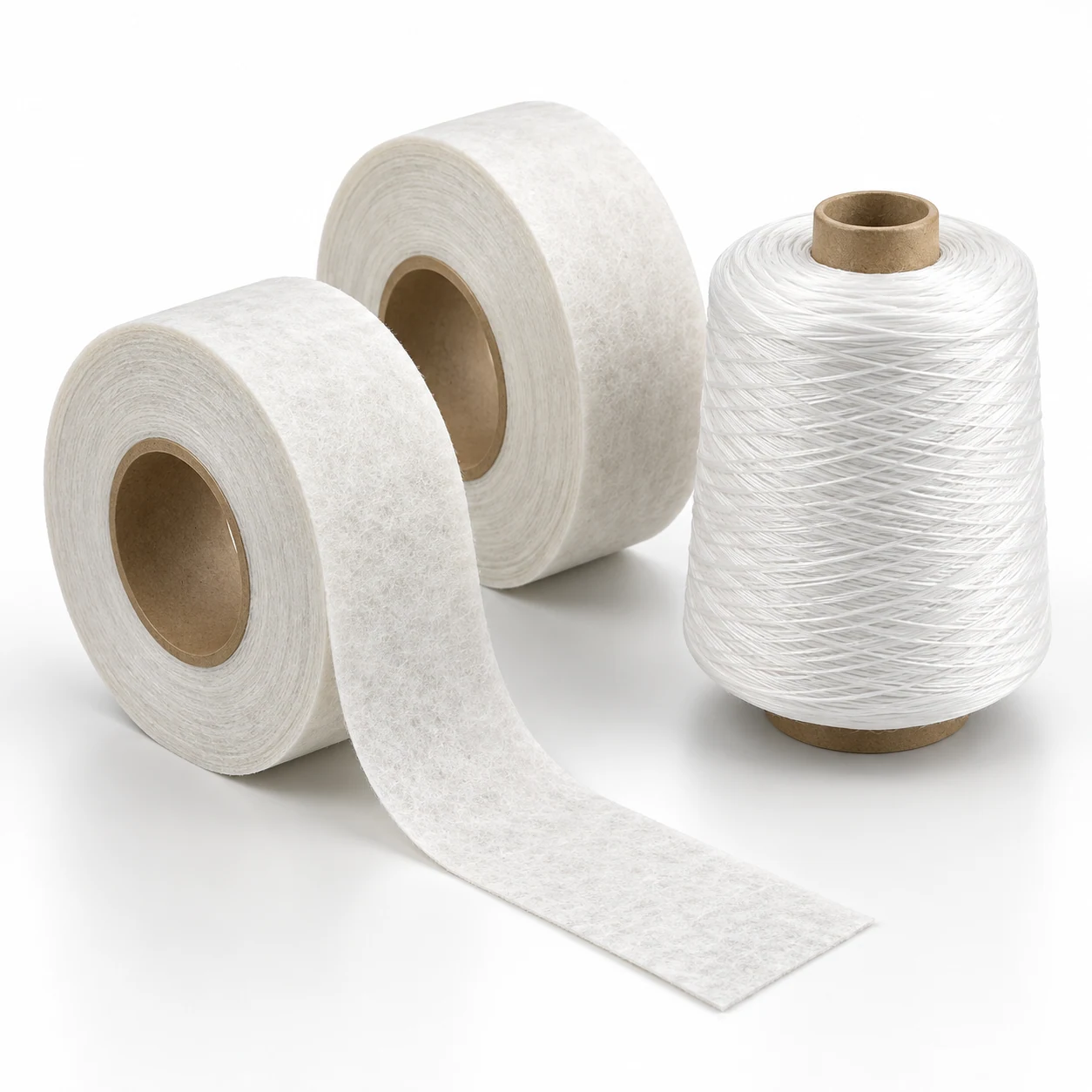
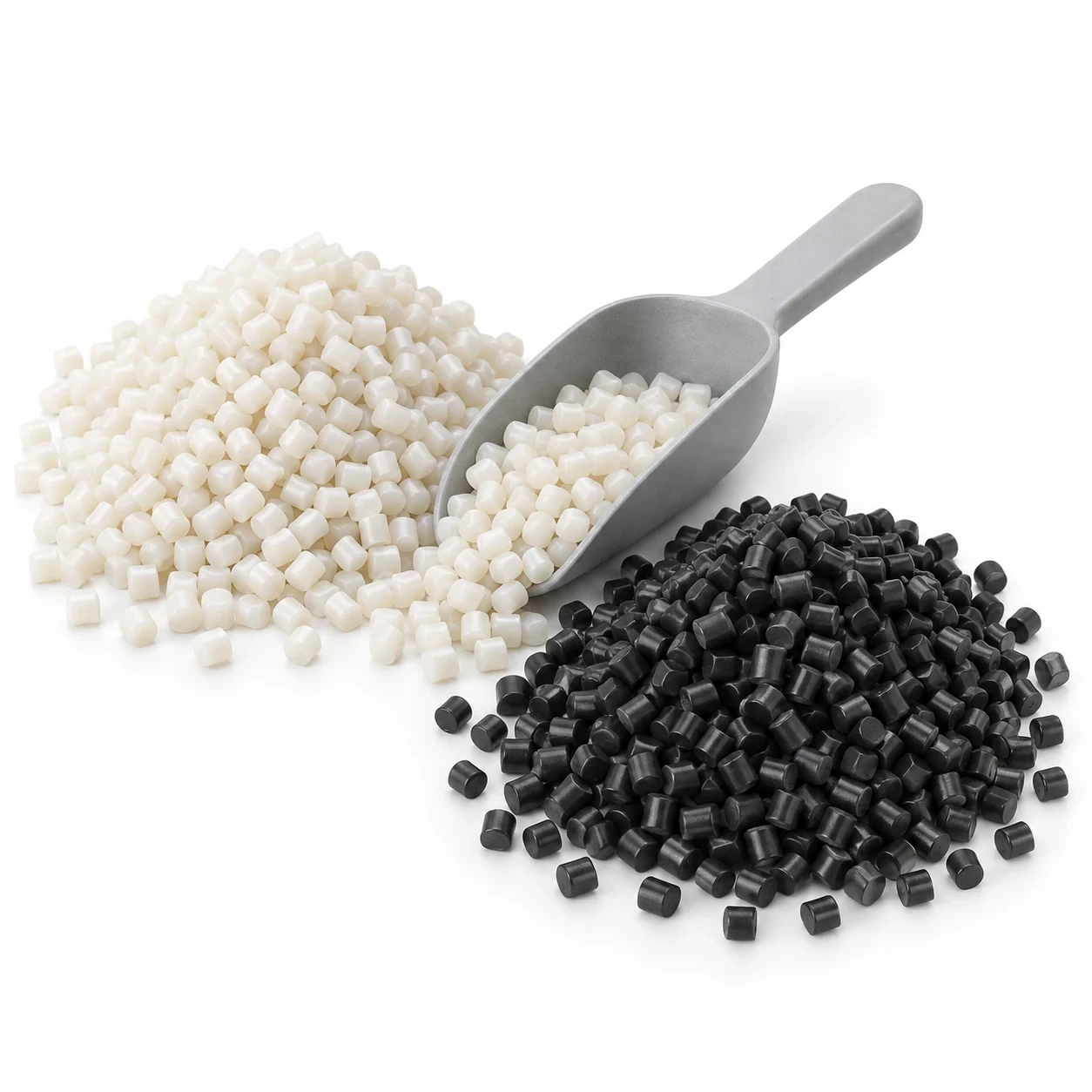
HONGKAI material illustration: water-blocking tape and yarn are possible dry-design inputs, not a claim that either one alone meets the buyer’s cable test.
The clearest operational reason to compare gel-free options is often the work done when opening the cable. Corning describes easier cable preparation and access for its gel-free FREEDM LST product using water-blocking tapes and yarns.4 ഇത് ഒരു പ്രത്യേക ഉൽപ്പന്നത്തിന്റെ ഡിസൈൻ രീതിയെക്കുറിച്ചുള്ള തെളിവാണ്, എല്ലാ വരണ്ട കേബിളുകൾക്കുമായുള്ള സമയ ലാഭം എന്ന വാഗ്ദാനമല്ല.
If easier access matters to the customer, compare representative samples using the intended preparation procedure. Record which layer is opened, whether fibers must be cleaned, what tools and cleaning materials are needed, and whether the prepared fibers are suitable for the next operation. For a dry core with gel-filled tubes, opening the jacket and opening a tube are different jobs.
Do not turn that comparison into a universal claim that dry cable is cheaper. Compare the material bill and factory costs separately from the installation team’s access work. Use the customer’s expected work and measured sample results, not an assumed percentage saving.
The installation specification still controls. A dry label does not by itself establish suitability for duct, aerial or direct-buried service. Those applications have requirements beyond water blocking, so compare the complete cable specifications before treating two offers as alternatives.
ITU-T L.100, which covers duct and tunnel optical cables, discusses filling compounds and swellable materials as ways to limit longitudinal water penetration. It also distinguishes that problem from moisture passing radially through a sheath.5 എന്താണ് പരീക്ഷിച്ചത് എന്ന് വ്യക്തമാക്കിയ ശേഷം മാത്രമേ രണ്ട് നിർമ്മാണങ്ങളെയും ലളിതമായി വാട്ടർപ്രൂഫ് എന്ന് വിവരിക്കാവൂ.
If a tender already specifies a construction, ask whether an alternative is permitted before changing it. If the requirement is performance-based, present the proposed construction and its test evidence together. A different material name is not enough to establish equivalence.
ഒന്നിലധികം ഘട്ടങ്ങളിൽ ഉത്പാദന മാർഗ്ഗത്തിൽ മാറ്റങ്ങൾ
The equipment discussion starts after both water-blocking locations are defined. If only the cable core changes to dry, the loose-tube process may still use gel. In the all-dry route discussed for HONGKAI enquiries, ലൂസ് ട്യൂബ് ഫില്ലിംഗ് ജെല്ലില്ലാതെയും നിർമ്മിച്ചിരിക്കുന്നു, and the core is not gel-filled either. It is not enough to call the finished cable dry while leaving the tube process unspecified.

HONGKAI ജെൽ-നിറച്ച റൂട്ടിനുള്ള ഫില്ലിംഗ്-യൂണിറ്റ് റഫറൻസ്. ഈ ചിത്രം ഡ്രൈ-ട്യൂബ് വാക്വം ഏർപ്പാട് കാണിക്കുന്നില്ല.
നിർദ്ദേശങ്ങൾ താരതമ്യം ചെയ്യുമ്പോൾ ഒരു സ്ഥാന-പ്രക്രിയ മാപ്പ് ഉപയോഗിക്കുക:
| Construction decision | അവലോകനത്തിനായുള്ള ഉൽപ്പാദന പരിധി | കോട്ടേഷനിൽ വ്യക്തമായി പറയേണ്ടത് എന്തൊക്കെ |
|---|---|---|
| ജെൽ നിറച്ച ബഫർ ട്യൂബുകൾ | ലൂസ് ട്യൂബ് ഘട്ടത്തിൽ കംപൗണ്ട് തയ്യാറാക്കൽ, വിതരണം ചെയ്യൽ, നിറയ്ക്കൽ ഇന്റർഫേസ് | അംഗീകൃത സംയുക്തം, ഫില്ലിംഗ് നിയന്ത്രണങ്ങൾ, സ്റ്റാർട്ട്-അപ്പ് ഹാൻഡ്ലിംഗ്, സ്ഥിരീകരണ രീതി |
| ജെൽ-ഫ്രീ ലൂസ് ട്യൂബുകൾ | ഇവിടെ വിവരിച്ചിരിക്കുന്ന HONGKAI മാറ്റം നടത്തുമ്പോൾ ജെല്ലി-ഫില്ലിംഗ് മെഷീൻ ഓഫ് ചെയ്തു വയ്ക്കുക; ട്യൂബ് രൂപീകരണവും വാക്വം-സഹായതയോടെയുള്ള വ്യാസ നിയന്ത്രണ സജ്ജീകരണവും അവലോകനം ചെയ്യുക | The exact vacuum unit/interface on the line drawing, dry material path if specified, and a stable tube outer diameter in trial production |
| ജെല്ല് നിറച്ച കേബിൾ കോർ | സമ്മതിച്ച കേബിൾ നിർമ്മാണ റൂട്ടിലെ കോർ ഫില്ലിംഗ് അല്ലെങ്കിൽ ഫ്ലൂഡിംഗ് ഏർപ്പാട് | അപ്ലിക്കേഷൻ സ്ഥാനം, മെറ്റീരിയൽ ഹാൻഡ്ലിംഗ്, അടുത്തുള്ള ഉപകരണങ്ങളുമായുള്ള അതിർത്തി |
| ഉണങ്ങിയ കേബിൾ കോർ | നിർദ്ദിഷ്ടമായ വാട്ടർ-ബ്ലോക്കിംഗ് ടേപ്പുകൾ, യാൺ അല്ലെങ്കിൽ മറ്റ് ഘടകങ്ങളുടെ സ്ഥാനനിർണ്ണയം | മെറ്റീരിയൽ സപ്ലൈ, പൊസിഷനിംഗ്, തുടർച്ചിത്വം, കോർ ഫോർമേഷൻ, ഷീത്തിംഗ് എന്നിവയുമായുള്ള ഇന്റർഫേസ് |
This is a proposal-review map, not a universal machine layout. For the HONGKAI dry-tube route described here, the gel-filling unit need not run, while a vacuum arrangement near the tube-forming head is added or used to help control the tube’s outer diameter. യഥാർത്ഥ ലൈൻ ഡ്രോയിംഗിൽ കൃത്യമായ വാക്വം കണക്ഷനും ഏതെങ്കിലും ഡ്രൈ-മെറ്റീരിയൽ ഫീഡും നിശ്ചയിച്ചിരിക്കണം; that project-level experience does not establish that every existing filling line can switch simply by pressing Stop. Cooling, tension, material and diameter measurement still need a stable trial.
HONGKAI’s ലൂസ്-ട്യൂബ് പ്രൊഡക്ഷൻ-ലൈൻ റഫറൻസ് treats the filling or water-blocking interface as part of secondary coating. It also separates that stage from cable-core stranding and final sheathing. This is a useful boundary when requesting a quotation; it is not confirmation that every dry and gel-filled design uses interchangeable equipment.
For an existing factory, request a marked list of retained units, modified units and new units. Include the gel shut-off path, any vacuum interface, material path and control points—not just the extruder model. If both constructions must run on the same line, ask the supplier to demonstrate the changeover and record tube-diameter stability for each route. Stopping a gel pump is only one operation in that check.
Keep the production target attached to a specific cable and material combination. A speed demonstrated for one tube or one filling arrangement does not automatically apply to the alternative. If both routes matter to the business, specify how each will be demonstrated rather than accepting a single unqualified maximum speed.
നിങ്ങൾക്ക് നിർദ്ദേശിക്കാനും തെളിയിക്കാനും കഴിയുന്ന നിർമ്മാണരീതി തിരഞ്ഞെടുക്കുക
ഇവിടെ വിവരിച്ചിരിക്കുന്ന HONGKAI ഡ്രൈ ലൂസ്-ട്യൂബ് ട്രയലിനായി, ആദ്യം പരിശോധിക്കുക ട്യൂബിന്റെ പുറം വ്യാസം സ്ഥിരമായി നിലനിൽക്കുന്നു while the gel-filling arrangement is not running. Agree a target and tolerance for the selected tube drawing, inspect measurements across the agreed trial length and retain the records. This checks the tube-making stage; it is not a finished-cable water-blocking result.
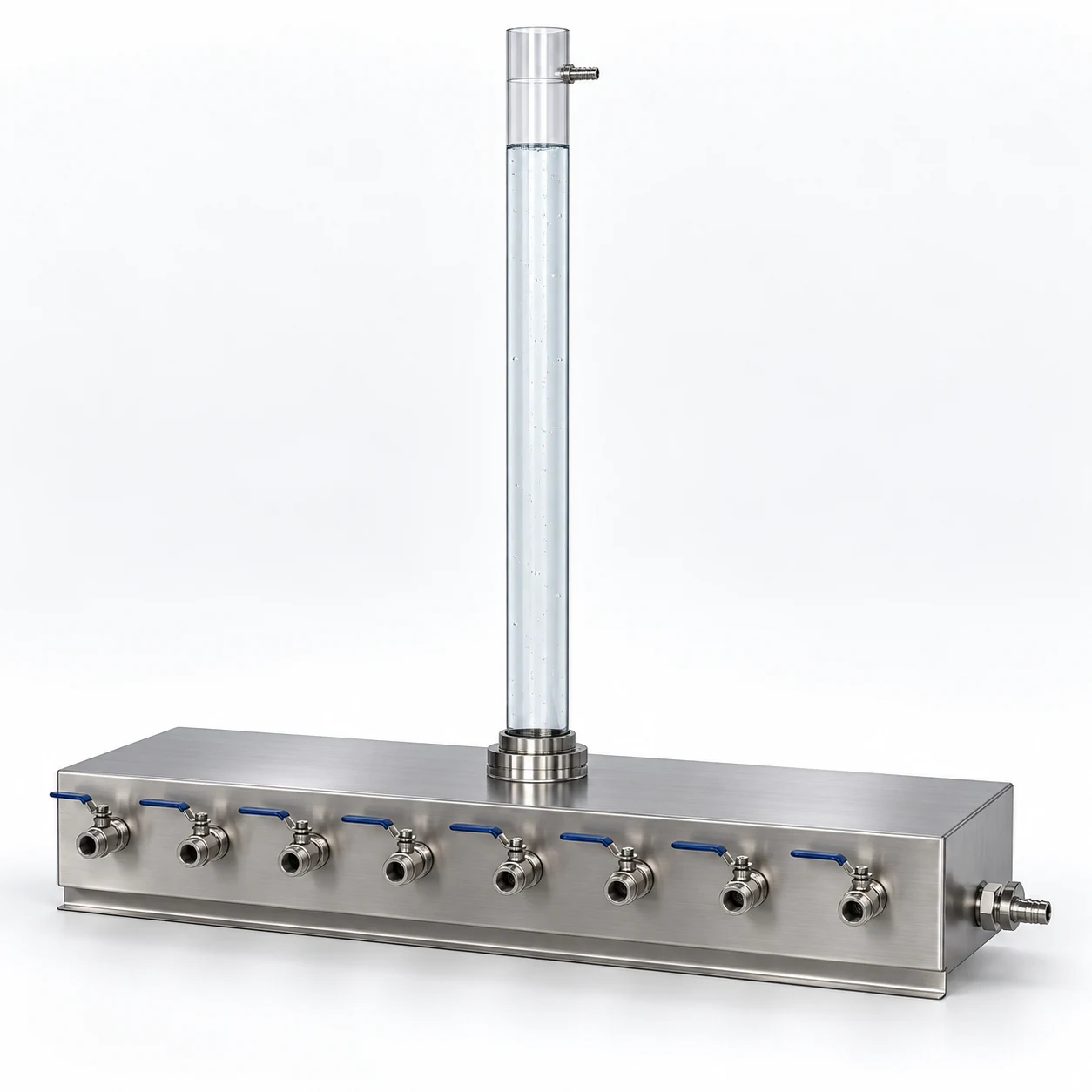
HONGKAI 3D test-equipment illustration. The final test setup, conditions and pass criteria must match the selected cable specification; no test result is implied.
Water-blocking material data and finished-cable test results answer different questions. The material document identifies what will be used. The finished-cable report shows how a particular construction performed under stated test conditions. In HONGKAI’s acceptance sequence, tube-diameter stability is checked during tube production; water-penetration and optical attenuation are checked on the finished cable under the agreed methods and limits.
For duct and tunnel cables, ITU-T L.100 addresses material compatibility and recommends water-penetration testing; its test selection depends on the cable design.5 Agree the applicable product specification, test method and edition, sample requirements, conditions and acceptance limits before ordering. Do not borrow a test limit from an unrelated cable or treat a tape’s swelling demonstration as a finished-cable result.
Match each report to the offered drawing revision and material identities. Confirm which water paths the test assesses, and request the finished-cable attenuation report and any other environmental results required by the customer. HONGKAI’s ഫൈബർ-ഒപ്റ്റിക് കേബിൾ പരിശോധന ഗൈഡ് കേബിൾ പരിശോധനകളെ അത് നിർമ്മിക്കാൻ ഉപയോഗിക്കുന്ന യന്ത്രങ്ങളിൽ നിന്ന് വേർതിരിക്കാൻ സഹായിക്കുന്നു.
ഒരു പ്രായോഗികമായ തീരുമാന ക്രമം ഇതാണ്:
- ഉപഭോക്താവ് രണ്ട് സ്ഥലങ്ങളിലും ജെൽ നിർദ്ദേശിച്ചിട്ടുണ്ടെങ്കിൽ, ആ നിർമ്മാണരീതിക്ക് കോട്ടേഷൻ നൽകുകയോ ഒരു ബദലിനായി അനുമതി നേടുകയോ വേണം. ഫാക്ടറിയുടെ മുൻഗണന മാത്രം അടിസ്ഥാനമാക്കി ഡ്രൈ ഡിസൈൻ പകരം ഉപയോഗിക്കരുത്.
- ഉപഭോക്താവ് ജെൽ-നിറഞ്ഞ ട്യൂബുകൾ സ്വീകരിക്കുകയും എന്നാൽ ഒരു ഡ്രൈ കോർ ആവശ്യപ്പെടുകയും ചെയ്താൽ, ഉൽപ്പാദന പരിധിയിൽ ട്യൂബ് ഫില്ലിംഗ് നിലനിർത്തുകയും കോർ-ലെവൽ മെറ്റീരിയലിലും ഹാൻഡ്ലിംഗിലും വരുന്ന മാറ്റങ്ങൾ താരതമ്യം ചെയ്യുകയും വേണം.
- If the customer requires an all-dry cable, specify no filling gel in the tubes or core. Verify the dry-design materials, the dry-tube vacuum/diameter-control arrangement and the finished-cable tests for that exact construction.
- ഉപഭോക്താവ് 'ഡ്രൈ കേബിൾ' മാത്രമേ പറയുന്നുള്ളൂ എങ്കിൽ, ഉപകരണങ്ങളുടെ വിലകൾ താരതമ്യം ചെയ്യുന്നതിന് മുമ്പ് ആ പദപ്രയോഗം വ്യക്തമാക്കുക.
The useful purchasing description is not just “jelly-filled versus dry.” It states what is inside the tubes, what surrounds the core, how the cable will be used and how the offered construction will be verified. That description lets the factory compare genuinely equivalent proposals.
-
കോർണിംഗ് ആപ്ലിക്കേഷൻ എഞ്ചിനീയറിംഗ് നോട്ട് 026, revision 9, page 2, describes water blocking in the cable core and buffer tubes. Used for construction principles only; its older standards references are not adopted as current requirements. ↩
-
പ്രിസ്മിയൻ മാസ്ലിങ്ക് മൾട്ടി-ട്യൂബ് റിബൺ കേബിൾ, ഉൽപ്പന്ന വിവരണം. ജെൽ നിറഞ്ഞ ബഫർ ട്യൂബുകളുള്ള ഡ്രൈ-കോർ നിർമ്മാണത്തിന്റെ ഒരു നിർമ്മാതാവ് ഉദാഹരണം, HONGKAI ഉൽപ്പന്ന അവകാശവാദമല്ല.↩
-
കോർണിംഗ് LSZH ലൂസ്-ട്യൂബ് ജെൽ-ഫ്രീ ഇന്റർലോക്കിംഗ് ആർമഡ് കേബിൾ സ്പെസിഫിക്കേഷൻ, page 1, identifies gel-free water blocking and a flame-retardant sheath for that specific product. It does not establish a universal rule that gel removal grants a fire rating. ↩
-
കോർണിംഗ് FREEDM LST ജെൽ-ഫ്രീ ലൂസ്-ട്യൂബ് കേബിൾ സ്പെസിഫിക്കേഷൻ, page 1, describes swellable tapes/yarns and cable-preparation benefits for that product. No numerical saving or HONGKAI product performance is inferred. ↩
-
ITU-T L.100 (01/2024), ഡക്ട്, ടണൽ പ്രയോഗങ്ങൾക്കായുള്ള ഒപ്റ്റിക്കൽ ഫൈബർ കേബിളുകൾ, clauses 6.3.3–6.3.4, 7.2.8 and A.4.3. Supports the distinctions between longitudinal water penetration, moisture permeation, material compatibility and cable-level testing within that recommendation’s scope. ↩ ↩

 English
 हिन्दी
 فارسی