
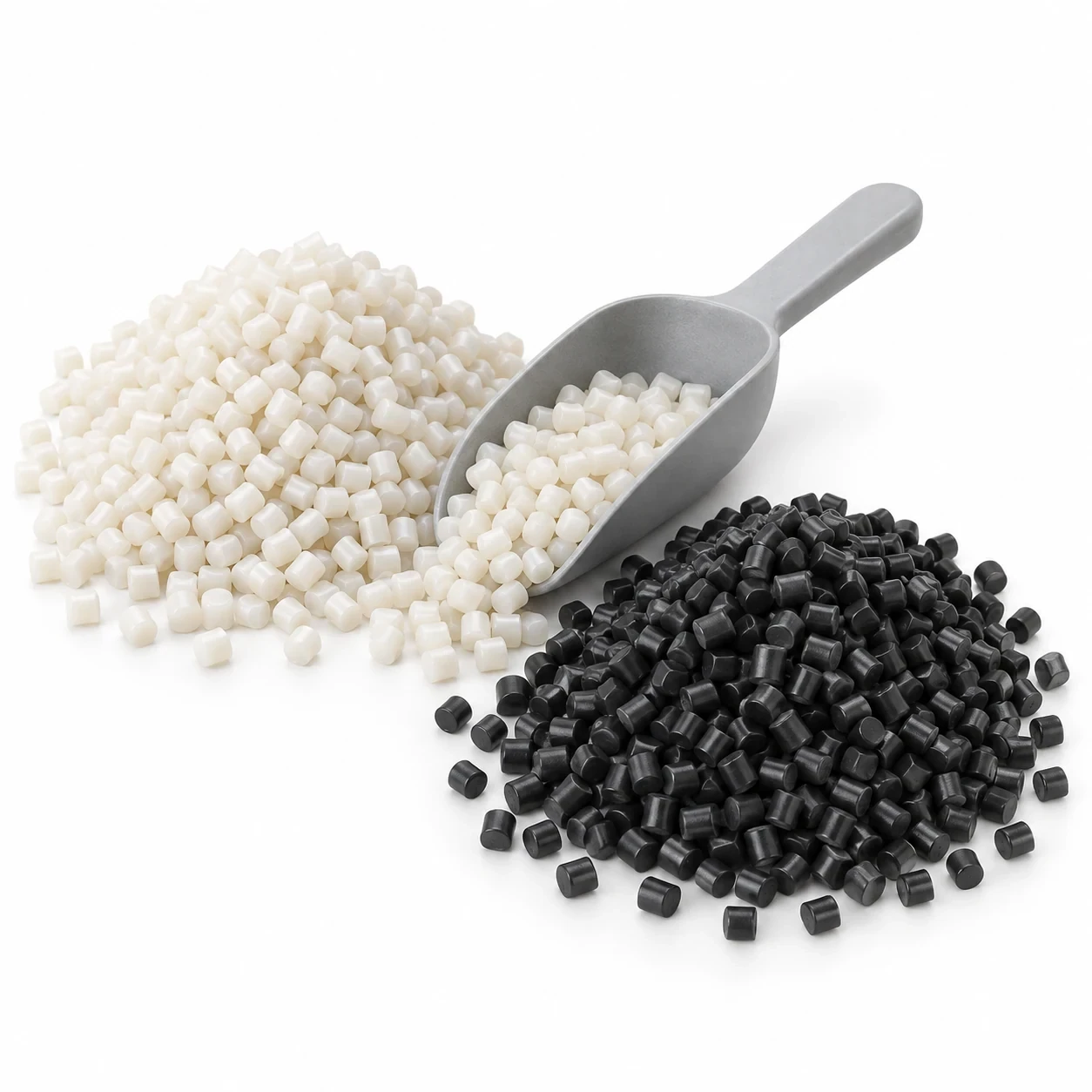
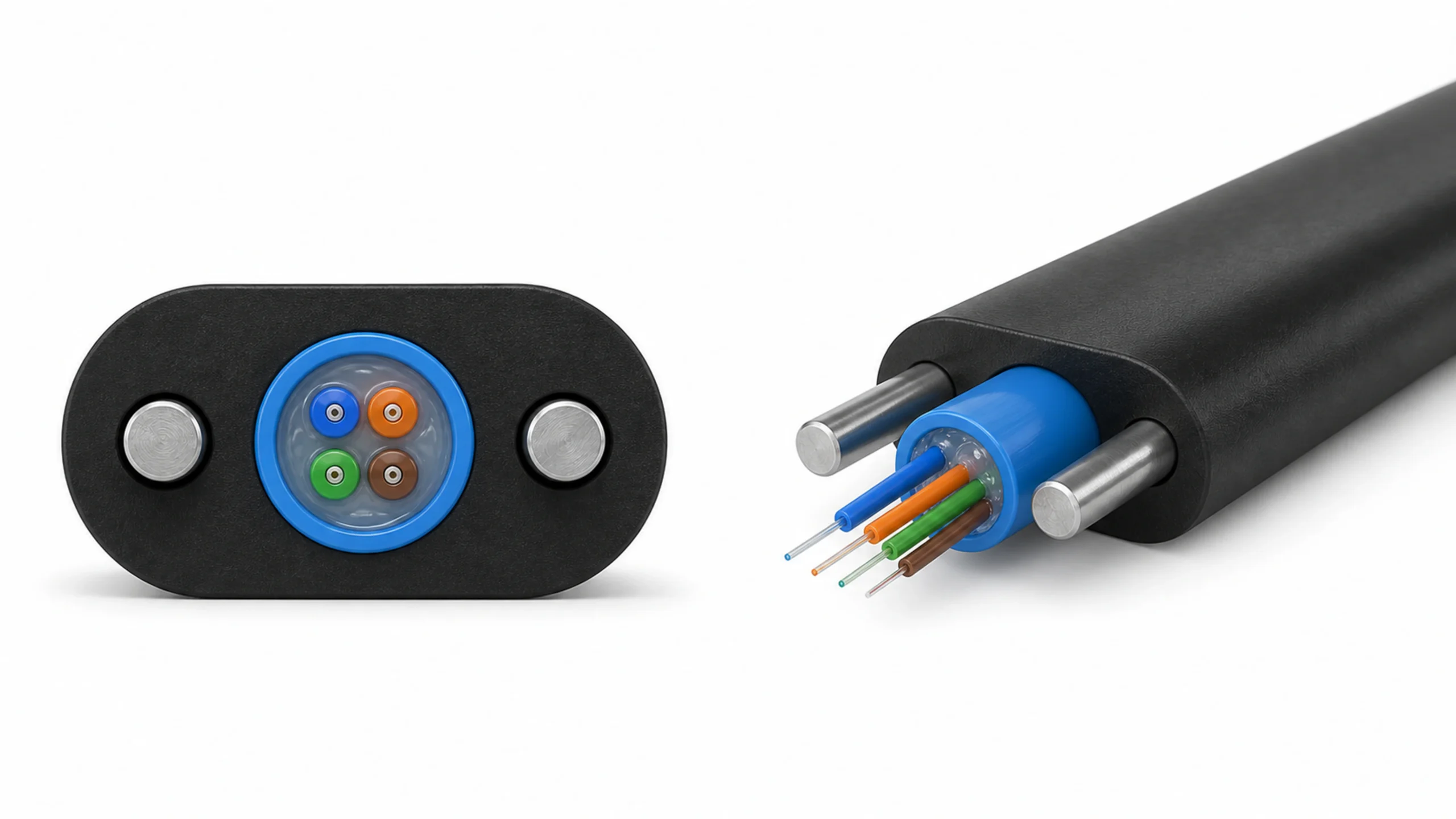






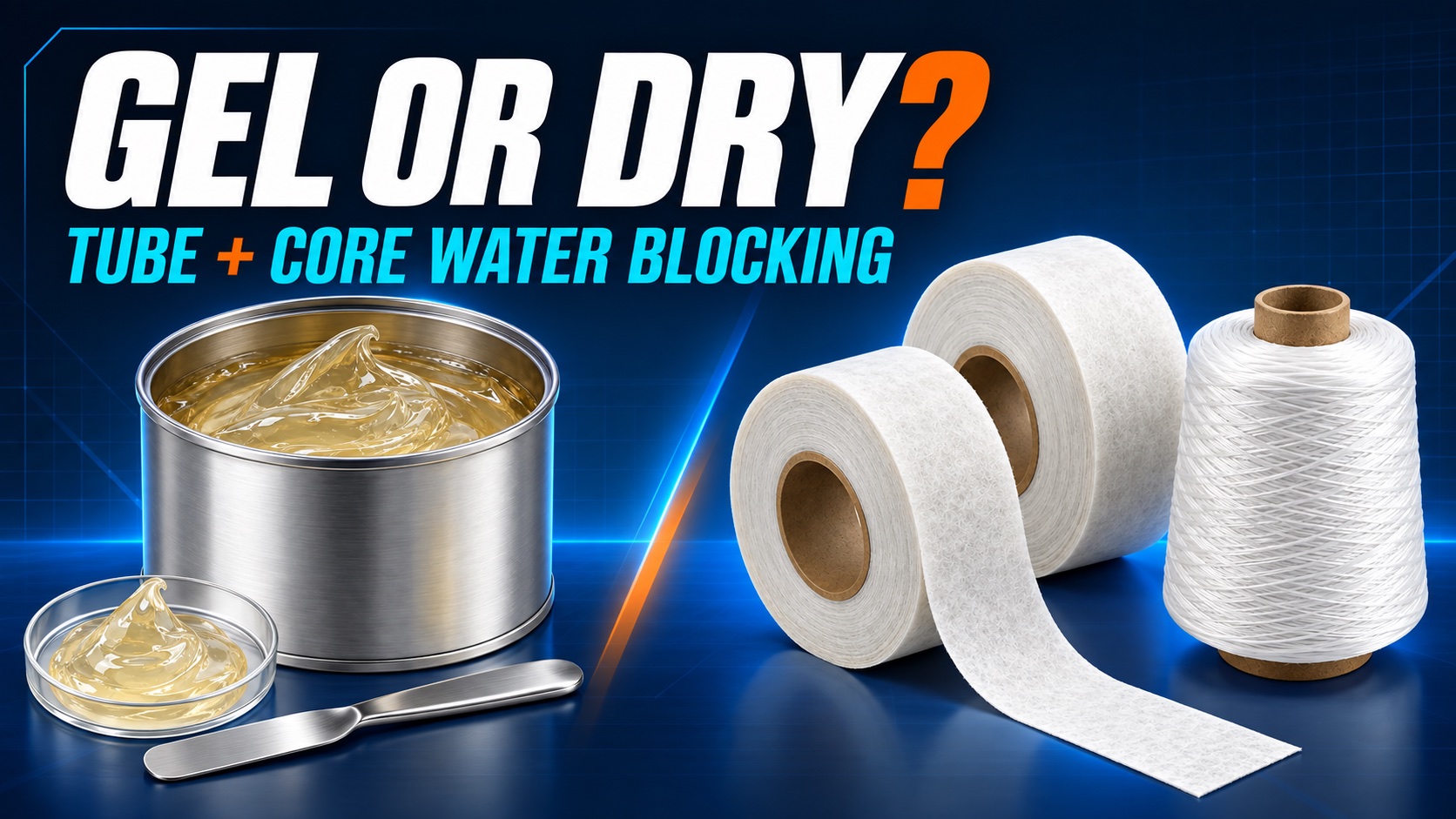
An outdoor cable buyer may ask for a “dry” design, but the word can mean different things on different drawings. In HONGKAI’s usual customer discussions, it means লুজ টিউবগুলির ভিতরে কোনো ফিলিং জেল নেই এবং ক্যাবল কোরের চারপাশে কোনো ফিলিং জেল নেই. । অন্যান্য সরবরাহকারীরা কখনও কখনও টিউবগুলিতে এখনও জেল থাকা সত্ত্বেও “শুষ্ক কোর” ব্যবহার করেন। সরঞ্জামের দামের তুলনা করার আগে এই পার্থক্যটি নিরসন করা আবশ্যিক।.
Write down what goes inside the loose tube and what goes around the cable core. For a HONGKAI all-dry request, neither location is gel-filled. If another supplier calls a cable “dry core,” ask whether its tubes still contain gel. Then match the approved construction to the production route and finished-cable tests.
এই তুলনাটি বহিরঙ্গন অপটিক্যাল কেবল নির্মাণ এবং তার সরঞ্জাম পরিসর নির্বাচনকারী উৎপাদনকারীদের জন্য। এটি প্রতিটি বহিরঙ্গন কেবলের জন্য একটি উপকরণকে সর্বোত্তম হিসাবে শ্রেণিবদ্ধ করে না।.
জল আটকানোর দুটি স্থান
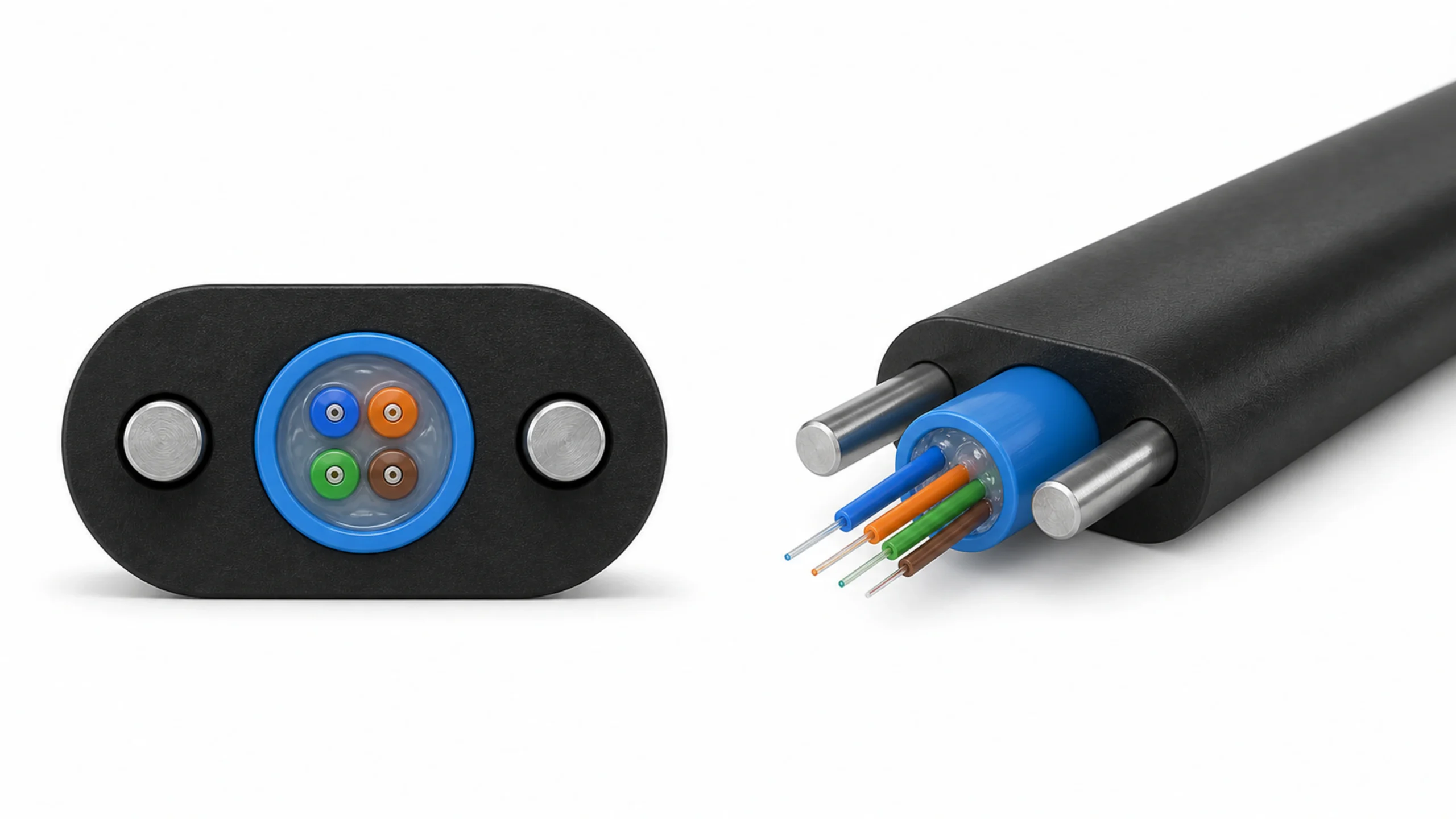
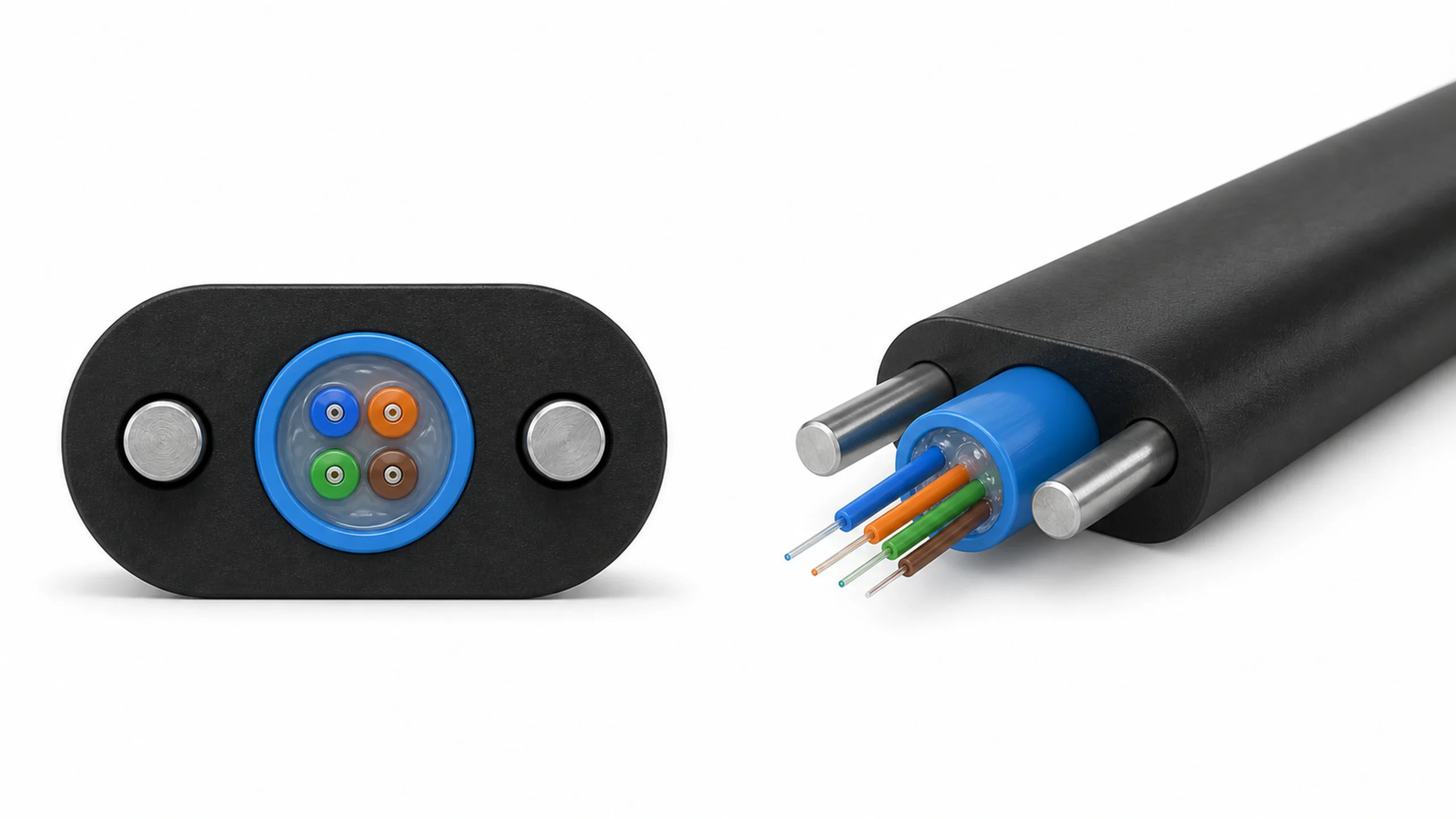
In a stranded loose-tube cable, optical fibers sit inside individual buffer tubes. Those tubes form a cable core beneath the outer protective layers. Water blocking can be needed in both locations. Corning’s technical note describes gel or dry water-swellable materials used in the cable core and within the buffer tubes.1 HONGKAI সুতরাং ক্রেতাকে নির্দিষ্ট করতে অনুরোধ করে tube interior এবং সমাবেশিত কোরের চারপাশের স্থান separately.
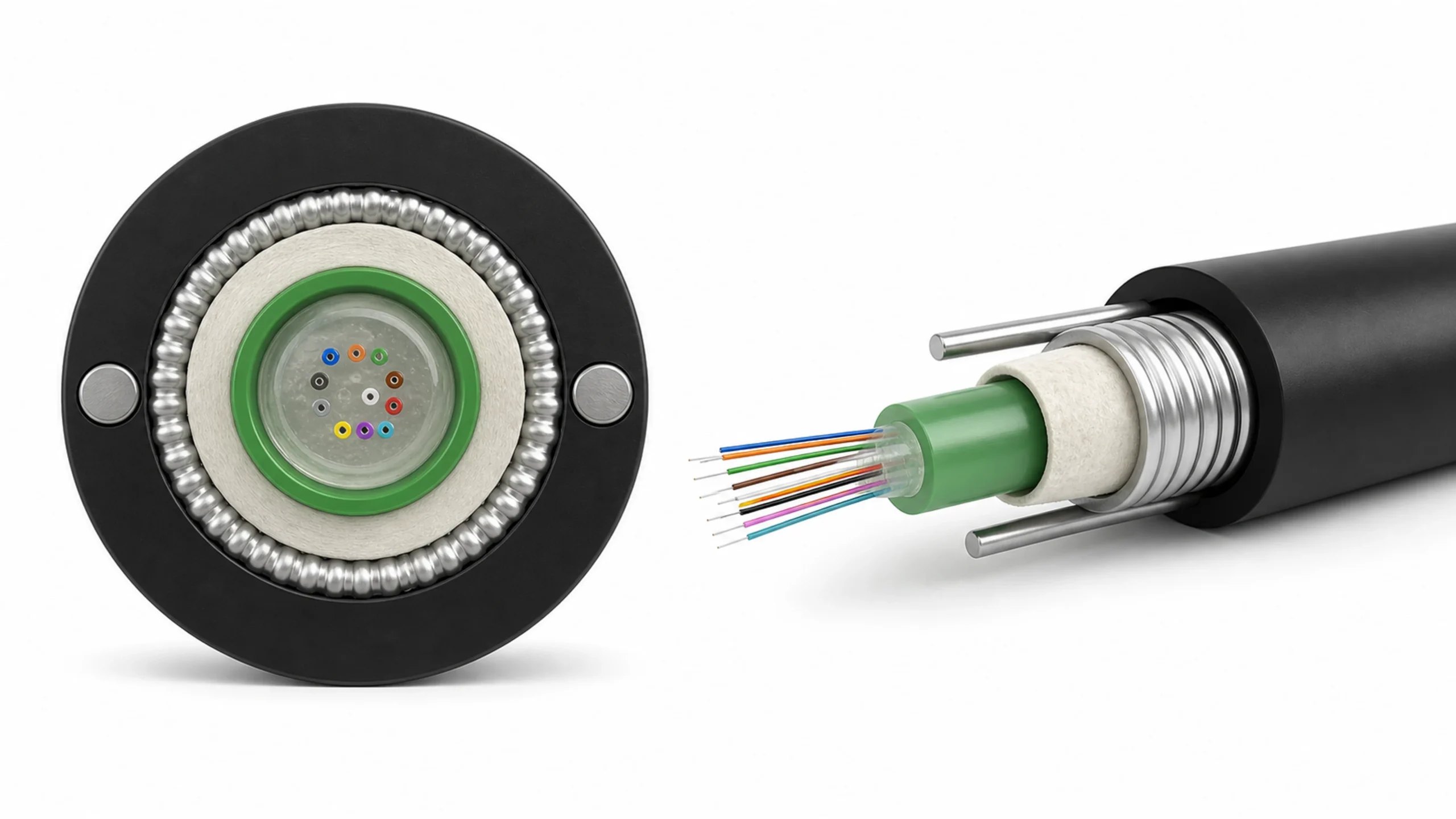
HONGKAI GYXTW 3D structure reference helps locate the tube and surrounding layers. It does not show or certify an all-dry construction.
উদ্ধৃতির জন্য, তিনটি পৃথক ব্যবস্থা করুন। নীচের নামগুলি তুলনাধীন অবস্থানগুলি বর্ণনা করে; অনুমোদিত ড্রয়িং-এ প্রকৃত উপকরণগুলি দেখানো আবশ্যিক।.
| তুলনা করা হচ্ছে এমন ব্যবস্থা | বাফার টিউবগুলির ভিতরে | কেবল কোরের চারপাশে | ক্রেতাকে যা স্পষ্ট করতে হবে |
|---|---|---|---|
| টিউব এবং ক্যাবল কোরে জেল | Specified filling compound | Specified core filling or flooding compound | Which compound belongs in each location? |
| Dry core with gel-filled tubes | Specified filling compound | Specified dry water-blocking elements | Does the customer accept gel inside the tubes? |
| All-dry construction—the usual meaning in HONGKAI’s customer discussions | No filling gel; use the approved dry tube design | No filling gel; use the approved dry core design | What blocks water at each location, and what cable evidence supports it? |
This is not just a wording exercise: Prysmian’s MassLink multi-tube ribbon cable is described as having a dry core with gel-filled buffer tubes.2 That is a legitimate manufacturer usage, but it is না the all-dry construction HONGKAI usually discusses for a dry cable. The example does not imply that HONGKAI supplies that particular Prysmian cable.
Removing cable-core filling from a proposal does not necessarily remove tube filling. Likewise, a drawing showing water-blocking tape outside the tubes does not explain what is inside them.
Ask the cable supplier or designer to mark the two locations on the cross-section. For a central-tube cable, use that cable’s drawing rather than forcing it into a stranded-tube layout. Confirm whether the words dry core, gel-free or all-dry apply to one part or the whole construction.
Keep material identities separate. A compound approved for one location should not be assumed suitable for another simply because both are called jelly.
Choose for Cable Access and the Actual Installation
Start with the customer’s drawing, installation setting and required cable performance—not a general rule that gel or dry is always better. In some HONGKAI enquiries, a customer seeking a flame-retardant cable has also specified a gel-free construction. That is a project requirement to check, not proof that simply removing gel makes a cable flame-retardant. Flame performance belongs to the complete approved cable design and its applicable test evidence. Corning, for example, lists both gel-free water blocking and a flame-retardant sheath for one specific LSZH cable family.3
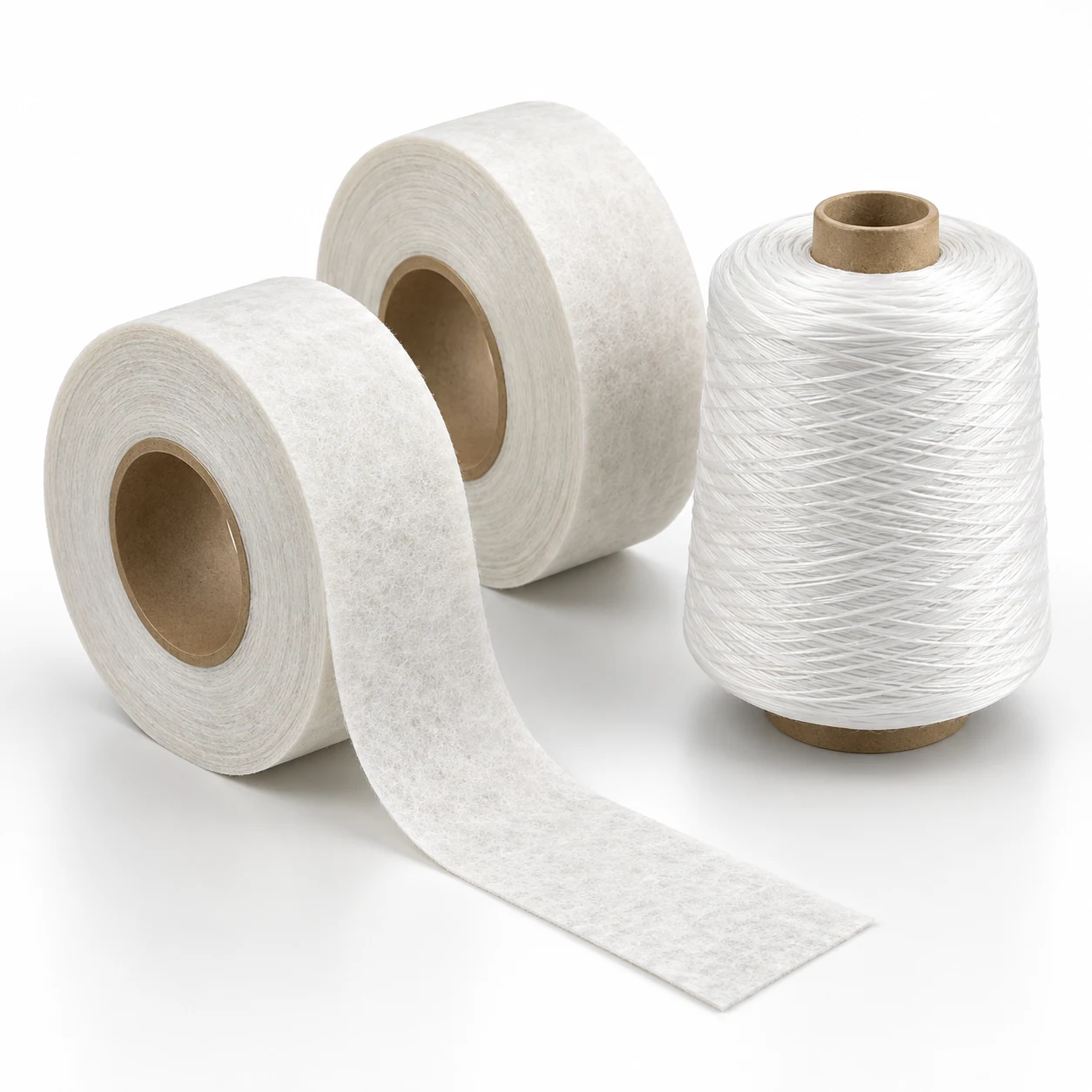
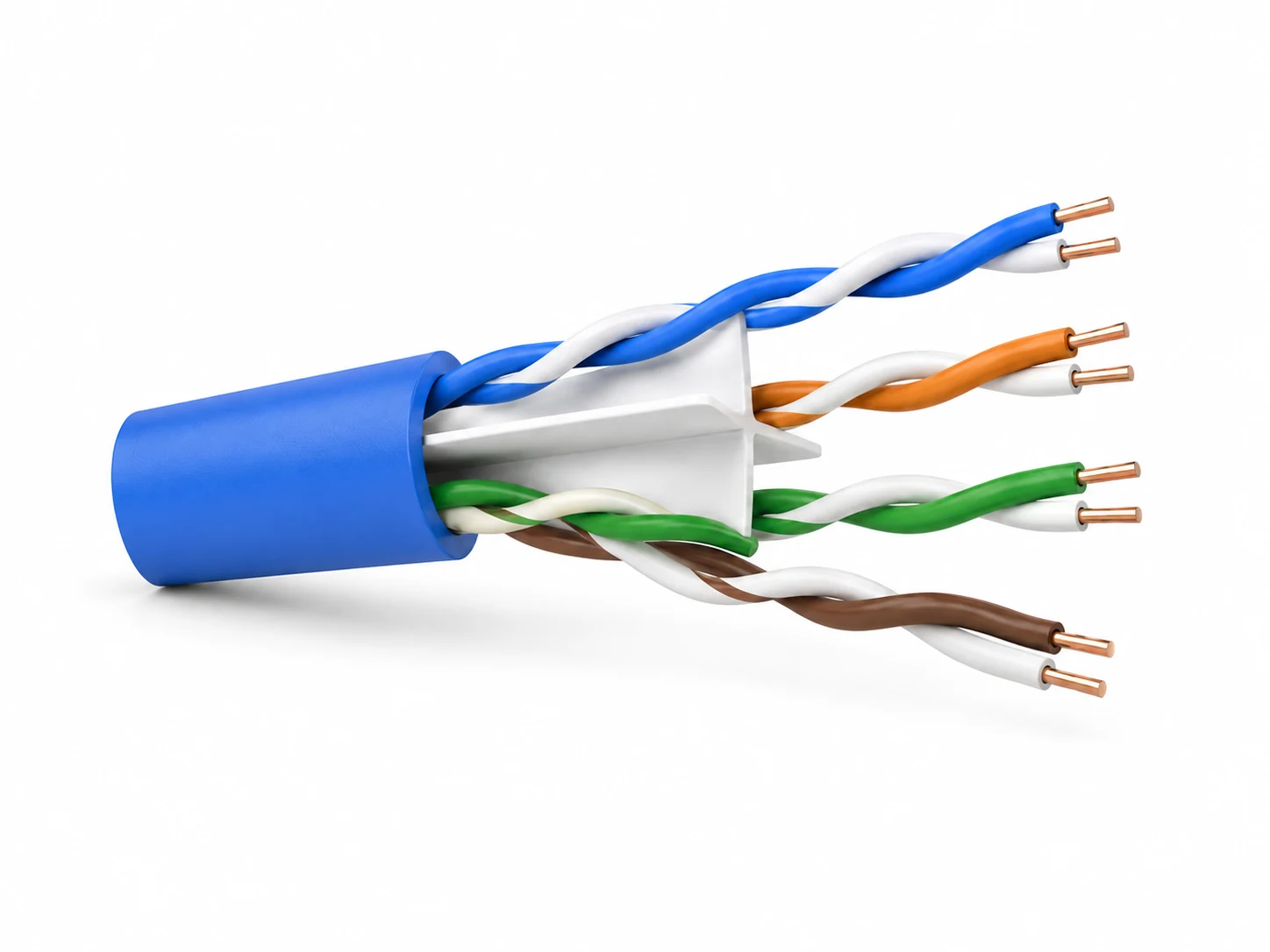
HONGKAI material illustration: water-blocking tape and yarn are possible dry-design inputs, not a claim that either one alone meets the buyer’s cable test.
The clearest operational reason to compare gel-free options is often the work done when opening the cable. Corning describes easier cable preparation and access for its gel-free FREEDM LST product using water-blocking tapes and yarns.4 That is evidence for a particular product’s design approach, not a promised time saving for every dry cable.
If easier access matters to the customer, compare representative samples using the intended preparation procedure. Record which layer is opened, whether fibers must be cleaned, what tools and cleaning materials are needed, and whether the prepared fibers are suitable for the next operation. For a dry core with gel-filled tubes, opening the jacket and opening a tube are different jobs.
Do not turn that comparison into a universal claim that dry cable is cheaper. Compare the material bill and factory costs separately from the installation team’s access work. Use the customer’s expected work and measured sample results, not an assumed percentage saving.
The installation specification still controls. A dry label does not by itself establish suitability for duct, aerial or direct-buried service. Those applications have requirements beyond water blocking, so compare the complete cable specifications before treating two offers as alternatives.
ITU-T L.100, which covers duct and tunnel optical cables, discusses filling compounds and swellable materials as ways to limit longitudinal water penetration. It also distinguishes that problem from moisture passing radially through a sheath.5 Avoid describing either construction as simply waterproof without stating what was tested.
If a tender already specifies a construction, ask whether an alternative is permitted before changing it. If the requirement is performance-based, present the proposed construction and its test evidence together. A different material name is not enough to establish equivalence.
The Production Route Changes at More Than One Stage
The equipment discussion starts after both water-blocking locations are defined. If only the cable core changes to dry, the loose-tube process may still use gel. In the all-dry route discussed for HONGKAI enquiries, লুজ টিউবটি ফিলিং জেল ছাড়াই তৈরি করা হয়, এবং কোরটি জেল-পূর্ণও নয়। টিউব প্রক্রিয়াটি অনির্দিষ্ট রেখে শেষ কেবলটিকে শুষ্ক বলা যথেষ্ট নয়।.
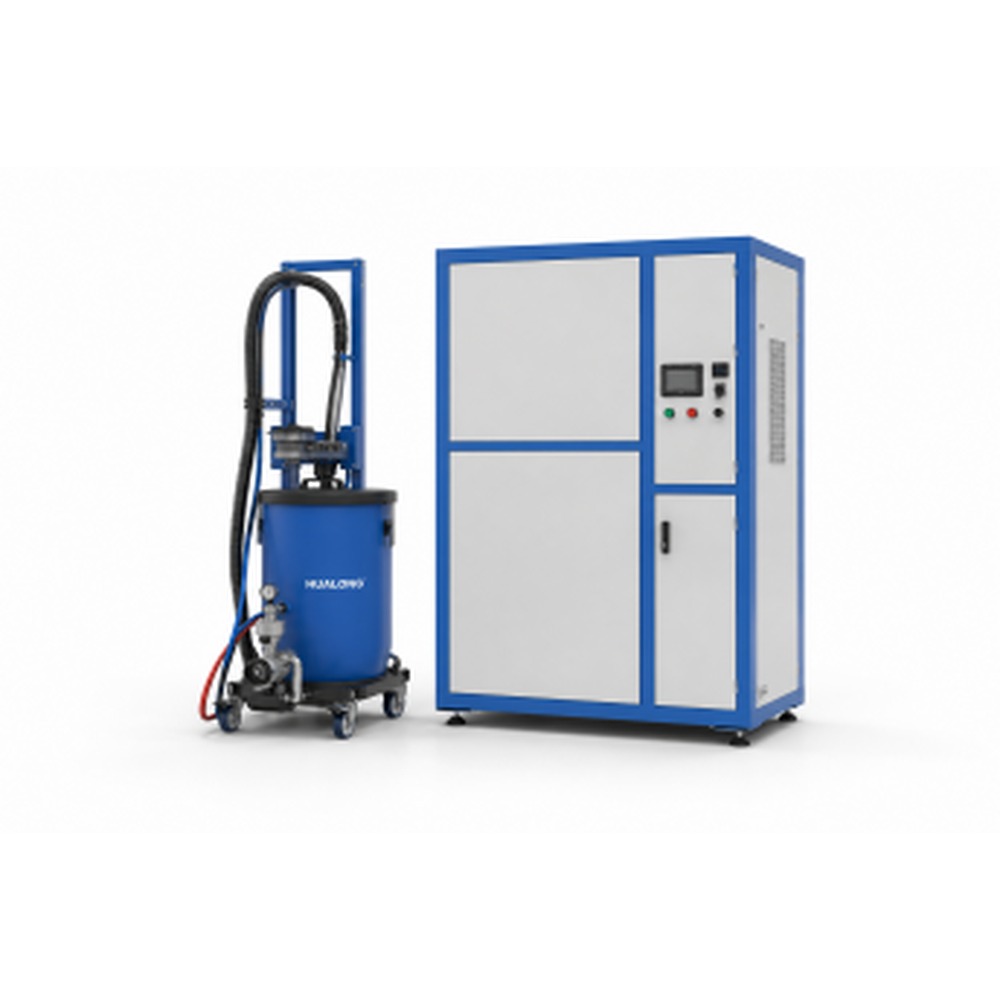
HONGKAI জেল-পূর্ণ রুটের জন্য ফিলিং-ইউনিট রেফারেন্স। এই চিত্রটি ড্রাই-টিউব ভ্যাকুয়াম ব্যবস্থাকে দেখায় না।.
Use a location-to-process map when comparing proposals:
| Construction decision | পর্যালোচনার জন্য উৎপাদন পরিধি | উদ্ধৃতিতে কী স্পষ্টভাবে উল্লেখ করা উচিত |
|---|---|---|
| জেল-পূর্ণ বাফার টিউব | লুজ-টিউব পর্যায়ে কম্পাউন্ড প্রস্তুতি, ডেলিভারি এবং ফিলিং ইন্টারফেস | Approved compound, filling controls, start-up handling and verification method |
| জেল-মুক্ত লুজ টিউব | এখানে বর্ণিত HONGKAI পরিবর্তনের জন্য জেলি-ফিলিং মেশিনটি বন্ধ রাখুন; টিউব গঠন এবং ভ্যাকুয়াম-সহায়ক ব্যাস নিয়ন্ত্রণ ব্যবস্থা পর্যালোচনা করুন | লাইন ড্রয়িং-এ সঠিক ভ্যাকুয়াম ইউনিট/ইন্টারফেস, নির্দিষ্ট করা হলে শুষ্ক উপাদান পথ, এবং ট্রায়াল প্রোডাকশনে একটি স্থিতিশীল টিউব বহির্ব্যাস |
| Gel-filled cable core | চুক্তিবদ্ধ কেবল নির্মাণ পথে কোর ফিলিং বা ফ্লাডিং ব্যবস্থা | Application location, material handling and the boundary with adjacent equipment |
| শুষ্ক কেবল কোর | নির্দিষ্ট জল-অবরোধক টেপ, সুতা বা অন্যান্য উপাদানগুলির স্থাপন | Material supply, positioning, continuity and the interface with core formation and sheathing |
This is a proposal-review map, not a universal machine layout. For the HONGKAI dry-tube route described here, the gel-filling unit need not run, while a vacuum arrangement near the tube-forming head is added or used to help control the tube’s outer diameter. প্রকৃত লাইন ড্রয়িংয়ে সঠিক ভ্যাকুয়াম সংযোগ এবং যেকোনো শুষ্ক-উপাদান ফিড নির্দিষ্ট করা আবশ্যিক; that project-level experience does not establish that every existing filling line can switch simply by pressing Stop. Cooling, tension, material and diameter measurement still need a stable trial.
HONGKAI’s লুজ-টিউব উৎপাদন লাইন রেফারেন্স treats the filling or water-blocking interface as part of secondary coating. It also separates that stage from cable-core stranding and final sheathing. This is a useful boundary when requesting a quotation; it is not confirmation that every dry and gel-filled design uses interchangeable equipment.
For an existing factory, request a marked list of retained units, modified units and new units. Include the gel shut-off path, any vacuum interface, material path and control points—not just the extruder model. If both constructions must run on the same line, ask the supplier to demonstrate the changeover and record tube-diameter stability for each route. Stopping a gel pump is only one operation in that check.
Keep the production target attached to a specific cable and material combination. A speed demonstrated for one tube or one filling arrangement does not automatically apply to the alternative. If both routes matter to the business, specify how each will be demonstrated rather than accepting a single unqualified maximum speed.
যে নির্মাণ আপনি নির্দিষ্ট করতে এবং প্রমাণ করতে পারেন তা চয়ন করুন
এখানে বর্ণিত HONGKAI ড্রাই লুজ-টিউব ট্রায়ালের জন্য, প্রথমে পরীক্ষা করুন যে কিনা টিউবের বাইরের ব্যাস স্থিতিশীল থাকে while the gel-filling arrangement is not running. Agree a target and tolerance for the selected tube drawing, inspect measurements across the agreed trial length and retain the records. This checks the tube-making stage; it is not a finished-cable water-blocking result.
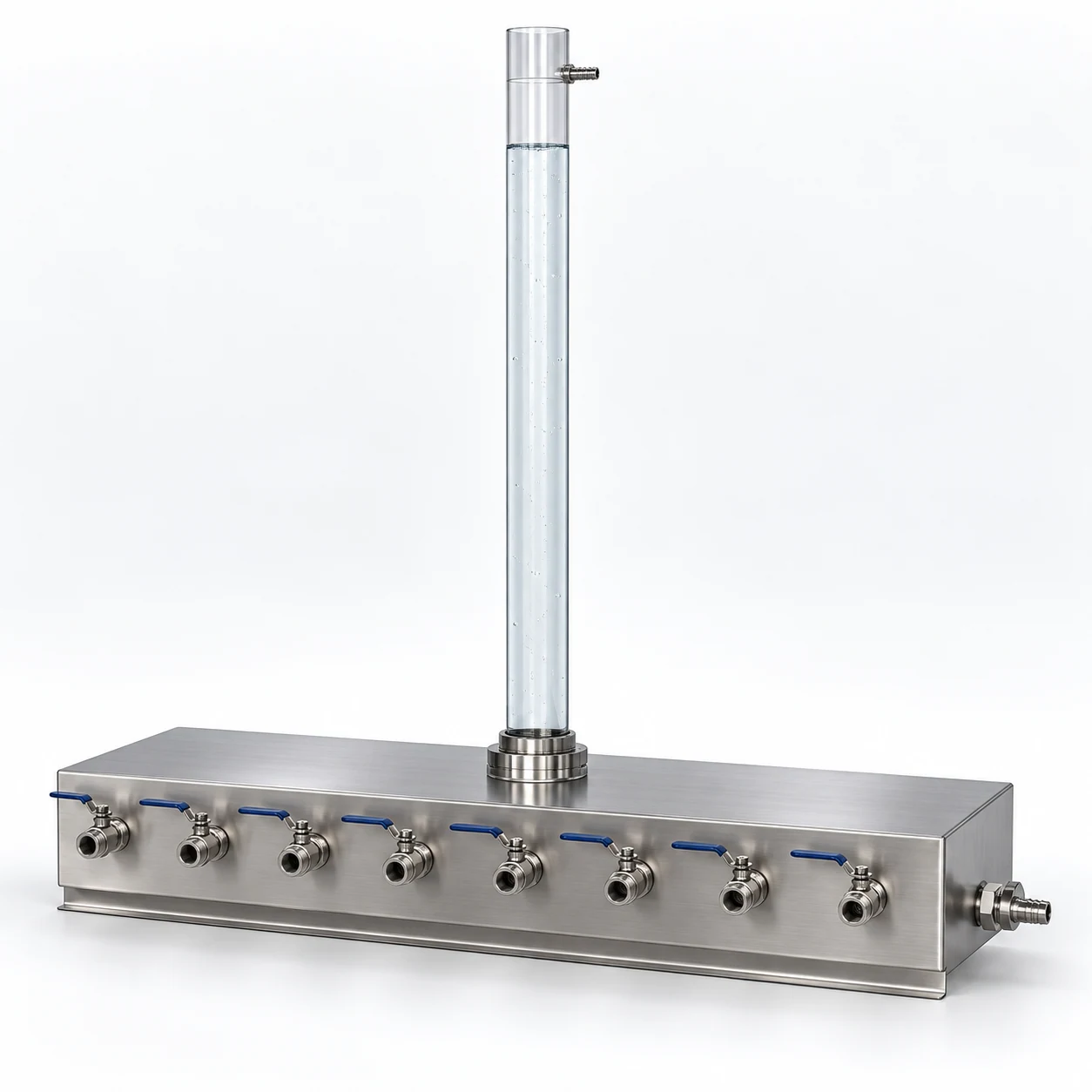
HONGKAI 3D test-equipment illustration. The final test setup, conditions and pass criteria must match the selected cable specification; no test result is implied.
Water-blocking material data and finished-cable test results answer different questions. The material document identifies what will be used. The finished-cable report shows how a particular construction performed under stated test conditions. In HONGKAI’s acceptance sequence, tube-diameter stability is checked during tube production; water-penetration and optical attenuation are checked on the finished cable under the agreed methods and limits.
For duct and tunnel cables, ITU-T L.100 addresses material compatibility and recommends water-penetration testing; its test selection depends on the cable design.5 Agree the applicable product specification, test method and edition, sample requirements, conditions and acceptance limits before ordering. Do not borrow a test limit from an unrelated cable or treat a tape’s swelling demonstration as a finished-cable result.
Match each report to the offered drawing revision and material identities. Confirm which water paths the test assesses, and request the finished-cable attenuation report and any other environmental results required by the customer. HONGKAI’s ফাইবার-অপটিক কেবল পরীক্ষার গাইড কেবল পরীক্ষা এবং এটি উৎপাদনে ব্যবহৃত মেশিনগুলিকে আলাদা করতে সহায়তা করে।.
একটি ব্যবহারিক সিদ্ধান্ত ক্রম হল:
- যদি গ্রাহক উভয় অবস্থানে জেল নির্দিষ্ট করেন, তাহলে সেই কনস্ট্রাকশনের জন্য উদ্ধৃতি দিন অথবা একটি বিকল্পের জন্য অনুমোদন নিন। শুধুমাত্র কারখানার পছন্দের ভিত্তিতে ড্রাই ডিজাইন প্রতিস্থাপন করবেন না।.
- যদি গ্রাহক জেল-পূর্ণ টিউবগুলি গ্রহণ করেন কিন্তু শুষ্ক কোর চান, তবে উৎপাদন পরিসরে টিউব পূরণ রাখুন এবং কোর-স্তরের উপকরণ ও পরিচালনা পরিবর্তনগুলি তুলনা করুন।.
- If the customer requires an all-dry cable, specify no filling gel in the tubes or core. Verify the dry-design materials, the dry-tube vacuum/diameter-control arrangement and the finished-cable tests for that exact construction.
- যদি গ্রাহক শুধুমাত্র ড্রাই কেবল বলেন, তাহলে সরঞ্জামের দাম তুলনা করার আগে সেই শব্দগুলি পরিষ্কার করুন।.
The useful purchasing description is not just “jelly-filled versus dry.” It states what is inside the tubes, what surrounds the core, how the cable will be used and how the offered construction will be verified. That description lets the factory compare genuinely equivalent proposals.
-
Corning Application Engineering Note 026, revision 9, page 2, describes water blocking in the cable core and buffer tubes. Used for construction principles only; its older standards references are not adopted as current requirements. ↩
-
Prysmian MassLink মাল্টি-টিউব রিবন কেবল, পণ্যের বর্ণনা। জেল-পূর্ণ বাফার টিউব সহ ড্রাই-কোর কনস্ট্রাকশনের একটি প্রস্তুতকারকের উদাহরণ, HONGKAI পণ্যের দাবি নয়। ↩
-
কর্নিং LSZH লুজ-টিউব জেল-মুক্ত ইন্টারলকিং আর্মার্ড কেবল স্পেসিফিকেশন, page 1, identifies gel-free water blocking and a flame-retardant sheath for that specific product. It does not establish a universal rule that gel removal grants a fire rating. ↩
-
কর্নিং FREEDM LST জেল-মুক্ত লুজ-টিউব কেবল স্পেসিফিকেশন, page 1, describes swellable tapes/yarns and cable-preparation benefits for that product. No numerical saving or HONGKAI product performance is inferred. ↩
-
ITU-T L.100 (01/2024), Optical fibre cables for duct and tunnel application, clauses 6.3.3–6.3.4, 7.2.8 and A.4.3. Supports the distinctions between longitudinal water penetration, moisture permeation, material compatibility and cable-level testing within that recommendation’s scope. ↩ ↩

 English
  हिन्दी
  فارسی
فارسی