ഉപകരണങ്ങൾ, മെറ്റീരിയലുകൾ, ഫാക്ടറി ലേഔട്ട്, ഉൽപ്പാദന ആരംഭം എന്നിവയ്ക്കുള്ള ഒരു പൂർണ്ണമായ പദ്ധതിയോടെ നിങ്ങളുടെ ഫൈബർ ഒപ്റ്റിക് കേബിൾ നിർമ്മാണ ബിസിനസ്സ് ആരംഭിക്കുക.
Separate lines with reel transfers. Double-jacket ADSS also needs an inner-sheath pass between stages 02 and 03. Add upstream fiber coloring if required.
നിങ്ങളുടെ ഉപഭോക്താക്കൾക്ക് ആവശ്യമുള്ള കേബിളിൽ നിന്ന് ആരംഭിക്കുക. അത് നിങ്ങളുടെ ഉത്പാദന റൂട്ടിനെയും ഫാക്ടറി പദ്ധതിയെയും എങ്ങനെ മാറ്റുന്നു എന്ന് കാണാൻ ഒരു ദിശ പര്യവേക്ഷണം ചെയ്യുക.
സാധാരണ പ്രക്രിയാ റൂട്ട്Process steps, not a list of standalone machines
01ഫൈബർ പേ-ഓഫ്
02Strength members
03Jacket extrusion
04കൂളിംഗ് & മാർക്കിംഗ്
05ടേക്ക്-അപ്പ് & പരിശോധന
ഒരു ഡ്രോപ്പ്-കേബിൾ റൂട്ട് വാങ്ങിയ ഒപ്റ്റിക്കൽ ഫൈബറിൽ നിന്നും തയ്യാറാക്കിയ സ്ട്രെങ്ത് മെമ്പറുകളിൽ നിന്നും ആരംഭിക്കാം. പ്രൊജക്റ്റിന് ആവശ്യമുള്ളപ്പോൾ മാത്രമേ കളറിംഗും സപ്പോർട്ട്-വയർ തയ്യാറാക്കലും ചേർക്കുന്നുള്ളൂ.
04
Project requirement snapshot
ഫാക്ടറി നിർവചിക്കുക. Then select the equipment.
നിങ്ങളുടെ ടാർഗെറ്റ് കേബിളിനെ അതിന് ആവശ്യമായ ഫാക്ടറിയുമായി ബന്ധിപ്പിക്കുന്നതിന് ചില പ്രൊജക്റ്റ് ഇൻപുട്ടുകൾ ആവശ്യമാണ്. നിങ്ങൾക്കറിയാവുന്നതുകൊണ്ട് തുടങ്ങുക. ഓരോ ഫീൽഡും ഐച്ഛികമാണ്.
05
പൂർണ്ണമായ ഫാക്ടറി പ്രോസസ്സ് ആർക്കിടെക്ചർ
നിങ്ങളുടെ ബിസിനസ്സ് കാണുക take shape.
From raw materials to finished cable: connect complete production lines, intermediate reels, laboratory checks and dispatch with the systems that support them.
Whole-factory explorerFTTH / ഡ്രോപ്പ് കേബിൾ
ILLUSTRATIVE MASTERPLANഒരു സിസ്റ്റം തിരഞ്ഞെടുക്കുക അല്ലെങ്കിൽ ടൂർ കളിക്കുക
ഒരു കേബിൾ ഫാക്ടറി വ്യക്തിഗത മെഷീനുകളെ മാത്രമല്ല, മറിച്ച് പൂർണ്ണ പ്രക്രിയാ ലൈനുകളെയാണ് ബന്ധിപ്പിക്കുന്നത്. ലൈൻ കോമ്പിനേഷനും അവയ്ക്കിടയിൽ കൈമാറുന്ന ഇടത്തരം ഉൽപ്പന്നങ്ങളും കാണുന്നതിന് ഒരു കേബിൾ തിരഞ്ഞെടുക്കുക.
LINE 01
FTTH ഡ്രോപ്പ്-കേബിൾ ലൈൻ
INPUTഒപ്റ്റിക്കൽ ഫൈബർ + തയ്യാറാക്കിയ സ്ട്രെങ്ത് മെമ്പറുകൾOUTPUTറീലുകളിലെ പൂർത്തിയായ ഡ്രോപ്പ് കേബിൾ
ഫൈബറും ശക്തി ഘടകങ്ങളും ഒരു ഏകോപിത എക്സ്ട്രൂഷൻ, കൂളിംഗ്, മാർക്കിംഗ്, ടേക്ക്-അപ്പ് ലൈനിലേക്ക് നയിക്കുക. Messenger feeding is added for a self-supporting design.
What belongs in each production stage?
തിരഞ്ഞെടുത്ത കേബിളിനായുള്ള പദ്ധതി സ്ഥിതി, അവസാന വിതരണ ലിസ്റ്റല്ല.
ഉത്പാദന ഘട്ടംEquipment & interfacesPlanning status
ഫൈബർ തയ്യാറാക്കൽ
വർണ്ണനം, റീവൈൻഡിംഗ്, കൂടാതെ യോജിച്ച പേ-ഓഫുകൾ
Use purchased optical fiber and prepared strength members. Add fiber coloring / rewinding or wire coating only if those inputs will be made in-house.
Conditional
ട്യൂബ് / ബഫർ രൂപീകരണം
ഈ ഉദാഹരണത്തിൽ രണ്ടാമത്തെ പൂശൽ ഇല്ല
Match the intermediate product to the approved cable design.
റൂട്ടിൽ അല്ല
Cable core & reinforcement
പാരലൽ സ്ട്രെങ്ത്-മെമ്പർ ഫീഡിംഗ്
Reinforcement equipment is coordinated with its host line.
Design dependent
Sheathing & marking
FTTH ഡ്രോപ്പ്-കേബിൾ ലൈൻ
എക്സ്ട്രൂഷൻ, കൂളിംഗ്, മാർക്കിംഗ്, ടേക്ക്-അപ്പ് എന്നിവ ഒരു പൂർണ്ണ ലൈനായി പ്രവർത്തിക്കുന്നു.
In this route
Testing & finishing
ടെസ്റ്റ് ഉപകരണങ്ങൾ, റീൽ ട്രാൻസ്ഫർ, റീവൈൻഡിംഗ് / കോയിലിംഗ്, പാക്കിംഗ്
Select test equipment and finished-reel handling for the customer specification.
Building inputDimensions and site drawing to confirmPlanning exampleFTTH ഡ്രോപ്പ് കേബിൾ
FLOW STEP 2 / 5
Design the space between complete lines.
Production does not move through one continuous machine. Include process-reel storage, inspection and safe transfer to the next line.
ലൈൻ നീളവും ഓപ്പറേറ്റർ ആക്സസ്സും
Intermediate reel / drum buffers
Maintenance access around every line
Planning outputEquipment positions and WIP handling plan
Final planning uses your building drawing, reel sizes, line configuration and local requirements. Forklift routes, operator aisles, cabinets, water routes and cable trays must be reviewed together.
08
Utilities & infrastructure
സേവനങ്ങൾ തയ്യാറാക്കുക ഉത്പാദനം സാധ്യമാക്കുന്നവ.
ഉപകരണങ്ങളുടെ പരിധി സ്ഥിരീകരിച്ച ശേഷം യൂട്ടിലിറ്റി ആവശ്യങ്ങൾ കണക്കാക്കുക. ഓരോ ഫാക്ടറിയെയും വിവരിക്കാൻ ഒരു നിശ്ചിത പവർ അല്ലെങ്കിൽ ജല അളവ് മതിയാകില്ല.
Electrical power
ഇൻസ്റ്റാൾ ചെയ്ത ലോഡ്, ലോക്കൽ വോൾട്ടേജ് / ഫ്രീക്വൻസി, വിതരണം, മെഷീൻ കണക്ഷനുകൾ.
Cooling water
എക്സ്ട്രൂഷൻ കൂളിംഗ് സർക്യൂട്ടുകൾ, താപനില നിയന്ത്രണം, കണക്ഷൻ പോയിന്റുകൾ.
Compressed air
Required pressure, air quality and connection points for applicable equipment.
Ventilation
ഉപകരണങ്ങളും പ്രാദേശിക സാഹചര്യങ്ങളുമനുസരിച്ച് എക്സ്ട്രൂഷൻ, വർക്ക്ഷോപ്പ് വെന്റിലേഷൻ എന്നിവ ക്രമീകരിച്ചിരിക്കുന്നു.
Material storage
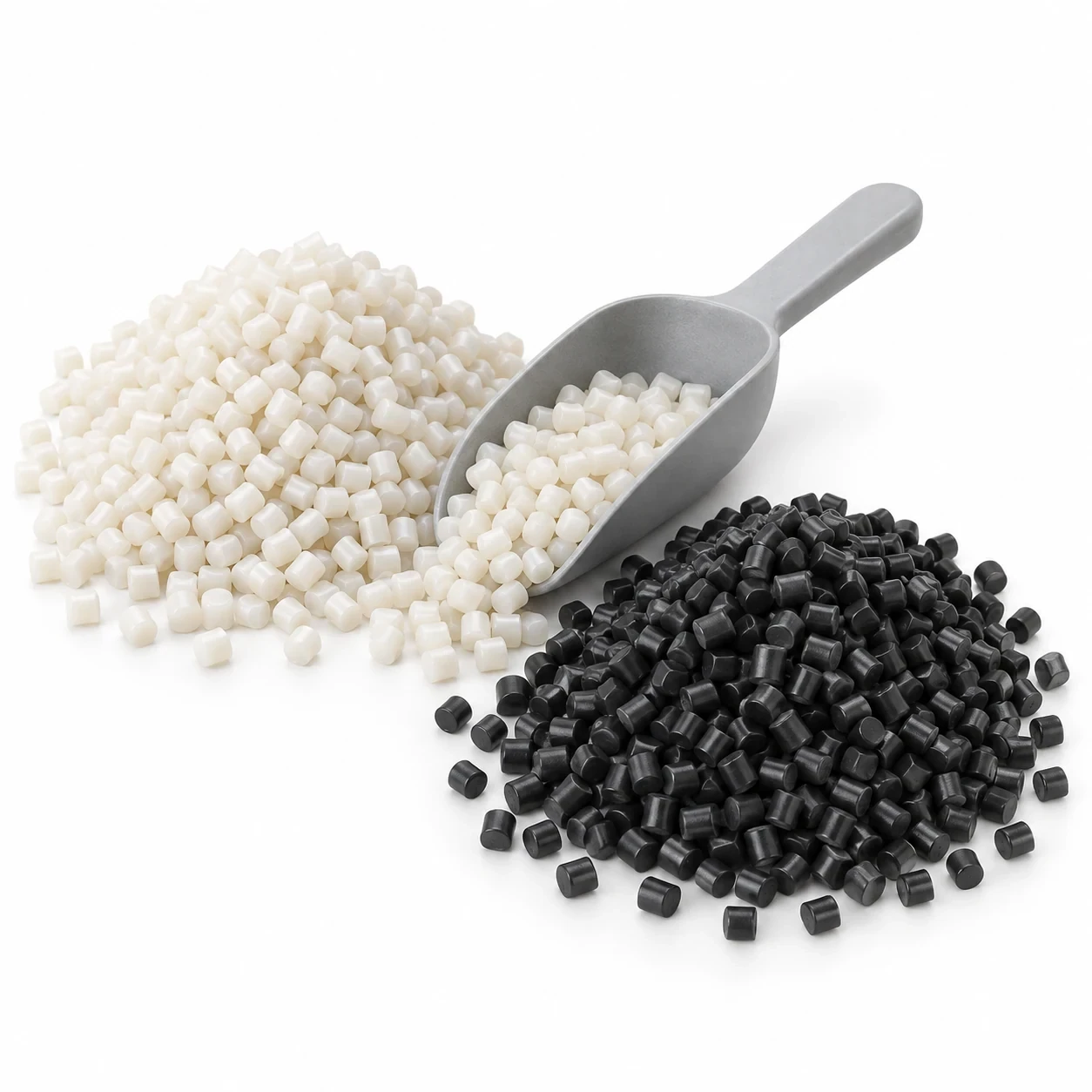
Storage and material preparation for fiber, polymers, yarns and strength members.
Process environment
Temperature, humidity, dust control and safe access where the process requires them.
09
Laboratory & quality control
Build quality control ഫാക്ടറി പ്ലാനിലേക്ക്.
From incoming materials to finished reels, plan the instruments, test methods and records that your customers will need.
01
Incoming materials
Identity, supplier records and agreed incoming checks.
02
പ്രക്രിയാ നിയന്ത്രണം
Process settings, dimensions and reel traceability.
03
Finished cable
Product-specific tests and recorded release criteria.
LABORATORY EQUIPMENT PLANNING
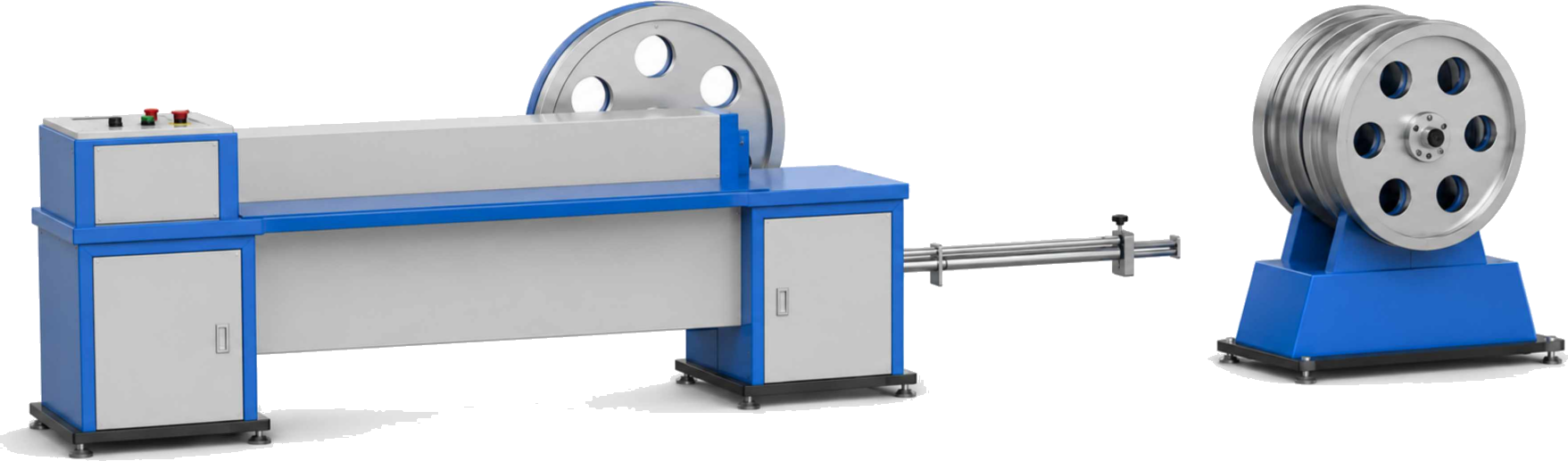
Existing HONGKAI 3D equipment reference · configuration to confirm
Mechanical
Cable tensile testing
Evaluate the cable under the agreed pulling load and monitoring conditions.
ഉപകരണ വ്യാപ്തി
Tensile, crush, impact, bending or torsion equipment is selected against the cable specification.
തിരഞ്ഞെടുക്കുന്നതിന് മുമ്പ് സ്ഥിരീകരിക്കുക
Load range, fixtures, sample length, optical monitoring and acceptance limits.
Required evidence
Recorded loading conditions and the specified cable / optical results.
10
Raw material & initial BOM support
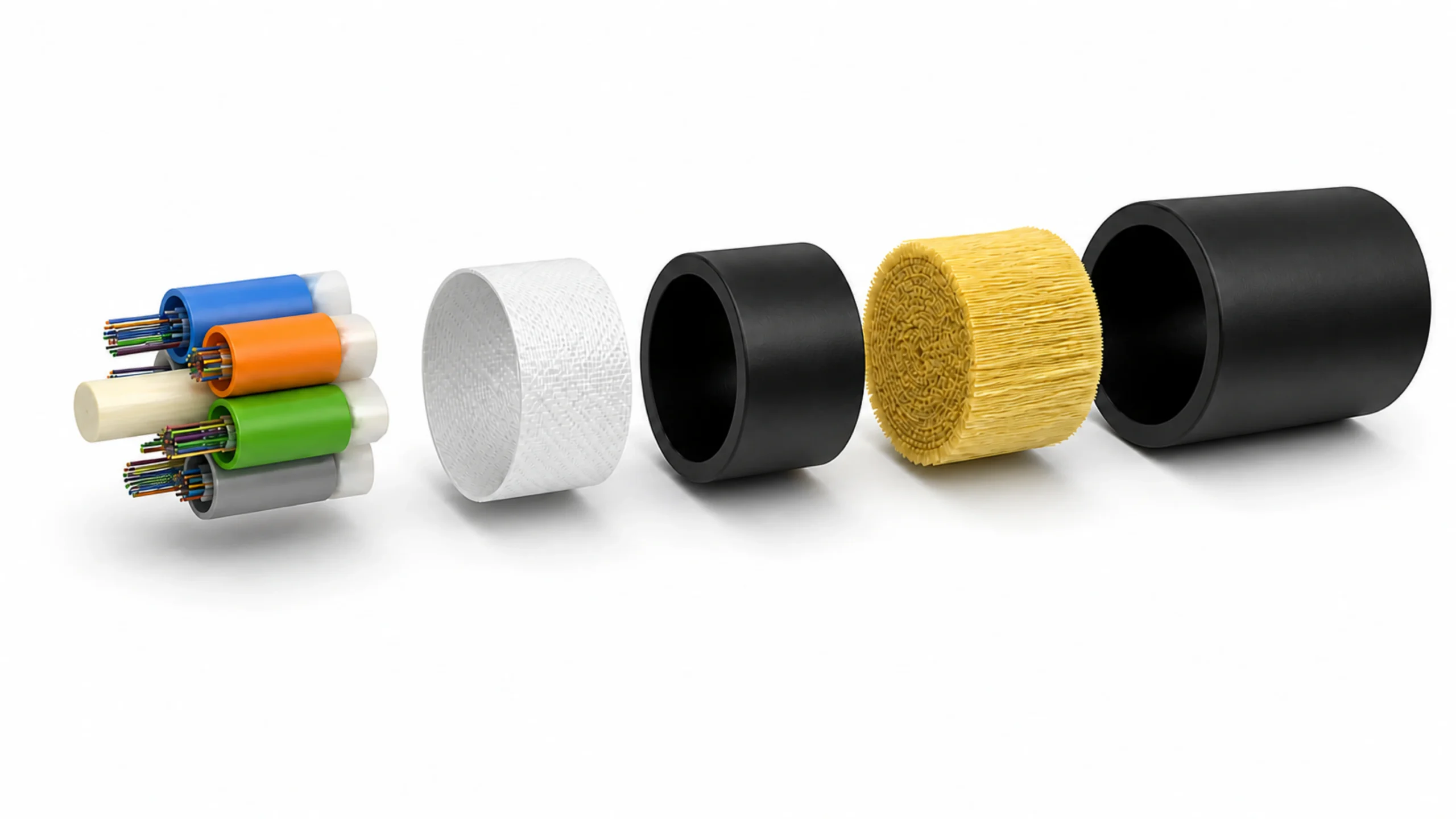
The cable you want to make. The materials to start it.
Plan your first production run alongside the equipment. Explore the material layers, then connect the cable drawing to an initial bill of materials (BOM) and sourcing plan.
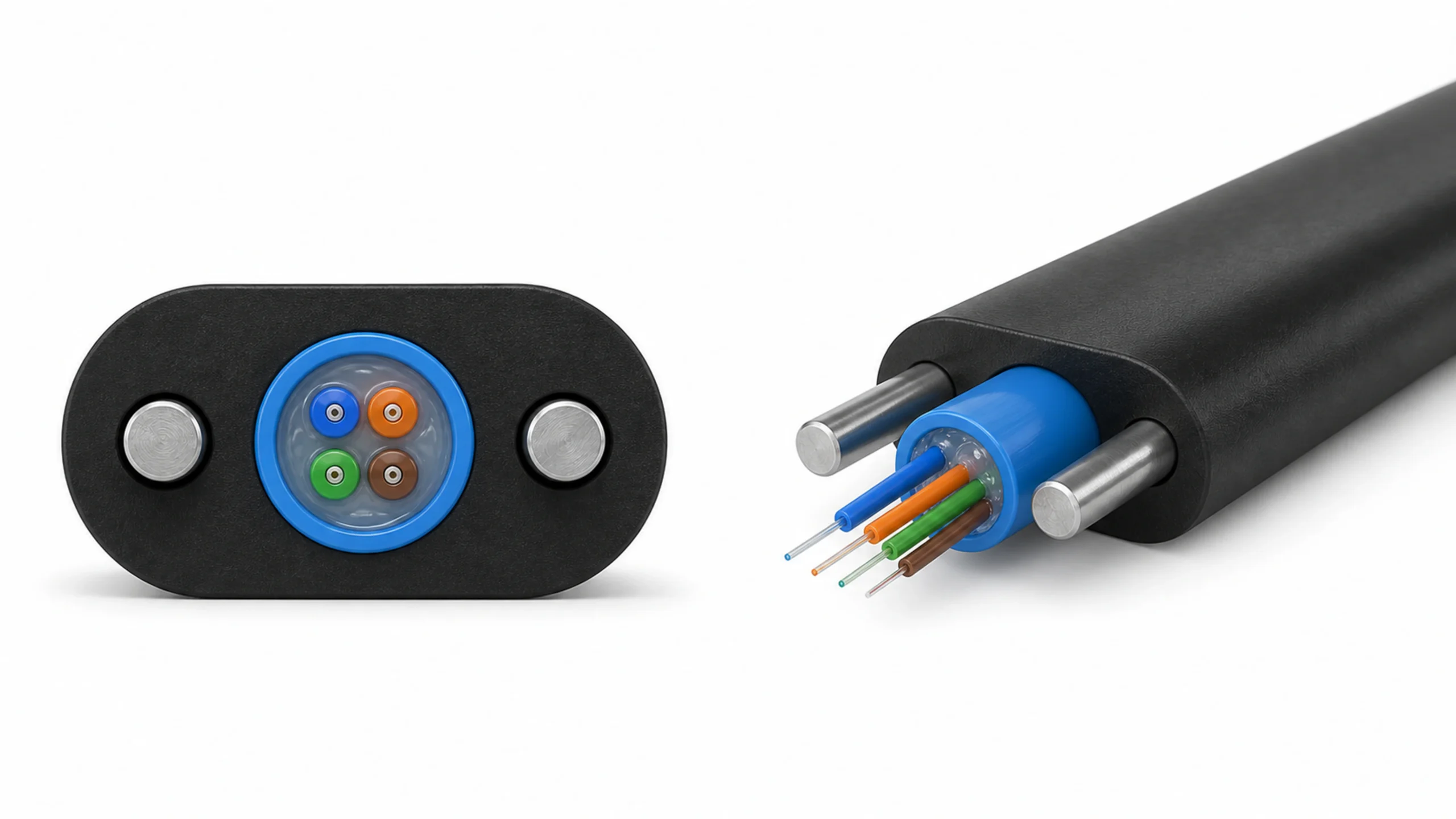
FTTH ഡ്രോപ്പ് കേബിൾEXISTING 3D REFERENCE
01
ഏകദേശ ലെയർ ലൊക്കേറ്റർ. അനുമോദിച്ച കേബിൾ ഡ്രോയിംഗ് പ്രകാരമാണ് ഫൈനൽ മെറ്റീരിയലുകൾ.
മെറ്റീരിയൽ 01 / 03
ഓപ്ടിക്കൽ ഫൈബർ
The optical transmission element at the centre of your cable.
Where it enters production
Fiber preparation and the first production line
Confirm for the initial BOM
Fiber specification, colour, reel format and supplier records
Explore the material layersSelect a category to see its role.
Also plan reels, packaging, process consumables and incoming inspection with the first material order.
From a cable drawing to the first material order.
HONGKAI can coordinate material planning and sourcing alongside your factory equipment. The proposal identifies what is supplied, by whom, and what your team needs to prepare.
ഓരോ മെറ്റീരിയൽ വിഭാഗവും കേബിൾ ഡ്രോയിംഗിലേക്കും ഉൽപ്പാദന ഘട്ടത്തിലേക്കും ബന്ധിപ്പിക്കുക. ഓർഡർ ചെയ്യുന്നതിന് മുമ്പ് ഗ്രേഡുകൾ, അളവുകൾ, റീൽ അല്ലെങ്കിൽ പാക്കേജ് ഫോർമാറ്റുകൾ സ്ഥിരീകരിക്കുക.
An initial BOM and trial-material plan
Separate trial-production needs from planned production stock. Quantities follow the agreed cable dimensions, output plan and startup allowance.
Sourcing and incoming-check coordination
വിതരണക്കാരുടെ ഡാറ്റാ ഷീറ്റുകൾ, സാമ്പിളുകൾ, ബാച്ച് രേഖകൾ എന്നിവ അവലോകനം ചെയ്യുക. പദ്ധതിയുടെ പരിധിയിൽ മെറ്റീരിയൽ നിർമ്മാതാവിനെ, വിതരണ ഉത്തരവാദിത്തത്തെ, കരാറായ ഇൻകമിംഗ് പരിശോധനകളെ തിരിച്ചറിയുക.
1
Cable drawingConfirm the construction
2
Initial BOMIdentify grades & quantities
3
Supplier reviewCheck TDS & samples
4
Trial productionValidate the agreed inputs
11
Phased factory configuration
Start with the essentials. Plan the next move.
Choose the planning horizon for your brief.
12
Manufacturing & responsibility
One project team. Clearly defined responsibilities.
A few useful answers for your first factory discussion.
Can I start if I do not know the machine names?
Yes. Start with your intended customers, installation environment and the cable you want to sell. A sample, drawing or application description gives HONGKAI a basis for discussing the product, process and factory scope.
Which production lines does a new factory need?
The cable portfolio determines the line combination. FTTH drop cable, GJFJV, central-tube GYXTPY and stranded ADSS use different routes. Review purchased intermediate products, preparation, reel transfers and testing before fixing the equipment list.
Can materials and specialist equipment be included?
Material sourcing, auxiliary systems and specialist laboratory equipment can be coordinated within the agreed scope. Their manufacturers, technical requirements and responsibilities are identified in the proposal.
How much investment and factory space do I need?
A useful estimate requires the target cable portfolio, output, automation level, available building and local utility conditions. The project can then be evaluated by production phase. This page does not apply a fixed price or area to every factory.
Can we build the project in phases?
Yes, phased planning can begin with the core product range and consider additional parallel lines or new cable families later. Space, material flow and utility interfaces should be reviewed before the first phase is finalized.
What should we prepare for the first discussion?
Share your target market and cable products, country, capacity goal, available factory information and expected timing. Mark unknown items as “to confirm”; the first conversation can help identify the missing technical inputs.
What utilities should be prepared?
Power, cooling water, compressed air where required, ventilation and process conditions are evaluated after equipment selection. Share the existing voltage, frequency and building conditions so equipment-side and site-side responsibilities can be defined.
Do we need to build a new laboratory?
Review your current instruments, target cable requirements and testing plan first. The scope may involve a new laboratory, additions to an existing one or identified external testing. Test methods, equipment and documentation are confirmed for the project.
What does FAT include?
Factory Acceptance Test checks the contracted equipment against an agreed plan, including the test material, running conditions, acceptance criteria and documentation. Results and open items should be recorded before the contracted shipment-release decision.
Can we keep our existing production equipment?
Share the machine list, current process, controls, utility needs and condition. Reuse depends on technical compatibility and the planned output; integration is reviewed before it is included in the factory configuration.
How are installation and training arranged?
Site readiness, travel or remote support, installation responsibilities, commissioning, training and acceptance conditions are defined in the project agreement. Your local team prepares the building, utilities and operators assigned to the project.
18
Start your factory project
Bring your cable idea. Let’s plan the factory.
You do not need every technical answer today. Start with what you know and we can work through the missing details together.

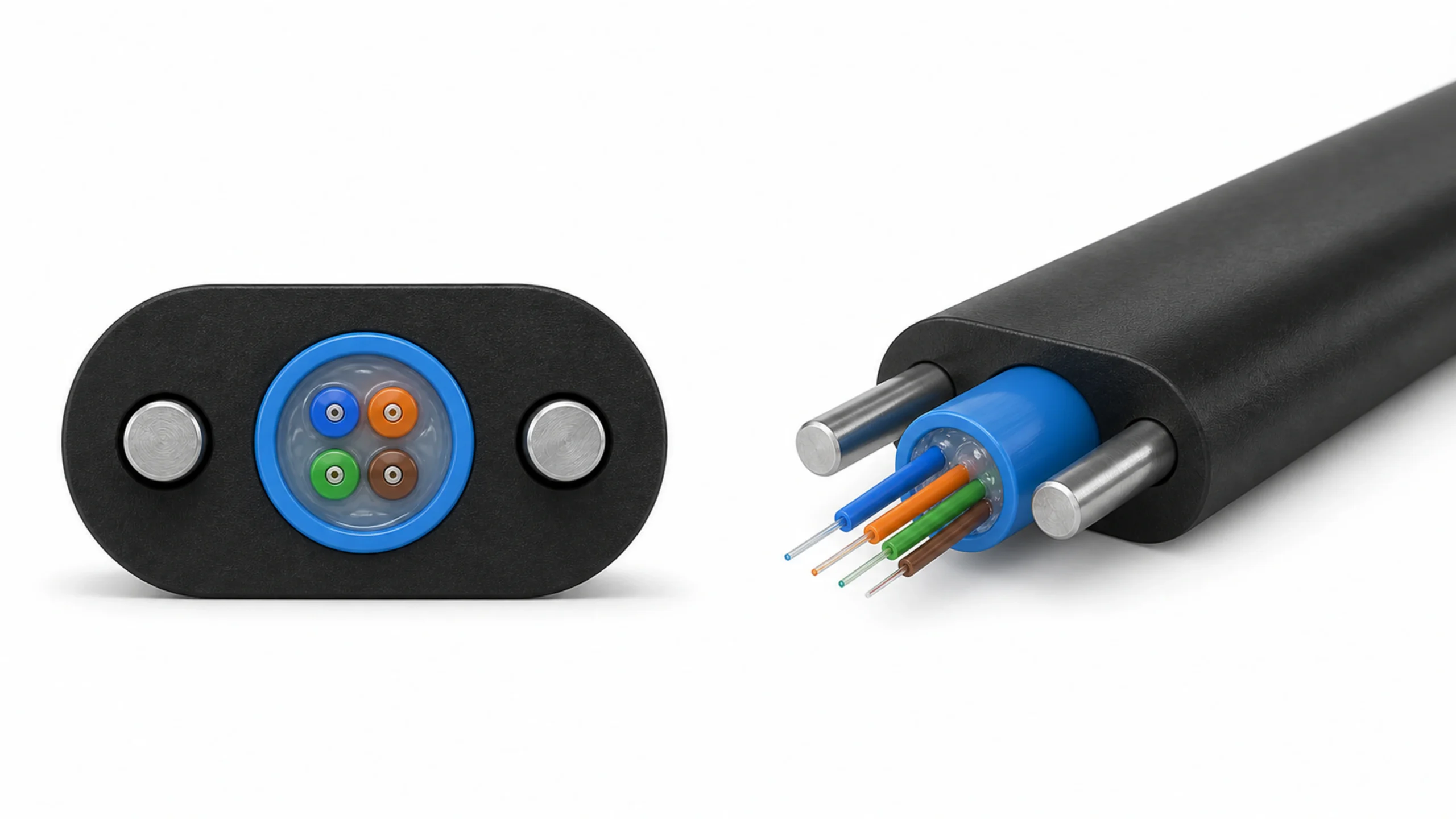
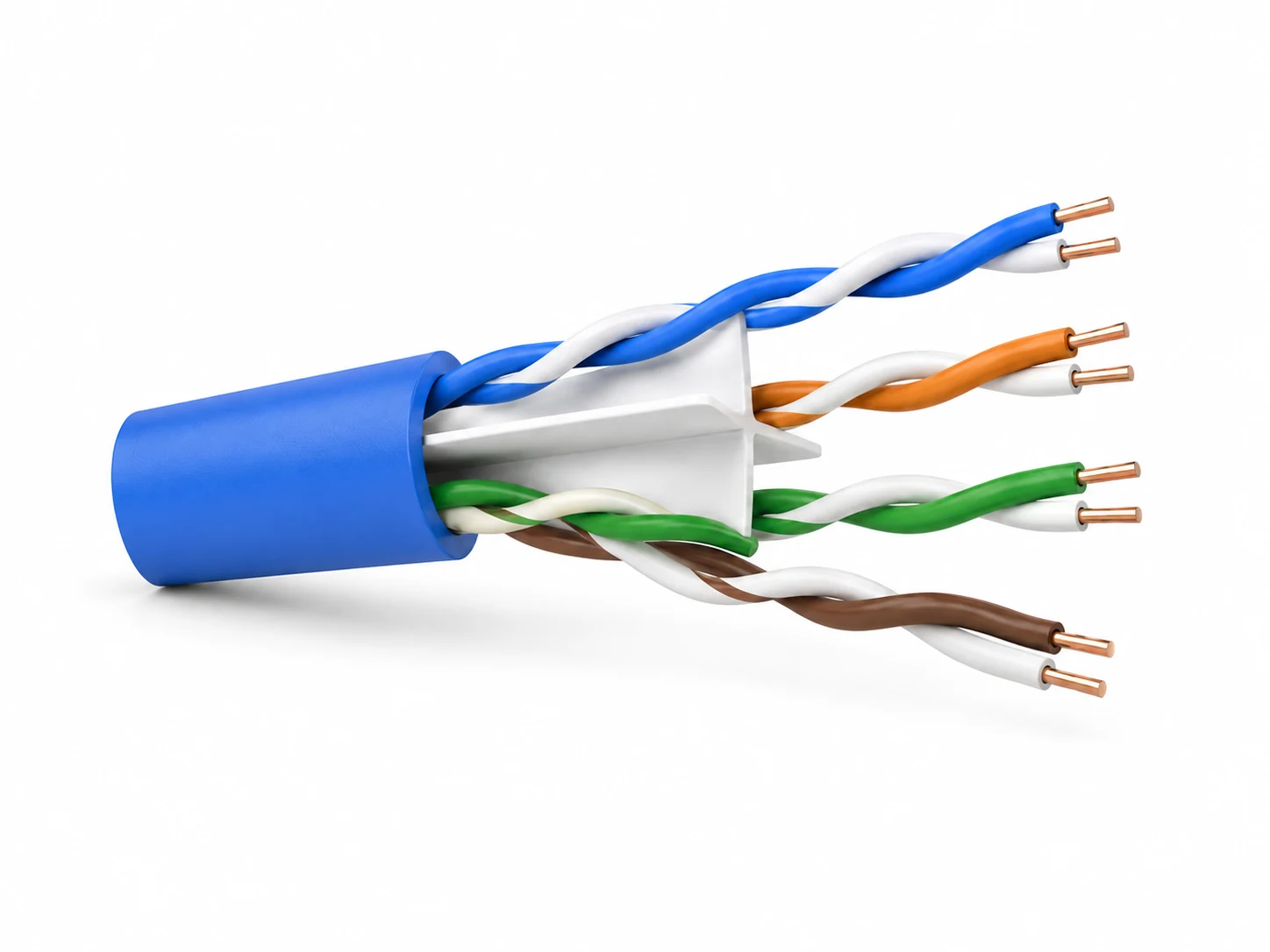
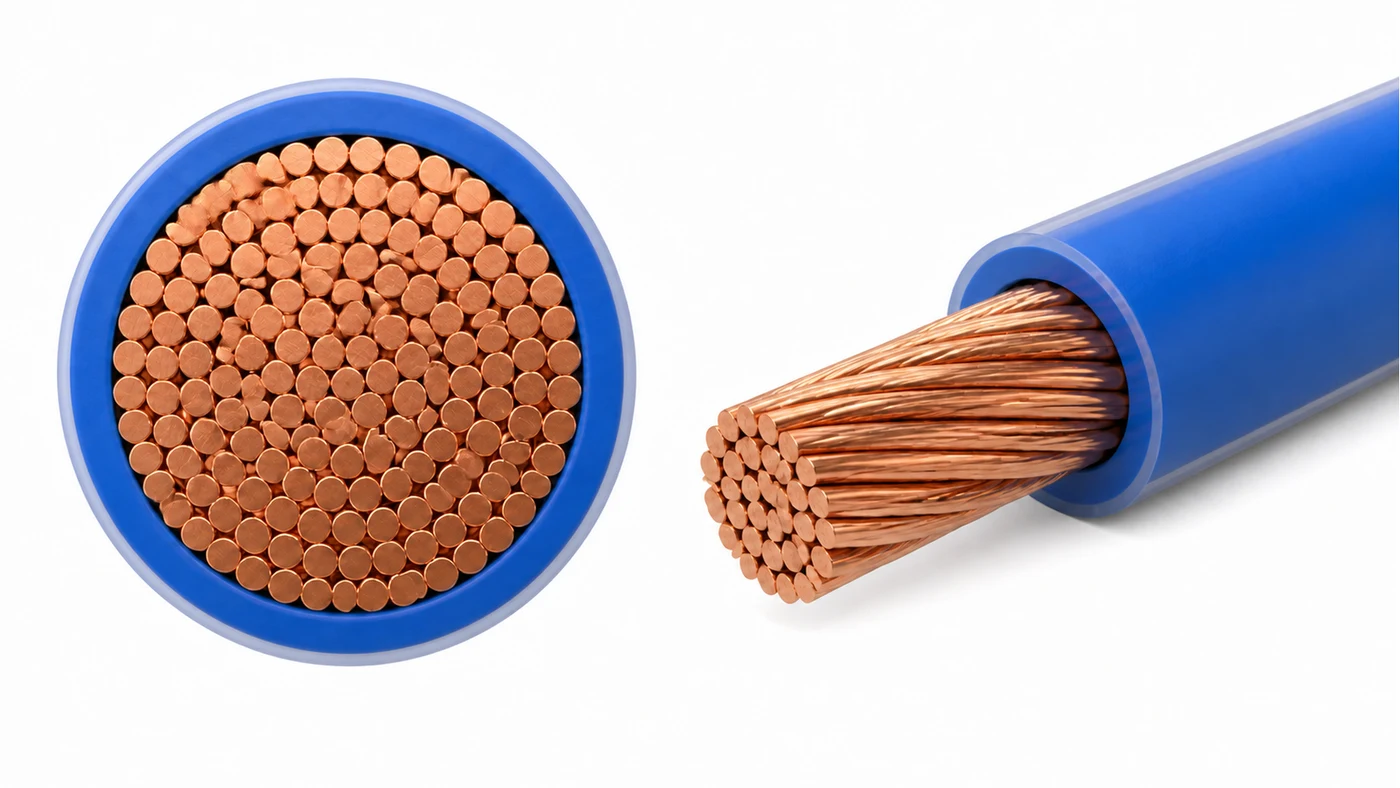
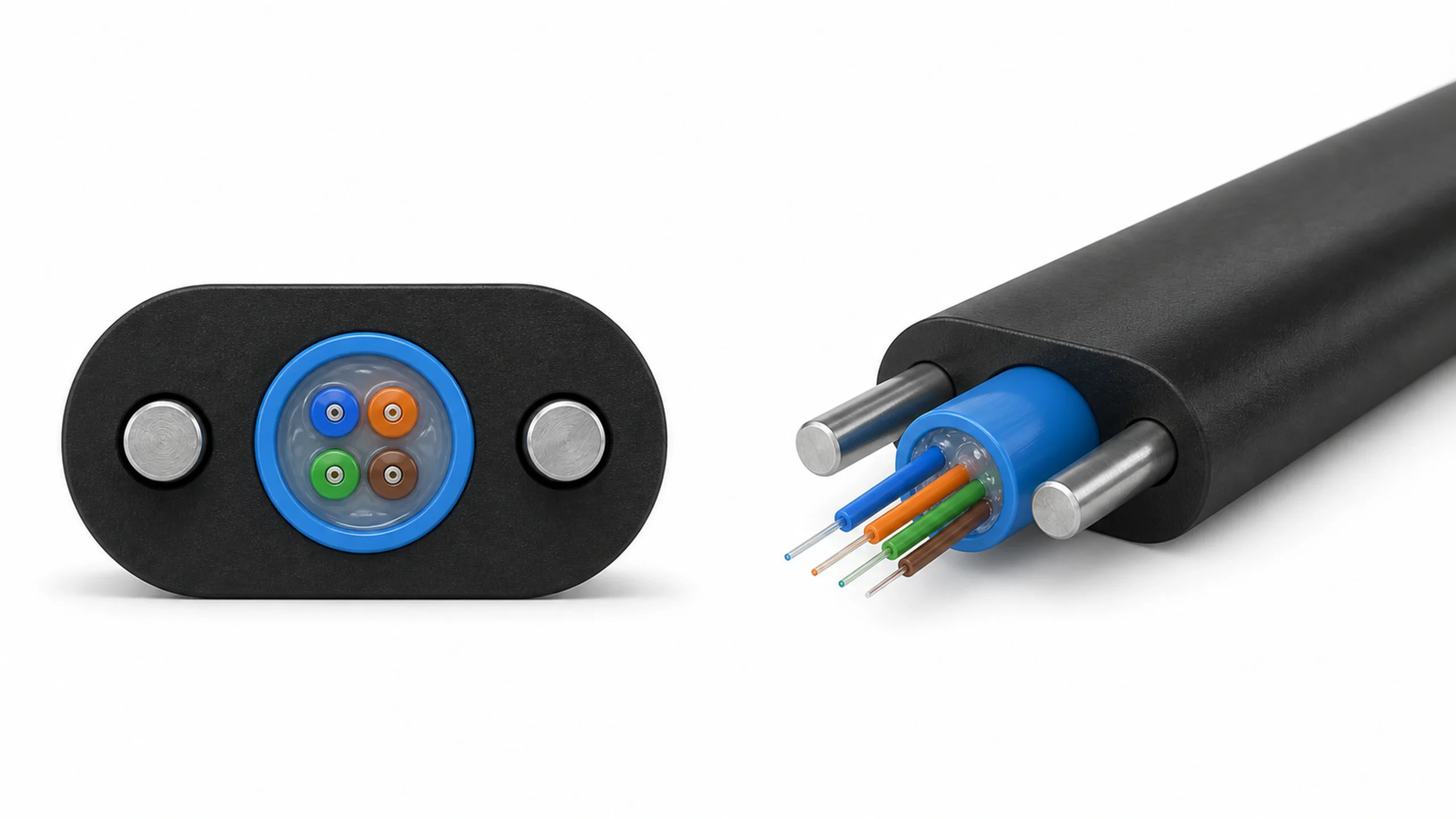












 ADSS കേബിൾ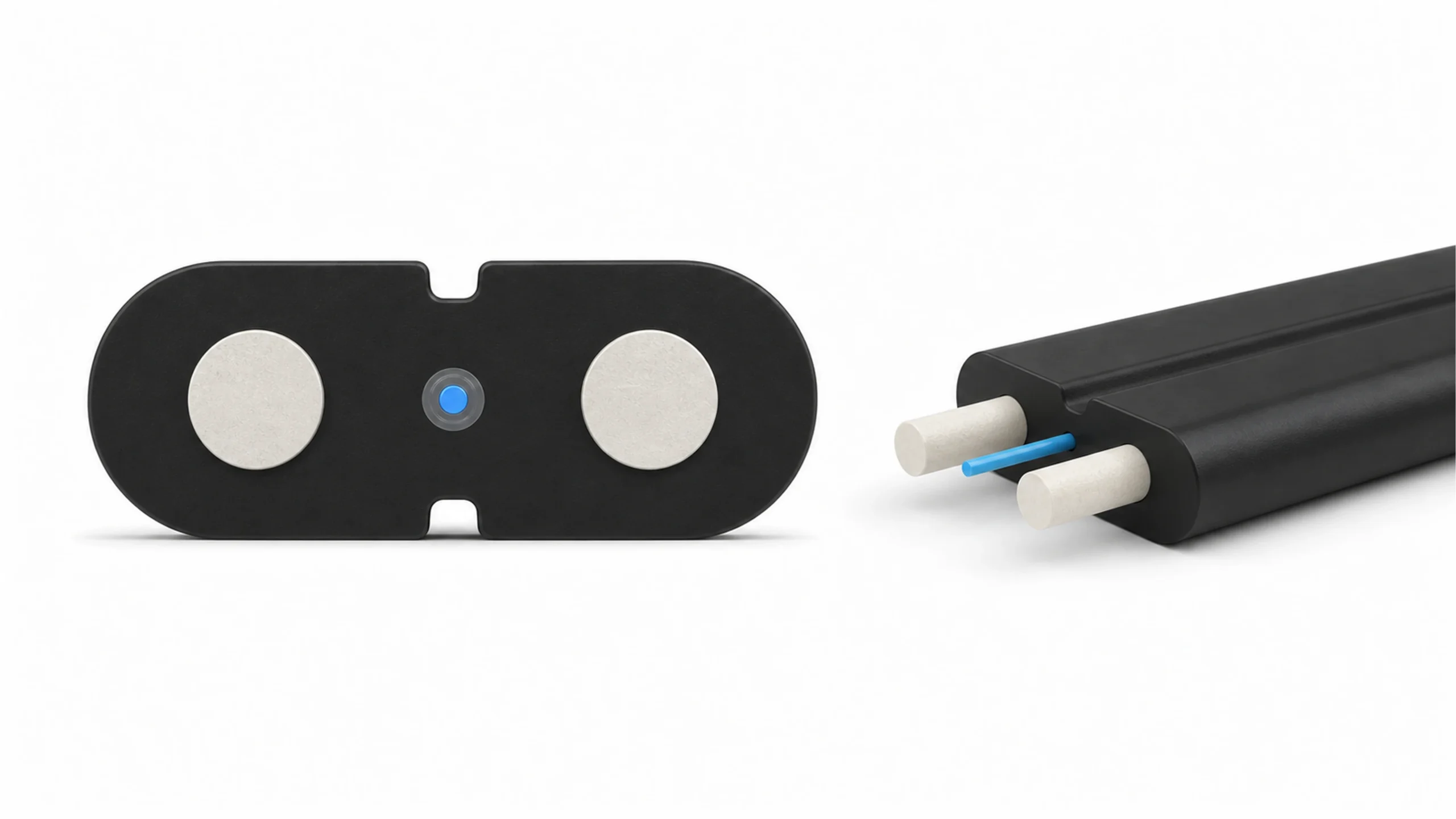


 English
  हिन्दी
  فارسی
فارسی