Separate lines with reel transfers. Double-jacket ADSS also needs an inner-sheath pass between stages 02 and 03. Add upstream fiber coloring if required.
مسار العملية النموذجيProcess steps, not a list of standalone machines
01إطلاق الألياف
02عناصر القوة
03Jacket extrusion
04التبريد والتمييز
05السحب والاختبار
A drop-cable route can start from purchased optical fiber and prepared strength members. Coloring and support-wire preparation are added only when the project needs them.
04
لقطة متطلبات المشروع
Define the factory. ثم اختر المعدات.
A few project inputs connect your target cable to the factory it needs. Start with what you know. Every field is optional.
05
هندسة معمارية كاملة لعملية المصنع
شاهد عملك take shape.
من المواد الخام إلى الكابل النهائي: قم بتوصيل خطوط الإنتاج الكاملة، والبكرات الوسيطة، وفحوصات المختبر، والشحن مع الأنظمة التي تدعمها.
مستكشف المصنع بأكملهكابل FTTH / كابل التوصيل
ILLUSTRATIVE MASTERPLANحدد نظامًا أو شغّل الجولة
تدفق المواد والمنتجاتSupporting infrastructure
SYSTEM 01 / 08
ما الذي يدخل في كابلي؟
المواد المناسبة، جاهزة للتشغيل الأول.
Coordinate the material bill with the cable drawing and the equipment, from optical fiber to the finished reel.
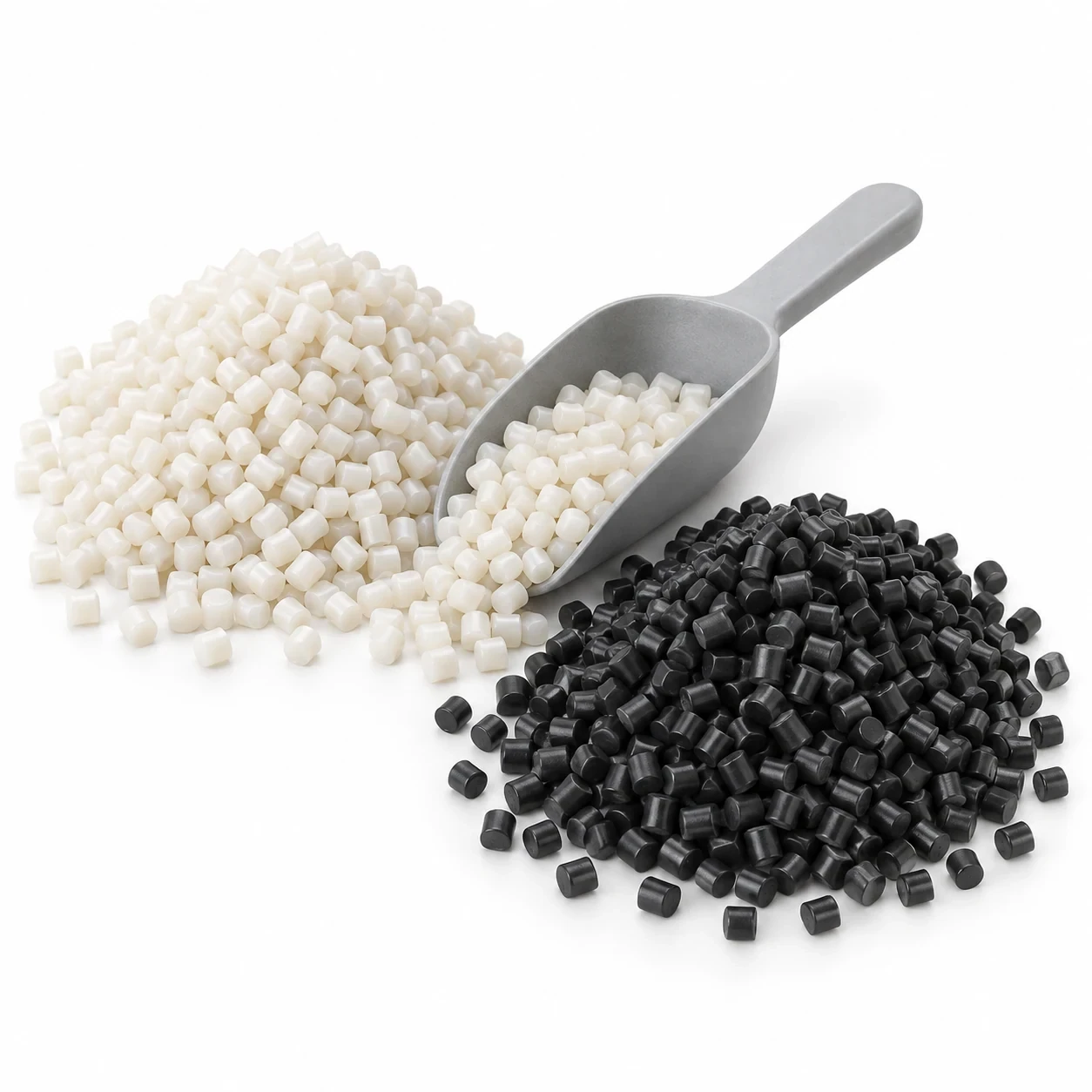
Fiber, polymers, yarns and strength members
Supplier matching, TDS and sample review
التخزين، كميات التشغيل التجريبي والتغليف
WHAT WE PLAN TOGETHERInitial material BOM & sourcing plan
مناقشة مصنعكExplore the complete scope, then add the topics you want to discuss.
تقوم مصنع الكابلات بتوصيل خطوط العمليات الكاملة، وليس فقط الآلات الفردية. اختر كابلًا لرؤية تركيبة الخط والمنتجات الوسيطة المنقولة بينها.
LINE 01
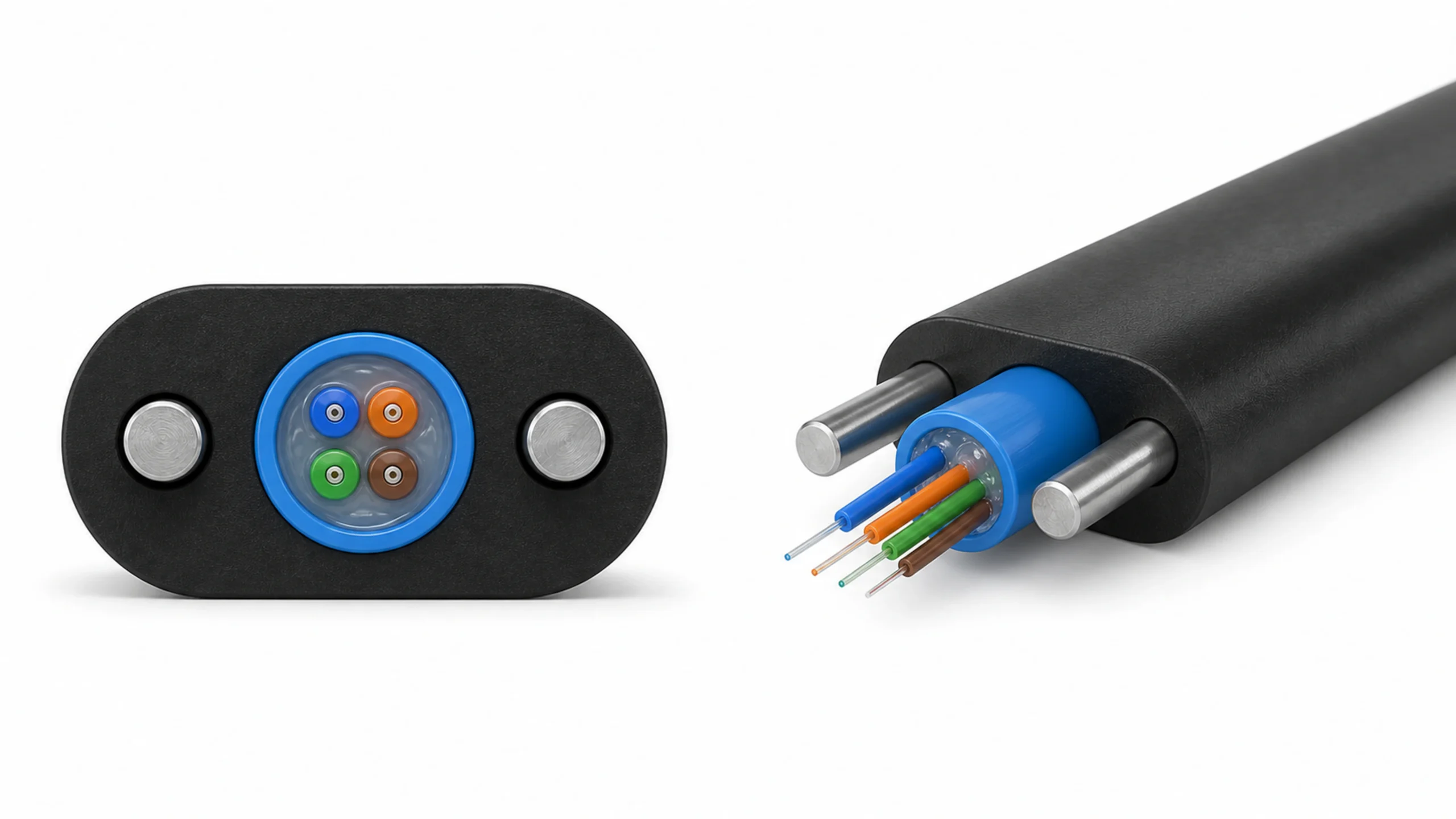
خط كابل الإسقاط FTTH
INPUTالألياف البصرية + أعضاء التقوية المحضرةOUTPUTكابل الإسقاط النهائي على البكرات
Feed the fiber and strength members into one coordinated extrusion, cooling, marking and take-up line. يتم إضافة تغذية الحبل الفولاذي لتصميم ذاتي التحميل.
ما الذي ينتمي إلى كل مرحلة إنتاج؟
Planning status for the selected cable, not a final supply list.
مرحلة الإنتاجEquipment & interfacesPlanning status
إعداد الألياف
التلوين، إعادة اللف ووحدات الفك المتوافقة
Use purchased optical fiber and prepared strength members. Add fiber coloring / rewinding or wire coating only if those inputs will be made in-house.
Conditional
تشكيل الأنبوب / العازل
لا يوجد طبقة عازلة ثانوية في هذا المثال
طابق المنتج الوسيط مع تصميم الكابل المعتمد.
ليس في الطريق
Cable core & reinforcement
إمداد عناصر القوة بالتوازي
معدات التسليح منسَّقة مع خط الإنتاج التابع لها.
Design dependent
Sheathing & marking
خط كابل الإسقاط FTTH
تعمل عمليات البثق والتبريد والوسم واللف كخط إنتاج متكامل.
في هذا المسار
Testing & finishing
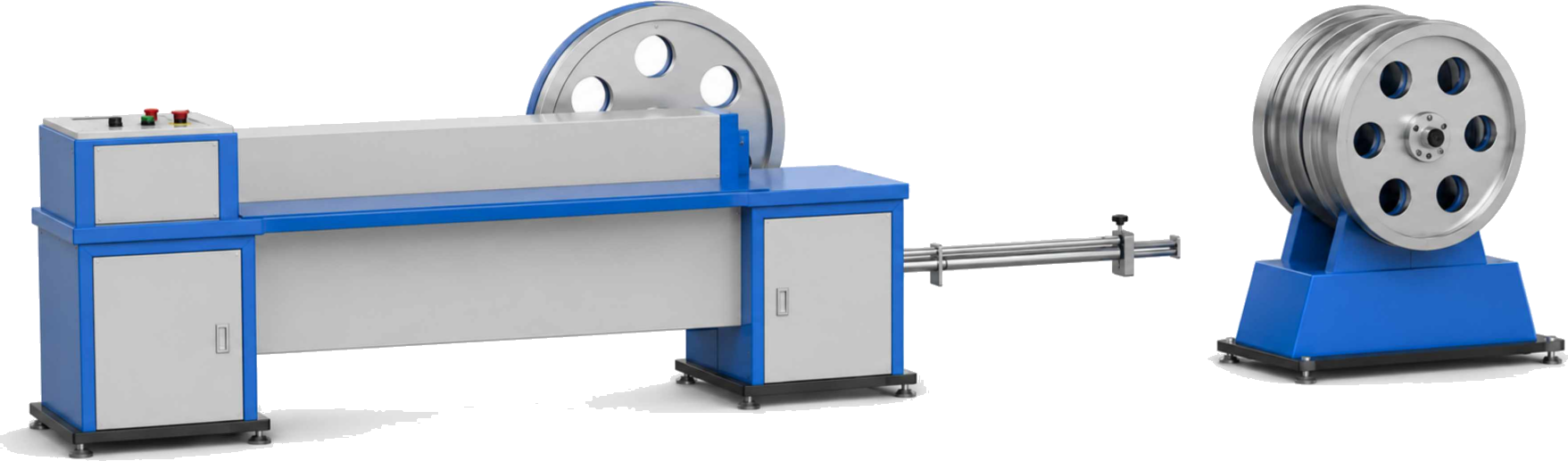
أجهزة الاختبار، نقل البكرات، إعادة اللف/التجعيد والتغليف
اختر معدات الاختبار والتعامل مع البكرات النهائية وفقًا لمواصفات العميل.
يجب أن تعمل عمليات الاستلام والإنتاج والاختبار والشحن كتدفق مادي واحد. إن أبعاد المعدات تُشكل جزءًا فقط من مخطط المبنى.
Factory layout conceptتوضيحي. غير مُرسَم بمقياس.
Building inputالأبعاد ورسم الموقع للتأكيدPlanning exampleكابل إسقاط FTTH
FLOW STEP 2 / 5
صمّم المسافة بين الخطوط الكاملة.
لا تمر عملية الإنتاج عبر ماكينة واحدة مستمرة. يشمل ذلك تخزين البكرات خلال العملية، والفحص، والنقل الآمن إلى الخط التالي.
Line length and operator access
وحدات تخزين مؤقتة على بكرات أو طبول وسيطة
Maintenance access around every line
Planning outputEquipment positions and WIP handling plan
Final planning uses your building drawing, reel sizes, line configuration and local requirements. Forklift routes, operator aisles, cabinets, water routes and cable trays must be reviewed together.
08
Utilities & infrastructure
أعد الخدمات التي تجعل الإنتاج ممكنًا.
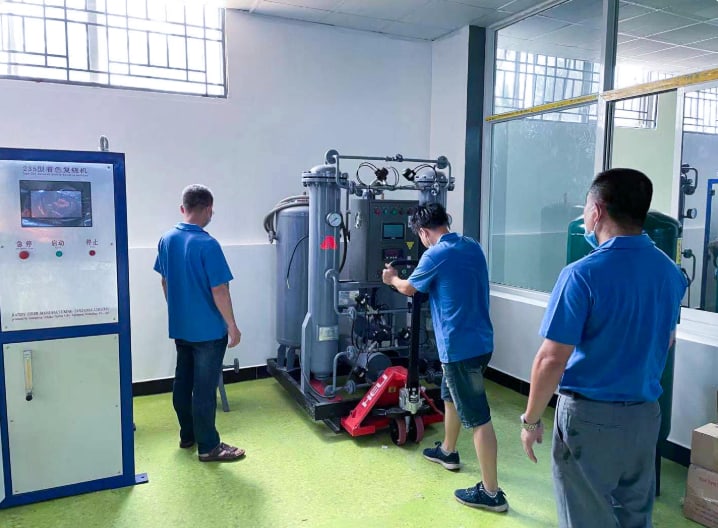
احسب متطلبات المرافق بعد تأكيد نطاق المعدات. لا يمكن لرقم ثابت واحد للطاقة أو المياه أن يصف كل مصنع.
Also plan reels, packaging, process consumables and incoming inspection with the first material order.
From a cable drawing to the first material order.
HONGKAI can coordinate material planning and sourcing alongside your factory equipment. The proposal identifies what is supplied, by whom, and what your team needs to prepare.
اربط كل فئة من المواد بمرحلة رسم الكابلات والإنتاج. تأكد من الدرجات والأبعاد وتنسيقات البكرات أو العبوات قبل الطلب.
An initial BOM and trial-material plan
Separate trial-production needs from planned production stock. Quantities follow the agreed cable dimensions, output plan and startup allowance.
تنسيق عمليات التوريد والفحص الوارد
Review supplier data sheets, samples and batch records. Identify the material manufacturer, supply responsibility and agreed incoming checks in the project scope.
1
Cable drawingConfirm the construction
2
Initial BOMتحديد الدرجات والكميات
3
Supplier reviewCheck TDS & samples
4
Trial productionالتحقق من صحة المدخلات المتفق عليها
A few useful answers for your first factory discussion.
Can I start if I do not know the machine names?
Yes. Start with your intended customers, installation environment and the cable you want to sell. A sample, drawing or application description gives HONGKAI a basis for discussing the product, process and factory scope.
ما خطوط الإنتاج التي يحتاجها مصنع جديد؟
The cable portfolio determines the line combination. FTTH drop cable, GJFJV, central-tube GYXTPY and stranded ADSS use different routes. Review purchased intermediate products, preparation, reel transfers and testing before fixing the equipment list.
Can materials and specialist equipment be included?
Material sourcing, auxiliary systems and specialist laboratory equipment can be coordinated within the agreed scope. Their manufacturers, technical requirements and responsibilities are identified in the proposal.
How much investment and factory space do I need?
A useful estimate requires the target cable portfolio, output, automation level, available building and local utility conditions. The project can then be evaluated by production phase. This page does not apply a fixed price or area to every factory.
هل يمكننا تنفيذ المشروع على مراحل؟
Yes, phased planning can begin with the core product range and consider additional parallel lines or new cable families later. Space, material flow and utility interfaces should be reviewed before the first phase is finalized.
ما الذي يجب أن نُعدّه للمناقشة الأولى؟
Share your target market and cable products, country, capacity goal, available factory information and expected timing. Mark unknown items as “to confirm”; the first conversation can help identify the missing technical inputs.
What utilities should be prepared?
Power, cooling water, compressed air where required, ventilation and process conditions are evaluated after equipment selection. Share the existing voltage, frequency and building conditions so equipment-side and site-side responsibilities can be defined.
هل نحتاج إلى بناء مختبر جديد؟
Review your current instruments, target cable requirements and testing plan first. The scope may involve a new laboratory, additions to an existing one or identified external testing. Test methods, equipment and documentation are confirmed for the project.
ما الذي يشمله اختبار القبول النهائي (FAT)؟
Factory Acceptance Test checks the contracted equipment against an agreed plan, including the test material, running conditions, acceptance criteria and documentation. Results and open items should be recorded before the contracted shipment-release decision.
Can we keep our existing production equipment?
Share the machine list, current process, controls, utility needs and condition. Reuse depends on technical compatibility and the planned output; integration is reviewed before it is included in the factory configuration.
كيف يتم ترتيب التركيب والتدريب؟
Site readiness, travel or remote support, installation responsibilities, commissioning, training and acceptance conditions are defined in the project agreement. Your local team prepares the building, utilities and operators assigned to the project.
18
ابدأ مشروع مصنعك
Bring your cable idea. لنخطّط للمصنع.
You do not need every technical answer today. Start with what you know and we can work through the missing details together.

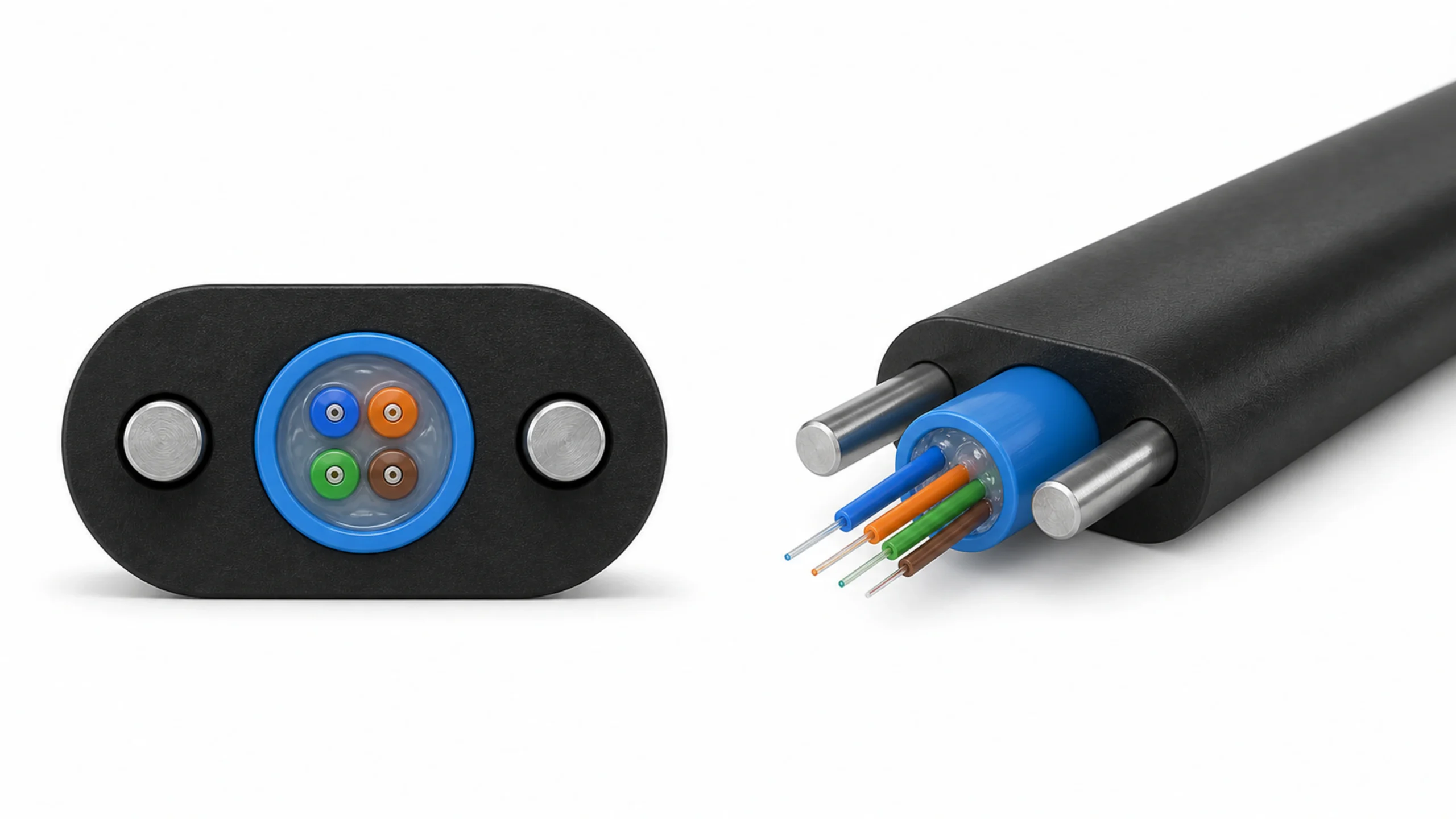
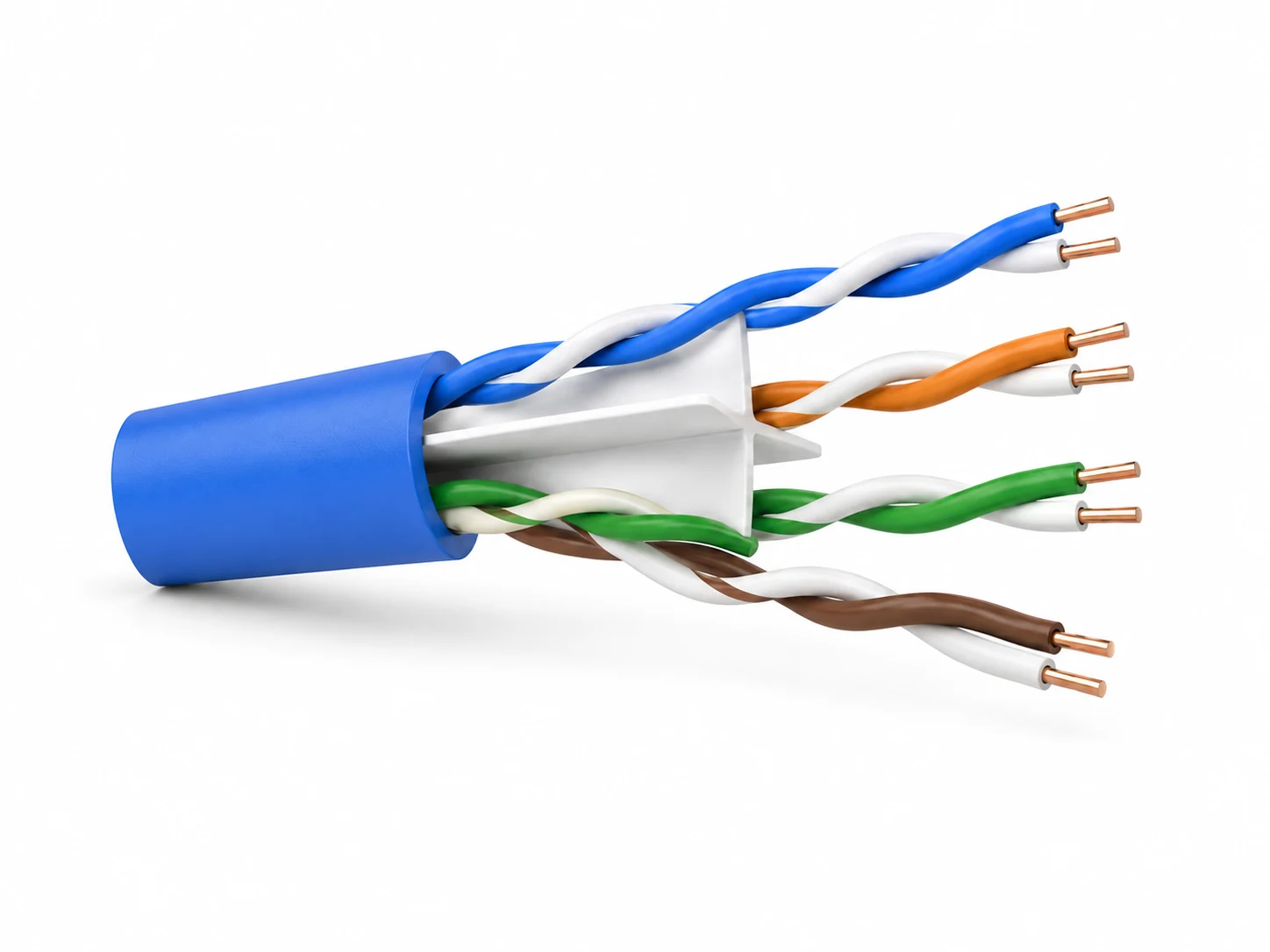
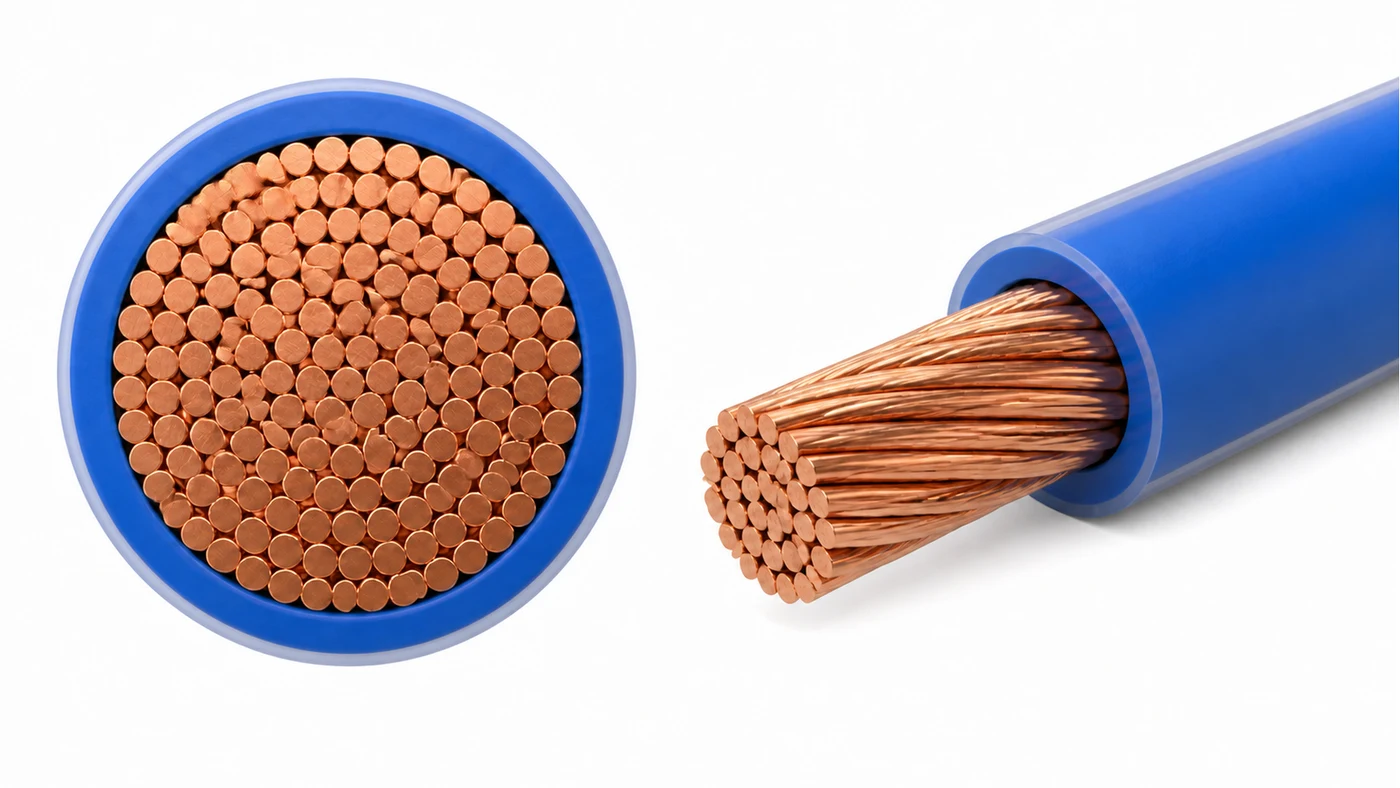
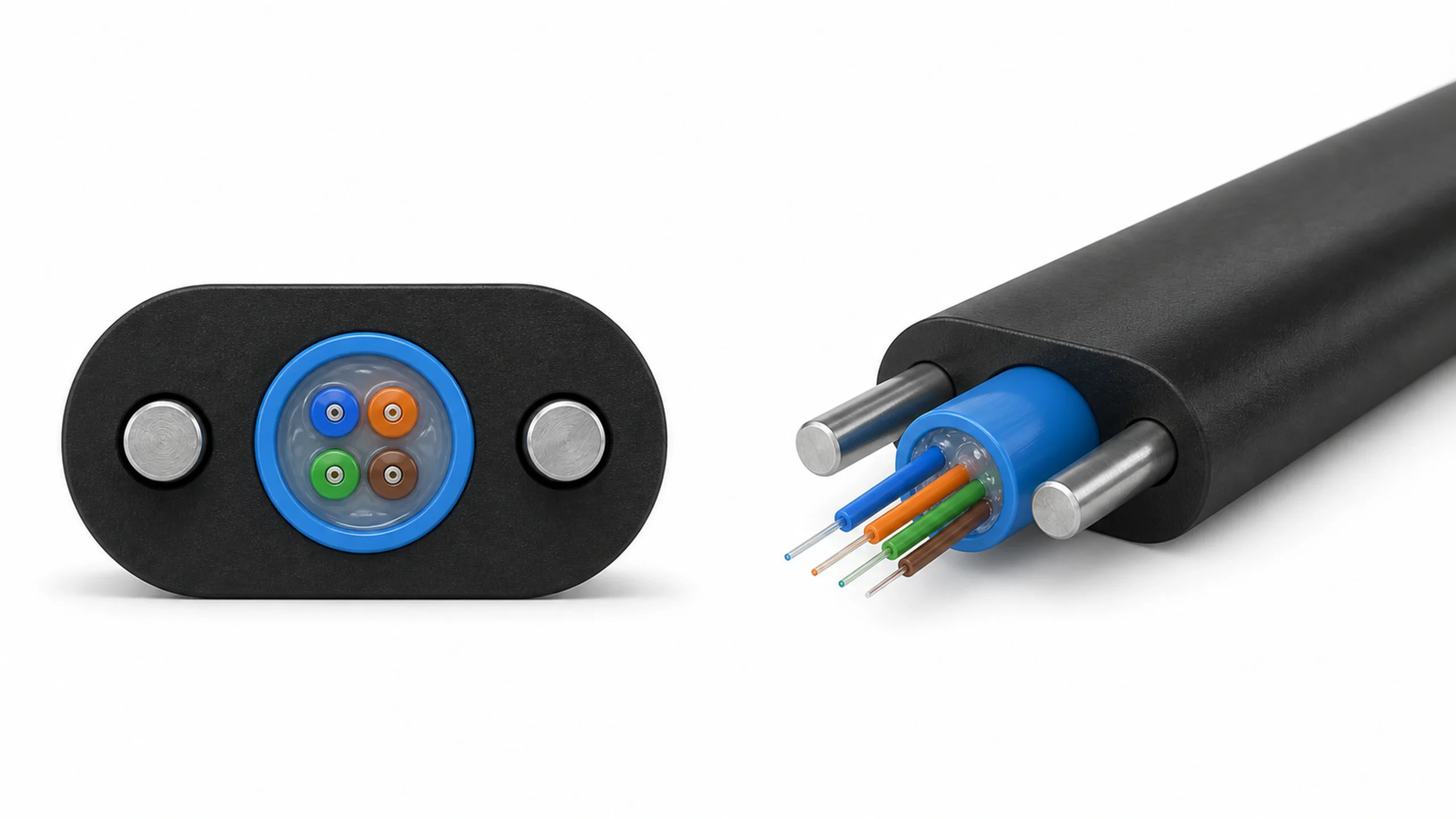













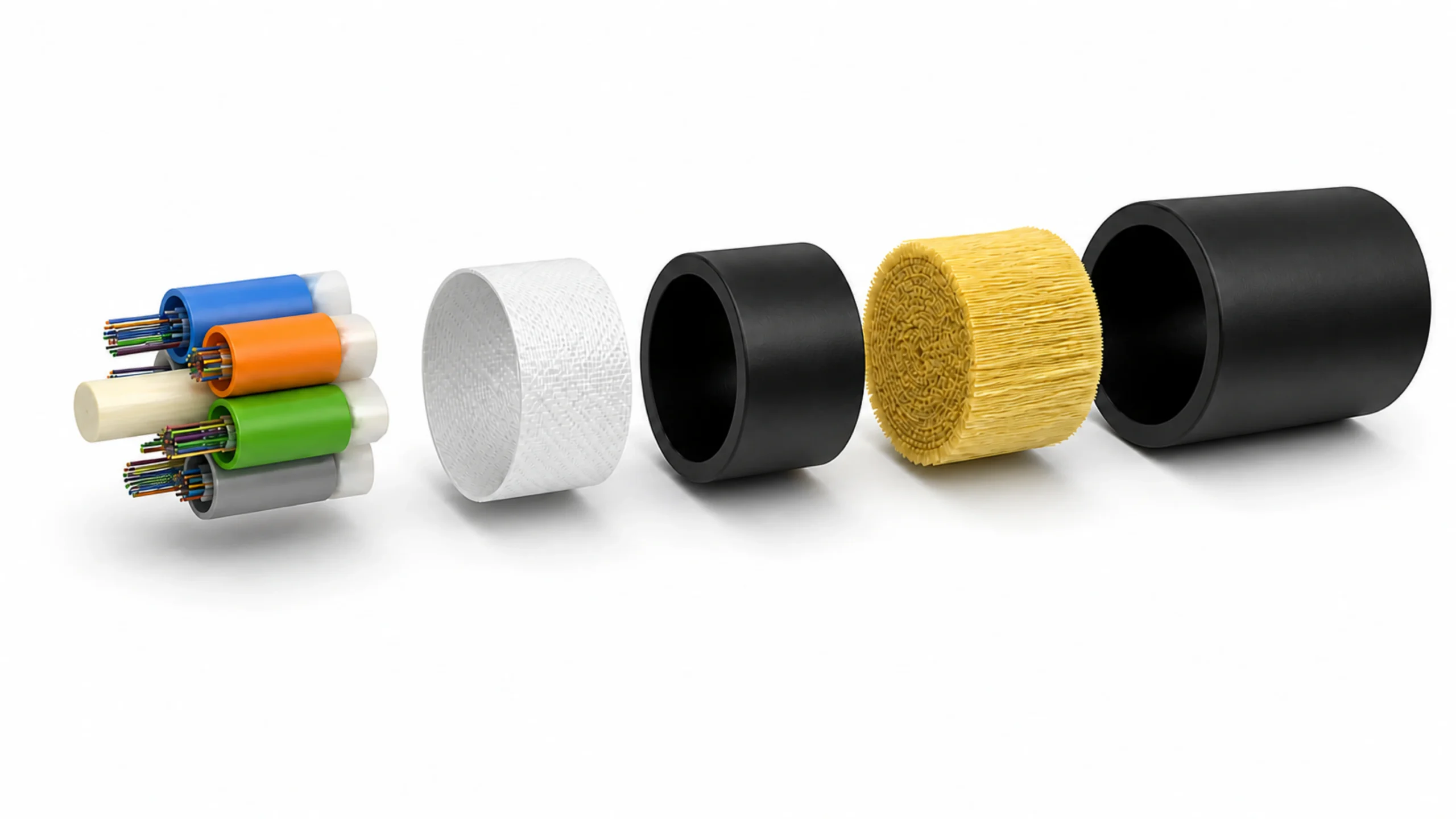 كابل إي دي إس إس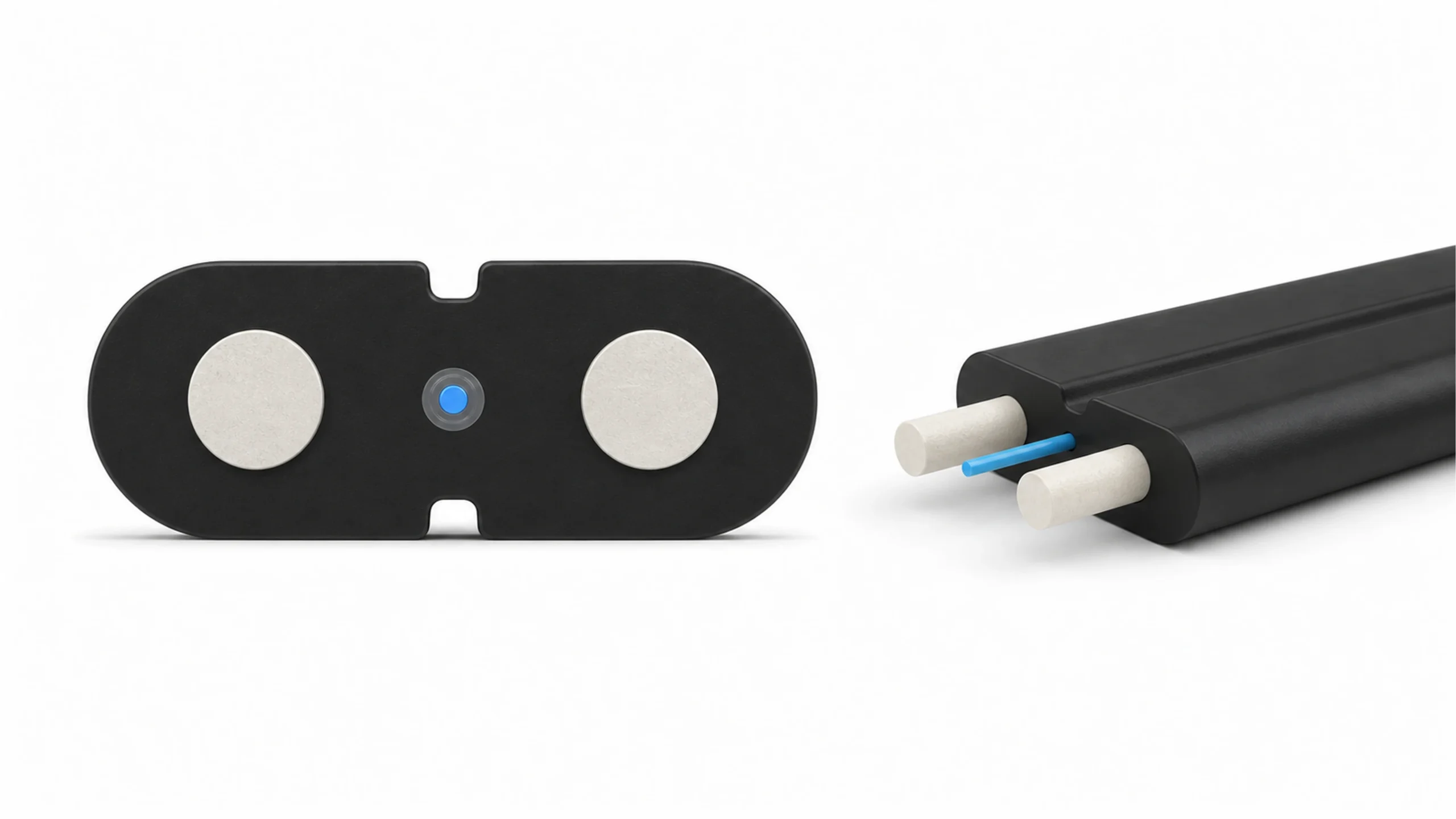


 English
  हिन्दी
  فارسی
فارسی