Φ90 mm extrusion · Core pay-off to finished cable take-up
USD 118,900 per set
Quoted configuration: HK-90 PLC+IPC Control Outdoor Optical Cable Sheathing Production Line. Ex-factory delivery; the buyer arranges and pays transport. Final equipment and tooling follow the agreed configuration schedule.
Apply the specified outer sheath around your prepared optical cable core. Configure material feeding, aramid yarn stranding or metal-tape protection as required, extrusion, cooling and take-up as one coordinated production stage.
Coordinate melt delivery, tooling, cooling and traction around the cable design.
REFERENCE ARRANGEMENTEquipment quantities and final layout follow the reviewed project.
Scope boundary: this page covers the sheathing stage. Upstream coloring, loose-tube extrusion and SZ core stranding are separate processes. Reinforcement and armoring modules are selected for the approved cable construction.
02PROCESS & MATERIAL HANDOFF
From prepared core to finished outer sheath.
Build the process around the cable layers. Optional protection modules are selected before the extrusion and downstream handling requirements are finalized.
01CORE & MATERIAL PAY-OFF
Feed the specified construction.
Start with the prepared core or loose tube. Match the core, wire and protection-material pay-offs to the incoming package.
02PROTECTION & FORMING
Prepare the layers before extrusion.
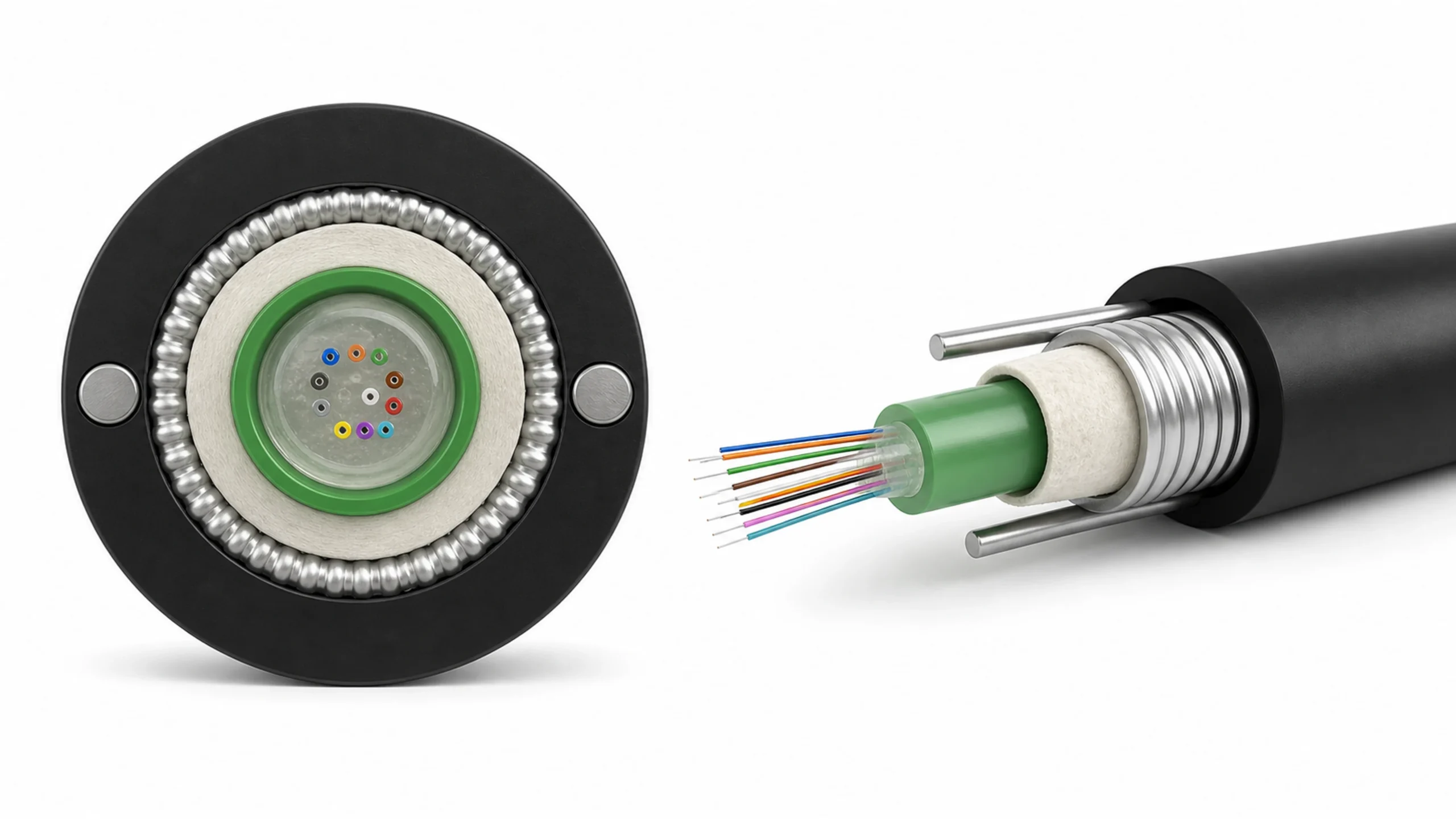
Apply the selected water blocking and ripcord. ADSS routes add aramid yarn stranding before the outer sheath; armored routes use the specified metal-tape preparation and forming modules.
03SHEATH EXTRUSION
Form the outer jacket.
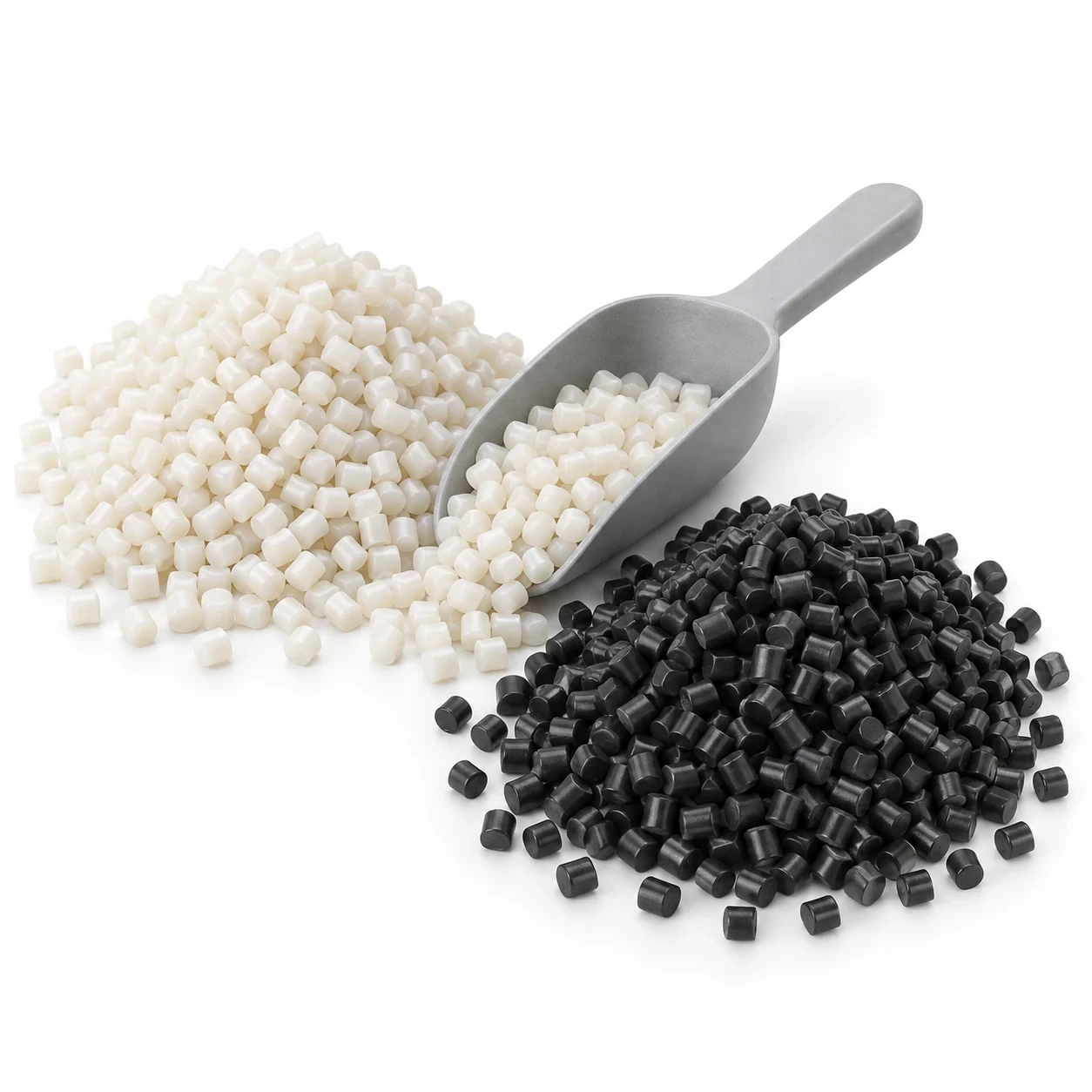
Feed the approved compound to the Φ90 mm extruder and crosshead. Coordinate melt delivery, cable centering, temperature and line speed.
04COOLING TO TAKE-UP
Cool, inspect and collect.
Cool and dry the sheath, monitor diameter, apply the specified marking and tests, then coordinate caterpillar traction with finished-cable take-up.
3DINTERACTIVE LINE VIEW
Explore the line. Inspect each device.
Rotate the HK-90 line, select a device for a closer look, and compare its exterior with the original equipment photograph.
Preparing the interactive line…
The interactive view could not finish loading. Retry the 3D view, or use the equipment references on this page.
Illustrative exterior study. Final equipment, dimensions and layout follow the approved project configuration.
03CONFIGURATION & PROJECT SCOPE
Choose the protection route for your cable.
The same extrusion stage can sit within different process routes. Compare the incoming core, reinforcement and tape requirements before defining the equipment package.
PROJECT EQUIPMENT REFERENCEMetal-tape corrugating unit
CONFIGURATION BASISConstruction-specific modules · final scope by cable drawing
04EQUIPMENT IN THE LINE
Follow the line, one machine at a time.
Select a number or equipment card to see its equipment area, image and process role. Dashed regions identify process interfaces whose final position must be confirmed. The reference includes optional preparation and testing modules; the final equipment list follows your cable construction.
HK-90 EQUIPMENT MAP · REFERENCE ARRANGEMENT
13 · Φ90 mm sheath extruderEquipment area in the reference arrangement
SELECTED EQUIPMENT · PROJECT REFERENCE13 / 23
Equipment shown is for reference. Final construction and quantity follow your approved equipment list.
SHEATH EXTRUSION
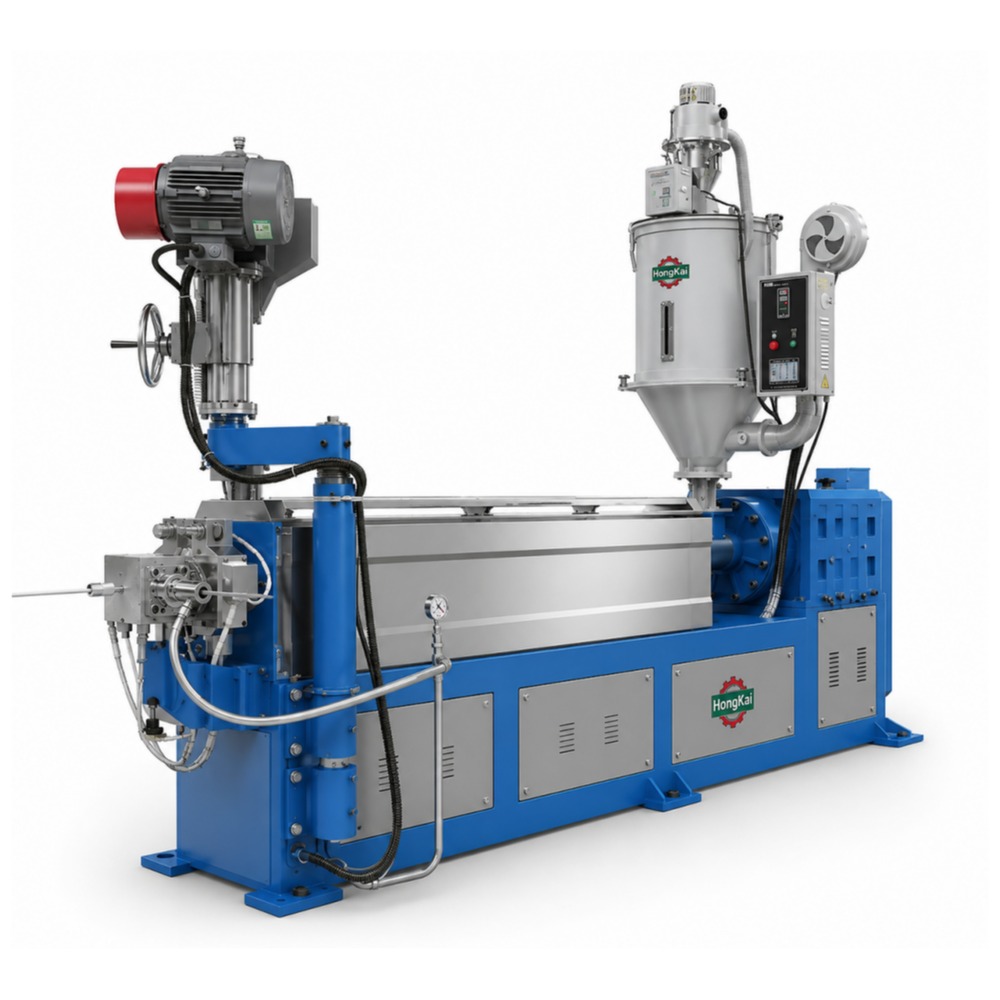
Φ90 mm sheath extruder
Plasticizes the approved sheath compound and supplies the adjustable crosshead. The reference uses a Φ90 mm screw with a 25:1 L/D ratio.
CONFIRM FOR YOUR PROJECT
Compound grade, screw and crosshead, tooling, temperature profile, output and required jacket dimensions.
Selected equipment 13: Φ90 mm sheath extruder
Reference boundary: the panorama illustrates equipment order, not the final machine count, footprint or construction. The approved layout and equipment list define machine quantities, dimensions and the supplied arrangement.
05TECHNICAL CONFIGURATION REVIEW
Define the operating conditions behind the specification.
Use the reference below to begin the technical review. Confirm the complete cable construction, material grade and trial conditions before agreeing production performance.
HK-90 reference data and project confirmation points
Review area
Reference / requirement
Condition to confirm
Extruder reference
Φ90 mm screw · 25:1 L/D · 75 kW main drive.
Reference equipment configuration; screw, crosshead and tooling must suit the compound and cable.
Aramid stranding reference
24 heads · independent tension · adjustable pitch · S or Z lay.
Selected for the cable construction. Confirm yarn grade, quantity, tension and stranding pitch together with extrusion speed. The reference 120 rpm rotation is not a cable line speed.
Sheath materials
PE / PVC for the reference extruder configuration.
Confirm the compound grade and process settings. Other compounds require a separate suitability review.
ഉൽപാദന വേഗത
Reference: up to 80 m/min for PE cable below Φ10 mm.
Reference value; confirm the complete construction, jacket thickness, cooling, reel changes and quality targets.
Extrusion output
Reference: up to 250 kg/h PE, with the crosshead open.
An extruder-output reference is not guaranteed finished-cable throughput. Verify it with the agreed tooling and compound.
Cable & tooling range
Specify incoming core, finished diameter and jacket thickness.
Review every module. A metal-tape forming tool may have a narrower range than the extruder or capstan.
Reels, tension & utilities
Agree supply/output drums, winding tension, layout and utility loads.
Use one approved schedule for the chosen configuration; do not infer these values from the HK-90 name.
Controls & acceptance
PLC / IPC coordination, recipes, alarms and agreed inspection records.
Define instruments, interfaces, safety functions, trial duration and acceptance criteria.
CABLE DRAWING → TECHNICAL SCHEDULE → ACCEPTANCE
Confirm the technical schedule for your cable.
Review output together with the sheath cross-section, compound, tooling and cooling capacity. Reel capacity, line footprint, tension settings and utility loads are finalized for the selected configuration.
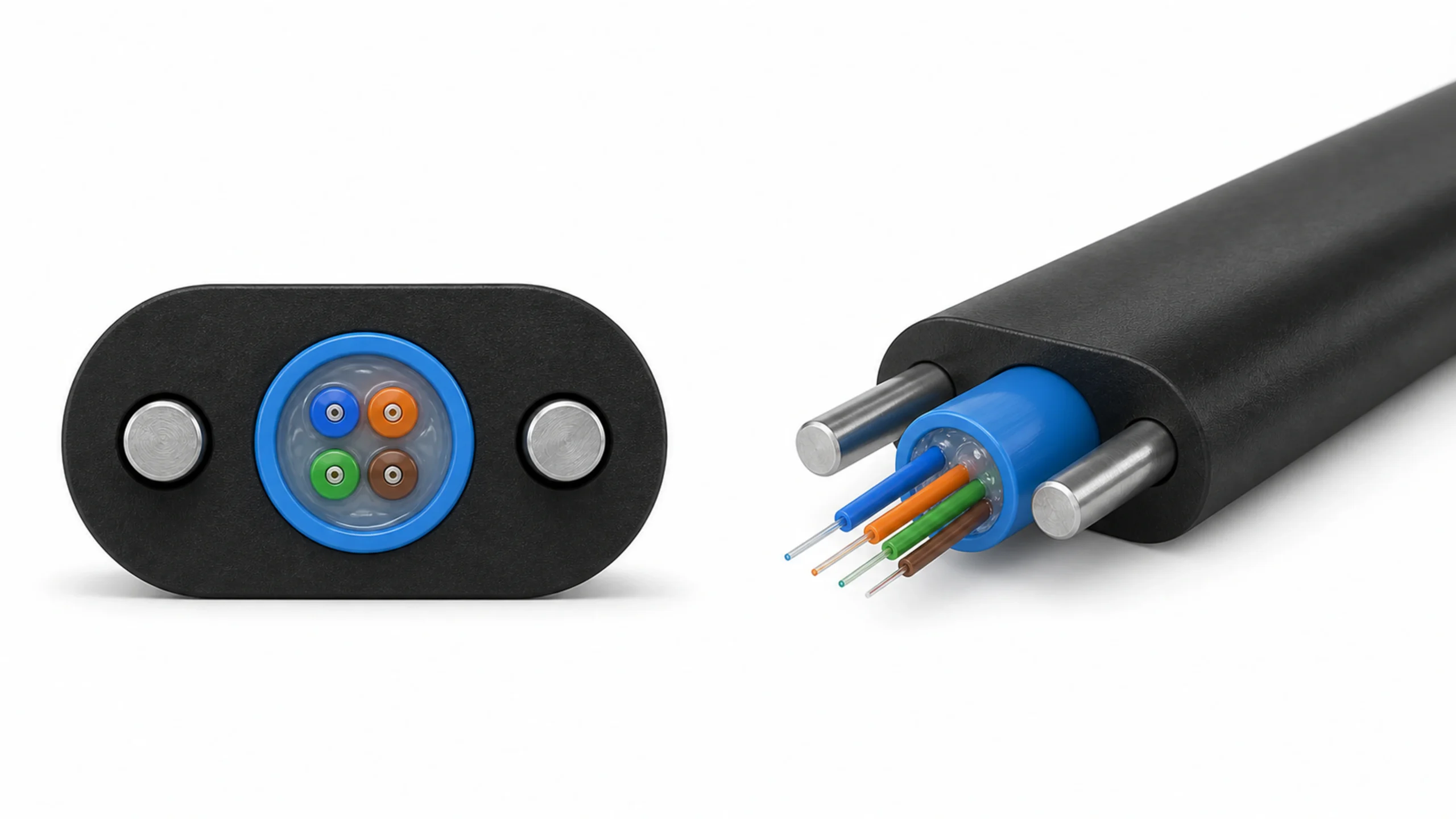
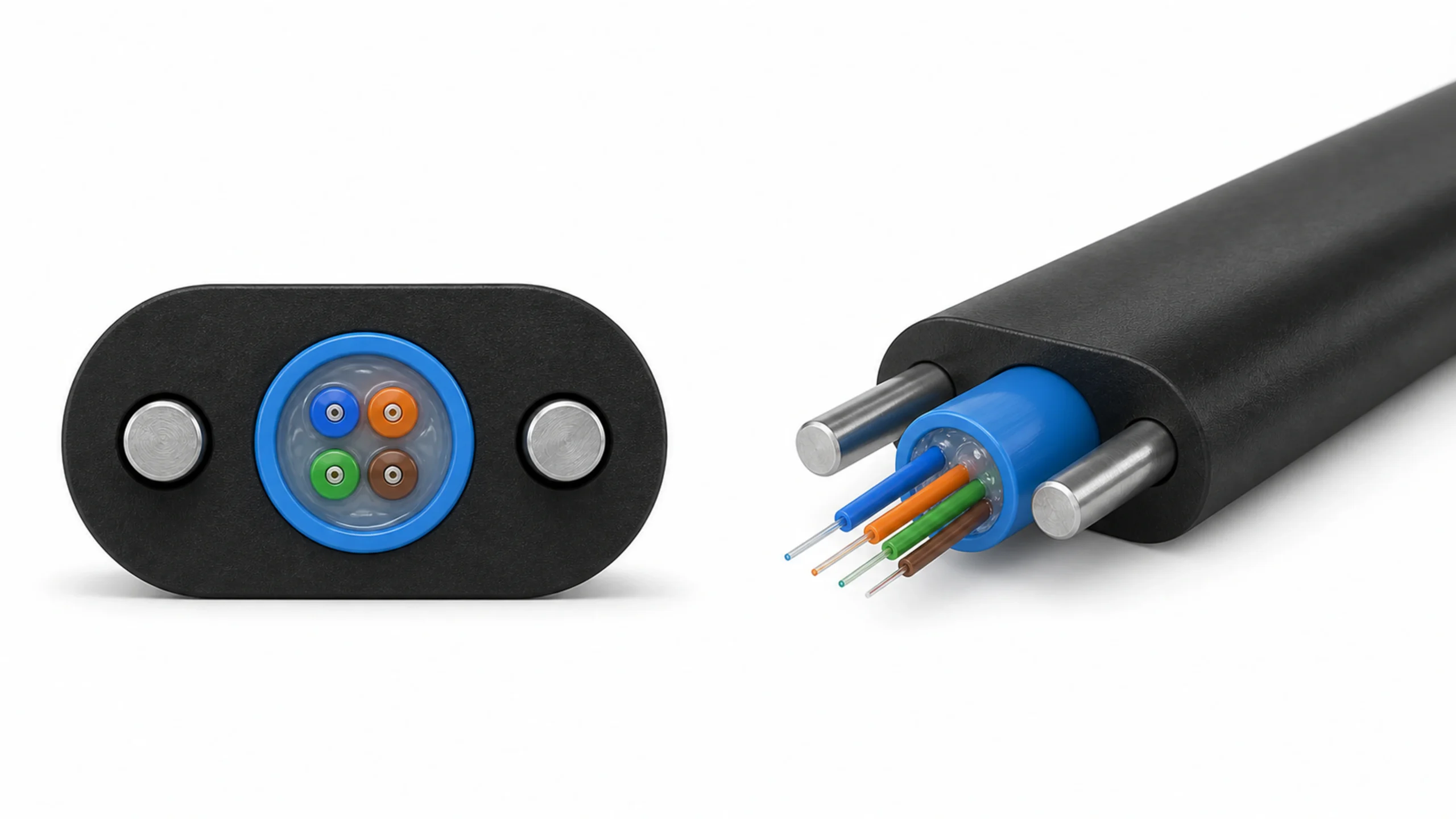
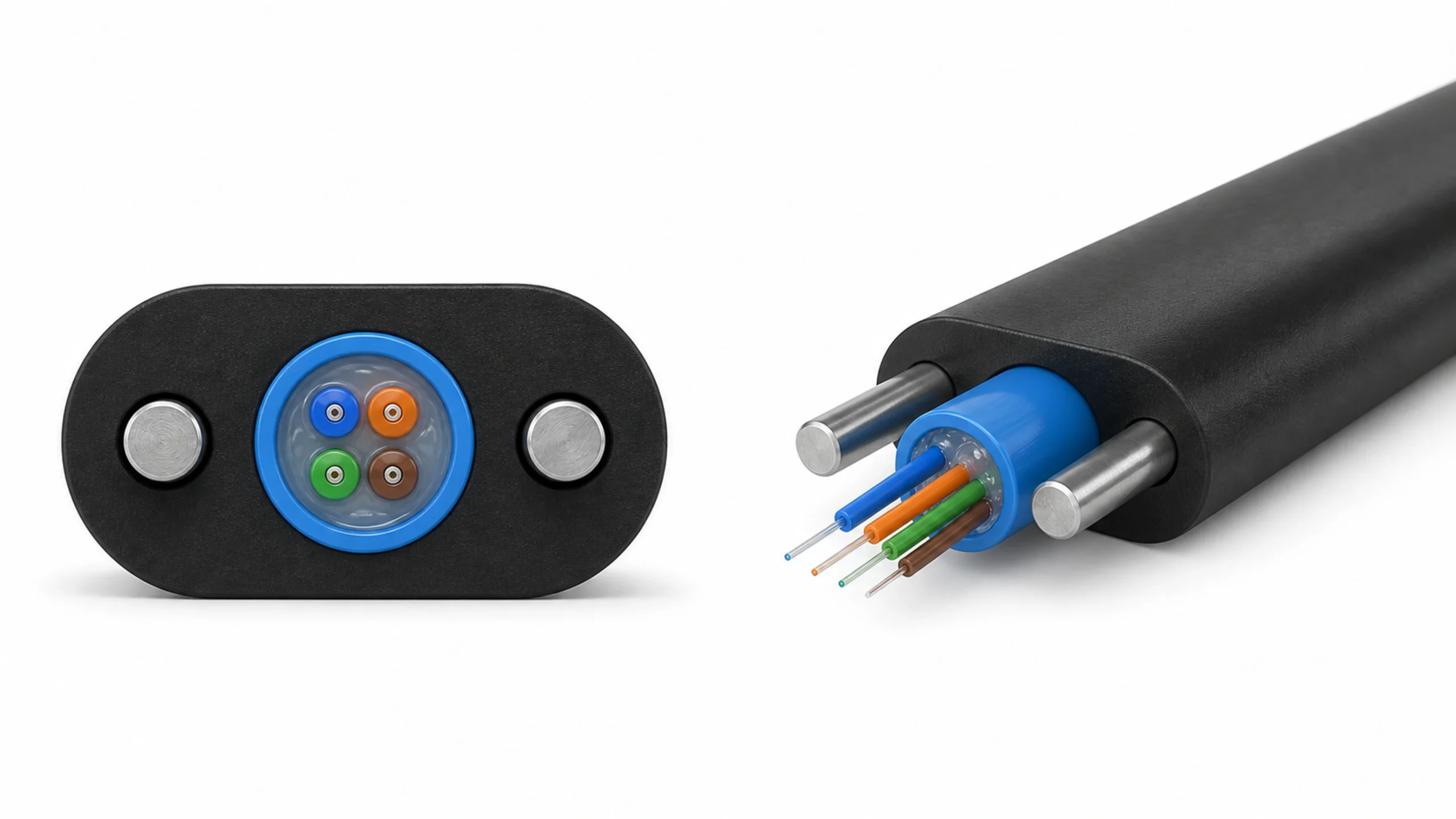
Construction matters: armored, all-dielectric and figure-8 cables require different preparation, reinforcement and tooling. One illustrated arrangement does not establish compatibility with every cable.
See the sheathing process. Plan the acceptance trial.
The HONGKAI HK-90 video shows a sheathing reference for an ADSS cable route. Use it to discuss equipment and operating sequence, then agree the trial for your construction.
01PRODUCT
Trial the specified construction.
Use the approved core, sheath compound, protection materials and output drum.
02PROCESS
Check coordinated behavior.
Observe extrusion, cooling, diameter monitoring, traction and take-up during starts, steady running and stops.
03OUTPUT
Agree the inspection record.
Check finished diameter, sheath thickness and appearance, marking, winding and the agreed optical and jacket tests.
ACCEPTANCE BASISഅംഗീകൃത ഡ്രോയിംഗ് + യോജിച്ച മെറ്റീരിയലുകൾ + പ്രവർത്തന സാഹചര്യങ്ങൾ + എഴുതിയ പരിശോധനാ രീതി
എഴുതിയ നിർദ്ദേശം ഉപകരണ തിരഞ്ഞെടുപ്പ്, ഏകീകരണം, സ്റ്റാർട്ട്-അപ്പ് ഉത്തരവാദിത്തങ്ങൾ എന്നിവ തമ്മിൽ ബന്ധിപ്പിക്കണം. HONGKAI ഉമായി നിങ്ങളുടെ പദ്ധതിയുടെ പരിധി സ്ഥിരീകരിക്കുക.
01
ഉപകരണ വ്യാപ്തി
നൽകിയിട്ടുള്ള മൊഡ്യൂളുകളും അളവുകളും സpecified ചെയ്യുക
Identify retained and buyer-supplied equipment
ഉപകരണ-സ്രോതസ്സ് ഉത്തരവാദിത്തങ്ങൾ രേഖപ്പെടുത്തുക
02
Line integration
ലേഔട്ടും മെറ്റീരിയൽ-ഫ്ലോ ഇന്റർഫേസുകളും അവലോകനം ചെയ്യുക
നിയന്ത്രണങ്ങൾ, സൗകര്യങ്ങൾ, സുരക്ഷാ അതിർത്തികൾ എന്നിവ നിർവചിക്കുക
Agree installation and commissioning scope
03
ആരംഭവും പിന്തുണയും
Define trial products and acceptance records
ഓപ്പറേറ്റർ പരിശീലനവും രേഖകളും സ്ഥിരീകരിക്കുക
Agree spare-parts and after-sales scope
09START THE ENGINEERING REVIEW
Tell us about the cable you need to sheath.
നിങ്ങളുടെ ഡ്രോയിംഗ്, ഉൽപ്പന്ന ആവശ്യകതകൾ അല്ലെങ്കിൽ നിലവിലുള്ള ഉപകരണങ്ങൾ ഉപയോഗിച്ച് ആരംഭിക്കുക. ആദ്യ റിവ്യൂ സമയത്ത് സാങ്കേതിക വിശദാംശങ്ങൾ സ്ഥിരീകരിക്കാം.
WHAT TO PREPARE
Nine inputs for your sheathing line.
01
Cable drawing and finished dimensions
02
Incoming core or loose-tube details
03
Sheath compound and jacket thickness
04
Reinforcement, tape and ripcord requirements
05
Input and output drum sizes / weights
06
Target output and operating plan
07
Marking, testing and acceptance criteria
08
Factory layout and retained equipment
09
Utilities, installation and project timing
10BUYER FAQ
Questions before specifying an HK-90 sheathing line.
Review the cable construction, equipment boundary and information needed for a proposal.
01HK-90 ഷീത്തിംഗ് ലൈൻ എന്താണ് ഉത്പാദിപ്പിക്കുന്നത്?
ഇത് തയ്യാറാക്കിയ ഒപ്റ്റിക്കൽ കേബിൾ കോറിലോ അല്ലെങ്കിൽ നിർമ്മാണ-സ്പെസിഫിക് ട്യൂബിലോ സംരക്ഷണ പാക്കേജിലോ നിർദ്ദിഷ്ടമായ ബാഹ്യ ഷീത്ത് പ്രയോഗിക്കുകയും, തുടർന്ന് കേബിൾ തണുപ്പിക്കുകയും, പരിശോധിക്കുകയും, ശേഖരിക്കുകയും ചെയ്യുന്നു. അപ്സ്ട്രീം ഫൈബർ കളറിംഗ്, ലൂസ്-ട്യൂബ് എക്സ്ട്രൂഷൻ, SZ സ്ട്രാൻഡിംഗ് എന്നിവ പ്രോജക്റ്റ് സ്കോപ്പിൽ ഉൾപ്പെടുത്താത്തിടത്തോളം വേർതിരിച്ച ഘട്ടങ്ങളാണ്.
02ഒരു ലൈനിൽ GYXTW, ADSS, 8 കേബിളുകൾ നിർമ്മിക്കാൻ കഴിയുമോ?
ഈ കേബിൾ കുടുംബങ്ങൾക്ക് HK-90 ഷീത്തിംഗ് ഘട്ടം ഉൾപ്പെടുത്താം, എന്നാൽ അവ ഒരേ തരത്തിലുള്ള ഉപകരണ പാക്കേജ് ഉപയോഗിക്കുന്നില്ല. ഓരോ കേബിൾ ഡ്രോയിംഗിനും കോർ ഹാൻഡ്ലിംഗ്, റീയിൻഫോഴ്സ്മെന്റ്, ആർമറിംഗ്, മെസഞ്ചർ പൊസിഷനിംഗ്, ക്രോസ്ഹെഡ് ടൂളിംഗ്, ഡൗൺസ്ട്രീം ടെസ്റ്റിംഗ് എന്നിവ പരിശോധിക്കേണ്ടതുണ്ട്.
03എല്ലാ കോൺഫിഗറേഷനുകളിലും മെറ്റൽ-ടേപ്പ് ഉപകരണങ്ങൾ ഉൾപ്പെടുത്തിയിട്ടുണ്ടോ?
ലോഹപ്പട്ടികയുടെ പേ-ഓഫ്, ജോയിനിംഗ്, അക്ക്യുമുലേഷൻ, കോറഗേറ്റിംഗ്, ലോഞ്ചിറ്റ്യൂഡിനൽ ഫോർമിംഗ് എന്നിവ സ്പെസിഫൈഡ് ആർമർഡ് അല്ലെങ്കിൽ കോമ്പോസിറ്റ്-ഷീത്ത് നിർമ്മാണത്തിനായി തിരഞ്ഞെടുക്കപ്പെടുന്നു. ഒരു ഓൾ-ഡൈഇലക്ട്രിക് റൂട്ടിന് വ്യത്യസ്തമായ റീയിൻഫോഴ്സ്മെന്റ് ആവശ്യകതകളുണ്ട്.
04ഉദ്ധരിച്ച വേഗതയും ഔട്ട്പുട്ടും എന്താണ് അർത്ഥമാക്കുന്നത്?
സോഴ്സ് PE കേബിളിന് 80 m/min വരെയും 10 mm ന് താഴെയും, ക്രോസ്ഹെഡ് തുറന്ന അവസ്ഥയിൽ PE യുടെ എക്സ്ട്രൂഷൻ-ഔട്ട്പുട്ട് റഫറൻസ് 250 kg/h വരെയും നൽകുന്നു. ഈ മൂല്യങ്ങൾ പ്രസ്താവിച്ച റഫറൻസ് സാഹചര്യങ്ങളെ വിവരിക്കുന്നു. കേബിൾ, കംപൗണ്ട്, ടൂളിംഗ്, കൂളിംഗ്, ഓപ്പറേറ്റിംഗ് പദ്ധതി എന്നിവയ്ക്കനുസൃതമായി യഥാർത്ഥ അംഗീകൃത കേബിൾ ഔട്ട്പുട്ട് ഉടമ്പടി ചെയ്യപ്പെടണം.
05ഏതൊക്കെ ഷീത്ത് സംയുക്തങ്ങൾ ഉപയോഗിക്കാം?
നൽകിയിട്ടുള്ള എക്സ്ട്രൂഡർ റഫറൻസ് PE, PVC എന്നിവയെ വിവരിക്കുന്നു. കൃത്യമായ ഗ്രേഡും ആവശ്യമായ സ്ക്രൂ, ടൂളിംഗ്, ഡ്രൈയിംഗ്, താപനിലാ സെറ്റിംഗുകളും സ്ഥിരീകരിക്കുക. LSZH അല്ലെങ്കിൽ മറ്റൊരു കോമ്പൗണ്ട് ഉൾപ്പെടുത്തിയിട്ടുണ്ടെന്ന് ഒരു പ്രത്യേക എഞ്ചിനീയറിംഗ് റിവ്യൂ കൂടാതെ അനുമാനിക്കരുത്.
ഉപകരണ റഫറൻസിൽ ഒരു മെറ്റൽ-ടേപ്പ് അക്ക്യുമുലേറ്റർ ഉൾപ്പെടുന്നു, അത് ടേപ്പിന്റെ ജോയിനിംഗ് സീക്വൻസിനായി ടേപ്പ് സൂക്ഷിക്കുന്നു. ഒരു ഫിനിഷ്ഡ്-കേബിൾ അക്ക്യുമുലേറ്റർ വ്യത്യസ്തമായ ചുമതല നിർവഹിക്കുകയും അതിന്റെ സ്വന്തം കോൺഫിഗറേഷൻ, ടെൻഷൻ, സ്റ്റോറേജ്-ലെങ്ത്ത്, റീൽ-ചേഞ്ച് റിവ്യൂ ആവശ്യമായി വരികയും ചെയ്യുന്നു.
07Can the jacket spark tester be used for ADSS?
പരിശോധനയുടെ ബാധകത കേബിളിന്റെ നിർമ്മാണത്തെയും അനുയോജ്യമായ ഒരു വൈദ്യുത റിട്ടേൺ പാത്തിനെയും ആശ്രയിച്ചിരിക്കുന്നു. ലോഹം അടങ്ങിയ കേബിളിന് സമാനമായ സ്പാർക്ക്-ടെസ്റ്റ് ഏർപ്പാട് ഒരു ഓൾ-ഡൈയലെക്ട്രിക് കേബിളിന് യാന്ത്രികമായി നൽകരുത്. യഥാർത്ഥ ഉൽപ്പന്നത്തിനുള്ള പരിശോധന രീതിയും അംഗീകാര മാനദണ്ഡങ്ങളും സ്ഥിരീകരിക്കുക.
08ഒരു ഉദ്ധരണത്തിനായി ഞാൻ എന്താണ് അയയ്ക്കേണ്ടത്?
Send the cable drawing, incoming core, sheath compound, protection materials, required drum sizes and production target. Add your factory layout and existing machines if available. Technical details can be completed during the first review.
We've detected you might be speaking a different language. Do you want to change to:






 English
 हिन्दी
 فارسی