
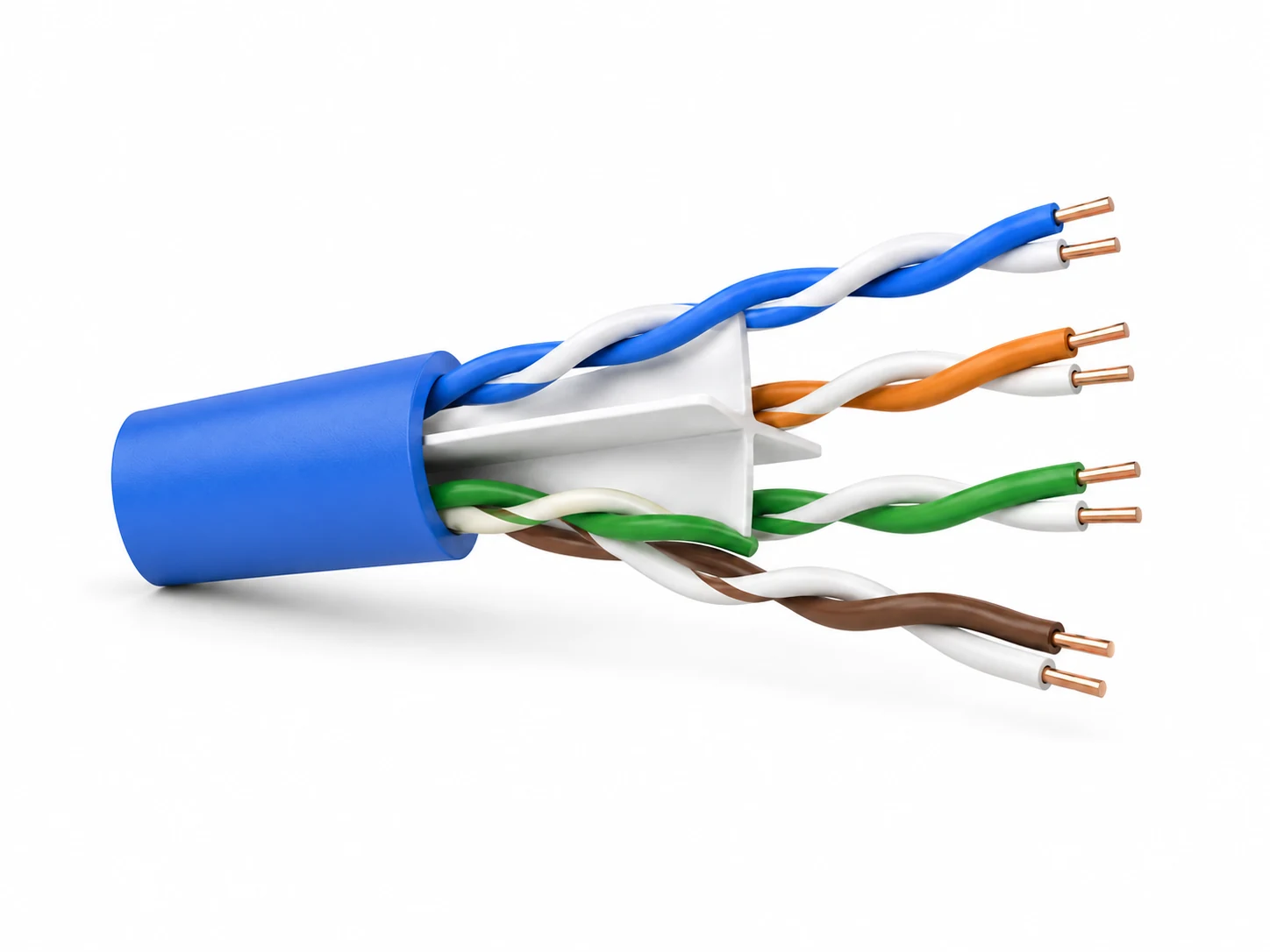








느슨한 튜브 생산 라인
Secondary coating · Manual & semi-automatic reel change
중앙 튜브형 및 스트랜디드 광케이블에 사용되는 루즈 튜브 요소를 생산합니다. 광섬유 취급, 튜브 압출, 냉각 및 권취를 하나의 조율된 공정으로 검토한 후, 수동 릴 교체 방식과 HK-50 a 및 HK-60 반자동 릴 교체 구성 방식을 비교합니다.
- INPUT
- Approved fibers, tube polymer and specified filling system
- QUALIFIED OUTPUT
- Loose tube on the confirmed output package
- CORE PROCESS
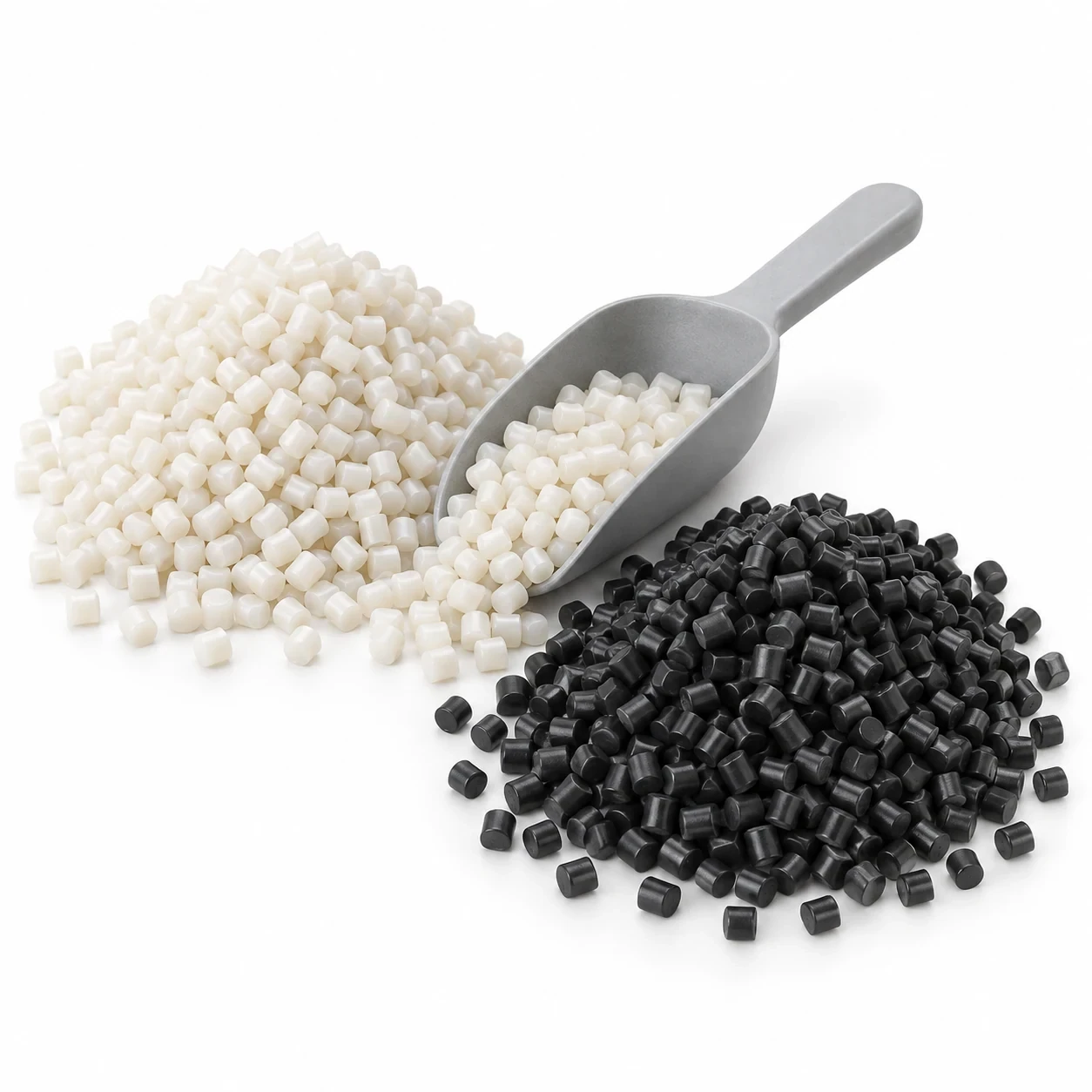
- Pay off → apply specified filling / water blocking → extrude → cool → measure → take up
- APPLICATION
- Central-tube and stranded loose-tube cable routes
Scope boundary: this page covers secondary coating only. Fiber coloring, cable-core stranding, armoring and final sheathing remain separate stages unless included in a wider written proposal.
One process family. Four different reasons to configure it.
The equipment family is selected from the cable route, material path, output package and factory interface—not from a model number alone.
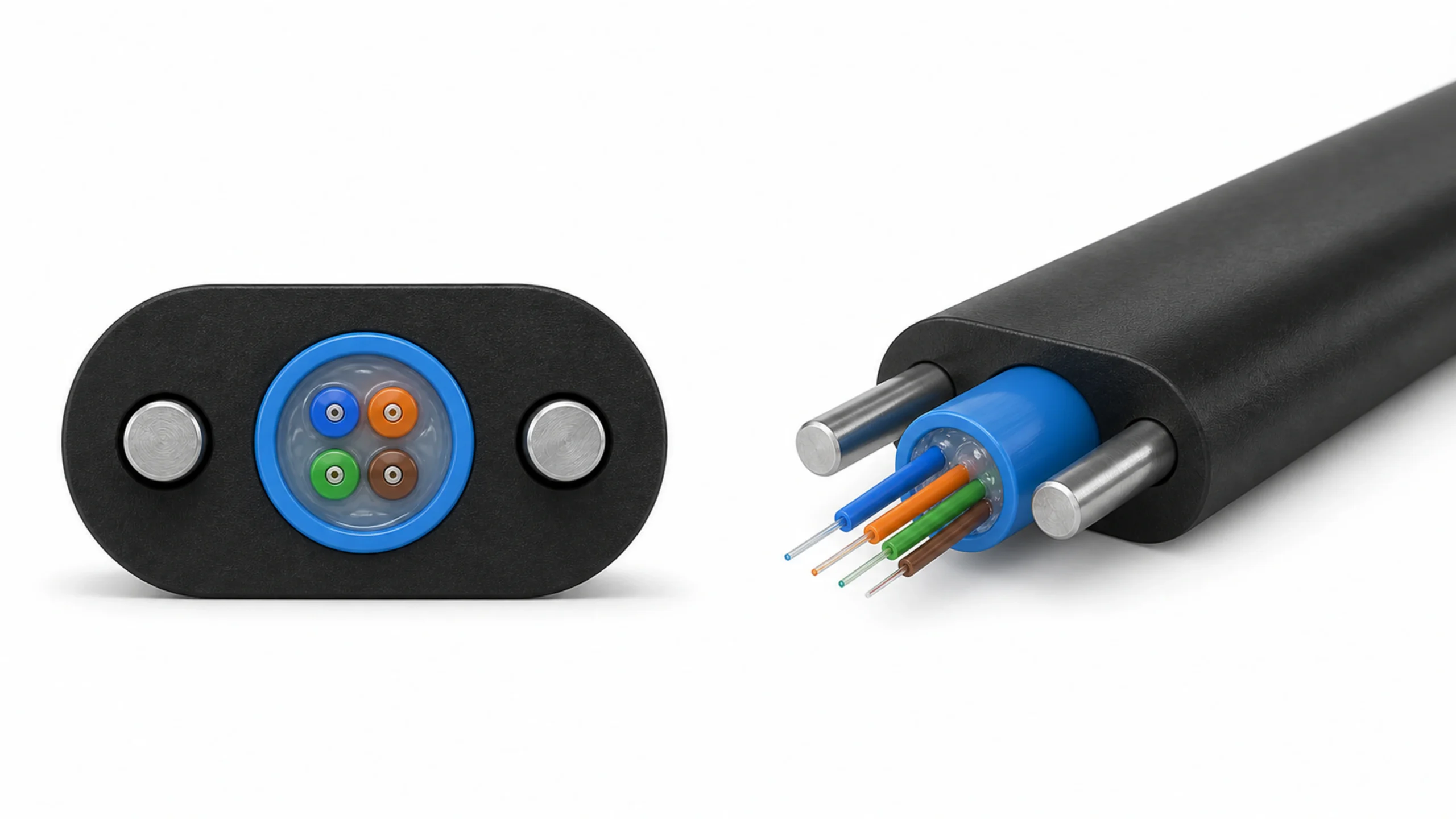
Form one qualified loose tube for an approved central loose-tube cable construction.
Confirm the tube construction, strength-member arrangement and downstream sheathing interface.
Prepare multiple loose tubes for the following SZ core-forming stage.
Confirm tube quantity, fillers, central member and the package handed to stranding.
Replace or extend one part of an operating secondary-coating line.
Document retained equipment, mechanical interfaces, signals, line direction and ownership.
Plan a complete loose-tube workshop around product and factory conditions.
Review materials, packages, utilities, layout, testing and operator workflow together.
Define the handoff before defining the machine.
The same visible line can represent different supply boundaries. The proposal should make each responsibility explicit.
Buyer provides
- Approved cable and loose-tube drawings
- 광섬유 사양 및 공급 패키지
- 튜브 폴리머, 마스터배치 및 충전 요구사항
- 대상 출력 릴 또는 패키지
- 공장 레이아웃, 유틸리티 및 보유 장비
- Product test method and acceptance criteria
HONGKAI configures
- 광섬유 페이오프 및 취급 모듈
- 충전 또는 지정된 방수 인터페이스
- 자재 준비, 압출 및 공구 범위
- 냉각, 측정, 트랙션 및 동기화
- 수동 또는 반자동 릴 취급 장치
- 참조 레이아웃, 제어 장치, 인터록 및 FAT 계획
Jointly confirm
- 재료 및 공구 호환성
- 튜브 형상 및 생산 윈도우
- 여유 섬유 길이 제어 및 시험 방법
- 릴 교체 순서 및 허용 중단
- 포함, 제외 및 다운스트림 인계
- FAT samples, acceptance evidence and services
Choose how the line handles the next reel.
Manual reel change uses the FTTH drop-cable-style dual-axis take-up. HK-50 and HK-60 share the same semi-automatic take-up. Compare operator tasks and equipment-assisted steps here, then review each complete line's extrusion, cooling and production requirements separately.
Explore the equipment behind each process.
Select a numbered marker or a module below to locate its equipment in the complete line and view the matching 3D detail. All equipment details open here, without leaving the page.

01 · Multi-position fiber pay-off racksLine entrance · the two fiber pay-off racks
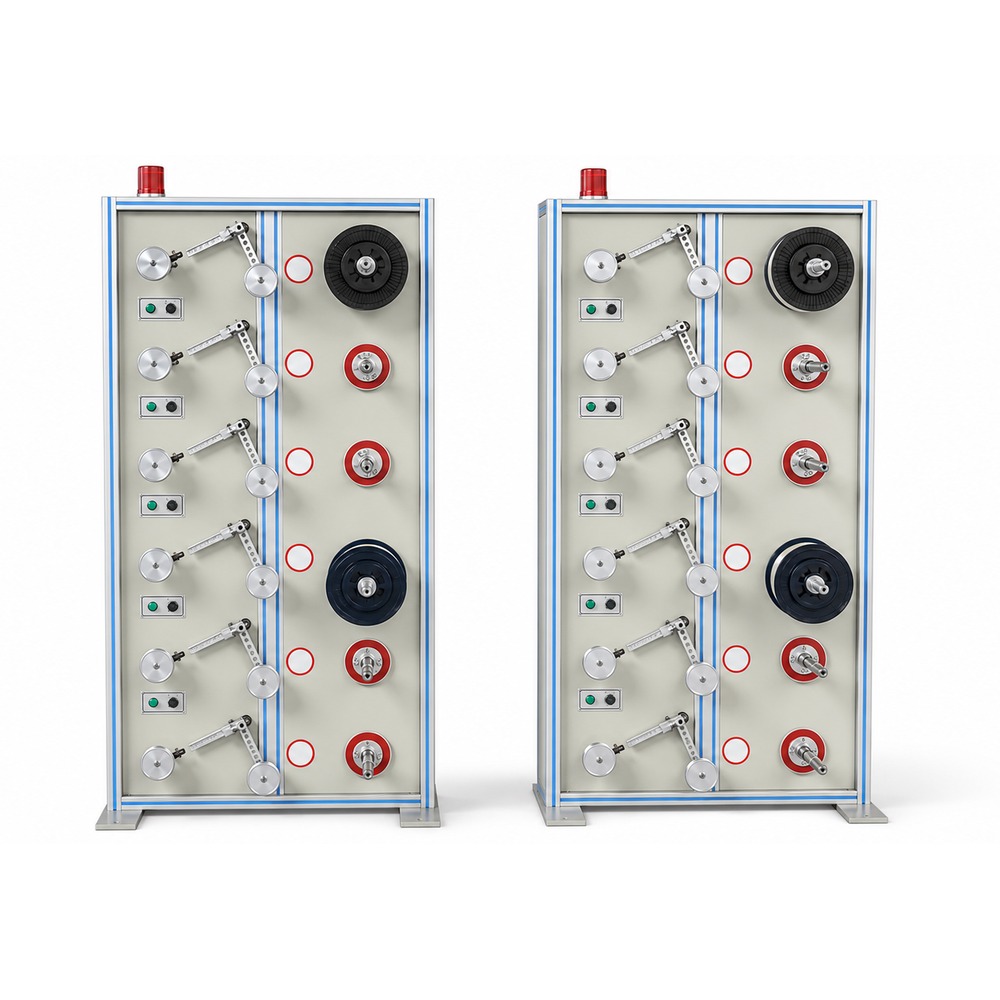
12-head pay-off assembly · proposal equipment reference, not the total line quantity
Multi-position fiber pay-off racks
The rack group at the line entrance feeds optical fibers toward extrusion. The detail shows the proposal's 12-head pay-off assembly; total rack quantity, package count, tension control and fiber routing follow the approved tube construction.
Confirm fiber count, input reel dimensions and tension requirements.
Selected module 01: Multi-position fiber pay-off racks. Line entrance · the two fiber pay-off racks.
Reference architecture: ten process responsibilities do not mean ten separate machines. Solid outlines locate visible equipment; the dashed outline marks an interface that is not separately resolved. Final hardware and layout follow the approved configuration.
Compare structure, operation and production requirements.
Use the same product and acceptance conditions to compare all three configurations. Rated speed, stable running speed and net production output are different values; request each with its stated trial conditions.
Swipe across the table to compare all three configurations.
| Review item | ManualOperator-managed change | HK-50 ReferenceSemi-automatic change reference | HK-60 ReferenceSemi-automatic change reference |
|---|---|---|---|
| Take-up arrangement | FTTH-style dual-axis take-up with operator-managed reel change | Shared semi-automatic take-up — same arrangement as HK-60 | Shared semi-automatic take-up — same arrangement as HK-50 |
| Changeover approach | Operator-managed reel replacement | Define operator tasks and assisted transfer steps for HK-50 | Define operator tasks and assisted transfer steps for HK-60 |
| Continuity & accumulation | Confirm whether a controlled stop is acceptable | Define storage, transfer and permitted interruption together | Size storage and transfer for the reviewed production requirement |
| Extrusion & cooling | Select from tube drawing and material | Confirm the HK-50 screw, tooling and cooling configuration | Confirm the HK-60 screw, tooling and cooling configuration separately |
| Line speed & output | Assess stable running plus reel-change and restart time | Quote running speed and net output for the specified product | Quote its own operating window; do not reuse HK-50 values |
| Tube & reel range | Confirm tube OD, wall thickness, fiber count and output reel | 튜브 범위, 릴 치수 및 이송 호환성을 확인하세요. | 튜브 범위, 릴 치수 및 이송 호환성을 확인하세요. |
| Operator tasks | Reel replacement, restart and quality checks | 릴 준비, 제거, 보충 및 장애 복구 | 릴 준비, 제거, 보충 및 장애 복구 |
| Acceptance trial | Stop, replace reel, restart and check tube quality | Witness transfer, winding, alarms and tube quality at changeover | Witness the agreed HK-60 sequence with its own trial conditions |
Numerical specifications are not yet confirmed for these three configurations. Compare their separate technical proposals against the same tube drawing, materials, reel package and output target.
상세 엔지니어링 점검 목록을 열기
Product & material
- 루즈튜브 드로잉TO CONFIRM
- Fiber count & input packageTO CONFIRM
- Polymer and color systemTO CONFIRM
- Filling / water blockingTO CONFIRM
- Tooling scopeTO CONFIRM
공정 제어
- Pay-off tensionTO CONFIRM
- Extrusion monitoringTO CONFIRM
- Cooling zonesTO CONFIRM
- Online measurementTO CONFIRM
- EFL strategyTO CONFIRM
Reel handling
- Manual / semi-automaticTO CONFIRM
- AccumulationTO CONFIRM
- Transfer & cuttingTO CONFIRM
- Operator interventionTO CONFIRM
- Restart qualityTO CONFIRM
Factory integration
- Line directionTO CONFIRM
- Available footprintTO CONFIRM
- 유틸리티TO CONFIRM
- Retained equipmentTO CONFIRM
- Control signalsTO CONFIRM
Acceptance boundary
- Buyer materialsTO CONFIRM
- FAT productsTO CONFIRM
- Sampling methodTO CONFIRM
- Changeover trialTO CONFIRM
- Handover scopeTO CONFIRM
Match the equipment to your product mix.
Provide your tube drawing, expected output and reel-change requirement so that extrusion, cooling, accumulation, take-up and controls can be reviewed as one line.
One loose-tube stage. Multiple cable applications.
See where secondary coating fits into each complete cable-production route. Central-tube constructions proceed to their specified protection and sheathing stages; stranded constructions need a cable-core forming stage first.
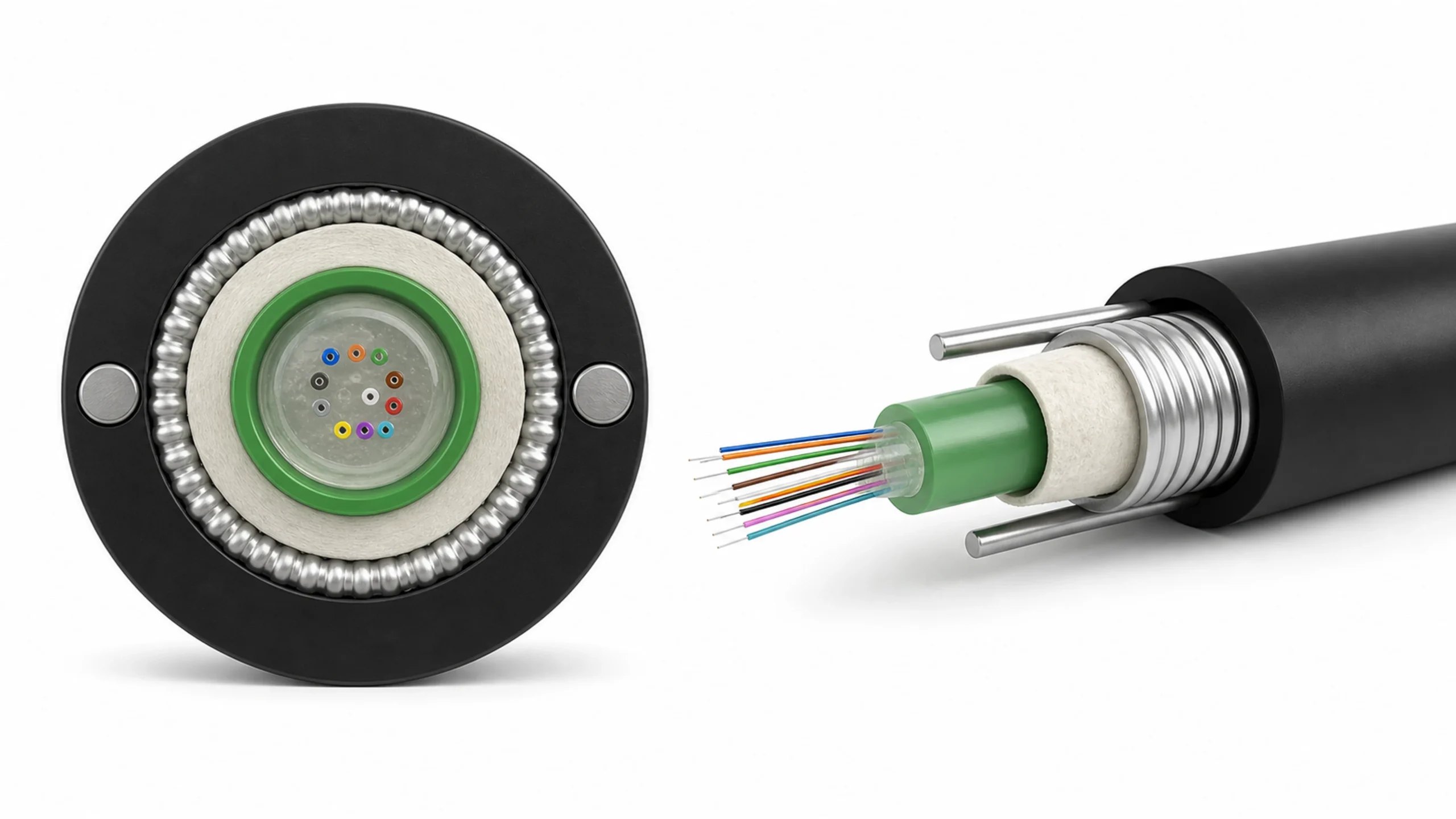
GYXTW Central Loose-Tube Cable
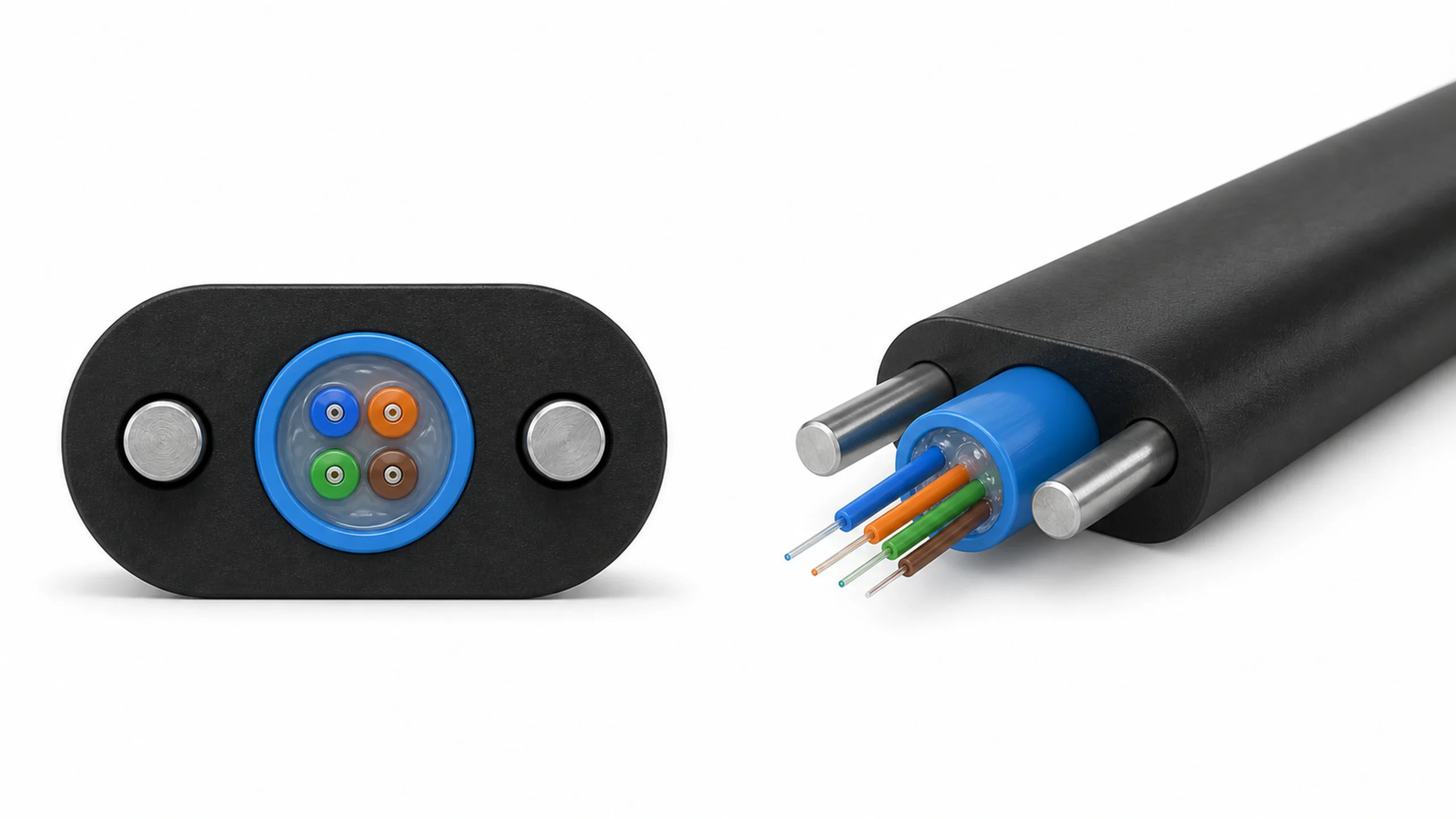
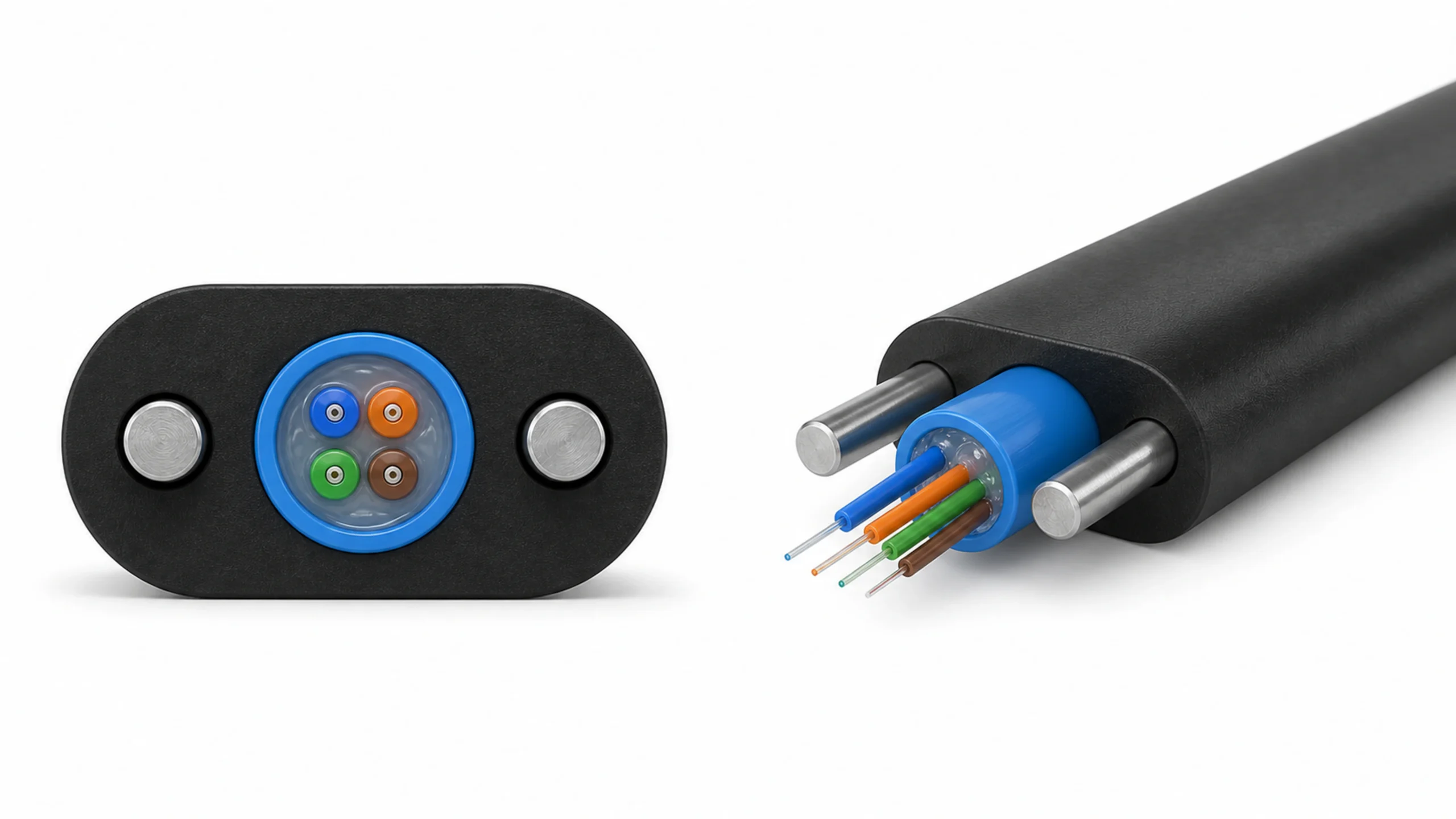
The process forms the central loose tube before the protection, armoring and sheathing stage.
Open cable solution
GYXTPY Small-Oval Central Loose-Tube Cable
The loose-tube element proceeds to parallel strength-member integration and final sheathing.
Open cable solution
Central Loose-Tube ASU Cable
The central PBT loose tube feeds the approved non-metallic forming and sheathing route.
Open cable solution
Stranded Loose-Tube Micro Cable
Individual loose tubes proceed to compact SZ cable-core formation before final PE sheathing.
Open cable solution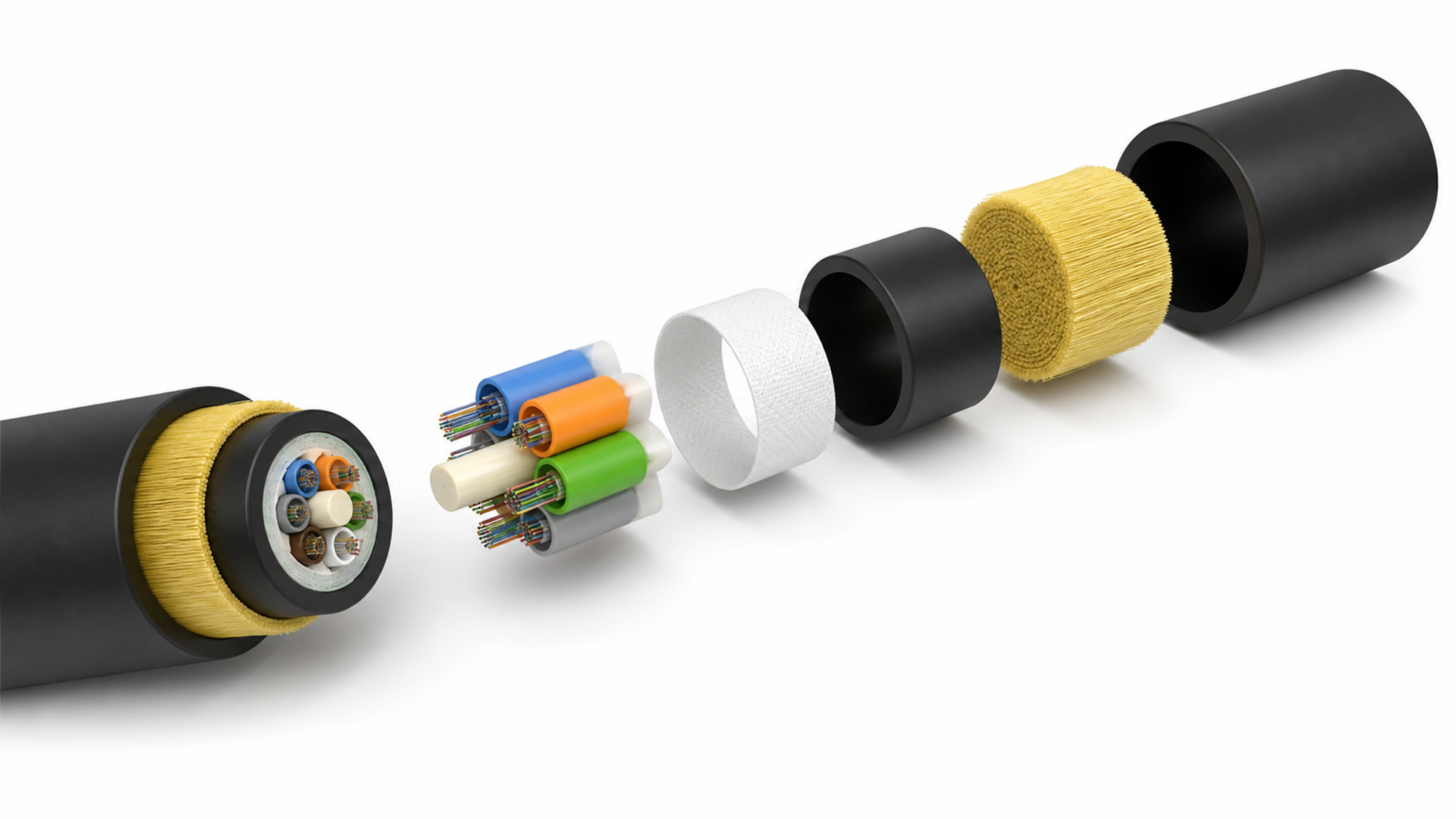
스트랜디드 루즈튜브 ADSS 케이블
Loose tubes feed SZ stranding, all-dielectric reinforcement and final sheathing.
Open cable solution
GYXTC8S Figure-8 Cable
The referenced loose tubes proceed to SZ core formation before GYXTC8S armoring, messenger positioning and figure-8 sheathing.
Open cable solutionFunction before model code: these cards refer only to the published cable constructions on their linked solution pages. Other central-tube or stranded loose-tube constructions require drawing review. FTTH drop, tight-buffered, GJFJV, GJFV and Patch Cord routes are not included merely because another page may use an HK-50 label.
Use the visual to plan the proof—not to replace it.
3D models support configuration review. The approved FAT plan establishes what the project must actually demonstrate.
Visible equipment arrangement
Use the 3D model to discuss module order, material path and the arrangement being reviewed.
Final values or acceptance
It does not confirm final quantity, footprint, speed, capacity, continuity or an accepted result.
The agreed operating boundary
Verify product, materials, controls, alarms, reel-change sequence, waste and restart quality.
Real project records. Loose-tube priorities made specific.
These HONGKAI-authored summaries connect existing customer project records with the equipment and engineering responsibilities reviewed for a loose-tube production line. They are not presented as verbatim quotations or customer-issued ratings.

Equipment review
- 장비
- Fiber handling, the filling-system interface, extrusion, staged cooling, online measurement and reel handling were reviewed as one connected loose-tube process.
- HONGKAI support
- HONGKAI organized the discussion around the approved tube construction and the downstream cable-production route.

Engineering coordination
- 장비
- Tube polymer, filling method, tooling, cooling path, EFL control and the output package were treated as connected configuration inputs.
- HONGKAI support
- HONGKAI translated the available project information into an equipment scope and FAT checklist for technical review.

Project support
- 장비
- Line interfaces, utilities, layout, controls, reel-change operation and acceptance samples were considered with the production equipment.
- HONGKAI support
- HONGKAI kept inclusions, exclusions, handoff responsibilities and the acceptance boundary visible throughout project planning.
Source boundary: names, roles and photos follow existing HONGKAI customer records. The loose-tube-specific wording is prepared by HONGKAI from project-review priorities; no star score, verbatim endorsement, Review or AggregateRating markup is asserted.
Tell us what you need to produce or improve.
Share your project and contact details. Add specifications or drawings if available; unknown technical values can be confirmed during the engineering review.
Nine inputs make the first review useful.
- 01
Target cable family and loose-tube drawing
- 02
Fiber count, specification and supply package
- 03
Tube polymer, masterbatch and filling system
- 04
Manual or semi-automatic reel-change preference
- 05
Output reel dimensions and planned batch length
- 06
Whether a controlled stop is acceptable
- 07
Existing upstream and downstream equipment
- 08
Factory layout, utilities and line direction
- 09
Required FAT products and acceptance method
Questions before you specify the line.
Review cable compatibility, reel-change operation and the information needed for a project-specific proposal.
01Do HK-50 and HK-60 use different semi-automatic take-ups?
아니요. 두 라인 모두 여기 표시된 동일한 반자동 권취 장치를 사용합니다. 수동 릴 교체는 FTTH 드롭 케이블 스타일의 이중축 권취 장치를 대신 사용합니다. 반자동 권취 장치를 공유한다고 해서 두 완전 라인이 동일해지는 것은 아닙니다. 각 프로젝트마다 압출, 냉각, 제어 및 생산 사양을 별도로 검토합니다.
02이 페이지는 고정된 HK-50 사양인가요?
아니요. 이 공용 프로세스 패밀리 페이지는 수동 릴 교체 기준을 HK-50 a 및 HK-60 프로젝트 기준과 비교하며, 해당 프로젝트의 반자동 릴 교체 범위는 아직 엔지니어링 검토 대상입니다. 최종 압출기, 제어 시스템, 패키지, 설치 면적 및 승인 값은 서면 프로젝트 구성에 명시되어 있습니다.
03Does HK-60 automatically mean higher speed than HK-50?
아니요. 가족 이름만으로는 속도, 용량 또는 릴 범위를 증명할 수 없습니다. 이러한 값들은 승인된 튜브 도면, 재질 시스템, 완전한 장비 목록 및 서명된 기술 제안서를 필요로 합니다.
04이 루즈튜브 공정을 사용할 수 있는 광케이블은 어떤 것입니까?
연결된 GYXTW, GYXTPY 및 센트럴 튜브형 ASU 솔루션은 중앙 루즈 튜브 요소를 사용합니다. 참조된 마이크로 케이블, ADSS 및 GYXTC8S 솔루션은 케이블 코어 연선 전에 루즈 튜브를 사용합니다. 호환성은 여전히 승인된 구조, 튜브 재질, 치수 및 다운스트림 인터페이스에 따라 달라집니다. 타이트 버퍼형 및 드롭 케이블 공정은 서로 다른 프로세스입니다.
05라인이 기존 장비에 연결될 수 있습니까?
잠재적으로 가능합니다. 홍카이(HONGKAI)는 먼저 기계적 인터페이스, 신호, 패키지 크기, 라인 방향, 안전 책임 및 작동 순서를 검토해야 합니다.
06What should a semi-automatic reel-change FAT demonstrate?
합의된 제품 및 재료는 누적, 이송, 절단, 작업자 개입, 경보, 허용 중단, 교체 시 발생하는 폐기물 및 재시작 품질 검사를 입증하는 데 사용되어야 한다.