









Линия по производству свободных труб
Вторичное покрытие · Ручная и полуавтоматическая смена бухт
USD 102,300 per set
Quoted configuration: HK-50 PLC+IPC Control Loose Tube Production Line. Ex-factory delivery; the buyer arranges and pays transport. Final equipment and tooling follow the agreed configuration schedule.
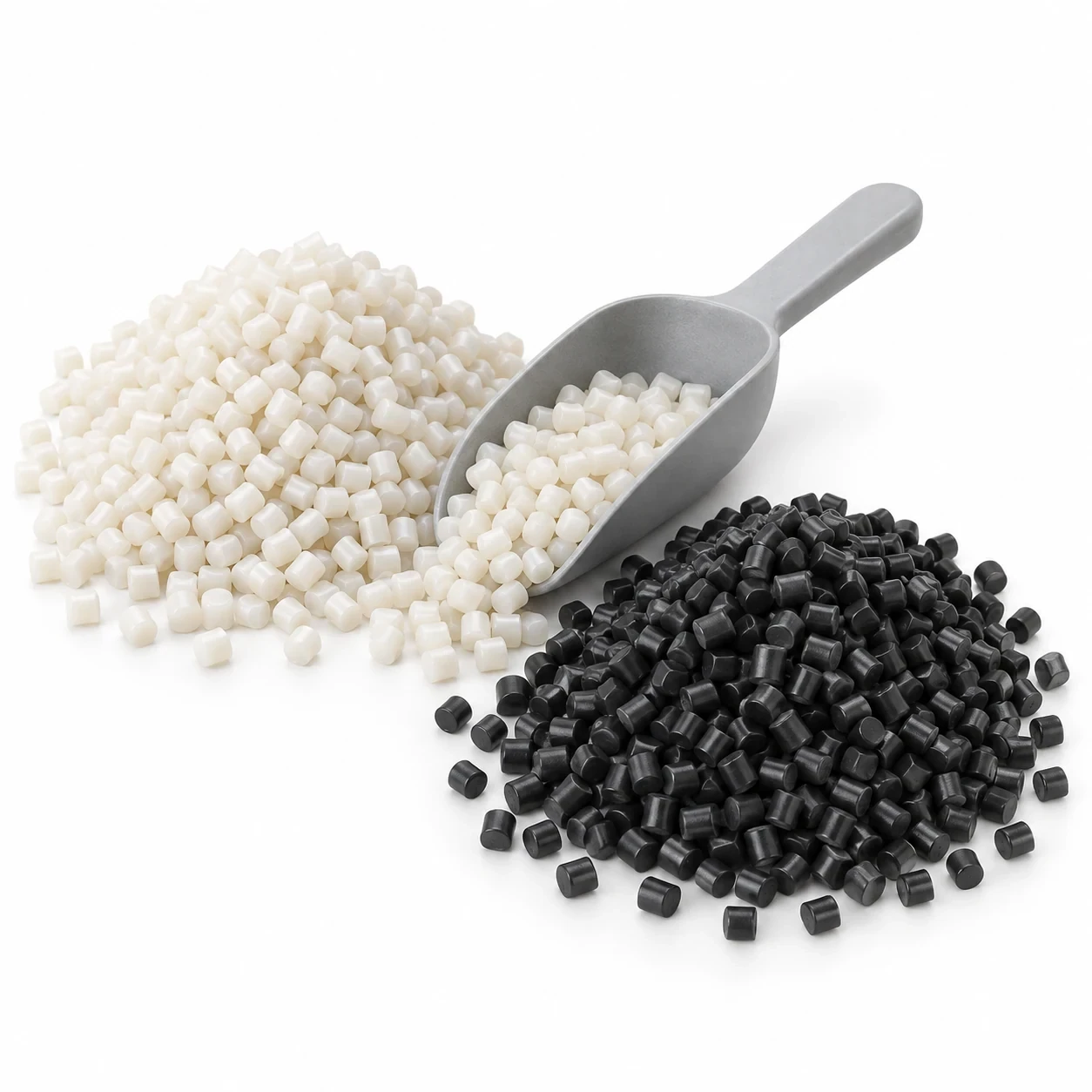
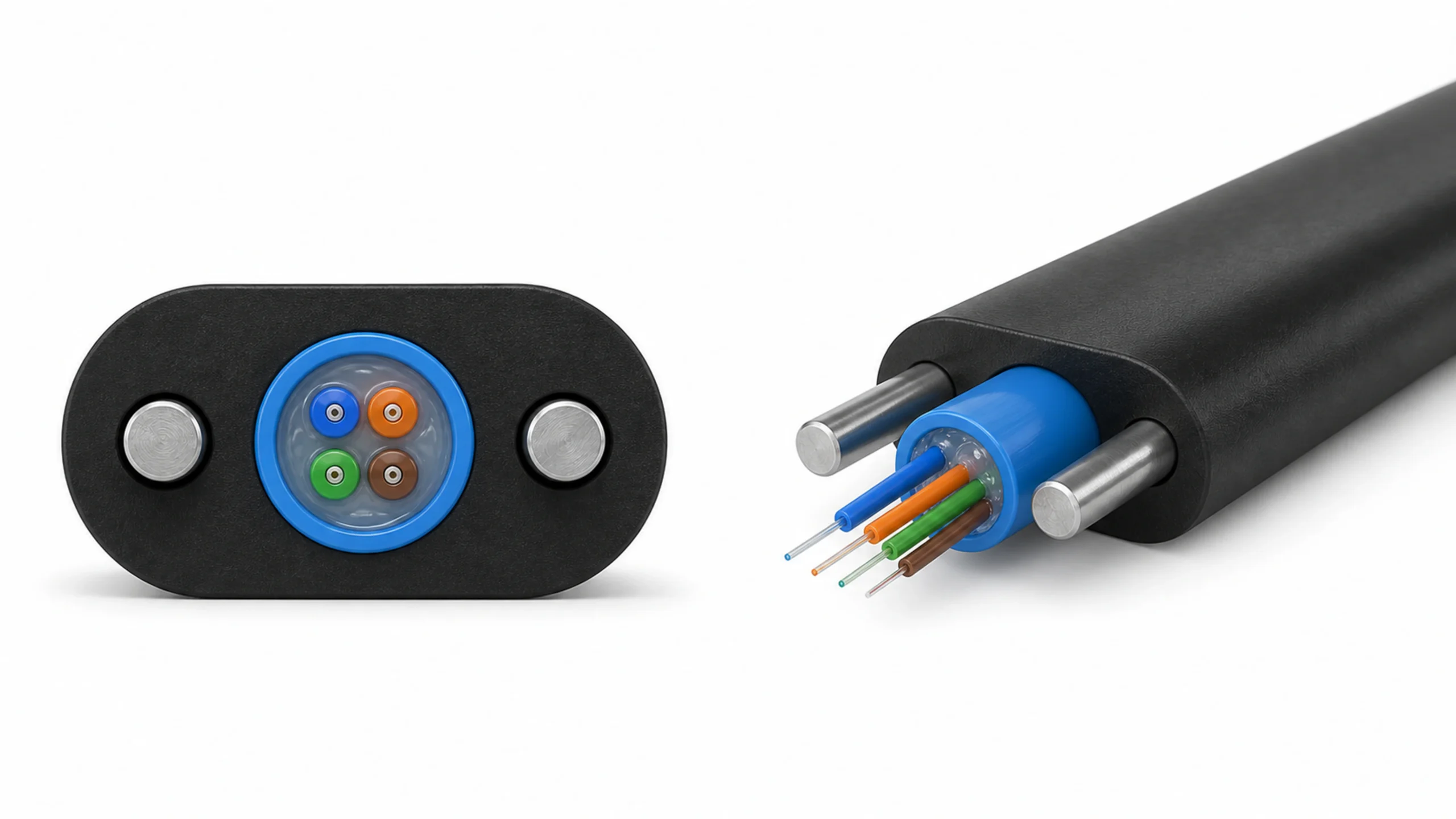
Производите элемент с ослабленной трубкой, используемый в оптических кабелях с центральной трубкой и повивной конструкцией. Рассмотрите обращение с оптическим волокном, экструзию трубки, охлаждение и намотку как единый согласованный процесс, затем сравните ручную замену бухты с полуавтоматическими конфигурациями замены бухты HK-50 a и HK-60.
- INPUT
- Approved fibers, tube polymer and specified filling system
- QUALIFIED OUTPUT
- Loose tube on the confirmed output package
- CORE PROCESS
- Pay off → apply specified filling / water blocking → extrude → cool → measure → take up
- APPLICATION
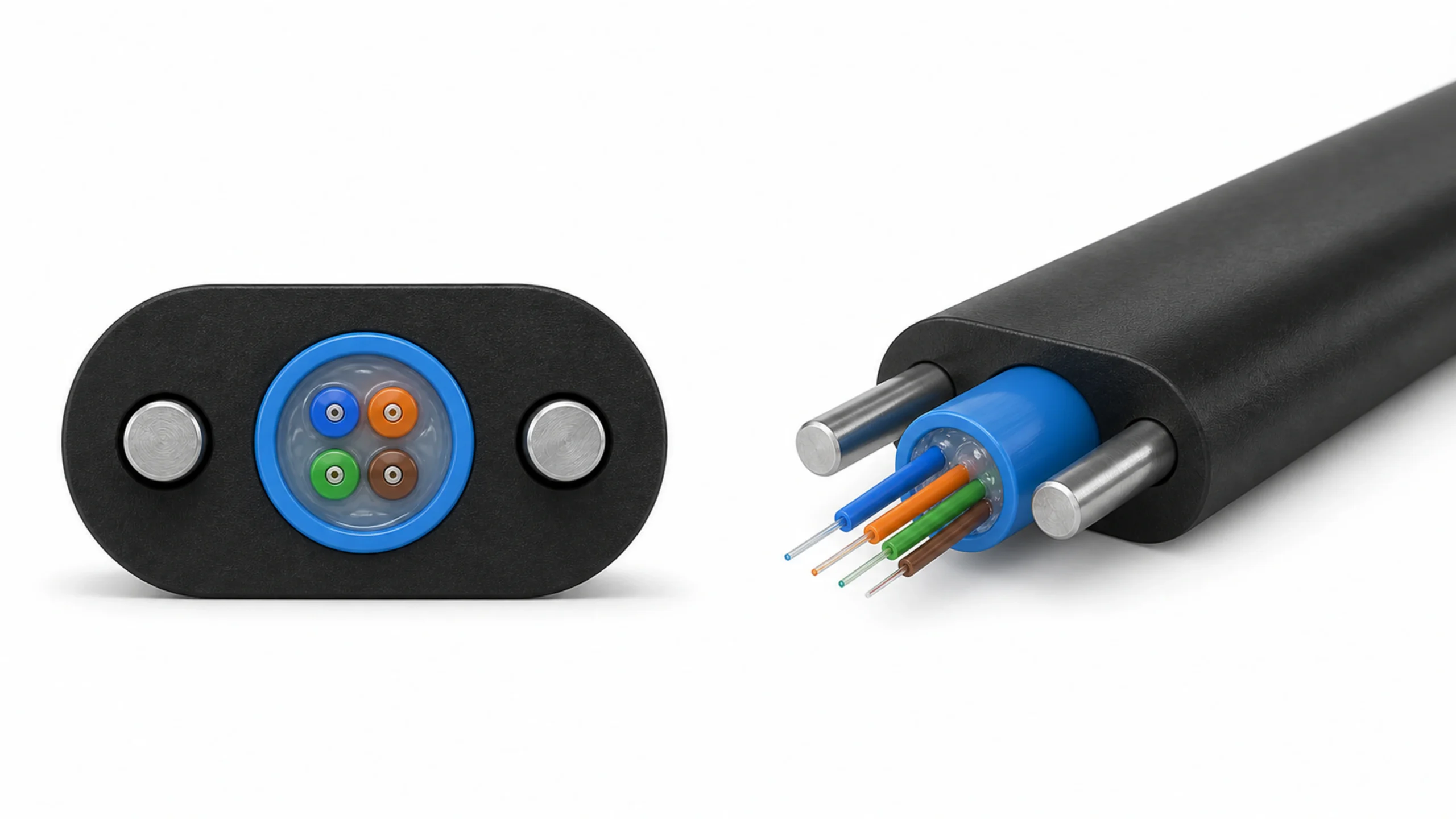
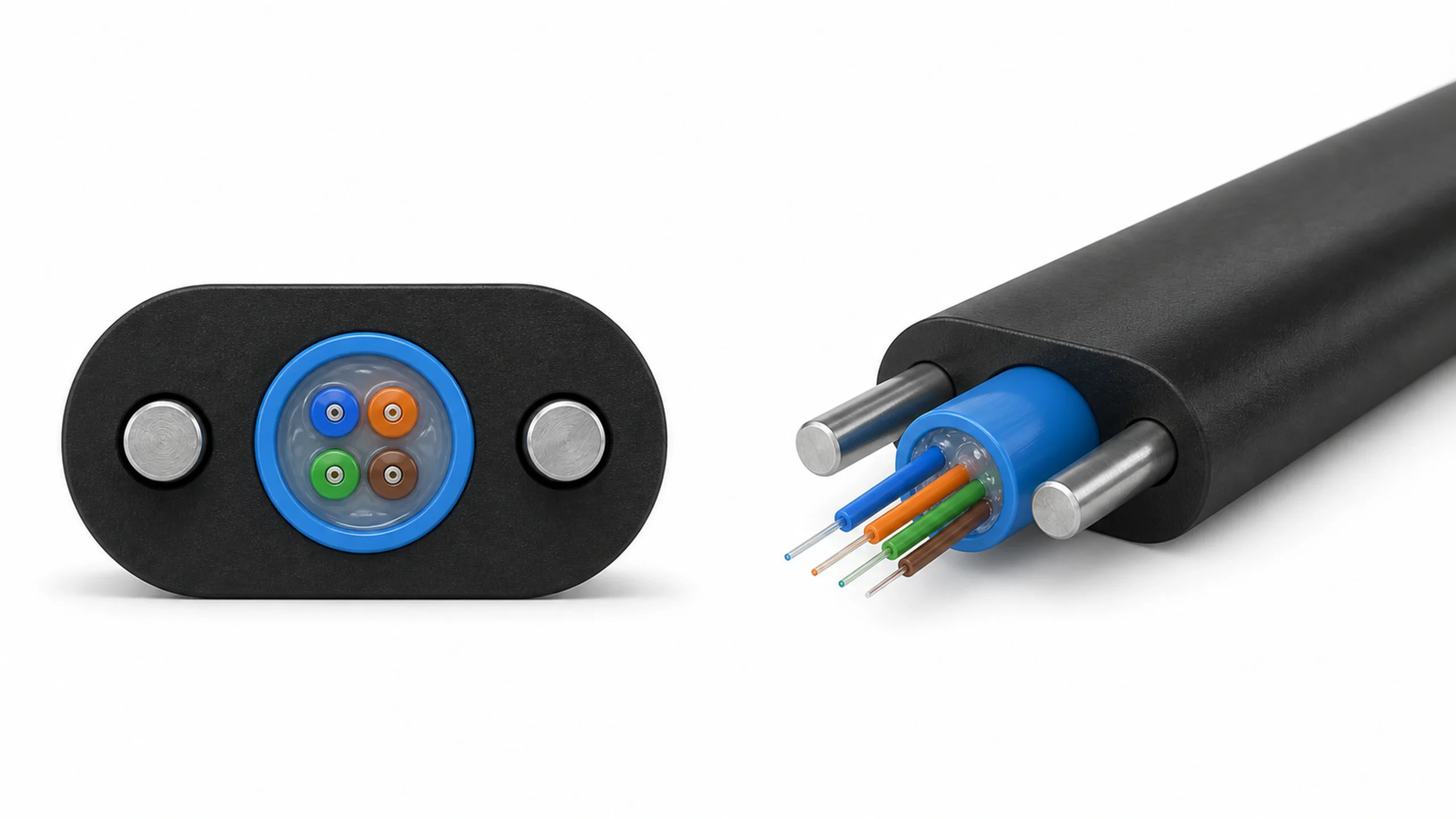
- Central-tube and stranded loose-tube cable routes
Scope boundary: this page covers secondary coating only. Fiber coloring, cable-core stranding, armoring and final sheathing remain separate stages unless included in a wider written proposal.
One process family. Four different reasons to configure it.
The equipment family is selected from the cable route, material path, output package and factory interface—not from a model number alone.
Form one qualified loose tube for an approved central loose-tube cable construction.
Confirm the tube construction, strength-member arrangement and downstream sheathing interface.
Prepare multiple loose tubes for the following SZ core-forming stage.
Confirm tube quantity, fillers, central member and the package handed to stranding.
Replace or extend one part of an operating secondary-coating line.
Document retained equipment, mechanical interfaces, signals, line direction and ownership.
Plan a complete loose-tube workshop around product and factory conditions.
Review materials, packages, utilities, layout, testing and operator workflow together.
Define the handoff before defining the machine.
The same visible line can represent different supply boundaries. The proposal should make each responsibility explicit.
Buyer provides
- Approved cable and loose-tube drawings
- Спецификация оптического волокна и комплект поставки
- Требования к полимерной трубке, концентрату и заполнению
- Целевая выходная катушка или упаковка
- Планировка завода, коммунальные услуги и сохраняемое оборудование
- Метод испытания продукции и критерии приемки
HONGKAI configures
- Модули размотки и обработки волокна
- Заполнение или указанная водоизоляционная поверхность
- Подготовка материалов, экструзия и оснастка
- Охлаждение, измерение, тяга и синхронизация
- Ручная или полуавтоматическая система обращения с бухтами
- Reference layout, controls, interlocks and FAT plan
Jointly confirm
- Совместимость материалов и оснастки
- Геометрия трубы и производственное окно
- Метод управления и испытания избыточной длины волокна
- Последовательность смены бухты и допустимое прерывание
- Включение, исключение и передача данных по цепочке
- Образцы для проведения FAT, подтверждающие документы и услуги
Выберите, как линия обрабатывает следующую катушку.
Manual reel change uses the FTTH drop-cable-style dual-axis take-up. HK-50 and HK-60 share the same semi-automatic take-up. Compare operator tasks and equipment-assisted steps here, then review each complete line's extrusion, cooling and production requirements separately.
Explore the equipment behind each process.
Select a numbered marker or a module below to locate its equipment in the complete line and view the matching 3D detail. All equipment details open here, without leaving the page.

01 - Multi-position fiber pay-off racksLine entrance · the two fiber pay-off racks
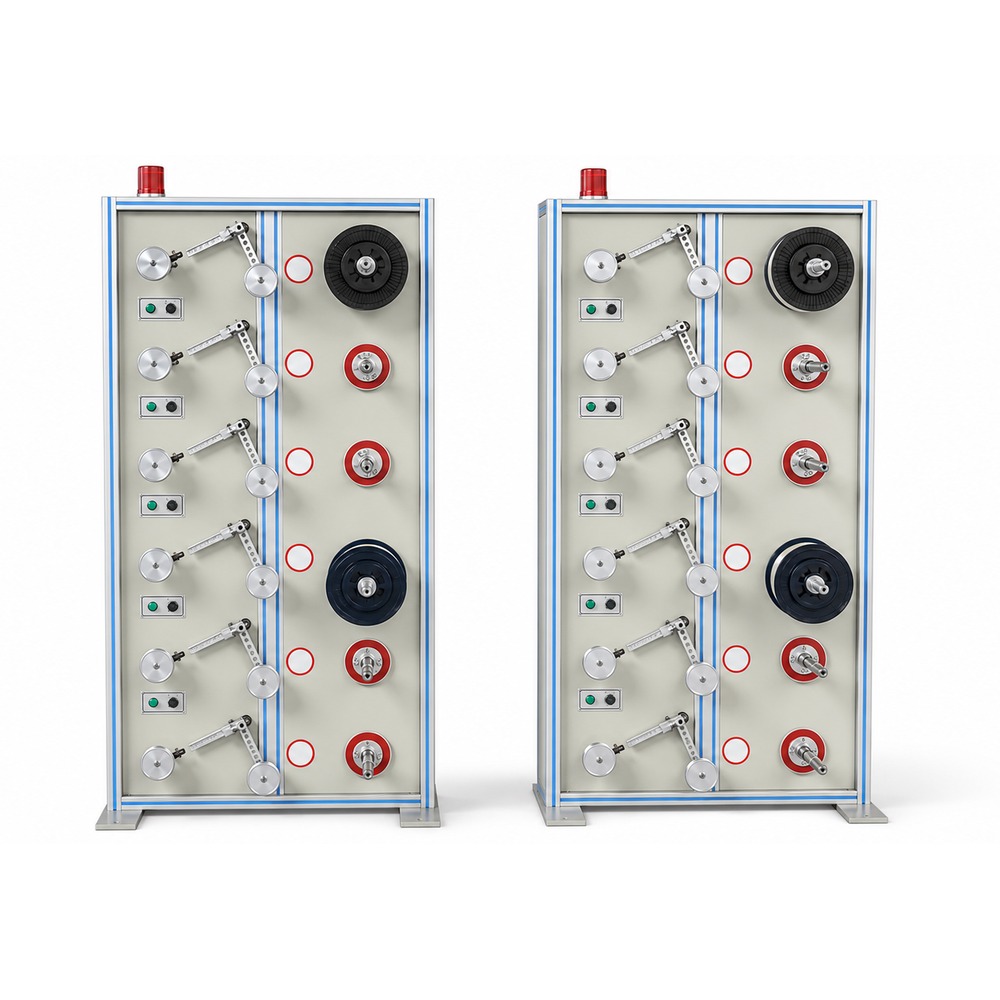
12-head pay-off assembly · proposal equipment reference, not the total line quantity
Multi-position fiber pay-off racks
The rack group at the line entrance feeds optical fibers toward extrusion. The detail shows the proposal's 12-head pay-off assembly; total rack quantity, package count, tension control and fiber routing follow the approved tube construction.
Подтвердите количество волокон, размеры входной бухты и требования к натяжению.
Selected module 01: Multi-position fiber pay-off racks. Line entrance · the two fiber pay-off racks.
Reference architecture: ten process responsibilities do not mean ten separate machines. Solid outlines locate visible equipment; the dashed outline marks an interface that is not separately resolved. Final hardware and layout follow the approved configuration.
Compare structure, operation and production requirements.
Use the same product and acceptance conditions to compare all three configurations. Rated speed, stable running speed and net production output are different values; request each with its stated trial conditions.
Swipe across the table to compare all three configurations.
| Review item | ManualOperator-managed change | HK-50 ReferenceSemi-automatic change reference | HK-60 ReferenceSemi-automatic change reference |
|---|---|---|---|
| Take-up arrangement | FTTH-style dual-axis take-up with operator-managed reel change | Shared semi-automatic take-up — same arrangement as HK-60 | Shared semi-automatic take-up — same arrangement as HK-50 |
| Changeover approach | Operator-managed reel replacement | Define operator tasks and assisted transfer steps for HK-50 | Define operator tasks and assisted transfer steps for HK-60 |
| Continuity & accumulation | Confirm whether a controlled stop is acceptable | Define storage, transfer and permitted interruption together | Size storage and transfer for the reviewed production requirement |
| Extrusion & cooling | Select from tube drawing and material | Confirm the HK-50 screw, tooling and cooling configuration | Confirm the HK-60 screw, tooling and cooling configuration separately |
| Скорость линии и производительность | Assess stable running plus reel-change and restart time | Quote running speed and net output for the specified product | Quote its own operating window; do not reuse HK-50 values |
| Ассортимент трубок и катушек | Confirm tube OD, wall thickness, fiber count and output reel | Confirm tube range, reel dimensions and transfer compatibility | Confirm tube range, reel dimensions and transfer compatibility |
| Operator tasks | Замена бухты, перезапуск и проверки качества | Reel preparation, removal, replenishment and fault recovery | Reel preparation, removal, replenishment and fault recovery |
| Acceptance trial | Stop, replace reel, restart and check tube quality | Проконтролировать передачу, намотку, сигналы тревоги и качество трубки при переходе | Witness the agreed HK-60 sequence with its own trial conditions |
Numerical specifications are not yet confirmed for these three configurations. Compare their separate technical proposals against the same tube drawing, materials, reel package and output target.
Откройте подробный контрольный список по инженерному обеспечению
Product & material
- Чертёж с незаполненной трубкойTO CONFIRM
- Количество волокон и входной пакетTO CONFIRM
- Полимерная и цветовая системаTO CONFIRM
- Заполнение / водоблокировкаTO CONFIRM
- Tooling scopeTO CONFIRM
Управление процессом
- Натяжение при размоткеTO CONFIRM
- Extrusion monitoringTO CONFIRM
- Cooling zonesTO CONFIRM
- Online measurementTO CONFIRM
- EFL strategyTO CONFIRM
Reel handling
- Ручной / полуавтоматическийTO CONFIRM
- AccumulationTO CONFIRM
- Transfer & cuttingTO CONFIRM
- Operator interventionTO CONFIRM
- Restart qualityTO CONFIRM
Factory integration
- Line directionTO CONFIRM
- Available footprintTO CONFIRM
- Коммунальные услугиTO CONFIRM
- Retained equipmentTO CONFIRM
- Control signalsTO CONFIRM
Acceptance boundary
- Buyer materialsTO CONFIRM
- FAT productsTO CONFIRM
- Sampling methodTO CONFIRM
- Changeover trialTO CONFIRM
- Handover scopeTO CONFIRM
Соотнесите оборудование с вашим ассортиментом продукции.
Предоставьте чертеж вашей трубки, ожидаемую производительность и требования к смене бухты, чтобы экструзия, охлаждение, накопление, намотка и система управления могли быть рассмотрены как единая линия.
Одна ступень loose-tube. Множество применений кабеля.
See where secondary coating fits into each complete cable-production route. Central-tube constructions proceed to their specified protection and sheathing stages; stranded constructions need a cable-core forming stage first.
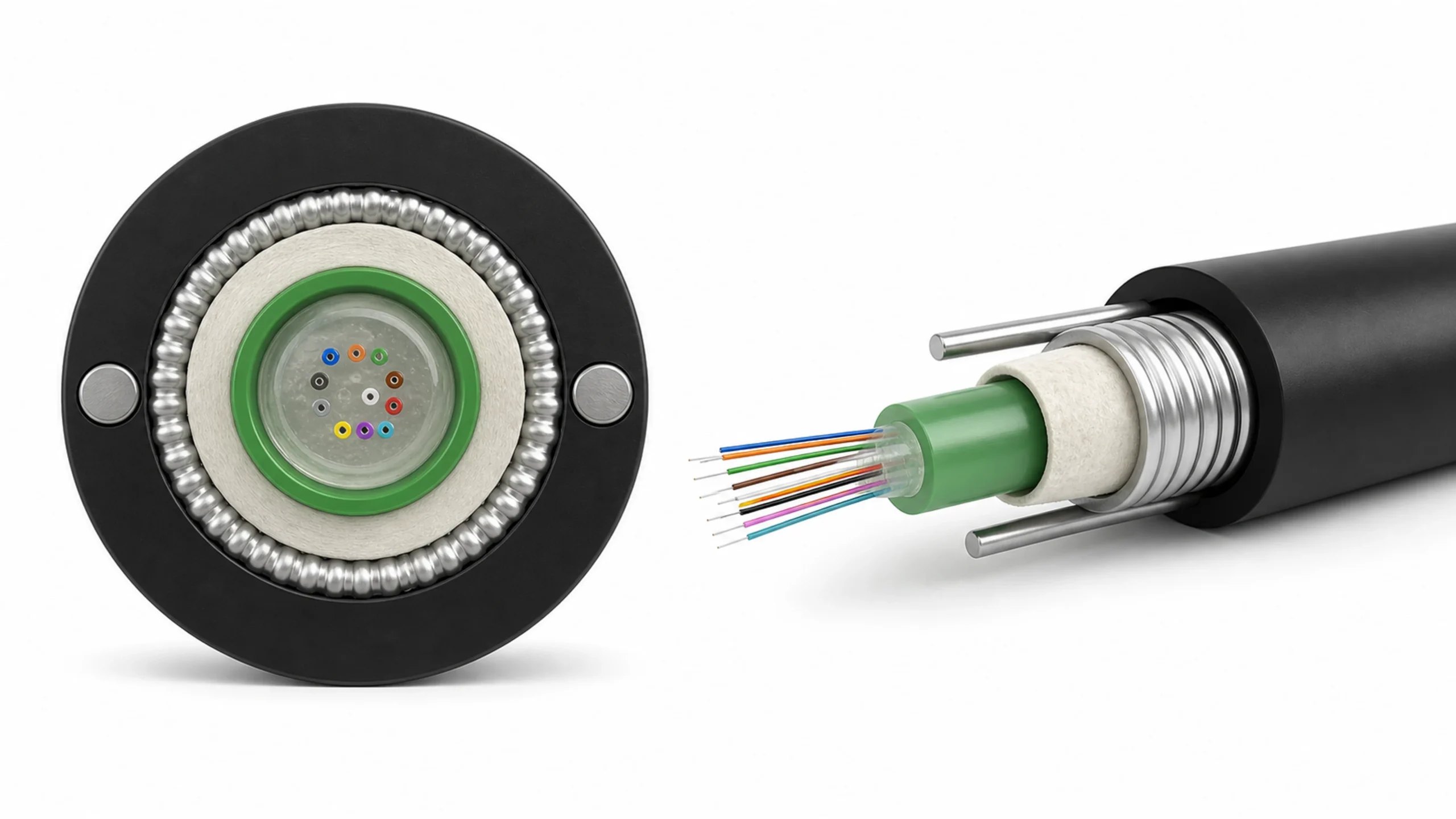
GYXTW Central Loose-Tube Cable
The process forms the central loose tube before the protection, armoring and sheathing stage.
Открытое кабельное решение
GYXTPY Small-Oval Central Loose-Tube Cable
The loose-tube element proceeds to parallel strength-member integration and final sheathing.
Открытое кабельное решение
Центральный кабель с незаполненной трубкой ASU
The central PBT loose tube feeds the approved non-metallic forming and sheathing route.
Открытое кабельное решение
Stranded Loose-Tube Micro Cable
Individual loose tubes proceed to compact SZ cable-core formation before final PE sheathing.
Открытое кабельное решение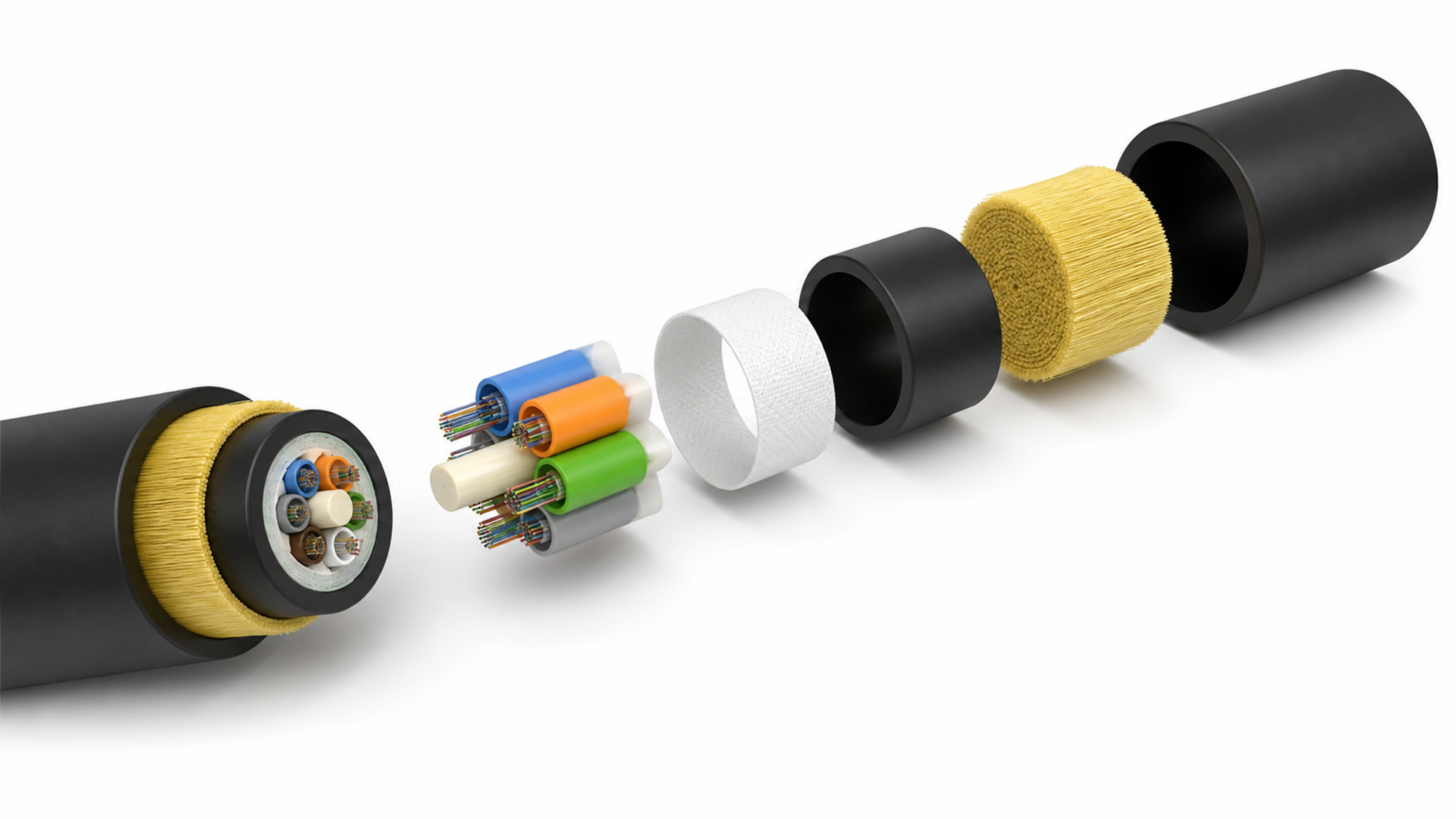
Stranded Loose-Tube ADSS Cable
Loose tubes feed SZ stranding, all-dielectric reinforcement and final sheathing.
Открытое кабельное решение
GYXTC8S Figure-8 Cable
The referenced loose tubes proceed to SZ core formation before GYXTC8S armoring, messenger positioning and figure-8 sheathing.
Открытое кабельное решениеFunction before model code: these cards refer only to the published cable constructions on their linked solution pages. Other central-tube or stranded loose-tube constructions require drawing review. FTTH drop, tight-buffered, GJFJV, GJFV and Patch Cord routes are not included merely because another page may use an HK-50 label.
Use the visual to plan the proof—not to replace it.
3D models support configuration review. The approved FAT plan establishes what the project must actually demonstrate.
Visible equipment arrangement
Use the 3D model to discuss module order, material path and the arrangement being reviewed.
Окончательные значения или принятие
It does not confirm final quantity, footprint, speed, capacity, continuity or an accepted result.
The agreed operating boundary
Verify product, materials, controls, alarms, reel-change sequence, waste and restart quality.
Real project records. Loose-tube priorities made specific.
These HONGKAI-authored summaries connect existing customer project records with the equipment and engineering responsibilities reviewed for a loose-tube production line. They are not presented as verbatim quotations or customer-issued ratings.

Equipment review
- Оборудование
- Fiber handling, the filling-system interface, extrusion, staged cooling, online measurement and reel handling were reviewed as one connected loose-tube process.
- HONGKAI support
- HONGKAI organized the discussion around the approved tube construction and the downstream cable-production route.

Engineering coordination
- Оборудование
- Tube polymer, filling method, tooling, cooling path, EFL control and the output package were treated as connected configuration inputs.
- HONGKAI support
- HONGKAI translated the available project information into an equipment scope and FAT checklist for technical review.

Project support
- Оборудование
- Line interfaces, utilities, layout, controls, reel-change operation and acceptance samples were considered with the production equipment.
- HONGKAI support
- HONGKAI kept inclusions, exclusions, handoff responsibilities and the acceptance boundary visible throughout project planning.
Source boundary: names, roles and photos follow existing HONGKAI customer records. The loose-tube-specific wording is prepared by HONGKAI from project-review priorities; no star score, verbatim endorsement, Review or AggregateRating markup is asserted.
Tell us what you need to produce or improve.
Share your project and contact details. Add specifications or drawings if available; unknown technical values can be confirmed during the engineering review.
Nine inputs make the first review useful.
- 01
Target cable family and loose-tube drawing
- 02
Количество волокон, спецификация и комплект поставки
- 03
Tube polymer, masterbatch and filling system
- 04
Manual or semi-automatic reel-change preference
- 05
Output reel dimensions and planned batch length
- 06
Whether a controlled stop is acceptable
- 07
Existing upstream and downstream equipment
- 08
Factory layout, utilities and line direction
- 09
Required FAT products and acceptance method
Вопросы перед тем, как вы определите линию.
Review cable compatibility, reel-change operation and the information needed for a project-specific proposal.
01Используют ли HK-50 a и HK-60 разные полуавтоматические устройства намотки?
No. Both use the same semi-automatic take-up arrangement shown here. Manual reel change uses the FTTH drop-cable-style dual-axis take-up instead. Sharing the semi-automatic take-up does not make the two complete lines identical: extrusion, cooling, controls and production values are reviewed for each project.
02Является ли эта страница одной фиксированной спецификацией HK-50?
Нет. Эта общая страница семейства процессов сравнивает эталонную установку с ручной заменой катушек с проектными ссылками HK-50 a и HK-60, в которых объем работ по полуавтоматической замене катушек остается предметом инженерного рассмотрения. Окончательные значения экструдера, систем управления, комплектации, занимаемой площади и приемки определены в письменной конфигурации проекта.
03Означает ли HK-60 a автоматически более высокую скорость, чем HK-50?
Нет. Одного только названия семьи недостаточно для подтверждения скорости, производительности или диапазона бухт. Эти параметры требуют утверждённого чертежа трубы, спецификации материалов, полного перечня оборудования и подписанного технического предложения.
04Какие оптические кабели могут использовать этот процесс свободной трубки?
Связанные решения GYXTW, GYXTPY и ASU с центральной трубкой используют центральный элемент в свободной трубке. Упомянутые решения для микрокабеля, ADSS и GYXTC8S применяют свободные трубки до скрутки кабельного сердечника. Совместимость по-прежнему зависит от утвержденной конструкции, материала трубки, размеров и интерфейсов на последующих этапах. Маршруты с плотным буферным покрытием и абонентскими кабелями представляют собой разные процессы.
05Может ли линия подключаться к сохраняемому оборудованию?
Возможно. Компания HONGKAI должна сначала проверить механические интерфейсы, сигналы, габариты упаковки, направление линии, зоны ответственности за безопасность и последовательность работы.
06Что должна продемонстрировать проверка FAT при полуавтоматической замене бухты?
Следует использовать согласованный продукт и материалы для наблюдения за накоплением, передачей, резкой, вмешательством оператора, сигналами тревоги, разрешёнными прерываниями, отходами при переналадке и проверками качества после перезапуска.
 English
  हिन्दी
  فارسی
فارسی