










ലൂസ് ട്യൂബ് പ്രൊഡക്ഷൻ ലൈൻ
സെക്കൻഡറി കോട്ടിംഗ് · മാനുവൽ & സെമി-ഓട്ടോമാറ്റിക് റീൽ മാറ്റൽ
സെൻട്രൽ-ട്യൂബ്, സ്ട്രാൻഡഡ് ഒപ്റ്റിക്കൽ കേബിളുകളിൽ ഉപയോഗിക്കുന്ന ലൂസ്-ട്യൂബ് ഘടകം നിർമ്മിക്കുക. ഫൈബർ ഹാൻഡ്ലിംഗ്, ട്യൂബ് എക്സ്ട്രൂഷൻ, കൂളിംഗ്, ടേക്ക്-അപ്പ് എന്നിവ ഒരു ഏകോപിത പ്രക്രിയയായി അവലോകനം ചെയ്യുക, തുടർന്ന് മാനുവൽ റീൽ മാറ്റവും HK-50 and HK-60 സെമി-ഓട്ടോമാറ്റിക് റീൽ-മാറ്റ് കോൺഫിഗറേഷനുകളും തമ്മിൽ താരതമ്യം ചെയ്യുക.
- INPUT
- Approved fibers, tube polymer and specified filling system
- QUALIFIED OUTPUT
- Loose tube on the confirmed output package
- CORE PROCESS
- Pay off → apply specified filling / water blocking → extrude → cool → measure → take up
- APPLICATION
- Central-tube and stranded loose-tube cable routes
Scope boundary: this page covers secondary coating only. Fiber coloring, cable-core stranding, armoring and final sheathing remain separate stages unless included in a wider written proposal.
One process family. Four different reasons to configure it.
The equipment family is selected from the cable route, material path, output package and factory interface—not from a model number alone.
Form one qualified loose tube for an approved central loose-tube cable construction.
Confirm the tube construction, strength-member arrangement and downstream sheathing interface.
Prepare multiple loose tubes for the following SZ core-forming stage.
Confirm tube quantity, fillers, central member and the package handed to stranding.
Replace or extend one part of an operating secondary-coating line.
Document retained equipment, mechanical interfaces, signals, line direction and ownership.
Plan a complete loose-tube workshop around product and factory conditions.
Review materials, packages, utilities, layout, testing and operator workflow together.
Define the handoff before defining the machine.
The same visible line can represent different supply boundaries. The proposal should make each responsibility explicit.
Buyer provides
- Approved cable and loose-tube drawings
- Optical-fiber specification and supply package
- Tube polymer, masterbatch and filling requirements
- Target output reel or package
- ഫാക്ടറി ലേഔട്ട്, യൂട്ടിലിറ്റികൾ, സൂക്ഷിച്ചിരിക്കുന്ന ഉപകരണങ്ങൾ
- ഉൽപ്പന്ന പരിശോധനാ രീതിയും സ്വീകാര്യതാ മാനദണ്ഡങ്ങളും
HONGKAI configures
- ഫൈബർ പേ-ഓഫ്, ഹാൻഡ്ലിംഗ് മൊഡ്യൂളുകൾ
- ഫില്ലിംഗ് അല്ലെങ്കിൽ നിർദ്ദിഷ്ട വാട്ടർ-ബ്ലോക്കിംഗ് ഇന്റർഫേസ്
- മെറ്റീരിയൽ തയ്യാറാക്കൽ, എക്സ്ട്രൂഷൻ, ടൂളിംഗ് സ്കോപ്പ്
- തണുപ്പിക്കൽ, അളവുകൾ, ട്രാക്ഷൻ, സമന്വയം
- മാനുവൽ അല്ലെങ്കിൽ സെമി-ഓട്ടോമാറ്റിക് റീൽ-ഹാൻഡ്ലിംഗ് ഏർപ്പാട്
- റഫറൻസ് ലേഔട്ട്, കൺട്രോളുകൾ, ഇന്റർലോക്കുകൾ, FAT പദ്ധതി
Jointly confirm
- വസ്തുവിന്റെയും ഉപകരണങ്ങളുടെയും യോജിപ്പ്
- ട്യൂബ് ജ്യാമിതിയും ഉൽപ്പാദന വിൻഡോയും
- അധിക ഫൈബർ നീള നിയന്ത്രണവും പരിശോധനാ രീതിയും
- റീൽ മാറ്റുന്നതിനുള്ള ക്രമവും അനുവദനീയമായ തടസ്സവും
- ഉൾപ്പെടുത്തൽ, ഒഴിവാക്കൽ, ഡൗൺസ്ട്രീം ഹാൻഡോഫ്
- FAT സാമ്പിളുകൾ, സ്വീകാര്യതയുടെ തെളിവുകൾ, സേവനങ്ങൾ
അടുത്ത റീലിനെ ലൈൻ എങ്ങനെ കൈകാര്യം ചെയ്യണമെന്ന് തിരഞ്ഞെടുക്കുക.
Manual reel change uses the FTTH drop-cable-style dual-axis take-up. HK-50 and HK-60 share the same semi-automatic take-up. Compare operator tasks and equipment-assisted steps here, then review each complete line's extrusion, cooling and production requirements separately.
Explore the equipment behind each process.
Select a numbered marker or a module below to locate its equipment in the complete line and view the matching 3D detail. All equipment details open here, without leaving the page.

01 · Multi-position fiber pay-off racksLine entrance · the two fiber pay-off racks
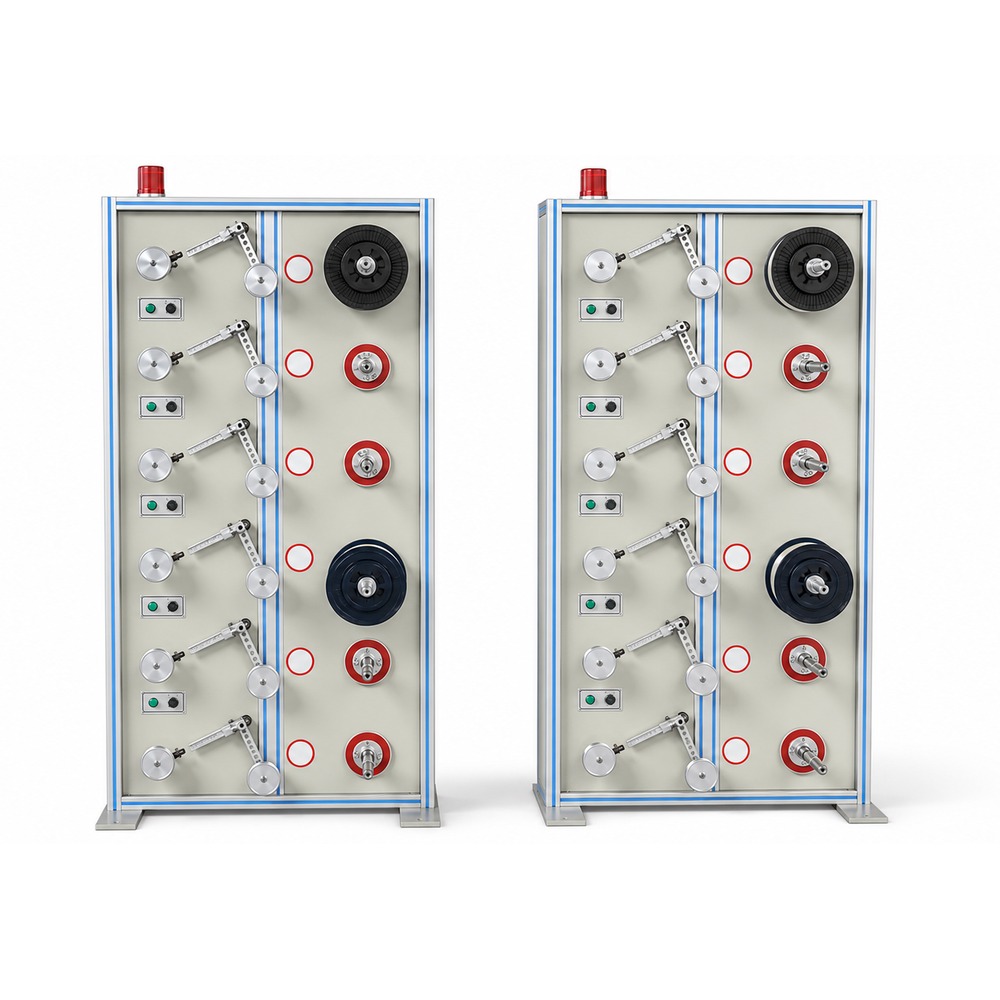
12-head pay-off assembly · proposal equipment reference, not the total line quantity
Multi-position fiber pay-off racks
The rack group at the line entrance feeds optical fibers toward extrusion. The detail shows the proposal's 12-head pay-off assembly; total rack quantity, package count, tension control and fiber routing follow the approved tube construction.
Confirm fiber count, input reel dimensions and tension requirements.
Selected module 01: Multi-position fiber pay-off racks. Line entrance · the two fiber pay-off racks.
Reference architecture: ten process responsibilities do not mean ten separate machines. Solid outlines locate visible equipment; the dashed outline marks an interface that is not separately resolved. Final hardware and layout follow the approved configuration.
Compare structure, operation and production requirements.
Use the same product and acceptance conditions to compare all three configurations. Rated speed, stable running speed and net production output are different values; request each with its stated trial conditions.
Swipe across the table to compare all three configurations.
| Review item | ManualOperator-managed change | HK-50 ReferenceSemi-automatic change reference | HK-60 ReferenceSemi-automatic change reference |
|---|---|---|---|
| Take-up arrangement | FTTH-style dual-axis take-up with operator-managed reel change | Shared semi-automatic take-up — same arrangement as HK-60 | Shared semi-automatic take-up — same arrangement as HK-50 |
| Changeover approach | Operator-managed reel replacement | Define operator tasks and assisted transfer steps for HK-50 | Define operator tasks and assisted transfer steps for HK-60 |
| Continuity & accumulation | Confirm whether a controlled stop is acceptable | Define storage, transfer and permitted interruption together | Size storage and transfer for the reviewed production requirement |
| Extrusion & cooling | Select from tube drawing and material | Confirm the HK-50 screw, tooling and cooling configuration | Confirm the HK-60 screw, tooling and cooling configuration separately |
| Line speed & output | Assess stable running plus reel-change and restart time | Quote running speed and net output for the specified product | Quote its own operating window; do not reuse HK-50 values |
| Tube & reel range | Confirm tube OD, wall thickness, fiber count and output reel | Confirm tube range, reel dimensions and transfer compatibility | Confirm tube range, reel dimensions and transfer compatibility |
| Operator tasks | Reel replacement, restart and quality checks | Reel preparation, removal, replenishment and fault recovery | Reel preparation, removal, replenishment and fault recovery |
| Acceptance trial | Stop, replace reel, restart and check tube quality | Witness transfer, winding, alarms and tube quality at changeover | Witness the agreed HK-60 sequence with its own trial conditions |
Numerical specifications are not yet confirmed for these three configurations. Compare their separate technical proposals against the same tube drawing, materials, reel package and output target.
വിശദമായ എഞ്ചിനീയറിംഗ് ചെക്ക്ലിസ്റ്റ് തുറക്കുക
Product & material
- Loose-tube drawingTO CONFIRM
- Fiber count & input packageTO CONFIRM
- Polymer and color systemTO CONFIRM
- Filling / water blockingTO CONFIRM
- Tooling scopeTO CONFIRM
പ്രക്രിയാ നിയന്ത്രണം
- Pay-off tensionTO CONFIRM
- Extrusion monitoringTO CONFIRM
- Cooling zonesTO CONFIRM
- Online measurementTO CONFIRM
- EFL strategyTO CONFIRM
Reel handling
- Manual / semi-automaticTO CONFIRM
- AccumulationTO CONFIRM
- Transfer & cuttingTO CONFIRM
- Operator interventionTO CONFIRM
- Restart qualityTO CONFIRM
Factory integration
- Line directionTO CONFIRM
- Available footprintTO CONFIRM
- സൗകര്യങ്ങൾTO CONFIRM
- Retained equipmentTO CONFIRM
- Control signalsTO CONFIRM
Acceptance boundary
- Buyer materialsTO CONFIRM
- FAT productsTO CONFIRM
- Sampling methodTO CONFIRM
- Changeover trialTO CONFIRM
- Handover scopeTO CONFIRM
Match the equipment to your product mix.
Provide your tube drawing, expected output and reel-change requirement so that extrusion, cooling, accumulation, take-up and controls can be reviewed as one line.
One loose-tube stage. Multiple cable applications.
See where secondary coating fits into each complete cable-production route. Central-tube constructions proceed to their specified protection and sheathing stages; stranded constructions need a cable-core forming stage first.
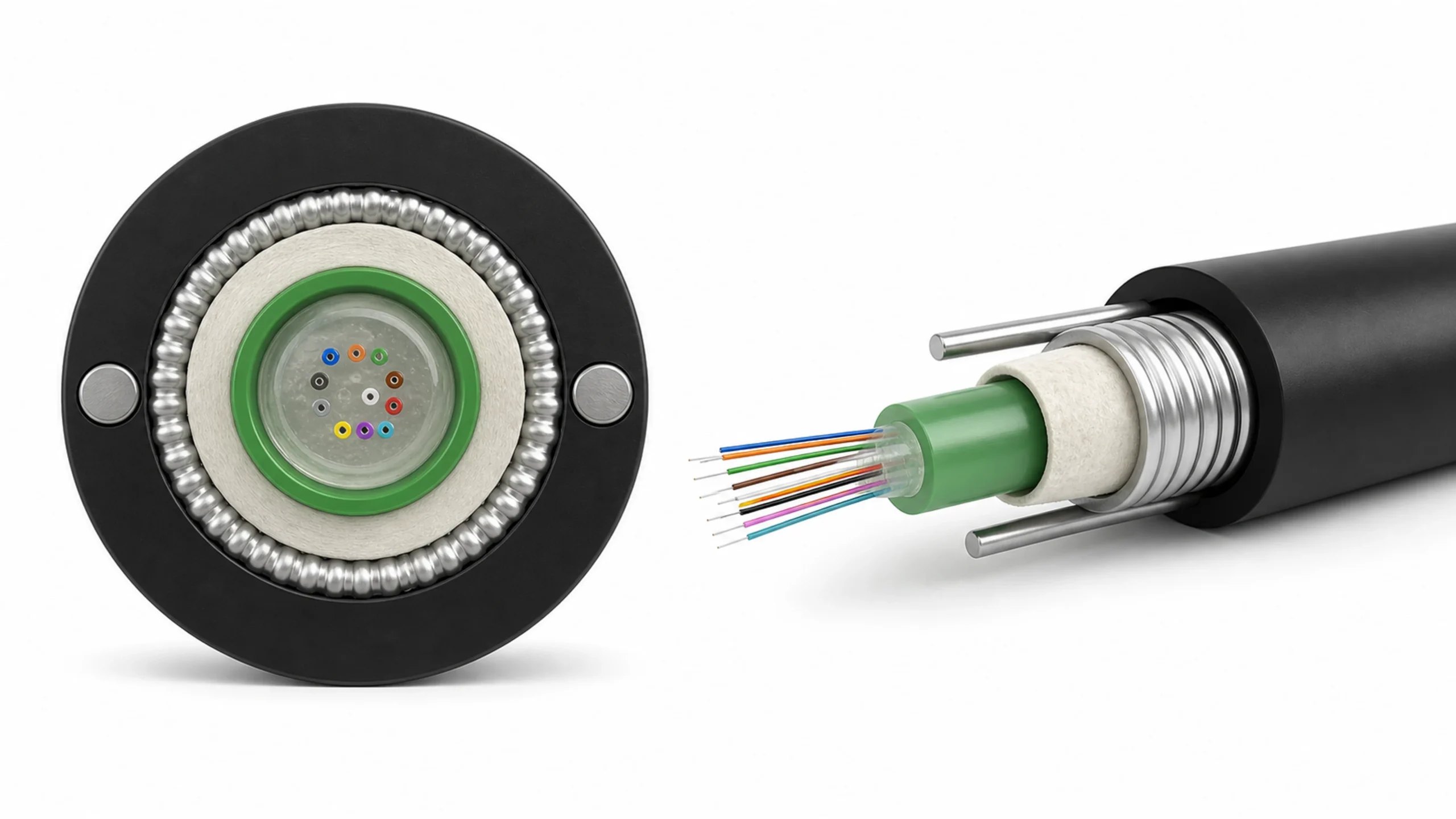
GYXTW Central Loose-Tube Cable
The process forms the central loose tube before the protection, armoring and sheathing stage.
Open cable solution
GYXTPY Small-Oval Central Loose-Tube Cable
The loose-tube element proceeds to parallel strength-member integration and final sheathing.
Open cable solution
Central Loose-Tube ASU Cable
The central PBT loose tube feeds the approved non-metallic forming and sheathing route.
Open cable solution
Stranded Loose-Tube Micro Cable
Individual loose tubes proceed to compact SZ cable-core formation before final PE sheathing.
Open cable solution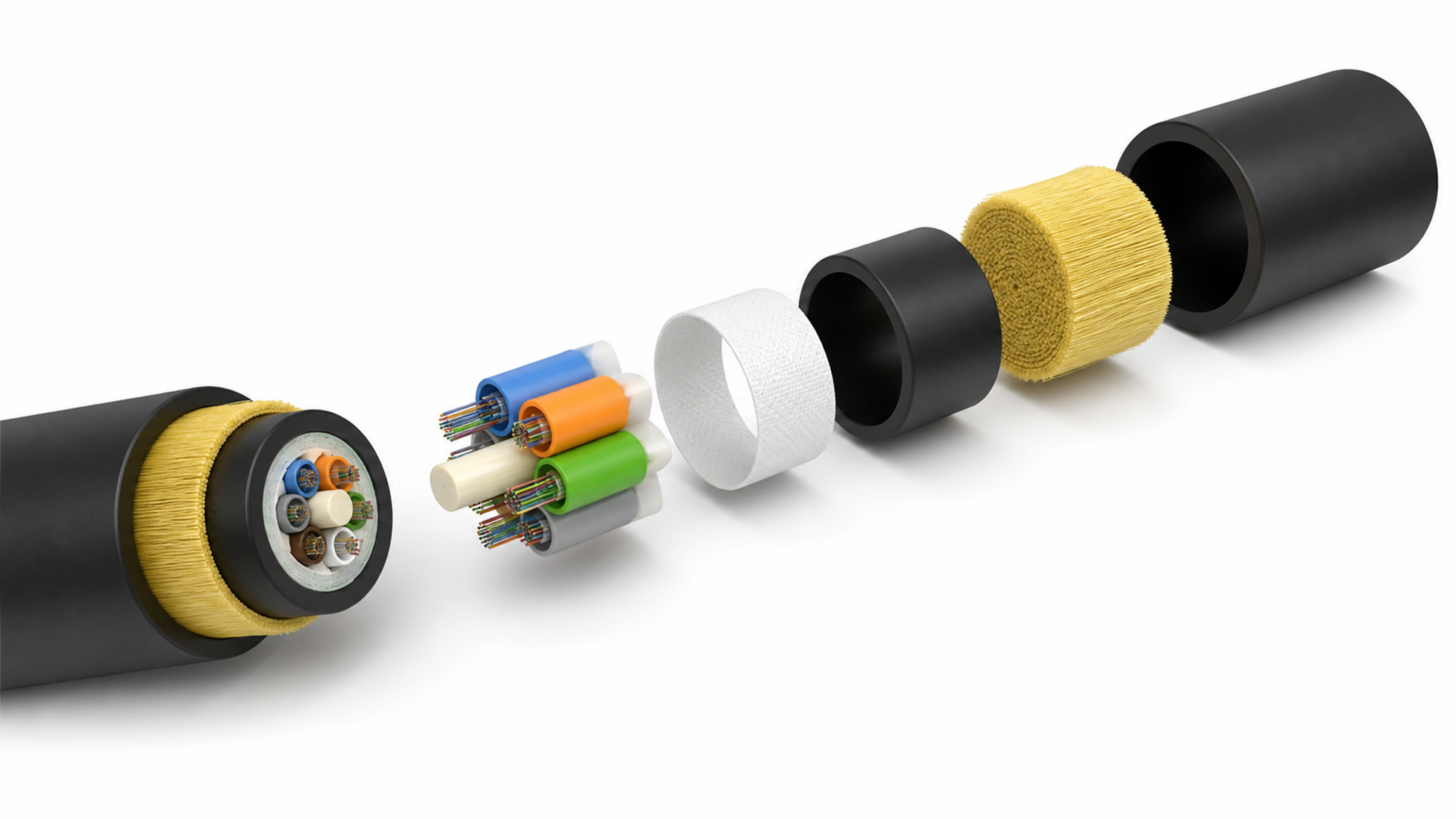
Stranded Loose-Tube ADSS Cable
Loose tubes feed SZ stranding, all-dielectric reinforcement and final sheathing.
Open cable solution
GYXTC8S Figure-8 Cable
The referenced loose tubes proceed to SZ core formation before GYXTC8S armoring, messenger positioning and figure-8 sheathing.
Open cable solutionFunction before model code: these cards refer only to the published cable constructions on their linked solution pages. Other central-tube or stranded loose-tube constructions require drawing review. FTTH drop, tight-buffered, GJFJV, GJFV and Patch Cord routes are not included merely because another page may use an HK-50 label.
Use the visual to plan the proof—not to replace it.
3D models support configuration review. The approved FAT plan establishes what the project must actually demonstrate.
Visible equipment arrangement
Use the 3D model to discuss module order, material path and the arrangement being reviewed.
Final values or acceptance
It does not confirm final quantity, footprint, speed, capacity, continuity or an accepted result.
The agreed operating boundary
Verify product, materials, controls, alarms, reel-change sequence, waste and restart quality.
Real project records. Loose-tube priorities made specific.
These HONGKAI-authored summaries connect existing customer project records with the equipment and engineering responsibilities reviewed for a loose-tube production line. They are not presented as verbatim quotations or customer-issued ratings.

Equipment review
- ഉപകരണങ്ങൾ
- Fiber handling, the filling-system interface, extrusion, staged cooling, online measurement and reel handling were reviewed as one connected loose-tube process.
- HONGKAI support
- HONGKAI organized the discussion around the approved tube construction and the downstream cable-production route.

Engineering coordination
- ഉപകരണങ്ങൾ
- Tube polymer, filling method, tooling, cooling path, EFL control and the output package were treated as connected configuration inputs.
- HONGKAI support
- HONGKAI translated the available project information into an equipment scope and FAT checklist for technical review.

Project support
- ഉപകരണങ്ങൾ
- Line interfaces, utilities, layout, controls, reel-change operation and acceptance samples were considered with the production equipment.
- HONGKAI support
- HONGKAI kept inclusions, exclusions, handoff responsibilities and the acceptance boundary visible throughout project planning.
Source boundary: names, roles and photos follow existing HONGKAI customer records. The loose-tube-specific wording is prepared by HONGKAI from project-review priorities; no star score, verbatim endorsement, Review or AggregateRating markup is asserted.
Tell us what you need to produce or improve.
Share your project and contact details. Add specifications or drawings if available; unknown technical values can be confirmed during the engineering review.
Nine inputs make the first review useful.
- 01
Target cable family and loose-tube drawing
- 02
Fiber count, specification and supply package
- 03
Tube polymer, masterbatch and filling system
- 04
Manual or semi-automatic reel-change preference
- 05
Output reel dimensions and planned batch length
- 06
Whether a controlled stop is acceptable
- 07
Existing upstream and downstream equipment
- 08
Factory layout, utilities and line direction
- 09
Required FAT products and acceptance method
Questions before you specify the line.
Review cable compatibility, reel-change operation and the information needed for a project-specific proposal.
01Do HK-50 and HK-60 use different semi-automatic take-ups?
അല്ല. ഇവിടെ കാണിച്ചിരിക്കുന്ന ഒരേ സെമി-ഓട്ടോമാറ്റിക് ടേക്ക്-അപ്പ് അറേഞ്മെന്റാണ് രണ്ടിലും ഉപയോഗിക്കുന്നത്. മാനുവൽ റീൽ മാറ്റം FTTH ഡ്രോപ്പ് കേബിൾ ശൈലിയിലുള്ള ഡ്യുവൽ-അക്സിസ് ടേക്ക്-അപ്പ് ഉപയോഗിക്കുന്നു. സെമി-ഓട്ടോമാറ്റിക് ടേക്ക്-അപ്പ് പങ്കിടുന്നത് ഈ രണ്ട് പൂർണ്ണ ലൈനുകളെയും ഒരേപോലെയാക്കുന്നില്ല: എക്സ്ട്രൂഷൻ, കൂളിംഗ്, കൺട്രോളുകൾ, പ്രൊഡക്ഷൻ വാല്യൂസ് എന്നിവ ഓരോ പ്രൊജക്റ്റിനും വിലയിരുത്തുന്നു.
02ഈ പേജ് ഒരു നിശ്ചിത HK-50 സ്പെസിഫിക്കേഷനാണോ?
ഇല്ല. ഈ പങ്കിട്ട പ്രക്രിയ-കുടുംബ പേജ്, ഒരു മാനുവൽ റീൽ-മാറ്റൽ റഫറൻസും HK-50 a-ഉം HK-60 പ്രൊജക്റ്റ് റഫറൻസുകളും തമ്മിൽ താരതമ്യം ചെയ്യുന്നു; ഇവയുടെ സെമി-ഓട്ടോമാറ്റിക് റീൽ-മാറ്റൽ പരിധി എഞ്ചിനീയറിംഗ് അവലോകനത്തിന് വിധേയമാണ്. ഫൈനൽ എക്സ്ട്രൂഡർ, കൺട്രോളുകൾ, പാക്കേജുകൾ, ഫുട്ട്പ്രിന്റ്, അംഗീകാര മൂല്യങ്ങൾ എന്നിവ എഴുതിയ പ്രൊജക്റ്റ് കോൺഫിഗറേഷനിൽ നിർവചിച്ചിരിക്കുന്നു.
03HK-60 a എന്നത് HK-50 നേക്കാൾ ഉയർന്ന വേഗതയെ സൂചിപ്പിക്കുന്നുവോ?
ഇല്ല. ഒരു കുടുംബപ്പേര് മാത്രം വേഗത, ശേഷി അല്ലെങ്കില് റീല് പരിധി തെളിയിക്കുന്നില്ല. ഈ മൂല്യങ്ങള്ക്ക് അംഗീകൃത ട്യൂബ് ഡ്രോയിംഗ്, മെറ്റീരിയല് സിസ്റ്റം, പൂര്ണ്ണ ഉപകരണ ലിസ്റ്റ്, ഒപ്പിട്ട സാങ്കേതിക പ്രസ്താവന എന്നിവ ആവശ്യമാണ്.
04ഏതൊക്കെ ഒപ്റ്റിക്കൽ കേബിളുകൾക്കാണ് ഈ ലൂസ്-ട്യൂബ് പ്രക്രിയ ഉപയോഗിക്കാൻ കഴിയുക?
ബന്ധിപ്പിച്ച GYXTW, GYXTPY, കേന്ദ്ര-ട്യൂബ് ASU പരിഹാരങ്ങൾ ഒരു കേന്ദ്ര ലൂസ്-ട്യൂബ് ഘടകം ഉപയോഗിക്കുന്നു. സൂചിപ്പിച്ച Micro Cable, ADSS, GYXTC8S പരിഹാരങ്ങൾ കേബിൾ-കോർ സ്ട്രാൻഡിംഗിന് മുമ്പ് ലൂസ് ട്യൂബുകൾ ഉപയോഗിക്കുന്നു. അനുമോദിത നിർമ്മാണം, ട്യൂബ് മെറ്റീരിയൽ, അളവുകൾ, ഡൗൺസ്ട്രീം ഇന്റർഫേസുകൾ എന്നിവയെ ആശ്രയിച്ചാണ് ഇപ്പോഴും യോജിപ്പ്. ടൈറ്റ്-ബഫർഡ്, ഡ്രോപ്പ്-കേബിൾ റൂട്ടുകൾ വ്യത്യസ്ത പ്രക്രിയകളാണ്.
05ലൈൻ സംരക്ഷിത ഉപകരണങ്ങളുമായി ബന്ധിപ്പിക്കാൻ കഴിയുമോ?
സാധ്യതയുണ്ട്. ആദ്യം HONGKAI മെക്കാനിക്കൽ ഇന്റർഫേസുകൾ, സിഗ്നലുകൾ, പാക്കേജ് വലുപ്പങ്ങൾ, ലൈൻ ദിശ, സുരക്ഷാ ഉത്തരവാദിത്തങ്ങൾ, ഓപ്പറേറ്റിംഗ് ക്രമം എന്നിവ അവലോകനം ചെയ്യണം.
06ഒരു സെമി-ഓട്ടോമാറ്റിക് റീൽ-ചേഞ്ച് FAT എന്താണ് കാണിക്കേണ്ടത്?
ഒപ്പം ചെയ്ത ഉൽപ്പന്നവും മെറ്റീരിയലുകളും സാക്ഷ്യപ്പെടുത്താൻ ഉപയോഗിക്കണം: സഞ്ചയം, കൈമാറ്റം, മുറിക്കൽ, ഓപ്പറേറ്റർ ഇടപെടൽ, അലാറങ്ങൾ, അനുവദിച്ച ഇടവേള, ചേഞ്ച്ഓവർ കഴിവ്, റീസ്റ്റാർട്ട്-ക്വാളിറ്റി പരിശോധനകൾ.