Full-width panorama · no equipment cropped

GYXTPY Central Tube Cable Production Line
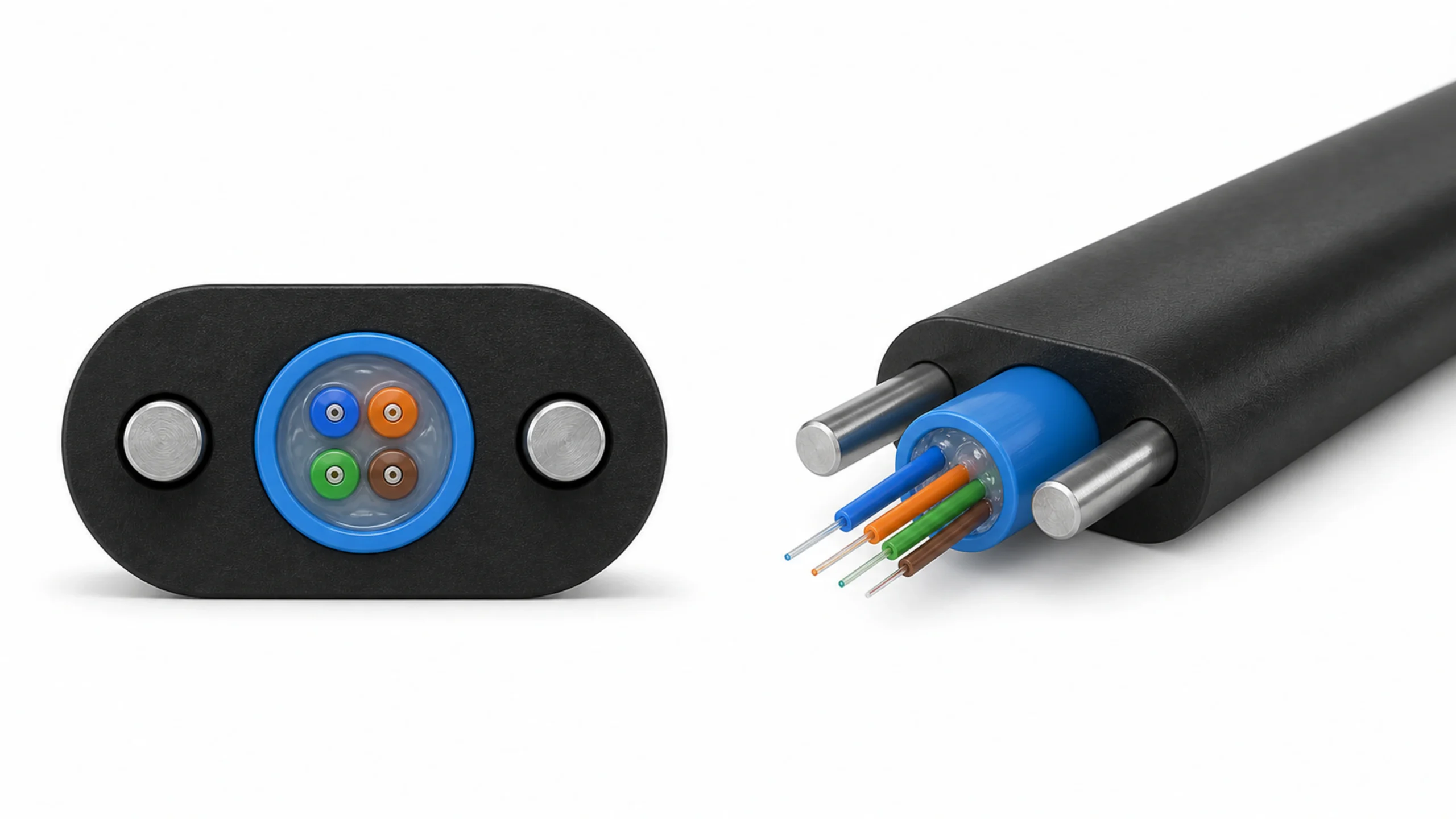
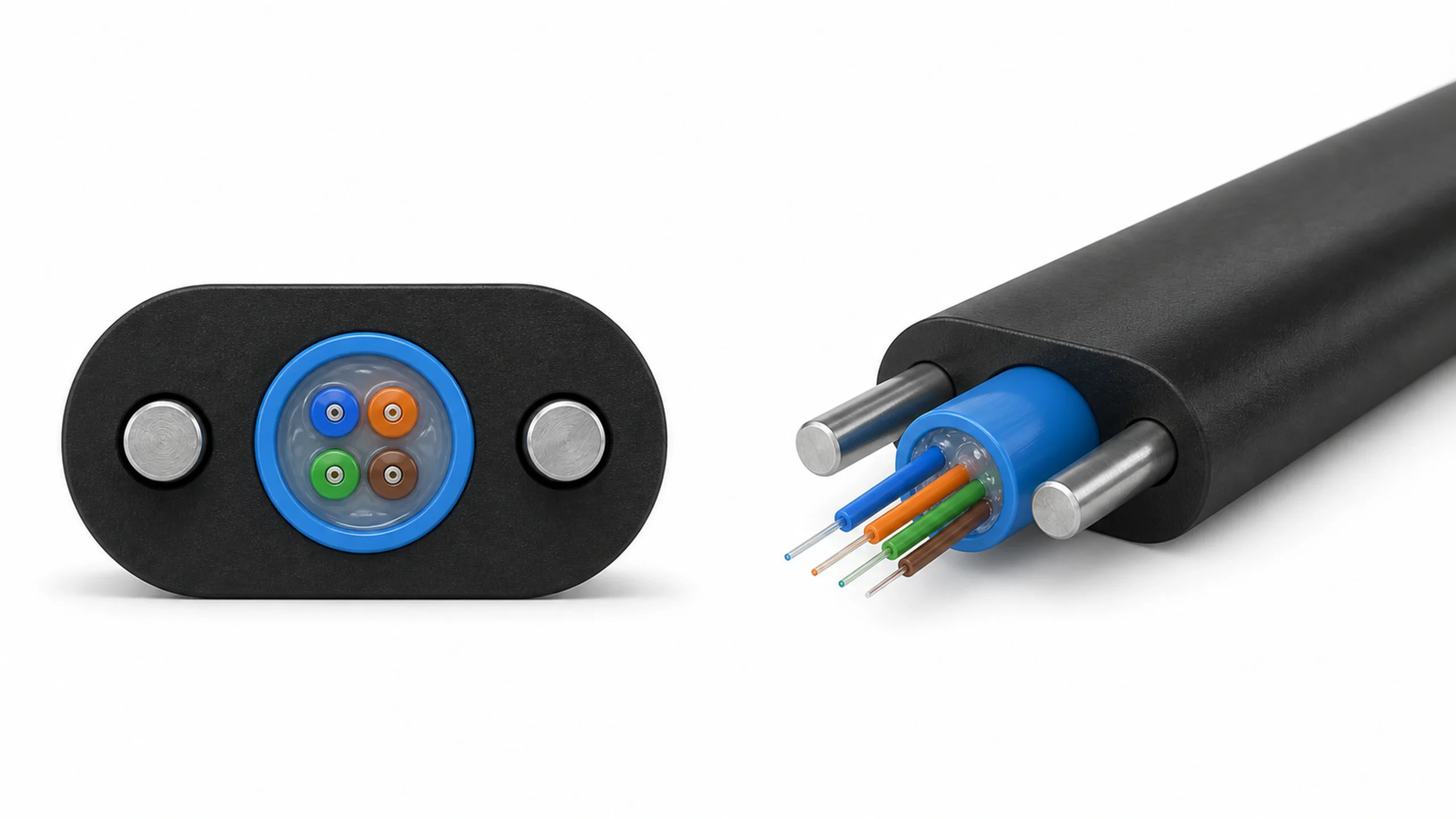
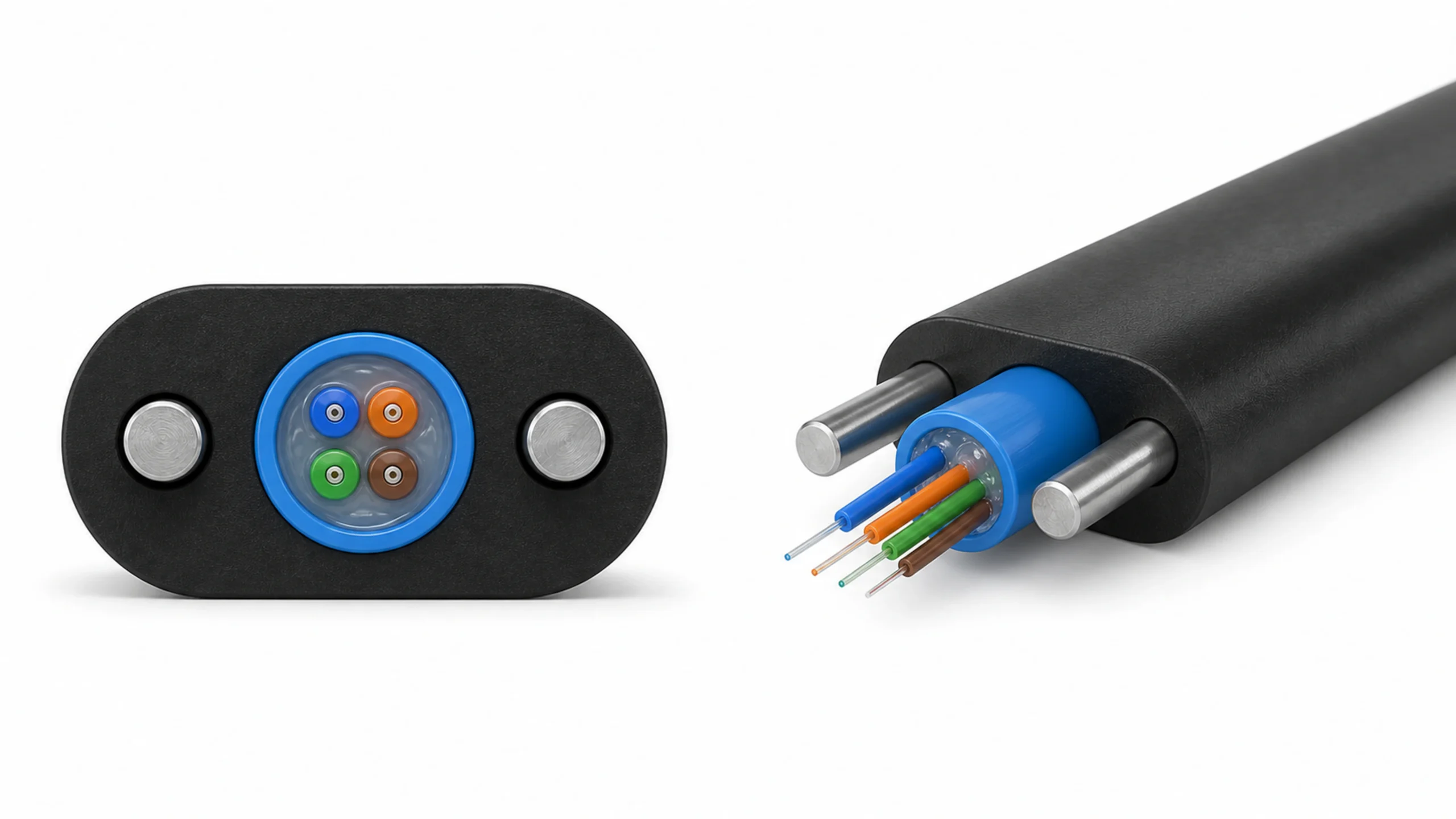
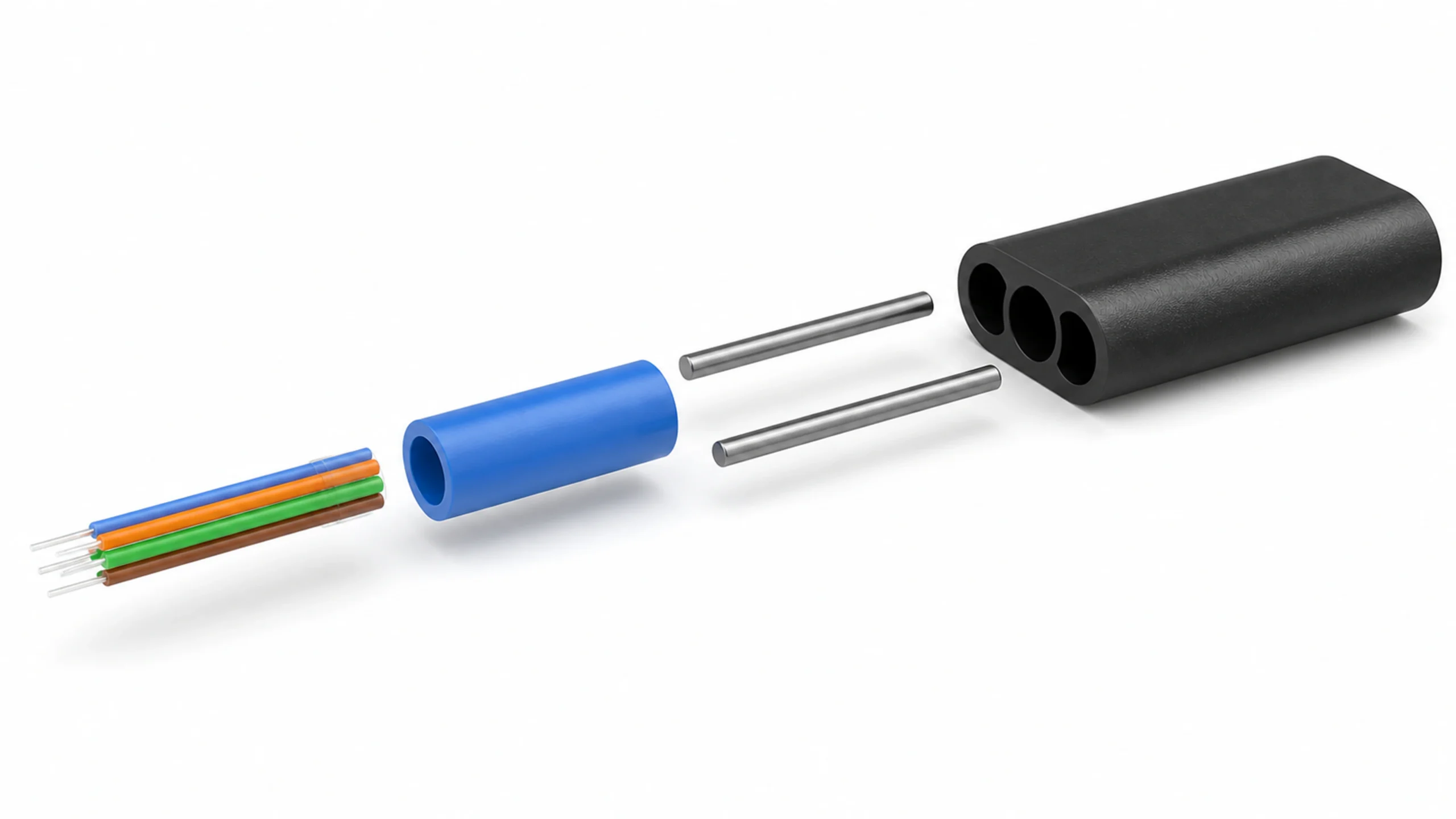
What does this reference route produce? A compact outdoor GYXTPY cable with colored optical fibers inside a jelly-filled central PBT loose tube, two parallel strength members positioned beside the tube, and a black PE outer sheath. The final fiber count, tube size, reinforcement material and cable dimensions follow the approved cable drawing.
- Production route
- HK-235 → HK-50 → HK-90 GYXTPY
- Core construction
- Central jelly-filled PBT loose tube
- Main processes
- Fiber coloring · loose-tube extrusion · reinforcement positioning · PE sheathing
- Reference boundary
- No SZ stranding and no steel-tape armor in this reference route
Full-width panorama · no equipment cropped
Read the compact central-tube cable from the inside out.
Open the exploded view, select a component, and see which of the three production stages prepares, forms or integrates it into the finished small-oval GYXTPY cable.
01
Assembled reference
Three stages form the reference GYXTPY cable.
Select a layer above to highlight the stage that prepares, forms or integrates it.
Review the production configuration for the selected cable layer.
The cable-layer choice from Section 02 is carried here. Review its mapped production stage, then inspect the complete three-stage GYXTPY reference route.
HK-235
Optical fiber coloring and rewinding
Prepare and identify the optical fibers before central loose-tube formation.
- Input
- Buyer-confirmed bare optical fibers
- Output
- Colored, rewound optical fibers
- Route position
- Stage 01 · Upstream of loose-tube formation
Prepare colored optical fibers
Prepare the approved optical-fiber input for the central loose-tube stage.
Optical-fiber preparation
This stage covers the reference coloring and rewinding function before loose-tube formation.
Fiber specification and handling format
Confirm fiber type, color sequence, quantity and reel format from the project requirements.
Machine quantities, dimensions, performance, auxiliary systems and final arrangement are confirmed from the cable construction and project requirements.
See the GYXTPY central-tube cable production route in operation.
This HONGKAI process video provides a practical visual reference for the GYXTPY central-tube cable route. Use it to review machine sequence and material flow alongside the three-stage reference configuration above.
Define the GYXTPY project boundary before the route is finalized.
The three-stage route above is a reference configuration, not a contractual supply scope. Buyer, HONGKAI and joint responsibilities become final only in the approved technical proposal or agreement.
Nothing below is treated as included, excluded, buyer-supplied or HONGKAI-supplied until it is confirmed in writing.
Opening a group only reveals its details; it does not confirm scope.
01 Buyer prepares Buyer responsibility Project, product and site information for engineering review 4 items
Information HONGKAI must review before fixing the production route and reference equipment configuration.
- Target cable drawing and product requirements for review To be confirmed
- Starting materials, grades and supply formats To be confirmed
- Factory space, utilities, access and installation conditions To be confirmed
- Existing equipment and upstream/downstream interface information To be confirmed
02 Defined in the written proposal HONGKAI responsibility Recommended configuration and quoted supply boundary 4 items
HONGKAI defines the recommended configuration and quoted supply boundary after reviewing the available project inputs.
- Recommended production route and reference equipment configuration To be confirmed
- Quoted equipment list and equipment-source boundary To be confirmed
- Required interfaces for the quoted equipment To be confirmed
- Documentation, commissioning, training and after-sales scope stated in the proposal To be confirmed
03 Confirmed together Joint confirmation Technical interfaces, acceptance and project coordination 4 items
Technical interfaces, acceptance and project coordination require written confirmation from both project teams.
- Final process route and equipment configuration To be confirmed
- Layout, interface split and site-readiness conditions To be confirmed
- Acceptance criteria, test conditions and sampling method To be confirmed
- Delivery, installation, trial schedule, changes and final sign-off To be confirmed
Identify the inputs needed to review the GYXTPY production route.
Select the planning topics you are ready to discuss during the first engineering review. A selection marks a review topic only; it does not approve a technical value, equipment quantity, material grade, performance target or supply scope.
Review the available GYXTPY references and what still needs confirmation.
These images illustrate the HK-235, HK-50 and HK-90 stages mapped to the current GYXTPY route. They are reference visuals, not a final equipment list, factory layout, performance commitment or acceptance record.
No planning topics selected yet. Return to Section 05 to add review priorities.
HK-235 fiber preparation reference
Reference equipment for preparing colored optical fibers before loose-tube extrusion. Final fiber count, number of units, payoff interfaces and operating requirements remain project-specific.
These production-stage images illustrate the current three-stage planning direction only. Final equipment quantity, sequence, dimensions, supply, performance and acceptance are defined only by the mutually approved technical agreement.
Customer perspectives on the three-stage GYXTPY production route.
The feedback focuses on the compact small-oval construction, connected stage handoffs, material inputs and the project-planning boundary. HK-235 → HK-50 → HK-90
For the GYXTPY Cable Production Line, the three-stage route made the project easier to review. We could follow fiber preparation, jelly-filled central-tube extrusion and the final parallel-strength-member sheathing stage as one connected process.
Starting from the small-oval cable drawing helped our team focus on fiber count, PBT tube dimensions, filling compound, strength-member material and finished sheath geometry before discussing equipment scope.
The planning checklist kept tooling, reel sizes, utilities, workshop layout, inspection points and acceptance conditions visible. That gave us a practical basis for reviewing the final GYXTPY configuration.
Names, roles and photos follow existing HONGKAI customer records. The GYXTPY-specific wording summarizes the technical priorities represented in these small-oval central-tube project perspectives.

Clarify the GYXTPY route before requesting a proposal.
These answers connect the small-oval central-tube construction to the three-stage reference route and the inputs needed for engineering review.
What cable construction is this GYXTPY route based on?
The reference cable places colored optical fibers and filling compound inside one central PBT loose tube. Two parallel steel-wire or FRP strength members sit beside the tube, and a PE sheath forms the compact small-oval profile. Final dimensions and material grades must follow the approved cable drawing.
Why does the reference route use three production stages?
HK-235 prepares the fiber input, HK-50 extrudes the jelly-filled central PBT loose tube, and HK-90 positions the two parallel strength members before forming the small-oval PE sheath. The stage boundaries keep material inputs and equipment interfaces visible during review.
Is the HK-235 fiber-preparation stage always required?
Not always. A project may begin at HK-50 when qualified colored fibers arrive in the required package and are ready for loose-tube production. If coloring, rewinding or payout-package preparation is needed, the HK-235 stage should be reviewed with the fiber input data.
How do we choose steel wire or FRP for the parallel strength members?
The approved cable specification determines the strength-member material, diameter, spacing and supply package. These inputs affect payoff design, positioning guides, extrusion tooling and the finished small-oval geometry, so they must be reviewed before the line is fixed.
Are HK-235, HK-50 and HK-90 the final equipment configuration?
No. They identify the reference process stages. Final payoff and take-up formats, tooling, controls, cooling, measurement, utilities, line layout and optional systems are defined after the cable drawing, material packages, output target and factory conditions are reviewed.
Can existing equipment or buyer-supplied materials be integrated?
Potentially, subject to an interface review. HONGKAI must check package dimensions, tension ranges, line height, control signals, utilities, operating conditions and required tests before existing equipment or buyer-supplied materials enter the proposed route.
What information is needed for the final line proposal?
Please provide the cable drawing, fiber count, tube and finished dimensions, material list, strength-member choice, target output, reel sizes, factory layout, available utilities, product mix and project schedule. Unknown items can be identified for engineering review.
How are inspection, FAT, installation and training defined?
Inspection points, samples, test materials, FAT conditions, acceptance criteria, documentation, installation, commissioning, training and on-site responsibilities are written into the project proposal and commercial agreement for both teams to confirm.
Final cable construction, equipment, performance, acceptance criteria and supply scope are defined in the signed technical and commercial agreement.
Plan your GYXTPY cable production project.
Share the small-oval cable drawing, fiber count, central-tube dimensions, filling compound, strength-member choice, planned output and factory conditions. HONGKAI will review the three-stage route, equipment interfaces and open technical items before preparing a project-specific proposal.
What HONGKAI will review
- Target product plan
- Cable families, constructions, fiber counts and material requirements
- Process route
- Starting materials, required processes and equipment interfaces
- Capacity target
- Product mix, expected output and target line speed
- Factory conditions
- Available space, utilities, existing equipment and testing needs
- Project stage
- Planning, budgeting, factory preparation or production expansion
- Review status
- Preliminary assessment · Technical confirmation required
What to prepare · 6 items
- Target cable types, reference samples or available drawings
- Fiber counts, cable structures and material requirements
- Starting materials and required production processes
- Target output, product mix or expected line speed
- Existing equipment, reel sizes and available factory layout
- Utilities, testing requirements and planned project timeline
No complete specification yet? Share your target products and current assumptions. Unknown values can be described as open engineering inputs.
The information submitted here supports a preliminary technical review. Final equipment configuration, performance, price, delivery schedule and supply scope are confirmed only in an approved proposal or agreement.
Fiber Optic Cable Production Project Brief
Tell us your planned cable products, target capacity and current investment stage. Partial information is welcome, and you may upload a cable drawing when available.