










A cable factory considering an LSZH product needs to decide more than which material to put in an existing extruder. The proposed cable claim, the selected compound and the installed production route must describe the same product. This guide is for buyers comparing a line conversion with a new equipment proposal, not for operators looking for a universal temperature recipe.
An LSZH material name does not establish a finished cable’s performance or prove that a PVC or PE line can process the chosen grade. Define the cable requirement first, obtain the compound supplier’s processing guidance, and evaluate the actual equipment with an identified product. Keep the production trial separate from the evidence needed to substantiate the cable claim.
Here, LSZH means low smoke, zero halogen. Material suppliers also use related descriptions such as low-smoke halogen-free. The buyer’s task is to replace the abbreviation with an identifiable material, a defined cable construction and the required evaluation, rather than treating different descriptions as an automatic common approval.
The first-hand HONGKAI applications used in this guide are mainly optical-cable jackets, including indoor optical cable and drop cable. They provide a practical reference for the material change, not evidence of a delivered LSZH building-wire or power-cable configuration.
Separate the Cable Claim from the Compound Label
Begin with the customer’s product specification. Determine which layer is changing and which properties the completed cable must demonstrate. A jacket change is not automatically a change to every other combustible component in the cable.
UL Solutions distinguishes two aspects of its low-smoke halogen-free evaluation: smoke performance concerns the complete cable construction, while halogen content concerns the combustible components. This is a useful example of why a compound document and a finished-cable result are different evidence objects.1
In the optical-cable material choices described for this guide, the low-smoke/halogen-free requirement and the choice of a flame-retardant grade are separate specification items. State whether flame retardancy is required and what result must be demonstrated; do not infer it merely from the LSZH description.
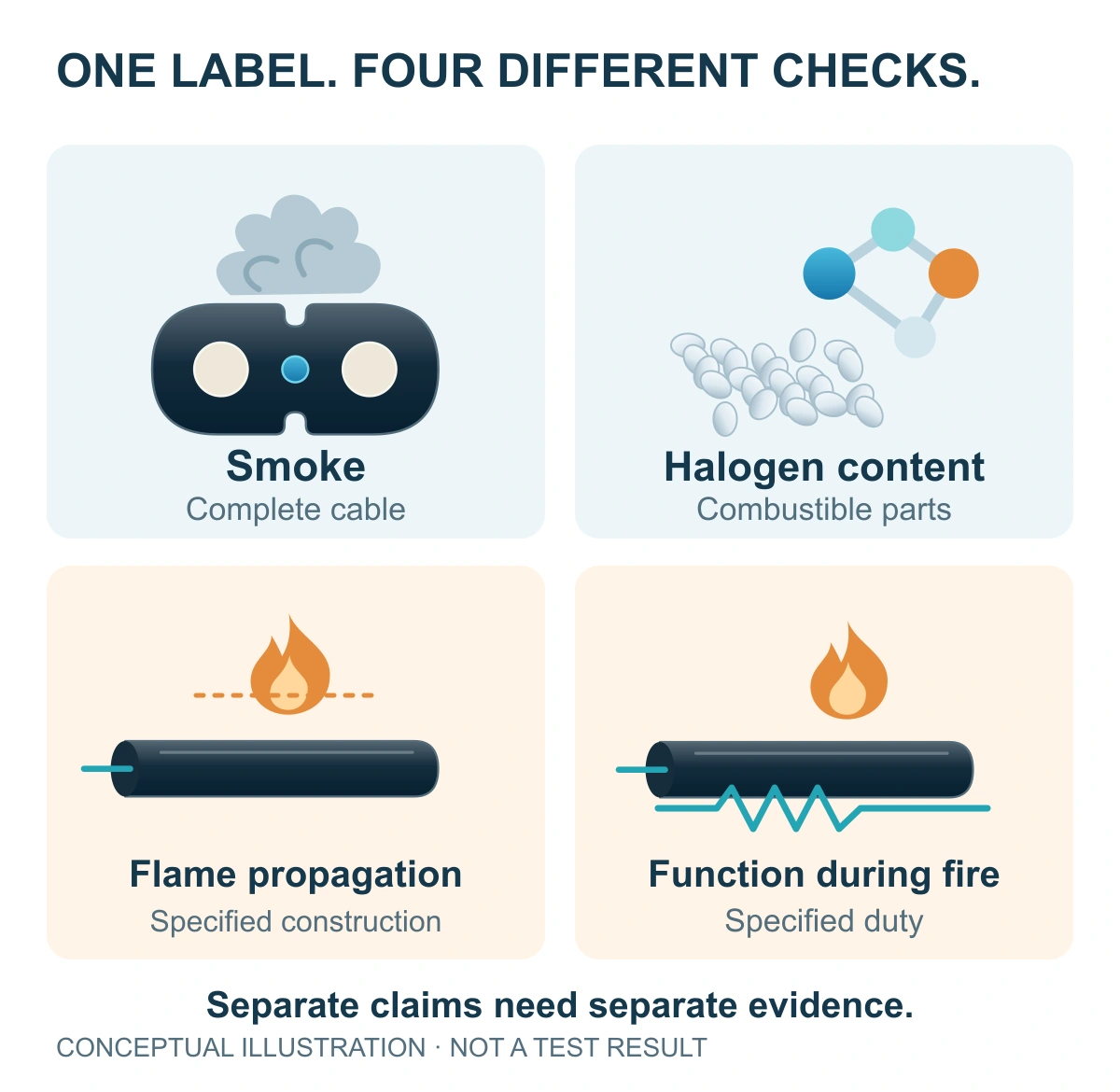
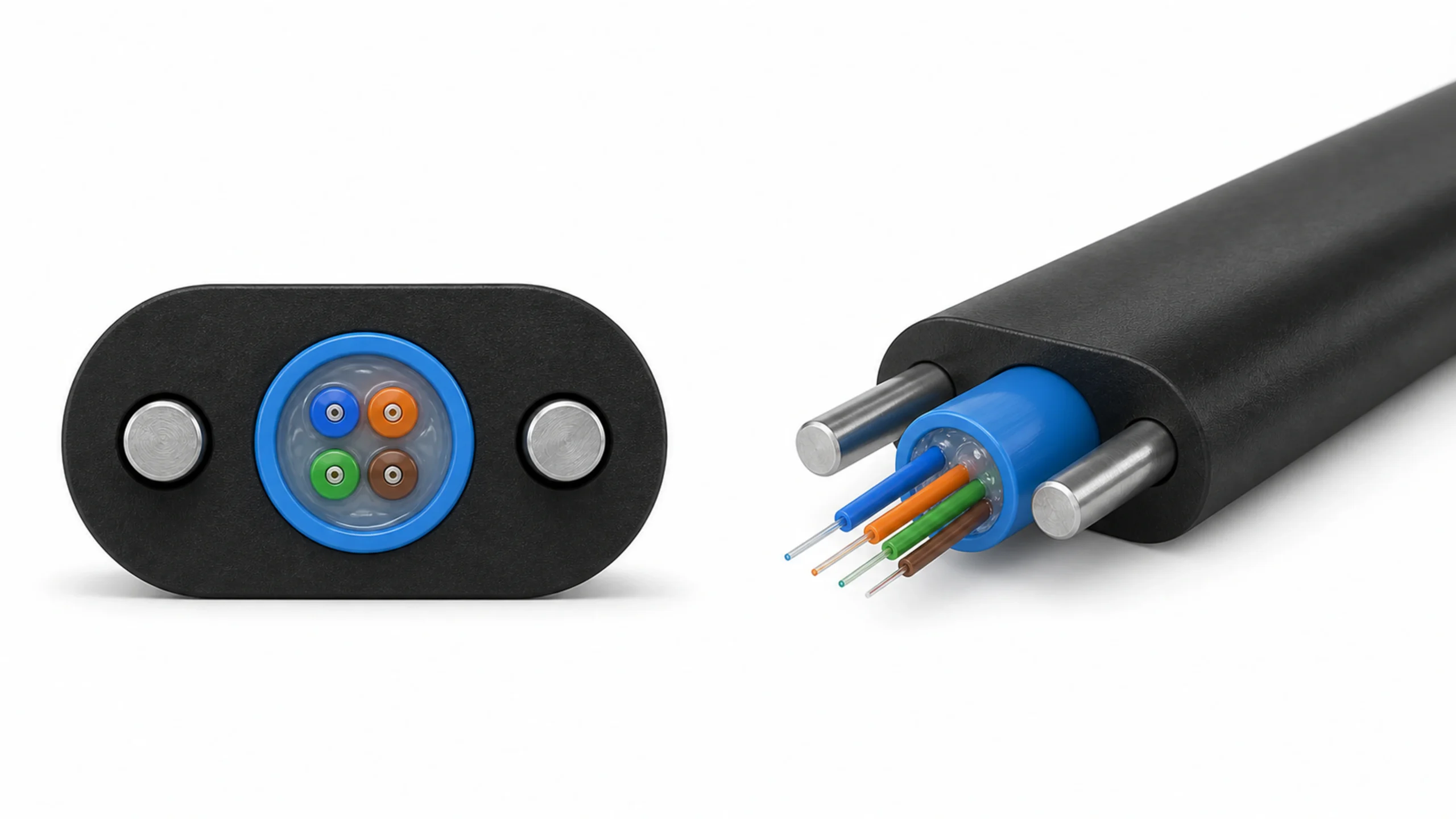
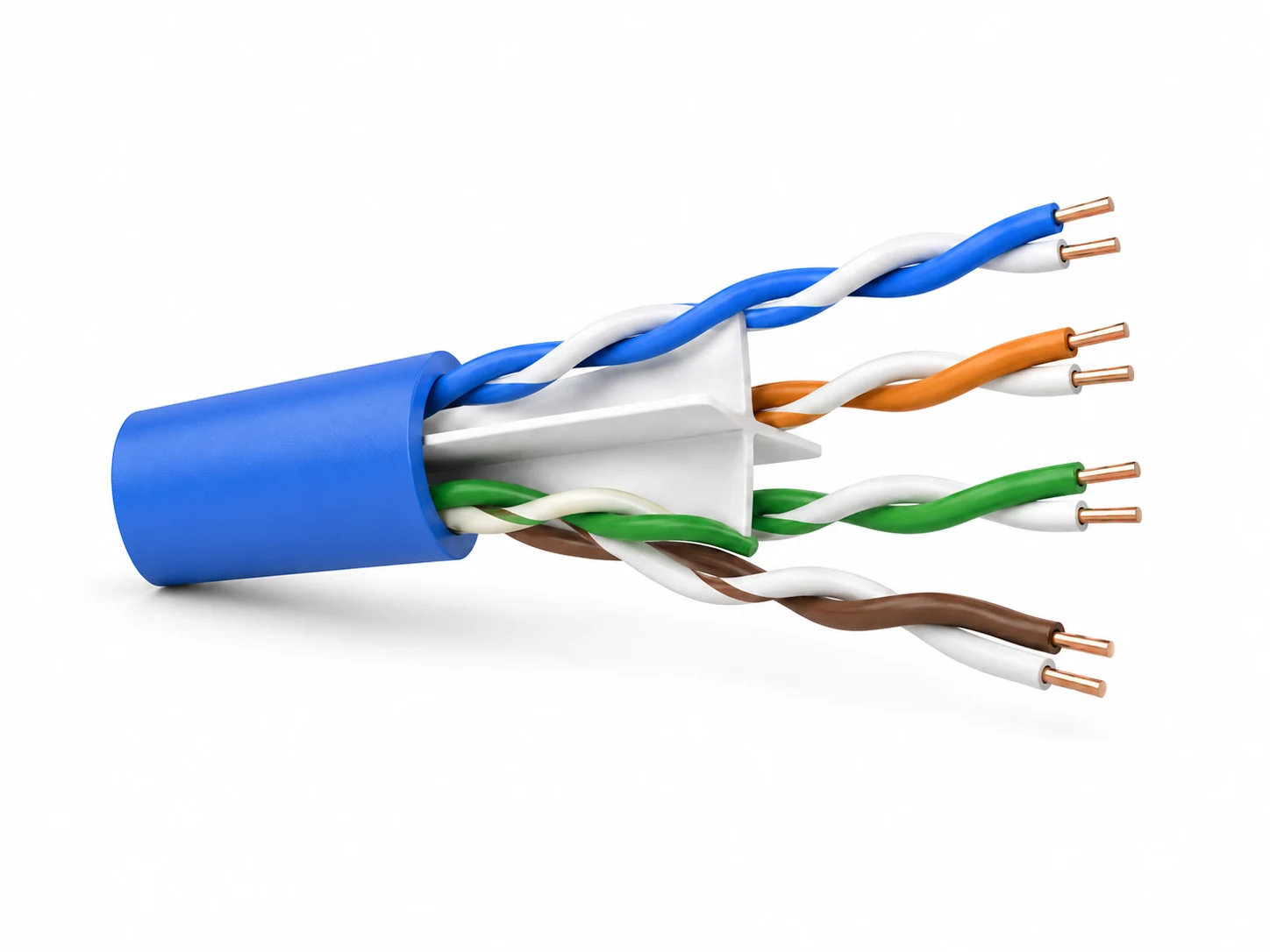
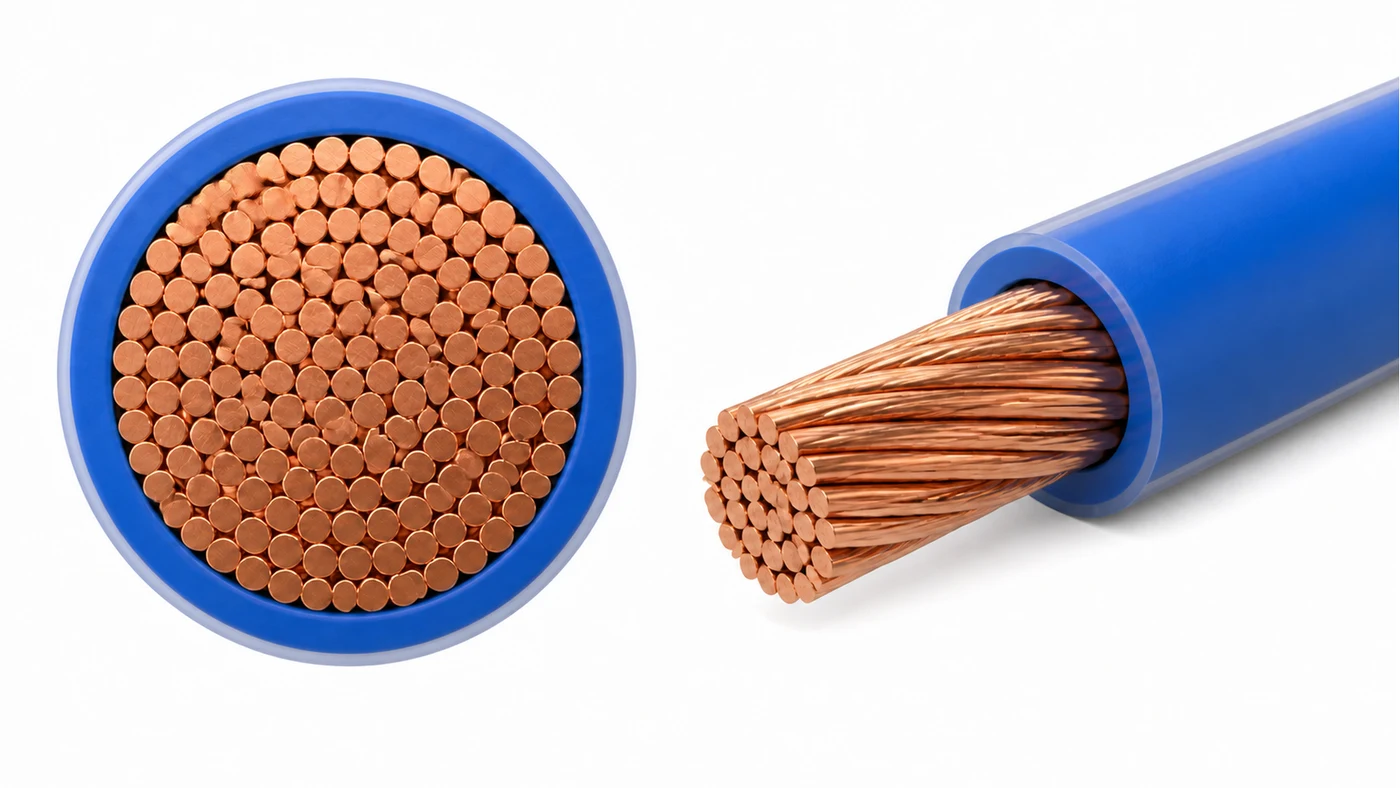
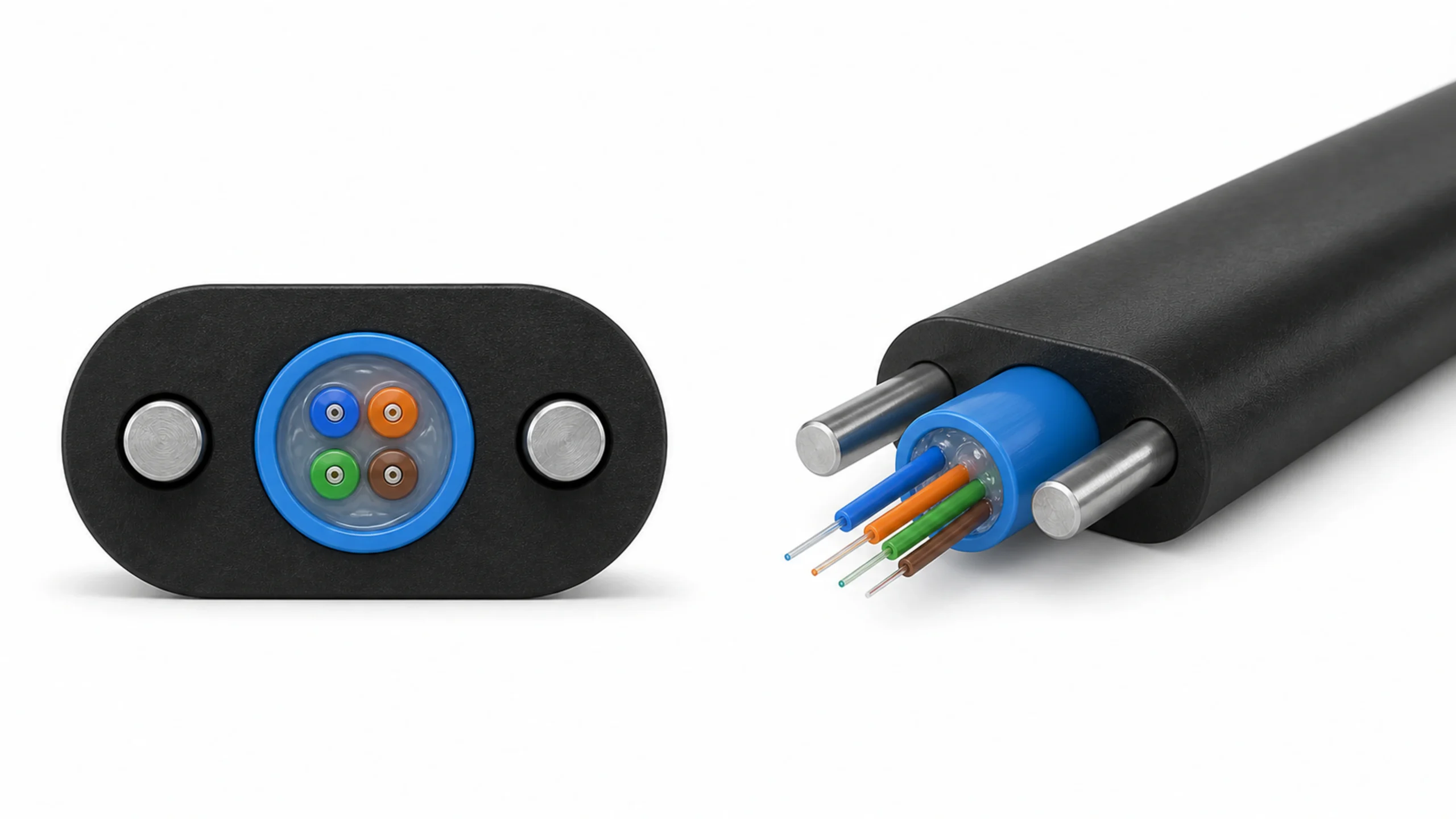
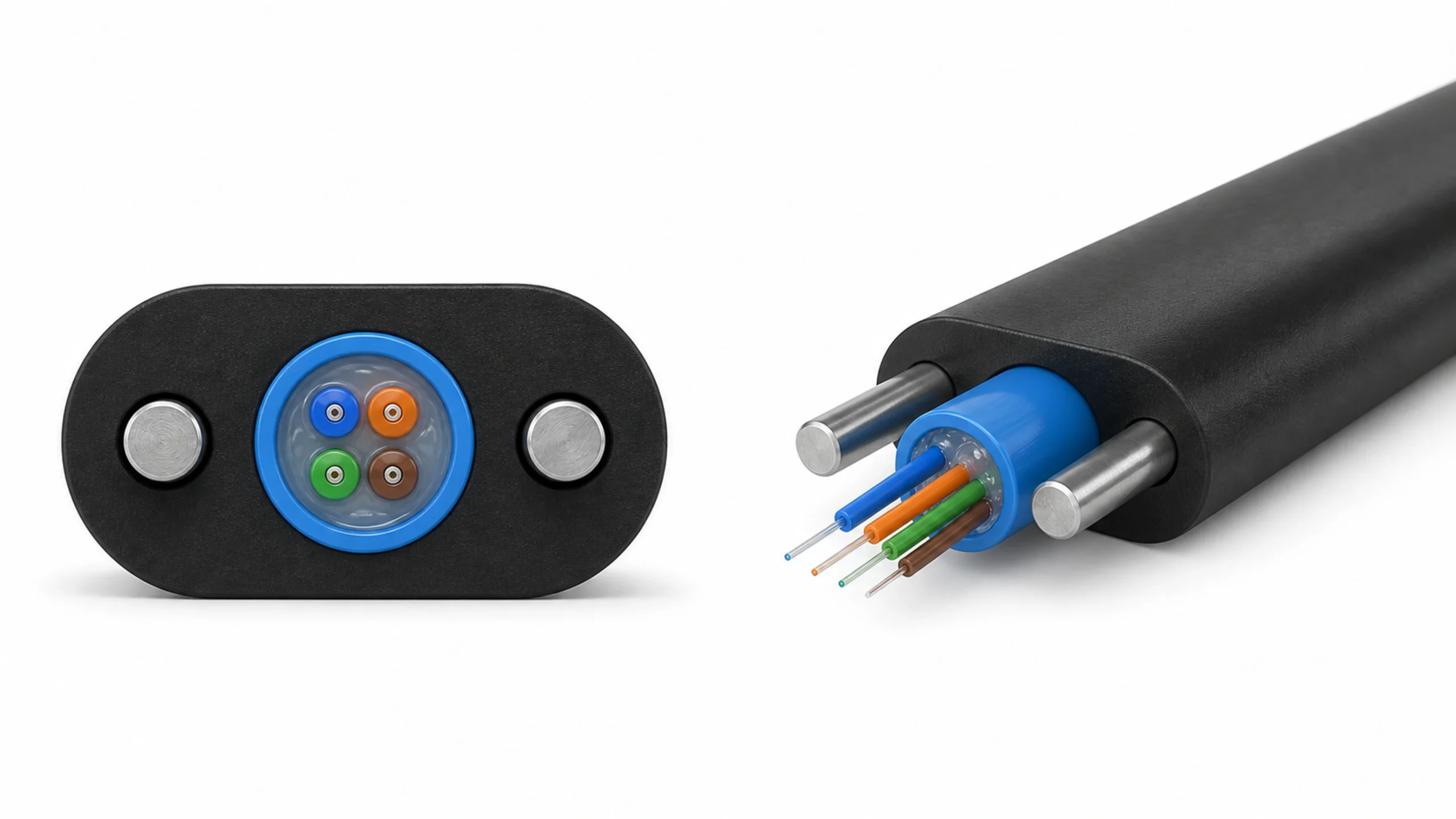
Conceptual illustrations of four different assessment objects, not test apparatus or certification results. The optical-drop section is a structure reference, not a performance claim.
| Requested claim or result | Evidence the buyer should define | What must not be inferred |
|---|---|---|
| Low smoke | The applicable method, acceptance basis and tested finished construction | A material description alone proves the smoke result of every cable using it |
| Halogen-free construction | The evaluated components, material identities and scope of the assessment | Checking only the new outer jacket resolves every component in the cable |
| Restricted flame propagation | A separately identified flame-performance requirement and cable result | An LSZH abbreviation specifies the complete flame-performance requirement |
| Continued function during fire | The required cable design and evidence for function under the stated fire conditions | A low-smoke jacket by itself establishes continued electrical function |
| Suitability for the customer’s project | The actual product specification, application and required approval route | The destination country or a sales description replaces the product requirement |
The rows are a buyer’s evidence map, not a substitute test standard or a claim that every row applies to every cable. Nexans separately describes low-fire-hazard cable properties and fire-resistant cables that retain function during a fire; the distinction should remain visible in a machinery enquiry.2
If the enquiry refers to a European project, ask for the required product and acceptance documents. Do not translate “for Europe” into an unsupported statement that all cables must use LSZH, or that all LSZH cables share one approval. Installation requirements and the applicable product assessment belong to the specific project and its responsible specialists.
Agree on the physical construction to which the enquiry applies: conductor or core, insulation, fillers, bedding, screening, tapes and the proposed outer layer where present. Identify the color system as well as the base compound. An enquiry that names only the jacket leaves the rest of the cable claim unresolved.
Freeze the Material Grade Before Reviewing Hardware
Specify the compound manufacturer, grade, intended layer and supply form. Obtain the current technical and processing information for that grade, including any preparation, coloring, storage or post-extrusion requirements. The equipment review should use those documents rather than a setting copied from a different low-smoke material.
Alphagary’s MEGOLON guidance is a manufacturer-specific illustration. Its extrusion advice addresses screw design, tooling, material preparation and processing conditions. The detailed guide also distinguishes barrel-controller readings from the actual melt temperature. Those points support a grade-specific review; they do not supply a universal recipe for other LSZH compounds.3
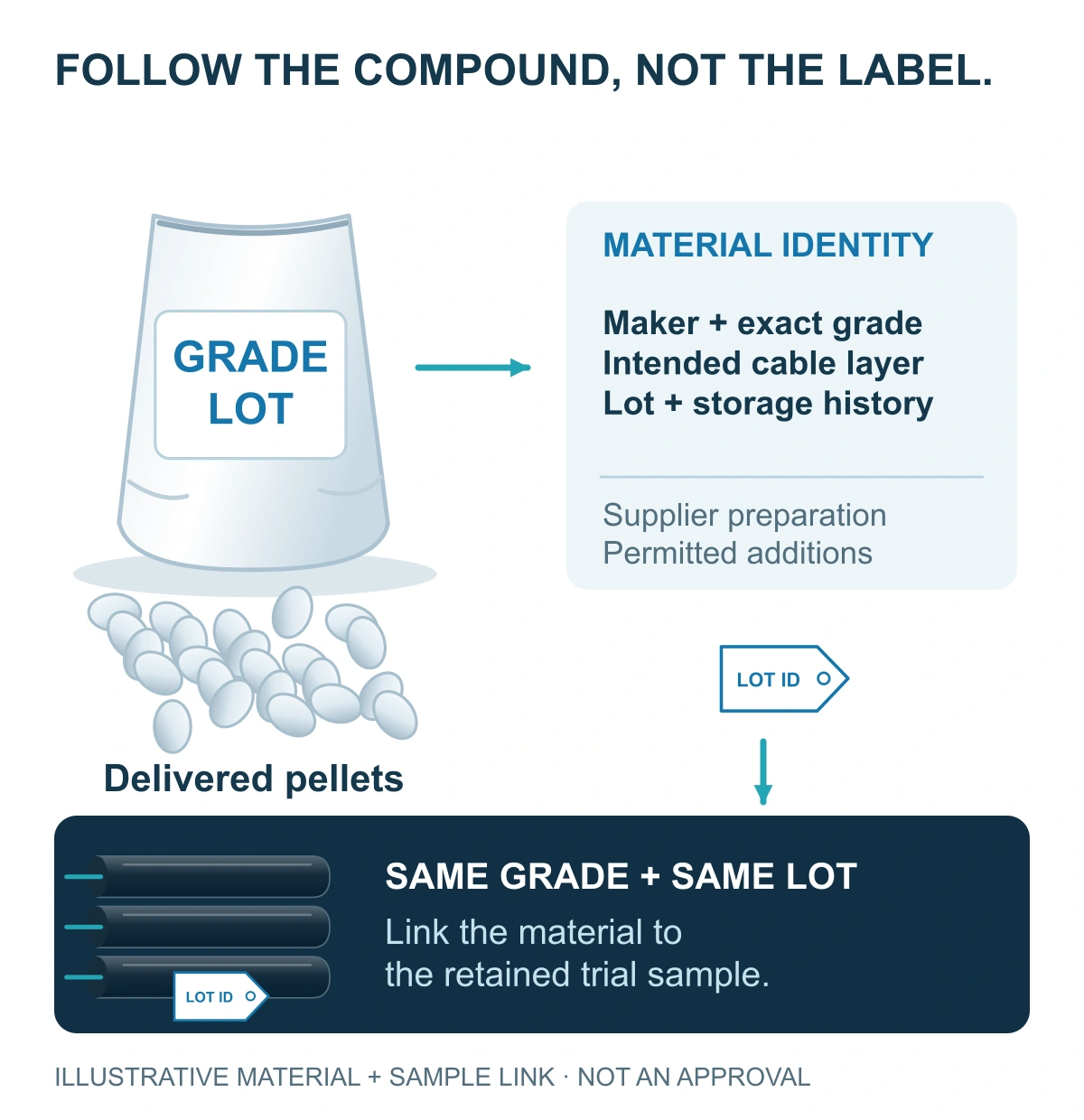
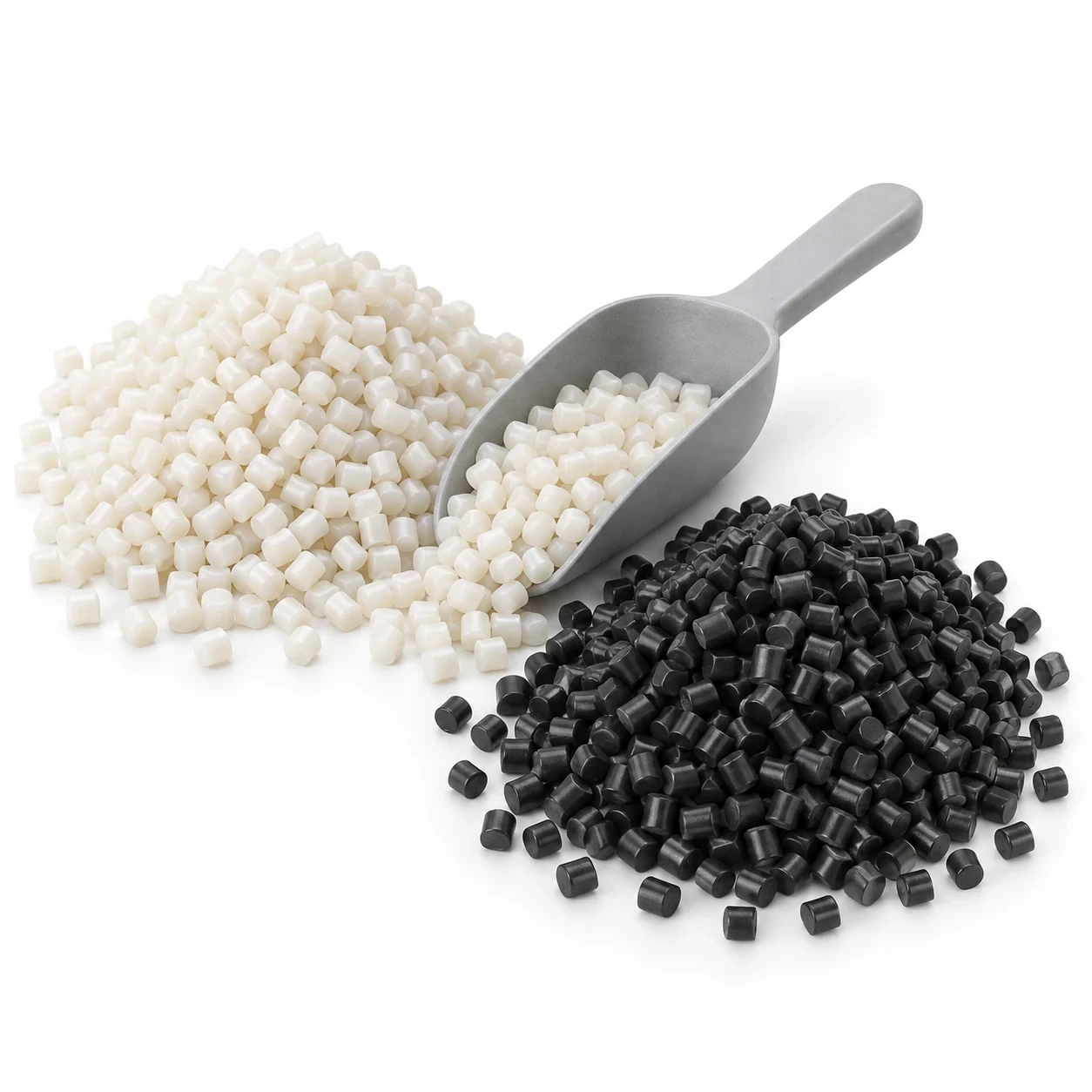
Illustrative pellets, supply identity and retained-sample link. The bag and tag are explanatory drawings, not a supplier’s packaging, approved grade or actual trial record.
The material record should allow the buyer and the equipment supplier to answer these questions without substituting a family name for a grade:
- Is the material intended for the required insulation, bedding or jacket duty?
- Does the proposed route use ready-to-process compound, or does the project include making a formulation?
- What preparation and feeding instructions apply to the delivered material and its storage condition?
- Which color concentrate or other additions are permitted, and who approves the combination?
- Are there curing or other downstream operations that must be included in the selected route?
The distinction between applying cable compound and manufacturing the compound itself prevents the extrusion enquiry from expanding silently into a different process. A factory buying qualified pellets is not automatically buying a compounding system merely because the compound contains a flame-retardant package.
Published HONGKAI extrusion guidance treats the intended material and required production output as joint selection inputs. It does not establish a universal LSZH screw, a proven conversion of an unidentified customer line or a finished-cable certification. The quotation still needs the exact product and material scope.
Make Reuse Decisions at the Material and Cable Interfaces
For the PVC optical drop-cable conversion described by HONGKAI, changing to LSZH calls for replacing the screw rather than the whole production line. This is an application-specific route, not approval of every installed PVC or PE line. Match the actual material and cable duty before extending that experience to a different setup.
Borealis describes compatibility of its Casico range with much PVC and PE extrusion equipment. That supplier-specific statement is a reason to investigate reuse, not evidence that every LSZH grade can run on every existing line.4
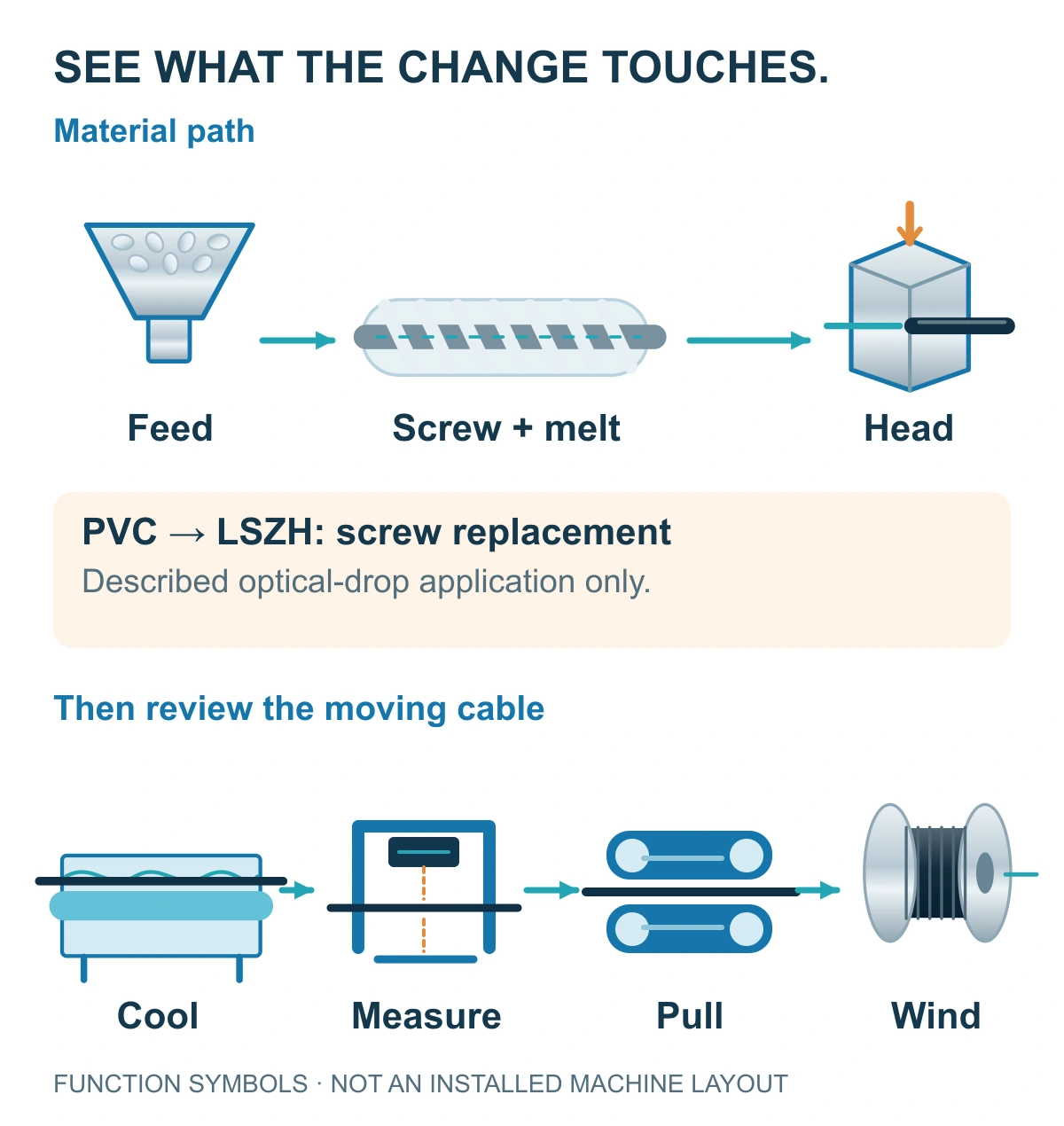
Functional schematic, not an installed machine layout or dimensioned screw design. The screw-replacement reference applies only to the described PVC optical-drop-cable conversion.
Review the material route from feeding through the screw, adapter, crosshead and tooling. Then review the moving cable’s route through cooling, measurement, traction and take-up. An available extruder does not establish that the rest of the installed arrangement can handle the proposed construction.
| Part of the proposed conversion | Useful information for the review | Decision to record |
|---|---|---|
| Material preparation and feed | Exact grade, supplier instructions, storage history, proposed coloring and existing handling equipment | Existing arrangement, an identified addition, or further supplier review |
| Extruder and melt path | Machine identity, screw information, heating and cooling arrangement, monitoring and material-supplier review | Retain, modify a named element, or trial before commitment |
| Crosshead and tooling | Incoming construction, finished layer, required dimensions, installed head and tool identities | Confirmed tool package or a defined replacement scope |
| Cooling and cable handling | Product path, required operating range, available cooling arrangement, traction, reels and allowable handling conditions | Reuse with a defined duty or specify the missing function |
| Controls and records | Available process readings, alarms, sample identification and the agreed measurement plan | Existing evidence capability or a named instrumentation requirement |
This table is a review plan, not a finding that an installed machine is suitable. Where a component is retained, record the reason and the limits of the retained duty. Where a component changes, identify the drawing or specification and the party responsible for the interface.
그만큼 crosshead and tooling review is especially important when the incoming core, outer dimension or layer arrangement changes. A suitable opening is only one part of suitability; the complete forming arrangement must match the selected material and product.
Keep any cleaning, inspection or tool-change work within the manufacturer’s instructions and the site’s isolation procedures. A buyer’s conversion review is not an instruction to open a hot, pressurized or running machine.
Trial the Operating Window, Not Just the Temperature Display
A useful trial connects the material lot, installed setup, process observations and resulting cable. Define the representative products and the intended operating conditions before the trial. Do not decide afterwards that the easiest short sample represents every proposed size or material.
HONGKAI starts the capacity review from the cable the customer intends to make, then combines the extrusion output applicable to the LSZH material with the specified cable diameter to establish the product’s output basis. For the buyer’s review, keep the incoming and finished dimensions, layer construction and material demand identifiable as well; finished diameter alone does not define every layer. Set the acceptance target from that product-and-material calculation, not from a PVC speed carried over without checking. No universal LSZH line speed or continuous-run duration is implied here.
Agree on which observations can separate a material-preparation issue from a melt-path, forming or handling issue. Keep controller settings and actual measurements distinct. Record changes in a way that makes a comparison possible; a sample made after several undocumented adjustments cannot establish which adjustment mattered.
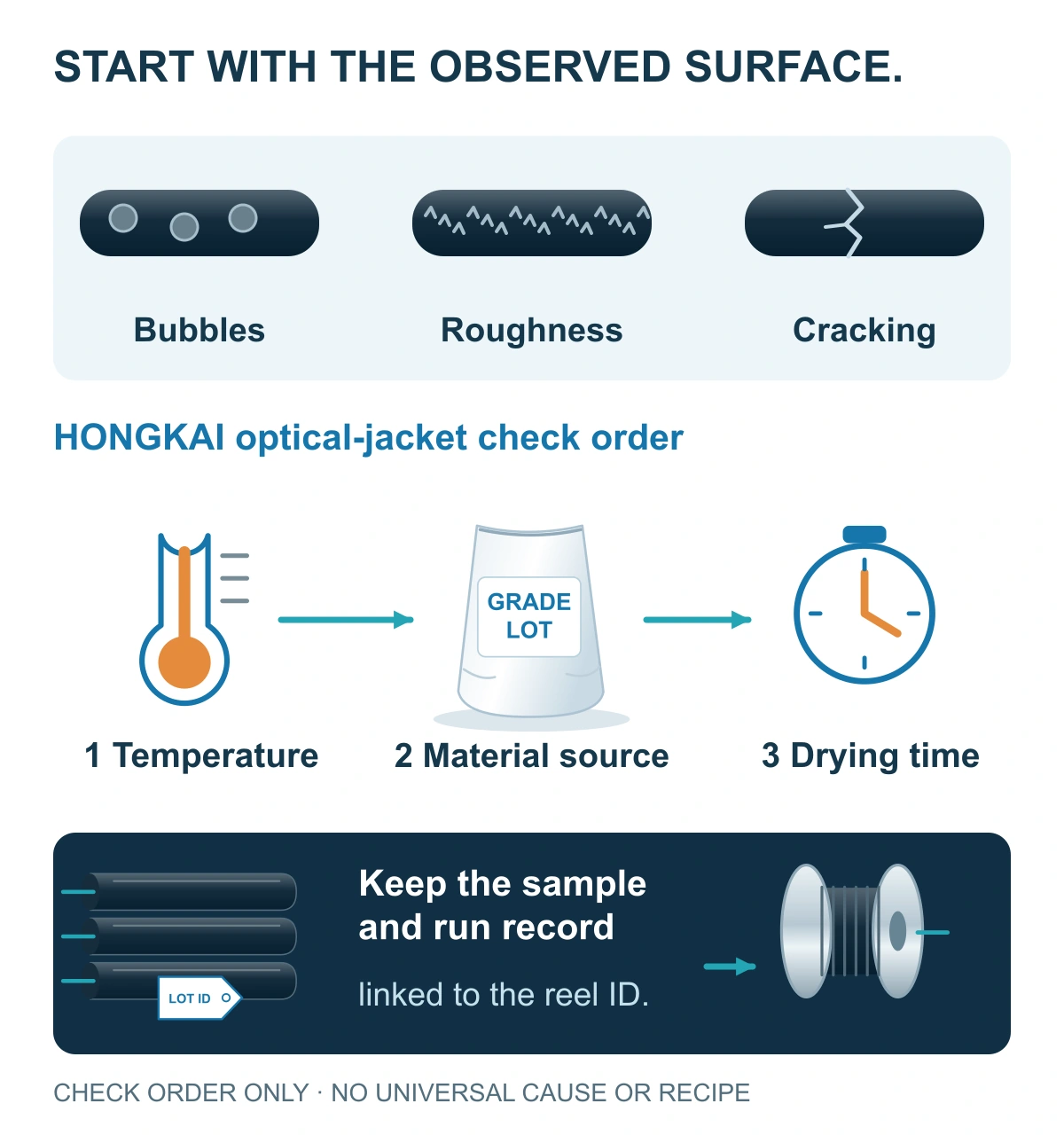
Exaggerated surface symptoms and the optical-jacket investigation sequence. These are explanatory drawings, not observed samples or proof of a particular defect cause; drying requirements remain grade-specific.
How to verify: Build a trial sheet around an identified cable and compound lot. Record the agreed setup, the operating condition and the measurements attached to the retained sample. Mark observations that remain unresolved instead of converting them into a diagnosis.
| Trial record | Buyer question it should answer | Limit of that evidence |
|---|---|---|
| Compound, color and input-core identity | Was this the material and construction covered by the proposed scope? | An unidentified sample cannot establish repeatability for the named product |
| Setup and process observations | Which tools and equipment arrangement produced the sample, and what was actually measured? | A controller screenshot alone does not describe the complete operating state |
| Output and finished dimensions together | Was usable cable produced under the agreed condition, rather than material discharged without the cable duty? | An isolated output figure does not prove finished-cable quality |
| Surface, layer and handling observations | Which product requirements were checked after forming, cooling and winding? | A visually smooth jacket is not a low-smoke or halogen assessment |
| Sample and reel identification | Can the retained specimen and later laboratory results be linked to this run? | An unlinked laboratory report cannot demonstrate what happened in this trial |
For bubbles, roughness or cracking in the LSZH optical-jacket application, HONGKAI’s practical investigation starts in this order:
- Check the temperature conditions and control behavior against the selected material’s requirements; do not simply increase the setpoint.
- Check the material source and the identity of the compound being processed.
- Check the drying duration against the applicable material instructions and recorded preparation.
Preserve the sample and operating record throughout the investigation. This order organizes the checks; it does not prove that every defect has a temperature or moisture cause, or that every LSZH compound needs the same drying treatment. Ask the responsible material and equipment specialists to resolve the actual finding rather than changing several conditions without a record.
For a multi-product proposal, identify which products were demonstrated, which were assessed only on documents and which remain outside the offer. A successful trial of one jacket does not establish every insulation grade, cable size, wall thickness or color combination on a proposed product list.
Define What the Trial Authorizes
End the review with a specific decision. The outcome may be a feasible material route, approval of a modified equipment package, acceptance of demonstrated cable production, or a requirement for further work. These are different outcomes and should not share an ambiguous “LSZH approved” label.
The production acceptance record should state the material and construction, the demonstrated operating scope, the measured product requirements and any unresolved items. A retained-machine decision should identify the retained equipment. A modification decision should identify the changed hardware and its interface, not merely a new material name on the quotation.
For the optical-jacket equipment acceptance described by HONGKAI, the practical machinery check focuses on extrusion and eccentricity. The cable manufacturer organizes the post-production checks of the material and finished-cable performance, including the low-smoke, halogen and flame requirements actually specified. Any additional dimensional, mechanical or laboratory duty should be assigned explicitly in the agreed scope rather than assumed to be included in a machinery demonstration.
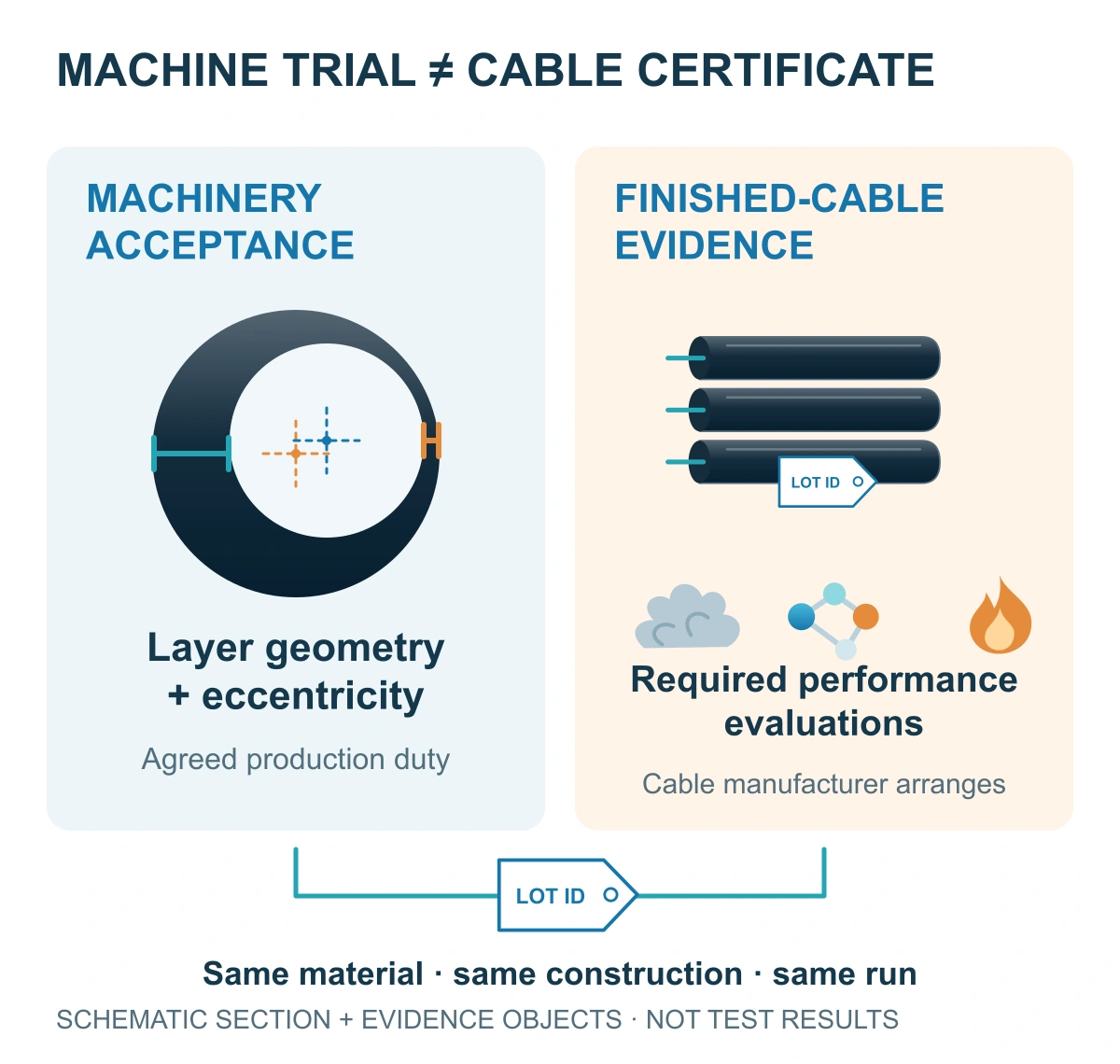
Generic layer-section and evidence-object illustrations, not a specified cable construction, tolerance or test result. Machinery acceptance remains separate from finished-cable performance evaluation.
The machine performs the extrusion duty; it cannot turn an unsuitable raw material into a cable with the required properties. That responsibility boundary is not a reason to assign every failed result to the material: retain the evidence and investigate the material, processing and product requirements separately.
Keep the finished-cable claim on a separate evidence track. Agree who arranges the applicable evaluation, which construction and components it covers, how samples are identified and which report supports the proposed sales claim. Do not label a line demonstration as a certification test unless that is genuinely the agreed evaluation with the correct responsible organization and scope.
그만큼 factory testing and batch-release planning guide can help organize instruments, specimens and traceability. It does not imply that a standard online gauge or spark tester supplies every fire, smoke or material test required for an LSZH product.
Common mistakes: A quotation promises an LSZH product range from an unspecified compound; the buyer accepts line speed without the corresponding product measurements; or a material document is filed as if it were the finished cable’s performance report. Resolve the missing evidence before expanding the approved production or marketing scope.
The useful procurement result is a defined cable, a named material, a justified equipment arrangement and clearly separated production and product evidence. This gives a factory a practical basis for a line conversion without promising universal material compatibility or an unverified finished-cable claim.
-
UL Solutions, Halogen Free and Low Smoke Halogen Free Cable Certification, distinguishes finished-construction smoke performance from halogen evaluation of combustible components. This article does not claim UL certification for HONGKAI equipment or a customer’s cable. ↩
-
Nexans, Fire safety, separates low-fire-hazard properties from continued function during fire. No regional legal requirement or universal product class is inferred here. ↩
-
Alphagary, MEGOLON LSHF Compounds: Extrusion Guideline, Issue 7, August 2024, is manufacturer-specific processing guidance, not a general LSZH recipe. Its proprietary screw drawing is not reproduced. ↩
-
Borealis, Casico low-smoke and zero-halogen cable-jacketing materials, describes compatibility within its own material range. It does not approve an unidentified HONGKAI or customer extrusion setup. ↩

 English
 हिन्दी
 فارسی