











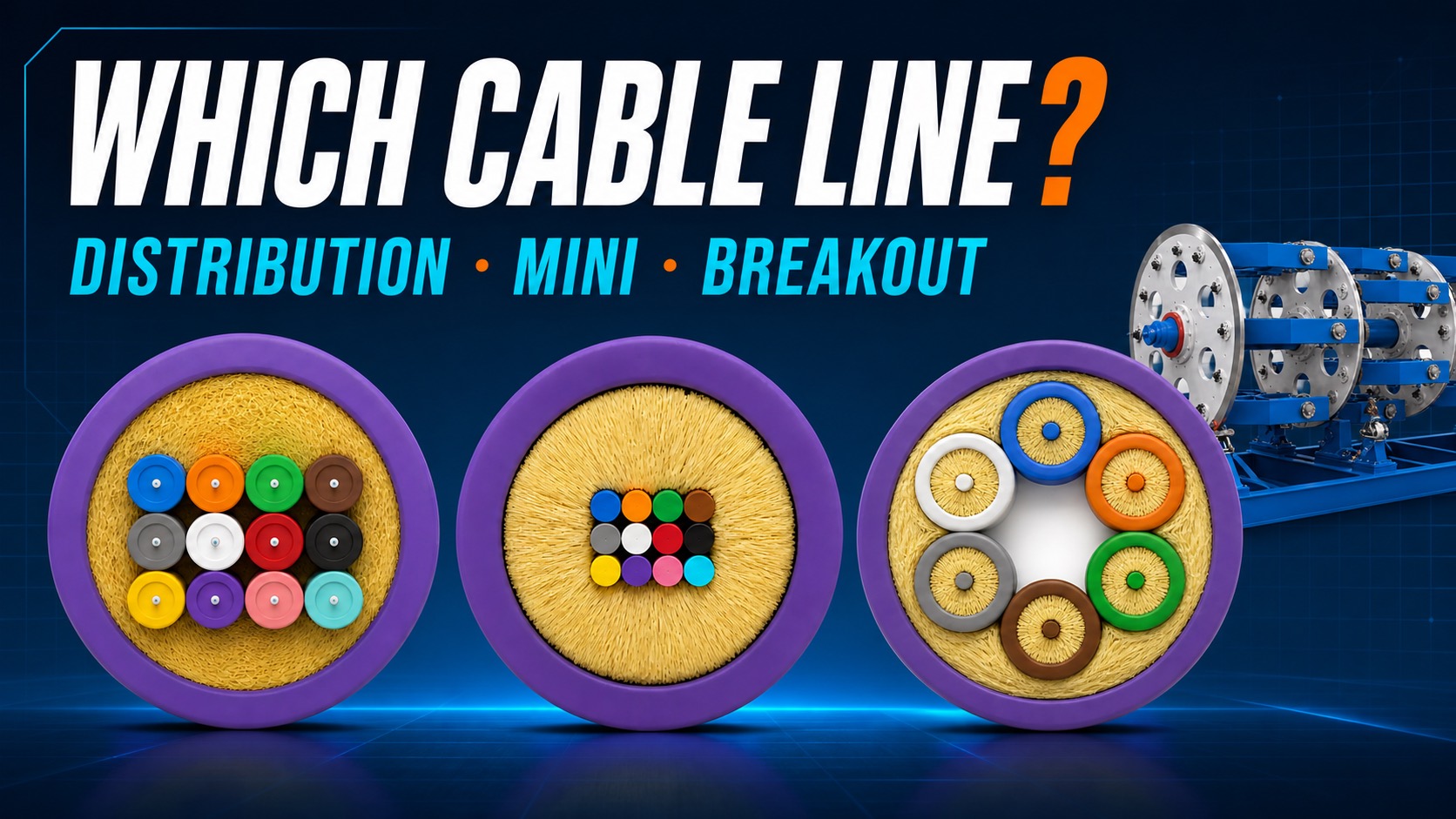
Factory owners planning an indoor multi-fiber cable line, production managers adding a new cable family, and technical buyers comparing proposals face the same risk: one product name can hide several different cable structures. Selecting machinery before checking the cable cross-section can leave a required process out of the project or add equipment the factory does not need.
Start with the element that enters final cable formation, not with a machine model. A conventional distribution cable uses tight-buffered fibers, the compact mini cable defined in this guide uses colored coated fibers, and a classic breakout cable uses finished simplex subcables. Each input requires a different upstream route and core-forming method. Only after the cross-section is confirmed should a factory decide which modules can be reused and which must be added.
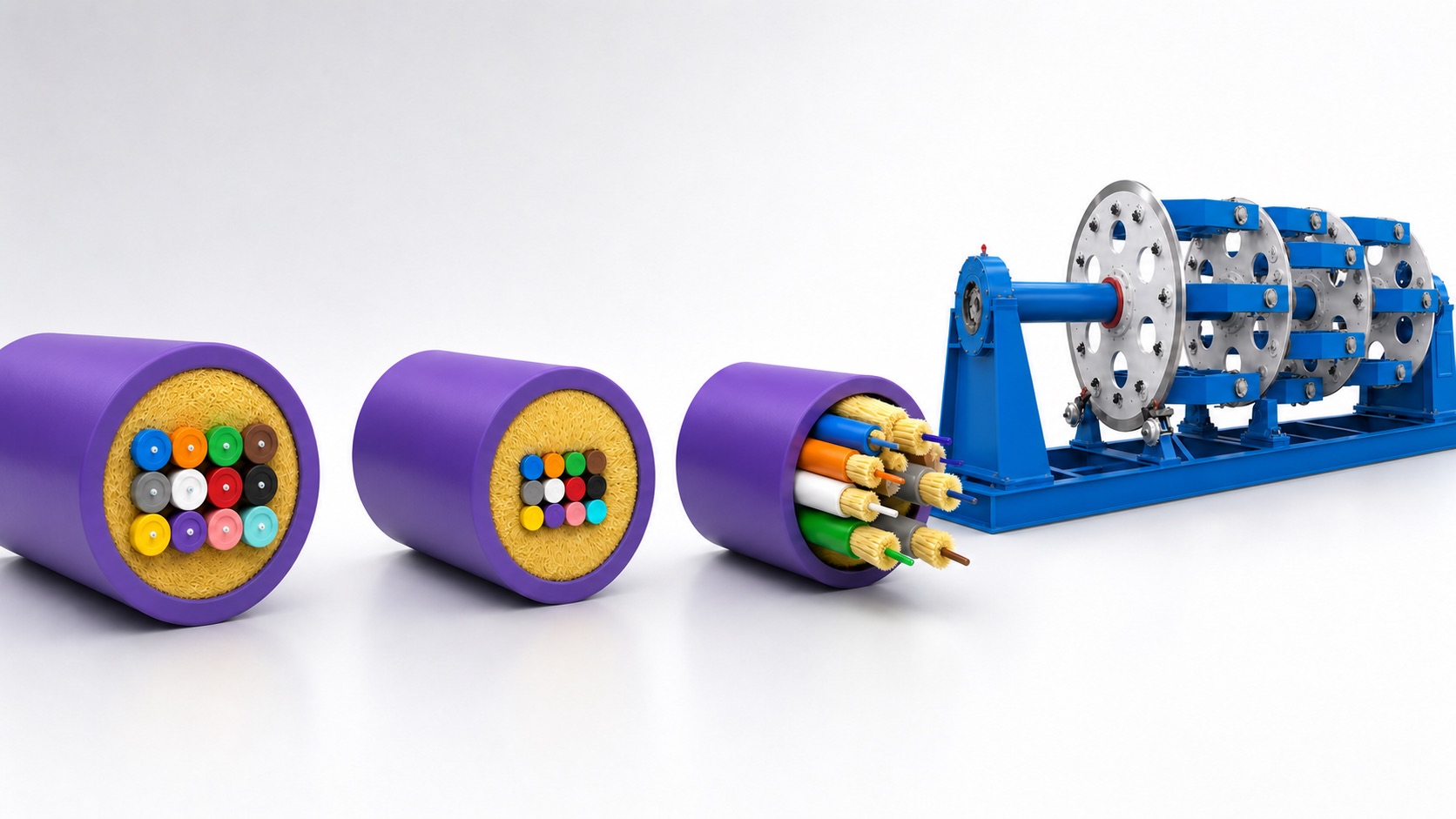
HONGKAI technical illustration based on verified cable references: the three structures are parallel product choices, not consecutive production stages. The cage strander applies only to the illustrated breakout route.
This guide gives each reader a different output from the same technical comparison. A factory owner can define the investment boundary, a production manager can check the manufacturing stages and changeover risks, and a technical buyer can turn the approved cable drawing into an RFQ and FAT checklist.
The term “mini cable” is not used consistently across the fiber-cable industry. In this guide it means a compact indoor, GJFV-style multi-fiber construction using colored coated fibers beneath shared reinforcement and one outer jacket. It does not mean a classic breakout cable or an outdoor air-blown microduct cable. The approved cross-section always takes priority over the sales name.
How Can a Buyer Identify Distribution, Compact Mini, and Breakout Cable from the Cross-Section?
Trace one optical fiber from the center of the cable toward the outer jacket. A conventional distribution cable shows an individual tight buffer but no individual subcable jacket. The compact mini cable defined in this guide shows a colored coated fiber beneath shared reinforcement, while a classic breakout cable shows a complete simplex subcable around every fiber. This layer-by-layer check is more reliable than the product name printed on an enquiry.
| Question to check on the cross-section | Cáp phân phối | Compact mini cable | Cáp phân nhánh |
|---|---|---|---|
| What enters the cable-forming stage? | Tight-buffered fibers | Colored coated fibers | Finished simplex subcables |
| Does every fiber have a tight buffer? | Đúng | No, unless a different approved design specifies it | Yes, inside each simplex subcable |
| Does every fiber have its own subcable jacket? | KHÔNG | KHÔNG | Đúng |
| How is the core formed? | Tight-buffered fibers are gathered or stranded | Sợi được phủ màu được tập hợp hoặc đan nhẹ khi cần thiết | Cáp con đơn giản được đan lồng |
| Điều gì được chia sẻ bởi tất cả các thành phần? | Cốt gia cố bằng aramid hoặc theo yêu cầu và lớp vỏ ngoài | Cốt gia cố bằng aramid hoặc theo yêu cầu và lớp vỏ ngoài nén | Cốt gia cố cuối cùng và lớp vỏ ngoài chung |
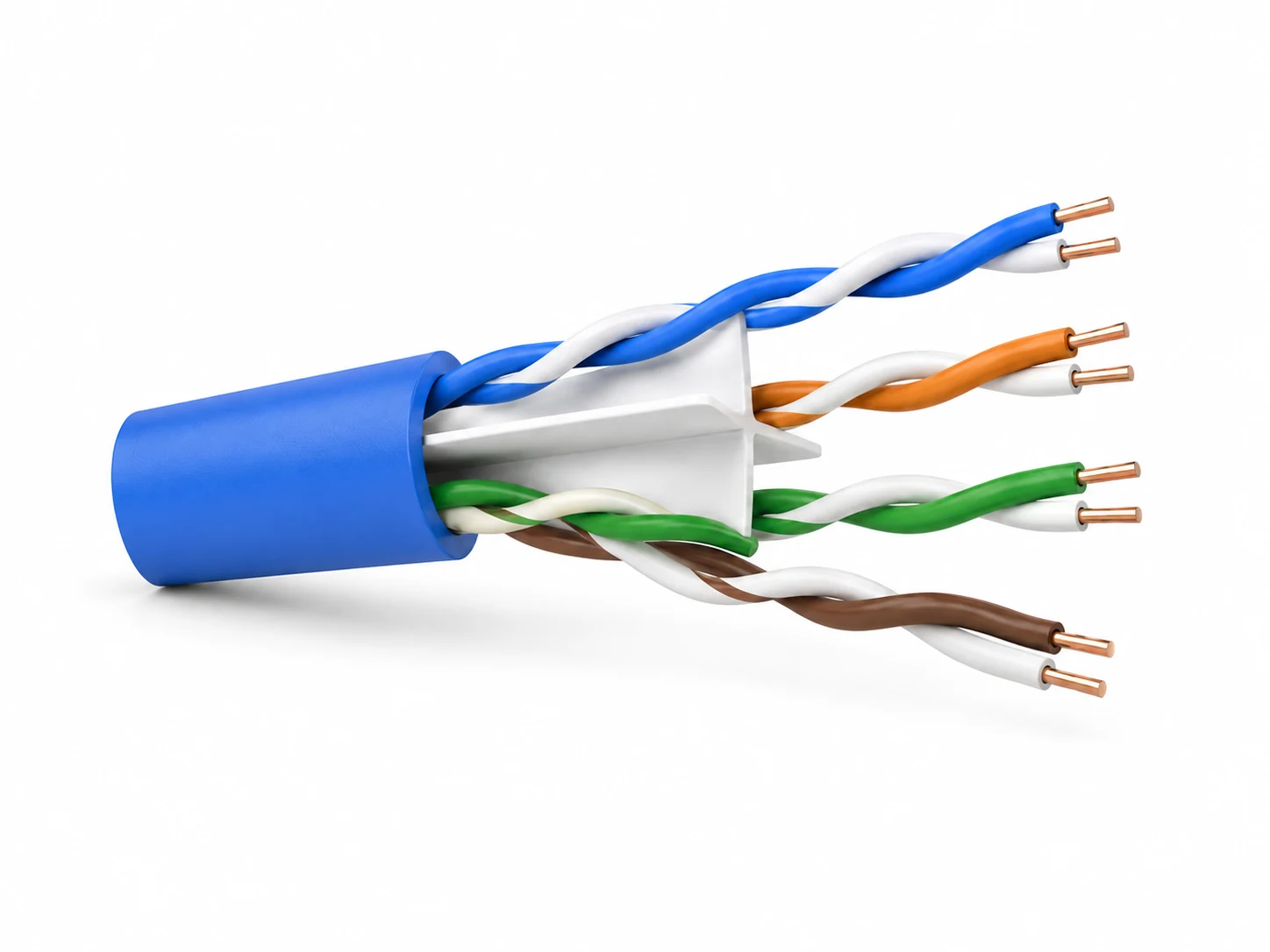
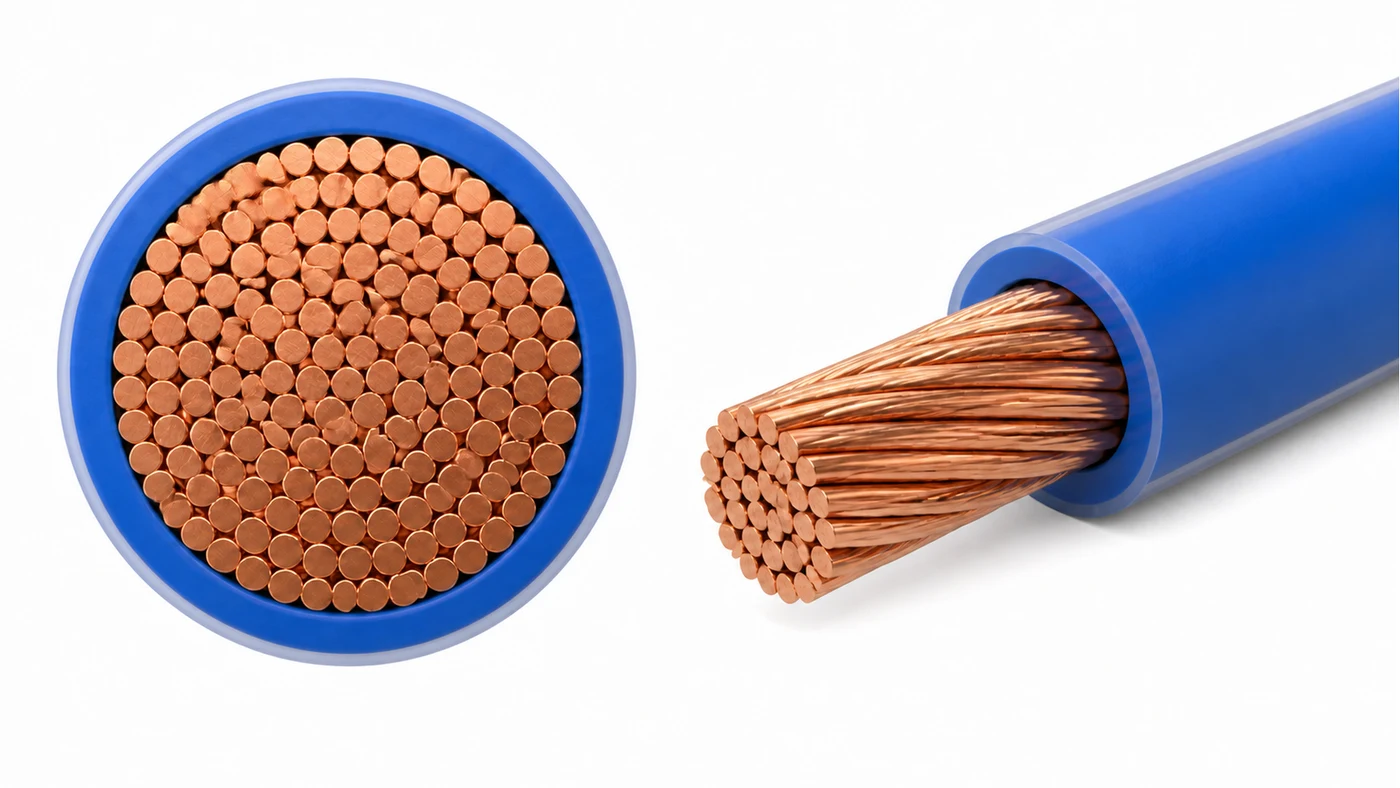
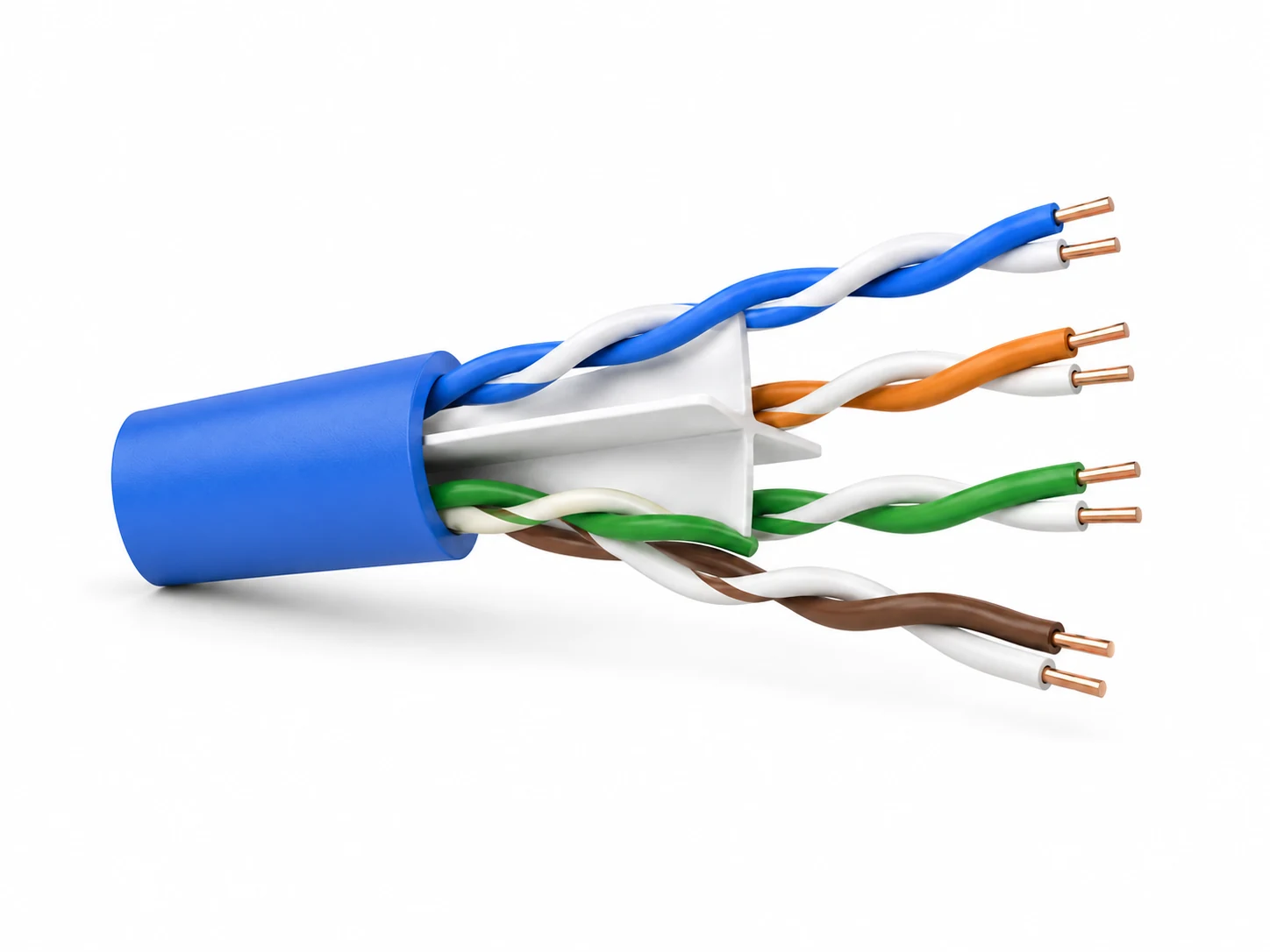
Ví dụ phân phối thông thường của AFL sử dụng sợi được đệm chặt dưới cốt chung và một lớp vỏ ngoài.1 Sản phẩm tách riêng của AFL cho thấy mỗi đơn vị con đơn giản với sợi đệm chặt riêng, sợi aramid và lớp vỏ đơn vị con dưới các lớp vỏ ngoài chung của cáp.2 IEC cũng công bố các thông số kỹ thuật chi tiết riêng cho cáp phân phối trong nhà và cáp tách đa đơn giản.34 Các cấu trúc được công bố này cho thấy tại sao cần kiểm tra mặt cắt ngang, chứ không phải tên bán hàng, trước khi chọn tuyến sản xuất.
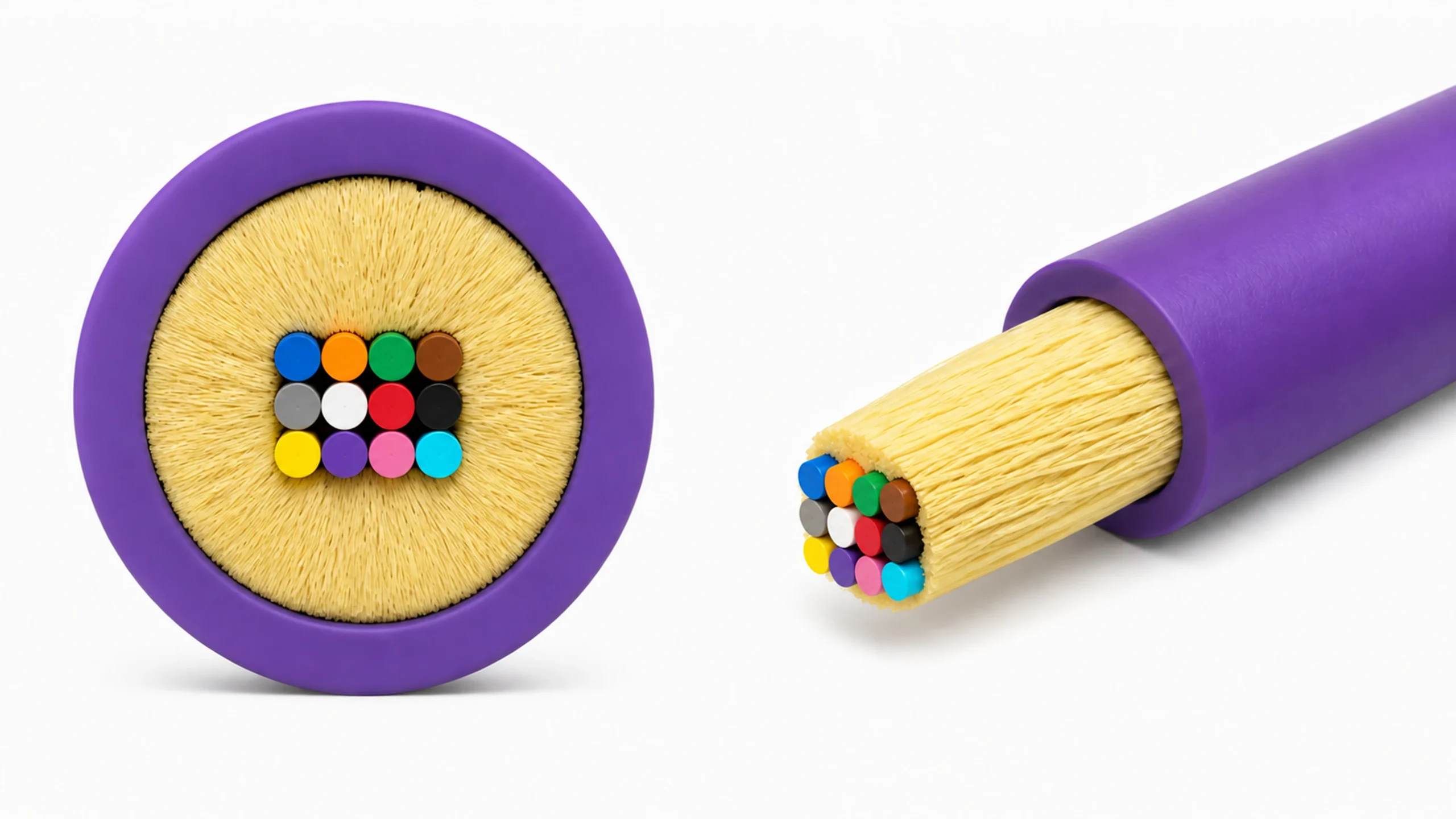
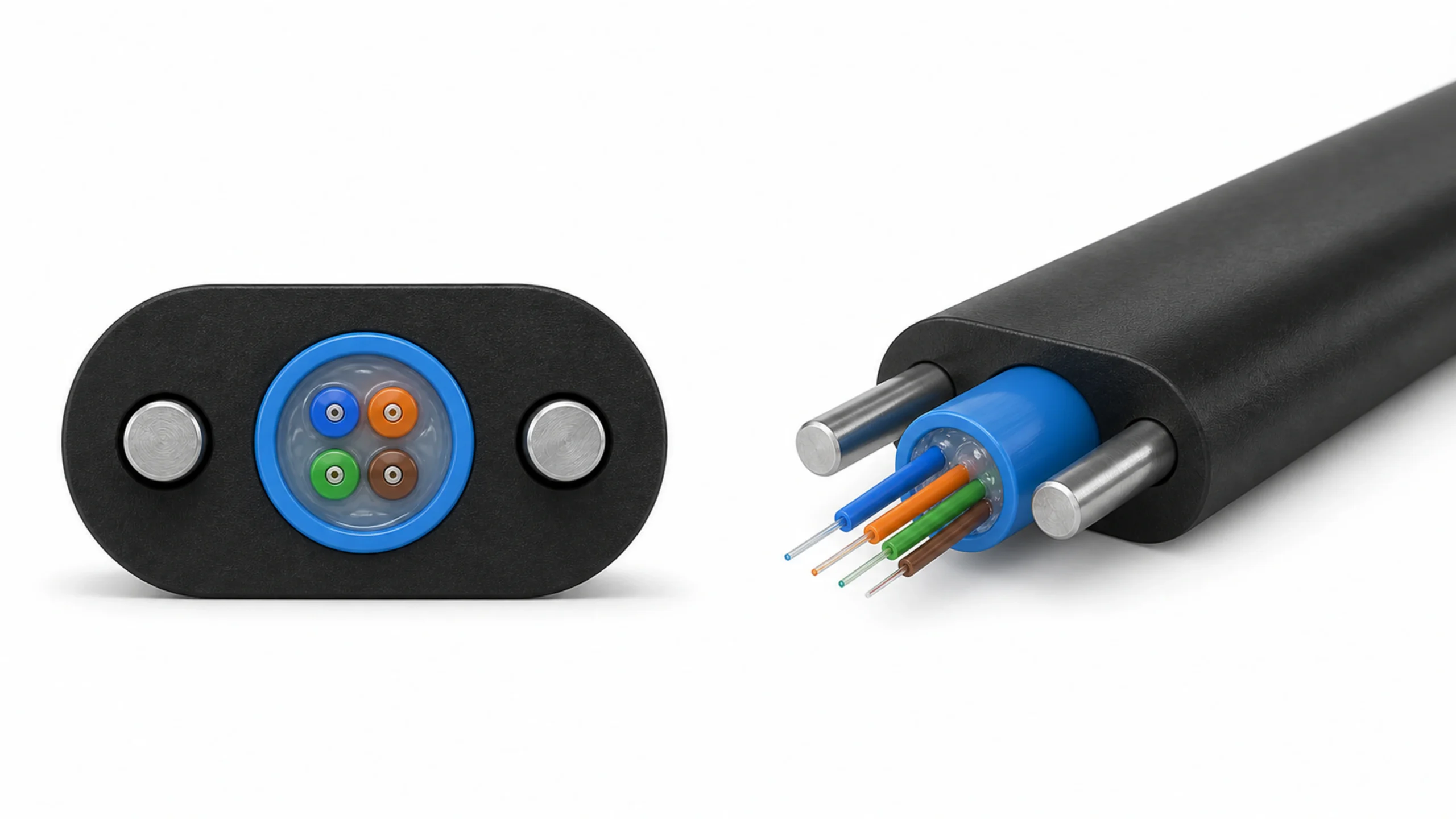
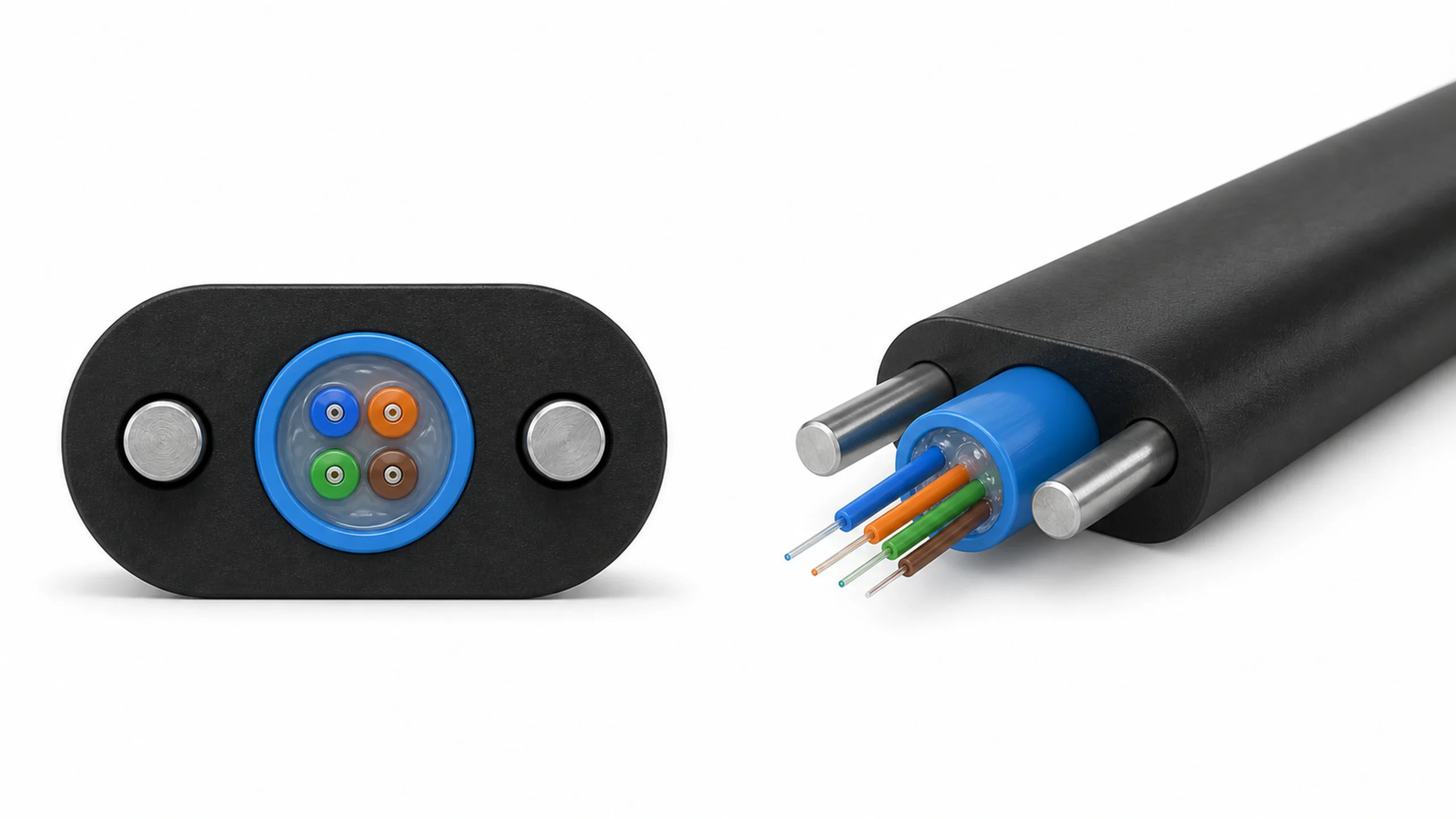
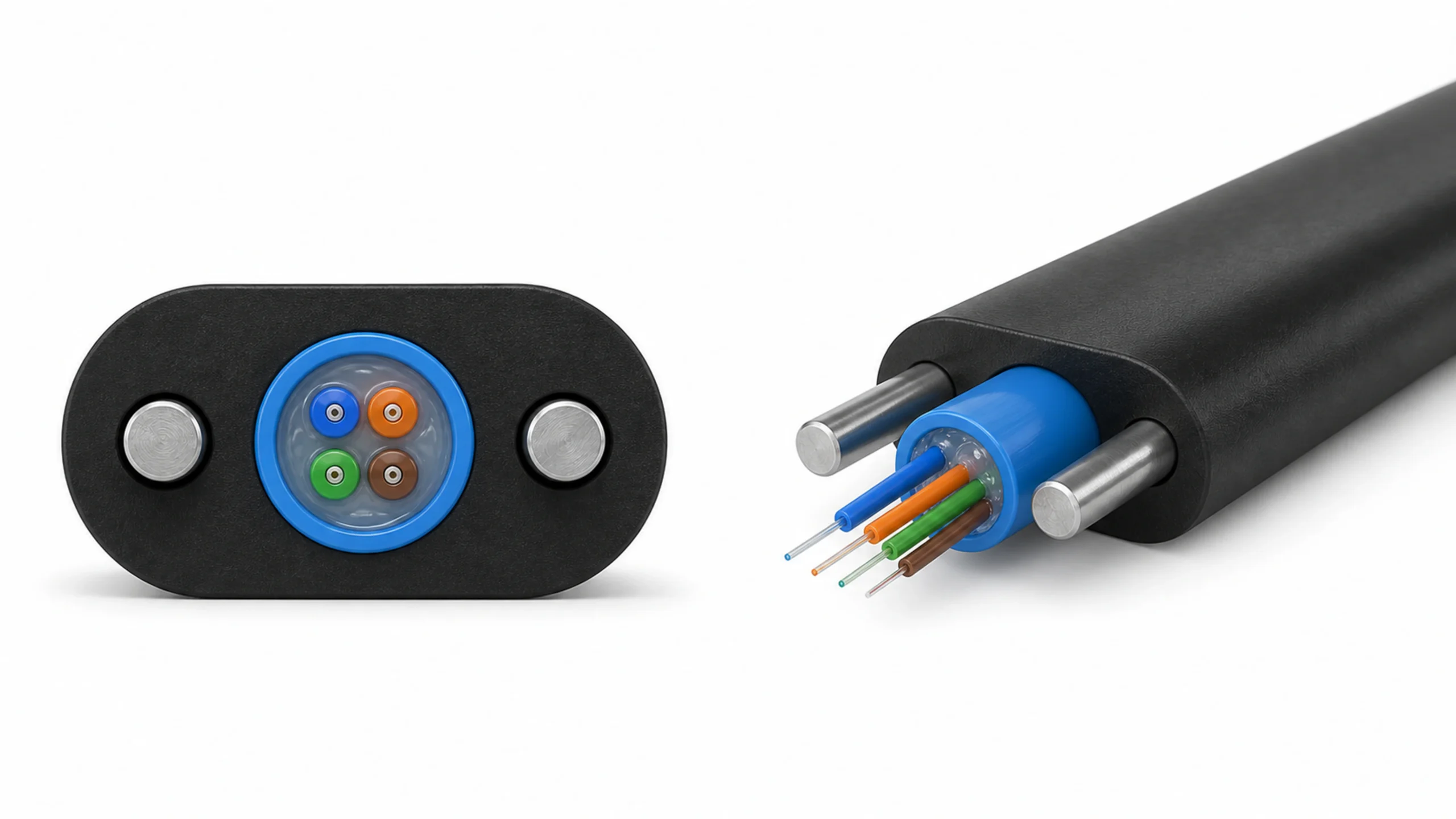
Tham chiếu cấu trúc HONGKAI 3D: các sợi màu tạo thành một cụm nén bên trong sợi gia cố chung và một lớp vỏ ngoài. Hình minh họa không hiển thị các cáp con đơn giản được bao bọc riêng lẻ.
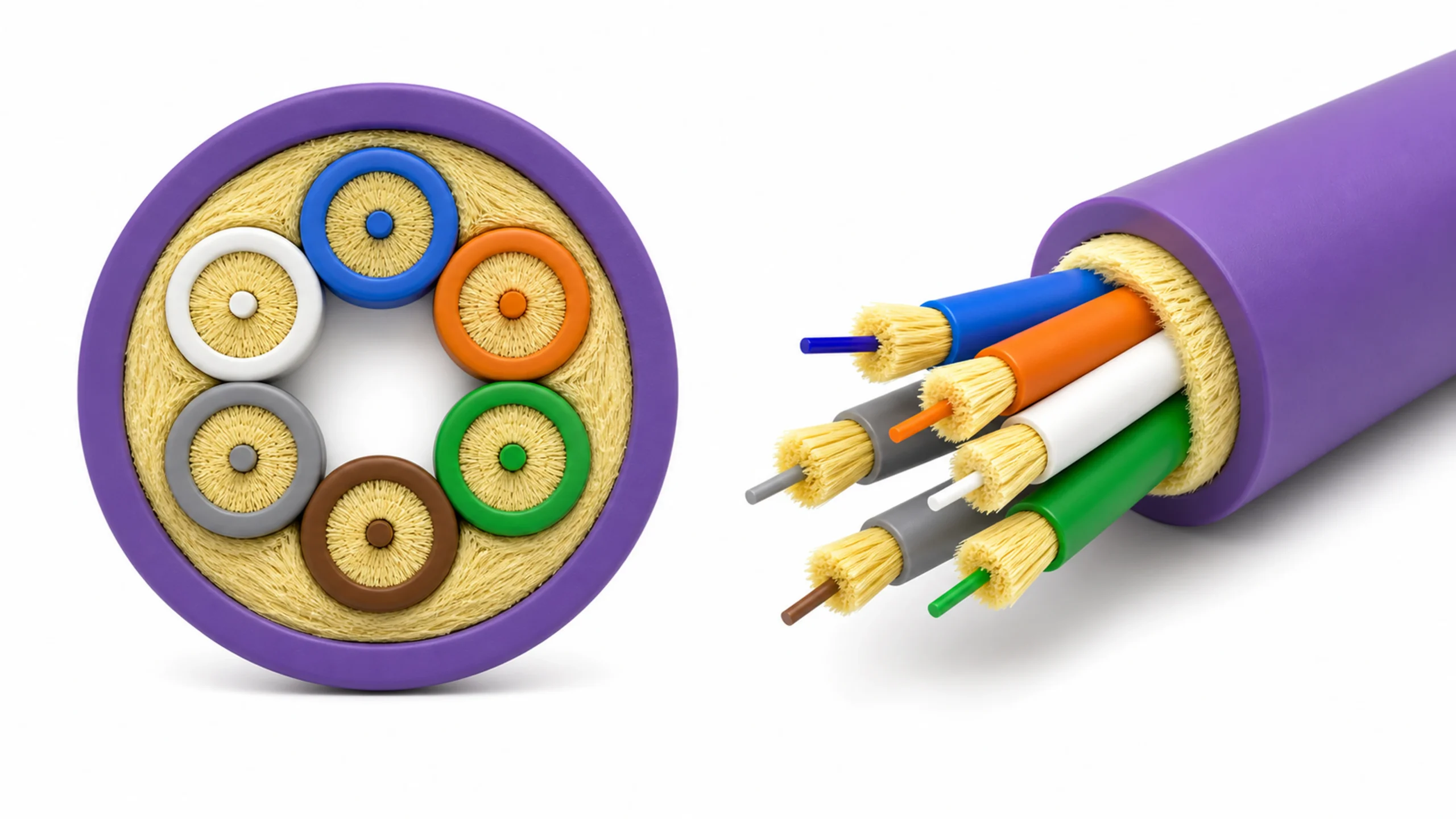
Tham chiếu cấu trúc HONGKAI 3D: các cáp con đơn giản được bao bọc riêng lẻ được lắp ráp dưới một lớp vỏ ngoài chung. Bản vẽ giải thích cấu trúc tách rời và không xác định loại đầu nối.
Tiêu chí quyết định: Yêu cầu mặt cắt ngang rõ ràng, mẫu vật lý hoặc bản vẽ được phê duyệt. Nếu tài liệu không cho thấy thành phần đầu vào là sợi phủ, sợi đệm chặt hay cáp con đơn giản hoàn chỉnh, thì việc so sánh thiết bị đã bắt đầu quá sớm.
Lưu ý: Một đầu nối phân nhánh cũng có thể được gọi là “tách rời”, nhưng tên lắp ráp MPO-to-LC không chứng minh rằng cáp cơ sở có cấu trúc cáp tách rời cổ điển.
Các giai đoạn sản xuất cần thiết khác nhau như thế nào giữa ba cấu trúc cáp?
Tuyến sản xuất thay đổi tùy theo thành phần đi vào từng giai đoạn. Cáp phân phối cần sợi đệm chặt trước tiên, cáp mini nén có thể bắt đầu với sợi phủ màu đạt tiêu chuẩn, và cáp tách rời phải tạo ra các cáp con đơn giản hoàn chỉnh trước tiên. Sau đó, quá trình hình thành lõi thay đổi từ việc tập hợp hoặc đan sợi đệm, sang tập hợp hoặc đan nhẹ sợi phủ, sang đan lồng các cáp con lớn hơn. Các mô hình máy nên được ánh xạ chỉ sau khi đồng ý các giai đoạn bắt buộc này.
| Cable structure | Điều gì đi vào tuyến sản xuất? | Tuyến sản xuất cần thiết | Kiểm tra chính trước khi báo giá | Cấu hình tham chiếu HONGKAI |
|---|---|---|---|---|
| Phân phối | Sợi phủ, sau đó là sợi được đệm chặt | Đệm chặt → tập hợp hoặc xoắn các sợi đệm chặt → aramid → vỏ chung | Đường kính đệm, số lượng sợi, bố trí lõi, vỏ và đầu ra | HK-30 đệm chặt + được cấu hình HK-50 GJFJV tuyến |
| Nhỏ gọn, mini | Sợi phủ màu đạt tiêu chuẩn | Tập hợp hoặc xoắn nhẹ khi cần thiết → aramid → vỏ chung nhỏ gọn | Xác định sợi, lực căng, bước xoắn yêu cầu và đường kính hoàn thiện | Được cấu hình HK-50 GJFV tuyến |
| Phân nhánh | Sợi phủ, sau đó là các subcable đơn lẻ hoàn chỉnh | Đệm chặt → subcable đơn lẻ → xoắn lồng → củng cố và vỏ chung | Số lượng subcable và đường kính, bố trí lồng, bước xoắn, phần tử trung tâm và vỏ | HK-30 + được cấu hình HK-50 giai đoạn đơn lẻ + lồng/HK-70 giai đoạn cuối cùng |
Con đường đã công bố GJFJV xác nhận việc đệm chặt trước giai đoạn cáp phân phối.5 Con đường tham chiếu GJFV nhỏ gọn chấp nhận trực tiếp các sợi phủ màu, do đó không thêm đệm chặt trừ khi bản vẽ được phê duyệt khác yêu cầu.6 Một cấu trúc trong nhà của Corning cũng sử dụng các sợi phủ mã màu, các thành phần chịu lực dielectric chung và một lớp vỏ duy nhất.7
Sản xuất phân nhánh cổ điển thêm một cấp sản xuất khác vì mỗi sợi đệm chặt trở thành một cáp đơn lẻ được gia cố và bao bọc riêng biệt trước khi lắp ráp cuối cùng.8 Video dự án HONGKAI cho thấy quá trình xoắn lồng, gia cố, đùn, làm nguội và thu gom trong một dự án cáp phân nhánh hoặc cáp nhánh tại Trung Quốc.9 Đoạn phim hỗ trợ trình tự quy trình, nhưng không xác định số lượng lồng, tốc độ dây chuyền, vật liệu hoặc kích thước cáp thành phẩm phổ quát.

Cấu hình tham chiếu HONGKAI 3D: máy xoắn lồng lắp ráp các cáp đơn lẻ trước khi bao bọc bên ngoài chung. Tổng số lồng cuối cùng, kích thước cuộn và bố trí dây chuyền phụ thuộc vào bản vẽ cáp được phê duyệt và sản lượng yêu cầu.
Video dự án HONGKAI: các giai đoạn xoắn lồng và bao bọc chung phía sau trong một dự án cáp phân nhánh hoặc cáp nhánh tại Trung Quốc.
Cách xác minh: Vẽ một hộp quy trình cho mỗi lớp trong mặt cắt ngang được phê duyệt. Danh sách thiết bị của nhà cung cấp là không đầy đủ nếu bất kỳ lớp đệm, lớp vỏ cáp con, gia cố, định hình lõi hoặc lớp vỏ cuối nào không thể truy xuất về một giai đoạn được đặt tên.
Lưu ý: Các mô hình HONGKAI trong bảng là các cấu hình tham chiếu sau khi quy trình đã được xác định; chúng không thay thế bản vẽ cáp của người mua.
Những mô-đun sản xuất nào nhà máy có thể tái sử dụng và những mô-đun nào phải giữ nguyên đặc thù sản phẩm?
Nhà máy có thể tái sử dụng các chức năng ép đùn, làm nguội, đo lường và thu gom trên nhiều loại cáp được phê duyệt. Các phần cấp nguyên liệu và tạo lõi ít linh hoạt hơn vì sợi phủ, sợi đệm chặt và cáp con đơn hoàn chỉnh sử dụng kích thước cuộn, phạm vi lực căng và phương pháp xử lý khác nhau. Việc sử dụng chung máy ép đùn cũng không loại bỏ các dụng cụ, hợp chất, thiết lập hoặc kiểm tra chất lượng đặc thù sản phẩm. Việc tái sử dụng phải được xác nhận từng mô-đun, chứ không được hứa hẹn cho toàn bộ dây chuyền sản xuất.
| Chức năng sản xuất | Cáp phân phối | Compact mini cable | Cáp phân nhánh | Câu hỏi dành cho nhà máy hiện có |
|---|---|---|---|---|
| Tô màu hoặc nhận dạng sợi | Theo yêu cầu trước khi đệm chặt | Cần thiết nếu không mua sợi đã được tô màu đạt chuẩn | Theo yêu cầu trước khi đệm chặt | Sợi đầu vào đã được xác nhận và nhận dạng chưa? |
| Bọc chặt | Thông thường cần thiết | Không cần thiết cho cấu trúc sợi phủ được định nghĩa ở đây | Thông thường cần thiết trước khi sản xuất cáp con đơn | Dây chuyền lắp đặt có đáp ứng được cấu trúc đệm được phê duyệt không? |
| Sản xuất cáp con đơn | Không cần thiết | Không cần thiết | Cần thiết trước khi lắp ráp cáp cuối cùng | Có giai đoạn riêng biệt để gia cố và bao jacket cáp con không? |
| Hình thành lõi | Tập hợp hoặc xoắn các sợi đệm chặt | Tập hợp hoặc xoắn nhẹ các sợi phủ khi cần thiết | Xoắn cage các cáp con đơn hoàn chỉnh | Dây chuyền cấp nguyên liệu hiện tại có xử lý được cuộn đầu vào và phạm vi lực căng thực tế không? |
| Lớp vỏ chung và thu gom | Yêu cầu theo bản vẽ | Yêu cầu theo bản vẽ | Yêu cầu sau khi lắp ráp cáp con | Các công cụ, sản lượng, làm nguội và thu gom có bao phủ mọi sản phẩm được phê duyệt không? |
Tiêu chí quyết định: So sánh thiết bị đã lắp đặt với bản vẽ sản phẩm thực tế. Ghi lại cuộn cấp, phạm vi lực căng, đường kính lõi, phương pháp dẫn hướng, công cụ, yêu cầu đùn, bố trí làm nguội, điểm đo và cuộn thu gom cho mỗi sản phẩm. Đường kính thành phẩm tương tự không chứng minh rằng một hệ thống định hình lõi có thể xử lý cả ba đầu vào.
Một kế hoạch sản xuất cũng nên tách riêng việc tái sử dụng thiết bị khỏi việc chuyển đổi sản phẩm. Hướng dẫn, khuôn, thiết lập lực căng, hợp chất, dữ liệu in và kế hoạch kiểm tra có thể thay đổi ngay cả khi máy đùn phía sau vẫn đang hoạt động. Đề xuất kỹ thuật nên liệt kê riêng từng mô-đun có thể tái sử dụng và từng mô-đun cụ thể theo sản phẩm. Hướng dẫn sản xuất cáp quang rộng hơn hướng dẫn sản xuất cáp quang giải thích cách các chức năng này tích hợp vào một tuyến nhà máy hoàn chỉnh.
Lưu ý: Câu hỏi thương mại hữu ích là “Những giai đoạn đã xác minh nào mà các sản phẩm được phê duyệt có thể chia sẻ?” thay vì “Một máy có thể sản xuất mọi loại cáp quang trong nhà không?”
Một nhà máy cáp quang mới nên quyết định xây dựng tuyến sản phẩm nào trước tiên?
Một nhà máy mới nên chọn tuyến đường đầu tiên dựa trên bản vẽ cáp đã xác nhận, yêu cầu của khách hàng mục tiêu và kế hoạch sản xuất thực tế. Không nên mua cả ba tuyến đường chỉ vì cáp phân phối, cáp mini và cáp tách nhánh có thể phục vụ các thị trường liên quan. Đầu tư ban đầu nên bao gồm các giai đoạn bắt buộc cho sản phẩm được phê duyệt đầu tiên, trong khi các sản phẩm tương lai được ghi nhận là yêu cầu mở rộng. Công suất, thời gian dự án, tiện ích sẵn có, nhân sự kỹ thuật và ngân sách sau đó xác định liệu các mô-đun chia sẻ hay các dây chuyền riêng biệt là thực tế.
| Tình hình hiện tại | Hành động lập kế hoạch | Bằng chứng cần có trước khi cam kết |
|---|---|---|
| Một sản phẩm hoặc đơn hàng đã xác nhận | Xác định toàn bộ tuyến đường cho bản vẽ đó và xác định các giao diện mở rộng tùy chọn | Tiết diện được phê duyệt, vật liệu, sản lượng yêu cầu, dữ liệu cuộn và các bài kiểm tra chấp nhận |
| Nhiều sản phẩm cáp trong nhà được lên kế hoạch | So sánh tất cả các giai đoạn quy trình và làm nổi bật các mô-đun có thể tái sử dụng thực sự | Một bản vẽ và dự báo cho từng sản phẩm, không chỉ là danh sách tên sản phẩm |
| Một nhà máy hiện có đang mở rộng | Kiểm toán các máy móc đã lắp đặt trước khi bổ sung thiết bị mới | Mô hình, phạm vi sử dụng, kích thước cuộn, dụng cụ, điều kiện và bằng chứng sản xuất gần đây |
| Cần một nhà máy trọn gói | Tách biệt máy sản xuất cáp khỏi phòng thí nghiệm, hệ thống tiện ích, lắp đặt và phạm vi bên thứ ba | Bố trí nhà máy, điều kiện điện và nước, kế hoạch nhân sự, lịch trình và danh sách trách nhiệm |
Chủ nhà máy không cần quyết định từng mô hình máy móc tại buổi họp đầu tiên. Tuy nhiên, chủ nhà máy cần xác định rõ loại cáp thành phẩm sẽ tạo ra đơn hàng đầu tiên đạt tiêu chuẩn, sản lượng yêu cầu bởi kế hoạch kinh doanh, thời điểm bắt đầu sản xuất và những trách nhiệm dự án nào nên giữ lại tại nhà máy hoặc giao cho nhà cung cấp. Một kế hoạch từng giai đoạn chỉ đáng tin cậy khi giai đoạn đầu tiên có thể sản xuất và kiểm thử được một loại cáp đạt chuẩn để bán mà không phụ thuộc vào máy móc chưa xác định trong tương lai.
Một chuỗi sàng lọc đầu tiên thực tế bắt đầu bằng việc xác nhận sản phẩm là trong nhà hay ngoài trời, sau đó yêu cầu hình ảnh cáp hoặc tên sản phẩm chính xác và công suất yêu cầu. Tiếp theo là ngày dự án, ngân sách ước tính và liệu người mua cần thiết bị chỉ hay phạm vi nhà máy trọn gói. Những đầu vào này xác định ranh giới đầu tư trước khi chuẩn bị báo giá.
Lưu ý: Một danh sách thiết bị ban đầu nhỏ hơn không tự động là khoản đầu tư an toàn hơn; nó vẫn phải bao gồm mọi quy trình và kiểm tra cần thiết cho sản phẩm đầu tiên đạt chuẩn.
Điều gì Một Quản lý Sản xuất Cần Xác Nhận Trước Khi Phê Duyệt Đường Dẫn Sản Xuất?
Một quản lý sản xuất cần xác nhận cách vật liệu đi vào, di chuyển qua và rời khỏi từng giai đoạn của đường dẫn đề xuất. Việc xem xét phải bao gồm cuộn cấp liệu và cuộn thu, kiểm soát lực căng, tạo lõi, gia cố, áp dụng lớp vỏ, đo lường trong quá trình và kiểm tra thành phẩm. Nó cũng cần chỉ rõ nơi lưu trữ sản phẩm đang chế biến giữa các giai đoạn đệm chặt, sản xuất simplex và lắp ráp cáp cuối cùng. Một sơ đồ quy trình chỉ sẵn sàng để phê duyệt khi người vận hành có thể làm theo mà không cần đoán máy nào tạo ra từng lớp cáp.
Danh sách kiểm tra: Đối chiếu các điểm này với bản vẽ đã phê duyệt và điều kiện vận hành thực tế của nhà máy:
- ☐ Thông số kỹ thuật của sợi phủ, sợi đệm chặt hoặc subcable simplex đầu vào
- ☐ Cuộn cấp liệu, cuộn thu và phạm vi kiểm soát lực căng cho từng giai đoạn
- ☐ Phương pháp tập hợp, đan kiểm soát hoặc đan lồng và bước đan yêu cầu
- ☐ Sắp xếp phần tử trung tâm, chất điền, chất buộc, sợi aramid và dây rút
- ☐ Hợp chất lớp vỏ, kích thước, đánh dấu và phân loại chống cháy yêu cầu
- ☐ Dụng cụ, hướng dẫn và thiết lập cần thiết cho mỗi lần thay đổi sản phẩm
- ☐ Các điểm đo lường trong quá trình như đường kính, độ đồng tâm hoặc các điểm khác đã thống nhất
- ☐ Các bài kiểm tra quang học, kích thước và cơ học thành phẩm trong kế hoạch chấp nhận
- ☐ Cuộn sản phẩm đang xử lý, phương pháp xử lý, vị trí lưu trữ và khả năng truy xuất nguồn gốc
- ☐ Đào tạo người vận hành, quyền truy cập bảo trì và trách nhiệm phụ tùng thay thế
Lý do quan trọng: Cáp tách nhánh tạo thêm một giai đoạn cáp đơn giản trước khi lắp ráp cuối cùng. Cáp phân phối đưa vào các cuộn có lớp đệm chặt trong quá trình hình thành lõi, trong khi tuyến mini gọn gàng xử lý sợi được phủ trực tiếp. Những khác biệt này thay đổi cuộn đang xử lý, nhiệm vụ kiểm soát lực căng, điểm kiểm tra và công việc thay đổi công cụ, ngay cả khi một phần hệ thống vỏ downstream được chia sẻ.
Cách xác minh: Sử dụng một mẫu hoặc bản vẽ đã được phê duyệt để thực hiện đánh giá từng lớp theo giai đoạn với nhân viên sản xuất, chất lượng và bảo trì. Đánh dấu mọi phép đo và chuyển giao vật liệu trên bản đồ quy trình, sau đó sử dụng cùng bản sửa đổi này trong quá trình xem xét đề xuất và lập kế hoạch FAT.
Lưu ý: Một danh sách thiết bị kỹ thuật đầy đủ vẫn có thể thất bại trong lập kế hoạch sản xuất nếu cuộn, phương pháp xử lý sản phẩm đang xử lý và trách nhiệm kiểm tra không được xác định rõ.
Điều gì nên được bao gồm trong kế hoạch RFQ và FAT của việc mua sắm kỹ thuật?
Mua sắm kỹ thuật nên gửi cùng thông tin cáp đã được phê duyệt đến mọi nhà cung cấp và yêu cầu mỗi đề xuất sử dụng cùng các nhãn phạm vi. RFQ nên xác định cấu trúc thành phẩm, vật liệu đầu vào, sản lượng yêu cầu, dữ liệu cuộn, hệ thống vật liệu, các bài kiểm tra dự kiến và thiết bị hiện có. Mỗi máy móc, công cụ, thiết bị phòng thí nghiệm, tiện ích và nhiệm vụ tích hợp nên được đánh dấu là bao gồm, tùy chọn, do khách hàng cung cấp hoặc loại trừ. Kế hoạch FAT sau đó nên kiểm tra tuyến đường được báo giá dựa trên các điều kiện đo lường đã đồng thuận trước khi đặt hàng.
Sử dụng danh sách kiểm tra RFQ này trước khi so sánh giá:
- ☐ Tên cáp thành phẩm, ảnh rõ ràng, mẫu vật lý hoặc tiết diện được kiểm soát phiên bản
- ☐ Sợi quang có lớp phủ, sợi quang đệm chặt hoặc cáp đơn hoàn chỉnh đi vào từng công đoạn
- ☐ Số sợi quang, số sợi quang có lớp đệm hoặc số lượng cáp con, kích thước và cách sắp xếp
- ☐ Phương pháp bện, xoắn hoặc xoắn lồng bắt buộc
- ☐ Yêu cầu về cốt gia cường, chất độn, chất kết dính, dây xé dọc, lớp vỏ bọc và đánh dấu
- ☐ Kích thước cuộn đầu vào và cuộn thành phẩm, chiều dài lô hàng và sản lượng sản xuất yêu cầu
- ☐ Máy móc, khuôn mẫu, thiết bị phòng thí nghiệm và tiện ích hiện có sẽ được tái sử dụng
- ☐ Thiết bị chính, thiết bị phụ trợ, dụng cụ và phụ tùng thay thế ban đầu trong phạm vi cung cấp của nhà cung cấp
- ☐ Trách nhiệm về lắp đặt, chạy thử, đào tạo và tích hợp bên thứ ba
- ☐ Hồ sơ FAT, vật liệu, phương pháp thử nghiệm, biên bản nghiệm thu và xử lý các điểm không phù hợp
- ☐ Ngày dự kiến vận hành, ngân sách sơ bộ và phạm vi dịch vụ trọn gói
Cách xác minh: Đặt các tiết diện cáp phân phối, cáp mini nén và cáp phân nhánh cạnh danh sách thiết bị của từng nhà cung cấp và truy ngược từng lớp về một quy trình được đặt tên. Sử dụng ma trận phạm vi để đảm bảo không có mục nào bị mất trong các thuật ngữ như “đường dây hoàn chỉnh” hoặc “phụ kiện tiêu chuẩn.” fiber optic cable factory checklist có thể được sử dụng để xem xét thiết bị phòng thí nghiệm, tiện ích và ranh giới nhà máy rộng hơn.
Bằng chứng cần yêu cầu: Yêu cầu nhà cung cấp cung cấp sơ đồ quy trình, mô hình và danh sách phạm vi, bố trí, yêu cầu tiện ích, điểm giao diện, kế hoạch sản xuất mẫu và hồ sơ đo lường FAT. Hình ảnh sản phẩm và danh mục chung có thể hỗ trợ đề xuất, nhưng chúng không thay thế được cấu hình gắn liền với bản vẽ đã được người mua phê duyệt.
Lưu ý: Báo giá tương đương nhất không phải là báo giá có danh sách thiết bị ngắn nhất; mà là báo giá xác định cùng một sản phẩm hoàn chỉnh, ranh giới quy trình và điều kiện chấp nhận.
-
IEC 60794-2-21:2019+A1:2020—Cáp phân phối quang đa sợi dùng cho cáp premises, IEC.↩
-
GJFJV Dây chuyền sản xuất cáp, HONGKAI.↩
-
Dây chuyền sản xuất cáp GJFV, HONGKAI.↩
-
MIC 250 2.0 Cáp trong nhà, Corning Optical Communications.↩
-
Cách hoạt động: Máy móc cáp quang phân nhánh / cáp phân phối, HONGKAI, xuất bản tháng Mười hai 8, 2025.↩