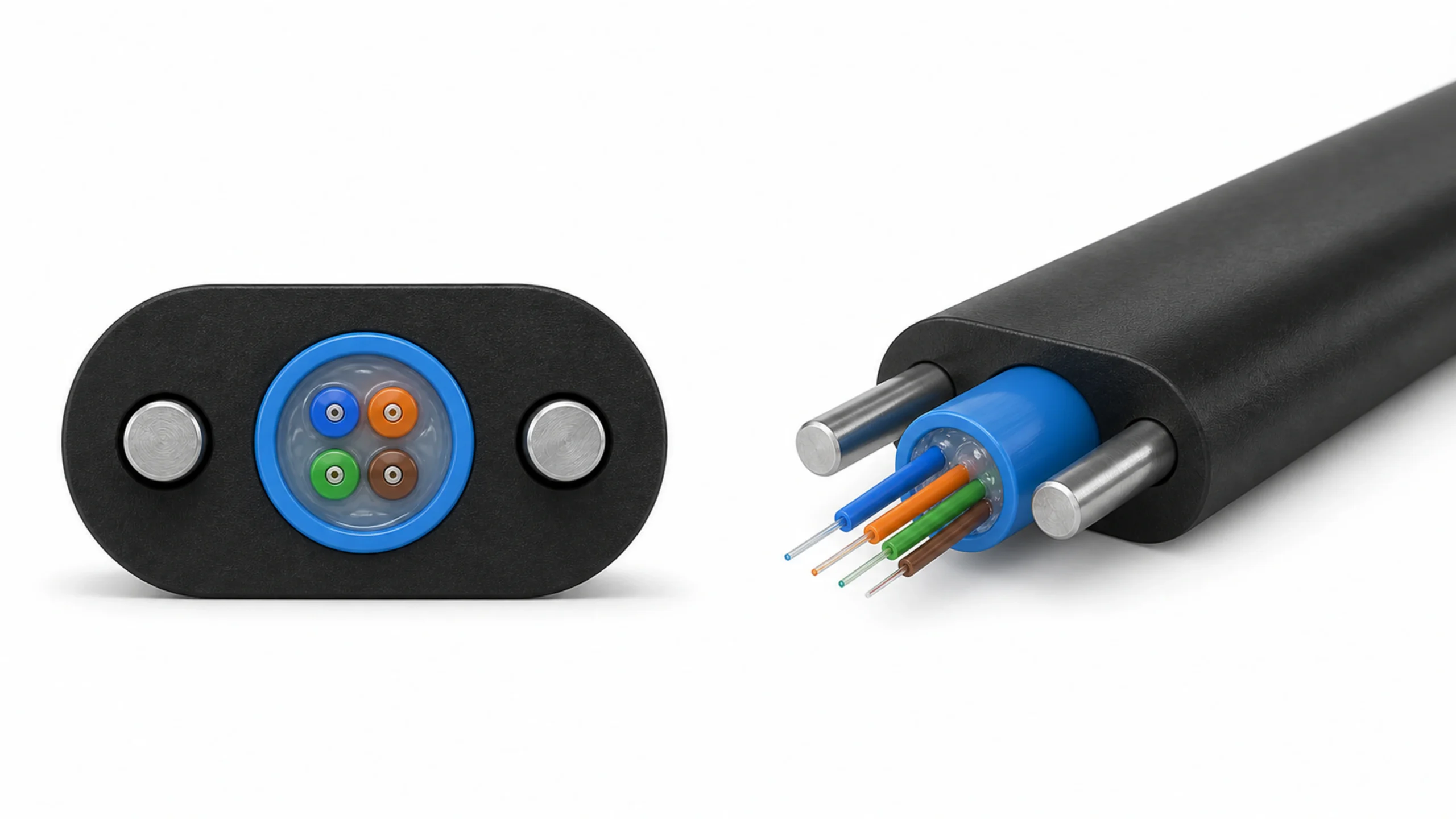
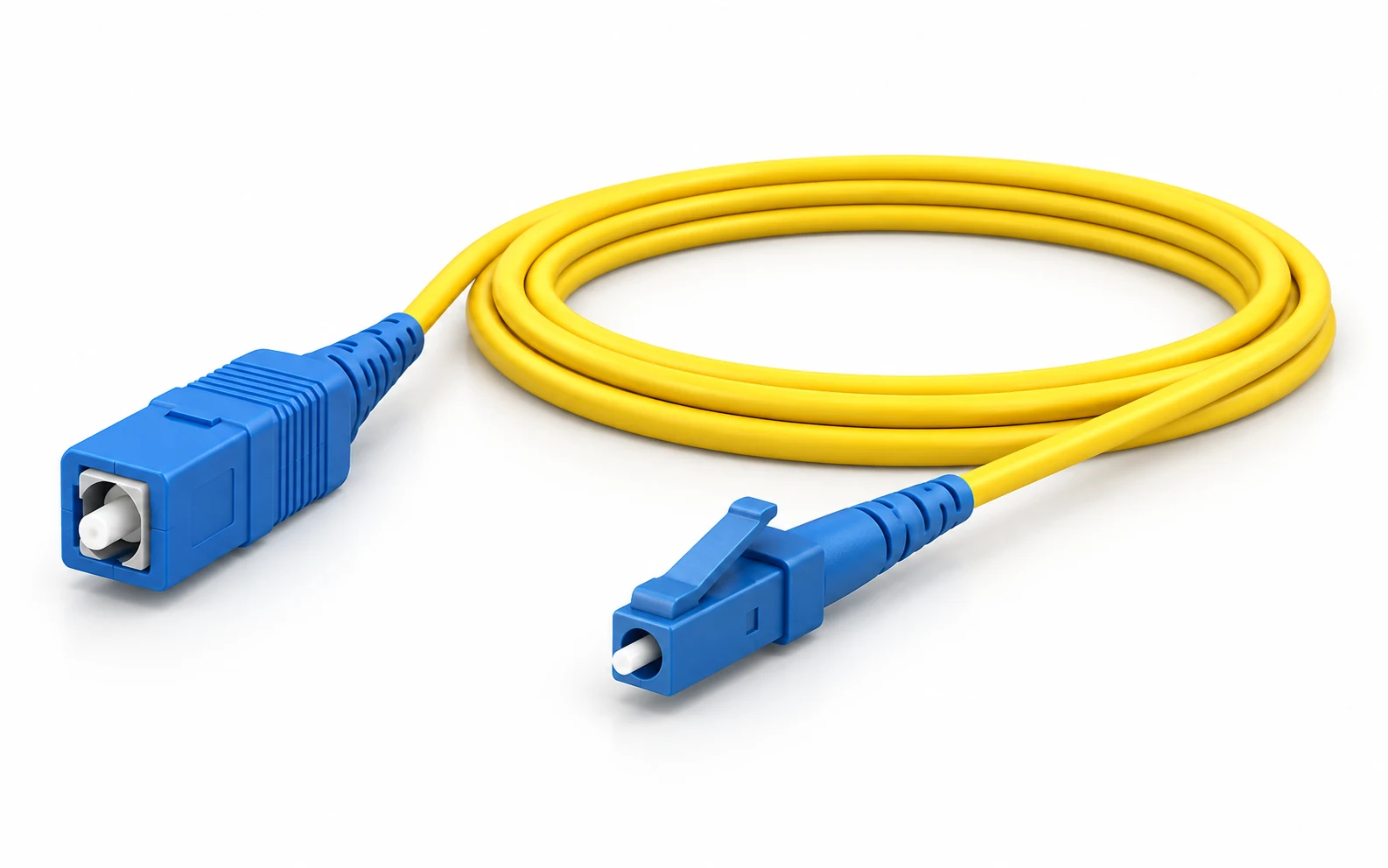
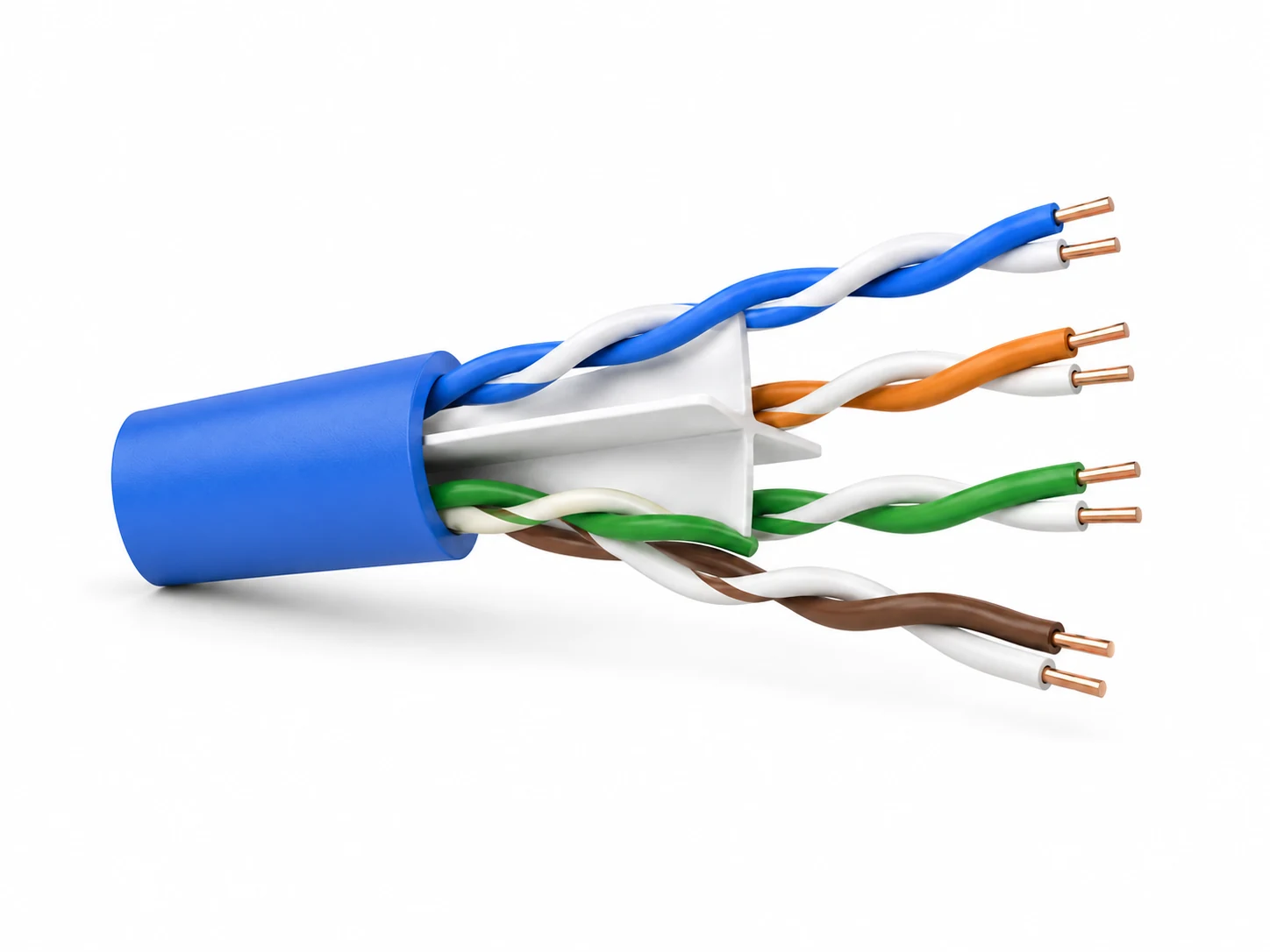









സിമ്പ്ലക്സ് / ഡ്യുപ്ലക്സ് പാച്ച് കോർഡ് കേബിൾ ഉൽപ്പാദന നിര

ഈ ഉത്പാദന റൂട്ട് എന്ത് ഉത്പാദിപ്പിക്കുന്നു? Two linked production lines form the reference cable body for simplex or duplex patch cords. HK-30 turns bare optical fiber into the tight-buffered element. HK-50 feeds one or two tight-buffered elements with aramid yarn, extrudes the project-specified outer jacket, then cools, measures and takes up the finished cable body. Connector termination, end-face polishing and optical testing are separate downstream processes. Final construction follows the approved cable drawing.

വ്യവസായ പാതഥം
HK-30 → HK-50 Patch Cord Cable Body
നിയന്ത്രണ സമീപനം
ഓരോ ഉൽപ്പാദന ഘട്ടത്തിനും സമന്വയിപ്പിച്ച നിയന്ത്രണങ്ങൾ പരിശോധിച്ചു
പ്രധാന പ്രക്രിയകൾ
Tight-buffer extrusion · aramid-yarn serving · project-specified outer-jacket extrusion
അനുയോജ്യമായ കേബിൾ പരിധി
Simplex or duplex patch-cord cable body · connector assembly and testing handled separately
PRODUCTION ROUTE PREVIEW HK-50 final cable-body line
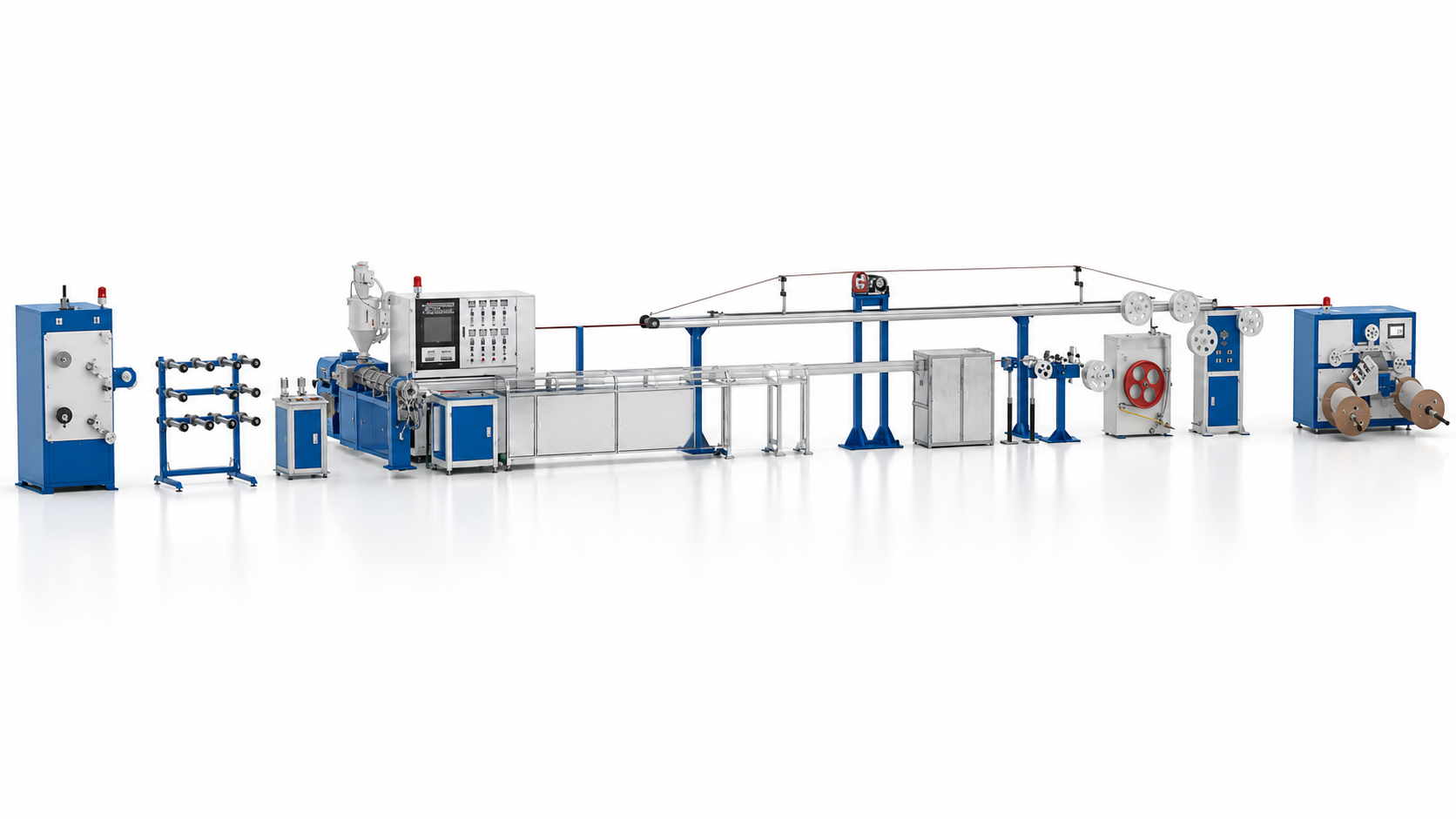
HK-50 cable production line 3D panorama shown completely and centered on a light background Final cable-body stage · Complete equipment train shown without cropping TWO-STAGE ROUTE BELOW Review equipment route
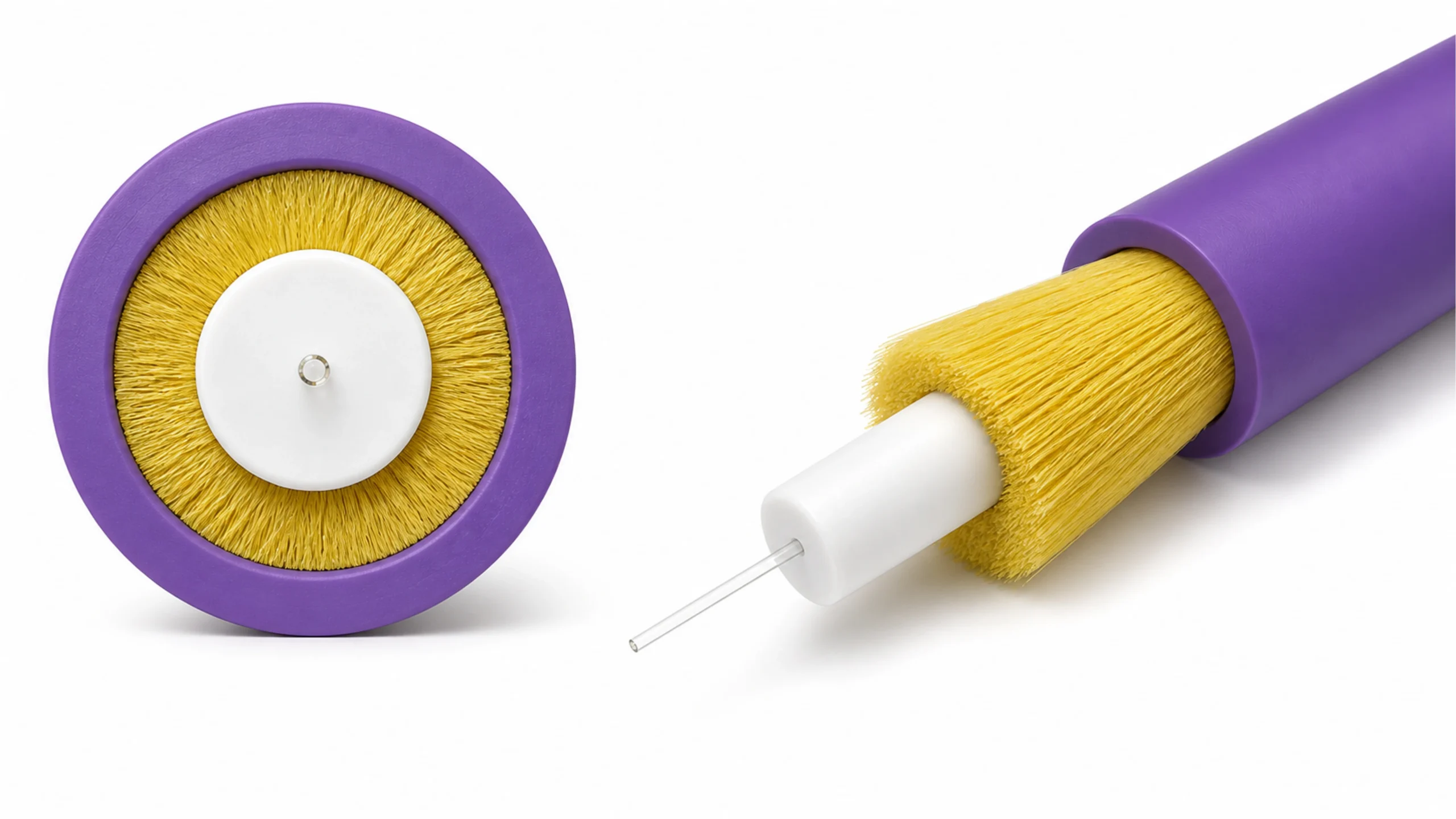
WHAT THE CLIENT SELECTED സിമ്പ്ലക്സ് / ഡ്യുപ്ലക്സ് പാച്ച് കോർഡ് കേബിൾ ഉൽപ്പാദന നിര HK-30 · HK-50 Patch Cord Cable Body · tight-buffered and aramid-reinforced cable-body route
02 Patch Cord Cable anatomy

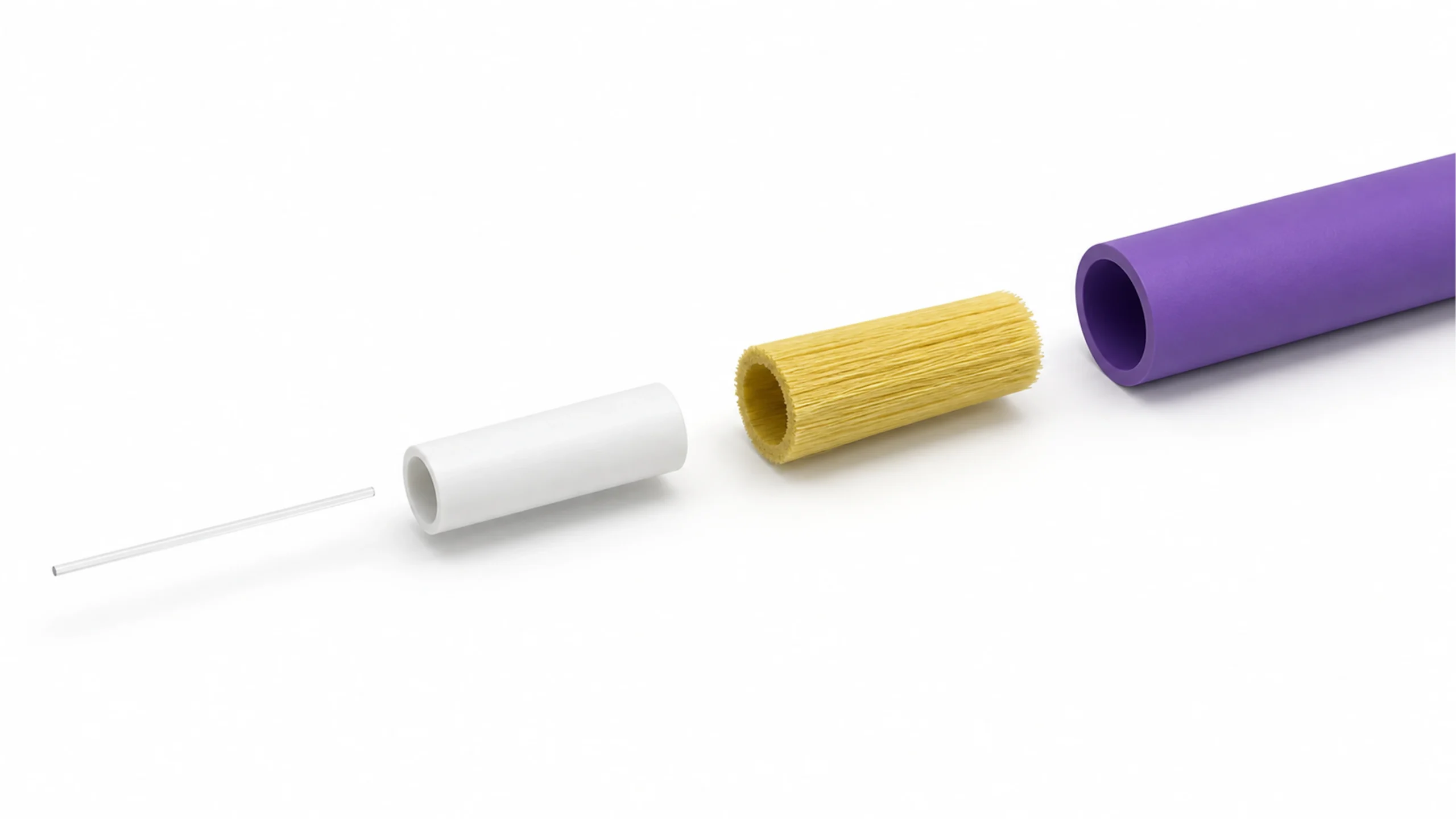
Trace the three-part Patch Cord cable body from tight buffer to outer jacket.

Open the exploded view, select one of the three cable-body parts, and see whether HK-30 or HK-50 forms or integrates it into the finished cable body. Bare optical fiber enters HK-30 directly without coloring.

ഇഞ്ചിനീയറിംഗ് എക്സ്പ്ലോഡഡ്-വ്യൂ പ്ലേറ്റ് Reference tight-buffered Patch Cord cable-body construction
Patch Cord Cable 3D cutaway showing optical fiber, white tight buffer, aramid yarn and purple outer jacket 01 അസംബ്ലി ചെയ്ത റഫറൻസ്
Overview · ഈ സെക്ഷൻ വിടാതെ വ്യൂകൾ മാറ്റുക അധിക വെളുത്ത മാർജിൻ കുറച്ചിട്ടും എല്ലാ കേബിൾ ഘടകങ്ങളും ദൃശ്യമായിരിക്കുന്നു.
സ്ട്രക്ചർ-ടു-പ്രോസസ് റൂട്ട്

Two production stages form the Patch Cord cable body.

തയ്യാറാക്കുന്നതിനോ രൂപീകരിക്കുന്നതിനോ ഇന്റിഗ്രേറ്റ് ചെയ്യുന്നതിനോ സംബന്ധിച്ച ഘട്ടം ഹൈലൈറ്റ് ചെയ്യാൻ മുകളിലെ ഒരു പാളി തെരഞ്ഞെടുക്കുക.

01HK-30 · Tight-buffer extrusionPay off the uncolored bare optical fiber, apply the tight buffer, cool, measure and take up the buffered element.
02HK-50 · Aramid serving + jacketFeed one or two buffered elements, apply aramid yarn, extrude the outer jacket and take up the cable body.
Reference boundary: this render indexes only the three cable-body parts: tight buffer, aramid yarn and outer jacket. Uncolored bare optical fiber feeds HK-30 directly; no fiber-coloring stage is part of this route. A duplex construction repeats the same three-part stack for each leg. Confirm materials, dimensions and connector requirements against the approved drawing.
03 റഫറൻസ് കോൺഫിഗറേഷൻ

Review the production configuration for the selected cable-body part.

The cable-body choice from Section 02 is carried here. Review its mapped HK-30 or HK-50 stage, then inspect the complete two-stage Patch Cord cable-body route.

Carried from cable-body structure No cable-body part selected Start from the cable-body structure above, or review the full two-stage route below.
Choose a cable-body part
Complete production-line image Complete line · Centered reference scale
Selected production stage Tight-buffer extrusion
റഫറൻസ് റൂട്ട് ആരംഭം

HK-30

Tight-buffer extrusion

Pay off uncolored bare optical fiber, apply the approved tight-buffer compound, then cool, measure, haul off and take up the buffered element.

ഇൻപുട്ട്
Uncolored bare optical fiber + approved tight-buffer compound
ഔട്ട്പുട്ട്
Qualified 0.6/0.9 mm tight-buffered fiber
Route position
Stage 01 · Tight-buffer element formation
Reference production stage
Process role

Form the qualified tight-buffered element

Control fiber pay-off, preheating, extrusion, cooling, diameter measurement, haul-off and take-up without a fiber-coloring stage.

Reference scope

Fiber handling · preheating · tight-buffer extrusion

This stage turns the approved uncolored bare optical fiber into the buffered element required by the Patch Cord cable-body drawing.

Confirm before proposal

Fiber specification, buffer OD and compound

Confirm optical-fiber input, target 0.6/0.9 mm buffer diameter, compound, line speed, tension and reel package.

Patch Cord cable-body route only.

Connector termination, end-face polishing and optical testing are separate downstream processes. Final equipment scope follows the approved cable drawing and project inputs.

03B Production process video

Watch HK-50 complete the Patch Cord cable body.

This HONGKAI video shows the simplex or duplex Patch Cord soft-cable production process. Use it to review aramid-yarn serving, outer-jacket extrusion and finished cable-body take-up alongside the two-stage configuration above.

HONGKAI video · Patch Cord HK-50 process യൂട്യൂബിൽ നോക്കുക
Reference boundary: this video supports the HK-50 cable-body stage. Confirm the final simplex or duplex construction, aramid package, jacket material, cable diameter, speed, reel format, equipment list, layout and acceptance criteria in the written proposal. If the embedded player is unavailable, use "Watch on YouTube" above.
04 Project responsibility

Define the Patch Cord cable-body project boundary before the route is finalized.

The two-stage cable-body route above is a reference configuration, not a contractual supply scope. Buyer, HONGKAI and joint responsibilities become final only in the approved technical proposal or agreement.

Scope status Engineering review required

Nothing below is treated as included, excluded, buyer-supplied or HONGKAI-supplied until it is confirmed in writing.

Responsibility matrix Review all three responsibility groups

Opening a group only reveals its details; it does not confirm scope.

Buyer prepares Buyer responsibility Project, product ഒരുതൊടരിയ്ക്കൽഉപകരണമാണ് ഇത്സ്ഥാപിക്കുന്നത്ഇതിൽഒരുഇന്‍ഫർമേഷൻ ഉണ്ട്അതിന്റെപ്രവർത്തനമുറയെകുറിപ്പിടുന്നതാങ്കിൽമാറ്റിമോഡിഫൈച്ചേണ്ടഅത്ആണ്എന്നാൽഇത്ഒരുഫോർമുലേഷൻആണ്അതിനാൽഇത് ഒരുഎന്ജിനിയറിംഗപ്രക്രിയയാണ്അതിന്റെപ്രധാനഉദ്ദേശ്യംഎന്നാൽഇത്ഒരുപുനഃക്രമീകരണപ്രക്രിയയാണ്അതിനാൽ ഒരുമാറ്റംനടത്തുന്നുതാങ്കിൽഇത്ഒരുപുതിയതിരിച്ചുള്ളിട്ടു. 4 items

ഉത്പാദന റൂട്ട് നിശ്ചയിക്കുന്നതിനും റഫറൻസ് ഉപകരണ കോൺഫിഗറേഷൻ തയ്യാറാക്കുന്നതിനും മുമ്പ് HONGKAI അവലോകനം ചെയ്യേണ്ട വിവരങ്ങൾ.

  • Approved simplex or duplex cable-body drawing, fiber specification, element count, target buffer OD, finished OD and performance requirements സ്ഥിരീകരിക്കേണ്ടത്
  • Uncolored bare optical fiber, tight-buffer compound, aramid-yarn package, jacket material, color and marking inputs സ്ഥിരീകരിക്കേണ്ടത്
  • Factory space, utilities, access, reel sizes and installation conditions സ്ഥിരീകരിക്കേണ്ടത്
  • Existing upstream and downstream equipment, including any separate connector-termination and testing processes സ്ഥിരീകരിക്കേണ്ടത്
എഴുത്ത് രൂപത്തിലുള്ള നിർദ്ദേശത്തിൽ നിർവചിച്ചിരിക്കുന്നു HONGKAI ഉത്തരവാദിത്തം Recommended configuration and quoted supply boundary 4 items

ലഭ്യമായ പ്രൊജക്റ്റ് ഇൻപുട്ടുകൾ അവലോകനം ചെയ്ത ശേഷം HONGKAI ശുപാർശ ചെയ്യുന്ന കോൺഫിഗറേഷനും ഉദ്ധരിച്ച സപ്ലൈ അതിർത്തിയും നിർവചിക്കുന്നു.

  • Recommended two-stage HK-30 to HK-50 cable-body route and reference configuration സ്ഥിരീകരിക്കേണ്ടത്
  • Quoted equipment list, line interfaces and equipment-source boundary സ്ഥിരീകരിക്കേണ്ടത്
  • Required HK-30 to HK-50 interfaces, tooling, tension control, cooling, diameter measurement, haul-off and take-up സ്ഥിരീകരിക്കേണ്ടത്
  • പ്രസ്താവനയിൽ നിർദ്ദേശിച്ചിരിക്കുന്ന ഡോക്യുമെന്റേഷൻ, കമ്മീഷനിംഗ്, പരിശീലനം, വിൽപ്പനാനന്തര സേവനങ്ങൾ സ്ഥിരീകരിക്കേണ്ടത്
ഒന്നിച്ച് സ്ഥിരീകരിച്ചു ഒരുമിച്ചുള്ള സ്ഥിരീകരണം Technical interfaces, acceptance and project coordination 4 items

തകന്ന ഇന്റർഫേസുകൾ, സ്വീകരണവും പ്രോജക്ട് സമന്വയവും രണ്ട് പ്രോജക്ട് ടീമുകളിൽ നിന്നും എഴുത്തുവടിയുടെ സ്ഥിരീകരണം ആവശ്യമാണ്.

  • Final Patch Cord cable-body route and equipment configuration സ്ഥിരീകരിക്കേണ്ടത്
  • ലേഔട്ട്, ഇന്റർഫേസ് വിഭജനവും സൈറ്റ്-റെഡിനസ് നിബന്ധനകളും സ്ഥിരീകരിക്കേണ്ടത്
  • Trial materials, sampling and acceptance criteria for the tight-buffered element and finished cable body സ്ഥിരീകരിക്കേണ്ടത്
  • ഡെലിവറി, സ്ഥാപനം, പരീക്ഷണ സമയസൂചിക, മാറ്റങ്ങൾ തുടങ്ങിയവയും അന്തിമ സ്വീകരണവും സ്ഥിരീകരിക്കേണ്ടത്

05 Planning inputs

Prepare the inputs for a complete Patch Cord cable-body production review.

ആദ്യ എഞ്ചിനീയറിംഗ് റിവ്യൂവിൽ ചർച്ച ചെയ്യാൻ തയ്യാറായ പ്ലാനിംഗ് വിഷയങ്ങൾ തിരഞ്ഞെടുക്കുക. ഒരു തിരഞ്ഞെടുപ്പ് ഒരു റിവ്യൂ വിഷയം മാത്രം സൂചിപ്പിക്കുന്നു; ഇത് ഒരു തകന്ന മൂല്യം, ഉപകരണ എണ്ണം, മെറ്റീരിയൽ ഗ്രേഡ്, പ്രകടന ലക്ഷ്യം അല്ലെങ്കിൽ സപ്ലൈ സ്കോപ്പ് അനുമതിക്കുന്നില്ല.

പരിശോധിക്കാൻ ഉൽപ്പാദന ലൈൻ പ്ലാനിംഗ് വിഷയങ്ങൾ തിരഞ്ഞെടുക്കുക
06 Reference & verification

Review the available Patch Cord cable-body production references and what still needs confirmation.

These images and videos illustrate the HK-30 and HK-50 stages mapped to the current Patch Cord cable-body route. They are reference records, not a final equipment list, factory layout, performance commitment or acceptance record.

Section 05 context carried forward HK-30 tight-buffer extrusion → HK-50 aramid-yarn serving and outer-jacket extrusion

No planning topics selected yet. Return to Section 05 to add review priorities.

Reference image of the complete HONGKAI HK-30 tight-buffered optical-fiber production line mapped to the Patch Cord cable-body route
Stage 01 reference
Not ഞങ്ങളുടെ final ഉത്പന്നങ്ങൾ arrangement
Reference available

HK-30 tight-buffer extrusion reference

Reference line for receiving uncolored bare optical fiber, applying the approved tight-buffer compound, then cooling, measuring, hauling off and taking up the buffered element. Fiber specification, target buffer OD, compound, tooling, tension and reel format remain project-specific.

These production-stage images and videos illustrate the current two-stage Patch Cord cable-body planning route only. Connector termination, end-face polishing and optical testing remain separate downstream processes unless quoted separately. Final equipment quantity, sequence, dimensions, supply, performance and acceptance are defined only by the mutually approved technical agreement.

Stage 01 reference

HK-30 tight-buffer extrusion reference

1 of 2
Patch Cord customer feedback

Project feedback on Patch Cord equipment and HONGKAI support.

These project perspectives evaluate the proposed HK-30 and HK-50 equipment route, HONGKAI's engineering communication and the support provided during project review. HK-30 → HK-50

HONGKAI customer project photo paired with Sumon Reza
Published customer record
Equipment route
For our Patch Cord cable-body project, the HK-30 tight-buffer line and HK-50 aramid-yarn serving and jacketing line were presented as one connected route. The equipment sequence, material handoff and take-up arrangement gave our production team a clear basis for evaluating the proposal.
സുമോൺ റെസ Factory Manager · Southeast Asia
HONGKAI customer project photo paired with Tariq Abdullah
Published customer record
Engineering support
HONGKAI's engineers reviewed the simplex or duplex cable drawing with us, including tight-buffer diameter, aramid package, jacket material, tooling and reel format. Their explanation made the proposed HK-30 and HK-50 configuration easier for our engineering team to assess.
താരിഖ് അബ്ദുള്ള Operations Manager · Jakarta, Indonesia
HONGKAI customer project photo paired with Maria da Silva
Published customer record
Company service
During project review, HONGKAI clearly separated cable-body production from downstream connector termination, end-face polishing and optical testing, then explained the utilities, layout, inspection points and acceptance conditions. The structured response gave our team a practical checklist for implementation planning.
മരിയ ഡ സിൽവ WP Officer · São Paulo, Brazil

Names, roles and photos follow existing HONGKAI customer records. The Patch Cord-specific project-evaluation wording addresses the proposed equipment route and HONGKAI's engineering support, and is not presented as a verified verbatim customer quotation.

07 Route FAQ

Clarify the Patch Cord cable-body route before requesting a proposal.

These answers connect the simplex or duplex cable-body construction to the HK-30 and HK-50 reference stages and the inputs needed for engineering review.

What stages are included in the Patch Cord cable-body reference route?

The reference route has two stages. HK-30 forms the qualified tight-buffered element from approved uncolored bare optical fiber. HK-50 receives one or two buffered elements, applies the specified aramid-yarn package, extrudes the outer jacket, then cools, measures, hauls off and takes up the finished cable body. The final configuration follows the approved drawing and written project inputs.

Does this route require a fiber-coloring stage?

No. The current reference route feeds uncolored bare optical fiber directly into HK-30, so a separate coloring stage is not included. The buyer still needs to confirm the optical-fiber specification, input reel condition and handling requirements.

How does the route differ for simplex and duplex cable bodies?

A simplex cable body uses one qualified tight-buffered element, while a duplex construction uses two elements or repeated legs. The exact profile, element spacing, aramid distribution, finished dimensions and reel format must be defined by the approved simplex or duplex cable-body drawing.

What does HK-30 control during tight-buffer production?

HK-30 manages bare-fiber pay-off, preheating, tight-buffer extrusion, cooling, dimensional monitoring, haul-off and take-up. The fiber input, buffer compound, target buffer diameter, tooling, tension range and reel package remain project-specific.

What does HK-50 add to the tight-buffered element?

HK-50 guides one or two qualified buffered elements, serves the approved aramid-yarn package and extrudes the project-specified outer jacket. It also covers cooling, dimensional monitoring, marking, traction, accumulation and finished cable-body take-up. Yarn type, package, count, tension, jacket material, color, tooling and finished dimensions require confirmation.

Are connector termination, end-face polishing and optical testing included?

Not by default. The HK-30 to HK-50 route produces the Patch Cord cable body. Connector termination, end-face polishing and optical testing are separate downstream processes unless they are reviewed and quoted as a separate part of the project scope.

Do the reference images and videos confirm speed, capacity or line arrangement?

No. They illustrate the process stages and reference equipment only. They do not confirm machine quantities, factory layout, speed, capacity, performance, certification, supplied scope or acceptance criteria for a specific project. Those values must be defined in the written technical and commercial agreement.

What information should the buyer provide for engineering review?

Please provide the approved simplex or duplex cable-body drawing; optical-fiber and reel data; element count; target buffer and finished dimensions; tight-buffer, aramid and jacket specifications; color and marking; source and delivery reels; product mix and target output; factory utilities and layout; existing equipment interfaces; inspection and acceptance requirements; and the project schedule. Unknown items can remain identified for joint engineering review.

Final cable construction, equipment, performance, acceptance criteria and supply scope are defined in the signed technical and commercial agreement.

08 Investment enquiry

Plan your Patch Cord cable-body production project.

Share the available simplex or duplex cable-body drawing; uncolored bare optical-fiber specification and input reel format; target tight-buffer diameter and compound; aramid-yarn type, package and count; outer-jacket material, color, profile, finished dimensions and marking; product mix, output and reel plan; factory conditions; downstream-process needs; and project schedule. HONGKAI will review the HK-30 to HK-50 route, equipment interfaces, cable-body boundary and open technical items before preparing a project-specific proposal.

Current page context Simplex or duplex Patch Cord cable body · HK-30 → HK-50 This context accompanies the enquiry as a reference. It does not confirm the final production route or equipment configuration. Planning inputs remain open · No supporting stage carried forward

What HONGKAI will review

ലക്ഷ്യമിട്ട ഉൽപ്പന്ന പദ്ധതി
Simplex or duplex cable-body construction, element count, target dimensions and material requirements
പ്രക്രിയാ വഴി
HK-30 tight-buffer extrusion and HK-50 aramid-yarn serving, outer-jacket extrusion, cooling and take-up
Downstream boundary
Connector termination, end-face polishing and optical testing reviewed separately unless included in writing
Capacity & reel plan
Product mix, target output, expected operating conditions and input and output reel formats
ഫാക്ടറി സാഹചര്യങ്ങൾ
Available space, utilities, existing equipment, material flow and inspection interfaces
Project stage
Planning, budgeting, factory preparation or production expansion · Preliminary technical review
What to prepare · 6 items
  • Available simplex or duplex cable-body drawing, reference sample or target construction
  • Uncolored bare optical-fiber specification, input reel, target tight-buffer diameter and compound
  • Aramid-yarn type, package and count, plus outer-jacket material, color, profile, dimensions and marking
  • Product mix, target output, expected operating conditions and source and delivery reel formats
  • Existing equipment, available layout, utilities, material flow and reel-handling conditions
  • Downstream connector termination, end-face polishing and optical-testing boundary, inspection and acceptance requirements, and project timeline

No complete specification yet? Share the target cable body and current assumptions. Unknown values can remain open engineering inputs.

The information submitted here supports a preliminary technical review. Final cable construction, equipment configuration, performance, price, delivery schedule and supply scope are confirmed only in an approved proposal or agreement.

Investment project brief

Fiber Optic Cable Production Project Brief

Tell us your planned cable products, target capacity and current investment stage. Partial information is welcome, and you may upload a cable drawing when available.

ഫയലുകൾ ഡ്രാഗ് & ഡ്രോപ്പ് ചെയ്യുക, അപ്ലോഡ് ചെയ്യാൻ ഫയലുകൾ തിരഞ്ഞെടുക്കുക
ഉപഭോക്താവിന് ലഭ്യമായ കേബിൾ ഡ്രോയിംഗുകൾ, സ്പെസിഫിക്കേഷനുകൾ അല്ലെങ്കിൽ റഫറൻസ് ഡോക്യുമെന്റുകൾ അപ്‌ലോഡ് ചെയ്യാൻ അനുവദിക്കുക. WPForms-ൽ ക്രമീകരിച്ചിരിക്കുന്ന അംഗീകരിച്ച ഫയൽ തരങ്ങളും ഫയൽ വലിപ്പ പരിധിയും പ്രദർശിപ്പിക്കുക.
പുതിയ വാർത്ത

ഉദ്ധരണി ചോദിക്കുക

24 മണിക്കൂറിനുള്ളിൽ ഞങ്ങൾ നിങ്ങൾക്ക് മറുപടി നൽകും!!!