






심플렉스/듀플렉스 패치 코드 케이블 생산 라인

이 생산 경로는 무엇을 생산합니까? Two linked production lines form the reference cable body for simplex or duplex patch cords. HK-30 turns bare optical fiber into the tight-buffered element. HK-50 feeds one or two tight-buffered elements with aramid yarn, extrudes the project-specified outer jacket, then cools, measures and takes up the finished cable body. Connector termination, end-face polishing and optical testing are separate downstream processes. Final construction follows the approved cable drawing.

생산 루트
HK-30 → HK-50 Patch Cord Cable Body
제어 방식
각 생산 단계에 대한 조정된 제어 시스템 검토
주요 공정
Tight-buffer extrusion · aramid-yarn serving · project-specified outer-jacket extrusion
적합한 케이블 범위
Simplex or duplex patch-cord cable body · connector assembly and testing handled separately
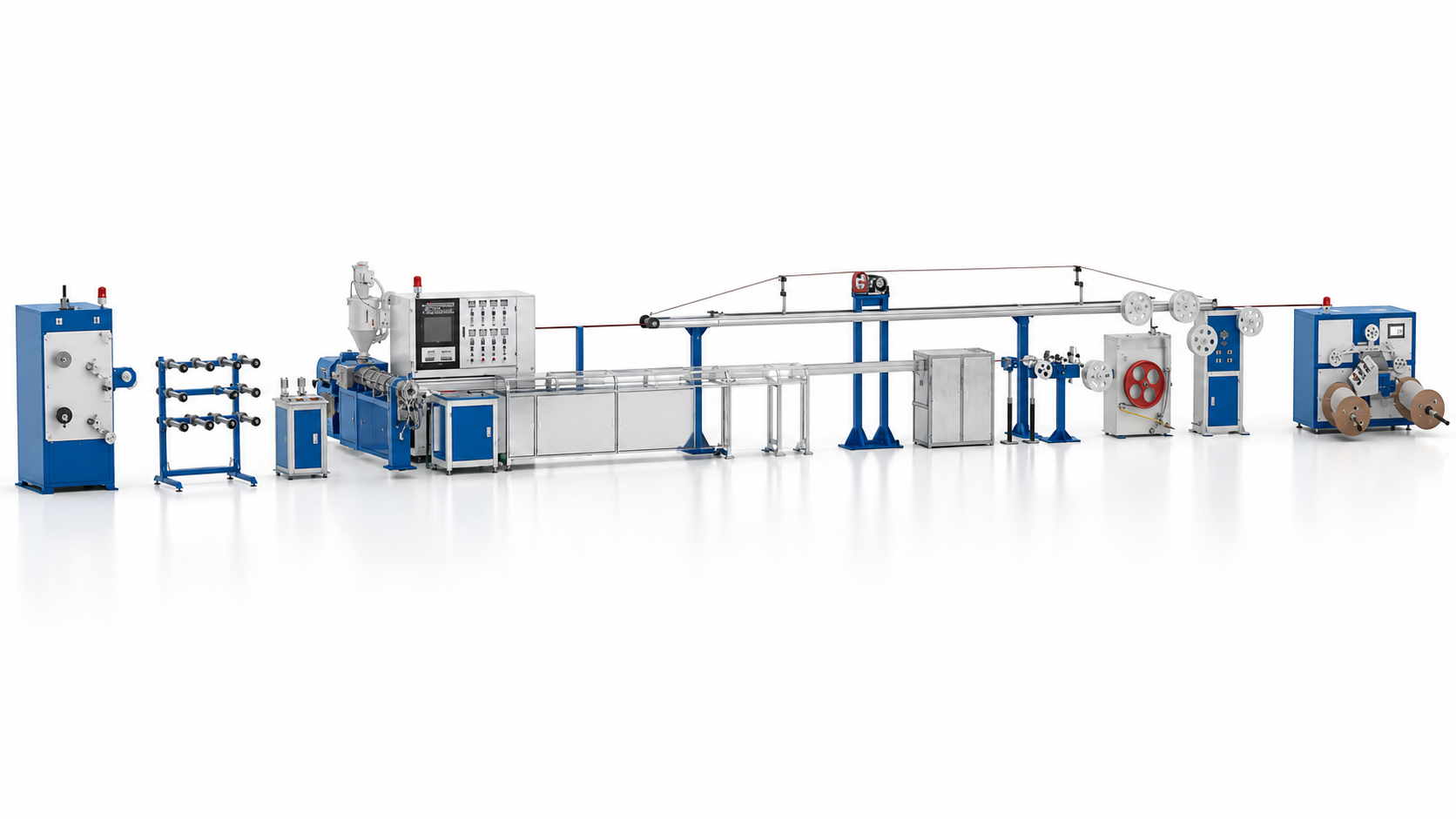
PRODUCTION ROUTE PREVIEW HK-50 final cable-body line
HK-50 cable production line 3D panorama shown completely and centered on a light background Final cable-body stage · Complete equipment train shown without cropping TWO-STAGE ROUTE BELOW Review equipment route
WHAT THE CLIENT SELECTED 심플렉스/듀플렉스 패치 코드 케이블 생산 라인 HK-30 · HK-50 Patch Cord Cable Body · tight-buffered and aramid-reinforced cable-body route
02 Patch Cord Cable anatomy

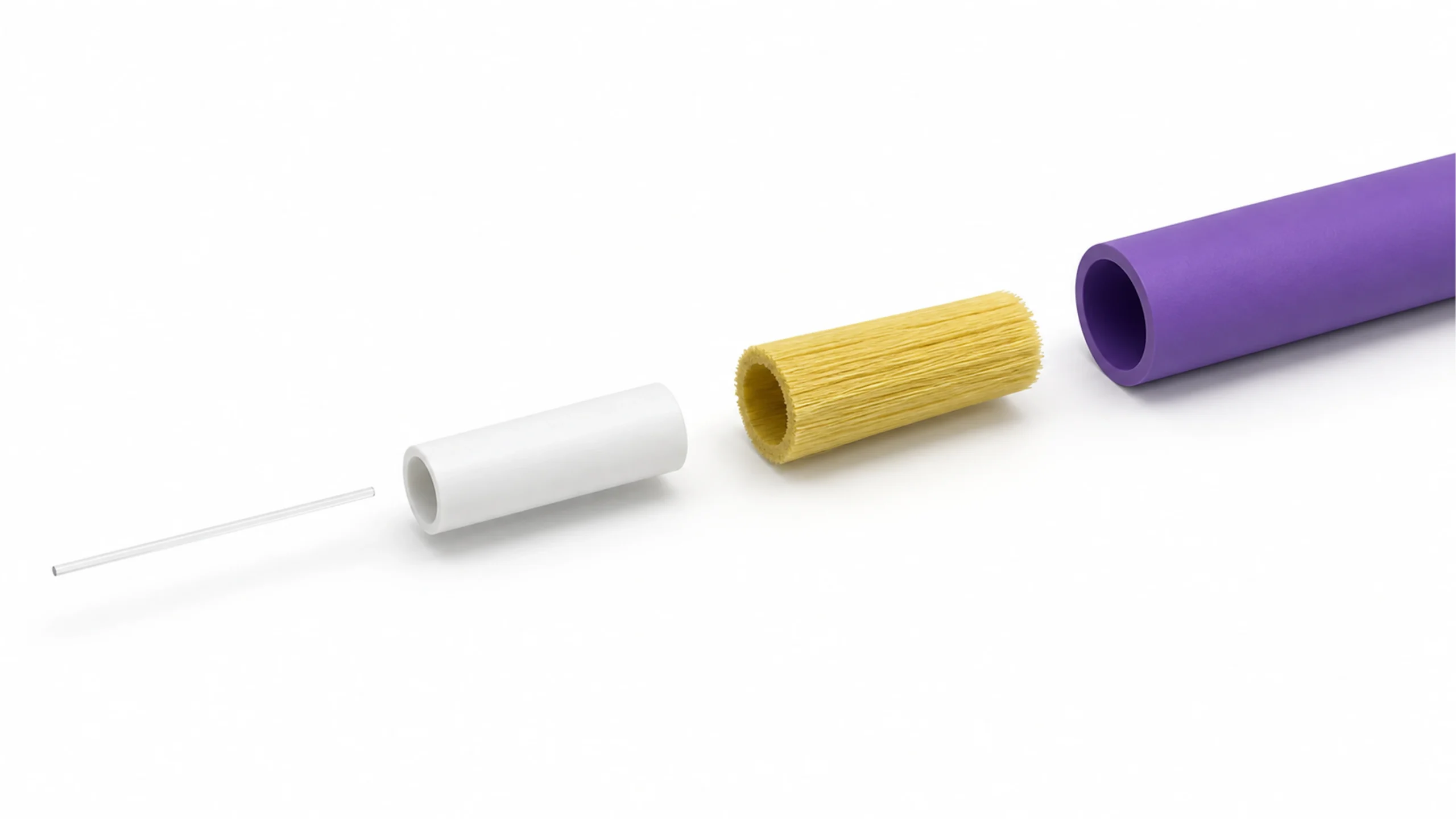
Trace the three-part Patch Cord cable body from tight buffer to outer jacket.

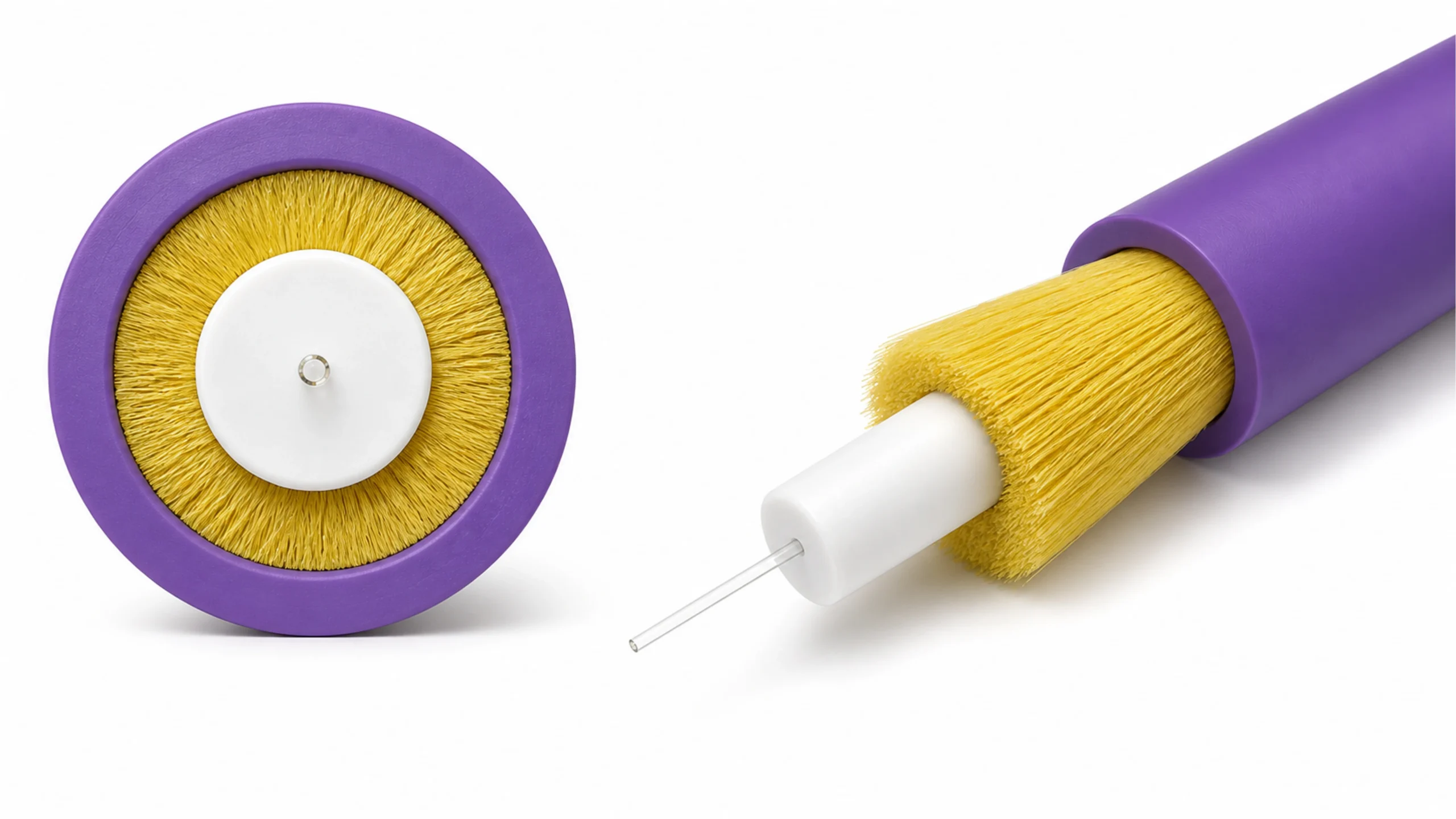
Open the exploded view, select one of the three cable-body parts, and see whether HK-30 or HK-50 forms or integrates it into the finished cable body. Bare optical fiber enters HK-30 directly without coloring.

공학 폭발도 판 Reference tight-buffered Patch Cord cable-body construction
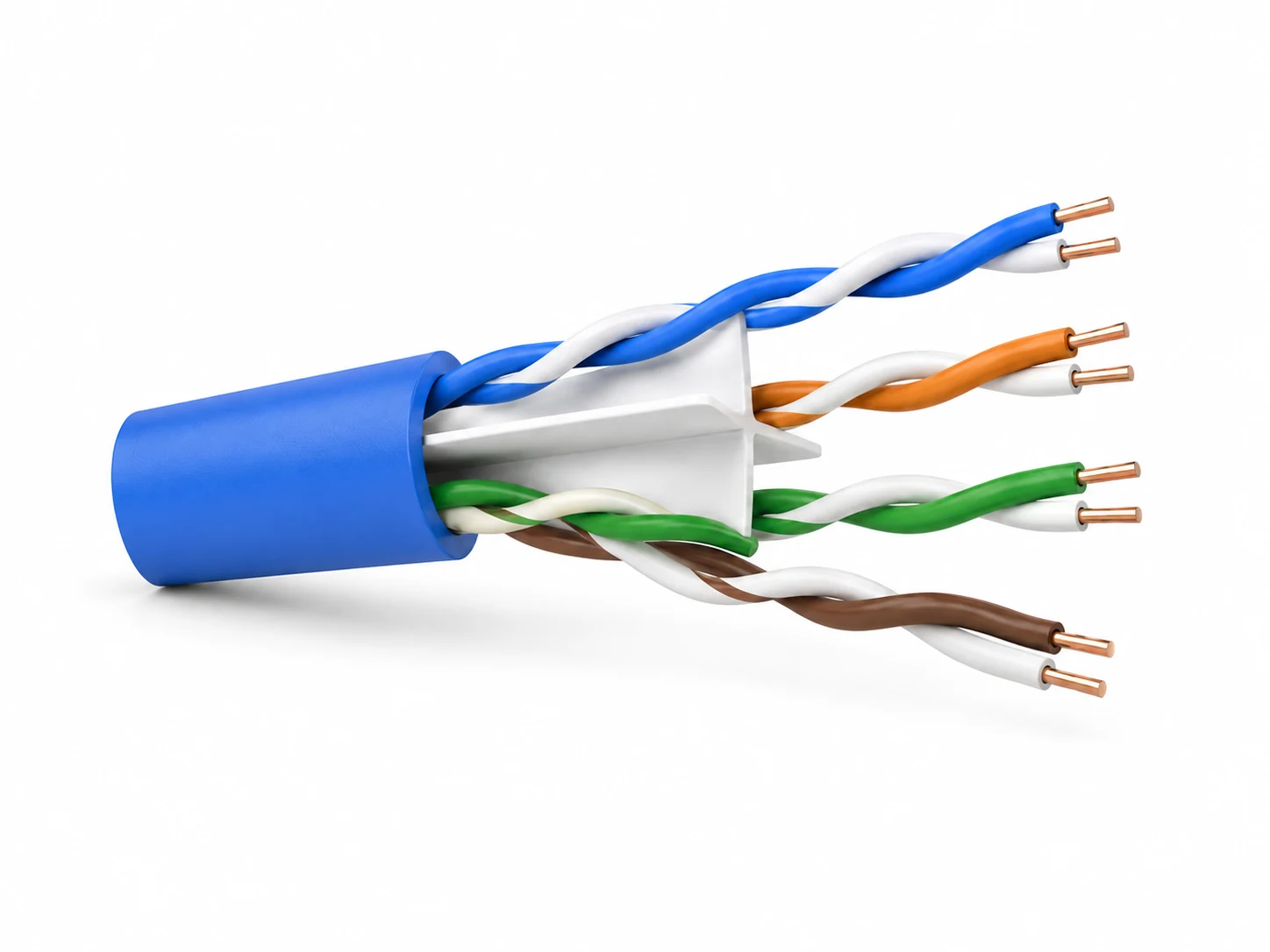
Patch Cord Cable 3D cutaway showing optical fiber, white tight buffer, aramid yarn and purple outer jacket 01 조립된 참조
개요 · 이 섹션을 떠나지 않고 보기 전환 All cable components remain visible while excess white margin is reduced.
구조-공정 경로

Two production stages form the Patch Cord cable body.

위쪽 레이어를 선택하여 준비, 형성 또는 통합하는 단계를 강조 표시하세요.

01HK-30 · Tight-buffer extrusionPay off the uncolored bare optical fiber, apply the tight buffer, cool, measure and take up the buffered element.
02HK-50 · Aramid serving + jacketFeed one or two buffered elements, apply aramid yarn, extrude the outer jacket and take up the cable body.
참조 경계: this render indexes only the three cable-body parts: tight buffer, aramid yarn and outer jacket. Uncolored bare optical fiber feeds HK-30 directly; no fiber-coloring stage is part of this route. A duplex construction repeats the same three-part stack for each leg. Confirm materials, dimensions and connector requirements against the approved drawing.
03 참조 구성

Review the production configuration for the selected cable-body part.

The cable-body choice from Section 02 is carried here. Review its mapped HK-30 or HK-50 stage, then inspect the complete two-stage Patch Cord cable-body route.

Carried from cable-body structure No cable-body part selected Start from the cable-body structure above, or review the full two-stage route below.
Choose a cable-body part
Complete production-line image Complete line · Centered reference scale
Selected production stage Tight-buffer extrusion
참조 경로 시작

HK-30

Tight-buffer extrusion

Pay off uncolored bare optical fiber, apply the approved tight-buffer compound, then cool, measure, haul off and take up the buffered element.

입력
Uncolored bare optical fiber + approved tight-buffer compound
출력
Qualified 0.6/0.9 mm tight-buffered fiber
경로 위치
Stage 01 · Tight-buffer element formation
참조 공정 단계
공정 역할

Form the qualified tight-buffered element

Control fiber pay-off, preheating, extrusion, cooling, diameter measurement, haul-off and take-up without a fiber-coloring stage.

참조 범위

Fiber handling · preheating · tight-buffer extrusion

This stage turns the approved uncolored bare optical fiber into the buffered element required by the Patch Cord cable-body drawing.

제안 전 확인

Fiber specification, buffer OD and compound

Confirm optical-fiber input, target 0.6/0.9 mm buffer diameter, compound, line speed, tension and reel package.

Patch Cord cable-body route only.

Connector termination, end-face polishing and optical testing are separate downstream processes. Final equipment scope follows the approved cable drawing and project inputs.

03B 생산 공정 동영상

Watch HK-50 complete the Patch Cord cable body.

This HONGKAI video shows the simplex or duplex Patch Cord soft-cable production process. Use it to review aramid-yarn serving, outer-jacket extrusion and finished cable-body take-up alongside the two-stage configuration above.

HONGKAI video · Patch Cord HK-50 process YouTube에서 시청
Reference boundary: this video supports the HK-50 cable-body stage. Confirm the final simplex or duplex construction, aramid package, jacket material, cable diameter, speed, reel format, equipment list, layout and acceptance criteria in the written proposal. If the embedded player is unavailable, use "Watch on YouTube" above.
04 프로젝트 책임

Define the Patch Cord cable-body project boundary before the route is finalized.

The two-stage cable-body route above is a reference configuration, not a contractual supply scope. Buyer, HONGKAI and joint responsibilities become final only in the approved technical proposal or agreement.

범위 상태 공학 검토 필요

아래의 모든 항목은 서면으로 확인될 때까지 포함, 제외, 구매자 공급 또는 HONGKAI- 공급으로 간주되지 않습니다.

책임 매트릭스 세 가지 책임 그룹 모두 검토

그룹을 열면 세부 정보만 표시되며, 범위가 확인되는 것은 아닙니다.

구매자 준비 구매자 책임 공학 검토를 위한 프로젝트, 제품 및 사이트 정보 4 항목

생산 라인 및 참조 장비 구성 확정 전에 HONGKAI을 검토해야 합니다.

  • Approved simplex or duplex cable-body drawing, fiber specification, element count, target buffer OD, finished OD and performance requirements 확인 예정
  • Uncolored bare optical fiber, tight-buffer compound, aramid-yarn package, jacket material, color and marking inputs 확인 예정
  • Factory space, utilities, access, reel sizes and installation conditions 확인 예정
  • Existing upstream and downstream equipment, including any separate connector-termination and testing processes 확인 예정
서면 제안서에 정의됨 HONGKAI 책임 권장 구성 및 견적 공급 범위 4 항목

HONGKAI은 사용 가능한 프로젝트 입력을 검토한 후 권장 구성 및 견적 공급 범위를 정의합니다.

  • Recommended two-stage HK-30 to HK-50 cable-body route and reference configuration 확인 예정
  • Quoted equipment list, line interfaces and equipment-source boundary 확인 예정
  • Required HK-30 to HK-50 interfaces, tooling, tension control, cooling, diameter measurement, haul-off and take-up 확인 예정
  • 제안서에 명시된 문서화, 시운전, 교육 및 사후 서비스 범위 확인 예정
함께 확인됨 공동 확인 기술 인터페이스, 수락 및 프로젝트 조정 4 항목

기술 인터페이스, 수락 및 프로젝트 조정은 양측 프로젝트 팀의 서면 확인이 필요합니다.

  • Final Patch Cord cable-body route and equipment configuration 확인 예정
  • 배치, 인터페이스 분할 및 현장 준비 조건 확인 예정
  • Trial materials, sampling and acceptance criteria for the tight-buffered element and finished cable body 확인 예정
  • 납품, 설치, 시운전 일정, 변경 사항 및 최종 승인 확인 예정

05 계획 입력

Prepare the inputs for a complete Patch Cord cable-body production review.

첫 번째 공학 검토 시 논의할 계획 주제를 선택하세요. 선택은 검토 주제를 표시할 뿐, 기술적 값, 장비 수량, 재료 등급, 성능 목표 또는 공급 범위를 승인하는 것이 아닙니다.

검토할 생산 라인 계획 주제를 선택하세요
06 참조 및 검증

Review the available Patch Cord cable-body production references and what still needs confirmation.

These images and videos illustrate the HK-30 and HK-50 stages mapped to the current Patch Cord cable-body route. They are reference records, not a final equipment list, factory layout, performance commitment or acceptance record.

섹션 05 컨텍스트 이어짐 HK-30 tight-buffer extrusion → HK-50 aramid-yarn serving and outer-jacket extrusion

아직 계획 주제가 선택되지 않았습니다. 검토 우선순위를 추가하려면 섹션 05로 돌아가세요.

Reference image of the complete HONGKAI HK-30 tight-buffered optical-fiber production line mapped to the Patch Cord cable-body route
단계 01 참조
최종 배열 아님
참조 가능

HK-30 tight-buffer extrusion reference

Reference line for receiving uncolored bare optical fiber, applying the approved tight-buffer compound, then cooling, measuring, hauling off and taking up the buffered element. Fiber specification, target buffer OD, compound, tooling, tension and reel format remain project-specific.

These production-stage images and videos illustrate the current two-stage Patch Cord cable-body planning route only. Connector termination, end-face polishing and optical testing remain separate downstream processes unless quoted separately. Final equipment quantity, sequence, dimensions, supply, performance and acceptance are defined only by the mutually approved technical agreement.

단계 01 참조

HK-30 tight-buffer extrusion reference

1 of 2
Patch Cord customer feedback

Project feedback on Patch Cord equipment and HONGKAI support.

These project perspectives evaluate the proposed HK-30 and HK-50 equipment route, HONGKAI's engineering communication and the support provided during project review. HK-30 → HK-50

HONGKAI customer project photo paired with Sumon Reza
공개된 고객 기록
장비 경로
For our Patch Cord cable-body project, the HK-30 tight-buffer line and HK-50 aramid-yarn serving and jacketing line were presented as one connected route. The equipment sequence, material handoff and take-up arrangement gave our production team a clear basis for evaluating the proposal.
레자 소환 Factory Manager · Southeast Asia
HONGKAI customer project photo paired with Tariq Abdullah
공개된 고객 기록
기술 지원
HONGKAI's engineers reviewed the simplex or duplex cable drawing with us, including tight-buffer diameter, aramid package, jacket material, tooling and reel format. Their explanation made the proposed HK-30 and HK-50 configuration easier for our engineering team to assess.
타리크 압둘라 운영 매니저 · 인도네시아 자카르타
HONGKAI customer project photo paired with Maria da Silva
공개된 고객 기록
회사 서비스
During project review, HONGKAI clearly separated cable-body production from downstream connector termination, end-face polishing and optical testing, then explained the utilities, layout, inspection points and acceptance conditions. The structured response gave our team a practical checklist for implementation planning.
마리아 다 실바 WP Officer · São Paulo, Brazil

Names, roles and photos follow existing HONGKAI customer records. The Patch Cord-specific project-evaluation wording addresses the proposed equipment route and HONGKAI's engineering support, and is not presented as a verified verbatim customer quotation.

07 Route FAQ

Clarify the Patch Cord cable-body route before requesting a proposal.

These answers connect the simplex or duplex cable-body construction to the HK-30 and HK-50 reference stages and the inputs needed for engineering review.

패치 코드 케이블 본체 참조 경로에는 어떤 단계가 포함되어 있습니까?

The reference route has two stages. HK-30 forms the qualified tight-buffered element from approved uncolored bare optical fiber. HK-50 receives one or two buffered elements, applies the specified aramid-yarn package, extrudes the outer jacket, then cools, measures, hauls off and takes up the finished cable body. The final configuration follows the approved drawing and written project inputs.

Does this route require a fiber-coloring stage?

No. The current reference route feeds uncolored bare optical fiber directly into HK-30, so a separate coloring stage is not included. The buyer still needs to confirm the optical-fiber specification, input reel condition and handling requirements.

How does the route differ for simplex and duplex cable bodies?

A simplex cable body uses one qualified tight-buffered element, while a duplex construction uses two elements or repeated legs. The exact profile, element spacing, aramid distribution, finished dimensions and reel format must be defined by the approved simplex or duplex cable-body drawing.

What does HK-30 control during tight-buffer production?

HK-30 manages bare-fiber pay-off, preheating, tight-buffer extrusion, cooling, dimensional monitoring, haul-off and take-up. The fiber input, buffer compound, target buffer diameter, tooling, tension range and reel package remain project-specific.

What does HK-50 add to the tight-buffered element?

HK-50 guides one or two qualified buffered elements, serves the approved aramid-yarn package and extrudes the project-specified outer jacket. It also covers cooling, dimensional monitoring, marking, traction, accumulation and finished cable-body take-up. Yarn type, package, count, tension, jacket material, color, tooling and finished dimensions require confirmation.

Are connector termination, end-face polishing and optical testing included?

Not by default. The HK-30 to HK-50 route produces the Patch Cord cable body. Connector termination, end-face polishing and optical testing are separate downstream processes unless they are reviewed and quoted as a separate part of the project scope.

Do the reference images and videos confirm speed, capacity or line arrangement?

No. They illustrate the process stages and reference equipment only. They do not confirm machine quantities, factory layout, speed, capacity, performance, certification, supplied scope or acceptance criteria for a specific project. Those values must be defined in the written technical and commercial agreement.

What information should the buyer provide for engineering review?

Please provide the approved simplex or duplex cable-body drawing; optical-fiber and reel data; element count; target buffer and finished dimensions; tight-buffer, aramid and jacket specifications; color and marking; source and delivery reels; product mix and target output; factory utilities and layout; existing equipment interfaces; inspection and acceptance requirements; and the project schedule. Unknown items can remain identified for joint engineering review.

최종 케이블 구조, 장비, 성능, 수락 기준 및 공급 범위는 서명된 기술 및 상업 협약에 정의됩니다.

08 투자 문의

Plan your Patch Cord cable-body production project.

Share the available simplex or duplex cable-body drawing; uncolored bare optical-fiber specification and input reel format; target tight-buffer diameter and compound; aramid-yarn type, package and count; outer-jacket material, color, profile, finished dimensions and marking; product mix, output and reel plan; factory conditions; downstream-process needs; and project schedule. HONGKAI will review the HK-30 to HK-50 route, equipment interfaces, cable-body boundary and open technical items before preparing a project-specific proposal.

현재 페이지 컨텍스트 Simplex or duplex Patch Cord cable body · HK-30 → HK-50 이 컨텍스트는 문의의 참조로 제공되며, 최종 생산 경로 또는 장비 구성이 확정되었음을 의미하지 않습니다. 계획 입력은 열려 있습니다 · 진행된 지원 단계 없음

HONGKAI이 검토하는 내용

목표 제품 계획
Simplex or duplex cable-body construction, element count, target dimensions and material requirements
공정 경로
HK-30 tight-buffer extrusion and HK-50 aramid-yarn serving, outer-jacket extrusion, cooling and take-up
Downstream boundary
Connector termination, end-face polishing and optical testing reviewed separately unless included in writing
Capacity & reel plan
Product mix, target output, expected operating conditions and input and output reel formats
공장 조건
Available space, utilities, existing equipment, material flow and inspection interfaces
프로젝트 단계
Planning, budgeting, factory preparation or production expansion · Preliminary technical review
준비할 사항 · 6 항목
  • Available simplex or duplex cable-body drawing, reference sample or target construction
  • Uncolored bare optical-fiber specification, input reel, target tight-buffer diameter and compound
  • Aramid-yarn type, package and count, plus outer-jacket material, color, profile, dimensions and marking
  • Product mix, target output, expected operating conditions and source and delivery reel formats
  • Existing equipment, available layout, utilities, material flow and reel-handling conditions
  • Downstream connector termination, end-face polishing and optical-testing boundary, inspection and acceptance requirements, and project timeline

No complete specification yet? Share the target cable body and current assumptions. Unknown values can remain open engineering inputs.

The information submitted here supports a preliminary technical review. Final cable construction, equipment configuration, performance, price, delivery schedule and supply scope are confirmed only in an approved proposal or agreement.

투자 프로젝트 개요

광섬유 케이블 생산 프로젝트 개요

계획 중인 케이블 제품, 목표 생산 능력 및 현재 투자 단계를 알려주세요. 부분적인 정보도 환영하며, 사용 가능한 경우 케이블 도면을 업로드할 수 있습니다.

파일을 드래그 앤 드롭하거나, 업로드할 파일 선택
고객이 사용 가능한 케이블 도면, 사양 또는 참조 문서를 업로드할 수 있도록 합니다. WPForms에서 구성된 허용 파일 유형 및 파일 크기 제한을 표시합니다.

견적을 요청하세요

우리는 24시간 이내에 당신에게 대답할 것입니다!!!