












와이어 뭉치기 기계는 리ール 크기나 최대 속도라는 헤드라인에서가 아니라 완성된 도체를 기준으로 역으로 선택해야 합니다. 공장 주인 또는 기술 구매자는 먼저 기계에 들어가는 것, 기계에서 나와야 하는 도체, 그 도체를 어떻게 테스트할지, 그리고 다음 공정에 연결해야 하는 패키지가 무엇인지 정의해야 합니다.
올바른 와이어 뭉치기 기계는 요구되는 와이어 범위, 레이 윈도우 및 리얼 인터페이스를 유지하면서 제어 가능한 장력과 측정 가능한 수용 증거를 확보할 수 있는 가장 작은 프로젝트 구성입니다. 명목 속도는 빈 리얼에서 가득 찬 리얼까지 도체가 안정적으로 유지된다는 것을 증명하지 않습니다. 따라서 RFQ은 모델을 승인하기 전에 입력 와이어, 완성된 도체, 레이 방향, 패키지, 제어 기능, 안전 장치 및 FAT 샘플을 정의해야 합니다. HONGKAI은 이러한 입력을 기계 패밀리에 매핑할 수 있지만, 최종 성능은 정확한 케이블 및 프로젝트 조건과 비교하여 확인되어야 합니다.
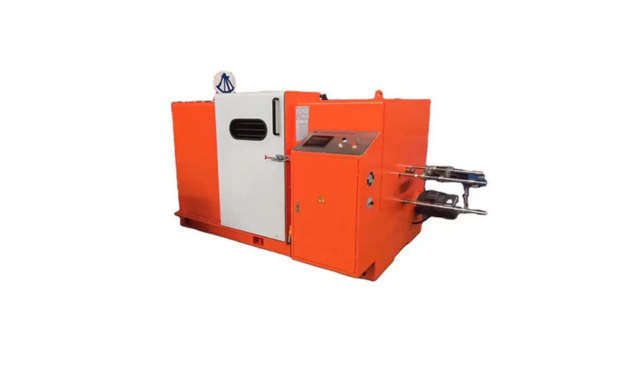
Real HONGKAI wire bunching machine reference. This smaller buncher is shown for the selection discussion; the exact model, input arrangement and supplied scope must still be confirmed in the project specification.
이 가이드는 저전압 케이블 공장 주인, 생산 관리자 및 기술 구매 팀을 위한 것입니다. 이 가이드는 뭉치기, 순차적인 뜨개질 및 케이블 레이업을 동일한 용어로 간주하지 않습니다. 구매자의 결정은 제안된 뭉치기 기계가 승인된 하나의 도체 설계와 일치하는지, 그리고 공급업체가 출하 전에 그 일치를 증명할 수 있는지입니다.
와이어 뭉치기 기계를 선택하기 전에 구매자가 정의해야 할 사항은 무엇인가?
A buyer should freeze eight connected decisions before selecting a wire bunching machine: the finished conductor, input wires, governing product standard, lay window, reel interfaces, tension method, safety controls and FAT evidence. Each decision changes the usable machine configuration and the evidence required at acceptance. A broad catalog range is useful for screening, but it cannot replace the approved conductor drawing and sample plan. The supplier needs the complete input-and-output definition before confirming a model or stable production condition.
1. 완성된 도체: 기계가 생산해야 하는 도체는 무엇인가?
왜 중요한가: 완성된 도체는 선택의 기준입니다. 명목 단면적만으로는 도체가 뭉쳐졌는지, 동심적으로 뜨개질되었는지, 압축되었는지, 유연한지, 코팅되었는지, 절연되었는지, 또는 특수 구조로 제작되었는지를 알 수 없습니다. 동일한 명목 단면적을 가진 두 개의 도체라도 개별 와이어 수, 와이어 직경, 레이 동작, 장력 및 하류 처리 방식이 다를 수 있습니다. 공급업체는 “유연한 와이어”와 같은 케이블 이름만으로 책임 있게 와이어 뭉치기 기계를 선택할 수 없습니다. 승인된 구조가 필요합니다.
질문해야 할 사항: 재료, 명목 단면적, 구조 등급 또는 제품 표준 참조, 개별 와이어 수 및 직경, 제어된 완성 직경, 코팅 또는 도금, 방향, 레이 요구사항, 조인트 정책 및 하류 공정을 포함한 완성된 도체 도면 또는 사양을 보내십시오. 뭉치기 기계가 벌거벗은 와이어, 코팅된 와이어 또는 이미 절연된 코어를 수신하는지 명시하십시오. 모든 범위를 관련 없는 제품을 하나의 최대 범위로 합치지 않고, 필수, 선택 또는 향후로 표시하십시오.
확인 방법: 공급업체가 제안한 작동 윈도우를 가장 작은 조건과 가장 큰 조건에서의 모든 승인된 도체와 비교하십시오. 견적서에 기계를 선택하는 데 사용된 입력과 범위 밖에 남아 있는 제품이 무엇인지 명시하도록 요구하십시오. IEC 60228:2023 전력 케이블 및 코드의 여러 유형의 도체에 대해 명목 단면적, 와이어 수 및 크기, 저항 값을 포함하지만, 적용되는 완성 케이블 표준이 여전히 IEC 60228 a이 제품에 적용되는지를 결정합니다.1
경고 신호: 제안서에 완성된 케이블 직경만 나열되어 있고, 도체 등급을 기계 모델로 간주하며, 모든 미세 와이어 도체가 동일한 공정을 사용한다고 가정하거나, 별도의 공구 및 수용 검토 없이 압축 및 비압축 구조를 포함합니다.
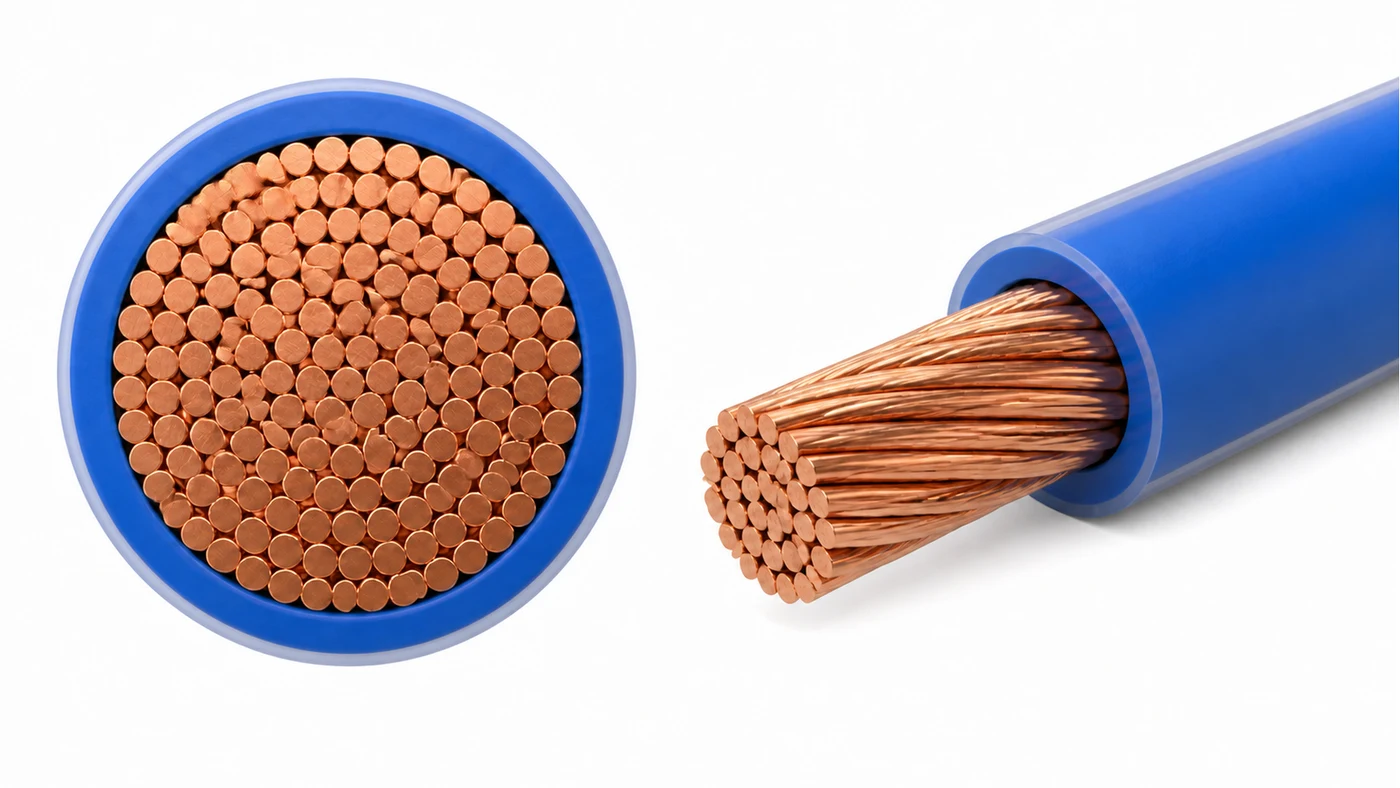
Use the individual-wire material, diameter and count together with the finished outside diameter, required lay and finished-product characteristics to decide whether a buncher, cage strander or another stranding system is appropriate. The route remains product-specific rather than being fixed by nominal conductor area or a generic cable name.
2. 입력 와이어: 재질, 직경, 수 및 상태가 완전한가?
왜 중요한가: 와이어 뭉치기 기계는 완성된 뭉치를 생성하기 전에 개별 입력을 처리합니다. 이들의 재질, 직경, 수, 표면, 코팅, 경도, 공급 패키지 및 장력 상태는 루팅, 가이드 접촉, 와이어 단선 감지 및 사용 가능한 작동 윈도우에 영향을 미칩니다. 명목 단면적은 종이상으로 수용할 수 있어도 실제 개별 와이어 또는 패키지에는 부적합할 수 있습니다.
질문해야 할 사항: 도체 재질 및 코팅, 개별 와이어 직경 범위, 각 제품에 대한 정확한 와이어 수, 공급 스풀 치수, 플랜지 및 배럴 상태, 최대 승인 패키지 질량, 페이오프 배열, 허용되는 조인트, 표면 청결도 및 긁힘 또는 변형에 대한 민감도를 정의하십시오. 공장이 준비된 와이어를 구매할지, 현장에서 드로우, 어닐링 또는 주석 도금할지 명시하십시오. 명목값만 제공하지 말고 상류 생산에서 예상되는 변동을 명시하십시오.
확인 방법: 모든 페이오프 위치에서 가이드 및 와이어 단선 장치를 거쳐 뭉치 영역까지의 전체 재료 경로를 점검하십시오. FAT 동안에는 쉽게 작동하는 재료만 선택하지 말고, 합의된 공급 패키지 및 대표 와이어를 사용하십시오. 가이드, 접촉점 및 감지 장치가 정의된 와이어 표면에 적합하고, 입력 결함이 유지된 도체를 손상시키지 않고 식별될 수 있는지 확인하십시오.
경고 신호: 공급업체가 명목 단면적만으로 뭉치기 기계를 선택하고, 제안된 페이오프가 구매자의 실제 스풀을 수용할 수 없으며, 입력 와이어 수가 “약”이라는 값으로 설명되거나, FAT 계획이 생산과 다른 와이어 재질 및 패키지 형상을 허용합니다.
Treat a proposal as preliminary when the conductor material, individual-wire diameter before bunching, wire count, finished outside diameter or required finished characteristics is missing, even if the nominal cross-sectional area is already known.
3. Acceptance Basis: Which standard and finished tests control approval?
Why it matters: The wire bunching machine creates geometry, but the factory sells a conductor or cable that must meet an approved product specification. A visually uniform bundle does not prove conductor resistance, construction, dimensions or suitability for the next process. The buyer must separate machine functions from finished-product acceptance and name who supplies each test method and instrument.
What to ask: Identify the finished-cable standard, conductor clause, customer drawing and factory control plan that apply. State which properties are checked at the bunching stage and which are verified only after insulation or final cable production. Define sample conditioning, measurement temperature where relevant, instrument responsibility, pass/fail limits, record format and disposition of material made during setup or adjustment.
How to verify: Build an acceptance matrix that connects each requirement to a sample, test method, instrument, responsible party and retained record. If IEC 60228 applies, confirm the exact conductor type and edition rather than citing the standard as a general quality badge. The IEC publication record notes that its requirements generally relate to conductors in finished cable, so an intermediate bunching check must be connected to the finished-product control plan instead of being presented as automatic compliance.1
Red flags: The quotation says only “according to IEC,” a resistance result has no sample temperature or method, the FAT checks appearance but not the agreed conductor properties, or the supplier promises certification that neither the machine nor the FAT can establish.
4. Lay Window: Which lay length and direction must remain stable?
Why it matters: Lay length is a product setting, not a decorative parameter in a catalog table. The required window, S or Z direction, wire construction, speed and tension interact. A very wide nominal range is not useful if the machine cannot produce the buyer’s actual conductor with stable lay and acceptable handling under the agreed production condition.
What to ask: List every required lay length or approved range by conductor, the lay direction, tolerance and measurement method. Define whether settings change through gears, electronic control or another mechanism, and include the supplied change parts in the scope. Ask the supplier to state any speed, package or conductor condition that limits the requested lay window rather than quoting one universal maximum.
How to verify: First compare the requested lay with the pitch table for the exact proposed machine. A value inside that table is only a candidate setting, so measure actual lay on agreed FAT samples after the machine reaches the test condition and repeat at more than one take-up state when the project risk justifies it. Record the recipe or gear combination, direction, line state, sample identity and result. One Φ800 configuration reviewed in HONGKAI’s local material uses interchangeable pitch gears and supports S or Z operation; that is a configuration example, not proof that every HONGKAI wire bunching machine uses the same mechanism or range.
Red flags: The supplier lists lay length without direction or tolerance, substitutes calculated pitch for measured conductor evidence, omits change gears or recipes from the supply, or promises the same stable speed at every lay and conductor condition.
A requested lay outside the exact machine table should remain outside scope unless a revised configuration and new product evidence are agreed. During FAT, compare the set value with the actual conductor by counting or measuring lays over a known sample length using the approved method.
5. Reel Interface: Do the payoff and take-up packages fit factory flow?
Why it matters: Reel diameter is only one interface. Flange condition, barrel diameter, traverse width, center hole, loading method, package mass, lifting access, traverse control and downstream handling decide whether the machine can be used safely and efficiently. A reel mismatch can delay commissioning even when the bunching head itself is suitable.
What to ask: Supply drawings or verified dimensions for every incoming and outgoing package, including tolerances and maximum approved mass. Define shafted or shaftless loading, lifting method, reel clamping, traverse range, loading aisle, finished package build and transfer to the next process. Confirm whether the supplied reel is a machine reel, shipping reel or production package and whether adapters are included.
How to verify: Load the agreed reels during FAT or perform a dimensional and functional interface check when production reels cannot be shipped. Run traverse across the usable width, inspect edge build and confirm that lifting, clamping, braking and removal can be completed by the approved method. Check the factory layout for actual reel movement and service access instead of assuming that machine footprint alone proves fit.
Red flags: A proposal says “800 mm reel” without a drawing, the flange fits but the center hole or traverse width does not, hydraulic lifting is listed without load and interface confirmation, or the buyer discovers after delivery that production reels cannot pass through the access route.
Confirm the dimensions of every payoff and take-up position before the machine is finalized, whether the arrangement uses one reel or several. Send any custom package to the supplier early enough to verify or modify the loading, clamping and traverse interfaces. For empty-to-full tension checks, retain the machine display record when available; otherwise agree a controlled manual or mechanical measurement method instead of relying on visual judgment.
6. Tension Control: How will the conductor remain stable from empty to full reel?
Why it matters: Take-up diameter changes during production, so the control system must manage tension as the package builds. Excess tension can deform or stretch fine wires; insufficient or unstable tension can disturb the bundle, traverse and downstream payoff. A named controller or magnetic-powder device is not evidence until the complete control behavior is demonstrated with the agreed conductor.
What to ask: Request the tension-control principle, sensing or feedback method, adjustment range, empty-to-full compensation, startup and slowdown behavior, recipe control, alarm conditions and operator permissions. Define how upstream payoff tension and downstream take-up tension are coordinated. Ask what evidence will show that adjustment can be made safely and that a wire break or abnormal condition does not leave uncontrolled stored motion.
확인 방법: 시동, 안정적인 운전, 속도 변경, 제어된 정지 및 대표적인 패키지 구성 상태를 관찰하십시오. 운전 설정을 유지하고 도체, 레이, 리ール 구성 및 시스템에서 제공 가능한 모든 장력 기록을 검사하십시오. HONGKAI이 검토한 현지 Φ800 기준 구성을 사용하는 경우 PLC 트래킹과 자기분말 풀업 장력이 적용되며, 해당 제어 개념이 수용되기 전에 도체별 FAT 증거가 여전히 필요합니다.
경고 신호: 공급업체가 장력을 “자동’이라고 설명하면서 제어 메커니즘을 설명하지 않음, FAT이 부분적으로만 채워진 리ール에서 시작됨, 운영자가 제어 없이 설정을 덮어쓸 수 있음, 또는 입력선이 끊어진 후에도 기계가 계속 작동함.
7. 안전 제어: 어떤 위험 요소 및 자동 정지 기능을 검증해야 합니까?
왜 중요한가: 고속 회전 장비, 이동하는 리ール, 저장된 장력 및 전기 시스템은 기계 설계, 공장 위험 평가 및 운영 제어를 통해 해결해야 하는 위험 요소를 생성합니다. 폐쇄형 커버나 긴급 정지 버튼만으로 모든 위험 요소가 통제되었다고 단정할 수 없습니다. 수락 계획은 정확한 구성을 갖춘 기계에 제공된 보호 장치와 구매자의 책임이 남아 있는 인터페이스를 검증해야 합니다.
질문할 내용: 기계별 위험 및 보호 장치 검토, 방호 및 연동 설명, 긴급 정지 기능, 선단절 및 도어 개방 시 동작, 제동 방식, 안전한 리ール 적재 절차, 절연 지점, 경고 라벨 및 필요한 공장 유틸리티를 요구하십시오. 각 보호 사건 후 정지 및 재시작 절차를 명시하십시오. 해당 경우에 외부 울타리, 리프팅 장치, 압축 공기, 기초 및 현장 전기 보호 장치를 공급하는 주체를 명시하십시오.
확인 방법: FAT 동안 보호 기능을 우회하지 않고 테스트하십시오. 최종 전기 문서가 공급된 기계와 일치하며, 고장 발생 시 의도적이고 제어된 재설정이 필요함을 확인하십시오. IEC 60204-1:2016 with Amendment 1:2021 기계의 전원 연결부터 전기, 전자 및 프로그래밍 가능한 전자 장비에 적용됩니다. ISO 12100:2010 위험 평가 및 위험 감소 원칙을 제공합니다.23
경고 신호: 안전 도어가 표시되지만 연동되지 않음, 생산 중단을 방지하기 위해 정지 테스트가 생략됨, 제동 동작이 정의되지 않음, 또는 프로젝트 특정 증거 없이 표준 번호를 인증 주장으로 사용함.
8. FAT 증거: 어떤 샘플 및 기록이 기계가 수용 가능함을 입증합니까?
왜 중요한가: 무하중 회전 테스트는 조립 및 기본 제어만을 입증합니다. 구매자는 도체 뭉치기 기계가 대표적인 입력을 처리하고, 합의된 레이 및 패키지를 생산하며, 고장을 반응하고 다음 공정으로 사용 가능한 도체를 전달할 수 있음을 입증해야 합니다. FAT은 주문 전에 설계되어야 하며, 공급업체가 재료, 리ール, 공구 및 테스트 장비를 준비할 수 있도록 해야 합니다.
질문할 내용: FAT 도체 또는 도체 계열, 입력선, 패키지 상태, 레이, 방향, 운전 조건, 샘플링 지점, 측정 특성, 테스트할 보호 장치, 검토할 문서 및 열린 항목 처리 방식을 정의하십시오. 예상 레시피, 공구 및 교체 부품을 기록에 포함하십시오. 현장 관찰 테스트와 공급업체 사전 테스트를 구분하고 구매자가 받게 될 원시 데이터, 사진, 영상 및 샘플 길이를 명시하십시오.
확인 방법: 식별된 입력 리ール에서 하나의 샘플을 기계 설정을 거쳐 완성된 리ール 및 보관된 테스트 기록까지 추적하십시오. 실제 공급된 기계, 명판, 도면, 소프트웨어 또는 레시피 버전, 예비 부품 및 공구를 서명된 범위와 비교하십시오. 생산에 중요한 설정 변경 또는 고장 복구를 반복한 후, 결과 도체가 합의된 수락 기준을 여전히 충족하는지 확인하십시오.
경고 신호: FAT이 식별되지 않은 재료를 사용함, 수용된 도체가 구매자의 가장 작은 또는 가장 까다로운 제품과 서면 근거 없이 다름, 단순히 편집된 짧은 영상만 보관됨, 또는 소유자, 날짜 및 검증 증거 없이 구두로 편차를 종료함.
Decision criterion: Choose the FAT conductor from the confirmed finished outside diameter and requested lay, including the operating condition that makes the agreed lay-and-speed combination most demanding. Check the machine setting against the actual sample over a known length. A matching result demonstrates the pitch condition for that sample only; it does not prove an untested conductor or speed.
참고: 입력, 출력, 패키지, 제어 및 수락 범위를 모두 동일한 프로젝트 사양에 명시할 수 있을 때만 뭉치기 기계가 선택 준비가 된 것입니다.
구매자는 도체 뭉치기 기계 모델을 어떻게 비교해야 합니까?
도체 뭉치기 기계 모델은 가장 큰 리ール이나 가장 빠른 카탈로그 값으로 선택하는 것이 아니라, 필요한 운영 중첩 범위로 비교해야 합니다. 사용 가능한 모델은 개별 도선, 완성된 도체, 레이 윈도우 및 패키지 인터페이스를 동시에 커버해야 합니다. 제어, 보호 장치, 교체 부품, 접근성 및 하류 처리는 그 기계적 범위가 실용적인지 여부를 결정합니다. HONGKAI의 현재 제품군은 선별 기준이며, 서명된 프로젝트 사양이 최종 권한이 되어야 합니다.
현재 HONGKAI 도체 뭉치기 기계 페이지 HK-300에서 HK-1250까지 여러 모델 크기를 제시합니다. 이 표는 모델별로 입력 범위, 완성된 도체 범위, 레이 범위, 리ール, 회전 속도, 구동 및 기계 치수를 변경합니다. 구매자는 이 페이지를 사용하여 후보를 식별한 후, 실제 도체 목록을 기반으로 반환된 선택 매트릭스를 요구해야 합니다.
| 비교 질문 | 구매자가 제공하는 증거 | 공급자가 반환하는 증거 |
|---|---|---|
| 모델은 모든 필요한 개별 전선을 수용할 수 있습니까? | 제품별 재질, 코팅, 직경, 개수 및 입고 포장 | 사용 가능한 입력 창 및 제외 조건 |
| 모델은 모든 승인된 도체를 제작할 수 있습니까? | 구조, 완성 면적, 치수, 레이 및 표준 | 선택된 모델, 툴링 및 제품별 매핑 |
| 필요한 레이가 실현 가능합니까? | 레이 값, 방향, 허용 오차 및 측정 방법 | 설정 방법, 교체 부품 및 제한 조건 |
| 포장은 공장과 연결됩니까? | 패오프와 테이크업 도면, 질량 및 처리 경로 | 릴 인터페이스, 어댑터, 트래버스 및 로딩 방법 |
| 제어 시스템이 생산 상태를 관리할 수 있습니까? | 제품 혼합, 교체 및 운영자 제약 조건 | 장력 개념, 레시피, 경보 및 권한 |
| 범위를 수용할 수 있습니까? | FAT 샘플, 테스트, 장비 및 기록 | 사전검토-검증플랜 및관련문, 편차및이탈프로 검증플랜 및편차 프로세스에서의탈정 프로세스에서서 |
A larger machine is not automatically a safer investment. It can change floor space, rotating mass, package handling, access, utilities and the economics of smaller products. A smaller machine is not automatically more efficient if it excludes a planned conductor or requires frequent transfer to another process. The buyer should compare the approved present range and one realistic future range, then label every other possibility as outside scope.
A local Φ800 HONGKAI reference configuration includes a Siemens PLC, Weinview touchscreen, magnetic-powder take-up tension, electromagnetic braking, oil-pump reel lifting, wire-break and door-open stops, digital length measurement, interchangeable pitch gears and a defined spare-tool set. Those functions are useful RFQ prompts. They are not a universal HONGKAI specification, and every brand, range, power value, reel dimension and control function must be reissued for the selected project.
A dedicated smaller machine should be evaluated when the confirmed product uses finer wires outside the practical range of a larger candidate. A broader-range machine is justified only when a named future conductor maps its material, individual wires, finished diameter, lay and reels to a verified machine window. “Future expansion” without that product definition is not a reason to buy unused range.
The final comparison should therefore show where the buyer’s products overlap with the proposed model and where they do not. Any claimed future capability should be tied to a named conductor, tooling set, package and test plan. “Expandable” without those details is not an engineering boundary.
참고: 모델 크기는 선택 프로세스에서 처음 내리는 결정이 아니라 승인된 도체 포트폴리오의 결과입니다.
What Should the RFQ and FAT Require Before a Wire Bunching Machine Is Approved?
A complete RFQ should allow the supplier to select a wire bunching machine without guessing, and a complete FAT plan should prove the returned configuration without changing the acceptance basis. The buyer should attach product, input-wire, reel, layout, utility, control and test data in one controlled package. The supplier should return a model-selection matrix, complete scope, exclusions, drawings, control description and sample plan. Approval should remain pending until unresolved technical assumptions are converted into signed requirements or clearly excluded conditions.
- ☐ 승인된 완성 도체 도면 및 적용 가능한 케이블 표준
- ☐ 개별 도체의 재질, 코팅, 지름, 수 및 변동
- ☐ 완전 도체 단면적, 구조, 치수 및 저항 기준
- ☐ 요구되는 연심 길이, 허용오차, 방향 및 측정 방법
- ☐ 입고 및 출고 리일 도면, 포장 중량 및 적재 방법
- ☐ 페이오프 범위, 장력 조절 방식, 와이어 절단 감지 및 가이드 배열
- ☐ Take-up tension concept, traverse, empty-to-full behavior and recipes
- ☐ Required change gears, tooling, adapters and supplied production reels
- ☐ Guarding, interlocks, emergency stops, braking and isolation information
- ☐ Power supply, compressed air, floor loading, access and lifting boundaries
- ☐ Operator control levels, alarms, fault history and backup responsibility
- ☐ FAT material, sample identity, run condition and witness points
- ☐ Lay, dimensions, resistance and downstream-handling acceptance evidence
- ☐ Protective-function and controlled fault-recovery tests
- ☐ Mechanical, electrical and utility drawings matching the supplied revision
- ☐ Tools, spare parts, manuals, recipes and training included in the scope
- ☐ Deviations, exclusions and future products with responsible owners
Before issue, the buyer should remove contradictory ranges and separate present products from possible future products. One specification should not ask for the smallest fine-wire product, the largest future conductor and maximum speed simultaneously unless the project genuinely needs that combination and the supplier can test it. If more than one machine family is technically reasonable, request the trade-off in package, floor space, changeover, stable operating window and evidence rather than asking for a single unexplained recommendation.
At FAT, begin with identity. Confirm the machine model, supplied components, drawings, guards, control versions, tooling and reels against the signed scope. Then trace the agreed conductor from identified input packages through settings and protective functions to the finished reel. Retain raw measurement records and unresolved items, not only a promotional video.
The next-stage interface is part of acceptance. A conductor can pass a bunching-stage appearance check yet create trouble during extrusion or cabling if reel build, payoff behavior, surface or tension history is unsuitable. Where practical, retain enough identified conductor for downstream verification or agree another project-specific method. Final cable release still follows the approved finished-product control plan.
If the factory is comparing a complete low-voltage route rather than a single machine, use the HONGKAI low-voltage cable production line selection guide to map conductor preparation, bunching, insulation, cabling, conditional protection, sheathing, testing and handling. The wire bunching machine should enter that route only when the approved conductor construction requires it.
Note: A purchase decision is auditable when another engineer can reconstruct why the model was selected, what it must produce, how it will be tested and which conditions remain outside scope.
-
IEC 60228:2023, 절연 케이블의 도체. The official IEC record covers nominal cross-sectional areas, wire numbers and sizes, and resistance values for several conductor types in power cables and cords; applicability depends on the cable standard. ↩ ↩
-
IEC 60204-1:2016, 기계의 안전성 — 기계의 전기 장비 — 제1부, with Amendment 1:2021 available from the IEC publication record. It covers electrical, electronic and programmable electronic equipment of machines from the supply connection. ↩
-
ISO 12100:2010, 기계의 안전성 — 설계를 위한 일반 원칙 — 위험 평가 및 위험 감소. ISO states that the standard was last reviewed and confirmed in 2022 while a revision remains under development. ↩

 English
  हिन्दी
  فارسی
فارسی