











Uma máquina de emaranhamento de fios deve ser selecionada a partir do condutor final para trás, e não a partir de um tamanho de carretel ou de um título de velocidade máxima. Um proprietário de fábrica ou comprador técnico deve primeiro definir o que entra na máquina, qual condutor deve sair dela, como esse condutor será testado e qual pacote deve se conectar ao próximo processo.
A máquina correta de emaranhamento de fios é a menor configuração de projeto capaz de produzir o condutor aprovado em sua faixa de fios necessária, janela de torção e interface de carretel, mantendo tensão controlável e evidência mensurável de aceitação. A velocidade nominal não prova que o condutor permanecerá estável de um carretel vazio a um carretel cheio. O RFQ deve, portanto, definir os fios de entrada, o condutor final, a direção de torção, os pacotes, as funções de controle, as proteções e as amostras FAT antes da aprovação de um modelo. O HONGKAI pode mapear essas entradas para uma família de máquinas, mas o desempenho final deve ser confirmado contra as condições exatas do cabo e do projeto.
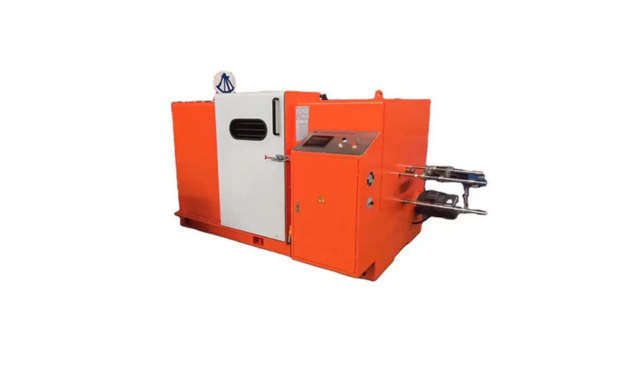
Referência da máquina de torção de fios HONGKAI. Esta torcedora menor é mostrada para discussão de seleção; o modelo exato, arranjo de entrada e escopo fornecido ainda devem ser confirmados na especificação do projeto.
Este guia é destinado a proprietários de fábricas de cabos de baixa tensão, gerentes de produção e equipes técnicas de aquisição. Ele não trata o emaranhamento, o encordoamento ordenado e a montagem de cabos como nomes intercambiáveis. A decisão do comprador é se um buncador proposto corresponde a um projeto de condutor aprovado e se o fornecedor pode provar essa correspondência antes do envio.
O Que os Compradores Devem Definir Antes de Selecionar uma Máquina de Emaranhamento de Fios?
Um comprador deve congelar oito decisões interligadas antes de selecionar uma máquina de torção de fios: o condutor final, os fios de entrada, o padrão de produto governante, a janela de torção, as interfaces de carretel, o método de tensão, os controles de segurança e a evidência FAT. Cada decisão altera a configuração utilizável da máquina e a evidência exigida na aceitação. Uma ampla gama de catálogo é útil para triagem, mas não pode substituir o desenho aprovado do condutor e o plano de amostras. O fornecedor precisa da definição completa de entrada e saída antes de confirmar um modelo ou condição de produção estável.
1. Condutor Final: Qual condutor a máquina deve produzir?
Por que importa: O condutor final é o ponto de referência da seleção. A área transversal nominal sozinha não indica se o condutor é emaranhado, encordoado concêntrico, compactado, flexível, revestido, isolado ou fabricado com uma construção especial. Dois condutores com a mesma área nominal podem exigir contagens diferentes de fios individuais, diâmetros de fios, comportamento de torção, tensão e manuseio a jusante. Um fornecedor não pode selecionar responsavelmente uma máquina de emaranhamento de fios a partir de um nome de cabo, como “fio flexível”, sem a construção aprovada.
O que perguntar: Envie o desenho ou especificação do condutor final com material, área nominal, classe de construção ou referência ao padrão de produto, contagem e diâmetro dos fios individuais, diâmetro final onde controlado, revestimento ou revestimento, direção, exigência de torção, política de junção e processo a jusante. Indique se o buncador recebe fios nus, fios revestidos ou núcleos já isolados. Marque cada faixa como obrigatória, opcional ou futura, em vez de combinar produtos não relacionados em um único envelope máximo.
Como verificar: Compare a janela de operação proposta pelo fornecedor com cada condutor aprovado em suas condições mínima e máxima exigidas. Exija que a cotação mostre quais entradas foram usadas para selecionar a máquina e quais produtos permanecem fora do escopo. IEC 60228:2023 abrange áreas transversais nominais, números e tamanhos de fios e valores de resistência para vários tipos de condutores em cabos e cordões de energia, mas o padrão aplicável ao cabo final ainda decide se IEC 60228 a se aplica ao produto.1
Sinais de alerta: A proposta lista apenas o diâmetro final do cabo, trata uma classe de condutor como um modelo de máquina, assume que todos os condutores de fios finos usam o mesmo processo ou inclui construções compactadas e não compactadas sem ferramentas e revisão de aceitação separadas.
Use o material, diâmetro e quantidade de fios individuais juntamente com o diâmetro externo final, a torção exigida e as características do produto final para decidir se uma torcedora, um estrandador de gaiola ou outro sistema de torção é apropriado. O caminho permanece específico do produto, em vez de ser fixado pela área nominal do condutor ou por um nome genérico de cabo.
2. Fios de Entrada: O material, o diâmetro, a contagem e a condição estão completos?
Por que importa: Uma máquina de emaranhamento de fios manipula entradas individuais antes de criar o pacote final. Seu material, diâmetro, contagem, superfície, revestimento, dureza, pacote de entrada e condição de tensão afetam o roteamento, o contato com guias, a detecção de quebra de fio e a janela de operação utilizável. Uma máquina que aceita a área nominal final no papel pode ainda ser inadequada para os fios individuais ou pacotes reais.
O que perguntar: Defina o material e o revestimento do condutor, a faixa de diâmetro dos fios individuais, a contagem exata de fios para cada produto, as dimensões das bobinas de entrada, a condição da flange e do cilindro, a massa máxima aprovada do pacote, o arranjo de desenrolamento, as junções permitidas, a limpeza da superfície e qualquer sensibilidade a riscos ou deformação. Identifique se a fábrica comprará fio preparado ou se extrairá, recozerá ou estanhará no local. Indique a variação esperada da produção a montante, em vez de fornecer apenas um valor nominal.
Como verificar: Inspecione o caminho completo do material desde cada posição de desenrolamento, passando por guias e dispositivos de detecção de quebra, até a zona de emaranhamento. Durante o FAT, use os pacotes de entrada acordados e fios representativos, e não materiais substitutos escolhidos apenas porque são fáceis de operar. Confirme que as guias, pontos de contato e dispositivos de detecção são adequados para a superfície definida dos fios e que uma falha de entrada pode ser identificada sem danificar o condutor retido.
Sinais de alerta: O fornecedor seleciona um buncador apenas pela área final, o desenrolamento proposto não consegue aceitar as bobinas reais do comprador, a contagem de fios de entrada é descrita como “cerca de” um valor, ou o plano FAT permite material e geometria de pacote diferentes dos fios de produção.
Trate uma proposta como preliminar quando o material do condutor, o diâmetro dos fios individuais antes da torção, a contagem de fios, o diâmetro externo final ou as características finais exigidas estiverem ausentes, mesmo que a área transversal nominal já seja conhecida.
3. Acceptance Basis: Which standard and finished tests control approval?
Why it matters: The wire bunching machine creates geometry, but the factory sells a conductor or cable that must meet an approved product specification. A visually uniform bundle does not prove conductor resistance, construction, dimensions or suitability for the next process. The buyer must separate machine functions from finished-product acceptance and name who supplies each test method and instrument.
What to ask: Identify the finished-cable standard, conductor clause, customer drawing and factory control plan that apply. State which properties are checked at the bunching stage and which are verified only after insulation or final cable production. Define sample conditioning, measurement temperature where relevant, instrument responsibility, pass/fail limits, record format and disposition of material made during setup or adjustment.
How to verify: Build an acceptance matrix that connects each requirement to a sample, test method, instrument, responsible party and retained record. If IEC 60228 applies, confirm the exact conductor type and edition rather than citing the standard as a general quality badge. The IEC publication record notes that its requirements generally relate to conductors in finished cable, so an intermediate bunching check must be connected to the finished-product control plan instead of being presented as automatic compliance.1
Red flags: The quotation says only “according to IEC,” a resistance result has no sample temperature or method, the FAT checks appearance but not the agreed conductor properties, or the supplier promises certification that neither the machine nor the FAT can establish.
4. Lay Window: Which lay length and direction must remain stable?
Why it matters: Lay length is a product setting, not a decorative parameter in a catalog table. The required window, S or Z direction, wire construction, speed and tension interact. A very wide nominal range is not useful if the machine cannot produce the buyer’s actual conductor with stable lay and acceptable handling under the agreed production condition.
What to ask: List every required lay length or approved range by conductor, the lay direction, tolerance and measurement method. Define whether settings change through gears, electronic control or another mechanism, and include the supplied change parts in the scope. Ask the supplier to state any speed, package or conductor condition that limits the requested lay window rather than quoting one universal maximum.
Como verificar: Primeiro, compare a torção solicitada com a tabela de passo da máquina exata proposta. Um valor dentro dessa tabela é apenas uma configuração candidata; portanto, meça a torção real nas amostras acordadas FAT após a máquina atingir a condição de teste e repita em mais de um estado de bobinamento quando o risco do projeto justificar. Registre a receita ou combinação de engrenagens, direção, estado da linha, identidade da amostra e resultado. Uma configuração Φ800 revisada em HONGKAI's material local utiliza engrenagens de passo intercambiáveis e suporta operação S ou Z; essa é um exemplo de configuração, não prova de que toda máquina de torção de fios HONGKAI use o mesmo mecanismo ou intervalo.
Red flags: The supplier lists lay length without direction or tolerance, substitutes calculated pitch for measured conductor evidence, omits change gears or recipes from the supply, or promises the same stable speed at every lay and conductor condition.
Uma torção solicitada fora da tabela exata da máquina deve permanecer fora do escopo, a menos que uma configuração revisada e nova evidência do produto sejam acordadas. Durante FAT, compare o valor definido com o condutor real contando ou medindo torções ao longo de um comprimento conhecido da amostra usando o método aprovado.
5. Reel Interface: Do the payoff and take-up packages fit factory flow?
Why it matters: Reel diameter is only one interface. Flange condition, barrel diameter, traverse width, center hole, loading method, package mass, lifting access, traverse control and downstream handling decide whether the machine can be used safely and efficiently. A reel mismatch can delay commissioning even when the bunching head itself is suitable.
What to ask: Supply drawings or verified dimensions for every incoming and outgoing package, including tolerances and maximum approved mass. Define shafted or shaftless loading, lifting method, reel clamping, traverse range, loading aisle, finished package build and transfer to the next process. Confirm whether the supplied reel is a machine reel, shipping reel or production package and whether adapters are included.
How to verify: Load the agreed reels during FAT or perform a dimensional and functional interface check when production reels cannot be shipped. Run traverse across the usable width, inspect edge build and confirm that lifting, clamping, braking and removal can be completed by the approved method. Check the factory layout for actual reel movement and service access instead of assuming that machine footprint alone proves fit.
Red flags: A proposal says “800 mm reel” without a drawing, the flange fits but the center hole or traverse width does not, hydraulic lifting is listed without load and interface confirmation, or the buyer discovers after delivery that production reels cannot pass through the access route.
Confirme as dimensões de cada posição de desenrolamento e bobinamento antes da finalização da máquina, independentemente de o arranjo usar um ou vários carretéis. Envie qualquer pacote personalizado ao fornecedor com antecedência suficiente para verificar ou modificar as interfaces de carregamento, fixação e deslocamento. Para verificações de tensão de vazio para cheio, mantenha o registro da exibição da máquina quando disponível; caso contrário, acorde um método de medição manual ou mecânica controlada, em vez de confiar no julgamento visual.
6. Tension Control: How will the conductor remain stable from empty to full reel?
Why it matters: Take-up diameter changes during production, so the control system must manage tension as the package builds. Excess tension can deform or stretch fine wires; insufficient or unstable tension can disturb the bundle, traverse and downstream payoff. A named controller or magnetic-powder device is not evidence until the complete control behavior is demonstrated with the agreed conductor.
What to ask: Request the tension-control principle, sensing or feedback method, adjustment range, empty-to-full compensation, startup and slowdown behavior, recipe control, alarm conditions and operator permissions. Define how upstream payoff tension and downstream take-up tension are coordinated. Ask what evidence will show that adjustment can be made safely and that a wire break or abnormal condition does not leave uncontrolled stored motion.
Como verificar: Observe a partida, funcionamento estável, mudança de velocidade, parada controlada e construção representativa do pacote. Mantenha as configurações de operação e inspecione o condutor, a torção, a construção do carretel e qualquer registro de tensão disponível no sistema. Uma configuração de referência local Φ800 revisada por HONGKAI utiliza o rastreamento PLC com tensão de recolhimento por pó magnético; o projeto ainda exige evidência específica do condutor FAT antes que esse conceito de controle possa ser aceito.
Sinais de alerta: O fornecedor descreve a tensão como “automática” sem explicação de controle, FAT inicia apenas com um carretel parcialmente preenchido, operadores podem substituir configurações sem controle, ou a máquina permanece em funcionamento após a quebra do fio de entrada.
7. Controles de Segurança: Quais riscos e paradas automáticas devem ser verificados?
Por que isso importa: Equipamentos rotativos em alta velocidade, carretéis móveis, tensão armazenada e sistemas elétricos criam riscos que devem ser abordados pelo projeto da máquina, pela avaliação de risco da fábrica e pelos controles de operação. Uma cobertura fechada ou um botão de emergência sozinhos não provam que todos os riscos estão controlados. O plano de aceitação deve verificar as proteções fornecidas com a configuração exata e as interfaces que permanecem como responsabilidade do comprador.
O que perguntar: Exija uma revisão específica da máquina sobre riscos e proteções, descrição das proteções e intertravamentos, funções de parada de emergência, comportamento em caso de quebra de fio e porta aberta, método de frenagem, procedimento seguro de carregamento de carretel, pontos de isolamento, etiquetas de aviso e utilidades necessárias da fábrica. Defina a sequência de parada e reinício após cada evento protetor. Indique quem fornece cercas externas, dispositivos de elevação, ar comprimido, fundações e proteção elétrica no local, quando aplicável.
Como verificar: Teste as funções protetoras acordadas durante FAT sem desativar as proteções. Confirme que a documentação elétrica final corresponde à máquina fornecida e que falhas exigem um reset intencional e controlado. IEC 60204-1:2016 with Amendment 1:2021 aplica-se a equipamentos elétricos, eletrônicos e programáveis de máquinas a partir da conexão de fornecimento, enquanto ISO 12100:2010 fornece princípios de avaliação e redução de risco.23
Sinais de alerta: Uma porta de segurança é mostrada, mas não intertravada, um teste de parada é ignorado porque interrompe a produção, o comportamento de frenagem não é definido, ou a proposta utiliza um número padrão como afirmação de certificação sem evidência específica do projeto.
8. FAT Evidência: Qual amostra e registros provam que a máquina é aceitável?
Por que isso importa: Um teste de rotação sem carga prova apenas montagem e controle básico. O comprador precisa de evidências de que a máquina de torção de fios pode lidar com entradas representativas, produzir a torção e o pacote acordados, responder a falhas e transferir condutor utilizável para a próxima etapa. FAT deve ser projetado antes da encomenda para que o fornecedor possa preparar materiais, carretéis, ferramentas e instrumentos de teste.
O que perguntar: Defina o condutor FAT ou família de condutores, fio de entrada, estado do pacote, torção, direção, condição de operação, pontos de amostragem, propriedades medidas, proteções a testar, documentos a revisar e tratamento de itens abertos. Inclua a receita esperada, ferramentas e peças de troca no registro. Separe os testes com testemunha dos testes prévios do fornecedor e indique quais resultados brutos, fotografias, vídeos e comprimentos de amostra o comprador receberá.
Como verificar: Rastreie uma amostra desde os carretéis de entrada identificados, passando pelas configurações da máquina até o carretel final e o registro de teste retido. Compare a máquina fornecida, placas de identificação, desenhos, versão de software ou receita, peças de reposição e ferramentas com o escopo assinado. Repita uma mudança de configuração ou recuperação de falha quando for relevante para a produção, então confirme que o condutor resultante ainda atende à base de aceitação acordada.
Sinais de alerta: FAT utiliza material não identificado, o condutor aceito difere do produto menor ou mais exigente do comprador sem justificativa escrita, apenas um vídeo curto editado é retido, ou desvios são fechados verbalmente sem proprietário, data e evidência de verificação.
Critério de decisão: Escolha o condutor FAT com base no diâmetro externo final confirmado e na torção solicitada, incluindo a condição operacional que torna a combinação torção-velocidade acordada mais exigente. Verifique a configuração da máquina contra a amostra real em um comprimento conhecido. Um resultado correspondente demonstra a condição de passo apenas para essa amostra; não prova um condutor ou velocidade não testados.
Nota: Uma torcedora está pronta para seleção somente quando seus limites de entrada, saída, pacote, controle e aceitação puderem ser todos escritos na mesma especificação do projeto.
Como um Comprador Deve Comparar Modelos de Máquinas de Torção de Fios?
Modelos de máquinas de torção de fios devem ser comparados pela sobreposição operacional necessária, e não pela escolha do carretel maior ou do valor mais rápido do catálogo. O modelo utilizável deve cobrir simultaneamente os fios individuais, o condutor final, a janela de torção e as interfaces do pacote. Controles, proteções, peças de troca, acesso e manuseio a jusante determinam se essa faixa mecânica é prática. A família atual de produtos HONGKAI é uma referência de triagem; a especificação do projeto assinada deve permanecer como autoridade final.
A atual HONGKAI página da máquina de torção de fios apresenta vários tamanhos de modelo de HK-300 até HK-1250. Sua tabela varia o intervalo de entrada, o intervalo de condutor final, o intervalo de torção, o carretel, a velocidade rotacional, a tração e as dimensões da máquina por modelo. Os compradores devem usar essa página para identificar candidatos, depois exigir uma matriz de seleção retornada com base na lista real de condutores.
| Pergunta de comparação | Evidência fornecida pelo comprador | Evidência retornada pelo fornecedor |
|---|---|---|
| O modelo aceita cada fio individual exigido? | Material, revestimento, diâmetro, quantidade e embalagem de entrada por produto | Janela de entrada utilizável e condições excluídas |
| O modelo pode produzir cada condutor aprovado? | Construção, área final, dimensões, torção e norma | Modelo selecionado, ferramental e mapeamento produto por produto |
| A torção exigida é prática? | Valores de torção, direção, tolerância e método de medição | Método de configuração, peças de troca e condições limitantes |
| As embalagens se conectam à fábrica? | Desenhos de alimentação e recolhimento, massa e rota de manuseio | Interfaces de carretel, adaptadores, movimento transversal e método de carregamento |
| Os controles conseguem gerenciar o estado de produção? | Mix de produtos, troca de produção e restrições do operador | Conceito de tensão, receitas, alarmes e permissões |
| O escopo pode ser aceito? | FAT amostras, testes, instrumentos e registros | Plano de pré-teste, plano de observação e processo de desvio |
Uma máquina maior não é automaticamente um investimento mais seguro. Ela pode alterar o espaço no piso, a massa rotativa, o manuseio de pacotes, o acesso, os serviços públicos e a economia de produtos menores. Uma máquina menor não é automaticamente mais eficiente se excluir um condutor planejado ou exigir transferências frequentes para outro processo. O comprador deve comparar a faixa atual aprovada e uma faixa futura realista, então rotular todas as outras possibilidades como fora do escopo.
Uma configuração de referência local Φ800 HONGKAI inclui um Siemens PLC, touchscreen Weinview, tensão de bobinamento por pó magnético, frenagem eletromagnética, elevação de carretel por bomba de óleo, paradas por quebra de fio e porta aberta, medição digital de comprimento, engrenagens de passo intercambiáveis e um conjunto definido de ferramentas de reposição. Essas funções são prompts úteis RFQ. Elas não são uma especificação universal HONGKAI, e cada marca, faixa, valor de potência, dimensão de carretel e função de controle devem ser reemitidas para o projeto selecionado.
Uma máquina menor dedicada deve ser avaliada quando o produto confirmado usar fios mais finos fora da faixa prática de um candidato maior. Uma máquina de faixa mais ampla é justificada apenas quando um condutor futuro nomeado mapeia seu material, fios individuais, diâmetro final, torção e carretéis para uma janela de máquina verificada. “Expansão futura” sem essa definição de produto não é um motivo para comprar faixa não utilizada.
A comparação final deve, portanto, mostrar onde os produtos do comprador se sobrepõem ao modelo proposto e onde não se sobrepõem. Qualquer capacidade futura alegada deve estar vinculada a um condutor nomeado, conjunto de ferramentas, pacote e plano de teste. “Expandível” sem esses detalhes não é um limite de engenharia.
Nota: O tamanho do modelo é uma consequência do portfólio de condutores aprovados, não a primeira decisão no processo de seleção.
O Que o RFQ e o FAT Devem Exigir Antes da Aprovação de uma Máquina de Torção de Fios?
Um RFQ completo deve permitir que o fornecedor selecione uma máquina de torção de fios sem adivinhação, e um plano FAT completo deve comprovar a configuração retornada sem alterar a base de aceitação. O comprador deve anexar dados de produto, fio de entrada, carretel, layout, serviços públicos, controle e teste em um pacote controlado. O fornecedor deve retornar uma matriz de seleção de modelo, escopo completo, exclusões, desenhos, descrição de controle e plano de amostra. A aprovação deve permanecer pendente até que suposições técnicas não resolvidas sejam convertidas em requisitos assinados ou condições claramente excluídas.
- ☐ Desenho aprovado do condutor final e padrão de cabo aplicável
- ☐ Material, revestimento, diâmetro, quantidade e variação dos fios individuais
- ☐ Área do condutor acabado, construção, dimensões e base de resistência
- ☐ Comprimento de torção exigido, tolerância, direção e método de medição
- ☐ Desenhos das bobinas de entrada e saída, massa da embalagem e método de carregamento
- ☐ Escopo de desenrolamento, método de tensão, detecção de quebra de fio e arranjo dos guias
- ☐ Conceito de tensão de enrolamento, travessia, comportamento de vazio a cheio e receitas
- ☐ Engrenagens, ferramentas, adaptadores e bobinas de produção fornecidas exigidas
- ☐ Informações sobre proteção, intertravamentos, paradas de emergência, frenagem e isolamento
- ☐ Fonte de alimentação, ar comprimido, carga no piso, acesso e limites de elevação
- ☐ Níveis de controle do operador, alarmes, histórico de falhas e responsabilidade de backup
- ☐ Material FAT, identidade da amostra, condição de operação e pontos de verificação
- ☐ Prova de aceitação da torção, dimensões, resistência e manuseio a jusante
- ☐ Testes de funções de proteção e recuperação controlada de falhas
- ☐ Desenhos mecânicos, elétricos e de utilidades correspondentes à revisão fornecida
- ☐ Ferramentas, peças de reposição, manuais, receitas e treinamento incluídos no escopo
- ☐ Desvios, exclusões e produtos futuros com proprietários responsáveis
Antes da emissão, o comprador deve remover faixas contraditórias e separar os produtos atuais dos possíveis produtos futuros. Uma especificação não deve solicitar simultaneamente o menor produto de fio fino, o maior condutor futuro e a velocidade máxima, a menos que o projeto realmente exija essa combinação e o fornecedor possa testá-la. Se mais de uma família de máquinas for tecnicamente razoável, solicite a compensação em termos de embalagem, espaço no piso, troca, janela de operação estável e evidências, em vez de pedir uma única recomendação sem explicação.
Em FAT, comece com a identidade. Confirme o modelo da máquina, os componentes fornecidos, os desenhos, as proteções, as versões de controle, as ferramentas e as bobinas contra o escopo assinado. Em seguida, rastreie o condutor acordado a partir das embalagens de entrada identificadas, passando por configurações e funções de proteção até a bobina acabada. Mantenha registros brutos de medição e itens não resolvidos, e não apenas um vídeo promocional.
A interface da próxima etapa faz parte da aceitação. Um condutor pode passar na verificação visual da etapa de torção, mas causar problemas durante a extrusão ou o encablagem se a construção da bobina, o comportamento de desenrolamento, a superfície ou o histórico de tensão forem inadequados. Sempre que possível, mantenha suficiente condutor identificado para verificação a jusante ou acorde outro método específico do projeto. A liberação final do cabo ainda segue o plano aprovado de controle do produto acabado.
Se a fábrica estiver comparando uma rota completa de baixa tensão em vez de uma única máquina, use o HONGKAI guia de seleção da linha de produção de cabos de baixa tensão para mapear a preparação do condutor, torção, isolamento, cablagem, proteção condicional, revestimento, teste e manuseio. A máquina de torção de fios deve entrar nesse caminho apenas quando a construção do condutor aprovado exigir isso.
Nota: Uma decisão de compra é auditável quando outro engenheiro pode reconstruir por que o modelo foi selecionado, o que ele deve produzir, como será testado e quais condições permanecem fora do escopo.
-
IEC 60228:2023, Conductors of insulated cables. O registro oficial IEC cobre áreas transversais nominais, números e tamanhos de fios, e valores de resistência para vários tipos de condutores em cabos e cordões de energia; a aplicabilidade depende do padrão de cabo.↩ ↩
-
IEC 60204-1:2016, Safety of machinery — Electrical equipment of machines — Part 1, com Emenda 1:2021 available do registro de publicação IEC. Ele cobre equipamentos elétricos, eletrônicos e eletrônicos programáveis de máquinas a partir da conexão de fornecimento.↩
-
ISO 12100:2010, Safety of machinery — General principles for design — Risk assessment and risk reduction. ISO afirma que o padrão foi revisado e confirmado pela última vez em 2022, enquanto uma revisão permanece em desenvolvimento.↩