Configure the HK-45 for your selected mix of tight-buffered fiber, simplex / duplex soft cable, mini cable and FTTH drop cable. HONGKAI defines the equipment combination and product-specific setups from your cable drawings, materials and production requirements.
3D reference visualizations of selected equipment. The approved configuration defines the final machines and installation layout.
ONE PROJECT · PRODUCT-SPECIFIC SETUPSReview four routes and the equipment each one uses.
Configure for the actual cable: product changeovers require the appropriate material path, screws, crossheads, guides and operating recipes. Agree the setup and acceptance conditions for each product.
02MATERIAL FLOW & PRODUCT CHANGEOVER
A shared platform with a defined route for each product.
Start with the cable drawing. It determines which incoming materials and equipment are active, how the product passes through the line and what must change between batches.
01FEED & POSITION
Prepare the elements for the selected cable.
Feed fiber, buffered elements, aramid and strength members as required. Preheat or oscillate only where the approved route calls for it.
02FORM THE BUFFER OR JACKET
Match compound, screw and crosshead.
Dry and feed the selected material, align the incoming elements and use the tooling appropriate to the product profile.
03COOL & INSPECT
Stabilize the product and check dimensions.
Coordinate warm-water cooling, the fixed trough, chiller, drying, diameter measurement and the specified marking interface.
04HAUL OFF & COLLECT
Control tension through winding.
Choose the traction path, accumulator settings and take-up package. Define the reel-change sequence and finished-product tests.
03WHAT YOU CAN MANUFACTURE
Four product families. Your own production scope.
The HK-45 platform can be configured for the following buffered-fiber and optical-cable products. Select the families your factory needs; we define the supplied line and changeover arrangements around that mix.
01
ടൈറ്റ്-ബഫർ ചെയ്ത ഫൈബർ
0.6 / 0.9 mm reference diameters
Adds a close-fitting buffer layer around one primary-coated optical fiber. The result is a buffered fiber element for subsequent indoor-cable production.
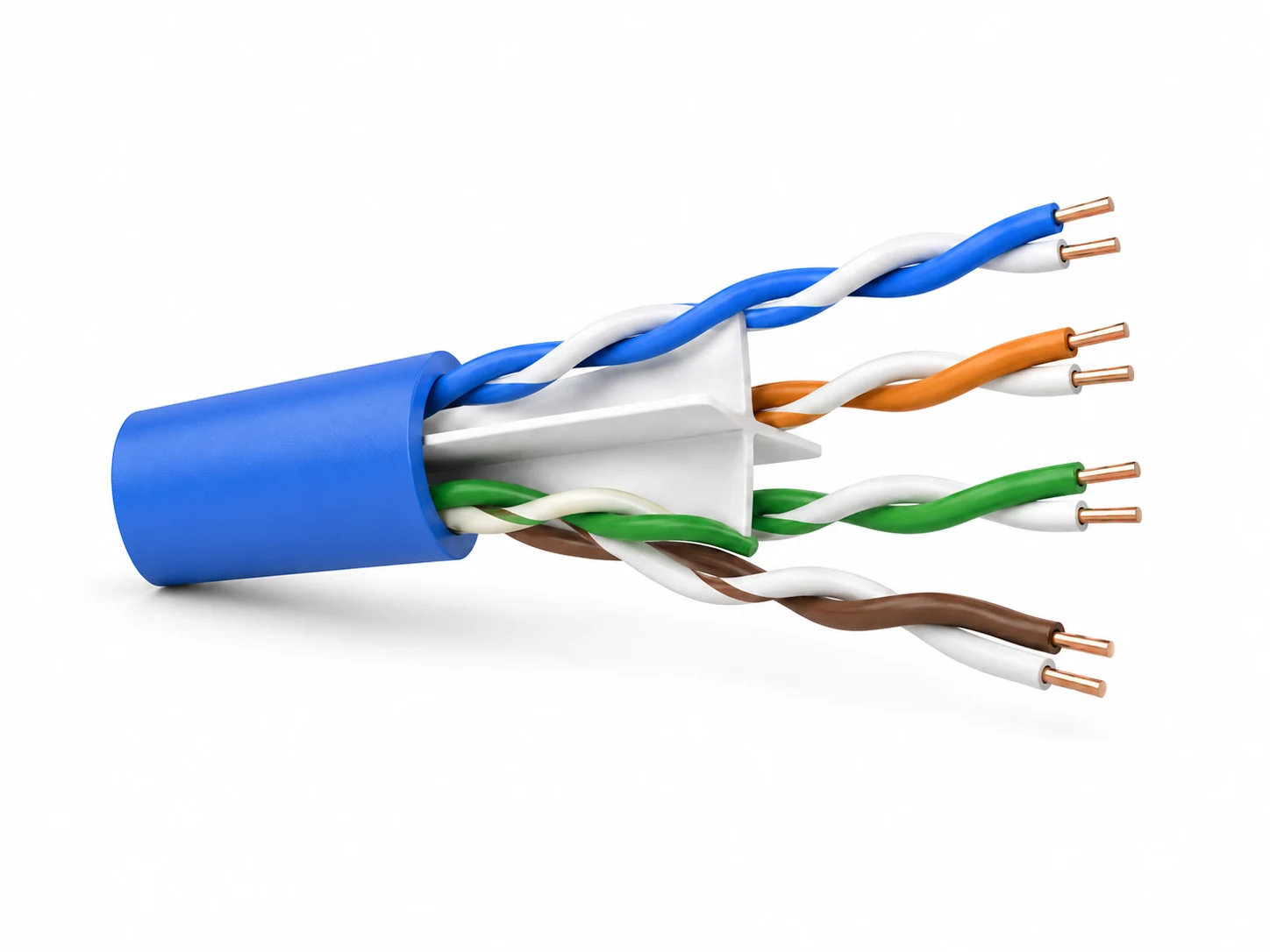
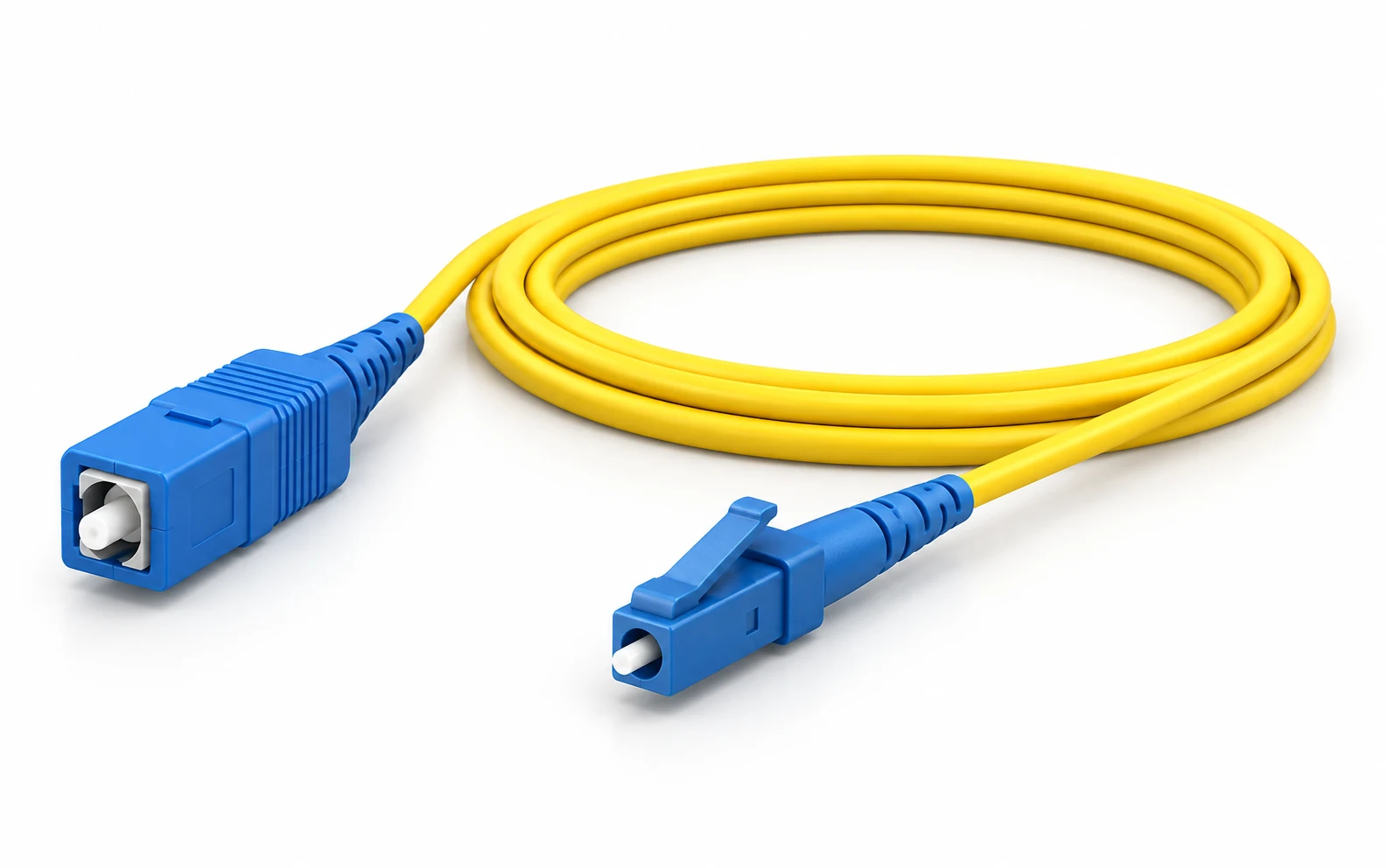
Combines prepared tight-buffered fiber with aramid reinforcement and an outer jacket. Simplex and duplex cable profiles use the corresponding guides and extrusion tooling.
Collects multiple optical fibers into the specified compact cable construction. Fiber arrangement, reinforcement, jacket dimensions and any SZ oscillation follow the approved drawing.
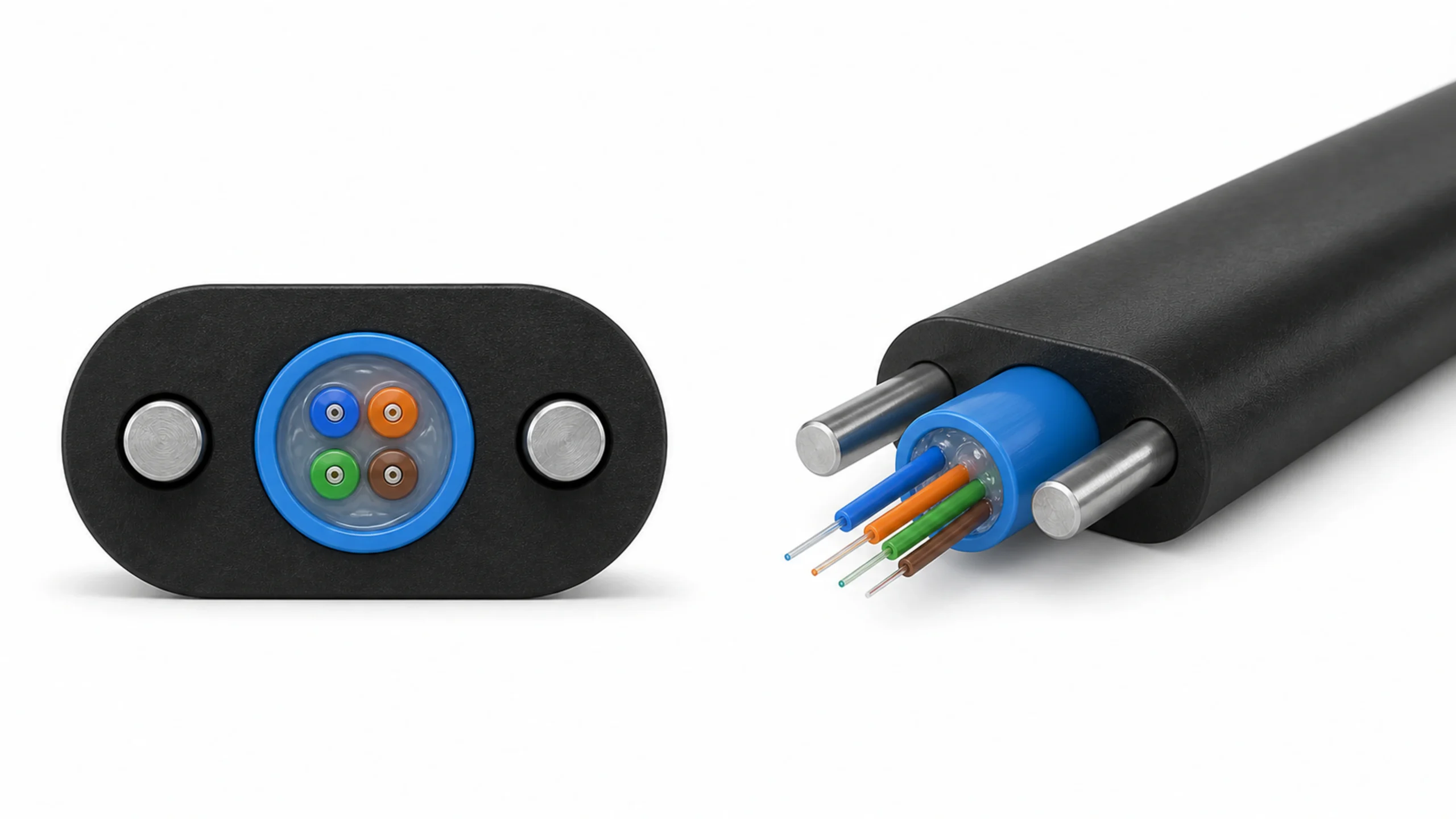
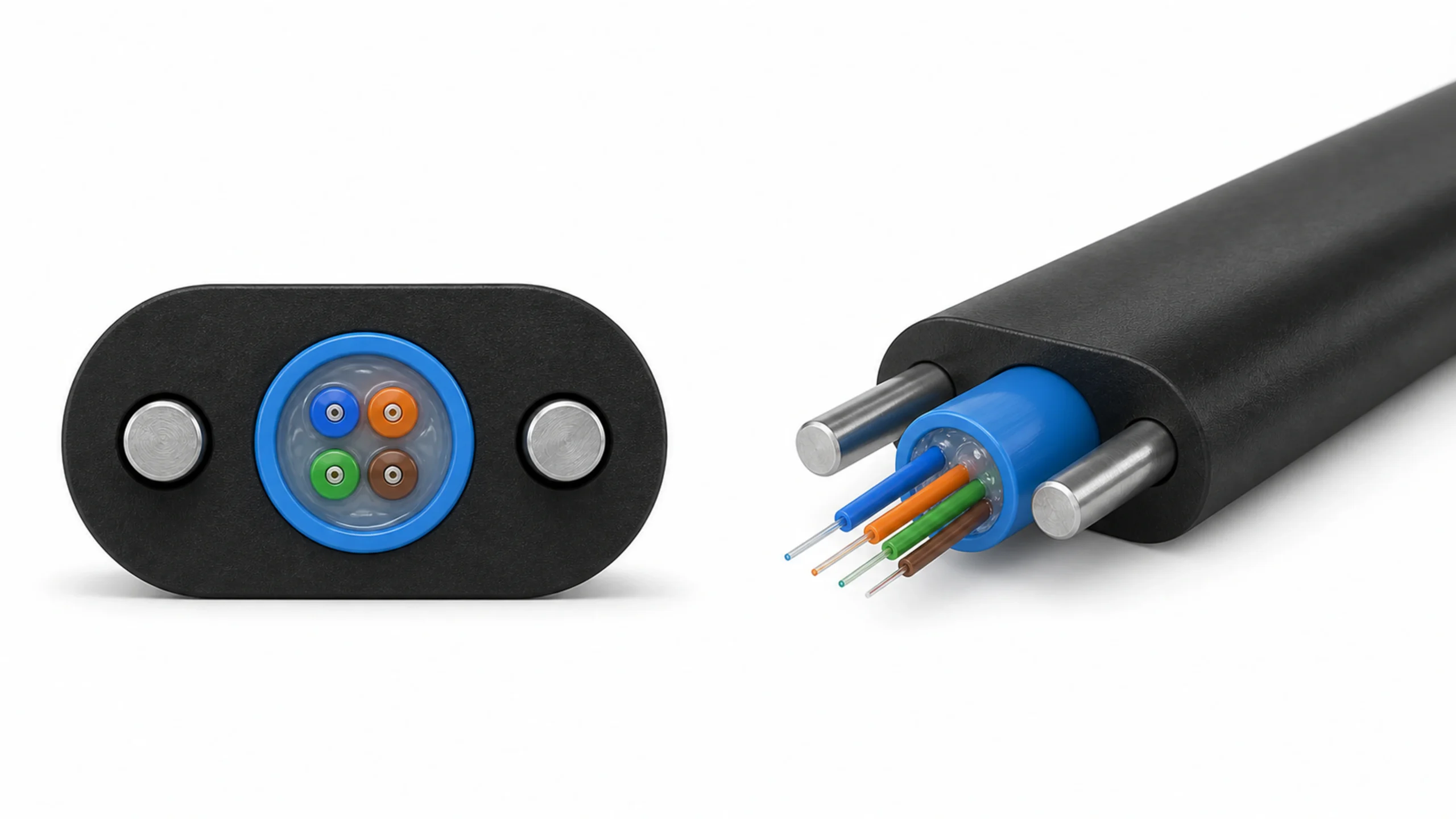
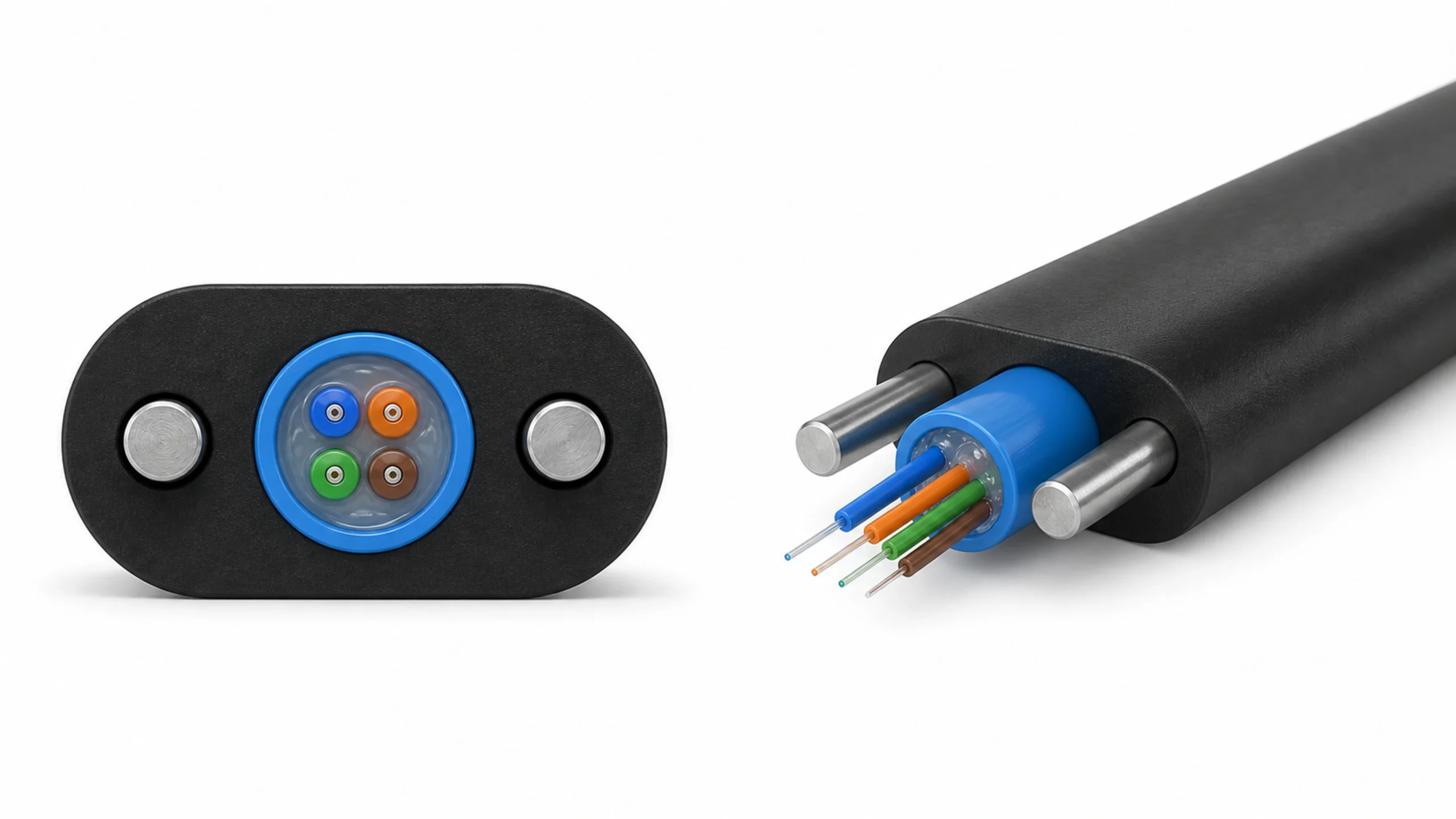
Positions optical fiber and strength members in a profiled jacket for the FTTH drop-cable route. A messenger is included only when the selected cable drawing requires it.
PRODUCT STRUCTUREOptical fiber + strength members + profiled jacket
Starting material: supplied, primary-coated optical fiber or prepared buffered elements. This line adds buffer or jacket layers; glass-fiber drawing from preforms is a separate upstream process.
CUSTOMIZED BY HONGKAI
Your cable design defines the line.
HK-45 is a custom-configured production line. The four product families are reference applications; your technical proposal defines the products, equipment and operating conditions included in your project.
Products & construction
Fiber count, cable profile, dimensions and reinforcement.
Materials & tooling
Compound grades, screws, crossheads, guides and moulds.
Process & reel handling
Tension, cooling, traction, output targets and reel changes.
Factory integration
Line direction, space, utilities and control interfaces.
Explore the setup for each product.
Choose a tab to review the material path, relevant equipment and information needed for your configuration.
RELEVANT EQUIPMENTOptical-fiber pay-off reference
PRODUCTION SPEED FOR THIS ROUTE
100–350 m/min is the reference production range for tight-buffered fiber only. The material, finished diameter and optical-quality tests define the agreed running speed.
0419 EQUIPMENT ENTRIES · REVIEW BY FUNCTION
Inspect the equipment behind the product routes.
Select a unit to see its job, reference specifications and project requirements. The equipment schedule covers the complete reference platform; the active path depends on the chosen product.
FEED → FORM → COOL & INSPECT → COLLECT
3D EQUIPMENT REFERENCE01 / 19
3D reference visualization. Final supplied arrangement follows the approved configuration.
FEED
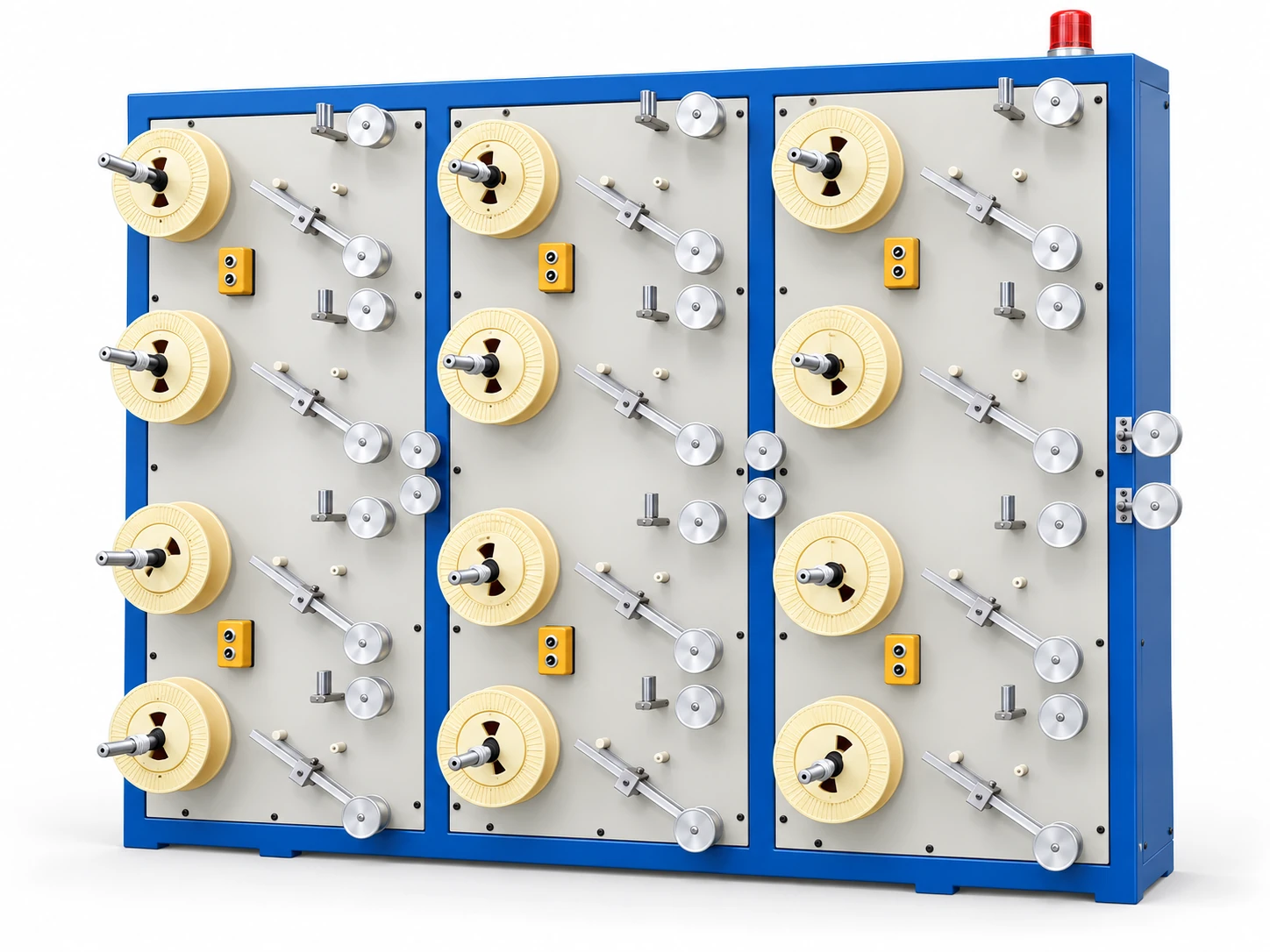
12-head fiber pay-off
Feeds the required optical fibers under individually controlled tension. The active positions follow the cable construction.
REFERENCE CONFIGURATION
12 motorized positions with independent control
0.25–0.254 mm primary-coated fiber reference
0.3–1.5 N ±0.05 N pay-off tension
25 / 50 km reel classes; confirm flange and bore dimensions
CONFIRM FOR YOUR PROJECT
Fiber count, reel dimensions, supply condition and tension settings.
Selected unit 01: 12-head fiber pay-off
05TECHNICAL REFERENCE & UTILITIES
Read each rating with its operating conditions.
These values describe the supplied reference proposal. Product-specific speed, extrusion output, tooling and output reels are confirmed in the technical agreement.
HK-45 REFERENCE CONFIGURATION
Product & process
Product & process reference specifications
Product routes
Tight-buffered fiber; simplex / duplex soft cable; 6–12 core mini cable; FTTH drop cable
Tight-buffer reference diameters
0.6 mm / 0.9 mm
Input fiber reference
0.25 mm primary-coated optical fiber
Optical-fiber pay-off positions
12 installed positions; active count follows the product
Fiber pay-off tension
0.3–1.5 N ±0.05 N
Pay-off reel classes
25 km / 50 km; confirm physical reel dimensions
Compound families
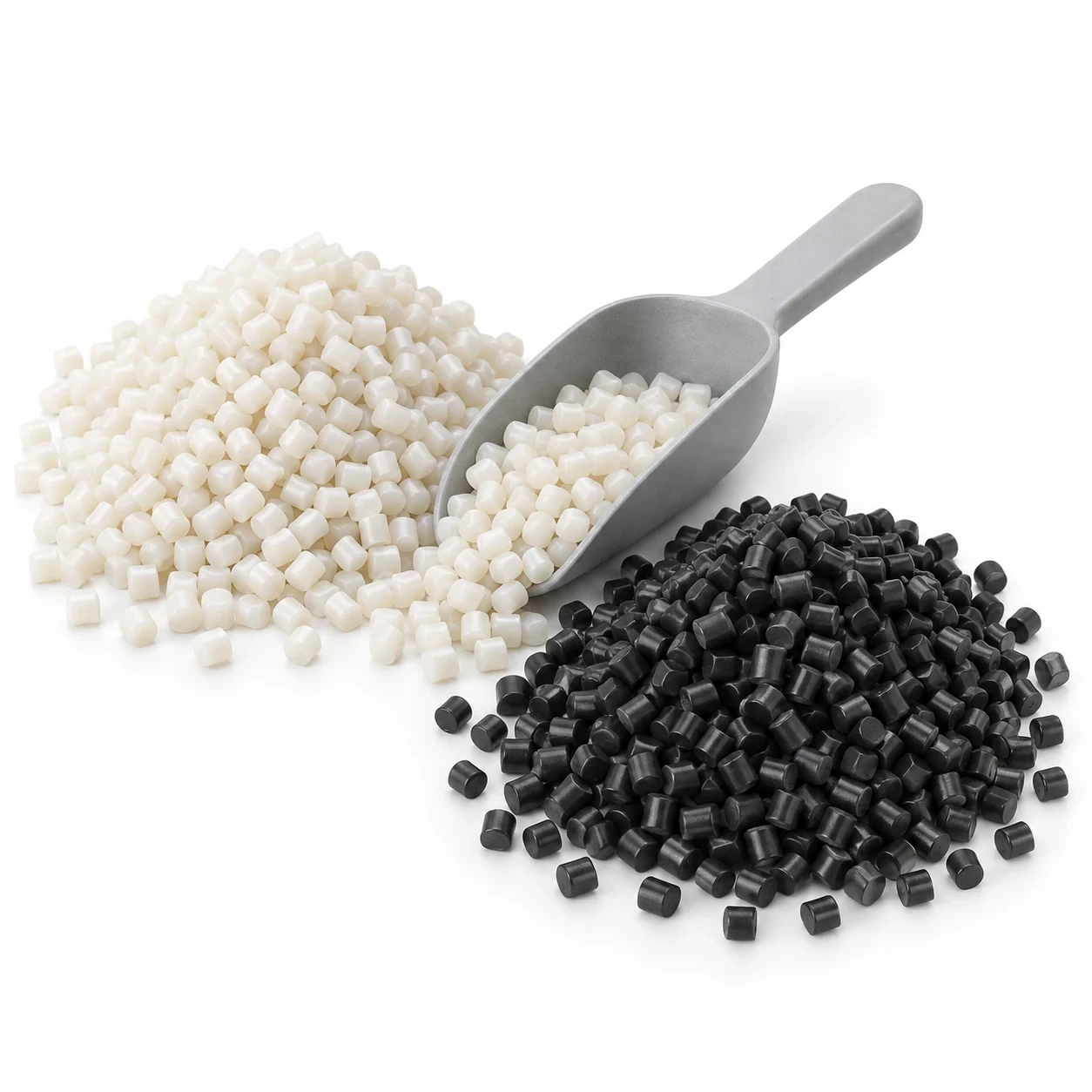
PVC, LSZH and TPEE; grade and screw compatibility require review
Tight-buffer production speed
100–350 m/min reference range
Structural maximum speed
400 m/min; not a production guarantee for every cable
Other cable production speeds
Confirmed for the approved construction, compound and tooling
The tight-buffer production range applies to that route. Specify a target for each soft-cable, mini-cable and FTTH product, together with its material, tooling, winding and quality checks.
The recorded HK-45 sheathing configuration shows the connected factory process. It illustrates that setup; the four product routes on this page each require their own technical review.
01MATERIALS
Run the agreed fiber and compounds.
Confirm all incoming fiber, yarn, reinforcement and reel packages before testing the selected route.
02CHANGEOVER
Demonstrate the required setup changes.
Check tooling, guide paths, recipes, tension and reel handling when moving between the agreed products.
03FINISHED PRODUCT
Record dimensional and optical quality.
Agree profile, diameter, optical, winding and relevant mechanical tests for each trial product.
ACCEPTANCE BASISApproved product drawings + trial materials + defined setup + written test methods
Turn your product mix into a complete factory plan.
Connect product requirements, equipment selection, changeovers and start-up responsibilities in one written technical proposal.
01
Product & equipment scope
List every product and required changeover
Define active equipment and material paths
Confirm supplied, retained and buyer-supplied items
02
Factory integration
Review line layout and handling clearances
Define utilities, controls and safety interfaces
Agree installation and commissioning scope
03
ആരംഭവും പിന്തുണയും
Prepare trial materials and acceptance records
Confirm training and operating documentation
Agree spare parts and after-sales support
09START THE ENGINEERING REVIEW
Tell us which products you plan to make.
Start with your cable drawings and the intended product mix. Share the information already available; remaining technical details can be confirmed during review.
WHAT TO PREPARE
Nine inputs for your HK-45 project.
01
Product drawings for each intended cable
02
Fiber count, input dimensions and reel packages
03
Buffer / jacket compound grades and colors
04
Aramid, strength-member and messenger requirements
05
Required output and speed by product
06
Finished reel dimensions, mass and changeover method
07
Factory layout, utilities and line direction
08
Retained equipment and control interfaces
09
Optical, dimensional and mechanical acceptance tests
10BUYER FAQ
Questions before specifying a multi-purpose line.
Review product coverage, changeovers, speed ratings and the scope of the HK-45 reference equipment.
01HK-45 m ബഹുവിധ ഉപയോഗ ലൈൻ എന്താണ് ഉത്പാദിപ്പിക്കുന്നത്?
HK-45 എന്നത് 0.6 / 0.9 mm ടൈറ്റ്-ബഫർഡ് ഫൈബറിനും, സിമ്പ്ലക്സ് / ഡ്യുപ്ലക്സ് സോഫ്റ്റ് കേബിളിനും, 6–12 കോർ മിനി കേബിളിനും FTTH ഡ്രോപ്പ് കേബിളിനുമായി കോൺഫിഗർ ചെയ്യാവുന്നതാണ്. ഇത് നൽകിയിട്ടുള്ള പ്രൈമറി-കോട്ടഡ് ഒപ്റ്റിക്കൽ ഫൈബറോ അല്ലെങ്കിൽ തയ്യാറാക്കിയ ബഫർഡ് ഘടകങ്ങളോ പ്രോസസ്സ് ചെയ്യുകയും നിർദ്ദിഷ്ട ബഫർ അല്ലെങ്കിൽ കേബിൾ ജാക്കറ്റ് ചേർക്കുകയും ചെയ്യുന്നു. ഇത് പ്രിഫോമുകളിൽ നിന്ന് ഗ്ലാസ് ഫൈബർ വലിച്ചെടുക്കുന്നില്ല. നിങ്ങളുടെ ലൈനിൽ ഉൾപ്പെടുത്തിയിട്ടുള്ള ഉൽപ്പന്നങ്ങൾ അംഗീകരിച്ച സാങ്കേതിക പ്രസ്താവനയിൽ നിർവചിച്ചിരിക്കുന്നു.
02HK-45 a ഒരു സ്റ്റാൻഡേർഡ് മെഷീനാണോ അതോ കസ്റ്റമൈസ് ചെയ്ത പ്രൊഡക്ഷൻ ലൈനാണോ?
HK-45 എന്നത് ഒരു HONGKAI കസ്റ്റം-കോൺഫിഗർ ചെയ്ത ഉൽപ്പാദന ലൈനാണ്. നിങ്ങളുടെ കേബിൾ ഡ്രോയിംഗുകളും ആവശ്യമായ ഉൽപ്പന്ന മിശ്രിതവും അടിസ്ഥാനമാക്കി ഞങ്ങൾ നൽകുന്ന ഉപകരണങ്ങൾ, മെറ്റീരിയൽ പാതകൾ, സ്ക്രൂകൾ, ക്രോസ്ഹെഡുകൾ, തണുപ്പിക്കൽ, ടെൻഷൻ കൺട്രോൾ, റീൽ ഹാൻഡ്ലിംഗ്, ലേഔട്ട് എന്നിവ നിർവചിക്കുന്നു. കാണിച്ചിരിക്കുന്ന നാല് കുടുംബങ്ങൾ റഫറൻസ് അപ്ലിക്കേഷനുകളാണ്; നിങ്ങളുടെ സാങ്കേതിക പ്രസ്താവനയാണ് ഏത് ഉൽപ്പന്നങ്ങൾ ഉൾപ്പെടുന്നു, അവയുടെ പ്രവർത്തന സാഹചര്യങ്ങൾ എന്തൊക്കെയാണ്, ആവശ്യമായ ചേഞ്ചോവറുകൾ ഏതൊക്കെയാണ് എന്നിവ നിർവചിക്കുന്നത്. ഒരു സെറ്റപ്പ് മാത്രം ഉപയോഗിച്ച് എല്ലാ നിർമ്മാണങ്ങളും ഉൾക്കൊള്ളിക്കാൻ കഴിയില്ല.
03എല്ലാ കേബിളുകൾക്കുമുള്ള വേഗത 100–350 m/min ആണോ?
No. That is the reference production range for tight-buffered fiber. Soft-cable, mini-cable and FTTH speeds are determined from the approved construction, compound, tooling and required output quality. The 400 m/min structural maximum is a different rating.
04HK-45 എങ്ങനെയാണ് പ്രത്യേക HK-30 ലൈനിൽ നിന്ന് വ്യത്യസ്തമാകുന്നത്?
HK-30 ഒരു സമർപ്പിത ടൈറ്റ്-ബഫർഡ്-ഫൈബർ റഫറൻസാണ്. HK-45 നിർദ്ദേശം ഇൻകമിംഗ്-മെറ്റീരിയൽ, റീയിൻഫോഴ്സ്മെന്റ്, പൊസിഷനിംഗ്, ഒപ്റ്റിക്കൽ കേബിളുകളുടെ ഒന്നിലധികം ചെറിയ റൂട്ടുകൾക്കുള്ള ഡൗൺസ്ട്രീം ഉപകരണങ്ങൾ എന്നിവ ചേർക്കുന്നു. ആവശ്യമായ ഉൽപ്പന്ന മിശ്രിതവും, മാറ്റം വരുത്തൽ ജോലിയും, യഥാർത്ഥ ഉപകരണ പരിധിയും താരതമ്യം ചെയ്യുക.
05എല്ലാ ഉൽപ്പന്നങ്ങൾക്കും 19 ഉപകരണങ്ങളുടെ എല്ലാ ഇനങ്ങളും ആവശ്യമാണോ?
The reference equipment schedule lists 19 items. They are not all necessarily active in every route. The written configuration identifies the supplied items, active material path, retained machines and buyer-supplied equipment.
06അരാമിഡ് യൂണിറ്റ് ഒരു സ്ട്രാൻഡിംഗ് മെഷീനാണോ?
The HK-45 reference unit is a 10-position aramid-yarn pay-off with individually adjustable tension. It should not be confused with the aramid stranding equipment used in an ADSS sheathing route.
07ഓട്ടോമാറ്റിക് ആയി ടേക്ക്-അപ്പ് റീൽ മാറുന്നുണ്ടോ?
Dual-shaft take-up, tension feedback and servo traversing do not by themselves establish fully automatic reel transfer. Confirm operator tasks, accumulator use, cutting, transfer and restart behavior in the agreed sequence.
08ഒരു സാങ്കേതിക പ്രസ്താവനയ്ക്കായി എന്ത് വിവരങ്ങൾ ആവശ്യമാണ്?
Provide the drawings for each product, fiber and reinforcement packages, compound grades, target output, reel requirements, factory layout and utilities. Also identify existing equipment and the dimensional, optical and mechanical tests required for acceptance.
We've detected you might be speaking a different language. Do you want to change to:











 English
 हिन्दी
 فارسی