Personalizado em torno dos cabos que você planeja produzir.
Configure the HK-45 for your selected mix of tight-buffered fiber, simplex / duplex soft cable, mini cable and FTTH drop cable. HONGKAI defines the equipment combination and product-specific setups from your cable drawings, materials and production requirements.
3D reference visualizations of selected equipment. The approved configuration defines the final machines and installation layout.
ONE PROJECT · PRODUCT-SPECIFIC SETUPSReview four routes and the equipment each one uses.
Configure for the actual cable: product changeovers require the appropriate material path, screws, crossheads, guides and operating recipes. Agree the setup and acceptance conditions for each product.
02MATERIAL FLOW & PRODUCT CHANGEOVER
A shared platform with a defined route for each product.
Start with the cable drawing. It determines which incoming materials and equipment are active, how the product passes through the line and what must change between batches.
01FEED & POSITION
Prepare the elements for the selected cable.
Feed fiber, buffered elements, aramid and strength members as required. Preheat or oscillate only where the approved route calls for it.
02FORM THE BUFFER OR JACKET
Match compound, screw and crosshead.
Dry and feed the selected material, align the incoming elements and use the tooling appropriate to the product profile.
03COOL & INSPECT
Stabilize the product and check dimensions.
Coordinate warm-water cooling, the fixed trough, chiller, drying, diameter measurement and the specified marking interface.
04HAUL OFF & COLLECT
Control tension through winding.
Choose the traction path, accumulator settings and take-up package. Define the reel-change sequence and finished-product tests.
03WHAT YOU CAN MANUFACTURE
Four product families. Your own production scope.
The HK-45 platform can be configured for the following buffered-fiber and optical-cable products. Select the families your factory needs; we define the supplied line and changeover arrangements around that mix.
01
Fibra óptica com revestimento apertado
0.6 / 0.9 mm reference diameters
Adds a close-fitting buffer layer around one primary-coated optical fiber. The result is a buffered fiber element for subsequent indoor-cable production.
PRODUCT STRUCTUREFibra com revestimento primário + camada tampão
02
Simplex / duplex soft cable
One or two buffered fiber elements
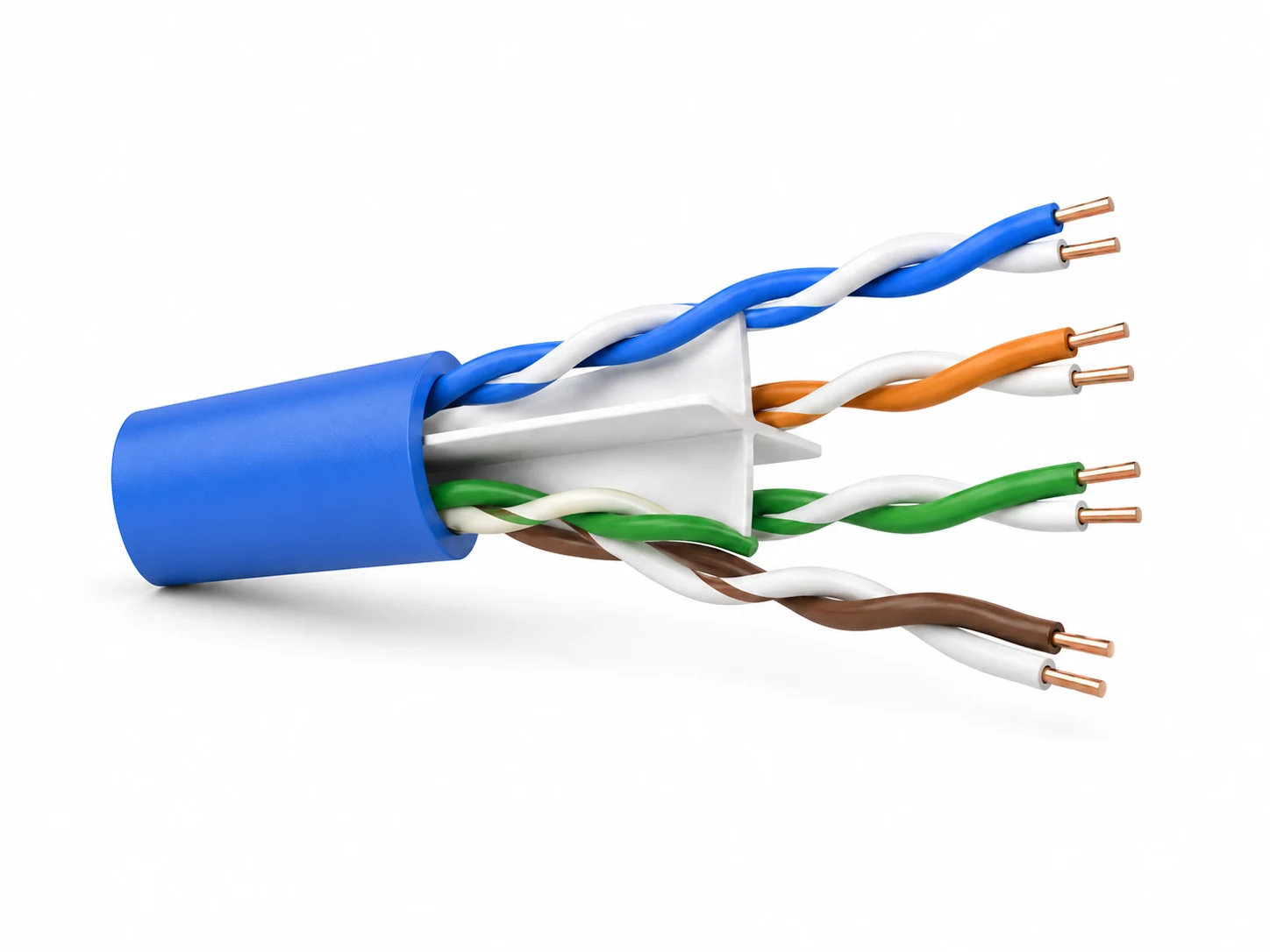
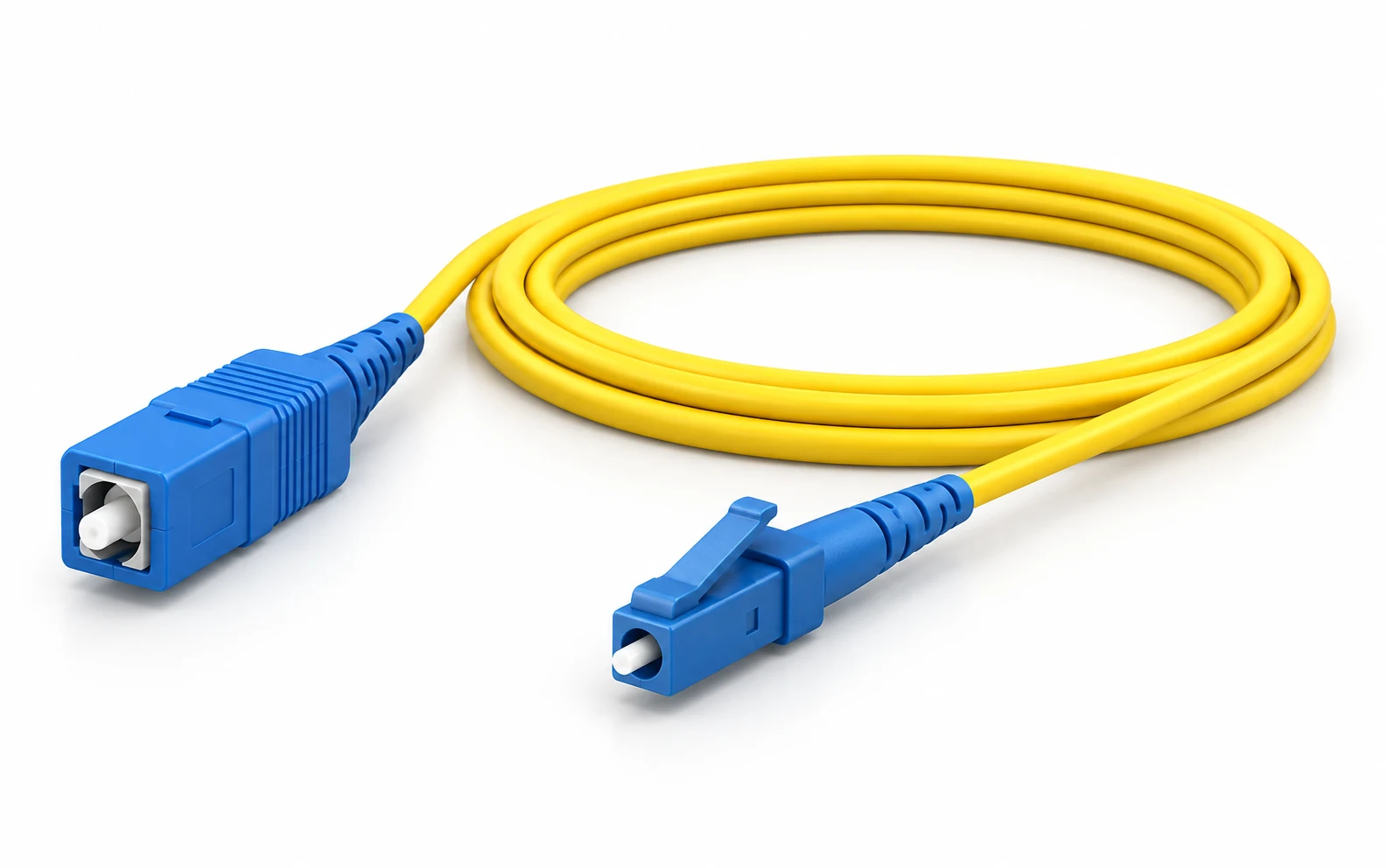
Combines prepared tight-buffered fiber with aramid reinforcement and an outer jacket. Simplex and duplex cable profiles use the corresponding guides and extrusion tooling.
PRODUCT STRUCTUREFibra com tampão apertado + aramida + revestimento
03
6–12 core mini cable
Cabo multifibra compacto
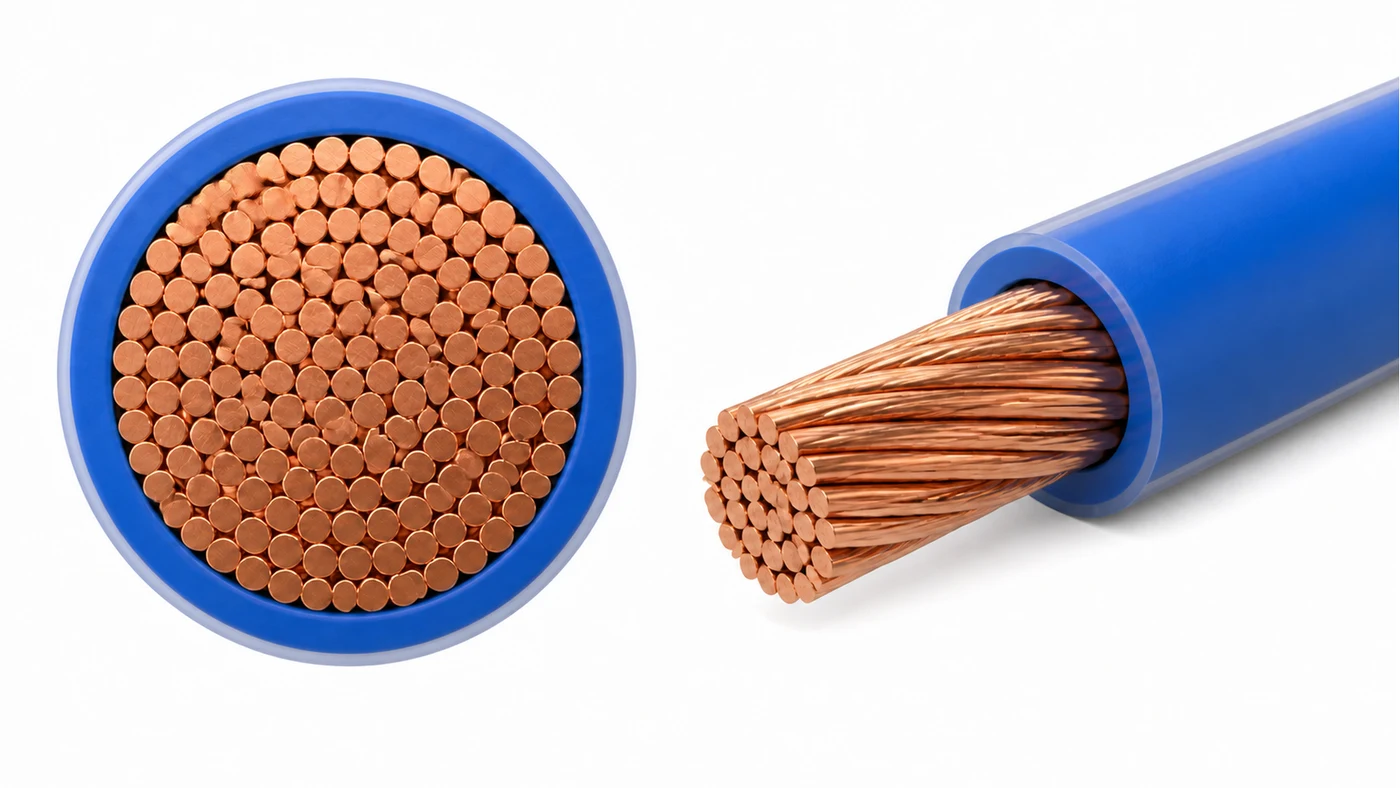
Collects multiple optical fibers into the specified compact cable construction. Fiber arrangement, reinforcement, jacket dimensions and any SZ oscillation follow the approved drawing.
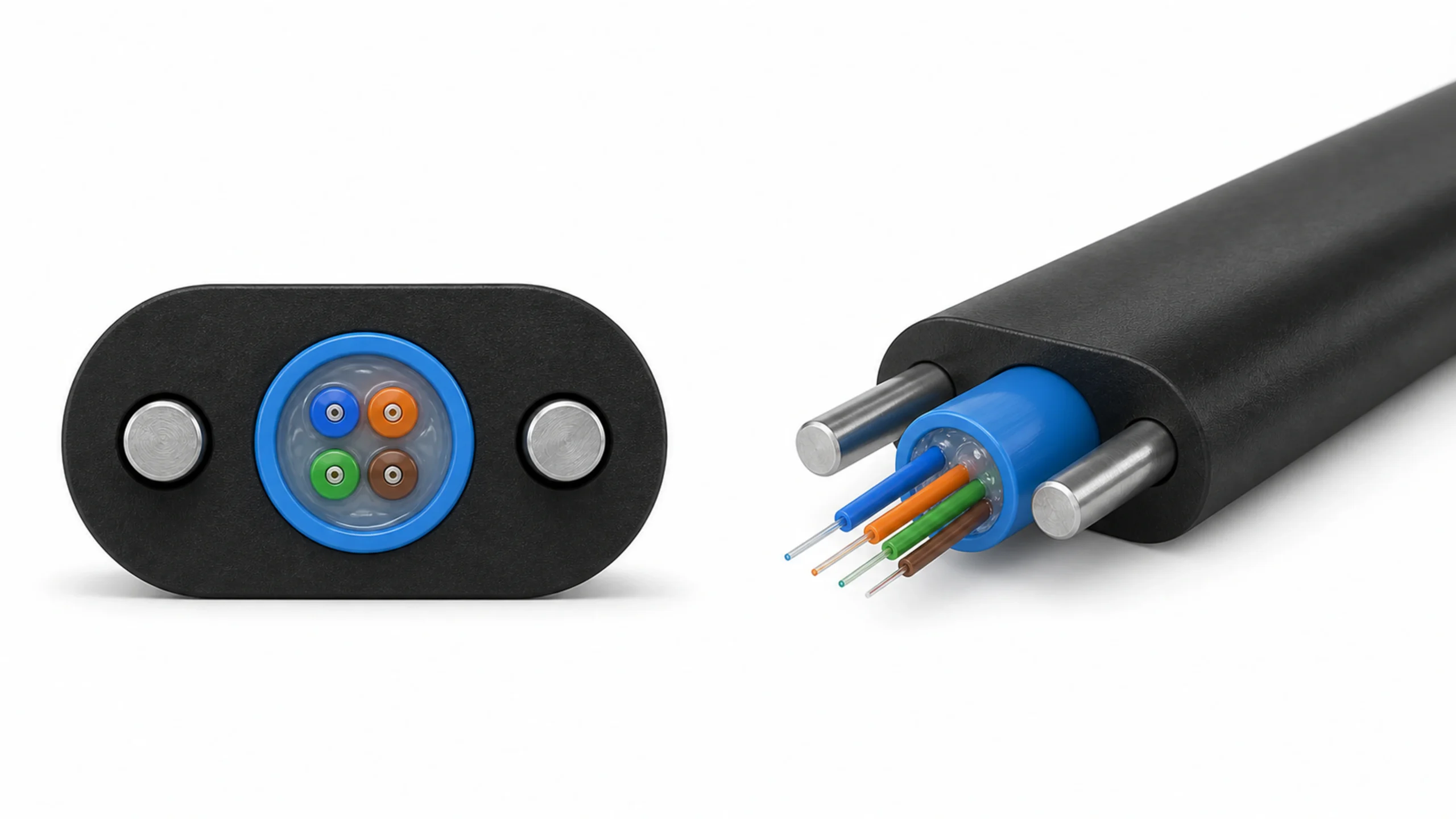
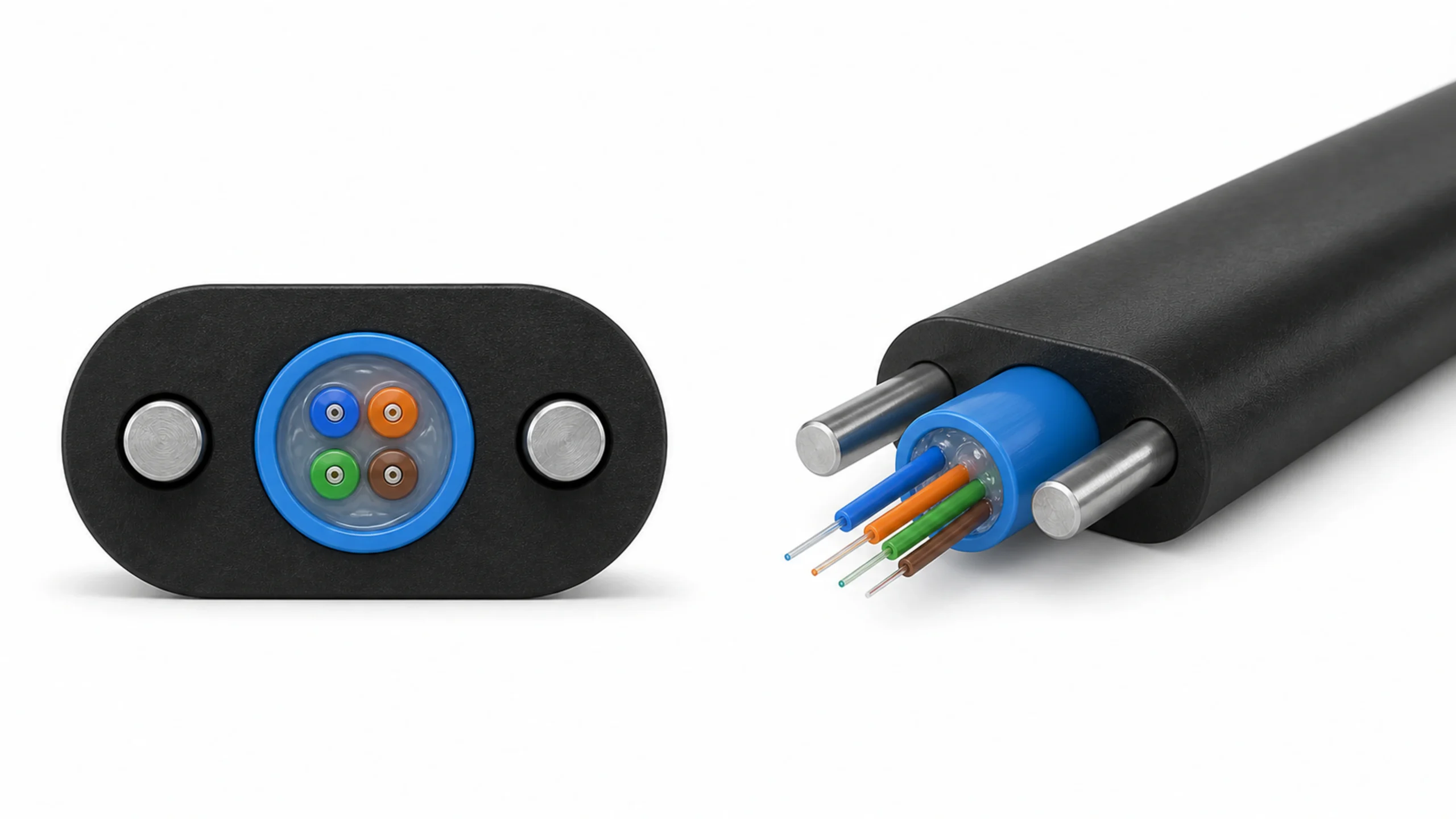
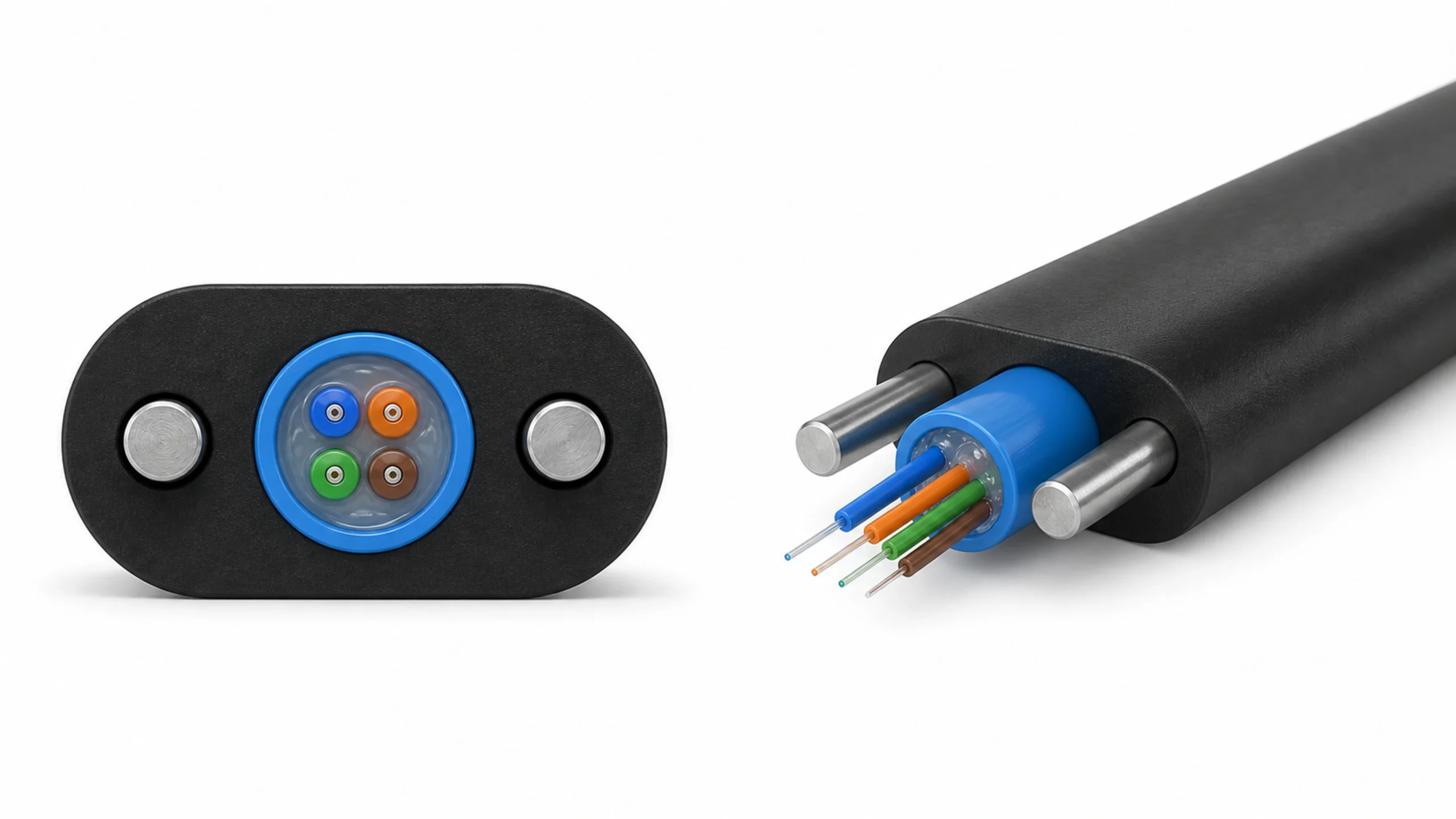
Posiciona a fibra óptica e os elementos de reforço em uma bainha perfilada para a rota do cabo drop FTTH. Um mensageiro é incluído somente quando o desenho do cabo selecionado exigir.
PRODUCT STRUCTUREFibra óptica + elementos de reforço + revestimento perfilado
Starting material: supplied, primary-coated optical fiber or prepared buffered elements. This line adds buffer or jacket layers; glass-fiber drawing from preforms is a separate upstream process.
CUSTOMIZED BY HONGKAI
O seu projeto de cabo define a linha.
HK-45 is a custom-configured production line. The four product families are reference applications; your technical proposal defines the products, equipment and operating conditions included in your project.
Products & construction
Contagem de fibras, perfil do cabo, dimensões e reforço.
Materials & tooling
Grades de composto, parafusos, cabeças cruzadas, guias e moldes.
Processamento e manuseio de carretéis
Tension, cooling, traction, output targets and reel changes.
Factory integration
Line direction, space, utilities and control interfaces.
Explore the setup for each product.
Choose a tab to review the material path, relevant equipment and information needed for your configuration.
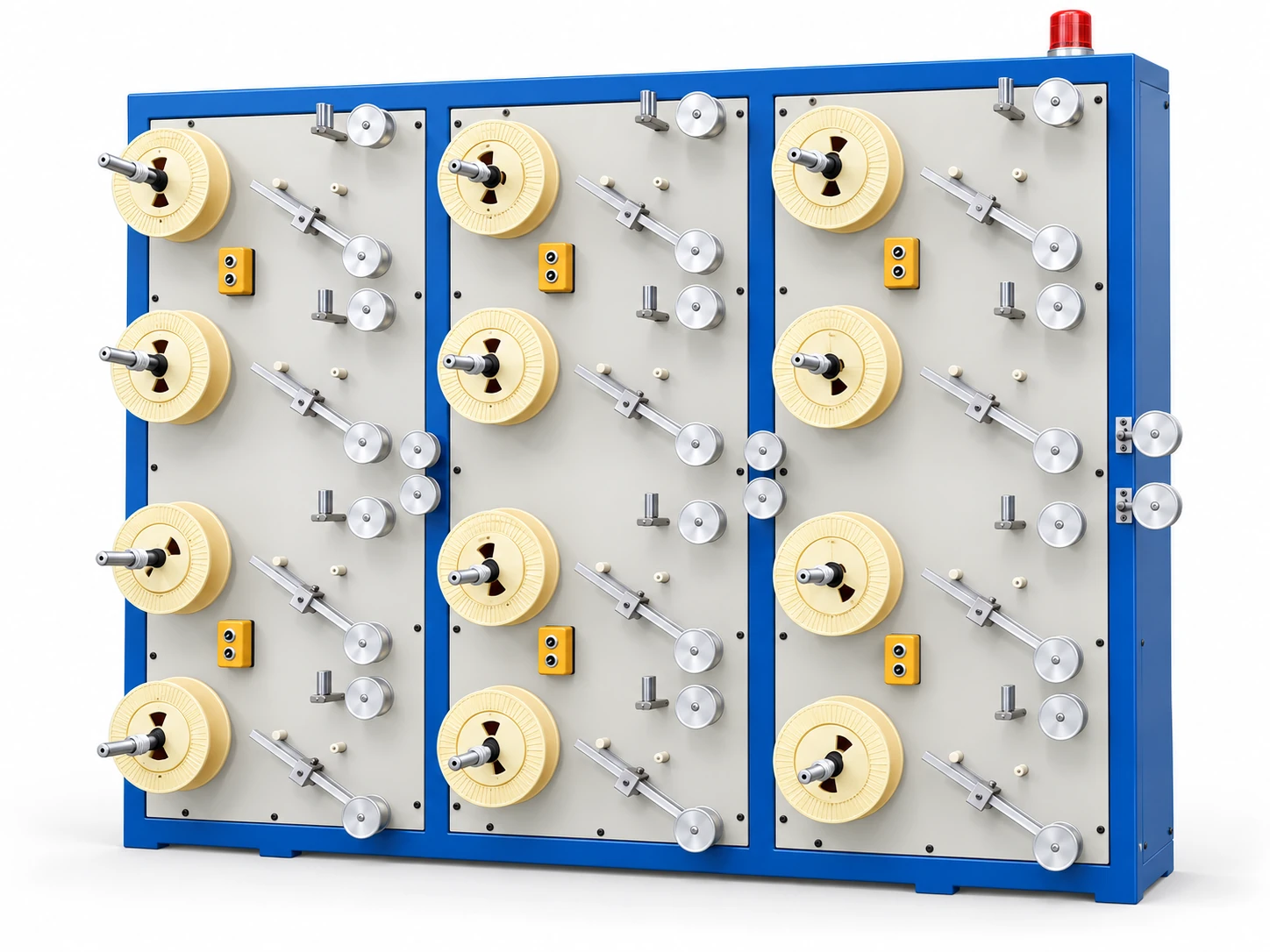
RELEVANT EQUIPMENTOptical-fiber pay-off reference
PRODUCTION SPEED FOR THIS ROUTE
100–350 m/min is the reference production range for tight-buffered fiber only. The material, finished diameter and optical-quality tests define the agreed running speed.
0419 EQUIPMENT ENTRIES · REVIEW BY FUNCTION
Inspect the equipment behind the product routes.
Select a unit to see its job, reference specifications and project requirements. The equipment schedule covers the complete reference platform; the active path depends on the chosen product.
FEED → FORM → COOL & INSPECT → COLLECT
3D EQUIPMENT REFERENCE01 / 19
3D reference visualization. Final supplied arrangement follows the approved configuration.
FEED
12-head fiber pay-off
Alimenta as fibras ópticas necessárias sob tensão controlada individualmente. As posições ativas seguem a construção do cabo.
REFERENCE CONFIGURATION
12 motorized positions with independent control
0.25–0.254 mm primary-coated fiber reference
0.3–1.5 N ±0.05 N pay-off tension
25 / 50 km reel classes; confirm flange and bore dimensions
CONFIRM FOR YOUR PROJECT
Fiber count, reel dimensions, supply condition and tension settings.
Selected unit 01: 12-head fiber pay-off
05TECHNICAL REFERENCE & UTILITIES
Read each rating with its operating conditions.
These values describe the supplied reference proposal. Product-specific speed, extrusion output, tooling and output reels are confirmed in the technical agreement.
HK-45 REFERENCE CONFIGURATION
Product & process
Product & process reference specifications
Product routes
Tight-buffered fiber; simplex / duplex soft cable; 6–12 core mini cable; FTTH drop cable
Tight-buffer reference diameters
0.6 mm / 0.9 mm
Input fiber reference
0.25 mm primary-coated optical fiber
Optical-fiber pay-off positions
12 installed positions; active count follows the product
Fiber pay-off tension
0.3–1.5 N ±0.05 N
Pay-off reel classes
25 km / 50 km; confirm physical reel dimensions
Compound families
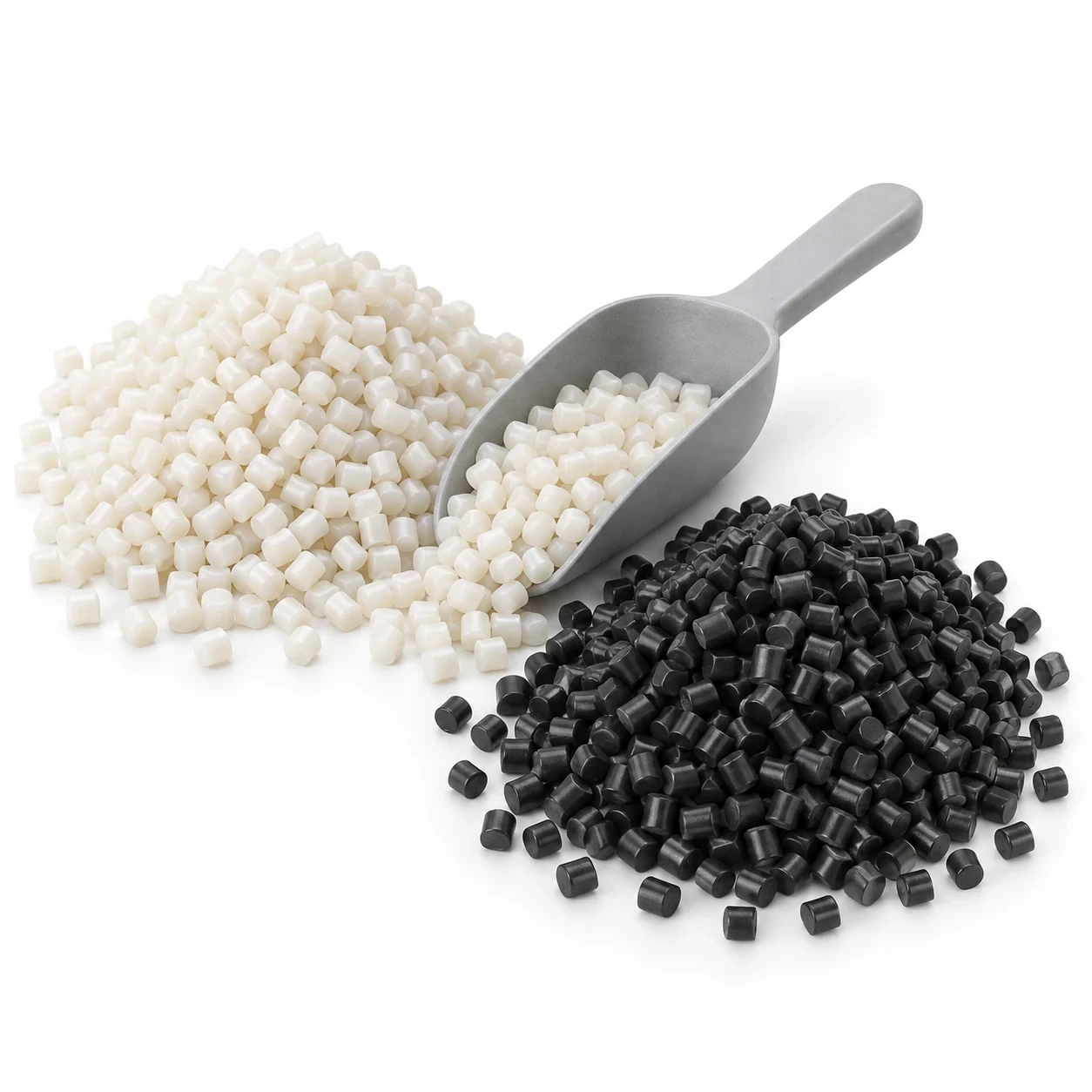
PVC, LSZH and TPEE; grade and screw compatibility require review
Tight-buffer production speed
100–350 m/min reference range
Structural maximum speed
400 m/min; not a production guarantee for every cable
Other cable production speeds
Confirmed for the approved construction, compound and tooling
The tight-buffer production range applies to that route. Specify a target for each soft-cable, mini-cable and FTTH product, together with its material, tooling, winding and quality checks.
The recorded HK-45 sheathing configuration shows the connected factory process. It illustrates that setup; the four product routes on this page each require their own technical review.
01MATERIALS
Run the agreed fiber and compounds.
Confirm all incoming fiber, yarn, reinforcement and reel packages before testing the selected route.
02CHANGEOVER
Demonstrate the required setup changes.
Check tooling, guide paths, recipes, tension and reel handling when moving between the agreed products.
03FINISHED PRODUCT
Record dimensional and optical quality.
Agree profile, diameter, optical, winding and relevant mechanical tests for each trial product.
ACCEPTANCE BASISApproved product drawings + trial materials + defined setup + written test methods
Turn your product mix into a complete factory plan.
Conecte os requisitos do produto, a seleção de equipamentos, as trocas e as responsabilidades de partida em uma proposta técnica escrita.
01
Product & equipment scope
List every product and required changeover
Define active equipment and material paths
Confirm supplied, retained and buyer-supplied items
02
Factory integration
Review line layout and handling clearances
Definir utilidades, controles e interfaces de segurança
Concordar com o escopo de instalação e comissionamento
03
Start-up & support
Prepare trial materials and acceptance records
Confirm training and operating documentation
Agree spare parts and after-sales support
09START THE ENGINEERING REVIEW
Tell us which products you plan to make.
Comece com os desenhos dos cabos e a composição pretendida do produto. Compartilhe as informações já disponíveis; os detalhes técnicos restantes podem ser confirmados durante a revisão.
WHAT TO PREPARE
Nine inputs for your HK-45 project.
01
Product drawings for each intended cable
02
Fiber count, input dimensions and reel packages
03
Buffer / jacket compound grades and colors
04
Aramid, strength-member and messenger requirements
05
Required output and speed by product
06
Dimensões, massa e método de troca do carretel acabado
07
Factory layout, utilities and line direction
08
Retained equipment and control interfaces
09
Optical, dimensional and mechanical acceptance tests
10BUYER FAQ
Questions before specifying a multi-purpose line.
Review product coverage, changeovers, speed ratings and the scope of the HK-45 reference equipment.
01O que a linha multifuncional HK-45 m pode produzir?
O HK-45 pode ser configurado para fibra com buffer apertado 0.6 / 0.9 mm, cabo flexível simples / duplo, cabo mini de 6 a 12 núcleos e cabo drop FTTH. Processa fibra óptica revestida primariamente fornecida ou elementos com buffer preparados, adicionando o buffer ou o revestimento de cabo especificado. Não tira fibra de vidro de pré-formas. Os produtos incluídos na sua linha estão definidos na proposta técnica acordada.
02A HK-45 a é uma máquina padrão ou uma linha de produção personalizada?
HK-45 é uma linha de produção configurada sob medida HONGKAI. Definimos os equipamentos fornecidos, os percursos dos materiais, parafusos, cabeçotes, refrigeração, controle de tensão, manuseio de bobinas e layout com base nos seus desenhos de cabo e na mistura de produtos requerida. As quatro famílias apresentadas são aplicações de referência; a sua proposta técnica define quais produtos estão incluídos, suas condições operacionais e as trocas necessárias. Uma única configuração inalterada não abrange todas as construções.
03100–350 m/min é a velocidade para todos os cabos?
Não. Esse é o intervalo de produção de referência para fibra com buffer rígido. As velocidades de cabo mole, mini-cabo e FTTH são determinadas pela construção aprovada, composto, ferramentas e qualidade de saída exigida. O máximo estrutural do 400 m/min possui uma classificação diferente.
04Como o HK-45 difere da linha dedicada HK-30?
HK-30 é uma referência dedicada de fibra com buffer ajustado. A proposta HK-45 adiciona materiais de entrada, reforço, posicionamento e equipamentos a jusante para múltiplas rotas de cabos ópticos pequenos. Compare a mistura de produtos necessária, o trabalho de troca e o escopo real dos equipamentos.
05Todos os itens de equipamento 19 são necessários para cada produto?
The reference equipment schedule lists 19 items. They are not all necessarily active in every route. The written configuration identifies the supplied items, active material path, retained machines and buyer-supplied equipment.
06A unidade de aramida é uma máquina de encordoamento?
The HK-45 reference unit is a 10-position aramid-yarn pay-off with individually adjustable tension. It should not be confused with the aramid stranding equipment used in an ADSS sheathing route.
07O recolhedor troca os carretéis automaticamente?
Dual-shaft take-up, tension feedback and servo traversing do not by themselves establish fully automatic reel transfer. Confirm operator tasks, accumulator use, cutting, transfer and restart behavior in the agreed sequence.
08Que informações são necessárias para uma proposta técnica?
Fornecer os desenhos de cada produto, pacotes de fibra e reforço, graus do composto, produção alvo, requisitos de carretéis, layout da fábrica e utilidades. Identificar também os equipamentos existentes e os testes dimensionais, ópticos e mecânicos necessários para aceitação.
We've detected you might be speaking a different language. Do you want to change to:











 English
 हिन्दी
 فارسی