Tùy chỉnh xung quanh các loại cáp mà bạn dự định sản xuất.
Configure the HK-45 for your selected mix of tight-buffered fiber, simplex / duplex soft cable, mini cable and FTTH drop cable. HONGKAI defines the equipment combination and product-specific setups from your cable drawings, materials and production requirements.
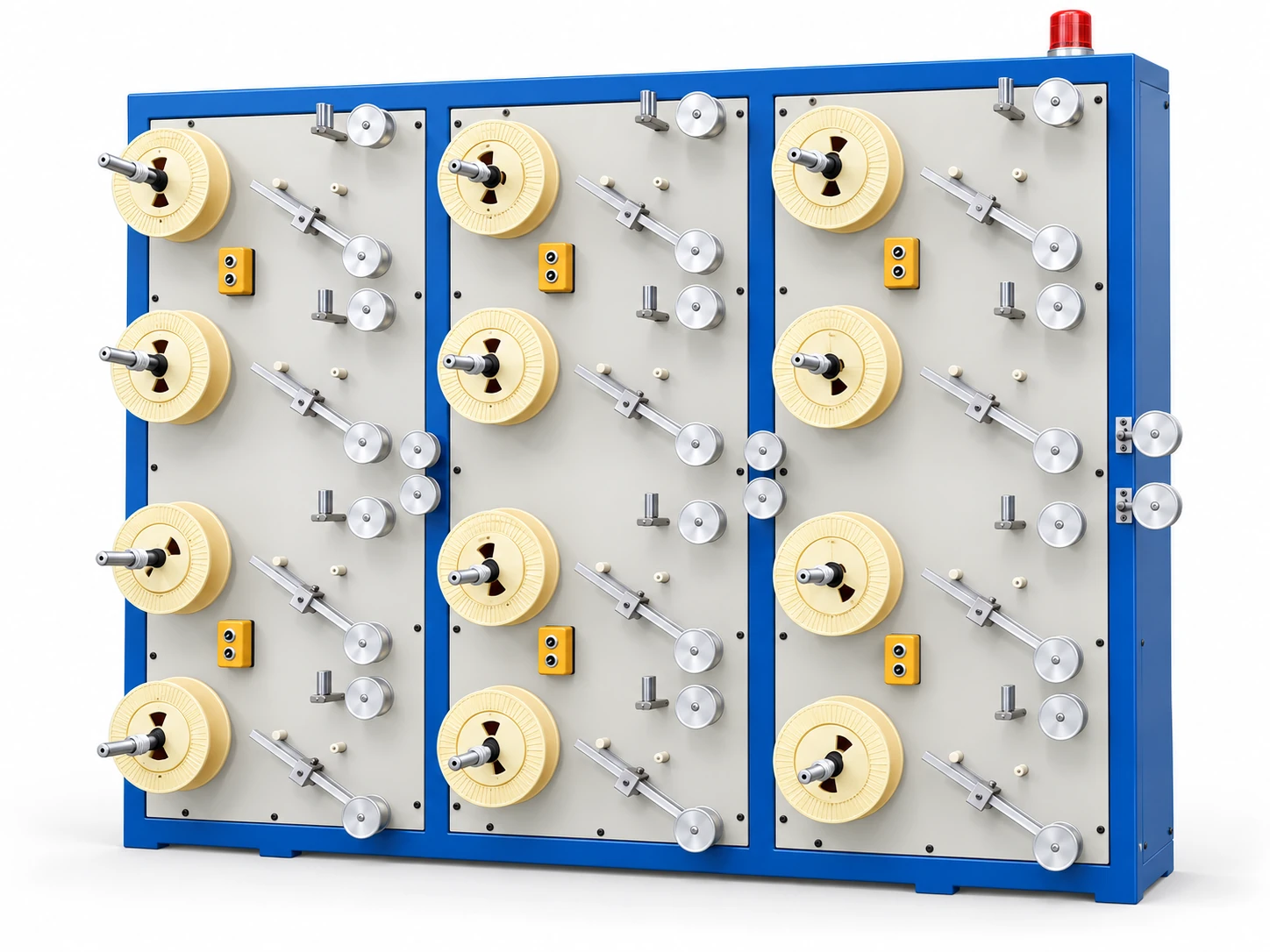
3D reference visualizations of selected equipment. The approved configuration defines the final machines and installation layout.
ONE PROJECT · PRODUCT-SPECIFIC SETUPSReview four routes and the equipment each one uses.
Configure for the actual cable: product changeovers require the appropriate material path, screws, crossheads, guides and operating recipes. Agree the setup and acceptance conditions for each product.
02MATERIAL FLOW & PRODUCT CHANGEOVER
A shared platform with a defined route for each product.
Start with the cable drawing. It determines which incoming materials and equipment are active, how the product passes through the line and what must change between batches.
01FEED & POSITION
Prepare the elements for the selected cable.
Feed fiber, buffered elements, aramid and strength members as required. Preheat or oscillate only where the approved route calls for it.
02FORM THE BUFFER OR JACKET
Match compound, screw and crosshead.
Dry and feed the selected material, align the incoming elements and use the tooling appropriate to the product profile.
03COOL & INSPECT
Stabilize the product and check dimensions.
Coordinate warm-water cooling, the fixed trough, chiller, drying, diameter measurement and the specified marking interface.
04HAUL OFF & COLLECT
Control tension through winding.
Choose the traction path, accumulator settings and take-up package. Define the reel-change sequence and finished-product tests.
03WHAT YOU CAN MANUFACTURE
Four product families. Your own production scope.
The HK-45 platform can be configured for the following buffered-fiber and optical-cable products. Select the families your factory needs; we define the supplied line and changeover arrangements around that mix.
01
Sợi quang có lớp đệm chặt
0.6 / 0.9 mm reference diameters
Adds a close-fitting buffer layer around one primary-coated optical fiber. The result is a buffered fiber element for subsequent indoor-cable production.
PRODUCT STRUCTURESợi quang có lớp phủ sơ cấp + lớp đệm
02
Simplex / duplex soft cable
Một hoặc hai phần tử sợi quang có lớp đệm
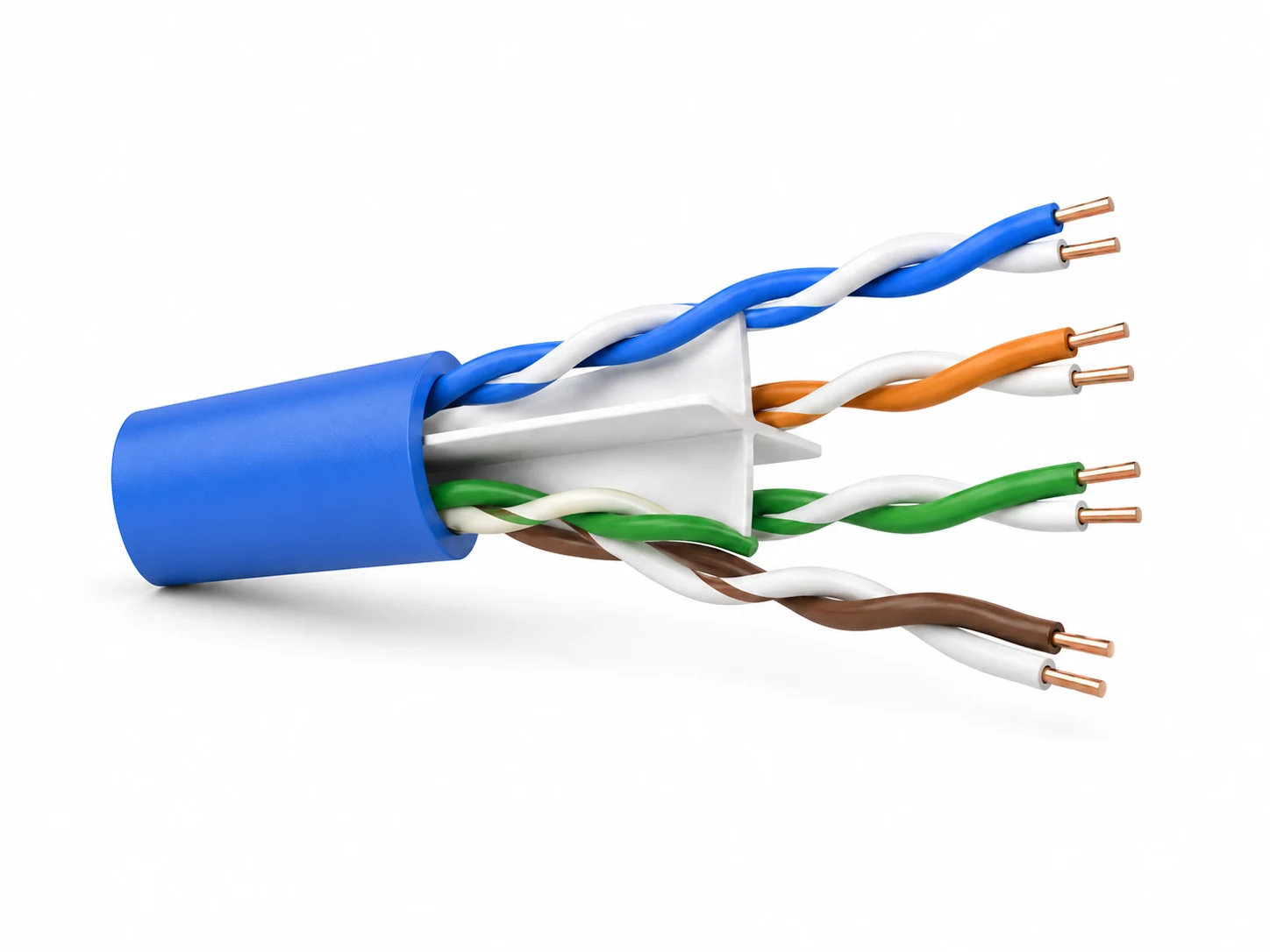
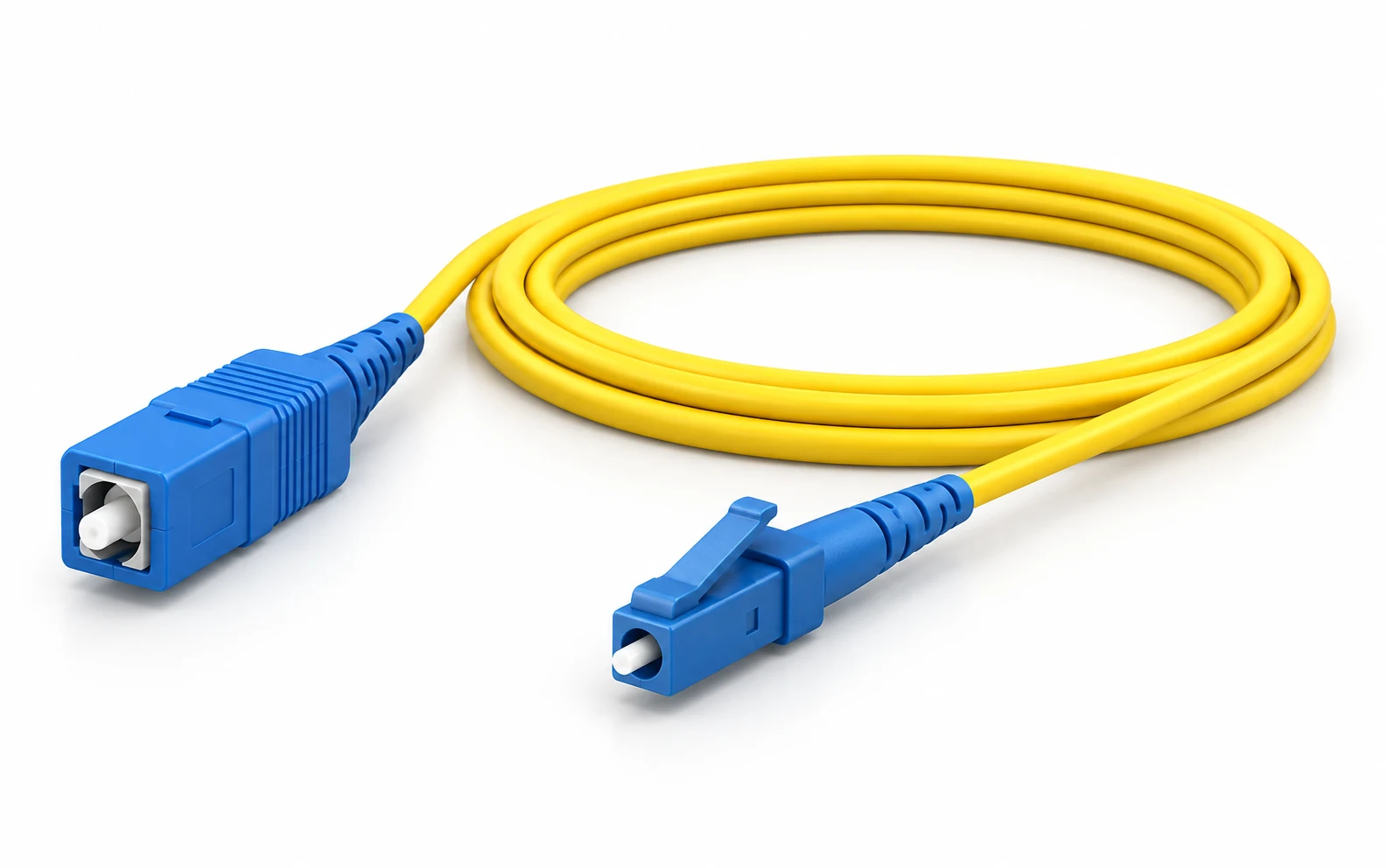
Kết hợp sợi quang được đệm chặt đã chuẩn bị sẵn với lớp gia cường aramid và lớp vỏ bọc ngoài. Các cấu hình cáp simplex và duplex sử dụng các đầu dẫn hướng và khuôn đùn tương ứng.
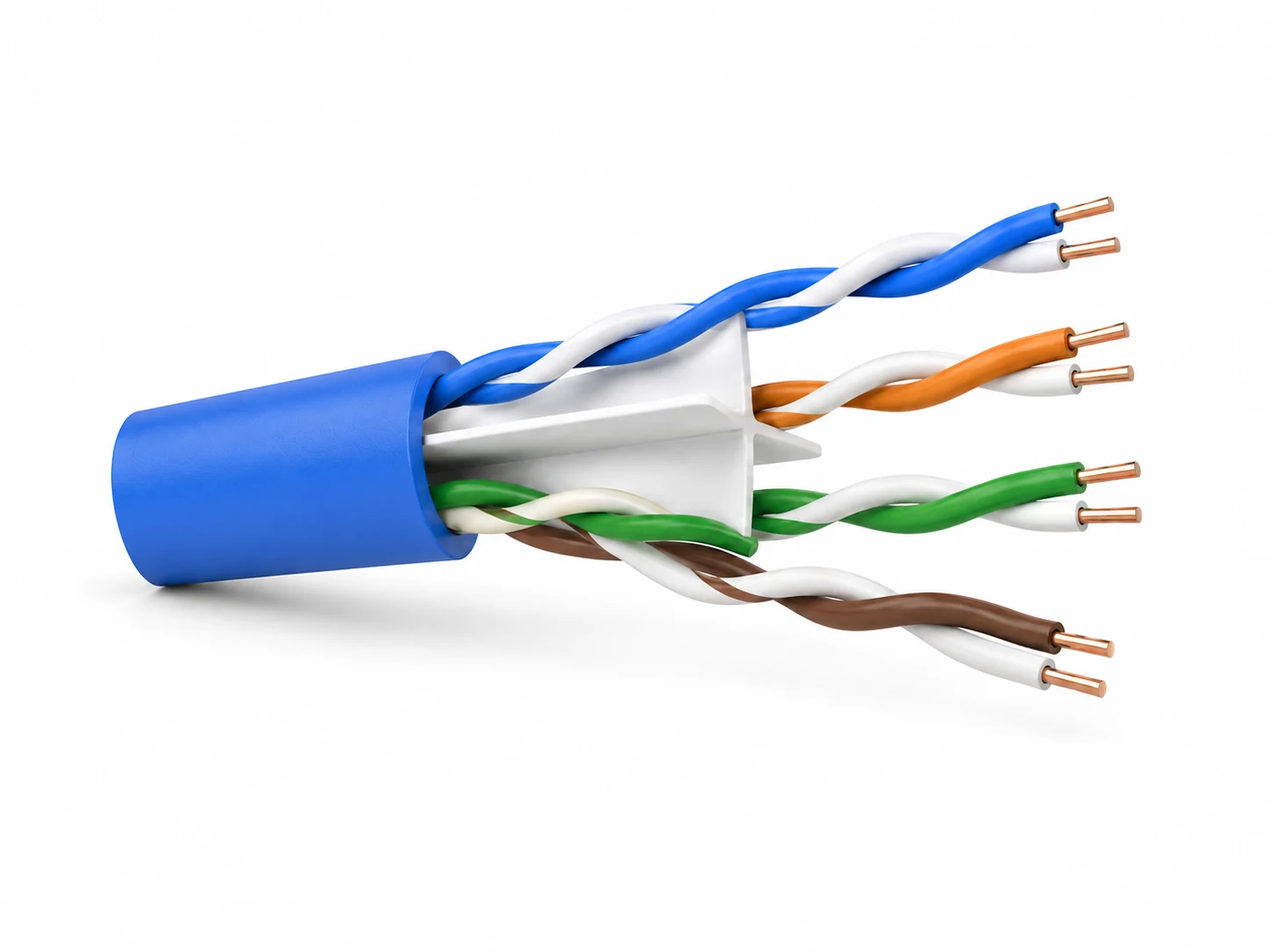
Collects multiple optical fibers into the specified compact cable construction. Fiber arrangement, reinforcement, jacket dimensions and any SZ oscillation follow the approved drawing.
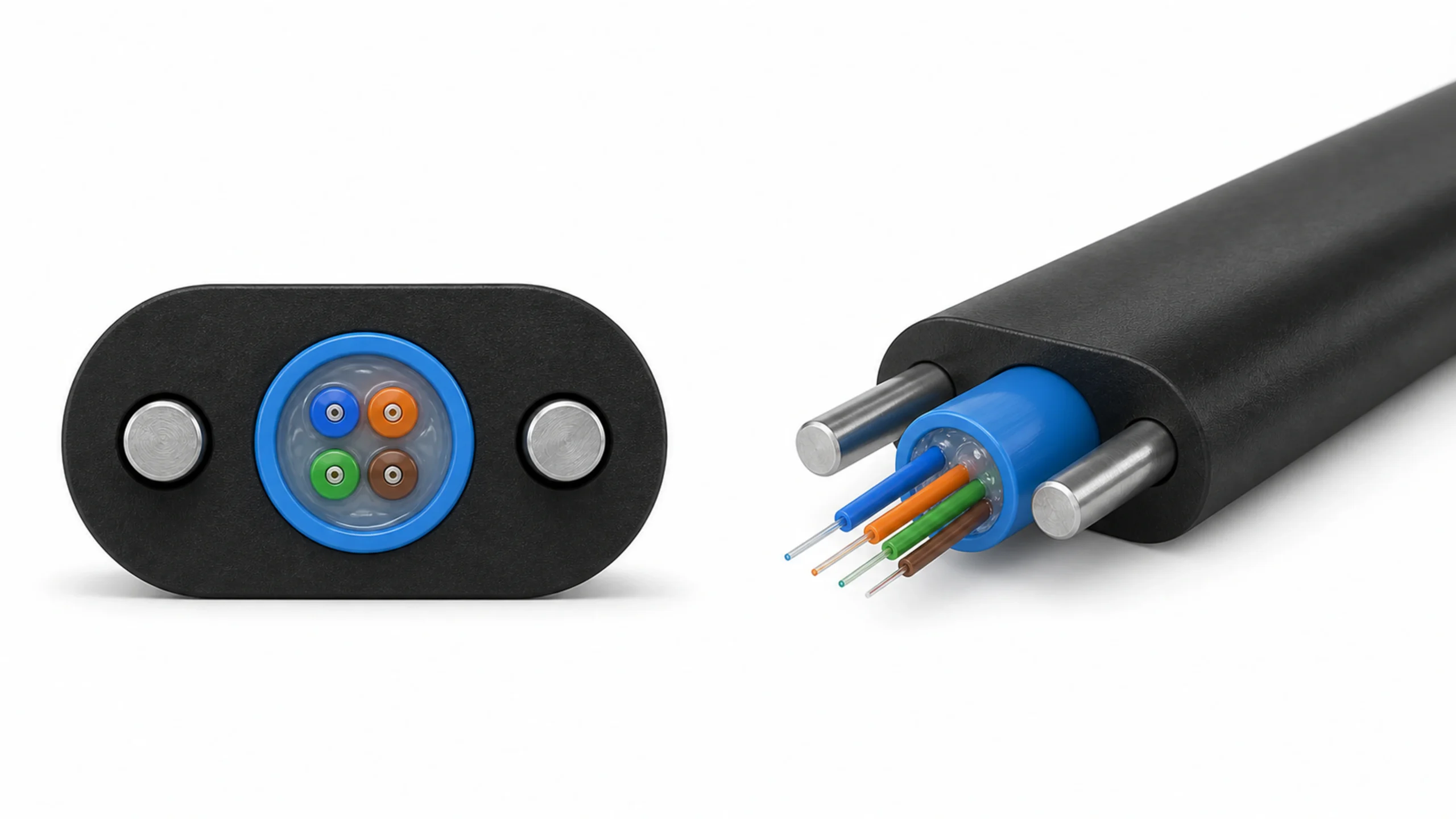
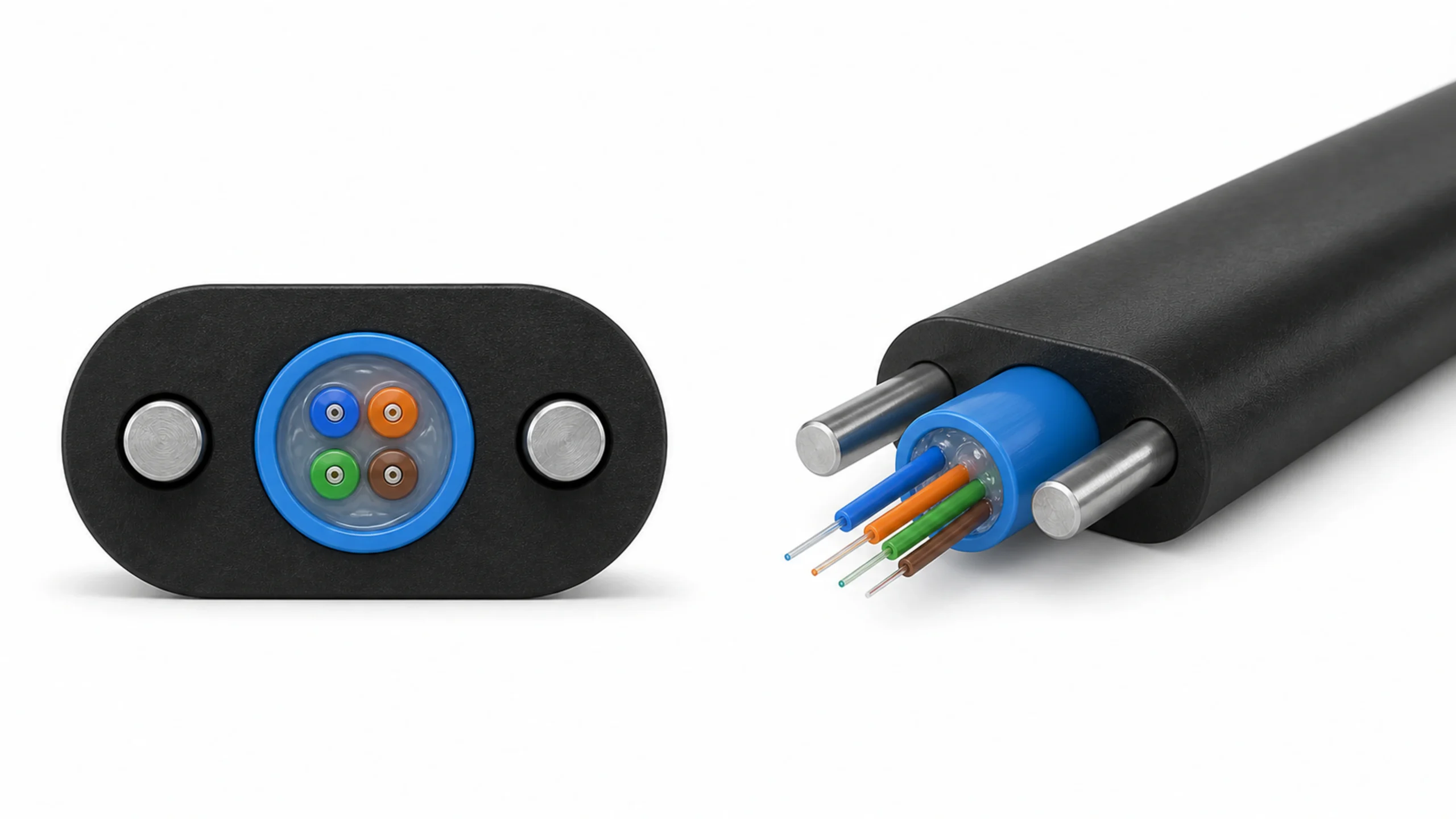
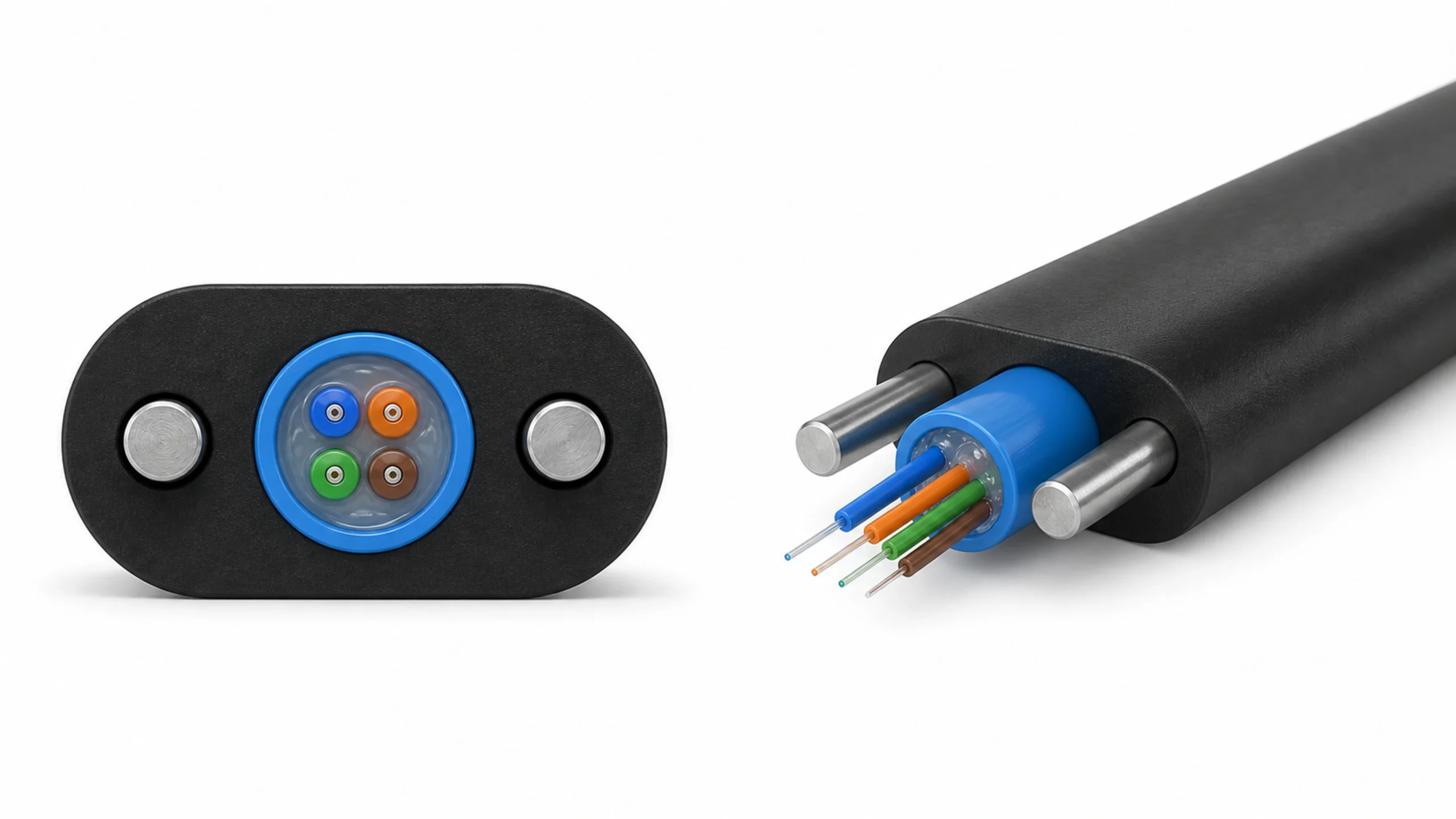
Đặt sợi quang và các thành phần gia cường vào trong lớp vỏ định hình cho tuyến cáp drop FTTH. Dây treo chỉ được bao gồm khi bản vẽ cáp được chọn yêu cầu.
PRODUCT STRUCTURESợi quang + các thành phần gia cường + lớp vỏ định hình
Starting material: sợi quang đã được phủ lớp sơ cấp hoặc các phần tử đệm đã được chuẩn bị sẵn. Dây chuyền này thêm các lớp đệm hoặc lớp vỏ bọc; việc kéo sợi thủy tinh từ phôi là một quy trình riêng biệt ở thượng nguồn.
CUSTOMIZED BY HONGKAI
Thiết kế cáp của bạn xác định dây chuyền.
HK-45 is a custom-configured production line. The four product families are reference applications; your technical proposal defines the products, equipment and operating conditions included in your project.
Products & construction
Số sợi quang, cấu hình cáp, kích thước và vật gia cường.
Materials & tooling
Các cấp độ hợp chất, vít, đầu chữ thập, bộ dẫn hướng và khuôn.
Xử lý & thao tác cuộn dây
Tension, cooling, traction, output targets and reel changes.
Factory integration
Line direction, space, utilities and control interfaces.
Explore the setup for each product.
Choose a tab to review the material path, relevant equipment and information needed for your configuration.
RELEVANT EQUIPMENTOptical-fiber pay-off reference
PRODUCTION SPEED FOR THIS ROUTE
100–350 m/min is the reference production range for tight-buffered fiber only. The material, finished diameter and optical-quality tests define the agreed running speed.
0419 EQUIPMENT ENTRIES · REVIEW BY FUNCTION
Inspect the equipment behind the product routes.
Select a unit to see its job, reference specifications and project requirements. The equipment schedule covers the complete reference platform; the active path depends on the chosen product.
FEED → FORM → COOL & INSPECT → COLLECT
3D EQUIPMENT REFERENCE01 / 19
3D reference visualization. Final supplied arrangement follows the approved configuration.
FEED
12-head fiber pay-off
Cấp các sợi quang cần thiết dưới lực căng được điều khiển riêng lẻ. Các vị trí hoạt động tuân theo cấu trúc cáp.
REFERENCE CONFIGURATION
12 motorized positions with independent control
0.25–0.254 mm primary-coated fiber reference
0.3–1.5 N ±0.05 N pay-off tension
25 / 50 km reel classes; confirm flange and bore dimensions
CONFIRM FOR YOUR PROJECT
Fiber count, reel dimensions, supply condition and tension settings.
Selected unit 01: 12-head fiber pay-off
05TECHNICAL REFERENCE & UTILITIES
Read each rating with its operating conditions.
These values describe the supplied reference proposal. Product-specific speed, extrusion output, tooling and output reels are confirmed in the technical agreement.
HK-45 REFERENCE CONFIGURATION
Product & process
Product & process reference specifications
Product routes
Tight-buffered fiber; simplex / duplex soft cable; 6–12 core mini cable; FTTH drop cable
Tight-buffer reference diameters
0.6 mm / 0.9 mm
Input fiber reference
0.25 mm primary-coated optical fiber
Optical-fiber pay-off positions
12 installed positions; active count follows the product
Fiber pay-off tension
0.3–1.5 N ±0.05 N
Pay-off reel classes
25 km / 50 km; confirm physical reel dimensions
Compound families
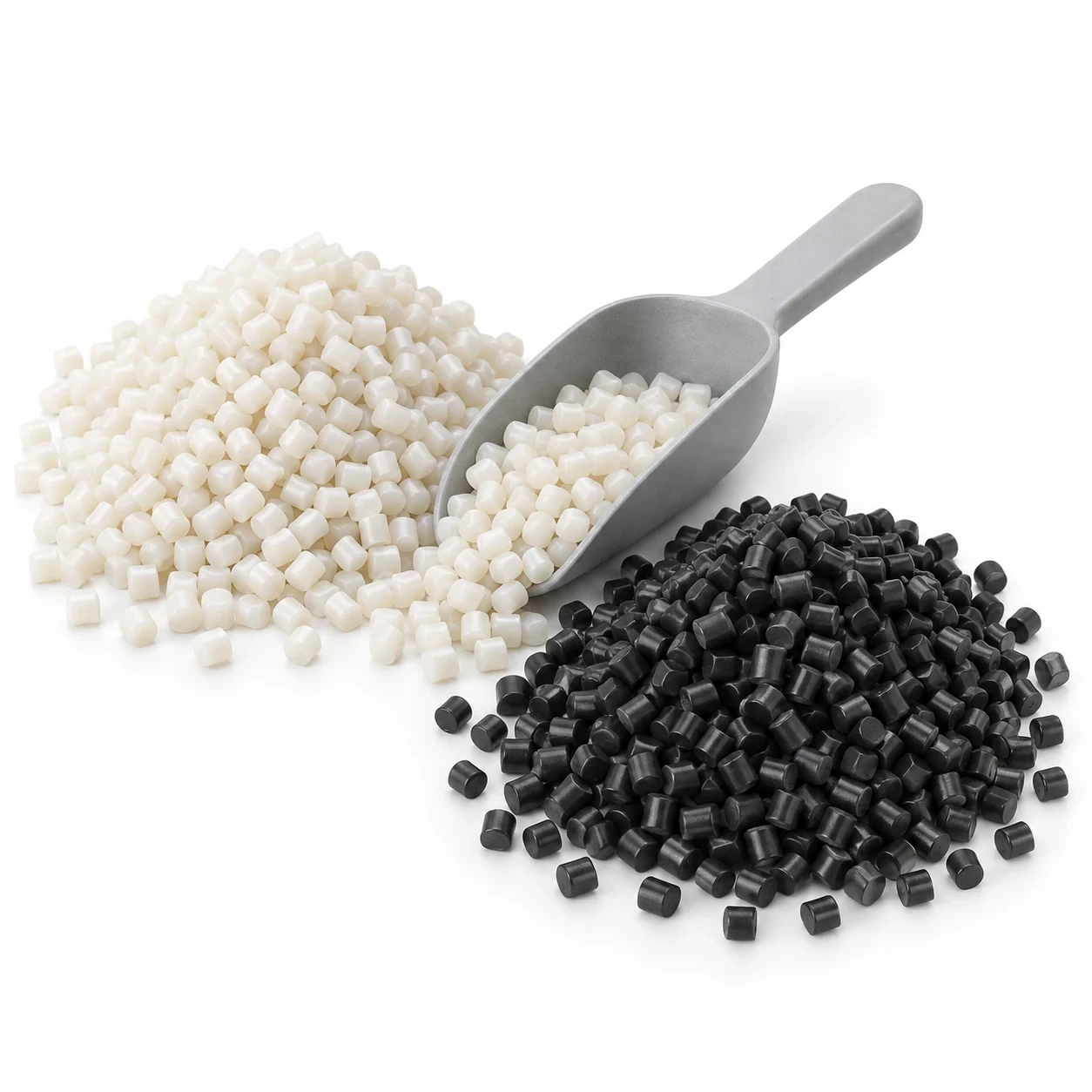
PVC, LSZH và TPEE; cần xem xét lại độ tương thích về cấp và vít
Tight-buffer production speed
100–350 m/min reference range
Structural maximum speed
400 m/min; not a production guarantee for every cable
Các tốc độ sản xuất cáp khác
Confirmed for the approved construction, compound and tooling
The tight-buffer production range applies to that route. Specify a target for each soft-cable, mini-cable and FTTH product, together with its material, tooling, winding and quality checks.
The recorded HK-45 sheathing configuration shows the connected factory process. It illustrates that setup; the four product routes on this page each require their own technical review.
01MATERIALS
Run the agreed fiber and compounds.
Confirm all incoming fiber, yarn, reinforcement and reel packages before testing the selected route.
02CHANGEOVER
Trình bày các thay đổi thiết lập cần thiết.
Check tooling, guide paths, recipes, tension and reel handling when moving between the agreed products.
03FINISHED PRODUCT
Record dimensional and optical quality.
Thỏa thuận về profile, đường kính, đặc tính quang học, cách quấn và các phép thử cơ học liên quan cho từng sản phẩm thử nghiệm.
ACCEPTANCE BASISApproved product drawings + trial materials + defined setup + written test methods
Turn your product mix into a complete factory plan.
Connect product requirements, equipment selection, changeovers and start-up responsibilities in one written technical proposal.
01
Product & equipment scope
List every product and required changeover
Define active equipment and material paths
Confirm supplied, retained and buyer-supplied items
02
Factory integration
Xem xét bố trí dây chuyền và khoảng cách thao tác
Define utilities, controls and safety interfaces
Agree installation and commissioning scope
03
Khởi động & hỗ trợ
Prepare trial materials and acceptance records
Confirm training and operating documentation
Agree spare parts and after-sales support
09START THE ENGINEERING REVIEW
Hãy cho chúng tôi biết những sản phẩm bạn dự định sản xuất.
Start with your cable drawings and the intended product mix. Share the information already available; remaining technical details can be confirmed during review.
WHAT TO PREPARE
Nine inputs for your HK-45 project.
01
Bản vẽ sản phẩm cho từng loại cáp dự kiến
02
Fiber count, input dimensions and reel packages
03
Buffer / jacket compound grades and colors
04
Yêu cầu về sợi aramid, thành phần gia cường và dây treo
05
Required output and speed by product
06
Finished reel dimensions, mass and changeover method
07
Bố trí nhà xưởng, tiện ích và hướng dây chuyền
08
Thiết bị và giao diện điều khiển được giữ lại
09
Optical, dimensional and mechanical acceptance tests
10BUYER FAQ
Questions before specifying a multi-purpose line.
Review product coverage, changeovers, speed ratings and the scope of the HK-45 reference equipment.
01Dây chuyền đa năng HK-45 m có thể sản xuất gì?
HK-45 có thể được cấu hình cho sợi quang tight-buffered 0.6 / 0.9 mm, cáp mềm simplex / duplex, cáp mini lõi 6–12 và cáp thả FTTH. Thiết bị xử lý sợi quang phủ lớp sơ cấp đã cung cấp hoặc các thành phần buffered đã chuẩn bị sẵn, thêm lớp buffer hoặc lớp vỏ cáp theo yêu cầu. Thiết bị không kéo sợi thủy tinh từ preform. Các sản phẩm bao gồm trong dây chuyền của bạn được xác định trong đề xuất kỹ thuật đã thống nhất.
02HK-45 a là máy tiêu chuẩn hay dây chuyền sản xuất tùy chỉnh?
HK-45 là một dây chuyền sản xuất được cấu hình tùy chỉnh theo HONGKAI. Chúng tôi xác định các thiết bị cung cấp, đường dẫn vật liệu, trục vít, đầu ép (crosshead), hệ thống làm mát, điều khiển lực căng, xử lý cuộn dây và bố trí mặt bằng dựa trên bản vẽ cáp và chủng loại sản phẩm yêu cầu của bạn. Bốn dòng sản phẩm được minh họa chỉ mang tính tham khảo; đề xuất kỹ thuật dành riêng cho bạn sẽ xác định rõ những sản phẩm nào được bao gồm, điều kiện vận hành tương ứng và các yêu cầu chuyển đổi cần thiết. Một cấu hình cố định duy nhất không thể đáp ứng mọi kết cấu sản phẩm.
03100–350 m/min có phải là tốc độ cho mọi loại cáp không?
No. That is the reference production range for tight-buffered fiber. Soft-cable, mini-cable and FTTH speeds are determined from the approved construction, compound, tooling and required output quality. The 400 m/min structural maximum is a different rating.
04HK-45 khác với dòng HK-30 chuyên dụng như thế nào?
HK-30 là một tham chiếu sợi quang có lớp đệm chặt chuyên dụng. Đề xuất HK-45 bổ sung vật liệu đầu vào, cốt gia cường, định vị và thiết bị hạ nguồn cho nhiều tuyến cáp quang nhỏ. So sánh tổ hợp sản phẩm yêu cầu, công việc chuyển đổi và phạm vi thiết bị thực tế.
05Có phải tất cả các thiết bị 19 đều bắt buộc cho mọi sản phẩm không?
The reference equipment schedule lists 19 items. They are not all necessarily active in every route. The written configuration identifies the supplied items, active material path, retained machines and buyer-supplied equipment.
06Đơn vị aramid có phải là máy bện không?
The HK-45 reference unit is a 10-position aramid-yarn pay-off with individually adjustable tension. It should not be confused with the aramid stranding equipment used in an ADSS sheathing route.
07Bộ thu có tự động thay cuộn không?
Dual-shaft take-up, tension feedback and servo traversing do not by themselves establish fully automatic reel transfer. Confirm operator tasks, accumulator use, cutting, transfer and restart behavior in the agreed sequence.
08Cần thông tin gì để có đề xuất kỹ thuật?
Cung cấp bản vẽ cho từng sản phẩm, các gói sợi và gia cường, các cấp độ hợp chất, công suất mục tiêu, yêu cầu về cuộn dây, bố trí mặt bằng nhà máy và tiện ích. Đồng thời xác định thiết bị hiện có cùng các phép thử kích thước, quang học và cơ học cần thiết để nghiệm thu.
We've detected you might be speaking a different language. Do you want to change to:











 English
 हिन्दी
 فارسی