












A fiber optic cable factory owner or production manager should not order a loose tube production line from a headline speed and extruder size. The purchase decision starts with the cable construction, approved materials, process window, package plan and evidence that will define an acceptable trial.
A loose tube production line should be specified as one controlled process from fiber pay-off to finished tube take-up. The buyer must lock the tube design, fiber handling, polymer and filling system, tooling, cooling, excess fiber length, reel logistics and test method before comparing suppliers. A catalogue maximum can describe machine capability, but only a stable trial with the agreed cable and materials can establish an acceptable production condition. The purchase specification should therefore connect every machine unit to a measurable output or acceptance record.
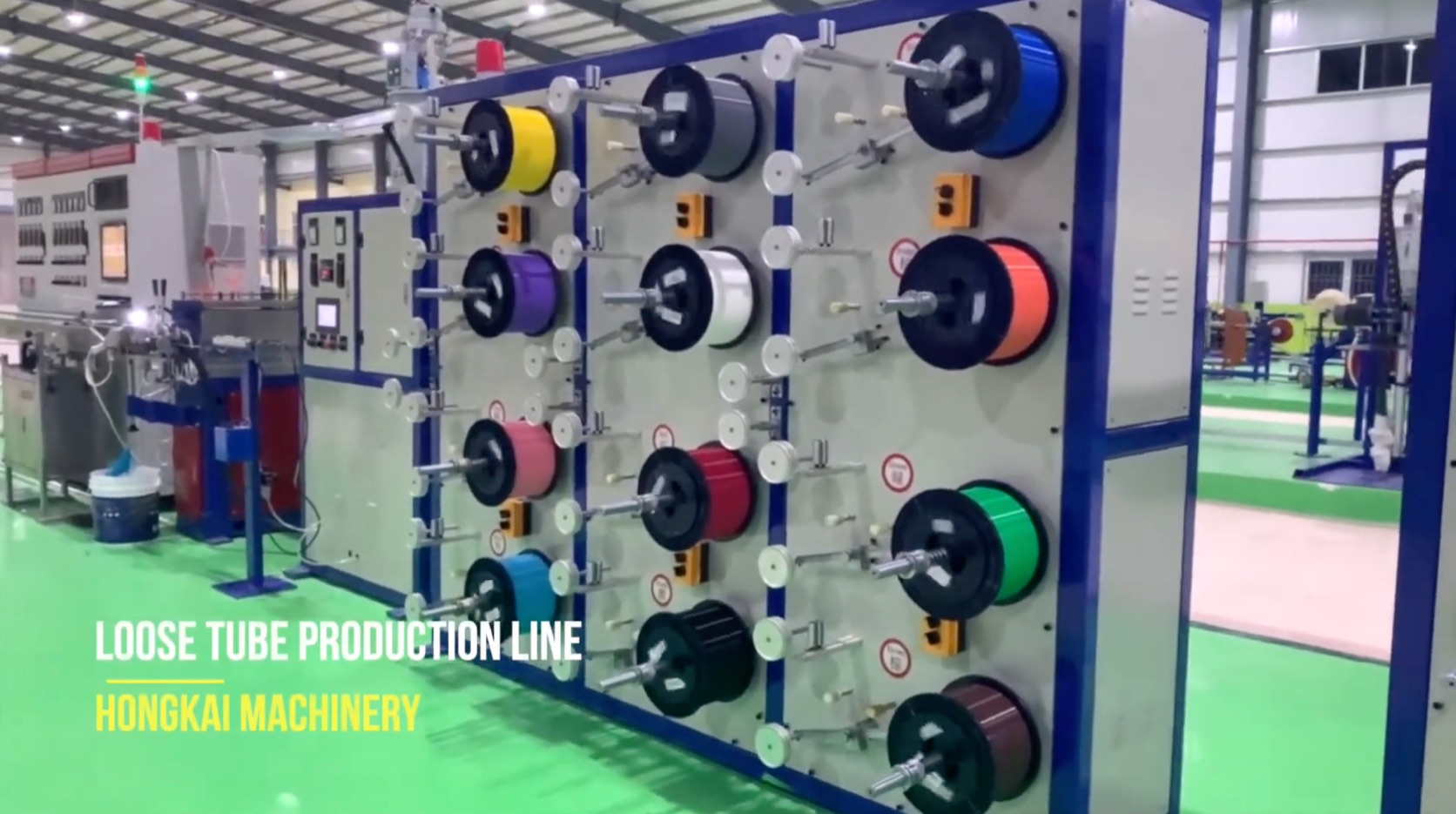
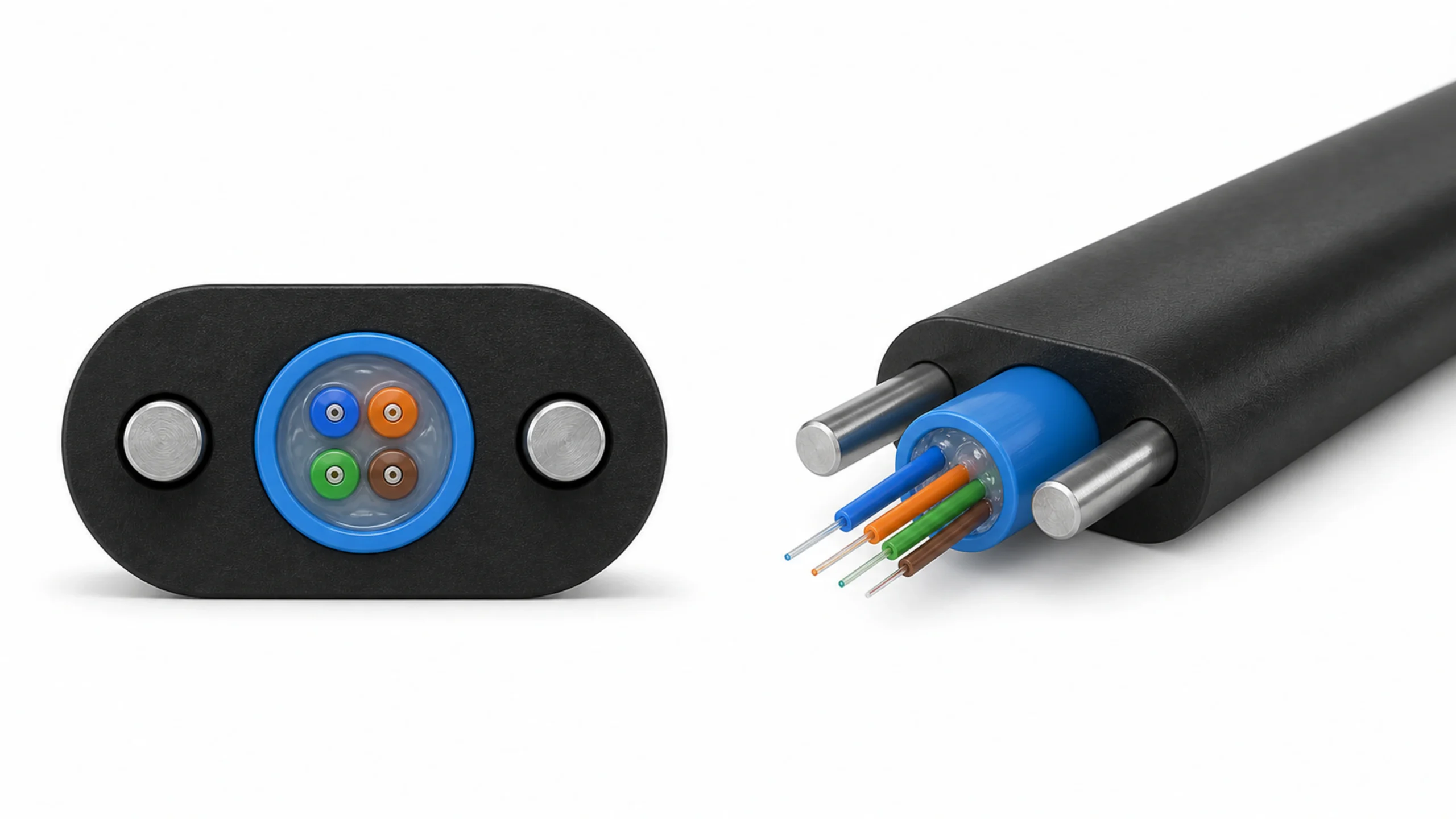
Real HONGKAI loose tube production equipment. The final configuration must be matched to the approved tube construction, fiber package and process evidence.
루즈튜브 생산은 이차 코팅이라고도 한다. 이는 자체적으로 완전한 실외 케이블 제조 공정이 아니다. 센트럴 튜브 케이블은 루즈튜브 압출 공정에서 바로 보호 및 시스(피복) 공정으로 이동할 수 있지만, 스트랜디드 루즈튜브 케이블은 일반적으로 최종 재킷 공정 전에 별도의 코어 성형 단계를 필요로 한다. 루즈튜브는 젤 충전식(습식) 공정이나 젤을 사용하지 않는 건식 공정 중 어느 하나를 사용할 수 있으므로, 장비 구성 범위는 하나의 공통 목록을 적용하기보다는 완제 케이블 사양을 역으로 추적하여 결정해야 한다.
The eight decisions below are written for an RFQ, technical comparison and factory acceptance test. They also show why two lines with similar catalogue descriptions may not carry the same project risk.
Which Specifications Should a Buyer Lock Before Ordering a Loose Tube Production Line?
A buyer should lock eight connected decisions: target tube, fiber input, polymer preparation, filling route, extrusion and tooling, cooling and excess length, capacity and package handling, and acceptance evidence. Each decision must be written in measurable terms and traced to a cable drawing or approved material. Only then can the requirement be mapped to a project configuration instead of a generic machine list. The best quotation is the one that makes assumptions and verification responsibilities visible.
1. Target Tube: Which cable families and loose-tube dimensions must the line support?
Why it matters: The finished cable determines whether the loose tube is a central cable element, one of several stranded elements or an intermediate package for another process. Fiber count alone does not determine the route. Tube outside diameter, wall, fiber count, material, color set, filling method, downstream reel and cable construction must be considered together.
What to ask: Send the finished-cable drawing, tube drawing, tolerance table, fiber count per tube, tube colors, approved polymer grade, filling requirement and planned product range. State which products are launch priorities and which are possible future options. If the factory will make both central-tube and stranded loose-tube cables, identify the downstream equipment and reel interfaces for each family.
RFQ 발행 전에 튜브가 드라이인지 젤 충전형인지, 목표 외경과 튜브당 광섬유 수, 그리고 각 튜브 색상별로 요구되는 안정적인 생산 조건을 확인하십시오. 라인에서 한 번에 하나의 튜브 색상만 가동하는 생산 계획의 경우, 승인된 속도를 색상 일정 및 튜브 드로잉과 연계하십시오.
How to verify: Trace every quoted unit to the product drawing. The fiber pay-off count must cover the approved tube construction; the crosshead and tooling must cover the defined tube range; the take-up package must transfer safely to the next process. ITU-T L.102 describes sufficient internal tube space as the essential loose-tube feature and states that buffer-tube dimensions should be agreed between the manufacturer and customer.1
Red flags: A proposal uses only total cable fiber count, omits the tube drawing, or claims one configuration covers every outdoor optical cable without identifying the central-tube, SZ-stranded or product-specific route.
2. Fiber Input: How will the line control every optical fiber from pay-off to crosshead?
Why it matters: Multiple coated fibers enter one small crosshead at the same time. Unstable pay-off tension, damaged guide surfaces, uncontrolled static or a poor fiber path can create intermittent problems that are difficult to diagnose after extrusion. The buyer needs a fiber-handling specification, not only a count of pay-off positions.
What to ask: Define incoming fiber diameter, reel dimensions, usable length, fiber identification, normal operating tension, alarm limits, broken-fiber response and the required production record. Ask how each pay-off is driven or braked, how dancer position is measured, how fibers are guided and gathered, and what happens when one position reaches a limit.
확인 방법: FAT(공장 가동 시험) 중에 합의된 섬유 릴을 장착하고, 기동, 가속, 안정 운전, 감속 및 정지 과정에서 모든 위치를 관찰한다. 알람 기록을 검토하여 시뮬레이션된 섬유 결함이 합의된 머신 응답을 유도하는지 확인한다. 가이드 및 집속 부품의 접촉면이 깨끗한지 점검하고, 시험 전후의 섬유 상태를 기록한다. 실무적 점검으로는 크로스헤드 전방에서 안정적인 페이오프 제어와 수평적이며 변동이 적은 섬유 경로를 확인한 후, 해당 상태를 기록된 여유 길이 결과와 비교한다.
Red flags: The supplier demonstrates only an empty line, reports one tension value without a range or tolerance, cannot show individual position behavior, or treats fiber pay-off as an accessory outside the line-control responsibility.
3. Polymer Control: Which PBT grade, drying method and material records will define the process?
왜 중요한가: 폴리머 등급, 수분 상태, 컬러 마스터배치 및 열 이력이 정의되지 않으면, 루즈 튜브 생산 라인은 반복 가능한 공정을 확립할 수 없습니다. 건조기와 로더는 수분 또는 오염이 나중에 기포, 표면 결함, 치수 변동 또는 불안정한 가공으로 나타날 수 있기 때문에 품질 관리 체인의 일부입니다.
질문할 사항: 공급업체 및 등급별로 승인된 PBT 또는 기타 튜브 폴리머를 명시하세요. 공급업체의 보관, 건조 및 가공 지침을 첨부하고, 마스터배치 호환성, 허용 재생재 정책, 재료 변경 절차 및 필요한 로트 기록을 정의하세요. 건조기가 온도와 시간을 어떻게 확인하는지, 건조 후 재료를 어떻게 보호하는지, 그리고 호퍼와 로더가 오염을 어떻게 방지하는지 문의하세요.
확인 방법: 다른 프로젝트에서 복사한 보편적인 온도가 아닌, 실제 수지 공급업체 문서를 기반으로 FAT 레시피를 구축하세요. 셀라네스 폴리에스터 기술 매뉴얼은 튜브 압출이 용융 온도 제어에 의존하며, 부적절한 건조, 잘못된 온도 및 압력 조건을 압출 문제의 일반적인 원인으로 명시합니다.2 각각의 승인된 샘플에 대해 재료 로트, 건조 조건, 존 설정 및 사용된 시간 순서를 기록하세요.
경고 신호: 견적서에 단일 보편적인 PBT 온도만 명시되어 있고, 수지 등급을 식별하지 않으며, 건조기를 기계 범위 외부로 두거나, FAT 동안 재료를 변경하면서 증거 기록을 재시작하지 않습니다.
4. 충전 경로: 제품은 젤 충전, 건식 설계 또는 프로젝트 특화 준비를 필요로 하나요?
왜 중요한가: 젤 충전 및 건식 루즈 튜브 설계는 동일한 재료 공급, 청결도 제어 및 수용 기준을 갖지 않습니다. 젤 시스템은 튜브 공정과 동기화된 채로 준비, 공급 및 공기 제거를 제어해야 합니다. 충전 결정은 공급업체의 표준 장비 목록이 아니라 승인된 케이블 구조에서 도출되어야 합니다.
질문할 사항: 튜브가 젤 충전형, 건식형 또는 다른 승인된 설계의 일부인지 명시하세요. 젤 충전의 경우, 승인된 화합물, 준비 방법, 작동 조건, 시작 처리, 공기 제거 방법, 충전 확인 및 세척 절차를 정의하세요. 건식 설계의 경우, 승인된 수분 차단 요소와 기계 경로의 변경 사항을 정의하세요.
검증 방법: 합의된 충전 재료를 주입하고 구매자가 서면으로 제공한 방법을 사용하여 튜브 샘플을 검사합니다. 충전 시스템 설정, 진공 및 순환 상태, 가동 초기 폐기물 및 세척 증거를 기록합니다. 충전 공정이 압출 라인을 따라 진행되며, 순환 및 진공 기능이 승인된 생산 전에 혼입된 공기를 제거함을 확인합니다. 습식 공정 시험의 경우, 합의된 광섬유를 도입하기 전에 젤 공급과 버블 제어가 안정화되었는지 확인합니다.
경고 신호: 공급업체가 샘플 방법 없이 젤 충전을 자동으로 수용 가능하다고 설명하거나, 모든 루즈 튜브에 젤이 포함되어야 한다고 가정하거나, 충전 결함이 라인 정지, 샘플 분리 및 재시작 승인에 어떤 영향을 미치는지 설명할 수 없습니다.
5. 압출 및 툴링: 라인은 속도 변경 중 튜브 형상을 어떻게 유지합니까?
왜 중요한가: 압출기 크기만으로 안정적인 튜브 형상을 입증할 수 없습니다. 스크류 및 실린더 상태, 용융 공급, 크로스헤드 설계, 툴링, 열 제어, 라인 속도 및 후크 오프 동작은 상호 작용합니다. 불안정한 폴리머 출력은 벽 두께 및 외경을 변경하며, 이는 측정된 초과 섬유 길이를 이동시킬 수도 있습니다. 구매자는 특히 가속 및 감속 과정에서 승인된 튜브에 대한 정의된 공정 창이 필요합니다.
질문할 사항: 스크류 및 실린더 범위, 크로스헤드 및 툴링 개념, 가열 및 냉각 존, 센서 위치, 직경 측정, 피드백 논리 및 레시피 기록을 제공하세요. 시험할 모든 튜브 크기를 나열하고, 제품 간에 변경되는 티프, 다이, 가이드 또는 인서트를 식별하세요. 툴링 도면 및 예비 툴링 목록을 요구하세요.
확인 방법: 안정된 속도 및 제어된 속도 변화를 통해 외경 및 기타 합의된 튜브 치수를 측정하세요. 온라인 게이지와 구매자의 오프라인 측정 방법을 비교하고, 라벨이 부착된 샘플을 보관하며, 단일 표시값을 수용하기보다는 추세 기록을 검토하세요. 수지 공급업체의 가공 가이드는 과도하게 높거나 낮은 용융 온도가 불규칙한 벽 두께, 열악한 표면 마감 또는 불균일한 치수를 생성할 수 있다고 언급합니다.2
경고 신호: FAT이 최대 속도 단기 표시에 의존하고, 공급업체가 게이지 피드백을 제어 동작과 연결할 수 없으며, 툴링을 명명되지 않은 소모품으로 처리하거나 샘플이 시간戳 설정과 연결되지 않습니다.
6. 냉각 및 EFL: 라인은 어떻게 필요한 초과 섬유 길이를 확립합니까?
왜 중요한가: 초과 섬유 길이는 섬유 공급, 튜브 형성, 열 이력, 캐프스탄 동작, 냉각 및 테이크업 간의 전체 관계에 의해 생성되는 제품 특성입니다. 높은 표시 속도는 튜브 수축, 장력 또는 냉각 변동으로 인해 결과가 합의된 창 밖으로 이동한다면 유용하지 않습니다. EFL은 숨겨진 운영자 조정이 아니라 수용 출력으로 처리되어야 합니다.
질문할 사항: 각 승인된 튜브에 대해 필요한 초과 섬유 길이 범위 및 측정 방법을 정의하세요. 공급업체에게 뜨거운, 따뜻한 및 냉각 구간, 물 온도 제어, 이동식 또는 조정 가능한 요소, 캐프스탄 배열, 댄서 루프, 레시피 변수 및 제품 변경 후 안정화 절차를 설명하도록 요청하세요.
확인 방법: 샘플 위치, 공정 시간, 리ール, 속도 및 레시피를 측정 결과와 연결하는 서면 샘플링 계획을 사용하세요. 시작, 안정 런 및 리얼 끝 샘플을 비교하세요. 초과 길이 캐프스탄이 PBT 튜브를 너무 강하게 당기거나 너무 느슨하게 놓아두지 않고 제어된 장력을 유지하는지 확인하세요. 고속에서 냉각 길이 및 물 온도 제어가 실제 튜브에 충분한지 확인하세요. 측정 장비 및 계산 방법은 FAT 이전에 합의되어야 하며, 그렇지 않으면 두 당사자는 동일한 생산 런에서 서로 다른 EFL 결과를 보고할 수 있습니다.
경고 신호: EFL이 수용 테이블에 누락되어 있고, 제안서가 냉각 트rough 길이를 제어 증거로 간주하며, 구매자와 공급업체가 다른 샘플 방법을 사용하거나, 라인이 공정이 안정화되기 전에 속도에 도달합니다.
7. Capacity and Packages: What stable output and reel-change plan does the factory actually need?
Why it matters: Loose-tube output must be calculated by tube color, tube count, cable structure and downstream consumption. One finished cable can require several separate tube runs, so machine metres cannot be compared directly with finished-cable metres. Reel size, product length, color change and changeover loss also affect saleable output.
What to ask: State the required tube length by color and construction, planned shifts, target stable production condition, minimum accepted run length, incoming fiber packages, outgoing tube reels and downstream demand. Separate machine structure speed, catalogue maximum, demonstrated speed and accepted stable speed in the quotation. Define the required fiber-pay-off positions from the maximum fibers in one tube, not only the total fibers in the finished cable. Ask whether reel handling is manual, semi-automatic or fully automatic, and require the supplier to describe the operator’s work at every reel change.
How to verify: Calculate capacity from the production schedule rather than multiplying a headline speed by available hours. Reconcile the number of tube packages with SZ stranding or central-tube sheathing demand and confirm physical reel interfaces. In HONGKAI project-planning examples, a tube may be approximately 2.0 mm outside diameter, a smaller product may be around 1.6 mm, and some 24-fiber tubes may approach 3.0 mm; the product drawing remains controlling. An 800 m/min structure-speed design may support an actual production condition around 600 m/min for a suitable tube, while a line with a 400-600 m/min structure range may need to be planned nearer 400 m/min. These remain bounded comparison examples, not guaranteed operating points: diameter, fiber count, material, cooling and stable quality determine the FAT value.
Red flags: A supplier converts catalogue speed directly into annual finished-cable output, ignores the number of tube colors, does not define changeover loss, or quotes a take-up reel that does not match the downstream pay-off.
8. Acceptance Evidence: Which records must prove the loose tube production line is ready?
Why it matters: A successful FAT is not a video of the machine running. The acceptance plan must connect the approved materials, settings, output samples, measurements, alarms and documents to pass or fail criteria. The records also become the baseline for installation, commissioning and future troubleshooting.
What to ask: Attach a factory acceptance test, or FAT, matrix covering machine scope, safety checks, utilities, material identity, fiber handling, line functions, alarms, recipe and trend records, tube dimensions, EFL, filling result, optical checks when specified, length counting, reel build and supplied documents. Name the measuring equipment, calibration status, sample method, stabilization condition, witnesses and disposition of nonconforming results. If the contract requires a minimum run time or length, define it before the trial instead of inventing it after the machine starts.
How to verify: Sign the accepted configuration and FAT method before the trial. First stabilize polymer output, tube outside diameter and, for a wet process, gel circulation, filling delivery and air removal. Then run the agreed optical fibers and retain time-linked samples and electronic records. Reconcile every result with the cable drawing and purchase specification. IEC 60794-1-23 describes test procedures for geometrical, material, mechanical and environmental properties of optical cable elements, including buffer-tube-related methods; the buyer should select only the methods relevant to the agreed product and current standard edition.3
Red flags: Pass criteria are agreed after the test, samples have no traceability, the supplier substitutes materials without approval, alarms are not challenged, or the signed FAT report does not list open items and responsibility.
Note: The decisive question is not whether a loose tube production line can run fast; it is whether the agreed tube can be reproduced with traceable settings, measurements and package handoffs inside the buyer’s production plan.
How Does HONGKAI Configure a Loose Tube Production Line for a Specific Project?
HONGKAI starts with the tube drawing, fiber package, material, filling route, output plan and downstream process. A current reference configuration connects independently controlled fiber pay-offs, material preparation, filling and air removal when required, a PBT extruder and crosshead, staged water cooling, online diameter measurement, traction and dancer control, and project-matched reel handling. HK-50 and HK-60 proposal variants are project references rather than universal standards. The final scope and accepted speed are confirmed against the exact product and FAT conditions.
HONGKAI fiber optic cable production equipment guide explains where secondary coating sits inside a broader optical-cable process. For a verified central-tube example, the GYXTW production route connects fiber coloring, HK-50 loose-tube production and project-specific protection and sheathing. The ADSS production route adds SZ stranding and aramid/sheathing stages because the approved cable structure is different.
Send the finished-cable drawing and tube detail before asking for a machine model. That sequence lets HONGKAI identify whether the project needs a central-tube route, a stranded loose-tube route, a gel-filled or dry design, and which machine interfaces must be included in the same acceptance plan.
Fiber-pay-off quantity should follow the highest fiber count in one tube. As a HONGKAI planning example, many cable designs at or below 144 total fibers can use 12 fibers per tube and a 12-position fiber pay-off. A higher-count design may instead require 24 fibers in one tube and a 24-position pay-off. The approved cable drawing, rather than the finished-cable total alone, decides the requirement.
Take-up automation also needs a written boundary. With manual reel change, the operator cuts and transfers the tube to the next reel. A semi-automatic system handles part of the clamping or lifting sequence while the operator removes the full reel and positions the next one. A fully automatic option can automate more of the loading and unloading cycle, but the supplier must state exactly which movements remain manual.
The reference equipment scope normally covers the following process functions, but brand, size, quantity, range and options remain subject to the approved project specification:
- ☐ Controlled optical-fiber pay-off and gathering
- ☐ Polymer drying, loading and traceable recipe control
- ☐ Gel preparation, circulation and air removal when required
- ☐ Extruder, crosshead and tube-specific tooling
- ☐ Staged water-temperature and cooling control
- ☐ Online diameter measurement and feedback
- ☐ Capstan, dancers, length counting and manual, semi-automatic or fully automatic tube take-up as specified
- ☐ Alarm history, trend records, manuals, drawings and FAT documents
The buyer can also use HONGKAI’s 광섬유 생산 능력 계획 방법 to balance loose-tube output with coloring, SZ stranding and final sheathing. The connection matters because a technically acceptable loose tube production line can still create excess work-in-process if downstream consumption and reel logistics were not planned.
Note: HONGKAI’s reference configuration becomes a purchase specification only after the cable structure, materials, operating condition, interfaces and acceptance evidence are written into the project documents.
-
ITU-T Recommendation L.102 (2025), Optical fibre cables for aerial application, especially the tube-construction and buffer-tube test clauses. ↩
-
Celanese Polyester Technical Manual, sections 3.7.12 and 3.7.14 on tube extrusion and extrusion troubleshooting. Material-grade instructions remain controlling for the actual project. ↩ ↩
-
IEC 60794-1-23:2019, Optical fibre cable element test methods. Confirm current amendments and any superseding method parts when preparing a contract test plan. ↩

 English
  हिन्दी
  فارسی
فارسی