








A cable factory owner may be offered a single-screw extruder, a twin-screw extruder, or a proposal that uses both terms without defining the process boundary. The important decision is not whether two screws sound more advanced. It is whether the factory needs to apply an approved compound to a conductor or cable, manufacture the compound itself, or do both as separate production stages.
For most insulation and sheathing projects that begin with qualified cable compound, the main production duty is stable cable coating through a crosshead, supported by pay-off, preheating where required, cooling, measurement, testing, traction and take-up. Twin-screw equipment belongs primarily to a compounding process when the factory must feed, disperse, homogenize, vent and pelletize a formulation. A compounding line does not remove the need for a correctly specified cable-coating line.

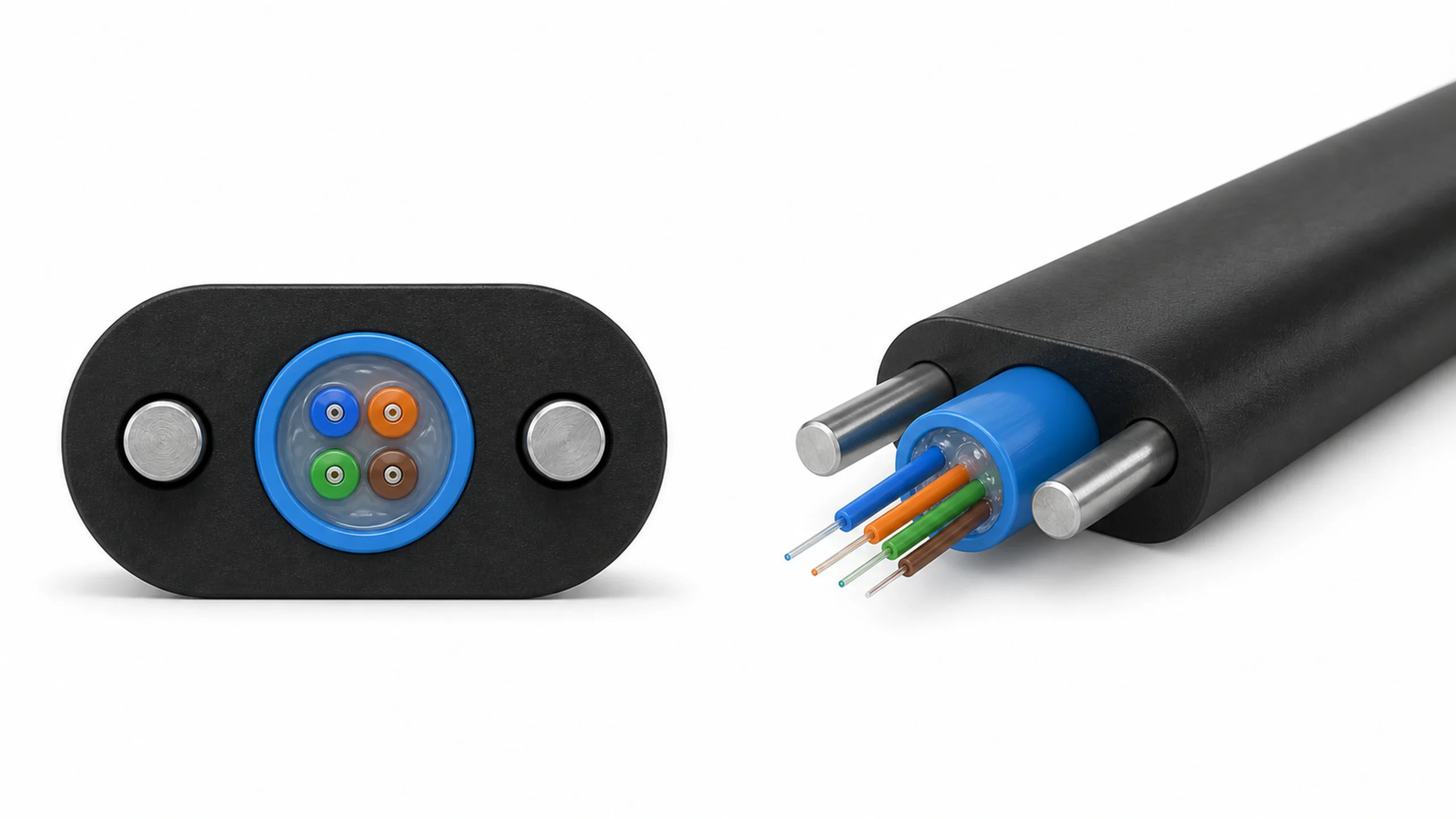
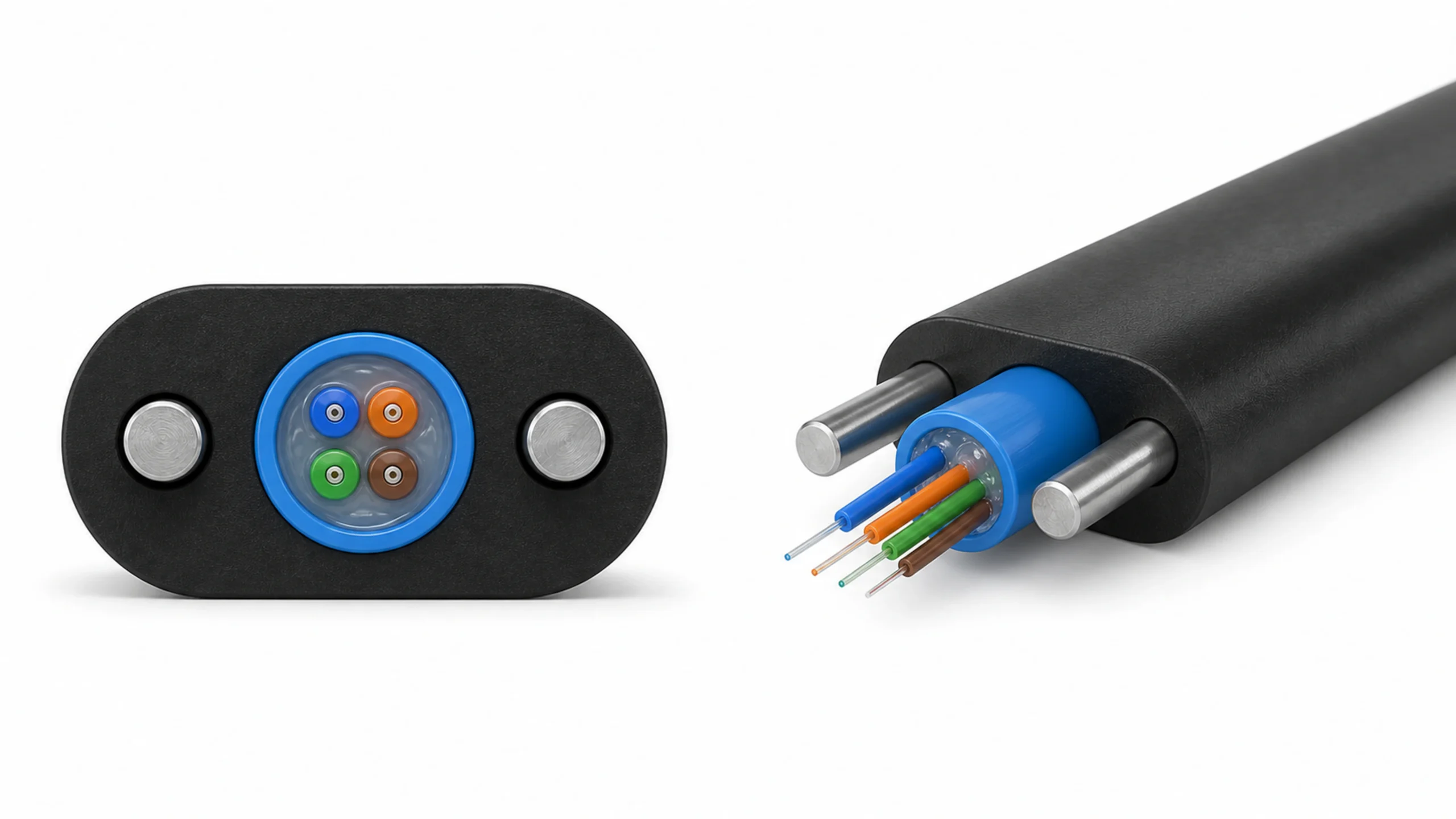
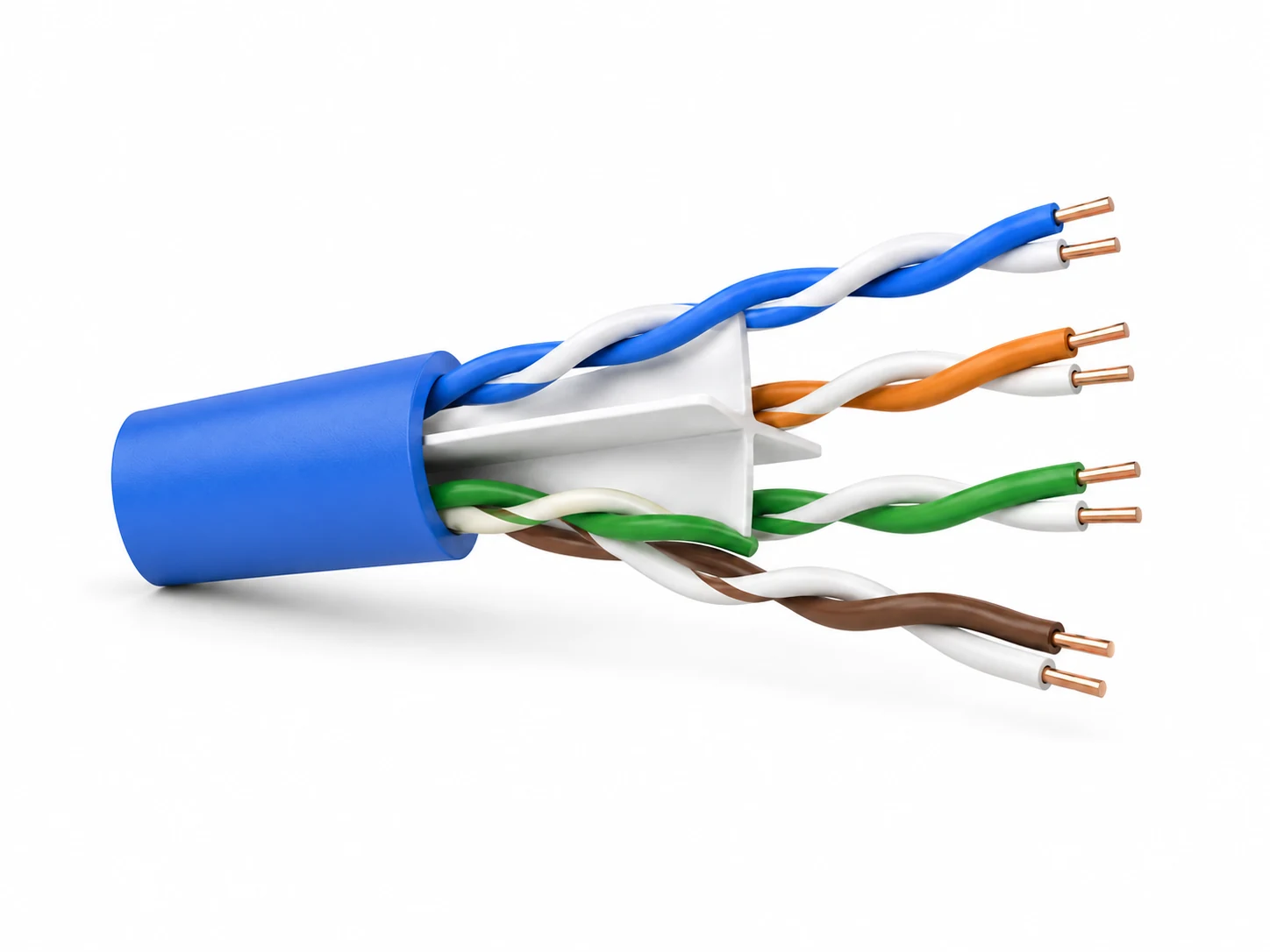
Render referensi HONGKAI dari sebuah ekstruder pelapis kabel. Gambar ini tidak menggambarkan pabrik pencampur sekrup ganda atau menyiratkan bahwa kedua jalur proses tersebut dapat dipertukarkan.
This guide is for factory owners, production managers and technical procurement teams deciding what belongs in an extrusion quotation. It compares process duty, incoming material, finished output, auxiliary equipment and acceptance evidence so that screw count does not replace a complete production specification.
Pemisahan Pelapisan Kabel dari Manufaktur Senyawa
A single-screw-versus-twin-screw comparison is meaningful only after the buyer states what enters the process and what must leave it. Applying insulation or sheath around a moving conductor is a different production boundary from turning polymers, fillers and additives into a controlled cable compound.
The cable-coating boundary starts with an approved material in a defined supply form. The material is prepared as required, melted and delivered through a crosshead around a conductor, insulated core or cable core. The output is a continuously coated wire or cable that must meet dimensional, surface, electrical and handling requirements.
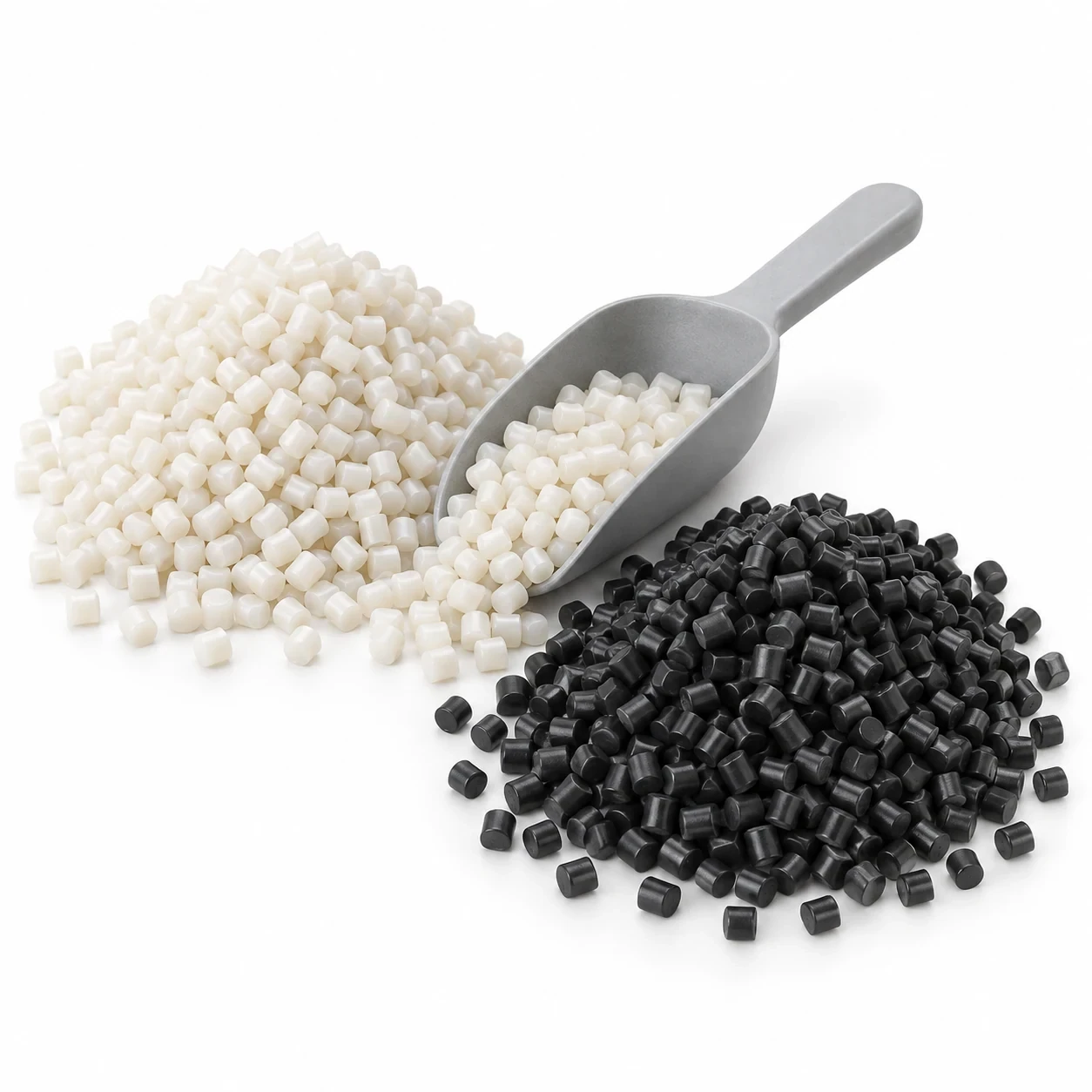
The compounding boundary starts with a formulation and controlled ingredient streams. The process may include feeding, premixing, plasticizing, dispersive and distributive mixing, venting, filtration, pressure building, pelletizing, cooling and packaging. The output is normally an identified compound lot that still needs qualification and must later be processed on the cable extrusion line.
| Process boundary | Status masuk khas | Required output | Apa yang harus dibuktikan oleh peralatan tersebut |
|---|---|---|---|
| Isolasi atau selubung kabel | Pelet, butiran, atau bahan baku lain yang telah disetujui pemasok | Konduktor atau kabel berlapis pada paket yang ditentukan | Dimensi stabil, permukaan, integritas lapisan, pemeriksaan online yang diperlukan, dan penggulungan terkendali |
| Garis warna atau lapisan kabel tambahan | Bahan yang disetujui untuk lapisan terpisah | Sebuah garis yang ditentukan atau lapisan co-ekstrusi pada kabel | Posisi lapisan, kontinuitas, dimensi, adhesi jika berlaku, dan kontrol yang dapat diulang |
| Produksi senyawa kabel | Resin terkontrol, pengisi, aditif, cairan, atau campuran awal yang ditentukan oleh formulasi | Pelet yang memenuhi syarat atau bentuk senyawa lain yang telah disetujui | Kontrol bahan baku, pencampuran, pembuangan udara, riwayat termal, keseragaman lot, dan kemampuan proses hilir |
| Proyek material dan kabel terintegrasi | Bahan baku ditambah konduktor atau input kabel | Senyawa yang memenuhi syarat dan kabel jadi yang diterima secara terpisah | Dua paket rilis yang terhubung namun berbeda: bukti material dan bukti kabel |
The official Coperion cable-compound process illustrates the distinction clearly. Its two-stage system uses a twin-screw section for plasticizing, mixing and homogenizing, then a single discharge screw and pelletizing system for the compound-production duty.1 Sekrup tunggal dalam sistem tandem tersebut bukanlah batas produksi yang sama dengan lini crosshead kabel, dan pelet yang keluar dari pabrik kompon bukanlah kabel jadi.
Decision criterion: Write one sentence for each proposed extruder: “This machine receives [named input] and produces [named output].” If the supplier cannot complete that sentence with a physical input, a controlled output and named acceptance evidence, the screw-count comparison is premature.
For HONGKAI cable-line scoping, the first practical input is the material the buyer intends to run. The material identity alone is still incomplete: the buyer must also state the cable construction and required output so that machine size and screw design can be reviewed together. A separate compounding review begins only when the project input is a formulation or multiple controlled ingredients rather than a ready-to-process cable compound.
Bandingkan Dua Rute pada Dimensi yang Sama
Single-screw cable coating and twin-screw compounding should be compared by process responsibility, not by a generic claim that one mixes better or runs faster. Each route is optimized around a different transformation and requires different upstream, downstream and quality systems.
| Comparison dimension | Rute pelapisan kabel sekrup tunggal | Rute pencampuran sekrup ganda |
|---|---|---|
| Primary duty | Lelehkan dan kirimkan senyawa yang telah disetujui secara stabil ke crosshead kabel | Menggabungkan dan mengontrol berbagai bahan formulasi melalui proses pencampuran yang telah ditentukan |
| Input produksi utama | Senyawa kabel yang memenuhi syarat ditambah konduktor, inti berisolasi, atau inti kabel | Resin, pengisi, aditif, cairan, campuran awal, atau bahan masukan formulasi lainnya |
| Output produksi utama | Kawat berisolasi, inti berlapis, atau kabel berselubung | Lot senyawa, umumnya berbentuk pelet, untuk diproses lebih lanjut menjadi kabel |
| Mixing requirement | Pertahankan lelehan yang stabil dan simpan senyawa yang telah disetujui dalam jendela prosesnya | Menciptakan dispersi, distribusi, dan homogenitas yang ditentukan dari bahan-bahan terkontrol |
| Tugas tekanan dan pembentukan | Masukkan ke dalam crosshead yang membentuk lapisan di sekeliling produk kabel yang bergerak terus-menerus | Masukkan cetakan dan sistem penanganan kompon atau peletisasi hilir; beberapa sistem memisahkan pencampuran dari peningkatan tekanan |
| Peralatan pendukung utama | Pay-off, pelurus atau pemanasan awal sesuai kebutuhan, crosshead dan perkakas, pendinginan, pengukur, penguji, capstan, akumulator, dan take-up | Penyimpanan bahan baku, pengumpan akurat, mixer jika diperlukan, pemberian sisi, dosis cairan, ventilasi, filtrasi, peletisasi, pendinginan, dan penanganan lot |
| Objek penerimaan inti | Sampel kabel yang diidentifikasi dibuat dalam kondisi stabil yang terekam | Sebuah lot senyawa teridentifikasi yang dibuat dari bahan-bahan yang dapat dilacak dan formulasi yang dikendalikan |
| Pertanyaan ekspansi khas | Dapatkah jalur yang sama memproses konstruksi kabel, tingkat material, lapisan, atau paket lain yang telah disetujui? | Dapatkah pabrik memproduksi formulasi berkualitas lainnya tanpa mengorbankan proses pengumpanan, pencampuran, ventilasi, pembersihan, atau pengendalian lot? |
Pembedaan ini juga mencegah tiga kesalahan penamaan umum.
A current Maillefer component index maps screw-diameter extruders to insulation and sheathing duties across building wire, low-voltage, telecom, fiber-optic and other cable applications.2 Referensi tersebut mendukung batas pelapisan kabel, tetapi tidak menjadikan diameter sekrup saja sebagai metode pemilihan.
First, a main extruder plus a small color-stripe extruder is not a twin-screw extruder. It is a multi-extruder cable line in which separate single-screw units feed different material streams or layers into compatible tooling.
In that arrangement, the main extruder and color-stripe extruder meet at the crosshead. The required stripe proportion is one of the inputs used to size the auxiliary extruder; the presence of two extruder bodies does not establish a twin-screw process.
Second, a multilayer crosshead supplied by two or three extruders does not make those extruders a twin-screw machine. The buyer must specify each layer, material, flow path, interface and control duty independently.
Third, a twin-screw feeder is not automatically a twin-screw process extruder. Ingredient feeding and polymer compounding are separate equipment functions, even when both use rotating screws.
Common mistakes: A quotation uses “double extruder,” “co-extrusion,” “twin screw” and “two-color line” as interchangeable terms. The buyer should require a process diagram that shows the number of extruder barrels, the screw arrangement inside each barrel, the material entering each unit and the die or crosshead receiving each melt stream.
Pilih Rute dari Status Material dan Produk yang Dapat Dijual
The most reliable selection starts with the approved material supply strategy and the first saleable cable. A factory buying qualified compound needs a different project from a factory developing and manufacturing its own cable formulations.
Gunakan urutan ini sebelum meminta model mesin:
- Bekukan konstruksi kabel pertama, urutan lapisan, input konduktor atau inti, paket jadi, dan dasar penerimaan.
- Berikan nama setiap isolasi, selubung, garis, atau bahan lain yang diaplikasikan berdasarkan tingkat yang disetujui dan bentuk pasokannya.
- Tentukan apakah pabrik akan membeli senyawa yang telah memenuhi syarat, memproduksi senyawa terkontrol secara internal, atau mengevaluasi kedua opsi tersebut secara terpisah.
- Petakan setiap transformasi fisik dari bahan masuk ke lot kompon dan dari lot kompon ke kabel jadi.
- Build separate factory acceptance test plans for any process boundary that creates a separately controlled output.
| Buyer situation | Rute awal | Batas yang masih perlu dikonfirmasi |
|---|---|---|
| Pabrik membeli pelet yang telah disetujui dan menerapkan satu lapisan insulasi atau selubung | Specify the cable-coating line around the approved product and material | Desain sekrup, laras, kepala silang, perkakas, pendinginan, dan peralatan bantu harus sesuai persis dengan material dan kabel tersebut |
| The cable needs a color stripe or a second material stream | Tinjau ekstruder tambahan terpisah dan susunan crosshead atau die yang kompatibel | This is multiple extrusion duty, not proof that a twin-screw process is required |
| Pabrik ingin mencampurkan resin, pengisi, dan aditif menjadi senyawa komersialnya sendiri | Tentukan ruang lingkup proyek pencampuran khusus sebelum jalur kabel | Kepemilikan formulasi, pengumpanan, pencampuran, pembuangan udara, peletisasi, pelepasan laboratorium, dan tanggung jawab harus dituliskan |
| The factory wants to use reclaimed or variable material | Do not select by screw count alone | Variabilitas input, kontaminasi, filtrasi, degradasi, kualifikasi, dan batas kabel jadi memerlukan rencana pengembangan yang terkendali |
| The project uses a heat-sensitive, highly filled, reactive, foamed, rubber or crosslinkable system | Perlakukan proses tersebut sebagai spesifik material dan produk | Obtain material-supplier processing requirements and define residence time, shear, temperature, venting, curing or foaming controls as applicable |
| The supplier proposes one line for many PVC, PE, XLPE or low-smoke formulations | Jaga kompatibilitas bersifat sementara | Each exact compound grade, screw, tooling, dryer or loader need, cleaning route and acceptance sample must be reviewed |
“PVC,” “PE,” “XLPE” or “LSZH” is not a complete machine input. Commercial grades can differ in additives, fillers, moisture sensitivity, thermal limits, rheology, crosslinking route and required processing controls. A supplier should not convert a material family name into a universal screw geometry or output promise.
The HONGKAI project sequence is to match the required production output to a practical extruder size, then review the intended material against the screw design and the rest of the line. A dryer or additional feeding system is not added merely because the material name changes; those modules remain conditional on the exact grade, supply form and material-supplier processing guidance. The current Φ70 and Φ90 references therefore do not prove universal grade or brand compatibility.
The same caution applies to in-house formulation. Owning a twin-screw compounder creates responsibilities for recipes, ingredient verification, dosing accuracy, lot traceability, laboratory testing, change control, cleaning, nonconforming material and the interaction between compound quality and cable quality. It is a material-manufacturing decision, not merely an extra machine added to the extrusion hall.
Foaming and crosslinkable compounds require their own material-and-screw review because their raw-material behavior and test route differ from ordinary cable compounds. HONGKAI does not extend that confirmed boundary to recycled material or every high-fill low-smoke grade without the exact material data and a representative trial plan.
Red flags: A supplier recommends twin-screw equipment only because the buyer mentions additives; promises that “more mixing” will solve an undefined surface or electrical defect; or quotes a cable line before the compound grade, conductor, layer thickness, package and test basis are available.
Tentukan Jalur Lengkap, Bukan Hanya Jumlah Sekrup
A useful cable-extrusion quotation must connect the extruder to the conductor path, crosshead, cooling, measurement, traction, testing and take-up. A useful compounding quotation must connect raw-material control to feeding, mixing, venting, discharge, pelletizing, laboratory release and lot handling.
Untuk proyek pelapisan kabel, pembeli harus menyediakan dokumen produk dan proses dengan masukan-masukan berikut:
| Input group | Informasi minimum untuk tinjauan teknis |
|---|---|
| Finished cable | Gambar, urutan lapisan, dimensi nominal dan terkendali, persyaratan permukaan, penandaan, dan kemasan |
| Konduktor atau inti kabel | Material, konstruksi, diameter masuk atau rentangnya, dimensi gulungan, tegangan yang diizinkan, dan kondisi permukaan |
| Applied compound | Pemasok dan grade jika tersedia, bentuk pasokan, warna, panduan pemrosesan, persyaratan pengeringan atau pretreatment, serta kontrol lot |
| Extrusion duty | Isolasi, selubung, lapisan dasar, garis tanda, atau lapisan bernama lainnya; jumlah aliran material; konsep perkakas; arah jalur yang diperlukan |
| Online control | Metode kontrol diameter atau dinding, uji percikan api jika berlaku, verifikasi cetak atau tanda, pengukuran panjang, dan ketertelusuran |
| Factory interface | Daya, air pendingin, udara tekan bila diperlukan, drainase, denah lantai, pengangkatan dan pergerakan gulungan, kontrol lingkungan, serta peralatan yang sudah ada |
| Penerimaan | Luncurkan produk, lot material, kondisi operasi target, pengukuran, metode pengujian, catatan yang disimpan, dan proses item yang belum terselesaikan |
HONGKAI’s verified Φ70 insulation-line and Φ90+50 sheathing-line configuration documents show single-screw cable-coating references with separate material handling, crosshead, cooling, measurement, traction and take-up functions. The “+35” or “+50” designation in these references identifies an additional color-stripe extruder; it does not describe an intermeshing twin-screw barrel. Final screw, barrel, tooling, material and line scope remain project-specific.
For a color-stripe request, the buyer should also define the stripe proportion and visible result. That input affects the auxiliary-extruder size and crosshead arrangement; it should not be translated into a generic request for a “twin-screw cable extruder.”
HONGKAI publik garis selubung kabel juga menyajikan ekstruder sebagai satu stasiun di dalam lini yang lebih panjang yang mencakup pay-off, crosshead, pendinginan, pengukuran diameter, traksi, dan take-up. HONGKAI panduan produksi tegangan rendah dimulai dari lapisan kabel yang telah disetujui dan rute yang diperlukan, bukan memperlakukan model ekstruder sebagai pabrik lengkap.
Untuk pekerjaan perawatan atau penggantian, HONGKAI halaman suku cadang ekstrusi kabel lists the measurements needed to confirm a screw and barrel, including diameter, length or L/D information, thread form and material requirement. Those replacement inputs are also useful during a new-line review, but dimensional compatibility alone still does not prove process suitability.
Note: Current HONGKAI evidence supports the cited single-screw cable-coating configurations. It does not by itself establish a HONGKAI twin-screw compounding model, formulation package or compound-performance guarantee. Any in-house compounding scope must identify the responsible specialist, formulation owner, supplied modules and acceptance boundary in writing.
Buat Bukti FAT Terpisah untuk Compound dan Kabel
Factory acceptance should prove the output of each production boundary. A compounder must release an identified material lot against the agreed formulation and test plan; a cable line must run an identified product at a stable recorded condition and release the cable against the agreed dimensional, electrical, mechanical and handling checks.
| Evidence layer | FAT lini pelapisan kabel | FAT lini pencampuran |
|---|---|---|
| Controlled inputs | Konduktor atau inti kabel yang disetujui, lot kompon, perkakas, dan kemasan | Revisi formulasi yang disetujui, nomor lot bahan baku, pencatat pengumpan, dan catatan dosis |
| Process record | Zona suhu, kondisi sekrup dan jalur, pengamatan lelehan atau proses, traksi, pendinginan, dan alarm terkait | Laju umpan, konfigurasi dan kondisi sekrup, suhu, torsi atau beban, ventilasi, tekanan, filtrasi, serta kondisi peletisasi sebagaimana berlaku |
| Physical output | Kabel berinsulasi atau berselubung yang telah diidentifikasi pada gulungan atau kemasan yang disepakati | Lot senyawa yang diidentifikasi dalam bentuk pelet atau material yang disepakati |
| Immediate checks | Dimensi, konsentrisitas atau bukti ketebalan dinding jika diperlukan, permukaan, penandaan, uji online, dan kualitas penggulungan | Penampilan, konsistensi pelet atau keluaran, pengendalian kontaminasi, dan identitas sampel laboratorium yang disepakati |
| Release evidence | Pengujian spesifik produk yang terkait dengan gambar kabel, standar, atau rencana pengendalian | Uji material terkait dengan spesifikasi formulasi dan persyaratan pemrosesan hilir |
| Traceability | Gulungan kabel ke konduktor/inti, lot kompon, pengaturan, pengujian, dan catatan operator | Lot senyawa terhadap bahan baku, revisi formulasi, pengaturan, sampel, pengujian, dan disposisi |
| Handover | Resep atau pengaturan sesuai kesepakatan, daftar perkakas, gambar, manual, alarm, pelatihan, dan item yang belum terselesaikan | Tanggung jawab formulasi, catatan konfigurasi sekrup, kalibrasi pengumpan, metode pembersihan/pergantian, metode laboratorium, ketertelusuran, dan item terbuka |
Open-head output is not enough to accept a cable line. It does not prove that the selected conductor, crosshead, tooling, cooling path, measurement system, traction and take-up can produce the agreed cable continuously. Likewise, a short cable sample cannot prove a compound plant if ingredient control, lot uniformity, venting, filtration, pellet condition and laboratory release remain undefined.
HONGKAI uses two different checks for the cable-extrusion duty. First, the head is opened and the extruder output is weighed under the agreed full-speed test condition to record kilograms per hour. Second, the complete line runs the customer’s specified cable under the agreed full-speed condition to record metres per minute while the finished dimensions and other signed accuracy requirements remain within tolerance. The first check verifies extrusion output; the second verifies that the complete line can make the agreed product. Neither result should substitute for the other.
Pembeli dapat menggunakan daftar periksa penyaringan akhir ini sebelum menyetujui salah satu rute:
- ☐ Input dan output proses diberi nama untuk setiap ekstruder.
- ☐ Istilah “single,” “twin,” “co-extrusion,” dan “color stripe” digunakan secara konsisten pada diagram proses dan daftar peralatan.
- ☐ Jenis material yang tepat atau formulasi terkontrol menggantikan istilah umum keluarga polimer.
- ☐ Modul hulu dan hilir disertakan dengan antarmukanya dan pemasok yang bertanggung jawab.
- ☐ Sampel, catatan, dan kriteria pelepasan untuk FAT pelapisan kabel dan FAT produksi kompon tersedia secara terpisah.
- ☐ Material atau keluarga kabel masa depan tercantum sebagai lingkup opsional hingga uji coba perwakilan dan bukti disepakati.
- ☐ HONGKAI-manufactured equipment, integrated specialist equipment and buyer-supplied systems are separated in the responsibility matrix.
The correct choice is therefore not “single screw or twin screw” in isolation. It is a verified route from the buyer’s material state to the first saleable cable, with every transformation, interface and acceptance record assigned to the correct production boundary. Twin-screw compounding is included here as buyer education, not as evidence of a current HONGKAI compounding-machine offer. If a project includes pellet production, the specialist compound-equipment and formulation scope must be defined separately from the HONGKAI cable-coating line. The same input dossier can be submitted through the clean Halaman penerimaan proyek HONGKAI sehingga pelapisan kabel, persiapan material, dan ruang lingkup pencampuran khusus ditinjau secara terpisah.
-
Coperion, STS Mc11 compounder dua tahap untuk kompon kabel, describes feeding, twin-screw mixing and homogenizing, transfer to a single discharge screw, and pelletizing as one cable-compound production system. ↩
-
Maillefer, Ekstruder untuk insulasi dan selubung kabel dan kawat, provides a current manufacturer reference for screw-based extruders used across cable insulation and sheathing applications; final screw and line selection remains application-specific. ↩