












You invest millions in machinery, but choosing the wrong insulation can ruin your product quality. Are you struggling to decide between PVC, XLPE, and EPR for your next project?
PVC is best for low-cost, low-voltage indoor cables. XLPE offers superior heat resistance and electrical properties for high-voltage power transmission. EPR provides excellent flexibility and moisture resistance for industrial and marine applications. Your choice depends on voltage requirements, operating environment, and budget.
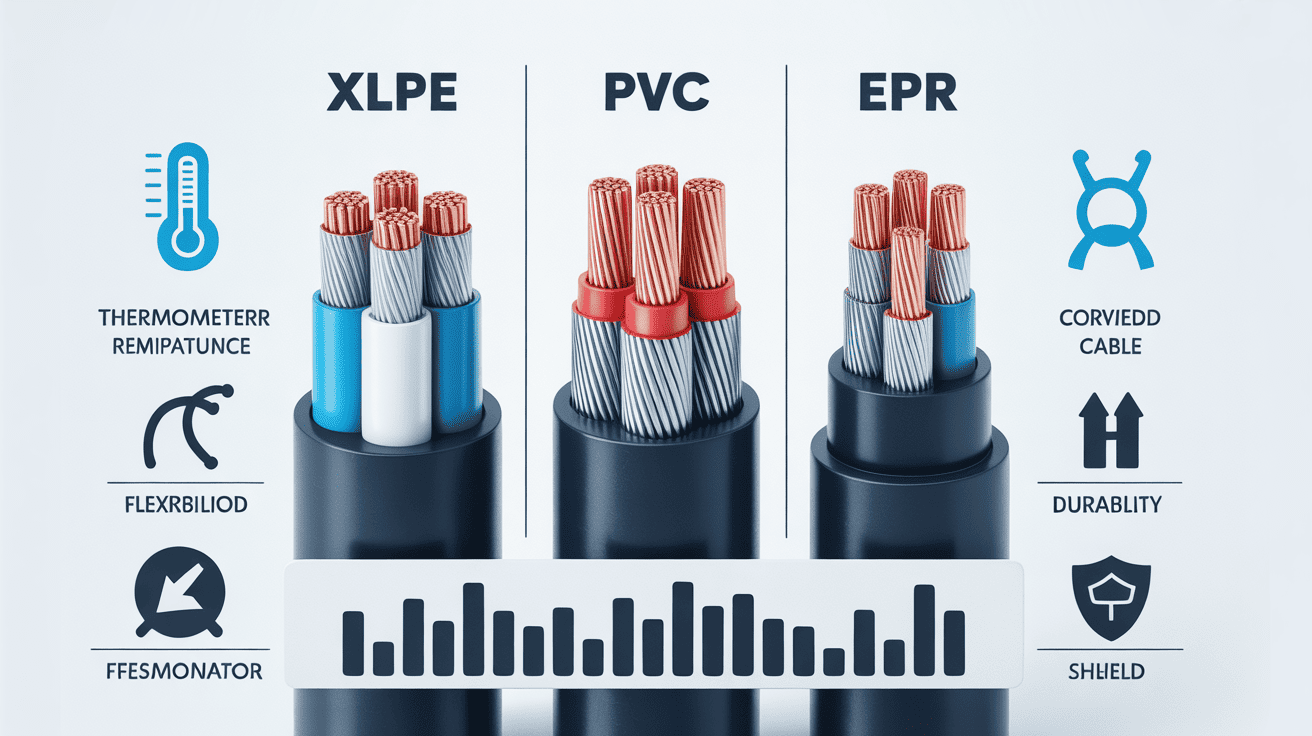
I have seen many factory owners make expensive mistakes by ignoring material properties. Some try to run എക്സ്എൽപിഇ1 on പിവിസി2 machines, while others use പിവിസി2 in high-heat areas where it melts. This leads to customer complaints and lost contracts. Let’s break down the differences so you can choose the right one.
Why Is PVC Still the Most Popular Choice for Low Voltage Cables?
Everyone wants to save money, but is cheap always better? You might be using പിവിസി2 where it doesn’t belong, risking safety and reputation, or ignoring it when it is the perfect fit.
PVC is the standard for low-voltage building wires and control cables because it is cheap, easy to process, and flame retardant. However, it melts at high temperatures and releases toxic smoke, making it unsuitable for high-voltage or critical safety applications.

Understanding PVC in Depth
I have visited hundreds of factories across Asia and the Middle East. In almost every single one, I see PVC (Polyvinyl Chloride) running on the lines. It is the bread and butter of the cable industry. But you need to understand why it is used and where it fails.
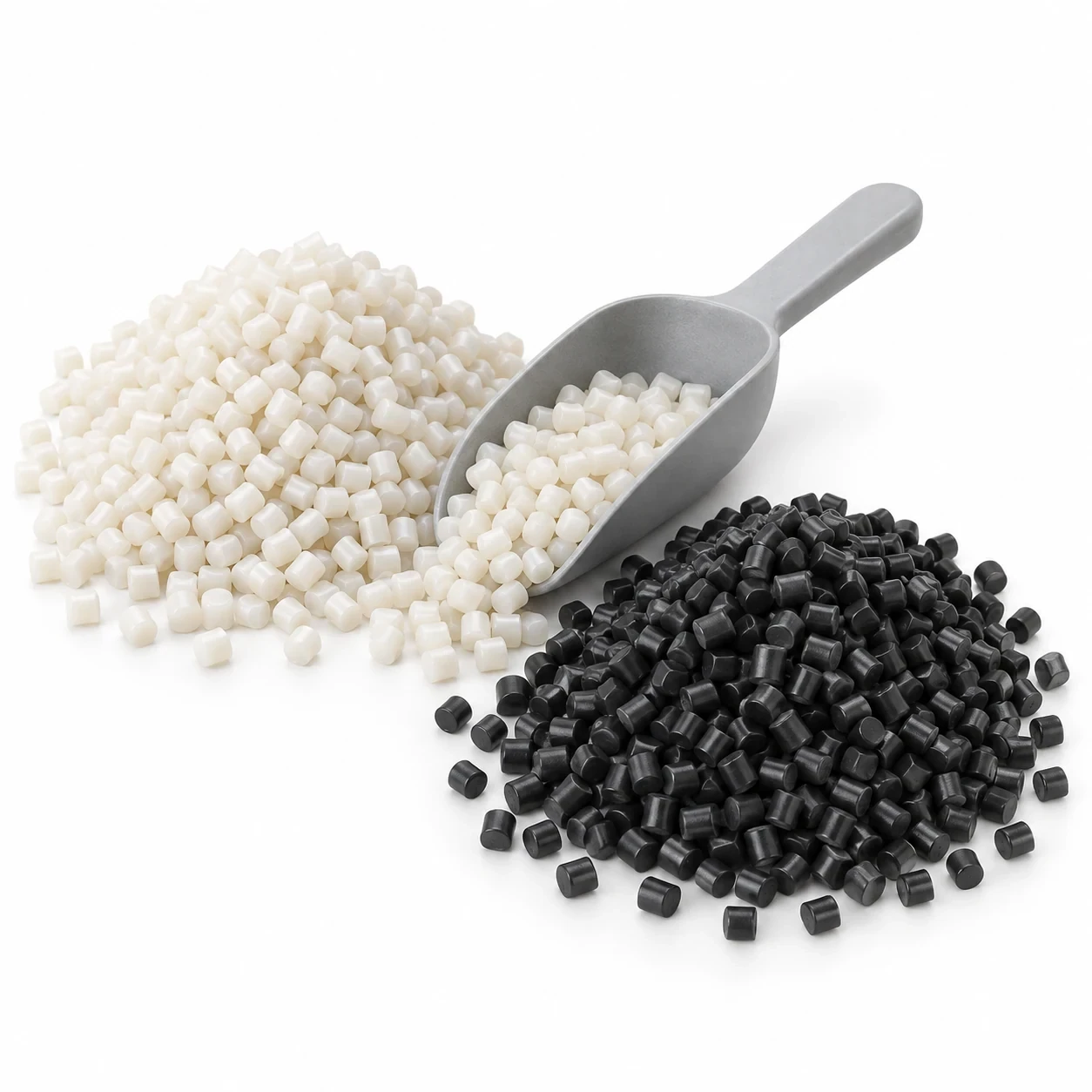
PVC is a thermoplastic. This means when you heat it, it melts. When you cool it, it hardens. You can do this over and over again. This makes it very easy to process. If you make a mistake during extrusion, you can often recycle the waste. For a factory owner, this reduces scrap costs significantly.
However, PVC has limits. It is a polar material. This means it has high dielectric losses. If you try to use PVC for medium or high voltage (above 3kV), the insulation will heat up just from the electricity passing through it. This wastes energy and can destroy the cable. That is why you only see PVC on low-voltage cables (up to 1kV), like house wiring, control cables, and instrumentation cables.
The Role of Additives
Pure PVC is hard and brittle. It looks like a white pipe. To make it flexible for cables, you must add plasticizers. This is where the "recipe" becomes important.
- Plasticizers: ഇവ പൊതുവെ PVC മൃദുവാക്കുന്നു.
- സ്ഥിരീകരണ ഘടകങ്ങൾ: ഇവ എക്സ്ട്രൂഡറിനുള്ളിൽ PVC കത്തുന്നത് തടയുന്നു. ഗതാഗതത്തിൽ, സീസ് സാധാരണമായിരുന്നു. ഇപ്പോൾ, റോഹ്സ് പോലുള്ള പരിസ്ഥിതി നിയമങ്ങൾ പാലിക്കാൻ പല മാർക്കറ്റുകളും കാൽസ്യം-സിങ്ക് (CaZn) ആവശ്യപ്പെടുന്നു.
- ഫില്ലറുകൾ: കാൽസ്യം കാർബണേറ്റ് ചെലവ് കുറയ്ക്കാൻ ഉപയോഗിക്കുന്നു. പക്ഷേ ശ്രദ്ധിക്കുക. നിങ്ങൾ അധികം ഫില്ലർ ചേർക്കുകയാണെങ്കിൽ, ഇൻസുലേഷൻ ദുർബലമായി മാറുകയും എളുപ്പത്തിൽ വിടർക്കപ്പെടുകയും ചെയ്യും.
ഉഷ്ണനില റേറ്റിംഗുകൾ
സ്റ്റാൻഡേർഡ് PVC എന്നത് 70°C വരെ റേറ്റ് ചെയ്തിരിക്കുന്നു. സാധാരണ വീട്ടു വൈറ്റിംഗിന് ഇത് അനുയോജ്യമാണ്. 90°C അല്ലെങ്കിൽ പിന്നീട് 105°C വരെ റേറ്റ് ചെയ്തിരിക്കുന്ന പ്രത്യേക സംയുക്തങ്ങൾ നിങ്ങൾ വാങ്ങാം. പക്ഷേ, ഉഷ്ണനില കൂടുകയാണെങ്കിൽ, PVC മൃദുവാകുന്നു. ഒരു ഷോർട്ട് സർക്യൂട്ട് ഉണ്ടായാൽ, PVC ചൂടിന്റെ സ്പൈക്ക് സഹിക്കാൻ കഴിയില്ല. അത് ഉരുകി വൈറ്റുകൾ തമ്മിൽ ബന്ധിപ്പിക്കുകയും അഗ്നി ഉണ്ടാക്കുകയും ചെയ്യും.
അഗ്നി സുരക്ഷ
PVC സ്വാഭാവികമായി സ്വാഭാവികമായി അഗ്നി തടയുന്നതാണ്. അത് കത്തുന്നത് തടയുന്നു. പക്ഷേ അത് കത്തിയാൽ അത് അപകടകരമാണ്. അത് തടിച്ച, കറുത്ത പുകയും ഹൈഡ്രോക്ലോറിക് ആസിഡ് (HCl) വാതകവും വിടുന്നു. ഈ വാതകം ശ്വാസകോശങ്ങൾ കത്തിക്കുകയും ഇലക്ട്രോണിക് ഉപകരണങ്ങൾ നശിപ്പിക്കുകയും ചെയ്യുന്നു. ഇതാണ് യൂറോപ്പിലെ വിമാനത്താവളങ്ങളോ സബ്വേയോ പോലുള്ള പൊതു സ്ഥലങ്ങളിൽ PVC നിരോധിച്ചിരിക്കുന്നത്.
PVC ഗ്രേഡുകളുടെ സാങ്കേതിക താരതമ്യം
| സവിശേഷത | സ്റ്റാൻഡേർഡ് PVC | ഉഷ്ണത്തിന് പ്രതിരോധിക്കുന്ന PVC | FR-PVC (അഗ്നി തടയുന്നത്) |
|---|---|---|---|
| പ്രവർത്തന താപനില | 70°C | 90°C – 105°C | 70°C |
| ഷോർട്ട് സർക്യൂട്ട് താപനില | 160°C | 160°C | 160°C |
| പ്രധാന ഉപയോഗം | വീട്ടു വൈറ്റിംഗ് | വ്യവസായ വൈറ്റിംഗ് | Power plants |
| ചെലവ് | താഴ്ന്നത് | ഇടത്തരം | ഇടത്തരം |
| വഴക്കം | നല്ലത് | നല്ലത് | നല്ലത് |
If you are setting up a factory for the building construction market, PVC is your first choice. It is forgiving for new operators and the machinery is less expensive.
When Should You Upgrade to XLPE for Better Performance?
Power grids are demanding higher loads, and standard cables are failing. If your cables cannot handle the heat, you will lose major utility contracts to competitors who use better materials.
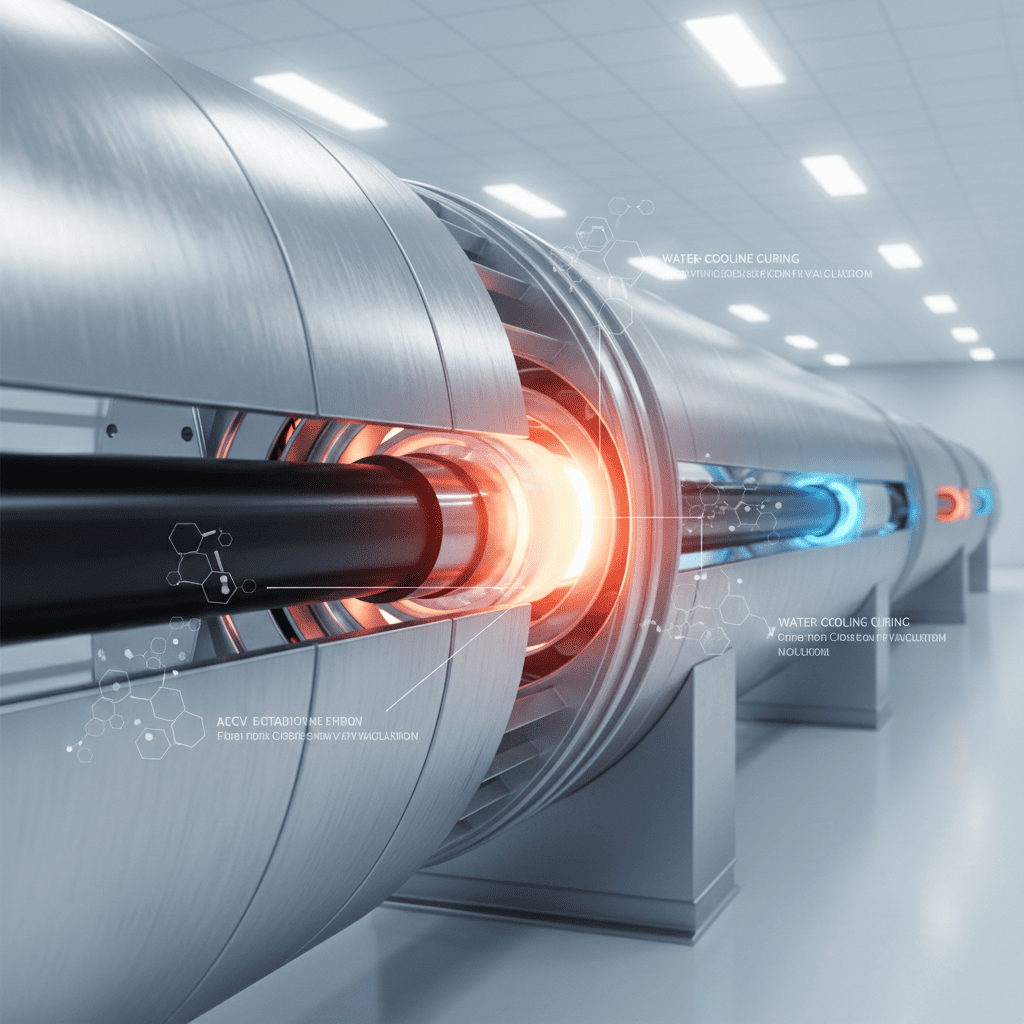
XLPE handles higher operating temperatures up to 90°C and short circuits up to 250°C. It has low dielectric loss, making it ideal for medium and high-voltage transmission lines. It requires specific cross-linking processes like silane or peroxide curing.
The Science of XLPE (Cross-linked Polyethylene)
I often explain XLPE to my clients using a simple analogy. Imagine a bowl of spaghetti.
- PE (Polyethylene): The noodles are just mixed together. If you heat them, they slide apart and melt.
- XLPE: We tie the noodles together with knots. Now, even if you heat them, they cannot slide apart. They hold their shape.
This "tying together" is called cross-linking. It changes the material from a thermoplastic (which melts) to a thermoset (which does not melt).
Why is this important for you?
- Current Capacity: Because XLPE can run at 90°C (compared to PVC’s 70°C), you can push more current through the same size conductor. Or, you can use a smaller conductor for the same current. This saves copper, which is your biggest cost.
- Electrical Properties: XLPE is an excellent insulator. It has very low dielectric loss. This is critical for Medium Voltage (MV) and High Voltage (HV) cables ranging from 10kV to 500kV. PVC simply cannot work at these voltages.
- Moisture Resistance: XLPE resists water better than PVC (though not as well as PE). For underground cables, this is vital.
ഉത്പാദന ചുമതല
XLPE ഉത്പാദിപ്പിക്കുന്നത് PVC ഉത്പാദിപ്പിക്കുന്നതിനേക്കാൾ ബുദ്ധിമുട്ടാണ്. നിങ്ങൾ അത് ഉരുക്കി ആകൃതി നൽകിക്കഴിയില്ല. നിങ്ങൾക്ക് രാസമാറ്റം വരുത്തണം. നിങ്ങളുടെ ഫാക്ടറിയിൽ ഇത് ചെയ്യാൻ രണ്ട് പ്രധാന മാർഗ്ഗങ്ങൾ ഉണ്ട്:
രീതി A: സിലേൻ ക്രോസ്-ലിങ്കിംഗ് (മോയിസ്ചർ ക്യൂർ)
ഇത് ലോ വോൾട്ടേജ് (LV) ചില മീഡിയം വോൾട്ടേജ് കേബിളുകൾക്ക് ജനപ്രിയമാണ്.
- നിങ്ങൾ PE ഒരു സിലേൻ കാറ്റലിസ്റ്റുമായി മിശ്രിപ്പിക്കുന്നു.
- നിങ്ങൾ കേബിൾ എക്സ്ട്രൂഡ് ചെയ്യുന്നു.
- അതിനുശേഷം, നിങ്ങൾ കേബിൾ ചൂടുള്ള വെള്ളത്തിലോ സ്റ്റീം റൂമിലോ (സൗന) വെയ്ക്കുന്നു.
- നിർമ്മാണത്തിൽ നിന്ന് നിർമ്മിച്ച മെറ്റീരിയൽ മോയിസ്ചർ പ്രവേശിച്ച് ക്രോസ്-ലിങ്കുകൾ സൃഷ്ടിക്കുന്നു.
- പ്രോസ്: കുറഞ്ഞ യന്ത്രവ്യയം.
- ദോഷങ്ങൾ: സമയം എടുക്കുന്നു (ഓഫ്ലൈൻ പ്രക്രിയ). മെറ്റീരിയലിന് ചെറിയ ഷെൽഫ് ലൈഫ് ഉണ്ട്.
രീതി B: പെറോക്സൈഡ് ക്രോസ്-ലിങ്കിംഗ് (CCV ലൈൻ)
ഇതാണ് ഹൈ വോൾട്ടേജ് കേബിളുകൾക്കുള്ള സ്റ്റാൻഡേർഡ്.
- നിങ്ങൾ ഒരു പ്രത്യേക കാറ്റനറി കോൺടിന്യൂവസ് വൾക്കനൈസേഷൻ (CCV) ലൈൻ ഉപയോഗിക്കുന്നു.
- എക്സ്ട്രൂഡർ മെറ്റീരിയൽ ആകൃതി നൽകാൻ മാത്രം ചൂടാക്കുന്നു.
- അതിനുശേഷം, കേബിൾ നൈട്രോജൻ വാതകവും ചൂടും നിറഞ്ഞ വളരെ ദീർഘമായ പ്രഷർ ട്യൂബിലേക്ക് പ്രവേശിക്കുന്നു.
- ചൂട് പെറോക്സൈഡ് സജീവമാക്കുകയും ക്രോസ്-ലിങ്കിംഗ് ട്യൂബിനുള്ളിൽ ഉടനടി സംഭവിക്കുകയും ചെയ്യുന്നു.
- പ്രോസ്: വളരെ വേഗത്തിൽ, ഉയർന്ന ഗുണനിലവാരം, ഹൈ വോൾട്ടേജ് കൈകാര്യം ചെയ്യുന്നു.
- ദോഷങ്ങൾ: യന്ത്രങ്ങൾ വളരെ വിലയേറിയവയാണ് (മില്ല്യൻ ഡോളർ). ലൈൻ വളരെ ഉയരമുള്ളതാണ്, വലിയ ഫാക്ടറി ആവശ്യമാണ്.
XLPE ഉത്പാദനത്തിലെ പൊതുവായ ദോഷങ്ങൾ
ഞാൻ എന്റെ ക്ലയന്റുകളുടെ XLPE ലൈനുകൾ പരിഹരിക്കാൻ സഹായിക്കുമ്പോൾ, ഞാൻ ഈ പ്രശ്നങ്ങൾ പലപ്പോഴും കാണുന്നു:
- പൂർവ്വ ക്യൂറിംഗ് (സ്കോർച്ചിംഗ്): എക്സ്ട്രൂഡർ അധികം ചൂടാകുമ്പോൾ, XLPE ക്രോസ്-ലിങ്ക് ചെയ്യാൻ തുടങ്ങുന്നു അകത്ത് സ്ക്രൂ. ഇത് കേബിളിന്റെ ഉപരിതലത്തിൽ കഠിനമായ കട്ടികൾ സൃഷ്ടിക്കുന്നു. നിങ്ങൾക്ക് കൃത്യമായ താപനില നിയന്ത്രണം ആവശ്യമാണ്.
- വെള്ളത്തിന്റെ വൃക്ഷങ്ങൾ: മീഡിയം വോൾട്ടേജ് കേബിളുകളിൽ, ചെറിയ റിക്തങ്ങൾ വെള്ളത്താൽ നിറയുകയും വൈദ്യുത സ്ട്രെസ്സിന് കീഴിൽ ഒരു വൃക്ഷ ഘടനയായി വളരുകയും ചെയ്യും. ഇത് അന്തിമമായി കേബിൾ പരാജയപ്പെടുത്തുന്നു. ഇത് തടയാൻ നിങ്ങൾക്ക് അത്യധികം ശുദ്ധമായ സാമഗ്രികളും ഒരു വരണ്ട ക്യൂറിംഗ് പ്രക്രിയയും (CCV) ആവശ്യമാണ്.
XLPE വിപരീതം PVC വൈദ്യുത താരതമ്യം
| പ്രോപ്പർട്ടി | പിവിസി | എക്സ്എൽപിഇ |
|---|---|---|
| ഡൈ-ഇലക്ട്രിക് സ്ഥിരാങ്കം | 4.0 – 8.0 | 2.3 |
| ഡൈ-ഇലക്ട്രിക് നഷ്ടം (ടാൻ ഡെൽട്ട) | അധികം ഉയർന്നത് (0.05 – 0.10) | അത്യധികം കുറവ് (0.0004) |
| ഘനത്തിന്റെ പ്രതിരോധം | $10^{13}$ – $10^{14}$ ഒം-സെ.മി. | $10^{16}$ ഒം-സെ.മി. |
| അധിക പ്രവർത്തന താപനില | 70°C | 90°C |
| ഓവർലോഡ് താപനില | 160°C | 250°C |
നിങ്ങൾ യൂട്ടിലിറ്റി കമ്പനികളോ പവർ ഗ്രിഡുകളോ വിൽക്കാൻ ആഗ്രഹിക്കുന്നെങ്കിൽ, നിങ്ങൾ XLPE ഉൽപ്പാദനം കൃത്യമായി പഠിക്കണം.
EPR കഠിനമായ പരിസ്ഥിതികൾക്കായുള്ള അന്തിമ പരിഹാരമാണോ?
ഖനനങ്ങളിലും പോത്തുകളിലും ഉപയോഗിക്കുന്ന കേബിളുകൾ നിരന്തരമായ ചലനവും വെള്ളവും നേരിടുന്നു. കഠിനമായ വിദ്യുത് വിച്ഛേദനം പിളർന്നുപോകുകയും പ്രവർത്തിക്കാതാകുകയും ചെയ്യുന്നു, ഇത് വലിയ നഷ്ടങ്ങളും അപകടകരമായ സംഭവങ്ങളും ഉണ്ടാക്കുന്നു. റബ്ബർ കേബിളുകളുടെ പ്രത്യേക മാർക്കറ്റ് നിങ്ങൾ അവഗണിക്കുകയാണോ?
EPR എന്നത് ഹിമീകരണ താപനിലയിലും ദ്രവ്യമായി നിലനിൽക്കുന്ന റബ്ബർ വിദ്യുത് വിച്ഛേദനമാണ്. ഇത് XLPE എന്നതിനേക്കാൾ വെള്ളം, ഒസോൺ, കാലാവസ്ഥാ പ്രതിരോധം മികച്ചതാണ്. ഇത് ഖനന കേബിളുകൾക്കും, മരീൻ കേബിളുകൾക്കും, ദ്രവ്യമായ ഔദ്യോഗിക കേബിളുകൾക്കും ഏറ്റവും മികച്ച തിരഞ്ഞെടുപ്പാണ്, ഇത് കൂടുതൽ ചെലവുള്ളതായിരുന്നിട്ടും.

EPR (എത്തിലീൻ പ്രോപ്പിലീൻ റബ്ബർ) യുടെ അദ്വിതീയ ഗുണങ്ങൾ
EPR എന്നത് PVC യും XLPE യും വ്യത്യസ്തമാണ്. ഇത് ഒരു എലാസ്റ്റോമർ (റബ്ബർ) ആണ്. XLPE കഠിനമാണ്, എന്നാൽ EPR മൃദുവും ദ്രവ്യമായുമാണ്.
ഞാൻ ഒരു ദക്ഷിണ അമേരിക്കൻ തീവ്ര ഖനനത്തിലെ ഒരു പ്രോജക്റ്റ് ഓർമ്മിക്കുന്നു. അവർ തങ്ങളുടെ ഡ്രാഗ്ലൈൻസിനായി (വലിയ ഖനന യന്ത്രങ്ങൾ) XLPE കേബിളുകൾ ഉപയോഗിച്ചിരുന്നു. യന്ത്രങ്ങൾ നിരന്തരം ചലിക്കുന്നതിനാൽ കേബിളുകൾ പിളർന്നുപോയി. ഞങ്ങൾ അവർക്ക് EPR ആക്കി മാറാൻ ശുപാർശ ചെയ്തു. പിളർച്ച ഉടൻ നിർത്തി.
EPR എന്തുകൊണ്ട് തിരഞ്ഞെടുക്കണം?
- വഴക്കം: EPR3 -50°C വരെയും ദ്രവ്യമായി നിലനിൽക്കുന്നു. പിവിസി2 ഈ താപനിലയിൽ ഗ്ലാസിനെ പോലെ കഠിനമായി മാറി തുക്കുന്നു. എക്സ്എൽപിഇ1 ഇത് കട്ടിയുള്ളതും വളയ്ക്കാൻ ബുദ്ധിമുട്ടുള്ളതുമാണ്. കേബിൾ ചലിക്കേണ്ടിവരുന്നുവെങ്കിൽ (ഉദാഹരണത്തിന്, ക്രേൻ, എലവേറ്റർ, അല്ലെങ്കിൽ വിൻഡ് ടർബൈൻ എന്നിവയിൽ), EPR ആണ് ഏറ്റവും നല്ല തിരഞ്ഞെടുപ്പ്.
- കോറോണ പ്രതിരോധം: EPR എന്നത് XLPE എന്നതിനേക്കാൾ "കോറോണ വികിരണം" പ്രതിരോധിക്കുന്നു. ഇത് ഇൻസുലേഷൻ കഴുകി നീക്കം ചെയ്യുന്ന ഒരു പാക്ഷിക വൈദ്യുത വികിരണമാണ്. ഇത് ചെറിയ സ്ഥലങ്ങളിൽ ഉയർന്ന വോൾട്ടേജ് കണക്ഷനുകൾക്കായി EPR വളരെ വിശ്വസനീയമാക്കുന്നു.
- താപ സ്ഥിരത: XLPE പോലെ, EPR എന്നത് 90°C എന്ന റേറ്റിംഗിനായി അനുമതിക്കപ്പെട്ടിരിക്കുന്നു. എന്നാൽ, ഇത് താപ സ്പൈക്കുകൾ കൂടുതൽ നല്ലവിധം കൈകാര്യം ചെയ്യുന്നു. ഇത് ഉരുകുന്നില്ല. ഇത് ചാരമായി മാറുന്നു, എന്നാൽ ചെറു സമയത്തേക്ക് ചില ഇൻസുലേറ്റിംഗ് സവിശേഷതകൾ സൂക്ഷിക്കുന്നു.
- ജല പ്രതിരോധം: EPR എന്നത് നനഞ്ഞ പരിസ്ഥിതികളിൽ അത്യുത്തമമാണ്. ഇത് പലപ്പോഴും സബ്മേഴ്സിബിൾ പമ്പ് കേബിളുകൾക്കും കപ്പലുകളിലെ മറീൻ കേബിളുകൾക്കും ഉപയോഗിക്കുന്നു.
ചെലവ് ഘടകം
EPR വളരെ വിലയേറിയതാണ്. പാക്കറ്റ് ചെലവ് PVC ഉം XLPE ഉം അപേക്ഷിച്ച് കൂടുതലാണ്. കൂടാതെ, EPR ഇൻസുലേഷൻ യുടെ വാൾ തോളം സമാനമായ വൈദ്യുത ശക്തി നേടാൻ XLPE എന്നതിനേക്കാൾ കൂടുതൽ ആവശ്യമായിരിക്കും. ഇത് ചെലവ് വർദ്ധിപ്പിക്കുന്നു.
EPR പ്രോസസ്സിംഗ്
EPR നിർമ്മാണം ഒരു റബ്ബർ എക്സ്ട്രൂഡർ ആവശ്യമാക്കുന്നു.
- തീറ്റ: നിങ്ങൾ സാധാരണയായി പെല്ലറ്റുകൾ അല്ല, റബ്ബർ സ്ട്രിപ്പുകൾ നൽകുന്നു.
- സ്ക്രൂ ഡിസൈൻ: അധിക ഘർഷണ ചൂട് തടയാൻ സ്ക്രൂ ചെറുതാണ് (കുറഞ്ഞ L/D അനുപാതം).
- വൾക്കനൈസേഷൻ: XLPE പോലെ, EPR എന്നത് ക്യൂറിംഗ് ചെയ്യേണ്ടതുണ്ട്. ഇത് സ്റ്റീം ഉപയോഗിച്ച് CV ലൈൻ (നിരന്തര വൾക്കനൈസേഷൻ) ഉപയോഗിച്ചാണ് നടത്തുന്നത്.
താരതമ്യം: EPR വി.എസ്. XLPE
| സവിശേഷത | എക്സ്എൽപിഇ | EPR |
|---|---|---|
| വഴക്കം | കട്ടിയുള്ളത് (കഠിനം) | അത്യധികം ലളിതമായത് |
| ജല പ്രതിരോധം | നല്ലത് | മികച്ചത് |
| ഒസോൺ പ്രതിരോധം | നല്ലത് | മികച്ചത് |
| ഡൈഇലക്ട്രിക് നഷ്ടം | അത്യധികം കുറവ് (HV നിമിത്തം ഏറ്റവും മികച്ചത്) | XLPE നേക്കാൾ കൂടുതൽ |
| ചെലവ് | ഇടത്തരം | ഉയർന്ന |
| പ്രോസസ്സിംഗ് | എക്സ്ട്രൂഷൻ + ക്യൂറിംഗ് | റബ്ബർ എക്സ്ട്രൂഷൻ + ക്യൂറിംഗ് |
| സാധാരണ ഉപയോഗം | പവർ ഗ്രിഡ്, ഭൂമിയിൽ കിടക്കുന്ന കേബിൾ | ഖനനം, മരീൻ, വിൻഡ്, സോളാർ |
ഒരു കേബിൾ ചലിക്കുകയോ ആവർത്തിച്ച് അലച്ചുകളയുകയോ വെള്ളത്തിൽ സ്ഥിതിചെയ്യുകയോ ചെയ്യേണ്ടിവരുമെങ്കിൽ, നിങ്ങളുടെ ഗ്രാഹകനു വേണ്ടി EPR വിൽക്കുക.
സാമഗ്രി തിരഞ്ഞെടുപ്പ് നിങ്ങളുടെ യന്ത്രങ്ങളുടെ ആവശ്യങ്ങളെ എങ്ങനെ മാറ്റുന്നു?
ഒരേ യന്ത്രത്തിൽ എല്ലാ സാമഗ്രികളും പ്രവർത്തിപ്പിക്കാൻ കഴിയില്ല. തെറ്റായ സ്ക്രൂ രൂപകൽപ്പന അല്ലെങ്കിൽ താപനിലാ പ്രൊഫൈൽ ഉപയോഗിച്ചാൽ നിങ്ങളുടെ ഉപകരണങ്ങൾക്ക് നഷ്ടം ഉണ്ടാകുകയും ടൺസ് വരെ കച്ചവട സാമഗ്രികൾ നഷ്ടപ്പെടുകയും ചെയ്യും. നിങ്ങൾക്ക് ശരിയായ സജ്ജീകരണമുണ്ടോ?
PVC സുട്ടുപോകാതിരിക്കാൻ PVC- പ്രത്യേക സ്ക്രൂകൾ ആവശ്യമാണ്. XLPE എക്സ്ട്രൂഡറിൽ മുൻ ക്യൂറിംഗ് ഒഴിവാക്കാൻ കൃത്യമായ താപനില നിയന്ത്രണം ആവശ്യമാണ്. EPR ന് നിരന്തര വൾക്കനൈസേഷൻ (CV) ട്യൂബുകൾ ഉള്ള റബ്ബർ എക്സ്ട്രൂഡറുകൾ ആവശ്യമാണ്. നിങ്ങളുടെ യന്ത്രസജ്ജീകരണം സാമഗ്രി തിരഞ്ഞെടുപ്പിന് അനുസൃതമായിരിക്കണം, കാര്യക്ഷമത ഉറപ്പാക്കാൻ.

യന്ത്രം സാമഗ്രിയുമായി പൊരുത്തപ്പെടുത്തുക
HONGKAI-ൽ, ഞങ്ങൾ പതിവായി "യൂണിവേഴ്സൽ യന്ത്രങ്ങൾ" ആവശ്യപ്പെടുന്ന അഭ്യർത്ഥനകൾ നേരിടുന്നു. ഗ്രാഹകർ ചോദിക്കുന്നു: "ഞാൻ PVC, XLPE, റബ്ബർ എന്നിവ പ്രവർത്തിപ്പിക്കാൻ ഒരു യന്ത്രം വാങ്ങാമോ?"
സത്യമായ ഉത്തരം: ഇല്ല.
നിങ്ങൾ സ്ക്രൂ മാറ്റിയാൽ ചിലപ്പോൾ PVC ഉം XLPE ഉം ഒരേ എക്സ്ട്രൂഡറിൽ പ്രവർത്തിപ്പിക്കാം, പക്ഷേ അത് കാര്യക്ഷമമല്ല. റബ്ബർ (EPR) പ്ലാസ്റ്റിക് എക്സ്ട്രൂഡറിൽ പ്രവർത്തിപ്പിക്കാൻ നിങ്ങൾക്ക് തീർച്ചയായും കഴിയില്ല. ഞാൻ ഇതിന് സാങ്കേതിക കാരണങ്ങൾ വിശദീകരിക്കാം.
1. എക്സ്ട്രൂഡർ സ്ക്രൂ രൂപകൽപ്പന
The screw is the heart of the machine. It melts and pushes the material.
-
For PVC: PVC is heat-sensitive. If it stays in the barrel too long, it burns.
- Screw Type: We use a screw with a low compression ratio (around 1:1.2 to 1:1.5).
- തണുപ്പിക്കൽ: The screw often has oil cooling inside it. The barrel has air blowers. This keeps the temperature stable.
- Material: The screw must be chrome-plated or made of bimetallic alloy to resist the acid corrosion from PVC.
-
For XLPE: XLPE is hard to melt but easy to scorch (pre-cure).
- Screw Type: We use a barrier screw or a specialized mixing screw. The compression ratio is higher (around 1:2.5 to 1:3.0) to generate enough shear heat to melt the pellets.
- Temperature Control: We need very precise water cooling systems on the barrel. If the temperature overshoots by even 5 degrees, the material creates "amber" (burnt spots) in the insulation.
-
For EPR (Rubber): Rubber does not melt like plastic; it flows.
- Screw Type: The L/D ratio (Length to Diameter) is short, usually 12:1 to 16:1. Plastic extruders are long (24:1 or 26:1).
- തീറ്റ: Rubber extruders often use a "feed roll" to pull the rubber strip in. Plastic extruders use a hopper for pellets.
2. The Crosshead (The Mold)
- പിവിസി: Uses a standard crosshead. It is simple and easy to clean.
- XLPE: Requires a streamlined crosshead. There can be no "dead spots" where material sits still. If material stops moving, it cures and blocks the flow.
- EPR: XLPE യുമായി സമാനമാണ്, പക്ഷേ പതിവായി വൃത്തിയാക്കേണ്ടി വരുന്നു.
3. ശീതീകരണ/ക്യൂറിംഗ് സിസ്റ്റം
ഇതാണ് നിങ്ങളുടെ ഫാക്ടറി ലേഔട്ടിലെ ഏറ്റവും വലിയ വ്യത്യാസം.
- PVC ലൈൻ: എക്സ്ട്രൂഡർ -> വെള്ളത്തിന്റെ ട്രോഗ് -> കാപ്സ്റ്റാൻ -> ടേക്ക്-അപ്പ്.
- സ്ഥലം: കേബിൾ പ്രായോഗികമായി ശീതീകരിക്കാൻ നിങ്ങൾക്ക് ഒരു നീളമുള്ള ചൂടുള്ള വെള്ളത്തിന്റെ ട്രോഗ് മാത്രമേ ആവശ്യമുള്ളൂ.
- XLPE/EPR ലൈൻ: എക്സ്ട്രൂഡർ -> CV ട്യൂബ് (സ്റ്റീം/നൈട്രജൻ) -> വെള്ളം ശീതീകരണം -> ടേക്ക്-അപ്പ്.
- സ്ഥലം: നിങ്ങൾക്ക് ഒരു കാറ്റനറി കോൺടിന്യൂവസ് വൾക്കനൈസേഷൻ (CCV) ലൈൻ ആവശ്യമാണ്. ഇത് ഒരു വലിയ ട്യൂബാണ്, ചൂടുള്ളതും മൃദുവുമായ കേബിൾ ചുമരുകളെ തൊടാതിരിക്കാൻ വക്രത്തിൽ (കാറ്റനറി) താഴ്ത്തിയിരിക്കുന്നു.
- Height: You might need a tower that is 30 to 50 meters high for the extruder, so the cable can hang down vertically (VCV) for very high voltage cables.
ഫാക്ടറി ഉടമകൾക്കുള്ള എന്റെ ഉപദേശം
If you are starting, do not try to do everything. Start with a dedicated PVC line. It is the easiest to manage. Once you have cash flow, invest in a separate CCV line for XLPE. Do not try to swap screws every day on one machine. The downtime and cleaning costs will eat your profits.
ഈ വസ്തുക്കൾ തമ്മിലുള്ള യഥാർത്ഥ ചെലവ് വ്യത്യാസം എന്താണ്?
Raw material price is just one part of the equation. If you only look at the price per kilogram, you might miss the hidden costs of processing and failures. How do you calculate the true ROI?
PVC is the cheapest raw material. XLPE costs more but allows for smaller conductor sizes due to better thermal ratings, saving copper costs. EPR is the most expensive but saves money on maintenance in harsh environments where other cables fail.

ഇൻസുലേഷന്റെ സാമ്പത്തികശാസ്ത്രം
ഞാൻ നിക്ഷേപകരുമായി സംസാരിക്കുമ്പോൾ, അവർ എപ്പോഴും പ്ലാസ്റ്റിക്കിന്റെ വിലയെക്കുറിച്ചാണ് ചോദിക്കുന്നത്. എന്നാൽ കേബിൾ നിർമ്മാണത്തിൽ, പ്ലാസ്റ്റിക്ക് ആകെ ചെലവിന്റെ ഒരു ചെറിയ ഭാഗമാണ്. കോപ്പർ (അല്ലെങ്കിൽ അലുമിനിയം) 70-80% ആണ് ചെലവ്.
ഒരു സാമ്പത്തിക വിഭജനം നോക്കാം.
1. അസ്ഥിവാര വസ്തുക്കളുടെ ചെലവ് (ഏകദേശ അനുപാതങ്ങൾ)
- പിവിസി4: അടിസ്ഥാന ചെലവ് (1.0x). ഇത് ഒരു കമോഡിറ്റിയാണ്. വിലകൾ സ്ഥിരമാണ്.
- എക്സ്എൽപിഇ5: ഉയർന്ന ചെലവ് (1.3x – 1.5x). നിങ്ങൾ ക്രോസ്-ലിങ്കിംഗ് ഏജന്റുകൾക്കായി പണം നൽകുന്നു.
- EPR6: ഏറ്റവും ഉയർന്ന ചെലവ് (2.0x – 3.0x). റബ്ബർ കോമ്പൗണ്ടുകൾ സങ്കീർണ്ണവും വിലകൂടിയതുമാണ്.
2. "കോപ്പർ സേവിംഗ്" ഇഫക്റ്റ്
ഇതാണ് XLPE വിൽക്കുന്നതിന്റെ രഹസ്യം.
നിങ്ങൾ 300 Amps വൈദ്യുതി കൊണ്ടുപോകണമെന്ന് കൽപ്പിച്ചുകൊള്ളുക.
- PVC ഉപയോഗിച്ചാൽ: നിങ്ങൾ 70°C വരെ പരിമിതരാണ്. കേബിൾ തണുത്തിടുവാൻ നിങ്ങൾക്ക് ഒരു 150mm² കോപ്പർ കൺഡക്ടർ ആവശ്യമാകും.
- XLPE ഉപയോഗിച്ചാൽ: You can run at 90°C. The cable can get hotter safely. You might only need a 120mm² copper conductor to carry the same 300 Amps.
ആ കോപ്പറിൽ സാമ്പത്തിക സമ്പദ്ധാരണ വളരെ വലുതാണ്. അത് XLPE പ്ലാസ്റ്റിക്കിന്റെ അധിക ചെലവിൽ നിന്ന് വളരെ വലുതാണ്. ഇതാണ് യൂട്ടിലിറ്റി കമ്പനികൾ XLPE തിരഞ്ഞെടുക്കുന്നത്. ഇത് ആകെ പ്രോജക്ട് ചെലവ് കുറയ്ക്കുന്നു.
3. പ്രവർത്തന ചെലവുകൾ7 (OPEX)
- PVC: കുറഞ്ഞ ഊർജ്ജ ചെലവ്. ക്യൂറിംഗ് ആവശ്യമില്ല. കുറഞ്ഞ സ്ക്രാപ്പ് നിരക്കുകൾ.
- XLPE (സിലേൻ): മീഡിയം ചെലവ്. സൗണയ്ക്ക്/സ്റ്റീം ബാത്തിന് നിങ്ങൾക്ക് ഊർജ്ജം ആവശ്യമാണ്.
- XLPE (CCV): ഉയർന്ന ഊർജ്ജ ചെലവ്. CV ട്യൂബ് ഉയർന്ന താപവും മർദ്ദവും പിടിച്ചുനിർത്താൻ ധാരാളം വൈദ്യുതിയോ ഗ്യാസോ ഉപയോഗിക്കുന്നു. നിങ്ങൾക്ക് നൈട്രജൻ വാതകവും ആവശ്യമാണ്.
- EPR: ഉയർന്ന ഊർജ്ജ ചെലവ്. CCV ലൈനുകളുമായി സാമ്യമുള്ളത്.
4. Lifetime Value (LTV)
- PVC: Lasts 20-25 years. Good for buildings that will be renovated.
- XLPE: Lasts 30-40 years. Essential for infrastructure that is buried underground.
- EPR: Lasts 40+ years in harsh conditions. If a mining cable fails, the mine loses $10,000 per hour. Paying double for EPR is cheap insurance.
ROI കണക്കുകൂട്ടൽ ഉദാഹരണം
നിങ്ങൾ ഒരു ഫാക്ടറി പദ്ധതിക്ക് ബിഡ് ചെയ്യുകയാണെന്ന് കരുതുക.
- Cable Cost: $100,000
- Installation: $50,000
- Maintenance (over 20 years): $20,000
- Total: $170,000
Option B: എക്സ്എൽപിഇ5 കേബിളുകൾ
- Cable Cost: $110,000 (Higher material cost)
- Net Cable Cost: $95,000
- Installation: $50,000
- Maintenance: $5,000 (More reliable)
- Total: $150,000
In this scenario, XLPE is actually cheaper upfront and long-term. You need to educate your customers on this math. At HONGKAI, we help our clients prepare these calculations to win bids.
ഭാവി പ്രവണതകൾ: ഇൻസുലേഷൻ സാങ്കേതികവിദ്യ എവിടേക്കാണ് പോകുന്നത്?
വ്യവസായം നിശ്ചലമായി നിൽക്കുന്നില്ല. പുതിയ നിയമങ്ങളും പരിസ്ഥിതി സംബന്ധിയായ ആശങ്കകളും മെച്ചപ്പെട്ട മെറ്റീരിയലുകൾക്കായി തള്ളുന്നു. കേബിൾ ഇൻസുലേഷന്റെ അടുത്ത തലമുറയ്ക്ക് നിങ്ങൾ തയ്യാറാണോ?
വ്യവസായം HFFR (ഹലോജൻ-ഫ്രീ ഫ്ലേം റിട്ടാർഡന്റ്), പുനഃചക്രീകരിക്കാവുന്നത് തുടങ്ങിയ പരിസ്ഥിതി സൗഹൃദ വസ്തുക്കളിലേക്ക് മാറുകയാണ് Polypropylene8 (PP) മീഡിയം വോൾട്ടേജ് കേബിളുകൾക്ക്. പുതിയ കേബിൾ സ്പെസിഫിക്കേഷനുകൾക്ക് സുസ്ഥിരതയും അഗ്നിസുരക്ഷയും പ്രധാന പ്രേരകശക്തികളായി മാറുകയാണ്.
PVC, XLPE, EPR എന്നിവയ്ക്കപ്പുറം
ഈ മൂന്നും നിലവിലെ രാജാക്കന്മാരാണെങ്കിലും, യൂറോപ്പിലും ഉയർന്ന നിലവാരമുള്ള ഏഷ്യൻ വിപണികളിലും പ്രത്യേകിച്ച്, വിപണിയിൽ ഒരു മാറ്റം ഞാൻ കാണുന്നു.
1. HFFR / LSZH (Low Smoke Zero Halogen)
PVC അത് പുറന്തള്ളുന്ന വിഷവാതകം കാരണം ആക്രമണത്തിന് ഇടയാകുന്നു.
2. PP (Polypropylene) for Medium Voltage
A new competitor to XLPE.
3. DC Cables (Direct Current)
പുനരുജ്ജീവ ഊർജ്ജത്തിന്റെ കാരണം ഹൈ വോൾട്ടേജ് DC കേബിളുകൾ വർദ്ധിച്ചുകൊണ്ടിരിക്കുന്നു.
നിങ്ങളുടെ ഫാക്ടറി തയ്യാറാക്കുന്നത് എങ്ങനെ
- നിങ്ങളുടെ എക്സ്ട്രൂഡറുകൾക്ക് കടുപ്പമേറിയ LSZH മെറ്റീരിയലുകൾ കൈകാര്യം ചെയ്യാൻ ശക്തമായ മോട്ടോറുകളും ഗിയർബോക്സുകളും ഉണ്ടെന്ന് ഉറപ്പാക്കുക.
- വ്യത്യസ്ത കൂളിംഗ് നിരക്കുകൾക്കനുസരിച്ച് ക്രമീകരിക്കാവുന്ന ഫ്ലെക്സിബിൾ കൂളിംഗ് സിസ്റ്റങ്ങൾ തിരയുക.
- ഗുണനിലവാര നിയന്ത്രണ ഉപകരണങ്ങളിൽ നിക്ഷേപിക്കുക. വസ്തുക്കൾ കൂടുതൽ സങ്കീർണ്ണമാകുമ്പോൾ, പിശകിനുള്ള സാധ്യത കുറയുന്നു.
At HONGKAI, we are constantly updating our machinery designs to handle these new compounds. We test them so you don’t have to guess.
ഉപസംഹാരം
Choosing between PVC, XLPE, and EPR defines your market. PVC is for cost-effective building wire. XLPE is for efficient power transmission. EPR is for heavy-duty industrial use. Match your machinery to your material for success.
-
ഉയർന്ന വോൾട്ടേജ് അപ്ലിക്കേഷനുകൾക്ക് XLPE താൽപ്പര്യമുള്ളതായി എന്തുകൊണ്ടാണെന്നും അത് നിങ്ങളുടെ പദ്ധതികൾക്ക് എങ്ങനെ ഗുണകരമാകുമെന്നും മനസ്സിലാക്കുക.↩ ↩
-
Explore the pros and cons of PVC insulation to make informed decisions for your projects. ↩ ↩ ↩ ↩
-
വിവിധ വ്യവസായങ്ങളിലെ വെല്ലുവിളികള് നിറഞ്ഞ സാഹചര്യങ്ങള്ക്ക് EPR ഇന്സുലേഷന്റെ അദ്വിതീയമായ ഗുണങ്ങള് കണ്ടെത്തുക.↩
-
Explore the benefits of PVC, the most cost-effective raw material for cables, and its stable pricing. ↩ ↩
-
XLPE അതിന്റെ താപ റേറ്റിംഗുകളും കോപ്പർ ലാഭവും കാരണം എന്തുകൊണ്ട് പ്രിയപ്പെടുന്നു എന്ന് മനസ്സിലാക്കുക, ഇത് ഒരു ബുദ്ധിമുട്ടുള്ള നിക്ഷേപമാണ്.↩ ↩
-
Discover how EPR cables provide long-lasting performance in challenging conditions, reducing maintenance costs. ↩
-
നിങ്ങളുടെ ബജറ്റ് ഒപ്റ്റിമൈസ് ചെയ്യുന്നതിന് വിവിധ കേബിൾ മെറ്റീരിയലുകളുടെ ഊർജ്ജ ചെലവുകളും കാര്യക്ഷമതയും മനസ്സിലാക്കുക.↩
-
Discover the benefits of recyclable polypropylene as a sustainable alternative to XLPE. ↩