












You want to enter the power cable market, but the upfront costs scare you. Many dream of running their own factory, yet hidden expenses lead to failure and debt. This guide breaks down every cost to help you plan wisely.
Setting up a mid-sized power cable factory in 2026 is expected to cost between $3.5 million and $7 million USD. This covers facility setup, machinery purchase, raw materials stock, labor hiring, regulatory compliance, and initial operations. Costs vary by location, scale, and tech choices like automation.
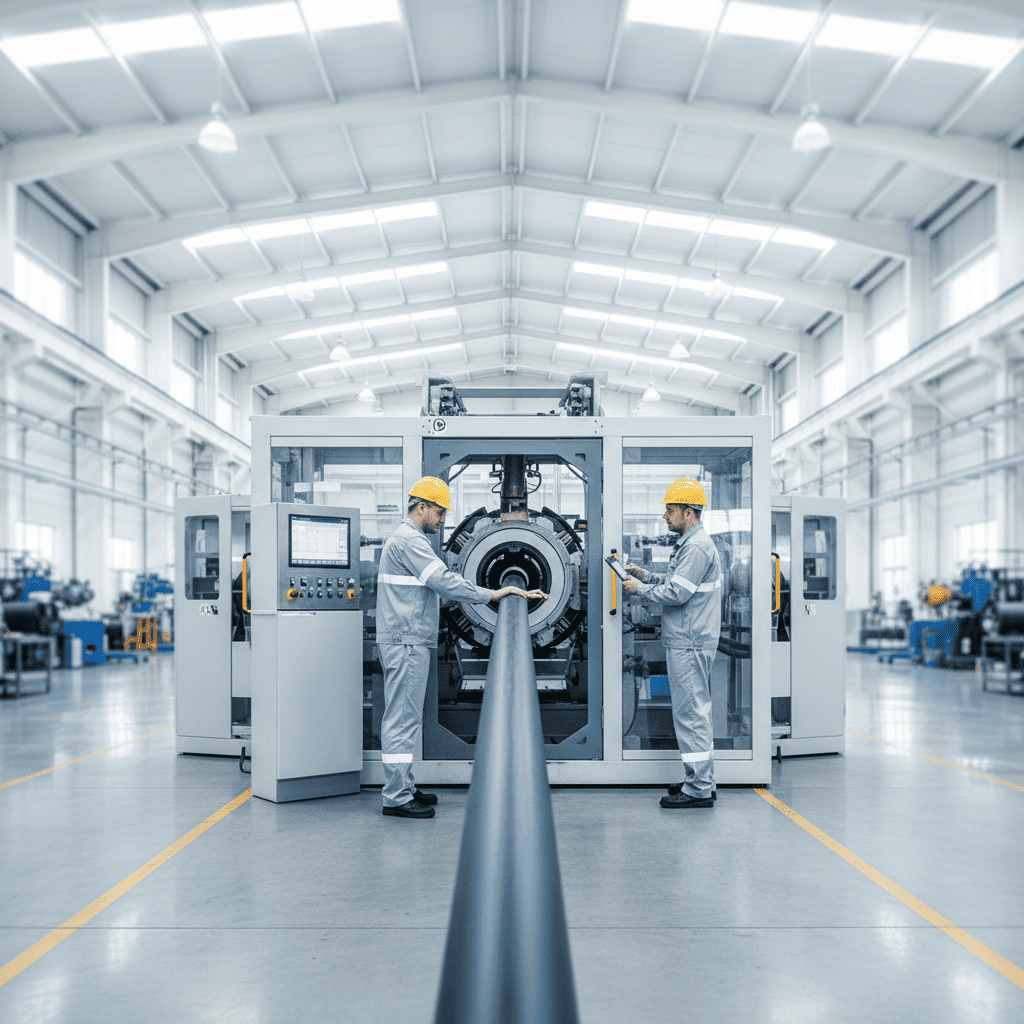
Knowing these numbers helps you avoid surprises. It turns a risky venture into a smart investment. Now, we dive into each cost area. I share insights from helping clients at HONGKAI build their operations.
What Machinery Do You Need for Power Cable Production?
Power cables need specific machines to twist wires, insulate them, and sheath the final product. Without the right equipment, your factory produces junk. This leads to recalls, lost customers, and wasted money.
The core machinery for a mid-sized, low- to medium-voltage power cable factory1 includes wire drawing machines, bunchers, extruders, and testing equipment. Expect to spend $1.5 million to $3.5 million on these. Prices rise 4-5% yearly due to inflation and tech upgrades like servo motors for precision.
You start with raw copper or aluminum rods. A wire drawing machine pulls them into thin wires. Next, a buncher twists multiple strands into a conductor. Then, an extruder applies insulation, such as XLPE, followed by another extruder for the outer sheath. Cooling troughs, capstans, and take-up machines handle the flow. Finally, a testing setup checks voltage and insulation integrity.
At HONGKAI, we design these lines for efficiency. A basic setup for 2-10mm² cables might cost $1.2 million. Add automation, and it hits $2.5 million. I recall a client in the Middle East. They skimped on a proper buncher and faced constant breaks. We replaced it with our servo-controlled model. Their output doubled, and downtime vanished. For 2026, factor in supply chain hikes from global tensions. Copper prices fluctuate, but machinery, steel, and electronics add 10% to quotes. Choose modular systems. They allow you to scale without a full replacement.
Budget for installation too. It takes skilled technicians 4-6 weeks, for $50,000-$100,000, including travel expenses. Maintenance kits and spares add 5-10% to the upfront cost. Energy-efficient motors cut long-term bills. In emerging markets, import duties typically range from 15% to 25%. Local assembly options from suppliers like us save 10-20%.
| Machinery Type | Key Function | Estimated Cost (USD, 2026) | Notes |
|———————-|—————————————|—————————-|——-|
| Wire Drawing | Shapes metal rods into wires | $200,000 – $500,000 | Includes annealer for softness. |
| Bunching/Stranding | Twists wires into conductors | $300,000 – $800,000 | Servo drives for speed control. |
| Primary Extruder | Applies insulation (XLPE/PVC) | $400,000 – $1,000,000 | Crosshead die for even coating. |
| Sheathing Extruder | Adds outer jacket | $300,000 – $700,000 | Cooling system included. |
| Testing Equipment| Checks IL, voltage withstand | $200,000 – $500,000 | High-voltage hipots mandatory. |
| Auxiliaries | Capstans, pay-offs, take-ups | $100,000 – $500,000 | Automation adds 20%. |
This table shows a baseline. Total machinery: aim for $2 million in a lean setup. Upgrades for 35kV cables push it higher. Training on these machines costs $20,000 to $50,000 per operator group. I always advise budgeting 10% extra for unforeseen tweaks. In 2026, AI monitoring systems become standard, adding $100,000 but saving 15% on defects.
How Much Will the Factory Building and Land Cost?
Your machines need a home. A poorly built facility leads to floods, dust, or breakdowns. This destroys equipment and halts production from the very beginning.
Land and building for a 5,000-10,000 sqm factory will cost between $800,000 and $2 million in 2026. This includes site purchase or lease, construction of workshops, offices, and utilities. Emerging markets keep costs low, but developed areas double the price.

Location matters most. In Asia or Africa, industrial land costs $50-$150 per sqm. In Europe or the US, the cost ranges from $300 to $600. Lease options cut upfront cash by 70%, but ownership builds equity. The building requires a main workshop with 10-15m ceilings to accommodate extruders. Add insulated walls for temperature control—essential for cable quality. Clean rooms for testing add $100,000.
I helped a factory owner in Pakistan pick a site. They chose a 7,000 sqm plot for $400,000. Construction took six months and cost $800,000, utilizing local labor. Utilities, such as three-phase power and water treatment, added $150,000. Permits and environmental impact studies ran another $50,000. In 2026, green building standards are expected to increase costs by 5-10%. Solar panels for partial power save $200,000 over time but add $300,000 now.
Break it down: Foundation and structure: $400-$800 per square meter—roofing and flooring for heavy loads incur an additional 20%. HVAC systems prevent moisture issues in insulation processes. Fire suppression is non-negotiable for cable fires—a minimum of $100,000. Warehouses for raw materials need 2,000 sqm, costing $200,000. Office space for 20 staff: $100,000. Total facility: $1.2 million average. Factor 3% inflation yearly. Local incentives, such as tax breaks in special economic zones, can cut 10-15%.
| Facility Component | Description | Estimated Cost (USD, 2026) | Location Factor |
|———————|—————————————-|—————————-|—————–|
| Land Acquisition| 5,000-10,000 sqm industrial plot | $200,000 – $1,000,000 | Low in Asia ($50/sqm), high in EU ($500/sqm). |
| Main Workshop | 4,000 sqm with high ceilings | $400,000 – $800,000 | Includes cranes for machines. |
| Utilities Setup | Power, water, waste treatment | $150,000 – $300,000 | 500kW transformer key. |
| Ancillary Buildings | Warehouse, offices, labs | $200,000 – $500,000 | Clean room for testing. |
| Permits & Compliance | Environmental, zoning approvals | $50,000 – $150,000 | Varies by country regs. |
This setup supports a monthly output of 500-1,000km. I recommend phased construction. Start with the core workshop to begin partial production. Full build-out follows. In 2026, rising material costs, such as steel (up 5%), took a significant toll—partner with local builders to save 15%.
What Raw Materials Stock Do You Need to Start?
No cables without copper, insulation, and sheathing compounds. Running out mid-run stops everything. This causes delays, rush orders, and higher prices.
The initial raw materials for three months’ production cost between $500,000 and $1.2 million in 2026. Copper or aluminum dominates at 60-70% of this. Add PVC/XLPE for insulation and LDPE for jackets. Prices swing with commodities.

Copper is king for conductors. At $10,000/ton in 2025, expect $10,500 in 2026. For an initial stock of 100 tons: $1 million. Aluminum alternatives reduce this to $300,000 but are suited for lower voltages. Insulation, such as XLPE, costs $2,000/ton; 50 tons: $100,000. Sheathing PVC costs $1,200/ton, 30 tons: $36,000. Add lubricants, tapes, and fillers: $50,000.
제 경험에 따르면 이집트의 고객이 구리 재고를 부족하게 주문했습니다. 첫 해에 생산이 두 차례 중단되어 $200,000의 주문 손실이 발생했습니다. 우리는 가격을 고정하기 위해 선물 계약을 통한 대량 구매를 권장했습니다. 2026에는 공급망이 혼란 후 안정화되지만 관세가 5-10%를 추가로 발생시킵니다. 열화를 방지하기 위해 기후 제어 창고에 보관하세요.
Sustainability trends drive the adoption of bio-based insulators, adding 15% to the cost but opening up green markets. Initial stock assumes 200km/month at 10mm² average. Scale up for larger gauges—freight from suppliers like China: $50,000/container.
| 재료 유형 | km당 사용량 (10mm²) | 초기 재고 (3 m개월) | 추정 비용 (USD, 2026) |
|———————|—————————————-|—————————|—————————-|
| 구리 로드 | 300kg | 100톤 | $900,000 – $1,100,000 |
| 알루미늄 대체재 | 150kg | N/A | $200,000 – $400,000 |
| XLPE 절연재 | 100kg | 50톤 | $100,000 – $150,000 |
| PVC/LDPE 외피 | 80kg | 30톤 | $40,000 – $60,000 |
| 첨가제/충전재 | 최소 | 다양한 | $50,000 – $100,000 |
Total: $1 million average. Negotiate with suppliers for 5% discounts on volume. In 2026, recycling copper can lead to a 20% cost reduction in the long term. I emphasize the importance of maintaining a just-in-time inventory strategy after startup to minimize capital tied up.
How Much for Labor and Training in Year One?
사람이 공장을 운영합니다. 무훈련 인력은 오류, 사고, 저생산을 초래합니다. 높은 이직률은 예산을 빠르게 소모합니다.
Labor and training for 50-100 workers in year one: $400,000 to $800,000. Salaries average $20,000 to $40,000 per worker annually in emerging markets. Add training, benefits, and management hires.

운영자 및 기술자를 포함하여 30-40명의 생산 인력이 필요합니다. 급여: 아시아에서는 $1,500/월, 유럽에서는 $3,000입니다. 관리직: 5-10개 역할, 각각 $50,000-$100,000. HR, 안전 담당자: 총 $200,000.
교육이 핵심입니다. 기본: 2주, $10,000. HONGKAI 같은 공급업체의 고급 교육: $50,000, 현장 전문가 포함. 저는 터키에서 팀을 교육했습니다. 우리 Extruder 안전 교육 프로그램 후 오류율이 40% 감소했습니다. 건강 보험 같은 복리후생은 20%을 추가합니다. 2026에는 노동력 부족으로 인해 5% 임금 인상이 발생했습니다. 자동화는 인원을 20% 줄여 $100,000의 비용 절감을 가져옵니다.
비용 절감을 위해 현지 채용하되, 설치를 위해 전문가를 수입하세요: $100,000. 이직 비용: 재고용을 위해 10% 예산을 확보하세요.
| 직무 분류 | 인원 수 | 연간 급여 범위 (USD) | 연간 총 비용 (1) |
|———————|—————————————-|—————————|——————-|
| Production Operators | 30-50 | $15,000 – $30,000 | $300,000 – $600,000 |
| Technicians/Maintenance | 10-15 | $25,000 – $50,000 | $100,000 – $200,000 |
| Management/Engineers | 5-10 | $50,000 – $100,000 | $150,000 – $300,000 |
| Admin/Support | 5-10 | $20,000 – $40,000 | $50,000 – $100,000 |
| Training Programs| N/A | N/A | $50,000 – $100,000 |
Total labor: $600,000 mid-range. In 2026, union rules in some areas add a 10% increase. Focus on safety training to cut insurance premiums by 15%.
What Regulatory and Compliance Costs Should You Expect?
Rules protect workers and the environment. Ignoring them can result in fines, shutdowns, or lawsuits. This kills startups before they start.
Compliance in 2026: $200,000 to $500,000. Includes permits, certifications, environmental audits, and safety setups. Global standards like ISO 9001 and IEC 60227 add layers.

Start with business registration: $10,000-$50,000. Environmental permits for emissions and waste: $50,000-$100,000. In the EU, REACH compliance for chemicals: extra $100,000. Safety: OSHA-style setups, $50,000 for gear and audits.
I guided a client through UL certification for US exports. It took three months and $150,000, but it opened big markets. In 2026, carbon reporting adds $20,000—insurance: $50,000/year for liability.
Annual renewals: budget 20% of the initial. Consultants speed it up for $30,000.
| Compliance Area | Requirements | Estimated Cost (USD, 2026) | Renewal Frequency |
|———————|—————————————-|—————————-|——————-|
| Business Permits| Zoning, operation licenses | $10,000 – $50,000 | Annual |
| Environmental | EIA, waste management | $50,000 – $150,000 | Biennial |
| Quality Certs | ISO 9001, IEC standards | $50,000 – $200,000 | Every 3 years |
| Safety & Insurance | OSHA, fire systems, liability | $50,000 – $100,000 | Annual |
총계: $300,000. 신흥 시장은 규제가 완화되어 30%를 절감합니다. 지연을 방지하려면 조기에 우선순위를 두세요.
자동화와 같은 신흥 트렌드는 예산에 어떤 영향을 미칩니까?
기술은 빠르게 변화합니다. 자동화2 를 생략하면 인건비가 증가하고 불량률이 상승합니다. 그러나 초기 투자 비용이 더 많이 듭니다.
2026에서의 자동화 및 지속 가능성: $300,000에서 $1백만 원 추가 비용. 로봇 처리, AI 품질 관리, 재활용 소재와 같은 친환경 기술은 효율성을 높이지만 초기 비용을 증가시킵니다.

기본 자동화2: PLC 압출기 제어, $200,000. 전체 산업 4.0: 센서 및 AI, $500,000. 불량률을 25% 줄여 연간 $300,000를 절감합니다.
지속 가능성: 에너지 효율 모터, $100,000. 재활용 구리 라인: $150,000, 그러나 보조금 대상입니다. 인도의 한 HONGKAI 고객이 태양광을 도입: $200,000, 인센티브로 상쇄됩니다.
2026에서는 EV 케이블 수요가 스마트 공장을 촉진합니다. ROI는 2-3년 내에 발생합니다.
| 트렌드 영역 | 기능 | 추가 비용 (USD, 2026) | 장기 절감액 |
|———————|—————————————-|————————–|——————-|
| 자동화 | PLC, 로봇, AI 모니터링 | $200,000 – $600,000 | 20-30% 인력 감축 |
| 지속 가능성 | 효율적 모터, 재활용 설비 | $100,000 – $400,000 | 에너지 비용 15% 감소 |
| 디지털 통합 | 예지 유지보수를 위한 IoT | $100,000 – $300,000 | 가동 중단 시간 40% 감소 |
총 추가 비용: $500,000 average. 경쟁력 확보에 필수적입니다.
운전 자본 및 기타 초기 비용은 어떻게 되나요?
매출이 들어오기 전에 운영할 자금이 필요합니다. 이를 간과하면 공장 운영이 위축됩니다.
6 m개월 분 운전 자본: $500,000에서 $1백만 원. 전기, 마케팅, 운송, 비상 대비금을 포함합니다. 전기만으로도 전력 집약형 운영 시 월 $50,000 소요됩니다.
Utilities: $300,000/year. Marketing to secure contracts: $100,000. Transport for materials: $50,000. Legal fees: $20,000. Contingencies: 10% buffer.
I saw a startup ignore this. They ran dry after two months. Now, banks offer lines at interest rates of 5-7%.
| 카테고리 | 아이템 | Estimated Cost (USD, 2026) |
|---|---|---|
| 유틸리티 | Electricity, water, gas | $150,000 – $300,000 (6 mo) |
| Marketing/Sales | Website, trade shows, reps | $50,000 – $150,000 |
| Transport/Logistics | Shipping, vehicles | $50,000 – $100,000 |
| Contingencies | Delays, repairs | $100,000 – $200,000 |
Total: $700,000. Secure funding early.
결론
Setting up a power cable factory in 2026 costs between $3.5 million and $7 million, encompassing machinery, facility, materials, labor, compliance, and trends. Smart planning drives profitable growth.

 English
  हिन्दी
  فارسی
فارسی