












You want to enter the power cable market, but the upfront costs scare you. Many dream of running their own factory, yet hidden expenses lead to failure and debt. This guide breaks down every cost to help you plan wisely.
Setting up a mid-sized power cable factory in 2026 is expected to cost between $3.5 million and $7 million USD. This covers facility setup, machinery purchase, raw materials stock, labor hiring, regulatory compliance, and initial operations. Costs vary by location, scale, and tech choices like automation.
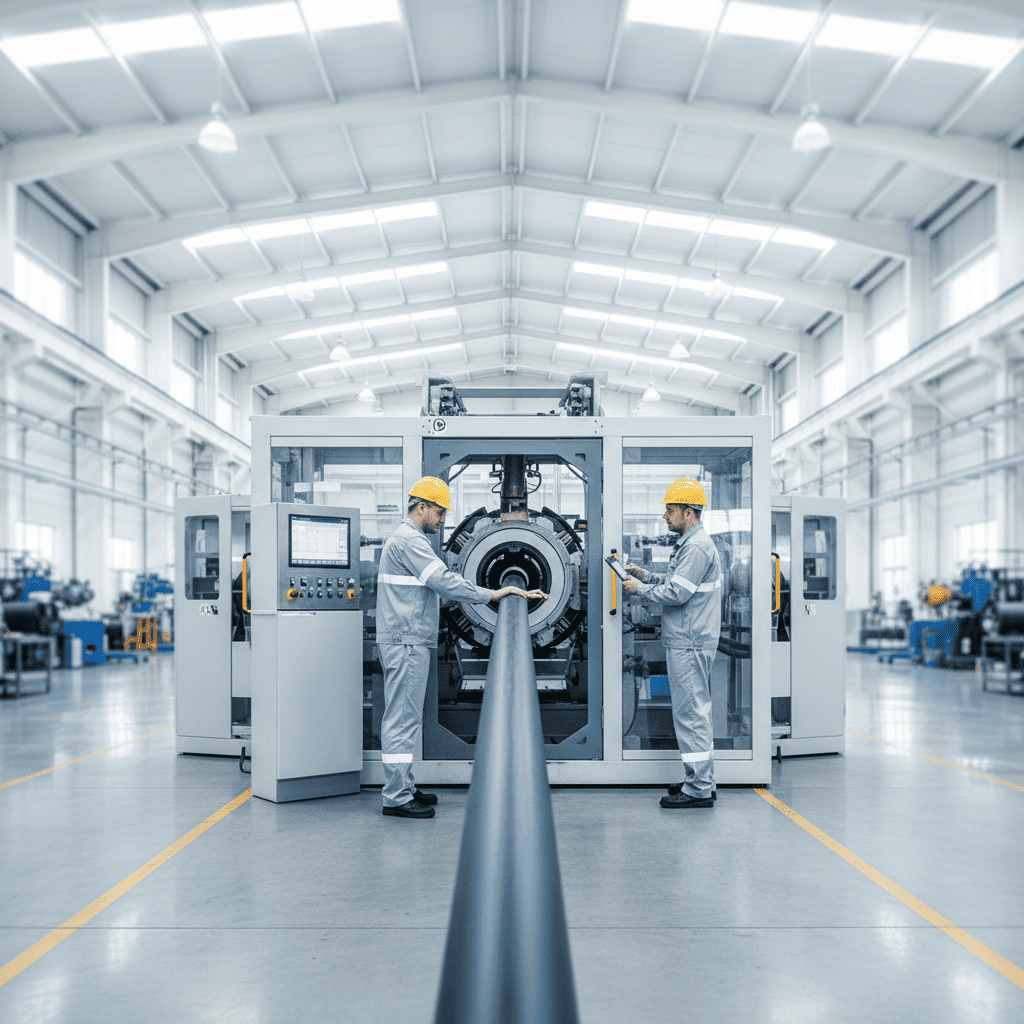
Knowing these numbers helps you avoid surprises. It turns a risky venture into a smart investment. Now, we dive into each cost area. I share insights from helping clients at HONGKAI build their operations.
What Machinery Do You Need for Power Cable Production?
Power cables need specific machines to twist wires, insulate them, and sheath the final product. Without the right equipment, your factory produces junk. This leads to recalls, lost customers, and wasted money.
The core machinery for a mid-sized, low- to medium-voltage power cable factory1 includes wire drawing machines, bunchers, extruders, and testing equipment. Expect to spend $1.5 million to $3.5 million on these. Prices rise 4-5% yearly due to inflation and tech upgrades like servo motors for precision.
You start with raw copper or aluminum rods. A wire drawing machine pulls them into thin wires. Next, a buncher twists multiple strands into a conductor. Then, an extruder applies insulation, such as XLPE, followed by another extruder for the outer sheath. Cooling troughs, capstans, and take-up machines handle the flow. Finally, a testing setup checks voltage and insulation integrity.
At HONGKAI, we design these lines for efficiency. A basic setup for 2-10mm² cables might cost $1.2 million. Add automation, and it hits $2.5 million. I recall a client in the Middle East. They skimped on a proper buncher and faced constant breaks. We replaced it with our servo-controlled model. Their output doubled, and downtime vanished. For 2026, factor in supply chain hikes from global tensions. Copper prices fluctuate, but machinery, steel, and electronics add 10% to quotes. Choose modular systems. They allow you to scale without a full replacement.
Budget for installation too. It takes skilled technicians 4-6 weeks, for $50,000-$100,000, including travel expenses. Maintenance kits and spares add 5-10% to the upfront cost. Energy-efficient motors cut long-term bills. In emerging markets, import duties typically range from 15% to 25%. Local assembly options from suppliers like us save 10-20%.
| Machinery Type | Key Function | Estimated Cost (USD, 2026) | Notes |
|———————-|—————————————|—————————-|——-|
| Wire Drawing | Shapes metal rods into wires | $200,000 – $500,000 | Includes annealer for softness. |
| Bunching/Stranding | Twists wires into conductors | $300,000 – $800,000 | Servo drives for speed control. |
| Primary Extruder | Applies insulation (XLPE/PVC) | $400,000 – $1,000,000 | Crosshead die for even coating. |
| Sheathing Extruder | Adds outer jacket | $300,000 – $700,000 | Cooling system included. |
| Testing Equipment| Checks IL, voltage withstand | $200,000 – $500,000 | High-voltage hipots mandatory. |
| Auxiliaries | Capstans, pay-offs, take-ups | $100,000 – $500,000 | Automation adds 20%. |
This table shows a baseline. Total machinery: aim for $2 million in a lean setup. Upgrades for 35kV cables push it higher. Training on these machines costs $20,000 to $50,000 per operator group. I always advise budgeting 10% extra for unforeseen tweaks. In 2026, AI monitoring systems become standard, adding $100,000 but saving 15% on defects.
How Much Will the Factory Building and Land Cost?
Your machines need a home. A poorly built facility leads to floods, dust, or breakdowns. This destroys equipment and halts production from the very beginning.
Land and building for a 5,000-10,000 sqm factory will cost between $800,000 and $2 million in 2026. This includes site purchase or lease, construction of workshops, offices, and utilities. Emerging markets keep costs low, but developed areas double the price.

Location matters most. In Asia or Africa, industrial land costs $50-$150 per sqm. In Europe or the US, the cost ranges from $300 to $600. Lease options cut upfront cash by 70%, but ownership builds equity. The building requires a main workshop with 10-15m ceilings to accommodate extruders. Add insulated walls for temperature control—essential for cable quality. Clean rooms for testing add $100,000.
I helped a factory owner in Pakistan pick a site. They chose a 7,000 sqm plot for $400,000. Construction took six months and cost $800,000, utilizing local labor. Utilities, such as three-phase power and water treatment, added $150,000. Permits and environmental impact studies ran another $50,000. In 2026, green building standards are expected to increase costs by 5-10%. Solar panels for partial power save $200,000 over time but add $300,000 now.
Break it down: Foundation and structure: $400-$800 per square meter—roofing and flooring for heavy loads incur an additional 20%. HVAC systems prevent moisture issues in insulation processes. Fire suppression is non-negotiable for cable fires—a minimum of $100,000. Warehouses for raw materials need 2,000 sqm, costing $200,000. Office space for 20 staff: $100,000. Total facility: $1.2 million average. Factor 3% inflation yearly. Local incentives, such as tax breaks in special economic zones, can cut 10-15%.
| Facility Component | Description | Estimated Cost (USD, 2026) | Location Factor |
|———————|—————————————-|—————————-|—————–|
| Land Acquisition| 5,000-10,000 sqm industrial plot | $200,000 – $1,000,000 | Low in Asia ($50/sqm), high in EU ($500/sqm). |
| Main Workshop | 4,000 sqm with high ceilings | $400,000 – $800,000 | Includes cranes for machines. |
| Utilities Setup | Power, water, waste treatment | $150,000 – $300,000 | 500kW transformer key. |
| Ancillary Buildings | Warehouse, offices, labs | $200,000 – $500,000 | Clean room for testing. |
| Permits & Compliance | Environmental, zoning approvals | $50,000 – $150,000 | Varies by country regs. |
This setup supports a monthly output of 500-1,000km. I recommend phased construction. Start with the core workshop to begin partial production. Full build-out follows. In 2026, rising material costs, such as steel (up 5%), took a significant toll—partner with local builders to save 15%.
What Raw Materials Stock Do You Need to Start?
No cables without copper, insulation, and sheathing compounds. Running out mid-run stops everything. This causes delays, rush orders, and higher prices.
The initial raw materials for three months’ production cost between $500,000 and $1.2 million in 2026. Copper or aluminum dominates at 60-70% of this. Add PVC/XLPE for insulation and LDPE for jackets. Prices swing with commodities.

النحاس هو الملك بالنسبة للموصلات. عند $10,000/طن في 2025، توقع $10,500 في 2026. لمخزون أولي بكمية 100 طن: $1 مليون. تقلل بدائل الألمنيوم هذا إلى $300,000 b، لكنها مناسبة للجهود الأقل. العزل، مثل XLPE، يكلف $2,000/طن؛ 50 طن: $100,000. التغليف PVC يكلف $1,200/طن، 30 طن: $36,000. أضف مواد التشحيم والشرائط والملء: $50,000.
من تجربتي، طلب عميل في مصر كمية قصيرة من النحاس. توقف الإنتاج مرتين خلال السنة الأولى، مما أدى إلى خسارة طلبات بقيمة $200,000. نصحنا بشراء كميات كبيرة بعقود آجلة لتأمين الأسعار. في 2026، تستقر سلاسل التوريد بعد الاضطرابات، لكن الرسوم الجمركية تضيف 5-10%. اخزن في مستودعات مُضبوطة المناخ لتجنب التدهور.
تدفع اتجاهات الاستدامة إلى اعتماد عوازل قائمة على مصادر حيوية، مما يضيف 15% إلى التكلفة لكنه يفتح أسواقًا خضراء. يفترض المخزون الأولي 200km/شهر عند 10mm² متوسط. قم بالتوسع لمقاسات أكبر — الشحن من موردين مثل الصين: $50,000/حاوية.
| نوع المادة | الاستخدام لكل كيلومتر (10mm²) | المخزون الأولي (3 m شهر) | التكلفة المقدرة (USD, 2026) |
|———————|—————————————-|—————————|—————————-|
| قضبان النحاس | 300kg | 100 طن | $900,000 – $1,100,000 |
| بديل الألمنيوم | 150kg | N/A | $200,000 – $400,000 |
| عزل XLPE | 100kg | 50 طن | $100,000 – $150,000 |
| غلاف PVC/LDPE | 80kg | 30 طن | $40,000 – $60,000 |
| مضافات/الملء | ضئيلة | متنوعة | $50,000 – $100,000 |
المجموع: $1 مليون متوسط. تفاوض مع الموردين للحصول على 5% خصومات على الكميات. في 2026، يمكن لإعادة تدوير النحاس أن تؤدي إلى تخفيض في التكلفة بنسبة 20% على المدى الطويل. أؤكد على أهمية الحفاظ على استراتيجية المخزون حسب الطلب بعد بدء التشغيل لتقليل رأس المال المربوط.
ما تكلفة العمالة والتدريب في السنة الأولى؟
الناس هم من يديرون المصنع. الموظفون غير المدربين يتسببون في أخطاء وحوادث وإنتاج منخفض. ارتفاع معدل الدوران ينفّذ ميزانيتك بسرعة.
العمالة والتدريب لـ 50-100 عامل في السنة الأولى: $400,000 إلى $800,000. تبلغ الرواتب المتوسطة $20,000 إلى $40,000 لكل عامل سنويًا في الأسواق الناشئة. أضف التدريب والفوائد وتوظيف الإدارة.

تحتاج إلى 30-40 موظف إنتاج، بما في ذلك المشغلين والفنيين. الرواتب: $1,500/شهر في آسيا، $3,000 في أوروبا. الإدارة: 5-10 أدوار براتب $50,000-$100,000 لكل دور. HR، ضباط السلامة: $200,000 إجماليًا.
التدريب هو المفتاح. الأساسي: 2 أسابيع، $10,000. متقدم من موردين مثل HONGKAI: $50,000، بما في ذلك الخبراء في الموقع. دربت فريقًا في تركيا. انخفض معدل أخطائهم بنسبة 40% بعد برنامجنا حول سلامة ماكينات البثق. تضيف المزايا مثل التأمين الصحي 20%. في 2026، أدت ندرة العمالة إلى زيادة في الأجور بنسبة 5%. تقلل الأتمتة عدد الموظفين بنسبة 20%، مما يؤدي إلى توفيرات بقيمة $100,000.
وظّف محليًا لتقليل التكلفة، لكن استورد المتخصصين للإعداد: $100,000. تكاليف الدوران: خصص 10% لإعادة التوظيف.
| فئة الدور | عدد الموظفين | نطاق الراتب السنوي (USD) | إجمالي تكلفة السنة 1 |
|———————|—————————————-|—————————|——————-|
| مشغّلو الإنتاج | 30-50 | $15,000 – $30,000 | $300,000 – $600,000 |
| الفنيون/الصيانة | 10-15 | $25,000 – $50,000 | $100,000 – $200,000 |
| الإدارة/المهندسون | 5-10 | $50,000 – $100,000 | $150,000 – $300,000 |
| الإدارة/الدعم | 5-10 | $20,000 – $40,000 | $50,000 – $100,000 |
| برامج التدريب | N/A | N/A | $50,000 – $100,000 |
إجمالي القوى العاملة: $600,000 mid-range. في 2026، تضيف قواعد النقابات في بعض المناطق زيادة 10%. ركّز على تدريب السلامة لتقليل أقساط التأمين بنسبة 15%.
ما هي تكاليف التنظيم والامتثال التي يجب توقعها؟
القواعد تحمي العمال والبيئة. تجاهلها قد يؤدي إلى غرامات أو إغلاق أو دعاوى قضائية. هذا يقتل الشركات الناشئة قبل أن تبدأ.
الامتثال في 2026: $200,000 إلى $500,000. يشمل التراخيص والشهادات ومراجعات البيئة وإعدادات السلامة. المعايير العالمية مثل ISO 9001 and IEC 60227 add طبقات.

Start with business registration: $10,000-$50,000. Environmental permits for emissions and waste: $50,000-$100,000. In the EU, REACH compliance for chemicals: extra $100,000. Safety: OSHA-style setups, $50,000 for gear and audits.
أرشدت عميلاً خلال شهادة UL للصادرات إلى US. استغرق الأمر ثلاثة أشهر و$150,000، لكنه فتح أسواقاً كبيرة. في 2026، إعداد تقارير الكربون يضيف $20,000—التأمين: $50,000/سنة للمسؤولية.
التجديدات السنوية: ميزّن 20% من التكلفة الأولية. الاستشاريون يسرّعون العملية مقابل $30,000.
| مجال الامتثال | المتطلبات | التكلفة المقدرة (USD, 2026) | تكرار التجديد |
|———————|—————————————-|—————————-|——————-|
| التراخيص التجارية | التخطيط، تراخيص التشغيل | $10,000 – $50,000 | سنوي |
| البيئة | EIA، إدارة النفايات | $50,000 – $150,000 | كل سنتين |
| شهادات الجودة | ISO 9001، معايير IEC | $50,000 – $200,000 | كل 3 سنوات |
| السلامة والتأمين | OSHA، أنظمة الإطفاء، المسؤولية | $50,000 – $100,000 | سنوي |
المجموع: $300,000. الأسواق الناشئة لديها لوائح أخف، مما يوفر 30%. قم بالتركيز المبكر لتجنب التأخيرات.
كيف تؤثر الاتجاهات الناشئة مثل الأتمتة على ميزانيتك؟
التغييرات التقنية تحدث بسرعة. تجاهل الأتمتة2 يؤدي إلى ارتفاع تكاليف العمالة وزيادة العيوب. لكنه يتطلب تكلفة أولية أعلى.
الأتمتة والاستدامة في 2026: $300,000 إلى $1 مليون إضافة. المعالجة الروبوتية، AI مراقبة الجودة، والتقنيات الخضراء، مثل المواد المعاد تدويرها، تعزز الكفاءة لكنها ترفع التكاليف الأولية.

أساسي الأتمتة2: PLC تحكم على ماكينات البثق، $200,000. كامل صناعة 4.0: أجهزة استشعار وAI، $500,000. يقلل العيوب بنسبة 25%، مما يوفر $300,000 سنويًا.
الاستدامة: محركات فعالة من حيث الطاقة، $100,000. خطوط النحاس المعاد تدويره: $150,000، لكنها مؤهلة للمنح. عميل HONGKAI في الهند أضاف الطاقة الشمسية: $200,000، مع تعويض من الحوافز.
في 2026، يدفع طلب الكابلات EV إلى مصانع ذكية. ROI في 2-3 سنوات.
| مجال الاتجاه | الميزات | تكلفة الإضافة (USD, 2026) | التوفير على المدى الطويل |
|———————|—————————————-|————————–|——————-|
| الأتمتة | PLC، روبوتات، AI المراقبة | $200,000 – $600,000 | خفض العمالة 20-30% |
| الاستدامة | محركات فعالة، معدات إعادة التدوير | $100,000 – $400,000 | انخفاض فواتير الطاقة بنسبة 15% |
| التكامل الرقمي | إنترنت الأشياء للصيانة التنبؤية | $100,000 – $300,000 | تقليل التوقف بنسبة 40% |
المجموع الإضافي: $500,000 a متوسط. ضروري للتنافسية.
ماذا عن رأس المال العامل وتكاليف التشغيل المتنوعة؟
تحتاج إلى سيولة نقدية للتشغيل قبل تدفق المبيعات. تجاهل هذا سيُجوع مصنعك.
رأس المال العامل لـ 6 months: $500,000 إلى $1 مليون. يغطي المرافق، التسويق، النقل، والطوارئ. المرافق وحدها: $50,000/شهر للعمليات الثقيلة في استهلاك الطاقة.
المرافق: $300,000/سنة. التسويق لتأمين العقود: $100,000. النقل للمواد: $50,000. رسوم قانونية: $20,000. طوارئ: 10% رصيد.
رأيت شركة ناشئة تتجاهل هذا. نفذت مواردها بعد شهرين. الآن، تقدم البنوك خطوط ائتمان بأسعار فائدة تتراوح بين 5 و7%.
| الفئة | أغراض | التكلفة المقدرة (USD, 2026) |
|---|---|---|
| المرافق | الكهرباء، الماء، الغاز | $150,000 – $300,000 (6 mo) |
| التسويق/المبيعات | الموقع الإلكتروني، المعارض التجارية، الممثلون | $50,000 – $150,000 |
| النقل/الخدمات اللوجستية | الشحن، المركبات | $50,000 – $100,000 |
| الطوارئ | التأخيرات، الإصلاحات | $100,000 – $200,000 |
المجموع: $700,000. تأمين التمويل مبكرًا.
خاتمة
تكلفة إنشاء مصنع للأسلاك الكهربائية في 2026 تتراوح بين $3.5 m مليار و$7 ملايين، وتشمل المعدات، المنشأة، المواد، العمالة، الامتثال، والاتجاهات. التخطيط الذكي يدفع النمو الربحي.

 English
  हिन्दी
  فارسی
فارسی