
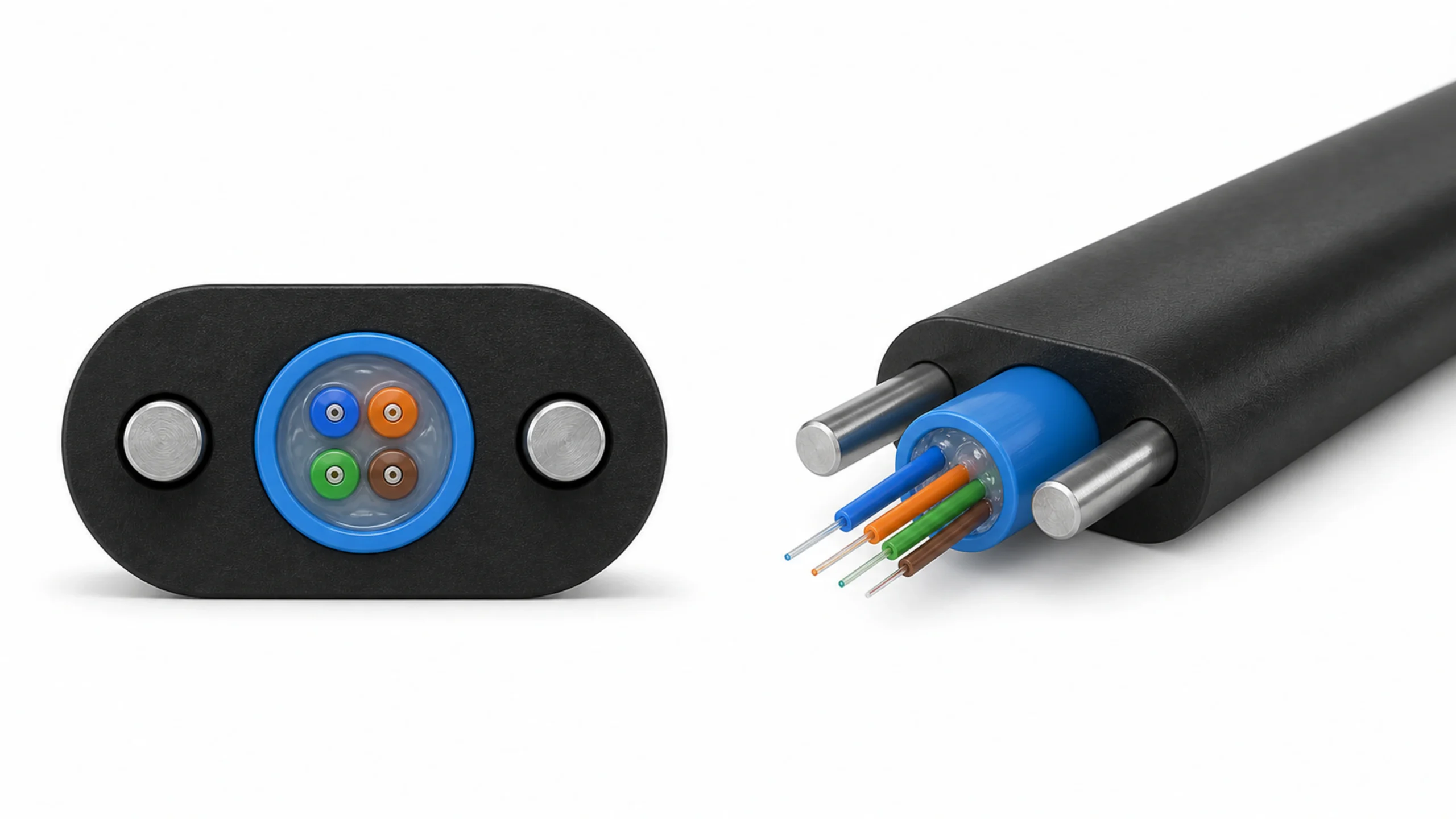
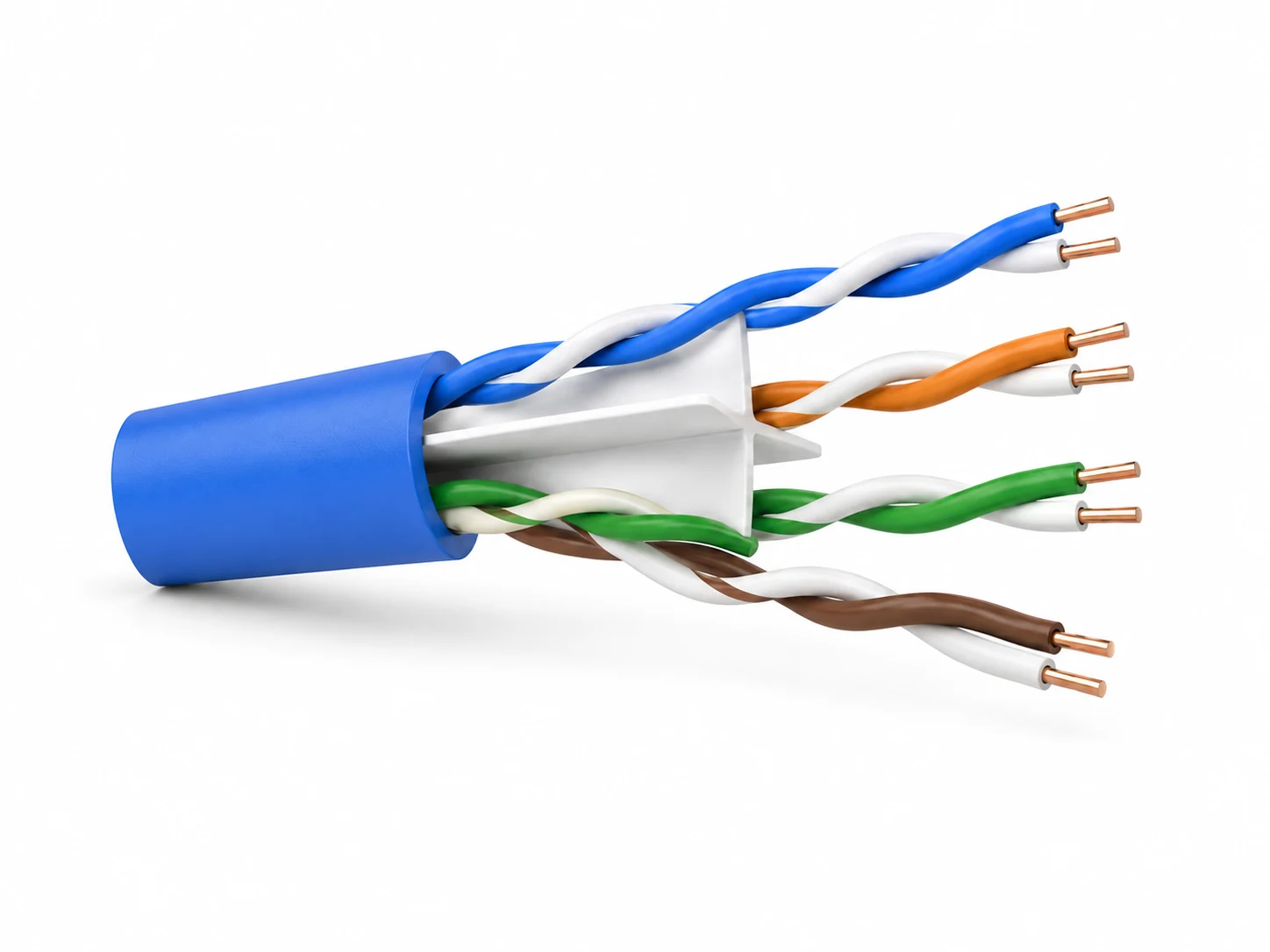
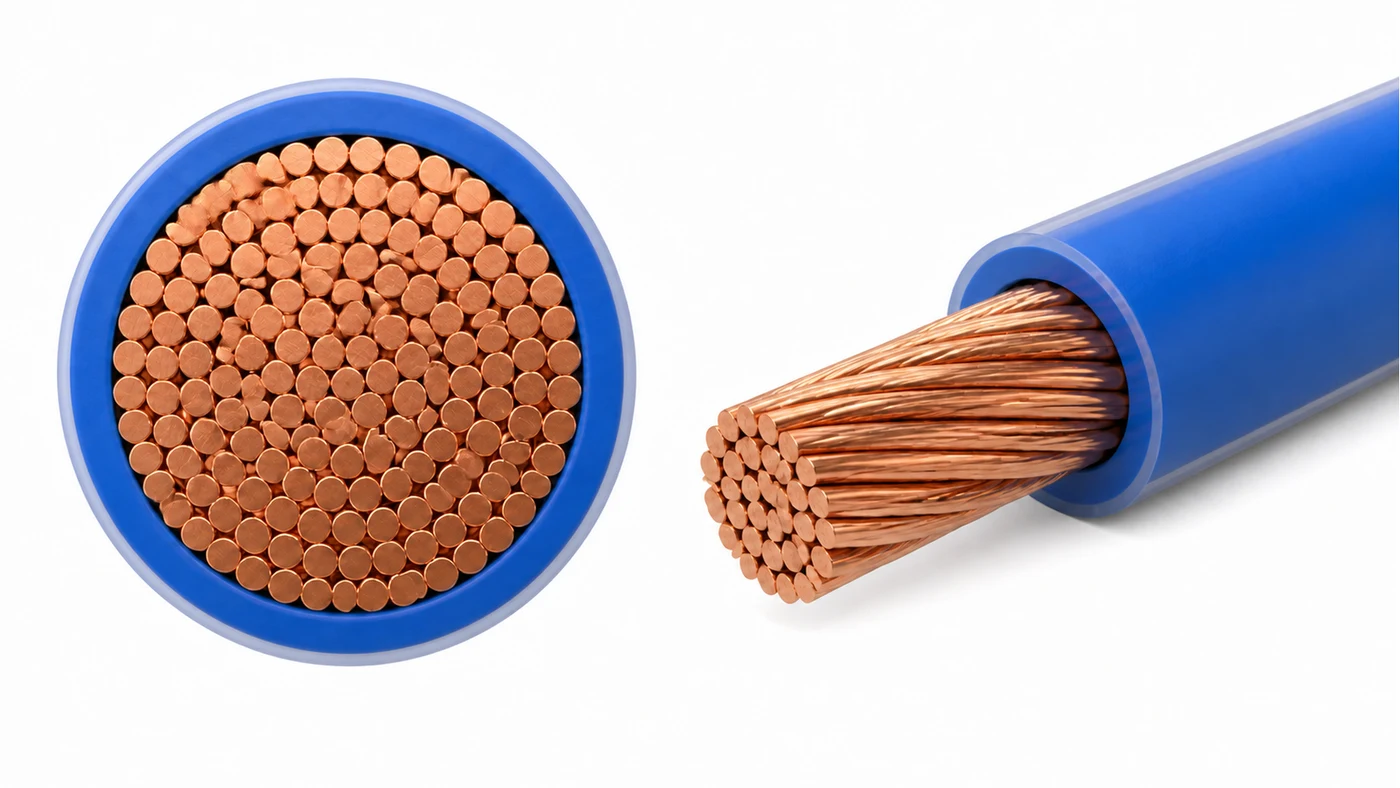
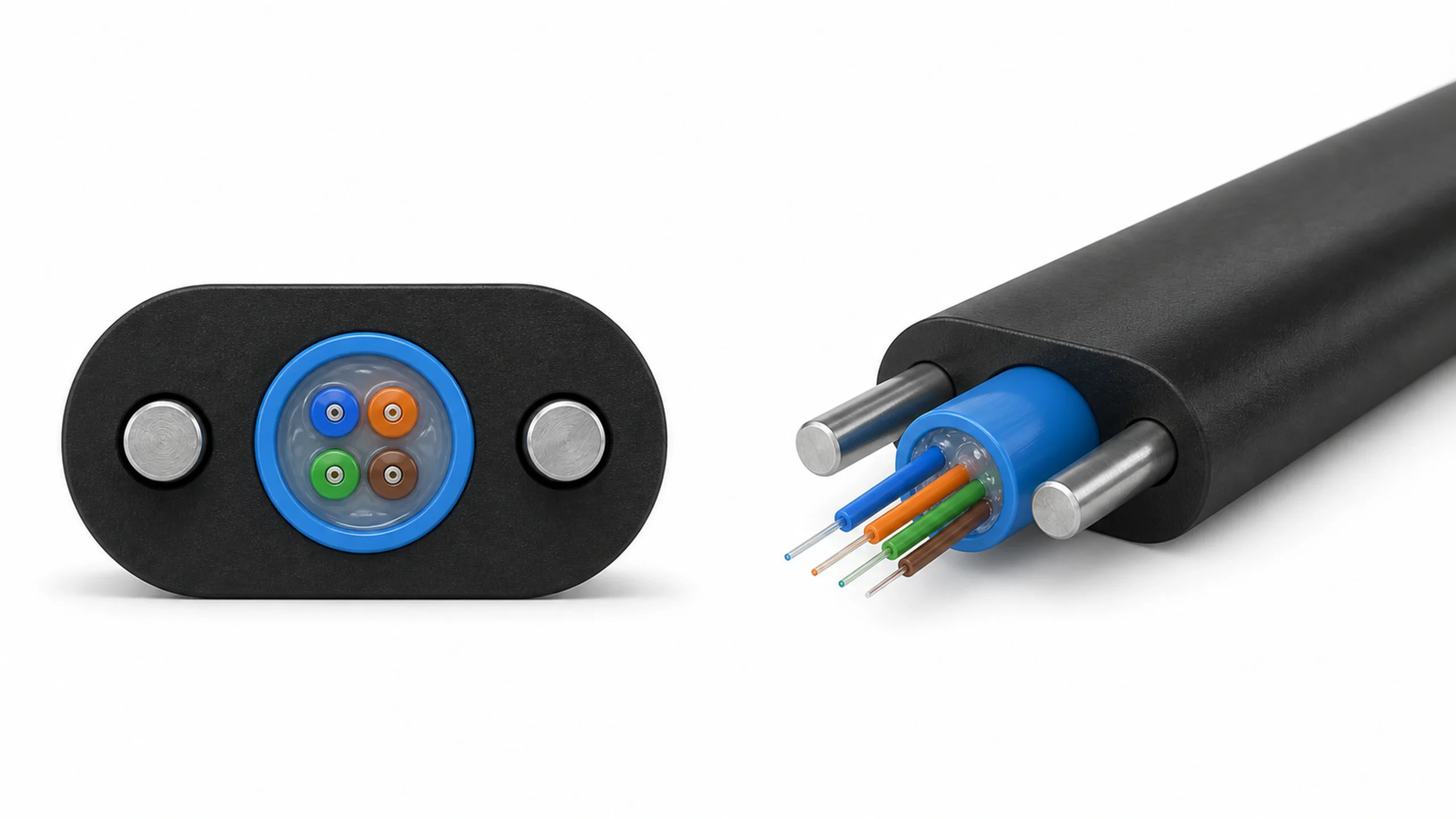






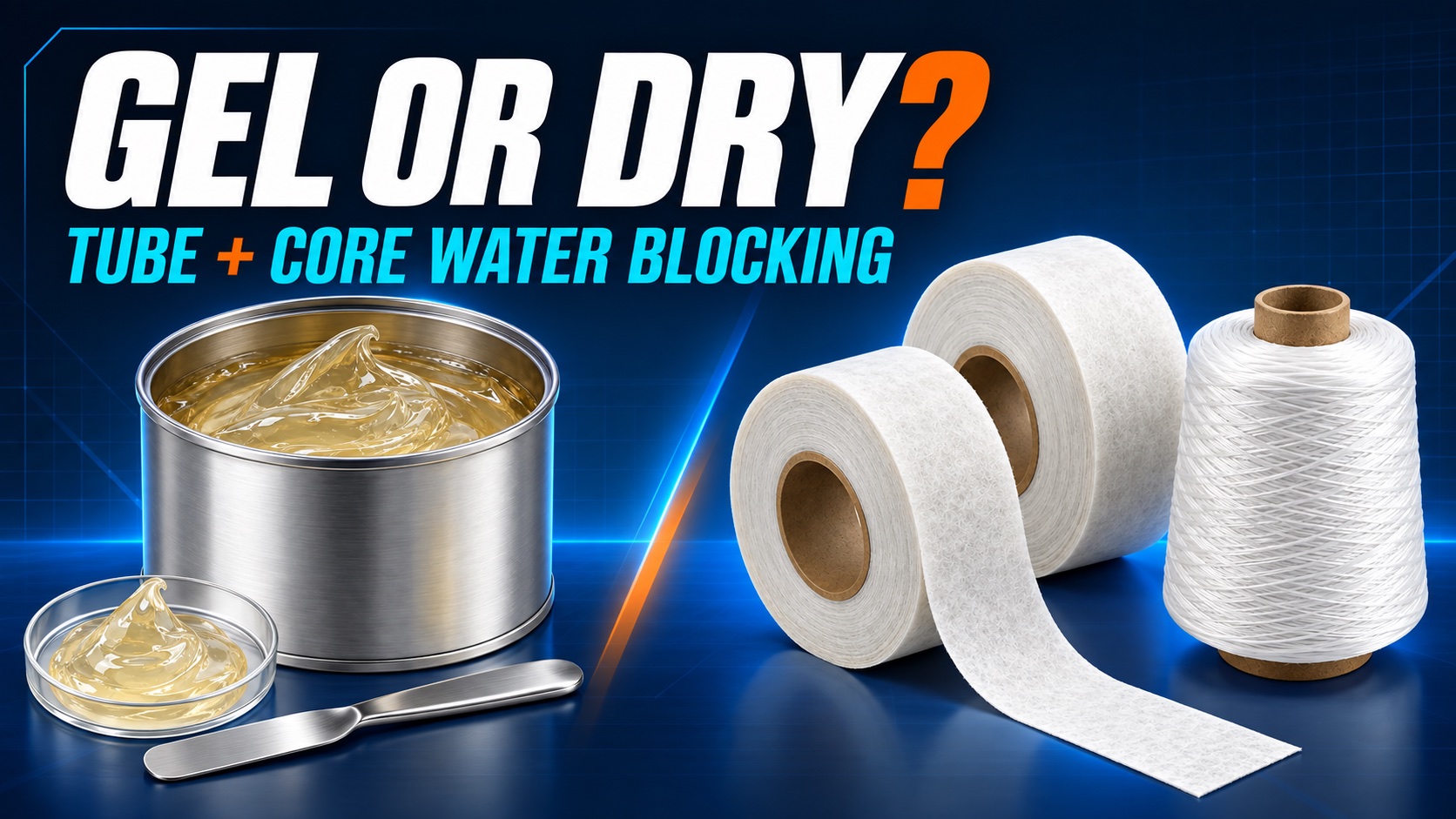
یک خریدار کابل فضای باز ممکن است درخواست طراحی “خشک” را داشته باشد، اما این واژه میتواند معانی متفاوتی در نقشههای مختلف داشته باشد. در بحثهای معمول مشتریان HONGKAI، این واژه به این معناست بدون ژل پرکننده در داخل لولههای شل و بدون ژل پرکننده اطراف هسته کابل. سایر تأمینکنندگان گاهی اوقات از عبارت “هسته خشک” حتی زمانی که لولهها هنوز حاوی ژل هستند، استفاده میکنند. این تفاوت باید پیش از مقایسه پیشنهادهای تجهیزات برطرف شود.
Write down what goes inside the loose tube and what goes around the cable core. For a HONGKAI all-dry request, neither location is gel-filled. If another supplier calls a cable “dry core,” ask whether its tubes still contain gel. Then match the approved construction to the production route and finished-cable tests.
این مقایسه برای تولیدکنندگانی است که در حال انتخاب ساختار کابل نوری بیرونی و محدوده تجهیزات آن هستند. این مقایسه هیچ مادهای را بهعنوان بهترین ماده برای هر کابل بیرونی رتبهبندی نمیکند.
دو مکان برای مسدود کردن آب
In a stranded loose-tube cable, optical fibers sit inside individual buffer tubes. Those tubes form a cable core beneath the outer protective layers. Water blocking can be needed in both locations. Corning’s technical note describes gel or dry water-swellable materials used in the cable core and within the buffer tubes.1 HONGKAI بنابراین از خریدار میخواهد که مشخص کند tube interior و فضای اطراف هسته مونتاژشده separately.
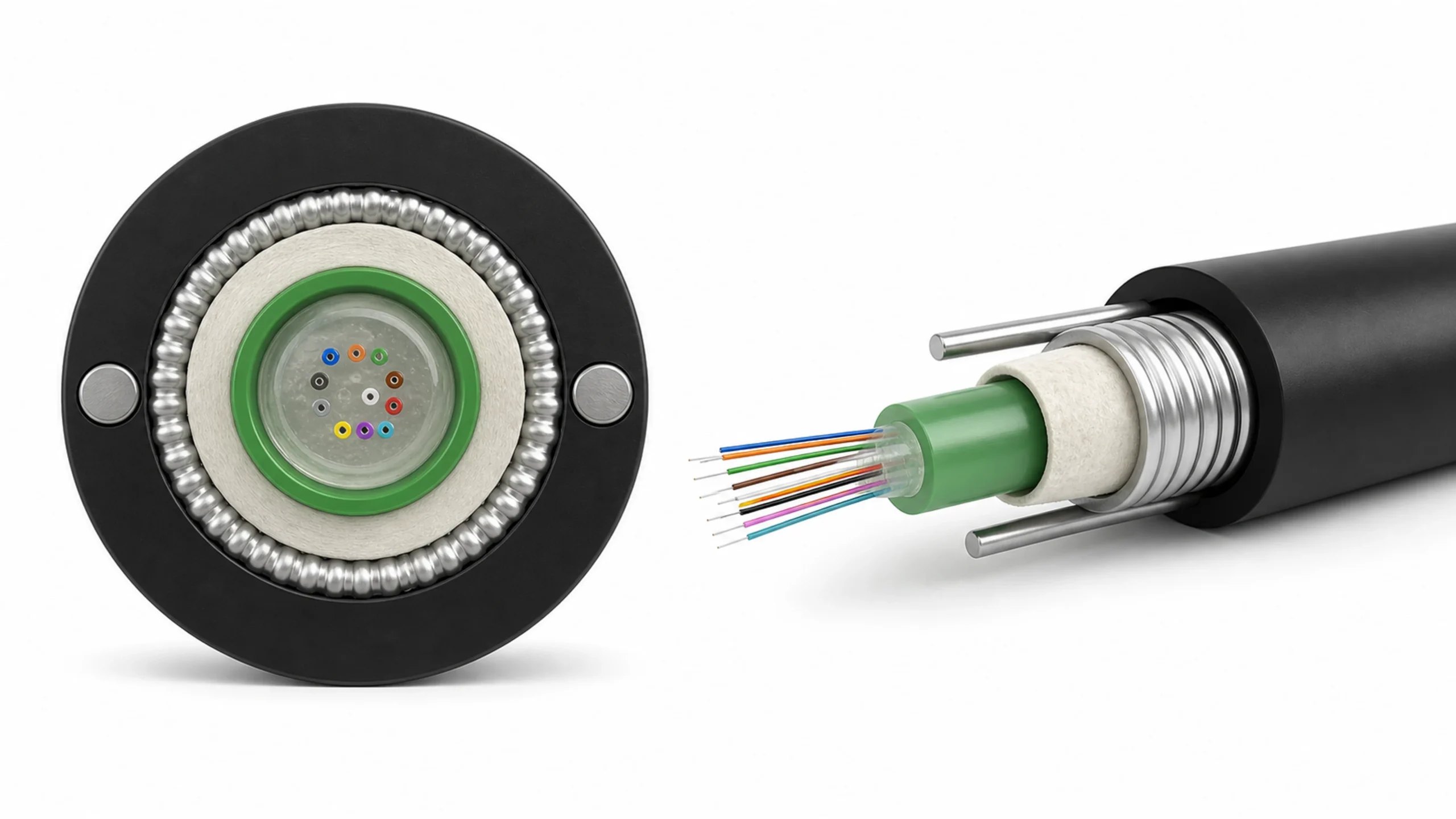
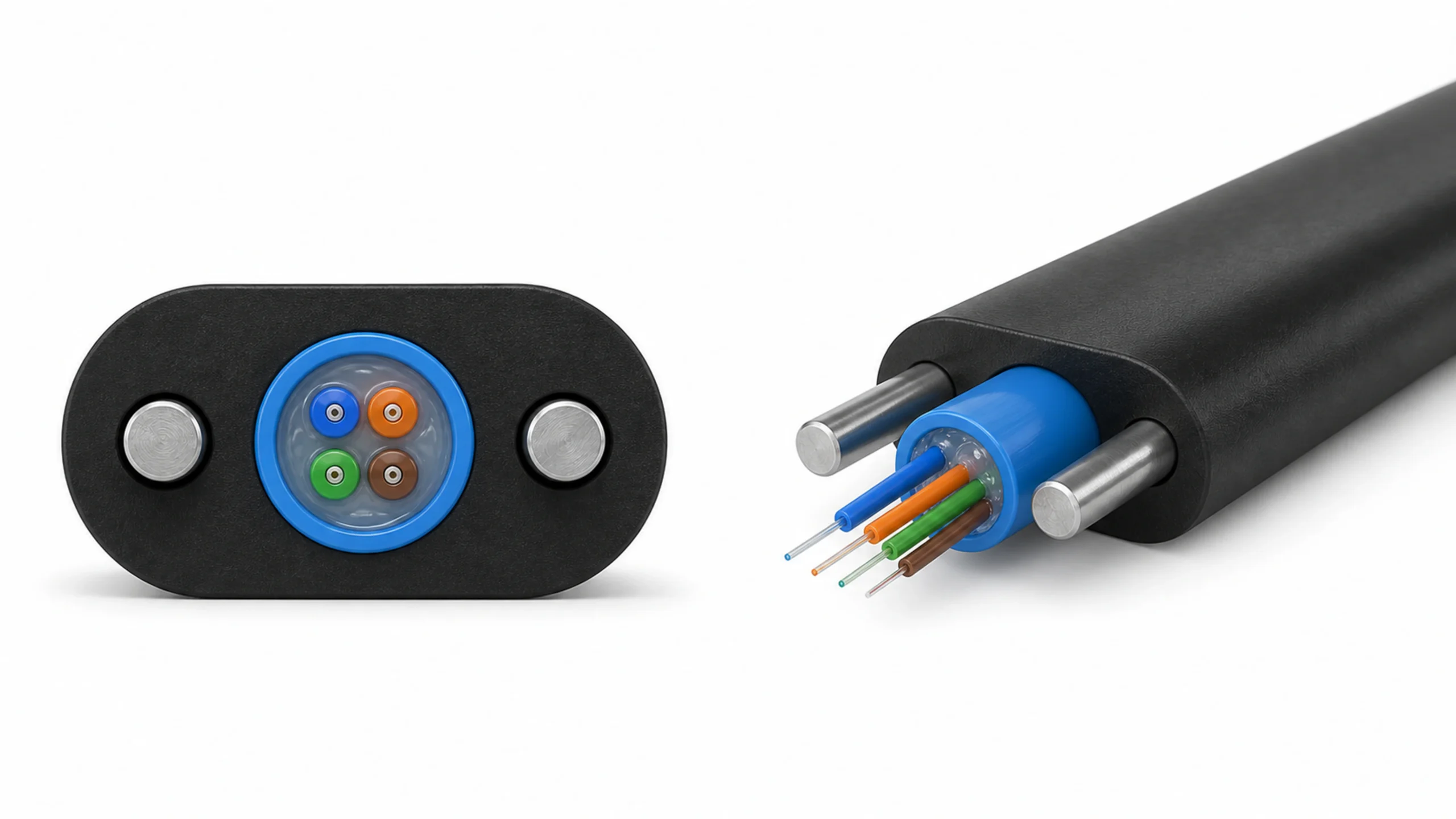
HONGKAI GYXTW 3D structure reference helps locate the tube and surrounding layers. It does not show or certify an all-dry construction.
برای اهداف پیشفاکتور، سه چینش را جداگانه در نظر بگیرید. نامهای زیر موقعیتهایی را توصیف میکنند که با هم مقایسه میشوند؛ نقشه تأییدشده باید مواد واقعی را نشان دهد.
| چینش در حال مقایسه | در داخل لولههای بافر | در اطراف هسته کابل | آنچه خریدار باید روشن کند |
|---|---|---|---|
| ژل در لولهها و هسته کابل | ترکیب پرکننده مشخصشده | ترکیب پرکننده یا سیلکننده هسته مشخصشده | کدام ترکیب در هر مکان قرار میگیرد؟ |
| هسته خشک با لولههای پر از ژل | ترکیب پرکننده مشخصشده | عناصر مسدودکننده آب خشک مشخصشده | آیا مشتری ژل داخل لولهها را میپذیرد؟ |
| ساختار کاملاً خشک—معنای معمول در گفتوگوهای مشتریان HONGKAI | بدون ژل پرکن؛ از طراحی لوله خشک تأییدشده استفاده کنید | بدون ژل پرکن؛ از طراحی هسته خشک تأییدشده استفاده کنید | چه چیزی در هر مکان از نفوذ آب جلوگیری میکند و چه شواهد کابلی آن را تأیید میکند؟ |
This is not just a wording exercise: Prysmian’s MassLink multi-tube ribbon cable is described as having a dry core with gel-filled buffer tubes.2 That is a legitimate manufacturer usage, but it is نه the all-dry construction HONGKAI usually discusses for a dry cable. The example does not imply that HONGKAI supplies that particular Prysmian cable.
Removing cable-core filling from a proposal does not necessarily remove tube filling. Likewise, a drawing showing water-blocking tape outside the tubes does not explain what is inside them.
Ask the cable supplier or designer to mark the two locations on the cross-section. For a central-tube cable, use that cable’s drawing rather than forcing it into a stranded-tube layout. Confirm whether the words dry core, gel-free or all-dry apply to one part or the whole construction.
Keep material identities separate. A compound approved for one location should not be assumed suitable for another simply because both are called jelly.
Choose for Cable Access and the Actual Installation
Start with the customer’s drawing, installation setting and required cable performance—not a general rule that gel or dry is always better. In some HONGKAI enquiries, a customer seeking a flame-retardant cable has also specified a gel-free construction. That is a project requirement to check, not proof that simply removing gel makes a cable flame-retardant. Flame performance belongs to the complete approved cable design and its applicable test evidence. Corning, for example, lists both gel-free water blocking and a flame-retardant sheath for one specific LSZH cable family.3
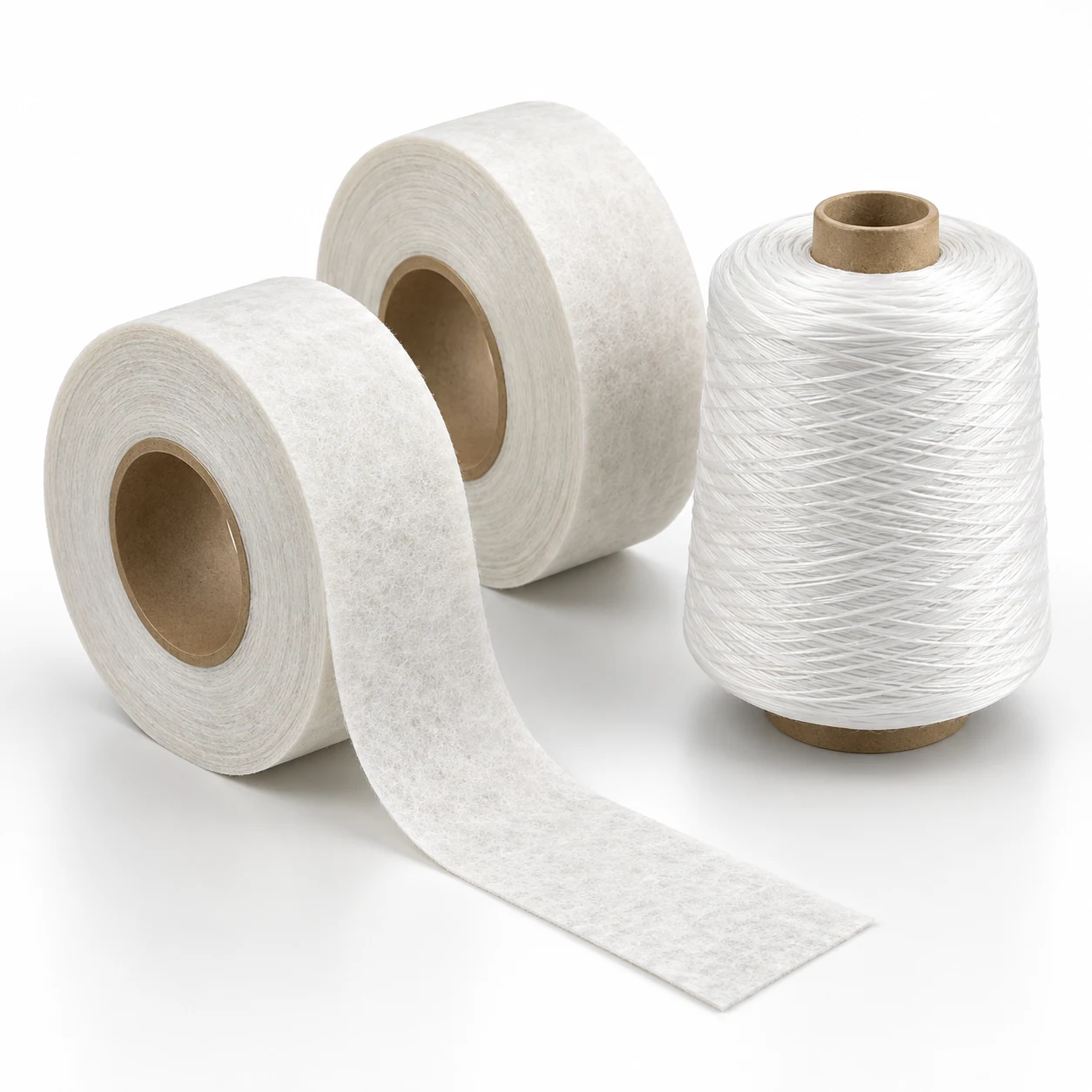
HONGKAI material illustration: water-blocking tape and yarn are possible dry-design inputs, not a claim that either one alone meets the buyer’s cable test.
The clearest operational reason to compare gel-free options is often the work done when opening the cable. Corning describes easier cable preparation and access for its gel-free FREEDM LST product using water-blocking tapes and yarns.4 That is evidence for a particular product’s design approach, not a promised time saving for every dry cable.
If easier access matters to the customer, compare representative samples using the intended preparation procedure. Record which layer is opened, whether fibers must be cleaned, what tools and cleaning materials are needed, and whether the prepared fibers are suitable for the next operation. For a dry core with gel-filled tubes, opening the jacket and opening a tube are different jobs.
Do not turn that comparison into a universal claim that dry cable is cheaper. Compare the material bill and factory costs separately from the installation team’s access work. Use the customer’s expected work and measured sample results, not an assumed percentage saving.
The installation specification still controls. A dry label does not by itself establish suitability for duct, aerial or direct-buried service. Those applications have requirements beyond water blocking, so compare the complete cable specifications before treating two offers as alternatives.
ITU-T L.100, which covers duct and tunnel optical cables, discusses filling compounds and swellable materials as ways to limit longitudinal water penetration. It also distinguishes that problem from moisture passing radially through a sheath.5 Avoid describing either construction as simply waterproof without stating what was tested.
If a tender already specifies a construction, ask whether an alternative is permitted before changing it. If the requirement is performance-based, present the proposed construction and its test evidence together. A different material name is not enough to establish equivalence.
The Production Route Changes at More Than One Stage
The equipment discussion starts after both water-blocking locations are defined. If only the cable core changes to dry, the loose-tube process may still use gel. In the all-dry route discussed for HONGKAI enquiries, لوله شل هم بدون ژل پرکننده ساخته میشود., and the core is not gel-filled either. It is not enough to call the finished cable dry while leaving the tube process unspecified.

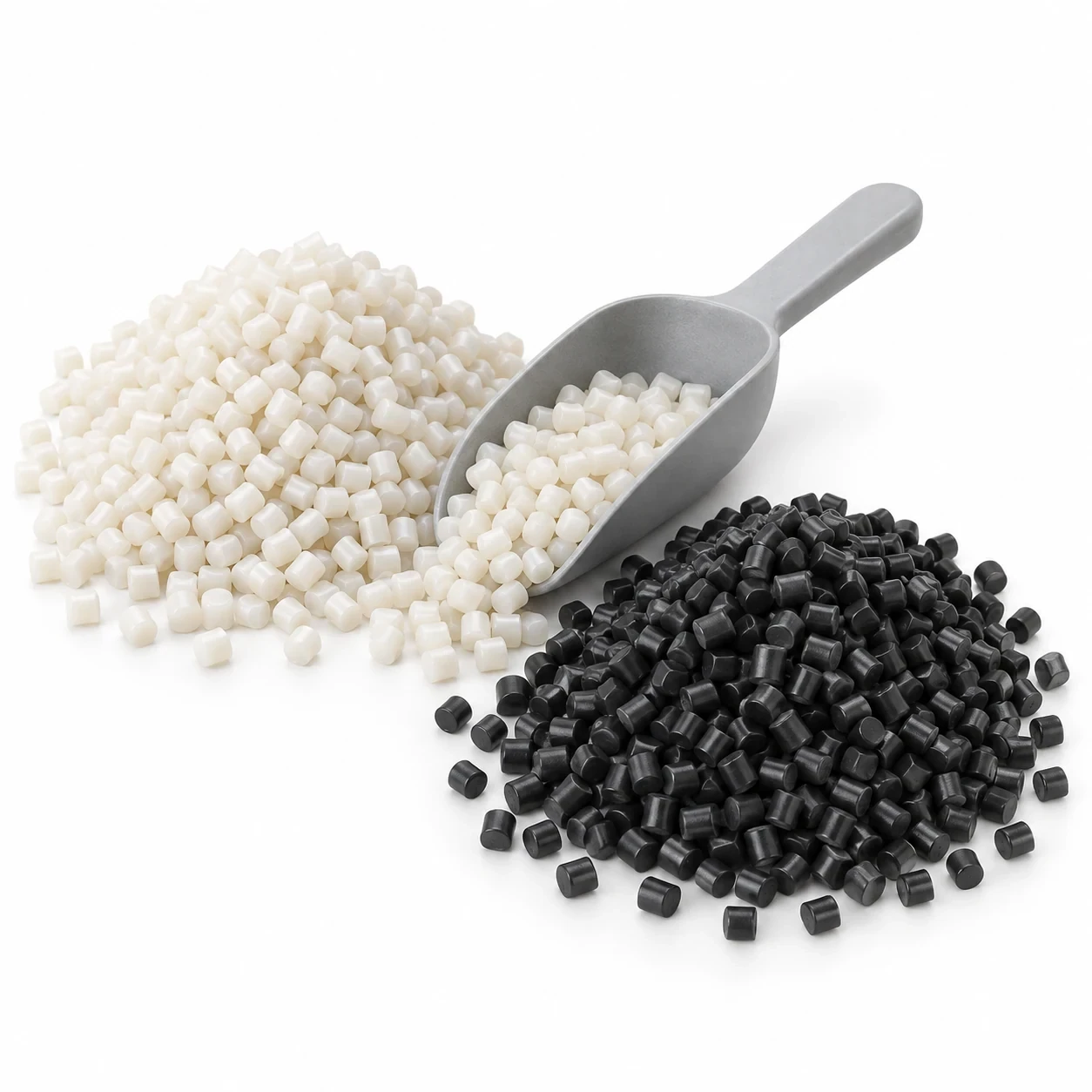
مرجع واحد پرکننده HONGKAI برای مسیر پر شده از ژل. این تصویر چیدمان خلأ لولهی خشک را نشان نمیدهد.
Use a location-to-process map when comparing proposals:
| Construction decision | محدوده تولید برای بازنگری | آنچه پیشفاکتور باید بهوضوح بیان کند |
|---|---|---|
| Gel-filled buffer tubes | رابط تهیه، تحویل و پرکردن ترکیب در مرحله لوله شل | Approved compound, filling controls, start-up handling and verification method |
| لولههای شل بدون ژل | Leave the jelly-filling machine off for the HONGKAI changeover described here; review the tube-forming and vacuum-assisted diameter-control arrangement | واحد خلأ/رابط دقیق روی نقشه خط تولید، مسیر مواد خشک در صورت مشخص بودن، و قطر خارجی لولهای پایدار در تولید آزمایشی |
| Gel-filled cable core | چینش پرکننده هسته یا سیستم ضدآب در مسیر توافقشده ساخت کابل | Application location, material handling and the boundary with adjacent equipment |
| هسته کابل خشک | Placement of the specified water-blocking tapes, yarns or other elements | تامین ماده اولیه، موقعیتیابی، پیوستگی و رابط با تشکیل هسته و روکشدهی |
This is a proposal-review map, not a universal machine layout. For the HONGKAI dry-tube route described here, the gel-filling unit need not run, while a vacuum arrangement near the tube-forming head is added or used to help control the tube’s outer diameter. اتصال دقیق خلأ و هرگونه ورودی ماده خشک باید در نقشه واقعی خط ثابت شود.; that project-level experience does not establish that every existing filling line can switch simply by pressing Stop. Cooling, tension, material and diameter measurement still need a stable trial.
HONGKAI’s مرجع خط تولید لوله شل treats the filling or water-blocking interface as part of secondary coating. It also separates that stage from cable-core stranding and final sheathing. This is a useful boundary when requesting a quotation; it is not confirmation that every dry and gel-filled design uses interchangeable equipment.
For an existing factory, request a marked list of retained units, modified units and new units. Include the gel shut-off path, any vacuum interface, material path and control points—not just the extruder model. If both constructions must run on the same line, ask the supplier to demonstrate the changeover and record tube-diameter stability for each route. Stopping a gel pump is only one operation in that check.
Keep the production target attached to a specific cable and material combination. A speed demonstrated for one tube or one filling arrangement does not automatically apply to the alternative. If both routes matter to the business, specify how each will be demonstrated rather than accepting a single unqualified maximum speed.
ساختاری را انتخاب کنید که بتوانید مشخص و اثبات نمایید
برای آزمایش لولهی خشک شل HONGKAI که در اینجا توصیف شده است، ابتدا بررسی کنید که آیا قطر خارجی لوله ثابت باقی میماند while the gel-filling arrangement is not running. Agree a target and tolerance for the selected tube drawing, inspect measurements across the agreed trial length and retain the records. This checks the tube-making stage; it is not a finished-cable water-blocking result.
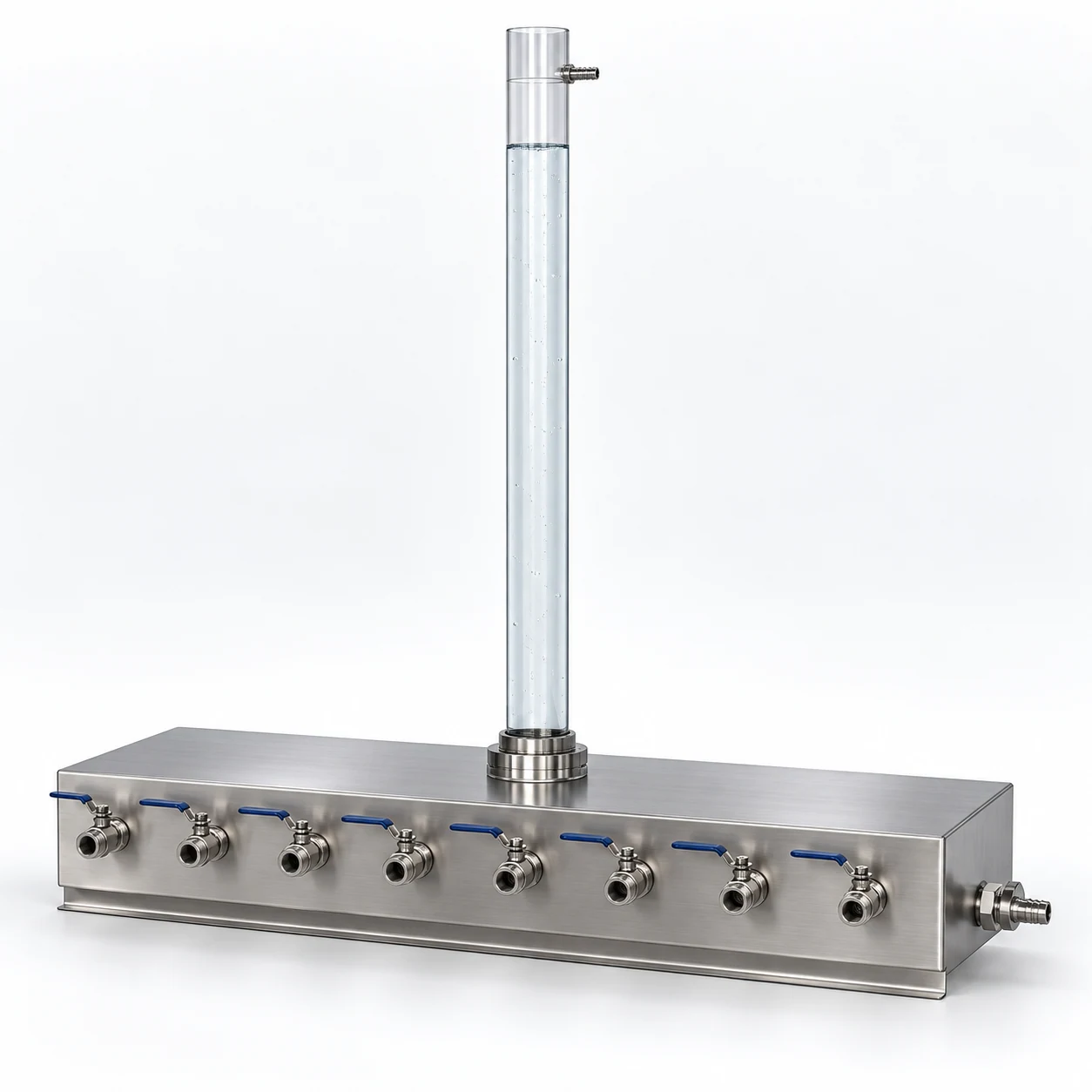
HONGKAI 3D test-equipment illustration. The final test setup, conditions and pass criteria must match the selected cable specification; no test result is implied.
Water-blocking material data and finished-cable test results answer different questions. The material document identifies what will be used. The finished-cable report shows how a particular construction performed under stated test conditions. In HONGKAI’s acceptance sequence, tube-diameter stability is checked during tube production; water-penetration and optical attenuation are checked on the finished cable under the agreed methods and limits.
For duct and tunnel cables, ITU-T L.100 addresses material compatibility and recommends water-penetration testing; its test selection depends on the cable design.5 Agree the applicable product specification, test method and edition, sample requirements, conditions and acceptance limits before ordering. Do not borrow a test limit from an unrelated cable or treat a tape’s swelling demonstration as a finished-cable result.
Match each report to the offered drawing revision and material identities. Confirm which water paths the test assesses, and request the finished-cable attenuation report and any other environmental results required by the customer. HONGKAI’s راهنمای آزمون کابل فیبر نوری به جداسازی آزمونهای کابل از دستگاههای مورد استفاده برای ساخت آن کمک میکند.
یک دنبالهی تصمیمگیری عملی عبارت است از:
- اگر مشتری ژل را برای هر دو مکان مشخص کرده باشد، آن ساختار را پیشفاکتور کنید یا مجوز استفاده از یک جایگزین را دریافت نمایید. تنها بر اساس ترجیح کارخانه، طراحی خشک جایگزین نکنید.
- اگر مشتری لولههای پر شده از ژل را بپذیرد اما هسته خشک بخواهد، پر کردن لوله را در محدوده تولید حفظ کنید و تغییرات مواد و نحوه رسیدگی در سطح هسته را مقایسه نمایید.
- If the customer requires an all-dry cable, specify no filling gel in the tubes or core. Verify the dry-design materials, the dry-tube vacuum/diameter-control arrangement and the finished-cable tests for that exact construction.
- اگر مشتری فقط کابل خشک را ذکر کرده باشد، قبل از مقایسه قیمت تجهیزات، این عبارتبندی را روشن کنید.
The useful purchasing description is not just “jelly-filled versus dry.” It states what is inside the tubes, what surrounds the core, how the cable will be used and how the offered construction will be verified. That description lets the factory compare genuinely equivalent proposals.
-
Corning Application Engineering Note 026, revision 9, page 2, describes water blocking in the cable core and buffer tubes. Used for construction principles only; its older standards references are not adopted as current requirements. ↩
-
کابل نواری چندلوله Prysmian MassLink, توضیحات محصول. یک نمونه ساختار هستهخشک از سوی تولیدکننده با لولههای بافر پر شده از ژل، و نه یک ادعای محصول HONGKAI.↩
-
Corning LSZH loose-tube gel-free interlocking armored cable specification, page 1, identifies gel-free water blocking and a flame-retardant sheath for that specific product. It does not establish a universal rule that gel removal grants a fire rating. ↩
-
مشخصات کابل لولهای شل بدون ژل Corning FREEDM LST, page 1, describes swellable tapes/yarns and cable-preparation benefits for that product. No numerical saving or HONGKAI product performance is inferred. ↩
-
ITU-T L.100 (01/2024), Optical fibre cables for duct and tunnel application, clauses 6.3.3–6.3.4, 7.2.8 and A.4.3. Supports the distinctions between longitudinal water penetration, moisture permeation, material compatibility and cable-level testing within that recommendation’s scope. ↩ ↩

 English
  हिन्दी
  فارسی
فارسی