







• 집
  • 에 대한
    • PRODUCTS & PRODUCTION

      다음 생산 단계를 찾으세요.

      Production lines

      제작하려는 케이블부터 시작하세요.

      광케이블 라인

      광케이블 제조 장비

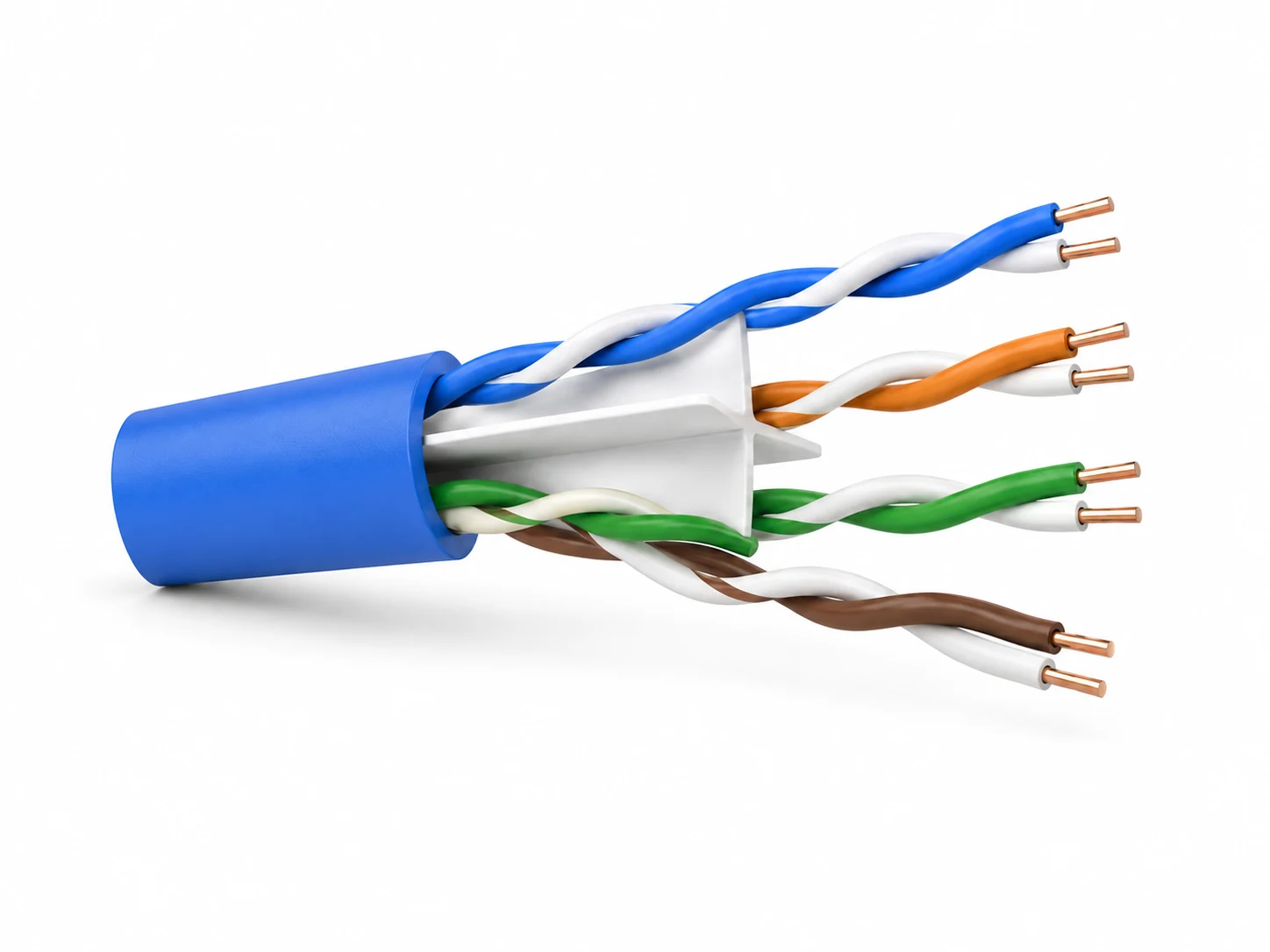
      LAN cable lines

      꼬임쌍 케이블용 장비

      전기 케이블 기계

      절연 전선 및 케이블용 기계장치

      예비 부품 및 지원

      HONGKAI 기계 장비의 교체 부품.

      스페어 부품 둘러보기

      생산 라인별 부품 살펴보기

      귀하의 부품 식별

      사진, 명판 및 부품 번호를 확인하세요.

      부품 견적 요청하기

      기계 세부 사양, 사진 및 수량을 보내주십시오.

      케이블 및 재료

      케이블 구조와 입력을 살펴보세요.

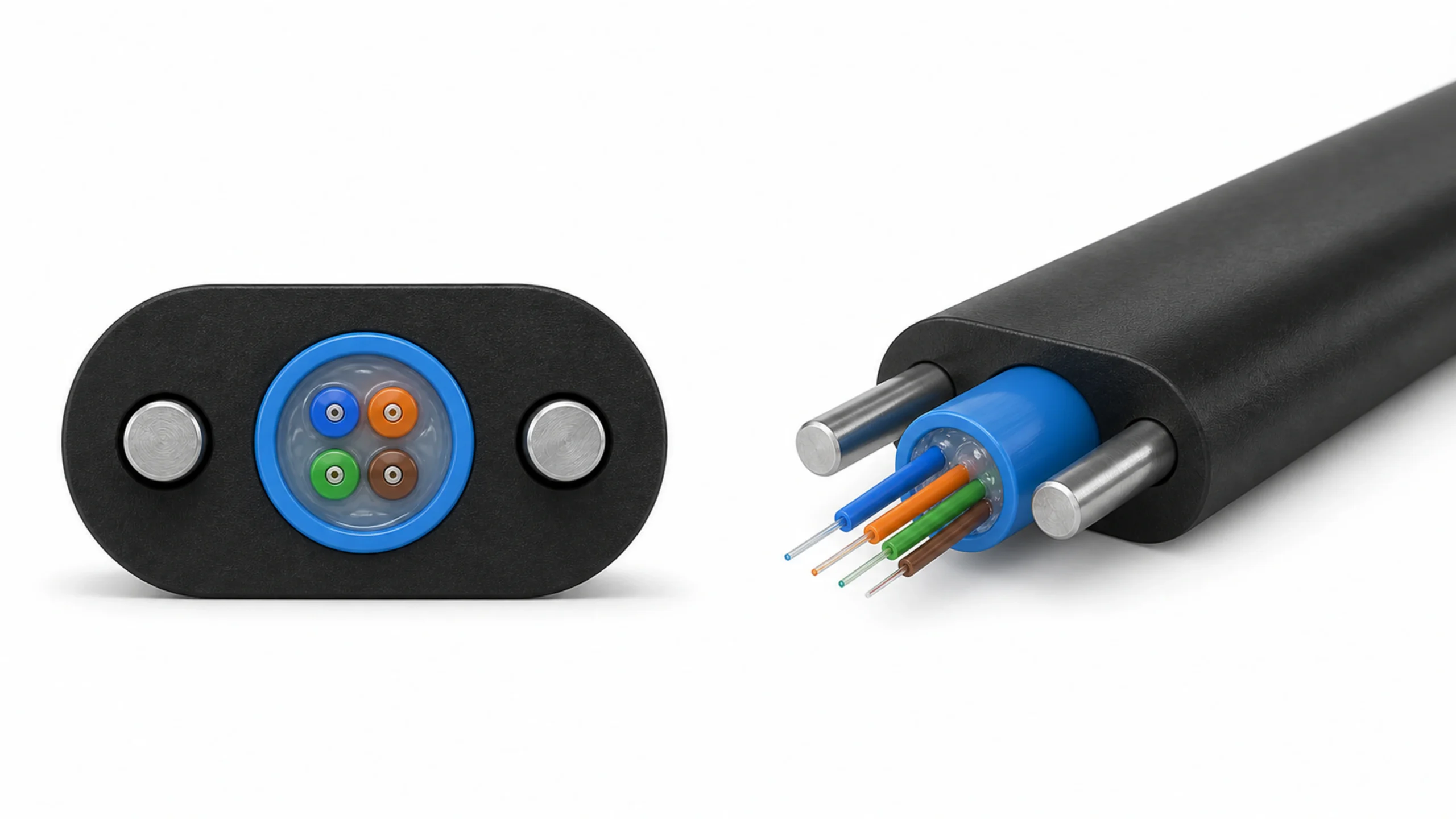
      광섬유 케이블

      광섬유 케이블 유형 찾아보기

      원자재

      광케이블 생산용 재료

  • 블로그
  • 연락하다

강선 전력 케이블 생산 라인

What is an armoured power cable production line? It builds the conductor and insulated-core assembly, applies bedding, adds the specified armour and extrudes the outer sheath. Start with the approved cable construction, then match each stage to the armour material, layer dimensions and drum load.

Cable designation
Four-core SWA reference
도체 재질
Copper shown · aluminum to review
도체 공정
Lay up → Bed → Armour → Sheath
Final configuration
Confirmed against the approved cable design
Cable structure preview 참조 케이블
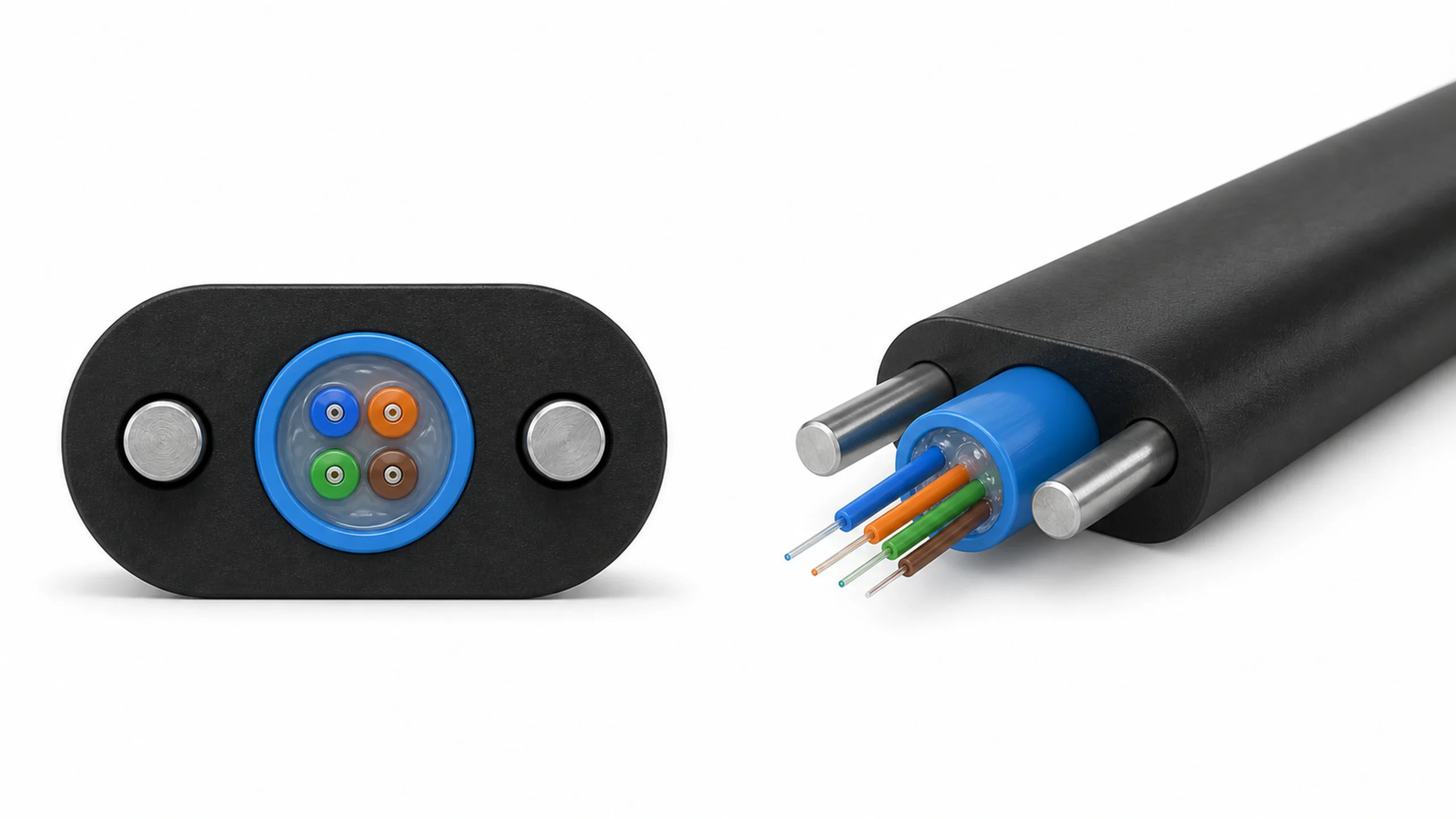
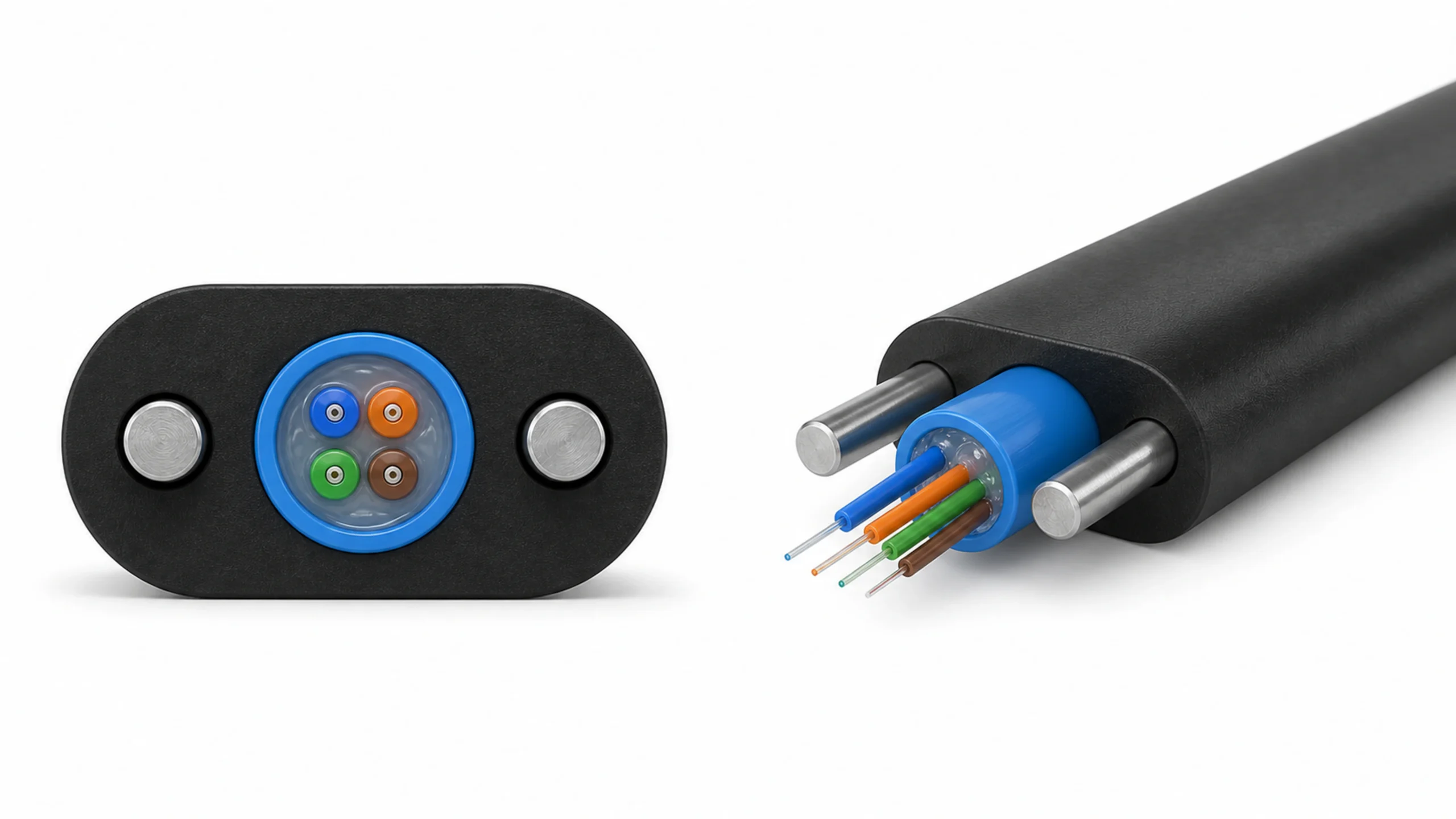
Four-core copper power cable with bedding, steel wire armour and an outer sheath; construction illustration Structure reference. Final design pending. Cable structure below Review materials and construction
What the client selected Armoured Power Cable · Four-core SWA reference Four-core copper SWA illustration. Confirm the insulation system, bedding, armour wire dimensions, outer sheath and finished drum mass.
02 Cable definition

Define the Armoured Power Cable Before Selecting Equipment

This four-core reference shows copper conductors, individual insulation, a bedded core assembly, steel wire armour and an outer sheath. The pictured SWA construction is one route; steel tape armour requires a different application stage.
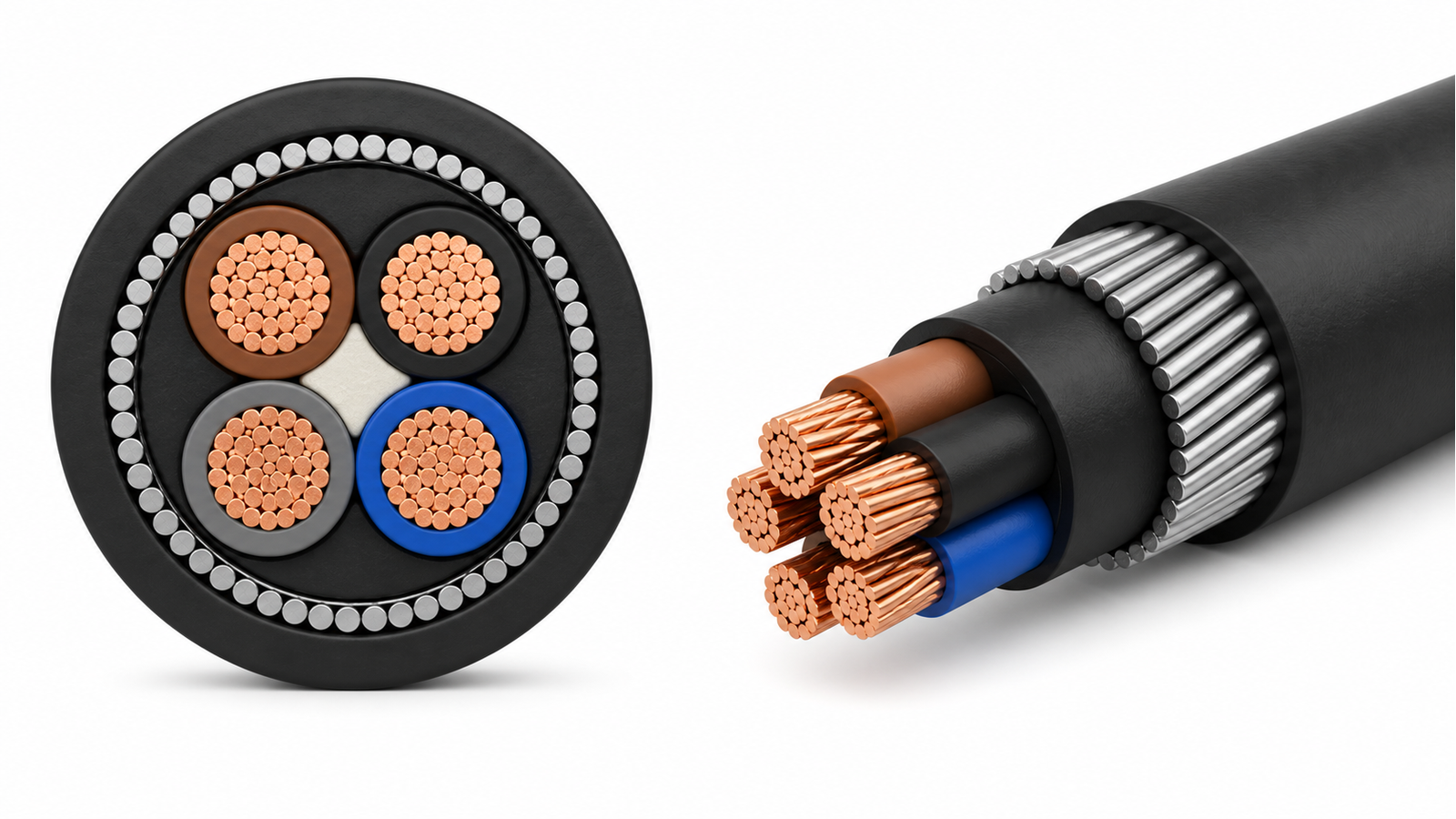
Four-core copper power cable with bedding, steel wire armour and an outer sheath; construction illustration
armoured power cable construction reference The artwork does not confirm a customer sample, standard, material grade, dimensions or production range.
Current project definition

Known inputs and open confirmations

케이블 패밀리
Multi-core armoured LV power cable
Reference construction
Four copper cores with bedding, SWA and an outer sheath
Conductor material / shape
Copper shown; aluminum, compaction or sector shapes require review
Nominal conductor area
Area, class and dimensions for every core, including neutral / protective cores
절연 시스템
PVC or XLPE as specified; compound, wall and core diameter
XLPE process if selected
Compound instructions, dosing, crosslinking method and acceptance
코어 조립
Core count, identification, lay, fillers / binder and bundle diameter
Bedding / inner covering
Material, application method, wall and diameter under armour
Armour construction
SWA in the illustration; STA or other designs require separate review
Armour inputs
Wire material, diameter, count and lay; or tape width, thickness and overlap
Single-core AC projects
Review non-magnetic armour requirements; do not assume steel wire armour
외부 외피
Compound, wall, finished diameter and marking
손질
Bend limits, drum geometry, maximum loaded mass and lifting access
Project acceptance
Approved drawing, voltage / product specification and agreed cable tests
Define the armour separately from the conductor.Conductor stranding, core laying-up and armouring perform different jobs. Provide conductor area and construction, core count and lay, then the armour material, wire or tape dimensions and coverage requirements.
03 예비 공정 경로

Match the Route to the Cable Construction

Follow the low-voltage multi-core SWA reference from your actual incoming material. Bedding precedes the armour stage; the outer sheath covers the armoured assembly. Choose wire or tape armour before approving the equipment scope.

Prepare wires / strand conductors → Insulate / complete required curing and core checks → Lay up cores → Apply bedding → Apply specified armour → Outer sheath → Cool, test and drum Upstream stages depend on conductor construction and incoming material. Solid conductors bypass conductor formation.
Typical process / not a fixed layout

Armour decision point: SWA uses wires; STA uses steel tapes. Their feeds, application heads and control requirements differ. Single-core AC designs require a separate review of non-magnetic armour. If XLPE is selected, define its crosslinking process and acceptance independently of this diagram. Confirm the complete armouring arrangement separately from the cable construction illustration.
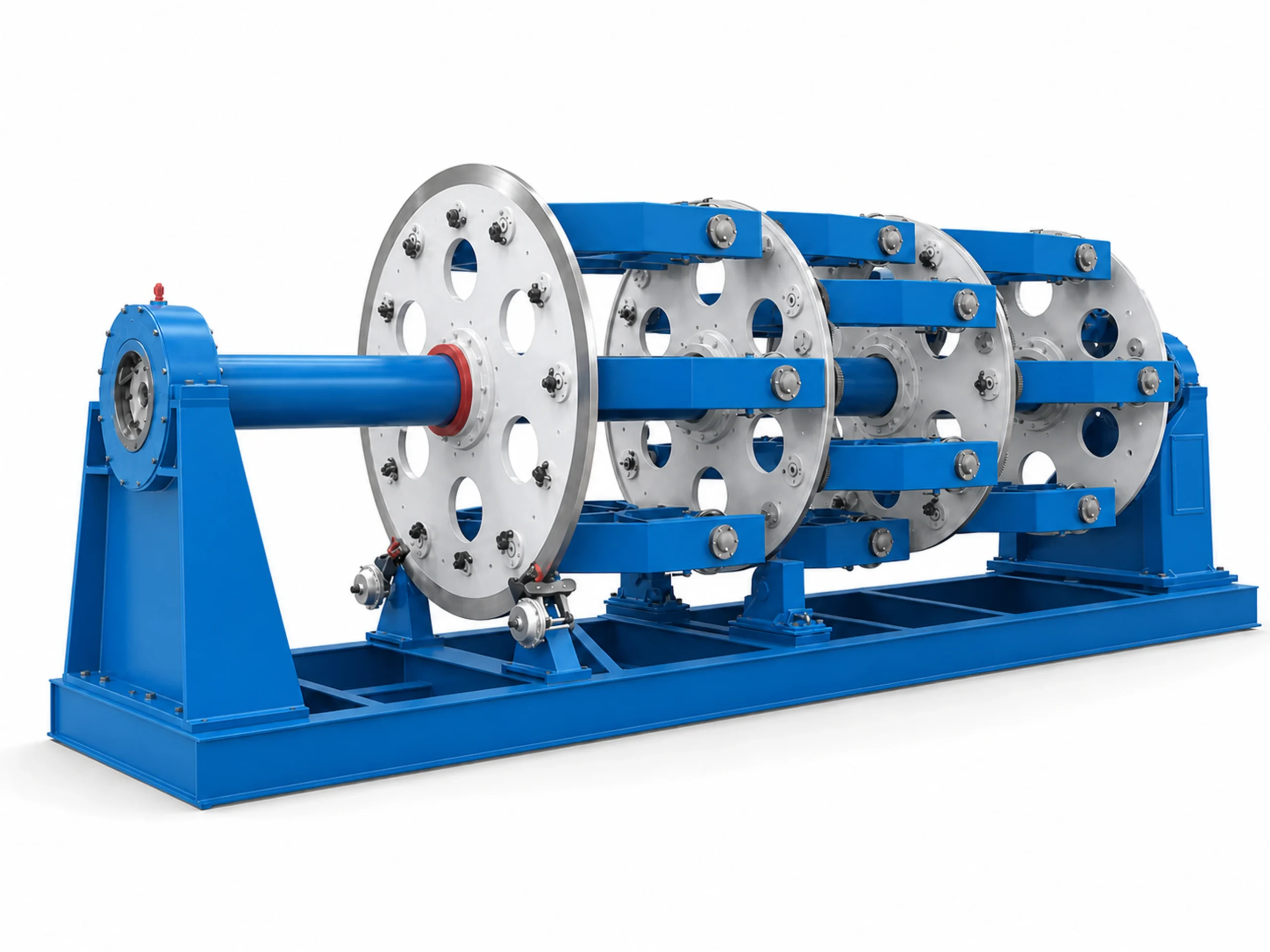
Cage-type conductor stranding machine, existing 3D reference
Stage 02 / Before insulation / stranded design

Conductor Stranding

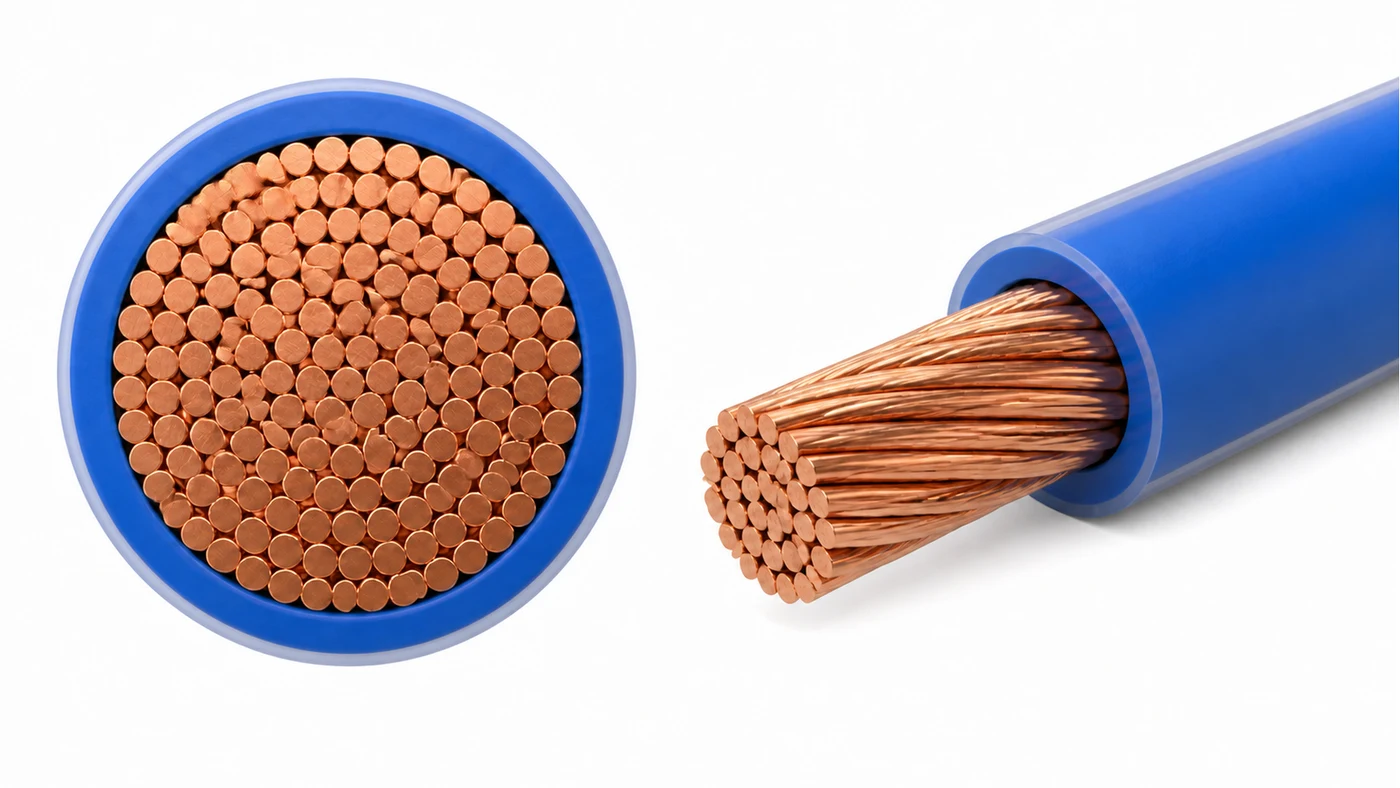
Form each bare conductor from its specified wires. Add compaction or shaping only where required by the conductor design.

입력
Approved individual wires and conductor layer construction
출력
One conductor of the required area, shape and resistance
장비 공급처
Conductor formation equipment; category checked against HONGKAI catalogue p. 49; 3D reference
Confirm
Strander type, wire count, lay, material, compaction tooling, conductor shape and reel mass; solid conductors bypass stranding
04 필요한 단계별 장비

Review the Equipment Categories for This Route

Match each equipment function to the cable design. The 3D illustrations show equipment categories and process arrangements. The final model, operating range and interfaces are confirmed for the project.
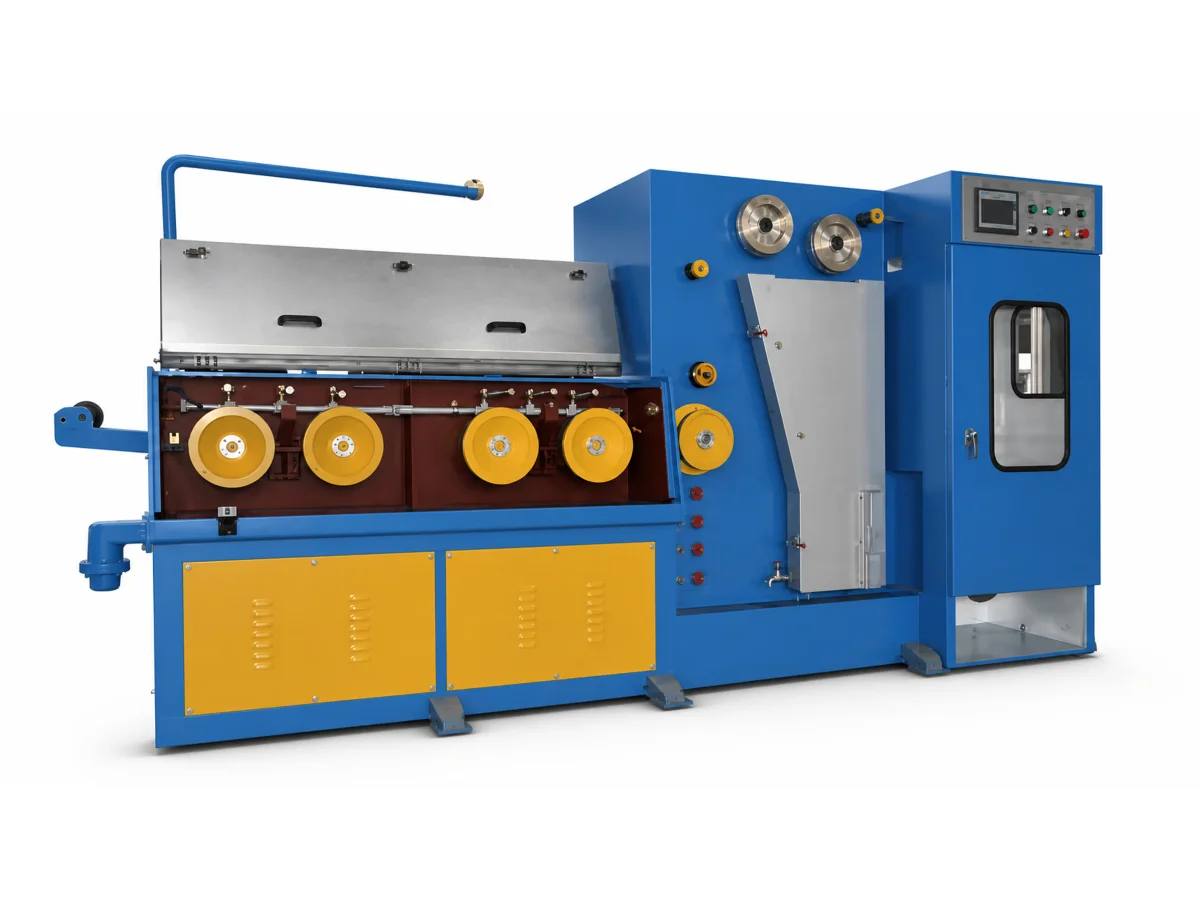
Wire drawing machine, existing 3D equipment reference3D equipment reference; final size and configuration to confirm
01 / Equipment configuration

와이어 준비

Prepare conductor wire to the required diameter and material condition. Use material-specific drawing and heat-treatment arrangements.

Route status
Upstream / if required
Source boundary
Wire drawing equipment; category checked against HONGKAI catalogue p. 45; 3D reference
구성
Material grade, incoming size, final wire size and condition; do not apply a copper annealing setup to aluminum without review
Key input
Incoming copper or aluminum rod / wire

Material grade, incoming size, final wire size and condition; do not apply a copper annealing setup to aluminum without review

05 Manufacturing and integration

Keep Every Equipment Source and Responsibility Explicit

A coordinated production-line project does not mean one factory manufactures every machine. Each source and interface is defined in the approved proposal.

Armoured Power Cable, one coordinated project interface

Equipment source, contracting entity, integration boundary and service responsibility stay item-specific.

Proposal-defined scope
01 / HONGKAI manufacturing scope

HONGKAI에서 제조

Core-insulation and outer-sheathing equipment only where expressly identified as HONGKAI-manufactured in the confirmed proposal.

  • Insulation and sheathing equipment identified in the proposal
  • Mechanical assembly and electrical-control scope only as defined for each identified item
  • Factory inspection or testing only where stated in the approved proposal
Final configuration and responsibility, To be confirmed
02 / Specialist manufacturing scope

전문 제조업체로부터 통합

Conductor preparation, core laying-up and the specified wire or tape armouring system. Sources and interfaces are defined for each item.

  • Conductor formation and core laying-up matched to the approved design
  • Wire or tape armouring selected as a distinct equipment function
  • Bedding, armour and sheath interfaces defined together
  • 제안서에 명시된 소스 및 계약 경계
Equipment source and scope, To be confirmed
03 / Supporting systems

보조 장비 및 프로젝트 인터페이스

Cooling, inspection, any required curing arrangements, heavy-drum take-up, armour material handling and agreed utilities.

  • Exact functions and equipment source remain project-specific
  • Customer-side utilities and interface responsibilities
  • Installation, commissioning and training scope if agreed
Any HONGKAI-configured or supplied supporting items: To be confirmed in the proposal
06 공장 계획 입력

Plan the Factory Around the Confirmed Line Scope

Select only the information you already have. This checklist records readiness for review and does not save or submit project data.

07 Quality checkpoints

Check Each Layer Before Final Drum Release

Agree the inspection plan before equipment selection. Equipment illustrations show the named device only; finished-cable acceptance requires the agreed test methods and records.

Four-core copper power cable with bedding, steel wire armour and an outer sheath; construction illustrationConductor acceptance
Conductor acceptance

Check the Bare Conductor

Confirm wire count, individual-wire diameter, lay, finished bare-conductor diameter and the specified conductor resistance.

Wire count inside one conductor is not the number of insulated cores. The 3D cable is a structure illustration, not a test sample.
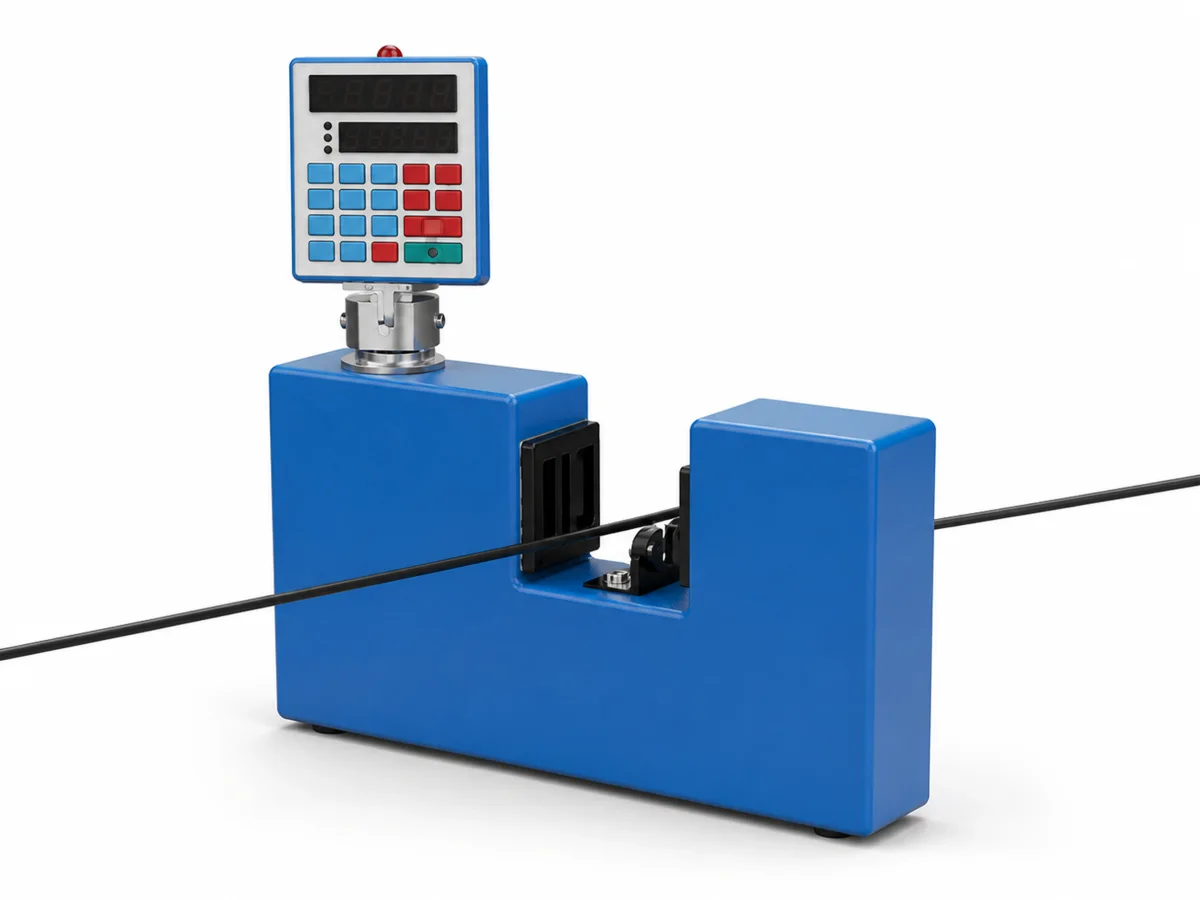
Laser outside-diameter gauge, existing 3D equipment referenceDimensional control
Dimensional control

Check Bedding, Armour and Sheath

Verify bedding dimensions, armour wire or tape arrangement and the outer-sheath wall against the approved drawing. Record the diameter at the relevant stage.

A laser outside-diameter gauge alone cannot establish minimum wall thickness. The acceptance method and tolerances must be defined.
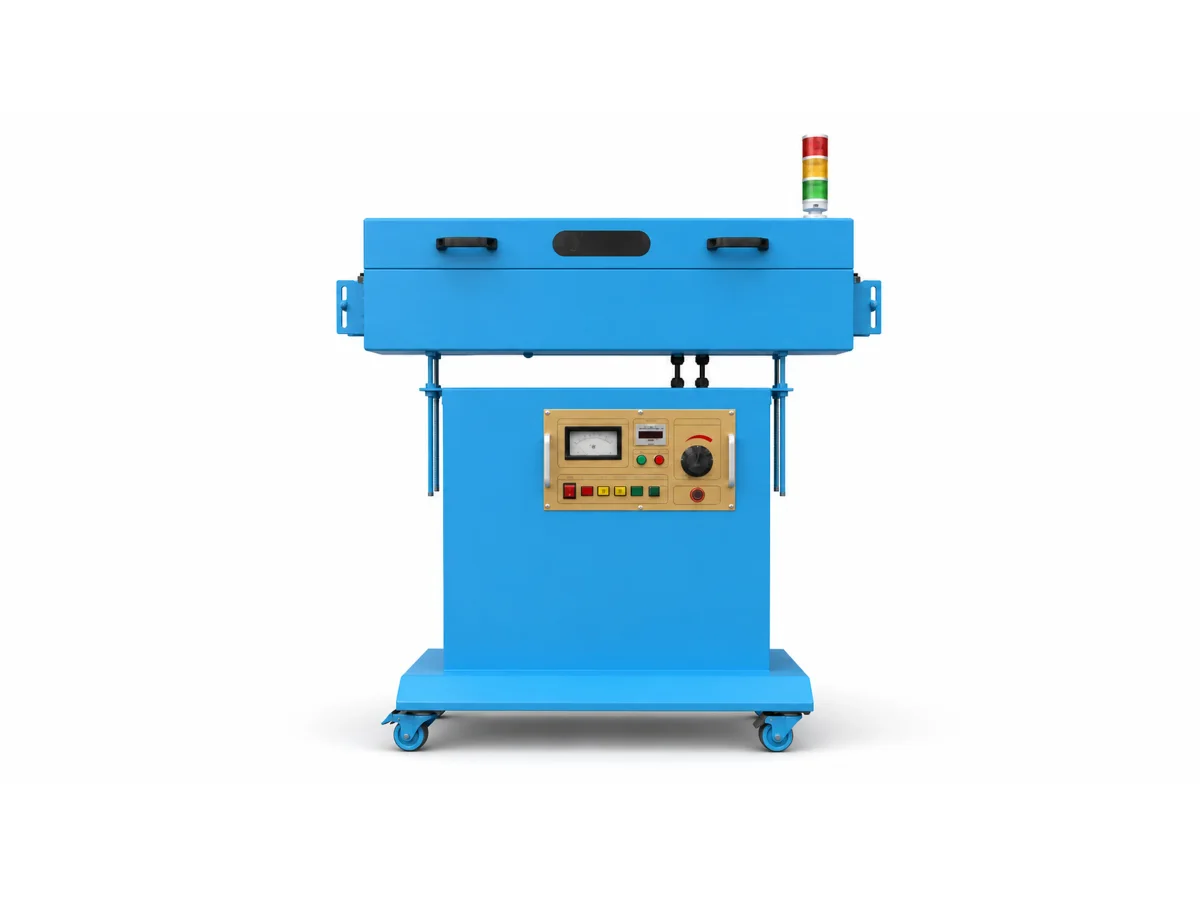
Insulated-core spark tester, existing 3D equipment referenceIn-line electrical check
In-line electrical check

Inspect the Dry Insulation

Cool and dry each insulated core before its specified spark test. Record faults and keep accepted core reels identifiable before cabling.

Core spark testing does not replace finished-cable electrical tests. Any sheath integrity test needs its own approved method and suitable electrical arrangement.
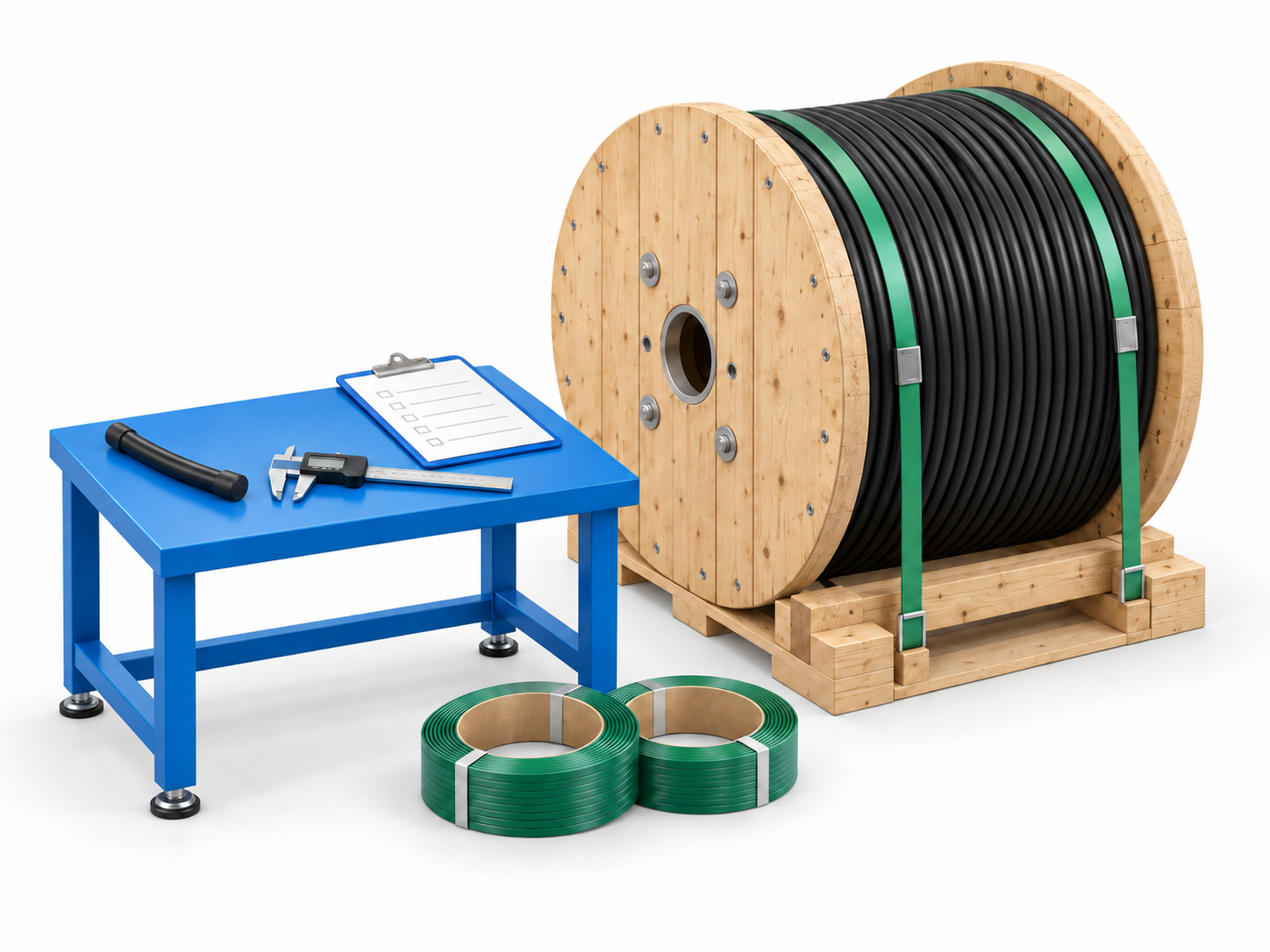
3D workflow illustration of a finished cable drum, dimensional inspection tools and packing recordsFinished-product release
Finished-product release

Confirm the Sale-Ready Package

Complete the agreed electrical, dimensional and material tests, including insulation cure acceptance where required and armour-related checks. Confirm marking, length and drum load records.

Release the finished cable only against the agreed test results, identification, length and packing records.
Keep illustration and evidence separate. Add actual trial records, sample measurements and project acceptance documents once available. No performance or certification is inferred from a render.
Project records required
08 자주하는 질문

Clarify the Route Before Requesting a Quote

These answers explain the decision path. They do not replace an approved cable design, technical solution, quotation or project proposal.

What does an armoured power cable line include?

The preliminary route includes conductor preparation where needed, core insulation and checks, core laying-up, bedding, armour application, outer sheathing, cooling, drum take-up and final acceptance. Accepted conductors or insulated cores can remove completed upstream work from the supply scope.

Can one machine apply both SWA and STA?

Do not assume this. Steel wire armour uses individual wires and a wire-armouring arrangement; steel tape armour needs tape feeds and a suitable taping head. Confirm the construction, dimensions, lay or overlap, tension and equipment capability separately.

Why is bedding applied before the armour?

The specified bedding or inner covering provides the designed separation and supporting surface between the core assembly and armour. Confirm its material, application method, wall and finished diameter before selecting the armour-stage tooling.

Can this SWA route be used for a single-core AC cable?

A single-core AC design requires specific armour-material review because magnetic armour can introduce additional losses. Non-magnetic armour, such as aluminum wire, may be specified. The four-core SWA reference does not establish suitability for a single-core AC project.

Does XLPE need more than an extrusion stage?

Yes. The compound system requires its defined crosslinking process and acceptance. Obtain the material instructions and agree curing equipment or holding arrangements where required. PVC insulation does not use this XLPE curing step.

How are drum size and armour tension selected?

Use the approved construction, diameter, bend limits, armour inputs and maximum loaded drum mass. Check each feed, haul-off, traverse, take-up and handling interface. The category images establish no load rating or operating range.

Which checks are needed before releasing the cable?

Agree conductor, insulation, bedding, armour and sheath inspections against the product specification. Define dimensional, electrical and material tests, armour-related checks and any sheath-integrity method, then verify marking, length and drum records.

Who supplies the armouring equipment?

The proposal identifies the manufacturer, contracting party, supply boundary and integration responsibility for each item, including armouring. Commissioning, training and factory or site acceptance are included only where agreed.

09 Armoured Power Cable project enquiry

Plan Your Armoured Power Cable Production Line

Share the conductor and core design, insulation system, bedding, armour specification and outer sheath. Include the finished diameter, bend limits and maximum drum mass.

Route currently on this page

  • 케이블 패밀리갑옷형 전력 케이블
  • Current route reviewPrepare wires / strand conductors → Insulate / complete required curing and core checks → Lay up cores → Apply bedding → Apply specified armour → Outer sheath → Cool, test and drum
  • Conductor inputsConductor design, bedding dimensions, SWA / STA inputs, sheath and drum mass
  • 완성된 코어 수Four cores in the artwork; actual core count and construction to confirm.

Optional. Review the copied context before sending.

An enquiry requests a project-scope review. It does not confirm equipment configuration, material compatibility, price, delivery schedule, output, factory acceptance or project result.

Compare all cable solutions

Armoured Power Cable Project Enquiry

Fields marked * are required. Technical inputs may remain to be confirmed.

The dedicated enquiry form has not been connected yet. Please contact HONGKAI through the 프로젝트 문의 페이지.

Your contact details

기술 후속 조치를 받을 사람은 누구입니까?
Include country code, if provided.

Conductor and cable construction

Define each conductor separately from the number of insulated cores. Include conductor shape and the XLPE process where applicable.
Applicable product standard and rated voltage from the approved design.
Copper or aluminum; class, round or sector shape, compaction as specified.
Area in mm², not the sum of all cores.
For stranded conductors, wire dimensions by layer if needed.
For stranded conductors; state solid where applicable.
절연 전 외경(mm).
Number of separately insulated cores in the finished cable.
Colours, numbering and protective core, if specified.
PVC or XLPE compound system, grade and nominal / minimum wall.
Target and tolerance in mm.
Lay length, direction and bundle OD before sheathing, if known.
Only where specified by the cable drawing.
Specified sheath compound and nominal / minimum wall.
Target and tolerance after sheathing, in mm.
Compound grade, catalyst system, cure method, conditions, time and acceptance if known. PVC projects may mark not applicable.
Flange and barrel diameter, width, bore, cable length and maximum loaded mass.
Material, application method, wall and diameter under armour.
SWA, STA, non-magnetic armour or another approved construction.
Wire diameter, count and lay; or tape width, thickness and overlap.

Project requirements

Final range, output and equipment interfaces require technical review.
Cable size, quantity, unit, working hours and product mix.
파일을 드래그 앤 드롭하거나, 업로드할 파일 선택 최대 3 파일을 업로드할 수 있습니다.
Optional: PDF, JPG, JPEG or PNG. Up to 3 files, 10 MB each.
Use Add Viewed Route to Form, then review or edit the copied context.

견적을 요청하세요

우리는 24시간 이내에 당신에게 대답할 것입니다!!!