












A fiber optic cable factory owner or production manager should not order a loose tube production line from a headline speed and extruder size. The purchase decision starts with the cable construction, approved materials, process window, package plan and evidence that will define an acceptable trial.
A loose tube production line should be specified as one controlled process from fiber pay-off to finished tube take-up. The buyer must lock the tube design, fiber handling, polymer and filling system, tooling, cooling, excess fiber length, reel logistics and test method before comparing suppliers. A catalogue maximum can describe machine capability, but only a stable trial with the agreed cable and materials can establish an acceptable production condition. The purchase specification should therefore connect every machine unit to a measurable output or acceptance record.
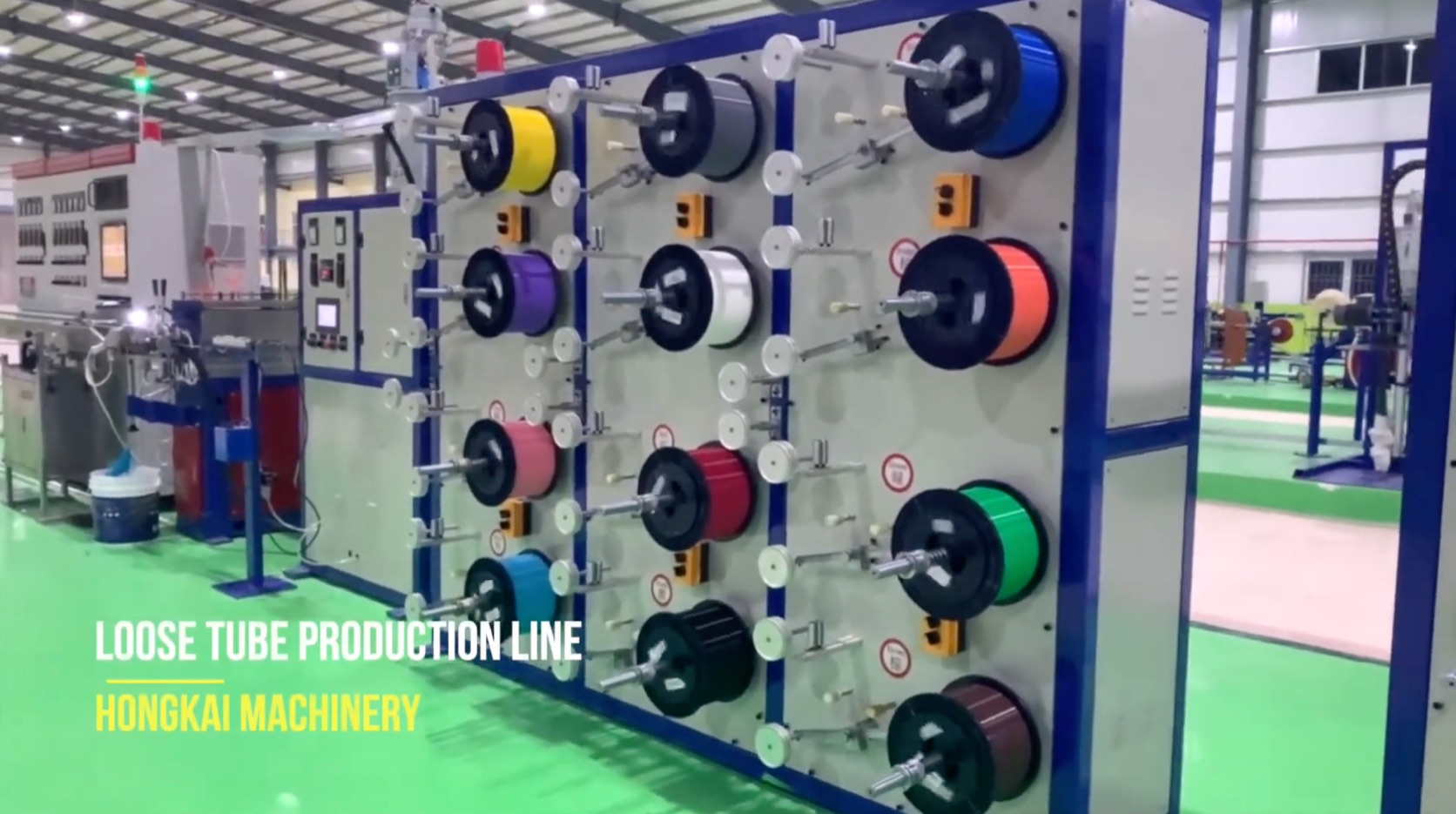
Real HONGKAI loose tube production equipment. The final configuration must be matched to the approved tube construction, fiber package and process evidence.
تولید لولههای آزاد نیز به عنوان پوشش ثانویه شناخته میشود. این روش به تنهایی مسیر کامل کابل بیرونی را تشکیل نمیدهد. کابل لوله مرکزی ممکن است مستقیماً از فرآیند اکستروژن لوله آزاد به مرحله حفاظت و پوستهپوشی منتقل شود، در حالی که کابل لوله آزاد پیچیده معمولاً نیازمند مرحله جداگانهای برای شکلدهی هسته قبل از پوسته نهایی است. لوله آزاد میتواند از فرآیند پر شده با ژل (تر) یا فرآیند خشک بدون پر کردن ژل استفاده کند؛ بنابراین محدوده تجهیزات باید از کابل نهایی به سمت عقب محاسبه شود، نه اینکه یک لیست واحد را به عنوان جهانی در نظر گرفت.
The eight decisions below are written for an RFQ, technical comparison and factory acceptance test. They also show why two lines with similar catalogue descriptions may not carry the same project risk.
Which Specifications Should a Buyer Lock Before Ordering a Loose Tube Production Line?
خریدار باید هشت تصمیم مرتبط را ثابت کند: لوله هدف، ورودی فیبر، آمادهسازی پلیمر، مسیر پر کردن، اکستروژن و ابزارها، خنکسازی و طول اضافی، ظرفیت و مدیریت بستهبندی، و شواهد پذیرش. هر تصمیم باید به صورت قابل اندازهگیری نوشته شده و به یک طرح کابل یا مواد تأیید شده پیوند داده شود. تنها پس از آن میتوان نیاز را به یک پیکربندی پروژه نسبت داد، نه به یک لیست ماشینآلات عمومی. بهترین پیشنهاد قیمت، آنی است که فرضیات و مسئولیتهای تأیید را شفاف کند.
1. Target Tube: Which cable families and loose-tube dimensions must the line support?
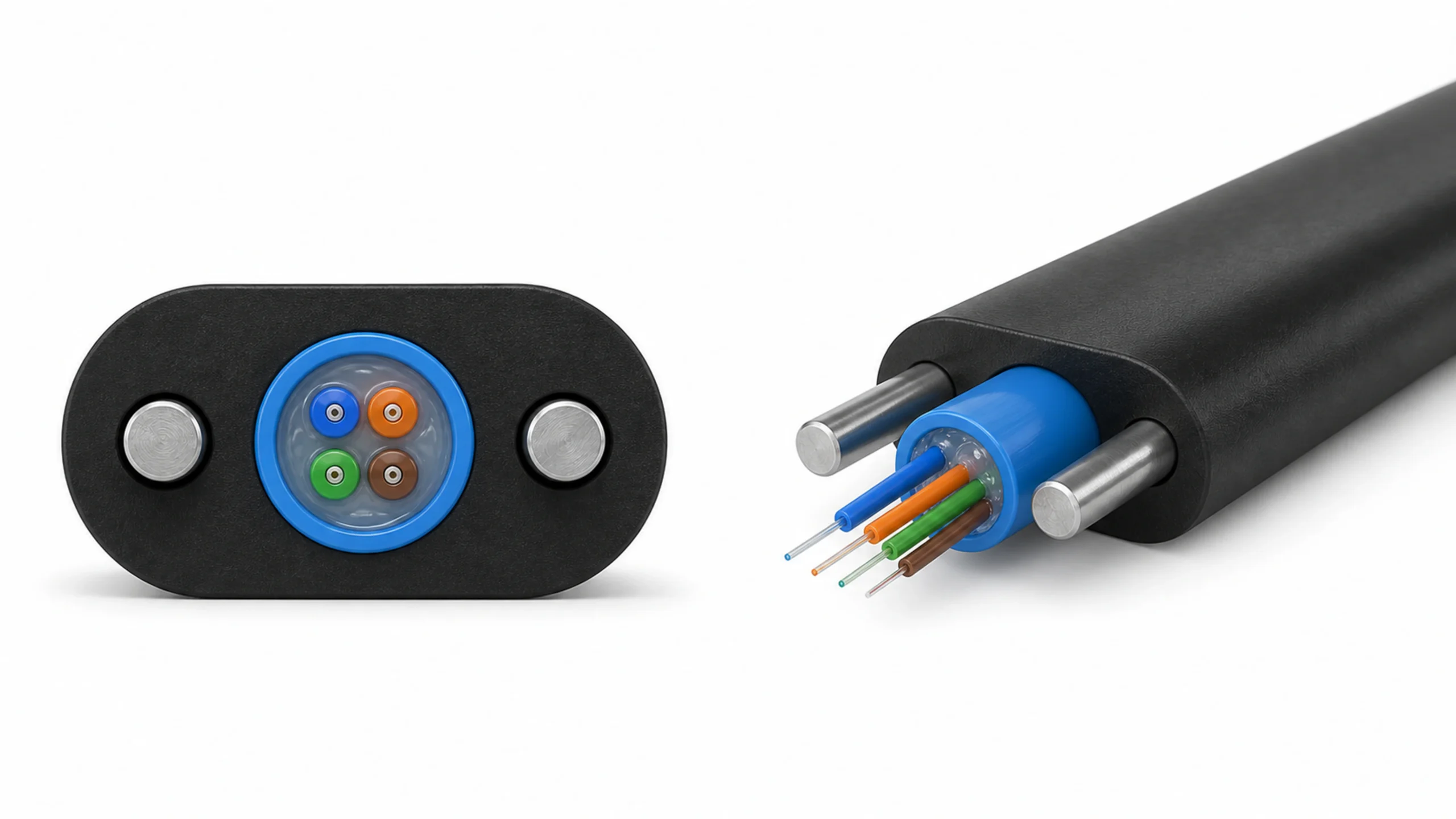
Why it matters: The finished cable determines whether the loose tube is a central cable element, one of several stranded elements or an intermediate package for another process. Fiber count alone does not determine the route. Tube outside diameter, wall, fiber count, material, color set, filling method, downstream reel and cable construction must be considered together.
What to ask: Send the finished-cable drawing, tube drawing, tolerance table, fiber count per tube, tube colors, approved polymer grade, filling requirement and planned product range. State which products are launch priorities and which are possible future options. If the factory will make both central-tube and stranded loose-tube cables, identify the downstream equipment and reel interfaces for each family.
پیش از صدور RFQ، تأیید کنید که لوله خشک است یا پر از ژل، قطر خارجی هدف و تعداد فیبرهای هر لوله، و شرایط تولید پایدار مورد نیاز برای هر رنگ لوله چیست. برای برنامه تولیدی که خط در هر زمان فقط یک رنگ لوله را تولید میکند، سرعت پذیرفته شده را با برنامه رنگ و طرح لوله مرتبط کنید.
How to verify: Trace every quoted unit to the product drawing. The fiber pay-off count must cover the approved tube construction; the crosshead and tooling must cover the defined tube range; the take-up package must transfer safely to the next process. ITU-T L.102 describes sufficient internal tube space as the essential loose-tube feature and states that buffer-tube dimensions should be agreed between the manufacturer and customer.1
Red flags: A proposal uses only total cable fiber count, omits the tube drawing, or claims one configuration covers every outdoor optical cable without identifying the central-tube, SZ-stranded or product-specific route.
2. Fiber Input: How will the line control every optical fiber from pay-off to crosshead?
Why it matters: Multiple coated fibers enter one small crosshead at the same time. Unstable pay-off tension, damaged guide surfaces, uncontrolled static or a poor fiber path can create intermittent problems that are difficult to diagnose after extrusion. The buyer needs a fiber-handling specification, not only a count of pay-off positions.
What to ask: Define incoming fiber diameter, reel dimensions, usable length, fiber identification, normal operating tension, alarm limits, broken-fiber response and the required production record. Ask how each pay-off is driven or braked, how dancer position is measured, how fibers are guided and gathered, and what happens when one position reaches a limit.
روش تأیید: در طول FAT، رولهای فیبر توافقشده را بارگذاری کرده و هر موقعیت را از شروع، شتابدهی، کارکرد پایدار، کاهش سرعت تا توقف مشاهده کنید. تاریخچه هشدارها را بررسی کرده و تأیید نمایید که یک خطا شبیهسازیشده فیبر، پاسخ ماشین توافقشده را تولید میکند. راهنماها و قطعات جمعآوری را برای سطوح تماس تمیز بررسی کرده و وضعیت فیبر را قبل و بعد از آزمایش ثبت کنید. یک بررسی عملی این است که کنترل پایدار تخلیه و مسیر فیبری سطحی و با نوسان کم قبل از کراسهد را تأیید کنید، سپس این شرایط را با نتیجه ثبتشده طول اضافی مقایسه کنید.
Red flags: The supplier demonstrates only an empty line, reports one tension value without a range or tolerance, cannot show individual position behavior, or treats fiber pay-off as an accessory outside the line-control responsibility.
3. Polymer Control: Which PBT grade, drying method and material records will define the process?
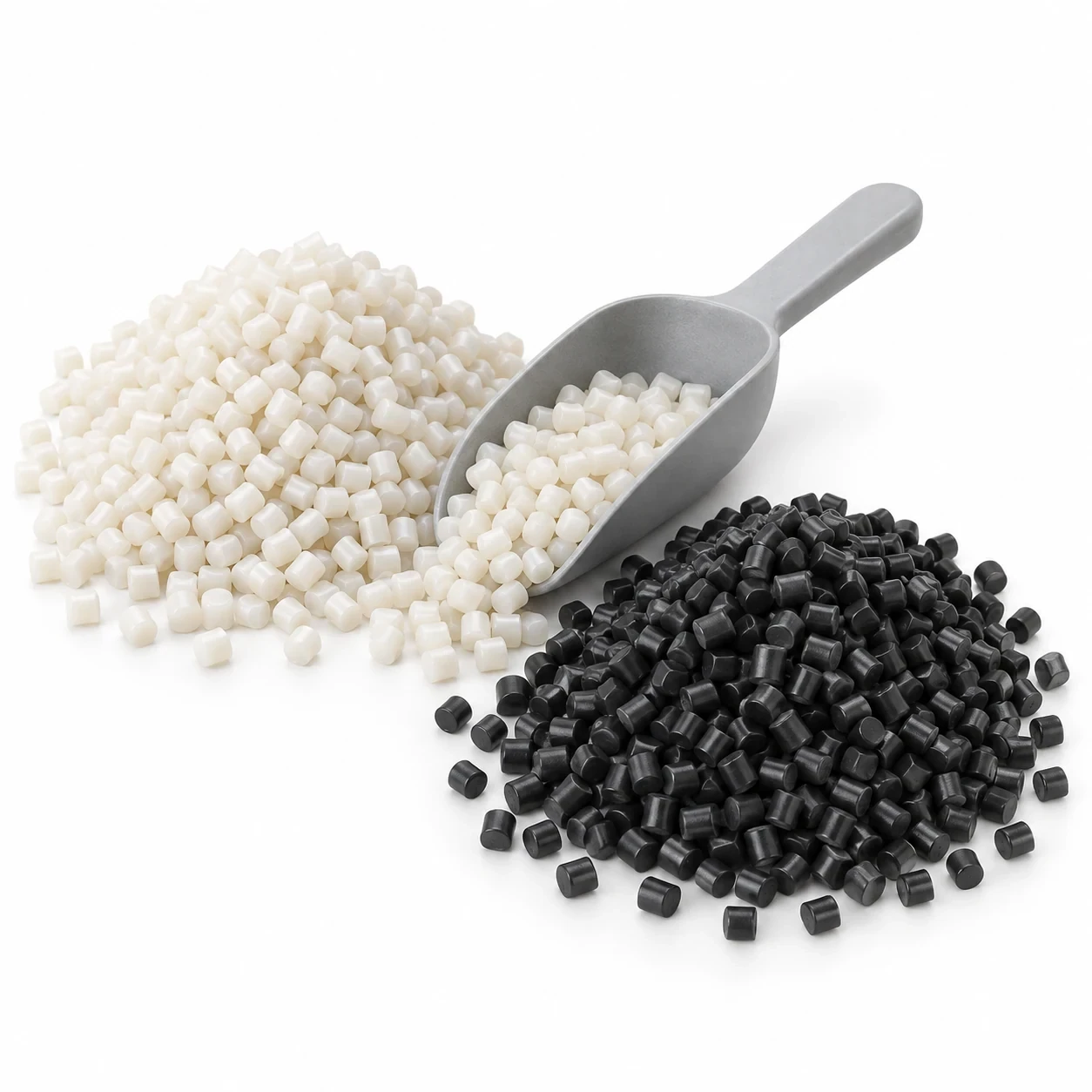
Why it matters: A loose tube production line cannot establish a repeatable process if the polymer grade, moisture condition, color masterbatch and thermal history are undefined. The dryer and loader are part of the quality-control chain because moisture or contamination can appear later as bubbles, surface defects, dimensional variation or unstable processing.
What to ask: Name the approved PBT or other tube polymer by supplier and grade. Attach the supplier’s storage, drying and processing instructions; define masterbatch compatibility, allowable regrind policy, material-change procedure and required lot records. Ask how the dryer confirms temperature and time, how material is protected after drying, and how the hopper and loader prevent contamination.
How to verify: Build the FAT recipe from the actual resin supplier document rather than a universal temperature copied from another project. The Celanese polyester technical manual explains that tube extrusion depends on melt-temperature control and identifies inadequate drying, incorrect temperatures and pressure conditions as common causes of extrusion problems.2 Record material lot, drying condition, zone settings and the time sequence used for every accepted sample.
Red flags: The quotation states a single universal PBT temperature, does not identify the resin grade, leaves the dryer outside the machine scope, or changes material during FAT without restarting the evidence record.
4. Filling Route: Does the product require gel filling, a dry design or project-specific preparation?
Why it matters: Gel-filled and dry loose-tube designs do not have identical material feeds, cleanliness controls or acceptance checks. A gel system also has to control preparation, delivery and air removal while remaining synchronized with the tube process. The filling decision must come from the approved cable construction rather than from the supplier’s standard equipment list.
What to ask: Specify whether the tube is gel-filled, dry or part of another qualified design. For gel filling, define the approved compound, preparation method, operating condition, start-up handling, air-removal method, fill verification and cleaning procedure. For a dry design, define the approved water-blocking element and how the machine route changes.
روش تأیید: مواد پرکننده توافقشده را اجرا کرده و نمونههای لوله را با روش نوشتهشده خریدار بررسی کنید. تنظیمات سیستم پرکننده، حالت خلأ و گردش، ضایعات راهاندازی و شواهد تمیزکاری را ثبت کنید. تأیید کنید که تحویل پرکننده با خط اکستروژن هماهنگ است و عملکردهای گردش و خلأ هواهای محبوس را قبل از اجرای پذیرفتهشده حذف میکنند. برای آزمایش فرآیند مرطوب، تحویل ژل و کنترل حبابها را پایدار کرده و سپس فیبرهای نوری توافقشده را معرفی کنید.
Red flags: A supplier describes gel filling as automatically acceptable without a sample method, assumes every loose tube must contain gel, or cannot explain how a filling fault affects line stop, sample segregation and restart approval.
5. Extrusion and Tooling: How will the line hold tube geometry during speed changes?
Why it matters: Extruder size alone does not prove stable tube geometry. Screw and barrel condition, melt delivery, crosshead design, tooling, thermal control, line speed and haul-off behavior interact. Unstable polymer output changes wall thickness and outside diameter, which can also move the measured excess fiber length. The buyer needs a defined process window for the approved tube, especially through acceleration and deceleration.
What to ask: Provide the screw and barrel scope, crosshead and tooling concept, heating and cooling zones, sensor locations, diameter measurement, feedback logic and recipe records. List every tube size to be trialed and identify which tips, dies, guides or inserts change between products. Require a tooling drawing and a spare-tooling list.
How to verify: Measure outside diameter and the other agreed tube dimensions at stable speed and across controlled speed changes. Compare the online gauge with the buyer’s offline measurement method, retain labeled samples and review the trend record rather than accepting one displayed value. The resin supplier’s processing guide notes that overly high or low melt temperature can produce irregular wall thickness, poor surface finish or uneven dimensions.2
Red flags: The FAT relies on a short maximum-speed display, the supplier cannot connect gauge feedback to a control action, tooling is treated as an unnamed consumable, or samples are not linked to time-stamped settings.
6. Cooling and EFL: How will the line establish the required excess fiber length?
Why it matters: Excess fiber length is a product characteristic created by the complete relationship between fiber feed, tube formation, thermal history, capstan behavior, cooling and take-up. A high headline speed is not useful if tube shrinkage, tension or cooling variation moves the result outside the agreed window. EFL must be treated as an acceptance output, not a hidden operator adjustment.
What to ask: Define the required excess fiber length range and measurement method for each approved tube. Ask the supplier to explain the hot, warm and cooling sections, water-temperature control, movable or adjustable elements, capstan arrangement, dancer loops, recipe variables and stabilization procedure after a product change.
How to verify: Use a written sampling plan that connects sample position, process time, reel, speed and recipe to the measured result. Compare start-up, stable-run and end-of-reel samples. Confirm that the excess-length capstan holds controlled tension without pulling the PBT tube too hard or allowing it to run too loose. At higher speed, verify that cooling length and water-temperature control are sufficient for the actual tube. The measurement equipment and calculation method must be agreed before FAT, because two parties can otherwise report different EFL results from the same production run.
Red flags: EFL is absent from the acceptance table, the proposal treats cooling trough length as proof of control, the buyer and supplier use different sample methods, or the line reaches speed before the process is allowed to stabilize.
7. Capacity and Packages: What stable output and reel-change plan does the factory actually need?
Why it matters: Loose-tube output must be calculated by tube color, tube count, cable structure and downstream consumption. One finished cable can require several separate tube runs, so machine metres cannot be compared directly with finished-cable metres. Reel size, product length, color change and changeover loss also affect saleable output.
What to ask: State the required tube length by color and construction, planned shifts, target stable production condition, minimum accepted run length, incoming fiber packages, outgoing tube reels and downstream demand. Separate machine structure speed, catalogue maximum, demonstrated speed and accepted stable speed in the quotation. Define the required fiber-pay-off positions from the maximum fibers in one tube, not only the total fibers in the finished cable. Ask whether reel handling is manual, semi-automatic or fully automatic, and require the supplier to describe the operator’s work at every reel change.
روش تأیید: ظرفیت را از برنامه تولید محاسبه کنید، نه اینکه سرعت اصلی را در تعداد ساعتهای موجود ضرب کنید. تعداد بستههای لوله را با تقاضای پیچیدن SZ یا پوستهپوشی لوله مرکزی تطبیق داده و رابطهای فیزیکی رول را تأیید کنید. در مثالهای برنامهریزی پروژه HONGKAI، لوله ممکن است قطر خارجی تقریبی 2.0 mm داشته باشد، محصول کوچکتر ممکن است حدود 1.6 mm باشد، و برخی لولههای 24-فیبری ممکن است به 3.0 mm نزدیک شوند؛ طرح محصول همچنان حاکم است. طراحی سرعت ساختار 800 m/min ممکن است شرایط تولید واقعی حدود 600 m/min را برای لوله مناسب پشتیبانی کند، در حالی که یک خط با محدوده ساختار 400-600 m/min ممکن است نیازمند برنامهریزی نزدیکتر به 400 m/min باشد. اینها تنها مثالهای مقایسهای محدود هستند، نه نقاط عملیاتی تضمینشده: قطر، تعداد فیبر، مواد، خنکسازی و کیفیت پایدار، مقدار FAT را تعیین میکنند.
Red flags: A supplier converts catalogue speed directly into annual finished-cable output, ignores the number of tube colors, does not define changeover loss, or quotes a take-up reel that does not match the downstream pay-off.
8. Acceptance Evidence: Which records must prove the loose tube production line is ready?
Why it matters: A successful FAT is not a video of the machine running. The acceptance plan must connect the approved materials, settings, output samples, measurements, alarms and documents to pass or fail criteria. The records also become the baseline for installation, commissioning and future troubleshooting.
What to ask: Attach a factory acceptance test, or FAT, matrix covering machine scope, safety checks, utilities, material identity, fiber handling, line functions, alarms, recipe and trend records, tube dimensions, EFL, filling result, optical checks when specified, length counting, reel build and supplied documents. Name the measuring equipment, calibration status, sample method, stabilization condition, witnesses and disposition of nonconforming results. If the contract requires a minimum run time or length, define it before the trial instead of inventing it after the machine starts.
How to verify: Sign the accepted configuration and FAT method before the trial. First stabilize polymer output, tube outside diameter and, for a wet process, gel circulation, filling delivery and air removal. Then run the agreed optical fibers and retain time-linked samples and electronic records. Reconcile every result with the cable drawing and purchase specification. IEC 60794-1-23 describes test procedures for geometrical, material, mechanical and environmental properties of optical cable elements, including buffer-tube-related methods; the buyer should select only the methods relevant to the agreed product and current standard edition.3
Red flags: Pass criteria are agreed after the test, samples have no traceability, the supplier substitutes materials without approval, alarms are not challenged, or the signed FAT report does not list open items and responsibility.
Note: The decisive question is not whether a loose tube production line can run fast; it is whether the agreed tube can be reproduced with traceable settings, measurements and package handoffs inside the buyer’s production plan.
How Does HONGKAI Configure a Loose Tube Production Line for a Specific Project?
HONGKAI starts with the tube drawing, fiber package, material, filling route, output plan and downstream process. A current reference configuration connects independently controlled fiber pay-offs, material preparation, filling and air removal when required, a PBT extruder and crosshead, staged water cooling, online diameter measurement, traction and dancer control, and project-matched reel handling. HK-50 and HK-60 proposal variants are project references rather than universal standards. The final scope and accepted speed are confirmed against the exact product and FAT conditions.
HONGKAI fiber optic cable production equipment guide explains where secondary coating sits inside a broader optical-cable process. For a verified central-tube example, the GYXTW production route connects fiber coloring, HK-50 loose-tube production and project-specific protection and sheathing. The ADSS production route adds SZ stranding and aramid/sheathing stages because the approved cable structure is different.
طرح کابل نهایی و جزئیات لوله را قبل از درخواست مدل ماشین ارسال کنید. این ترتیب به HONGKAI اجازه میدهد تا مشخص کند که پروژه نیازمند مسیر لوله مرکزی، مسیر لوله آزاد پیچیده، طراحی پر از ژل یا خشک است و کدام رابطهای ماشین باید در برنامه پذیرش یکسان گنجانده شوند.
Fiber-pay-off quantity should follow the highest fiber count in one tube. As a HONGKAI planning example, many cable designs at or below 144 total fibers can use 12 fibers per tube and a 12-position fiber pay-off. A higher-count design may instead require 24 fibers in one tube and a 24-position pay-off. The approved cable drawing, rather than the finished-cable total alone, decides the requirement.
Take-up automation also needs a written boundary. With manual reel change, the operator cuts and transfers the tube to the next reel. A semi-automatic system handles part of the clamping or lifting sequence while the operator removes the full reel and positions the next one. A fully automatic option can automate more of the loading and unloading cycle, but the supplier must state exactly which movements remain manual.
The reference equipment scope normally covers the following process functions, but brand, size, quantity, range and options remain subject to the approved project specification:
- ☐ Controlled optical-fiber pay-off and gathering
- ☐ Polymer drying, loading and traceable recipe control
- ☐ Gel preparation, circulation and air removal when required
- ☐ Extruder, crosshead and tube-specific tooling
- ☐ Staged water-temperature and cooling control
- ☐ Online diameter measurement and feedback
- ☐ Capstan, dancers, length counting and manual, semi-automatic or fully automatic tube take-up as specified
- ☐ Alarm history, trend records, manuals, drawings and FAT documents
The buyer can also use HONGKAI’s fiber optic production capacity planning method to balance loose-tube output with coloring, SZ stranding and final sheathing. The connection matters because a technically acceptable loose tube production line can still create excess work-in-process if downstream consumption and reel logistics were not planned.
Note: HONGKAI’s reference configuration becomes a purchase specification only after the cable structure, materials, operating condition, interfaces and acceptance evidence are written into the project documents.
-
ITU-T Recommendation L.102 (2025), Optical fibre cables for aerial application, especially the tube-construction and buffer-tube test clauses. ↩
-
Celanese Polyester Technical Manual, sections 3.7.12 and 3.7.14 on tube extrusion and extrusion troubleshooting. Material-grade instructions remain controlling for the actual project. ↩ ↩
-
IEC 60794-1-23:2019, Optical fibre cable element test methods. هنگام آمادهسازی طرح آزمون قرارداد، اصلاحات جاری و هر بخشی از روش جایگزین را تأیید کنید.↩

 English
  हिन्दी
  فارسی
فارسی