
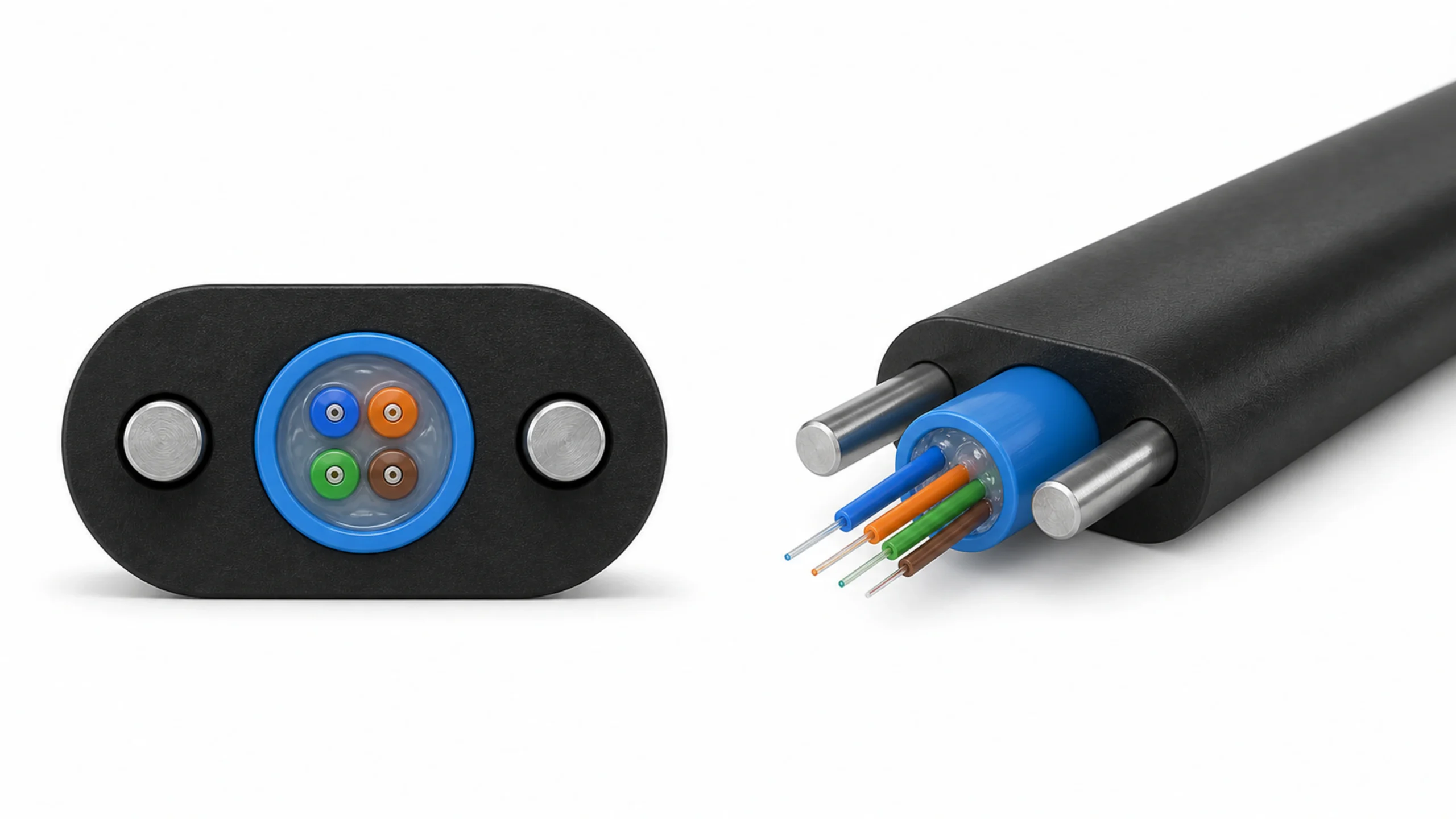
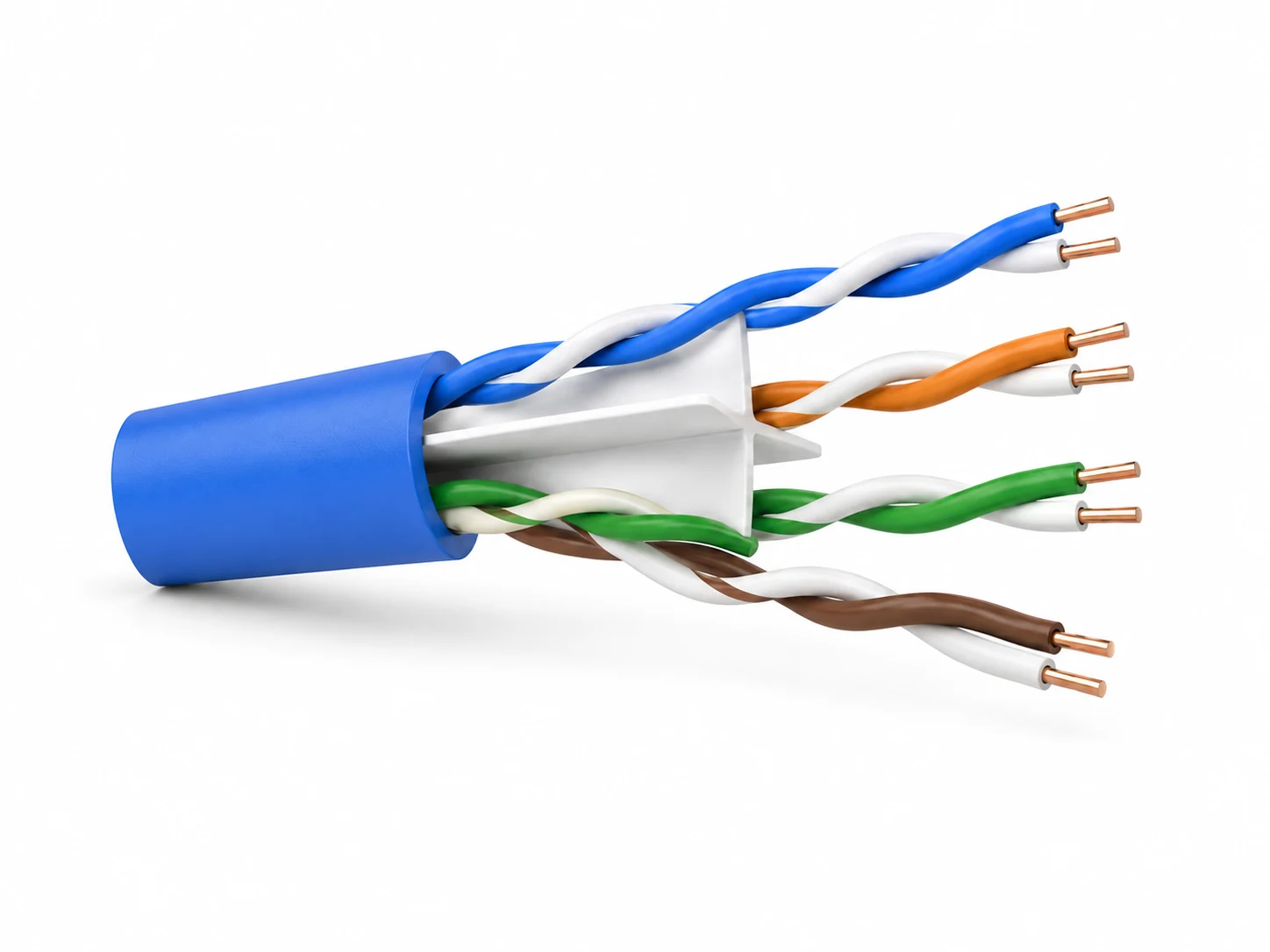
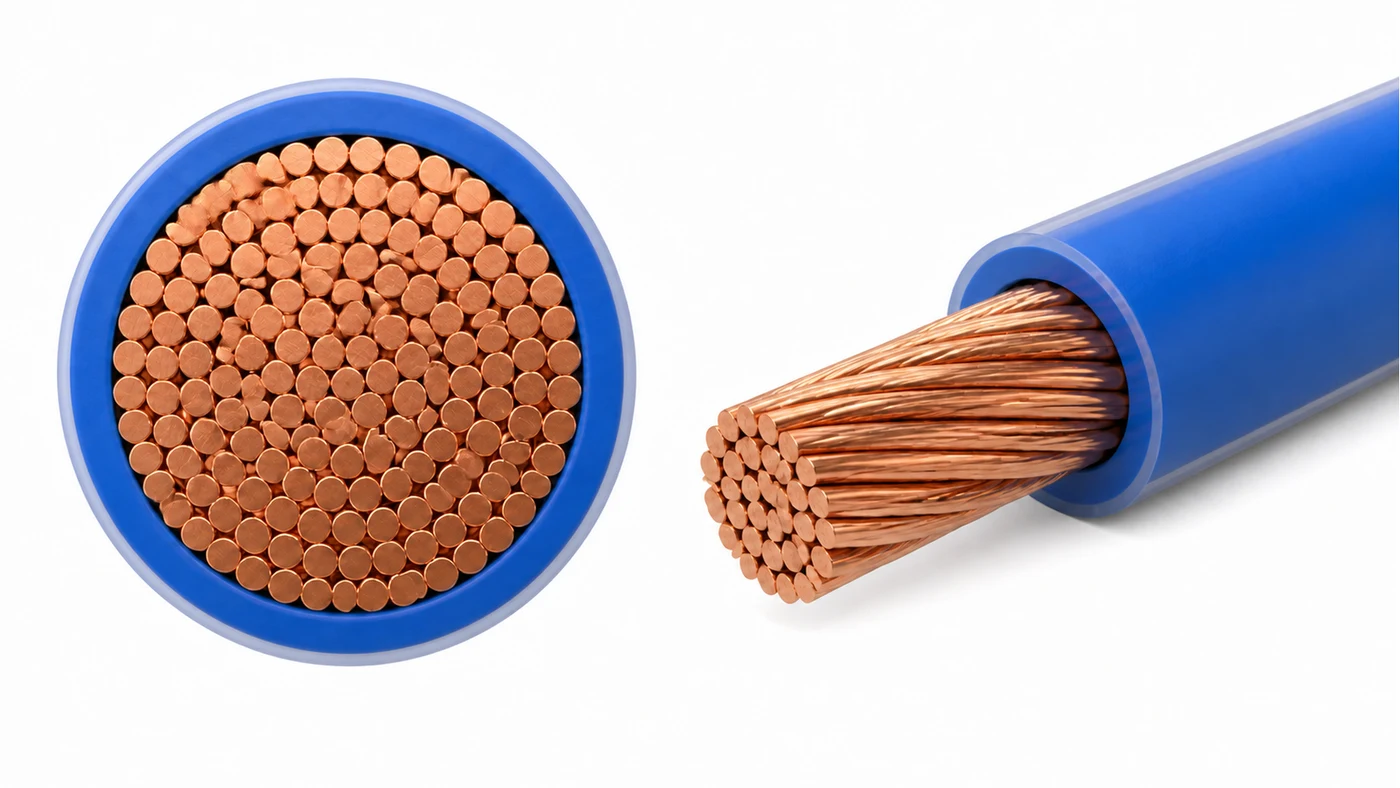
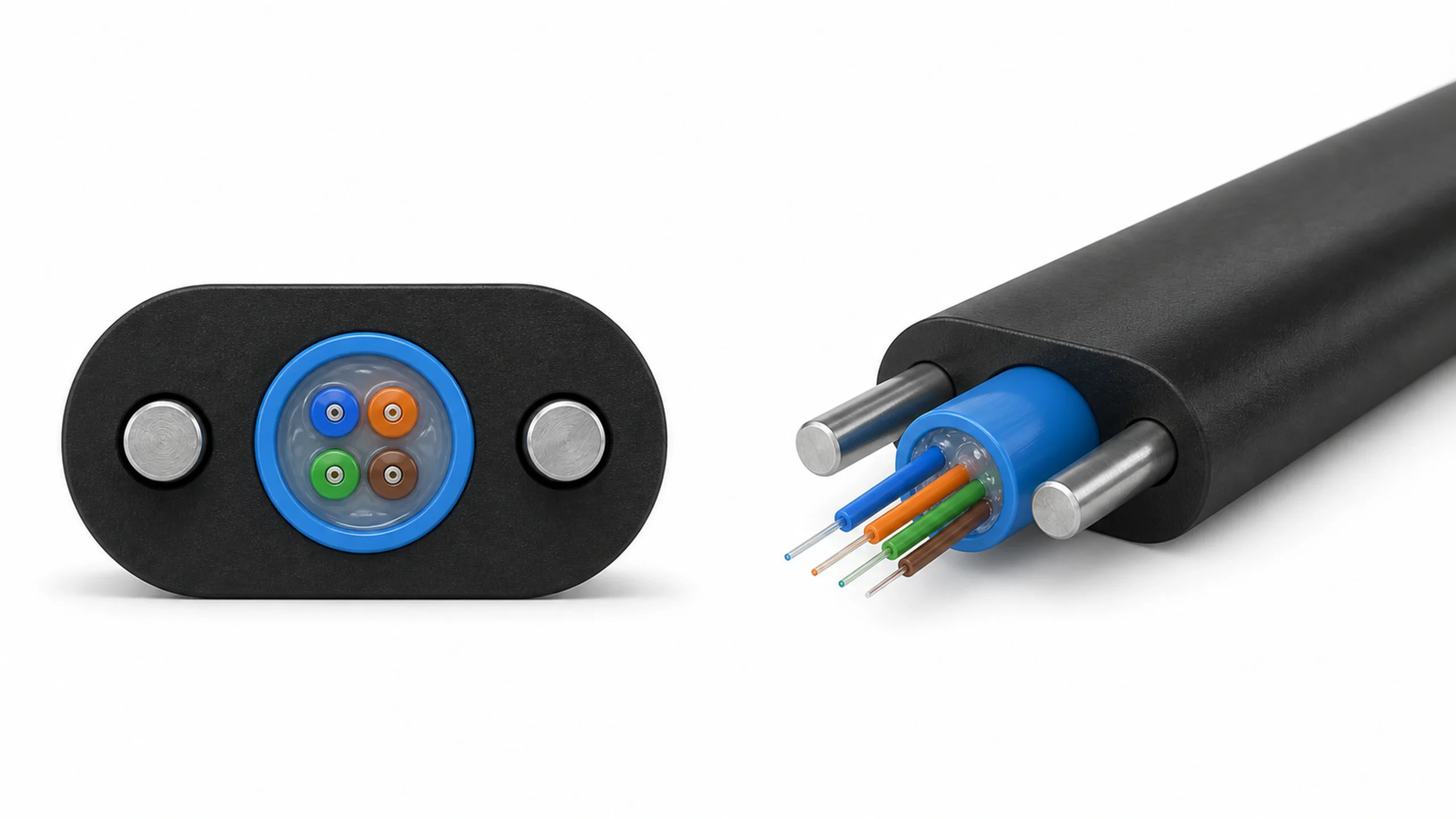








Buyers who ask for a "complete fiber optic cable production line" often receive quotations they cannot compare against each other. This article sets out the six questions that decide the equipment list, and why the answers change which machines appear on it.
There is no single machine list for every fiber optic cable factory. A complete fiber optic cable production line depends on six things: indoor or outdoor cable, the exact product, required capacity, project schedule, budget, and whether the customer needs machines only or a one-stop factory solution. Answer those six first and the equipment list follows from the product instead of from a template. Skip them and you end up comparing quotations that were never built to the same scope.
When a customer asks HONGKAI for a "complete line," we do not send the same quotation to everyone. We first ask what cable the customer wants to make, then select the machines, testing equipment, and factory support for that product.
This step prevents three common problems: buying machines the product does not need, missing an important production process, and comparing quotations that do not include the same scope.
What Are the Six Questions That Decide Your Equipment List?
Six answers decide a fiber optic cable equipment list: indoor or outdoor cable, the exact product, required capacity, planned start date, budget range, and project scope. Product and capacity are the two that change which machines appear on the list; the other four change the project plan and the commercial package. Two customers asking for the same "complete line" receive different proposals because these six answers differ.
1. Will you make indoor or outdoor cable?
Indoor and outdoor fiber optic cables are not made in the same way. Their structures, raw materials, and machines can be different. This is always the first question, because the answer removes most of the wrong equipment from the list before anything else is discussed.
2. What exact cable do you want to produce?
A cable name is useful, but a picture is often better. A customer can send a product name or model, a cable photo, a cross-section drawing, a technical specification, or a sample cable.
If a customer says only "I want to make fiber optic cable," the correct production line still cannot be identified. An FTTH drop cable, an indoor tight-buffer cable, and an outdoor loose-tube cable use different production routes. The HONGKAI guide on how to choose the right fiber optic cable production line explains these product differences in more detail.
3. What production capacity do you need?
Planned daily, monthly, or yearly output is needed, along with the number of shifts the factory will run. Capacity affects machine speed, reel and drum size, automation level, the number of production lines, and the size of the supporting equipment.
A customer making one product in one shift may need a different solution from a factory making several products around the clock.
4. When do you plan to start production?
The start date affects the whole project plan. A customer needs time to confirm the cable, prepare the factory, manufacture and ship the machines, install the equipment, train operators, and test the first cable. A clear schedule separates urgent needs from equipment that can be added in a later phase.
5. What is your approximate budget?
A budget range points to the right equipment level. Without it, a proposal may be too basic for the production target or more expensive than the project needs. Once the cable and capacity are clear, different equipment and automation options can be discussed against that range.
6. آیا فقط به ماشینها نیاز دارید یا راهحل یکپارچه؟
برخی مشتریان به یک ماشین نیاز دارند، برخی به خط تولید کامل و سرمایهگذار جدید ممکن است به برنامه گستردهتر کارخانه نیاز داشته باشند. یک پروژه یکپارچه میتواند شامل ماشینهای اصلی تولید، تجهیزات بازرسی آنلاین، تجهیزات آزمایشگاهی، تجهیزات پشتیبانی کارخانه، راهنمایی طرحبندی و امکانات، نصب و راهاندازی، آموزش عملیاتی و قطعات یدکی پیشنهادی باشد.
محدوده نهایی همچنان به محصول، شرایط کارخانه، منابع محلی، برنامه زمانی و بودجه بستگی دارد.
توجه: قبل از درخواست ارزیابیها، هر شش پاسخ را تأیید کنید و هر پیشنهادی که دریافت میکنید، بر اساس همان محدوده ساخته خواهد شد.
آیا شما نخ نوری یا کابل نوری تولید میکنید؟
تولید نخ نوری و تولید کابل نوری دو صنعت متفاوت هستند که از تجهیزات متفاوتی استفاده میکنند. تولید نخ نوری، فیبر شیشهای را از پیروفورم کشیده و پوشش اولیه را اعمال میکند. تولید کابل نوری، آن فیبر پوششدار را خریداری کرده و آن را به کابل محافظتشده داخلی یا خارجی تبدیل میکند. HONGKAI تنها تجهیزات مربوط به تولید کابل نوری را تأمین میکند.
اشتباه گرفتن این دو یکی از رایجترین سوءتفاهمها در بحثهای اولیه مشتریان است.
| پروژه | کاری که انجام میدهد | HONGKAI scope |
|---|---|---|
| تولید نخ نوری | کشیدن فیبر شیشهای از پیروفورم و اعمال پوشش اولیه | تأمیننشده توسط HONGKAI |
| تولید کابل نوری | استفاده از فیبر پوششدار خریداریشده و تبدیل آن به کابل محافظتشده داخلی یا خارجی | تأمینشده توسط HONGKAI |
HONGKAI تأمینکننده است تجهیزات تولید کابل نوری. HONGKAI تجهیزات کشش نخ نوری یا بسته انتقال فناوری کامل کشش نخ نوری را تأمین نمیکند.
محدوده تولید HONGKAI معمولاً با فیبر نوری پوششدار واجد شرایطی شروع میشود که توسط کارخانه کابل خریداری میشود. فرآیندهای بعدی، این فیبر را شناسایی، محافظت، ترکیب، جاکتزنی، آزمایش و بستهبندی میکنند.
توجه: اگر مطمئن نیستید که کدام پروژه را برنامهریزی میکنید، محصول نهایی مورد نظر خود را ارسال کنید — یک عکس یا نمونه در چند دقیقه نشان میدهد که نیاز شما به تولید نخ یا کابل نوری است.
چرا کابلهای داخلی و خارجی باید جدا شوند؟
Indoor and outdoor fiber optic cables are different products, not two versions of one product. Indoor cable is designed for compact size and flexibility inside buildings. Outdoor cable is designed for water protection, mechanical strength, and environmental exposure. That difference changes the raw materials, the process route, and the machines, so a production line built for one will not produce the other without added equipment.
| Question | Indoor cable | کابل بیرونی |
|---|---|---|
| معمولاً در کجا استفاده میشود؟ | در داخل ساختمانها یا محیطهای محافظتشده | کانالها، مسیرهای هوایی، شبکههای بیرونی یا کاربردهای دفن مستقیم |
| نیاز اصلی طراحی چیست؟ | اندازهٔ جمعوجور، انعطافپذیری و عملکرد نصب در فضای سربسته | محافظت در برابر آب، استحکام مکانیکی و حفاظت محیطی |
| چه موادی ممکن است استفاده شوند؟ | مواد بافر فشرده، تقویتکننده نخ و روکش بیرونی | لولههای شل، اعضای تقویتکننده، مواد ضد نفوذ آب، زره اختیاری و روکش بیرونی |
| ماشینها چگونه انتخاب میشوند؟ | از ساختار دقیق کابل داخلی | از ساختار کابل، تعداد فیبر، سطح حفاظت و خروجی مورد نیاز |
این جدول تفاوت اساسی بین کابل داخلی و خارجی را نشان میدهد. این یک مشخصه ثابت برای هر کابل نیست.
یک کابل داخل ساختمان ممکن است از یک خط تولید بافر فشرده. An خط تولید کابل دراپ FTTH میتواند فیبر، اعضای تقویتکننده و روکش بیرونی را در یک فرآیند مستقیمتر ترکیب کند.
بسیاری از محصولات فضای باز از لولههای شل استفاده میکنند، اما ساختارهای نهایی آنها همچنان متفاوت است. یک خط تولید کابل ADSS از همان سیستم حفاظتی که هر کانال یا کابل زرهبند استفاده میکند، بهره نمیبرد.
توجه: فیلتر اول، محیط داخلی یا خارجی است، اما به تنهایی کافی نیست — همچنان نام کابل، عکس، نقشه یا نمونه مورد نیاز است تا بتوان تجهیزات را انتخاب کرد.
یک فرآیند کابل فضای باز معمولی چه شکلی است؟
A stranded loose-tube outdoor fiber optic cable runs through seven stages: incoming coated fiber, coloring, loose-tube production, cable-core stranding, protection materials, outer sheath, then testing and packaging. Not every stage applies to every outdoor product — central-tube and some special designs skip stranding, and a factory buying pre-colored fiber skips coloring. The sequence below is one worked example, not a required route.
فیبر نوری روکششده → رنگآمیزی → تولید لوله شل → مونتاژ هسته کابل → ضد آب یا زره اختیاری → روکش بیرونی → آزمایش و بستهبندی
Step 1: Coated optical fiber enters the factory
The cable factory buys qualified coated optical fiber. The fiber is checked before production and loaded onto the correct pay-off reels. This is the starting material for HONGKAI cable production equipment.
Step 2: The fibers are identified
A coloring machine applies different colors so operators can identify individual fibers later. This machine may not be needed if the factory already buys fiber with the required colors or uses another approved identification method.
Step 3: The fibers are placed inside loose tubes
A loose-tube line puts several fibers inside a protective plastic tube. The tube protects the fibers during the later cable-making stages. Tube material, number of fibers, and filling method come from the cable design.
Step 4: The tubes are assembled into a cable core
For many stranded designs, an SZ stranding machine places the loose tubes around a central strength member. This machine builds the main cable core. Some central-tube or special cable designs do not need this process.
HONGKAI loose-tube SZ pitch study provides more technical detail for production managers and engineers.
Step 5: Protection materials are added when required
The cable may need water-blocking yarn, water-blocking tape, filling compound, strength yarn, steel tape, or another protective material. These items are selected from the cable structure and installation environment. They are not automatically required for every outdoor cable.
Step 6: The outer jacket is added
The خط پوشش کابل adds the final outer layer around the cable core. The line can also include printing, length measurement, diameter inspection, pulling, and take-up. The exact tooling and material system must match the cable.
Step 7: The finished cable is tested and packed
The cable is wound onto the correct drum and checked before shipment. Testing may include optical, dimensional, and mechanical checks. The exact test plan follows the cable standard and customer specification.
Note: The process route is decided by the cable structure, not by fiber count — which is why the same seven stages produce different equipment lists for different outdoor cables.
Does a Complete Project Include More Than Production Machines?
Yes. A fiber optic cable factory cannot run steadily on production machines alone. A complete project also needs inspection and laboratory test equipment, plus factory support systems such as power distribution, cooling, compressed air, and material handling. A customer with an existing factory and a clear cable may only need one or two new machines, while a new factory normally needs the full checklist.
Main production equipment
These machines directly make the target cable. The list may include coloring, loose-tube, stranding, armoring, tight-buffer, or sheathing equipment. The correct combination comes from the cable product.
Inspection and test equipment
دستگاههای آنلاین کابل را در حین تولید بررسی میکنند. تجهیزات آزمایشگاهی مواد اولیه، نمونههای فرآیند و کابل نهایی را بررسی میکنند.
لیست آزمایش باید با محصول مطابقت داشته باشد. IEC 60794-1-1:2023 چارچوب کلی برای مشخصات کابل فیبر نوری ارائه میدهد، اما مشخصات مشتری آزمونها و حدود نهایی را تعیین میکند.
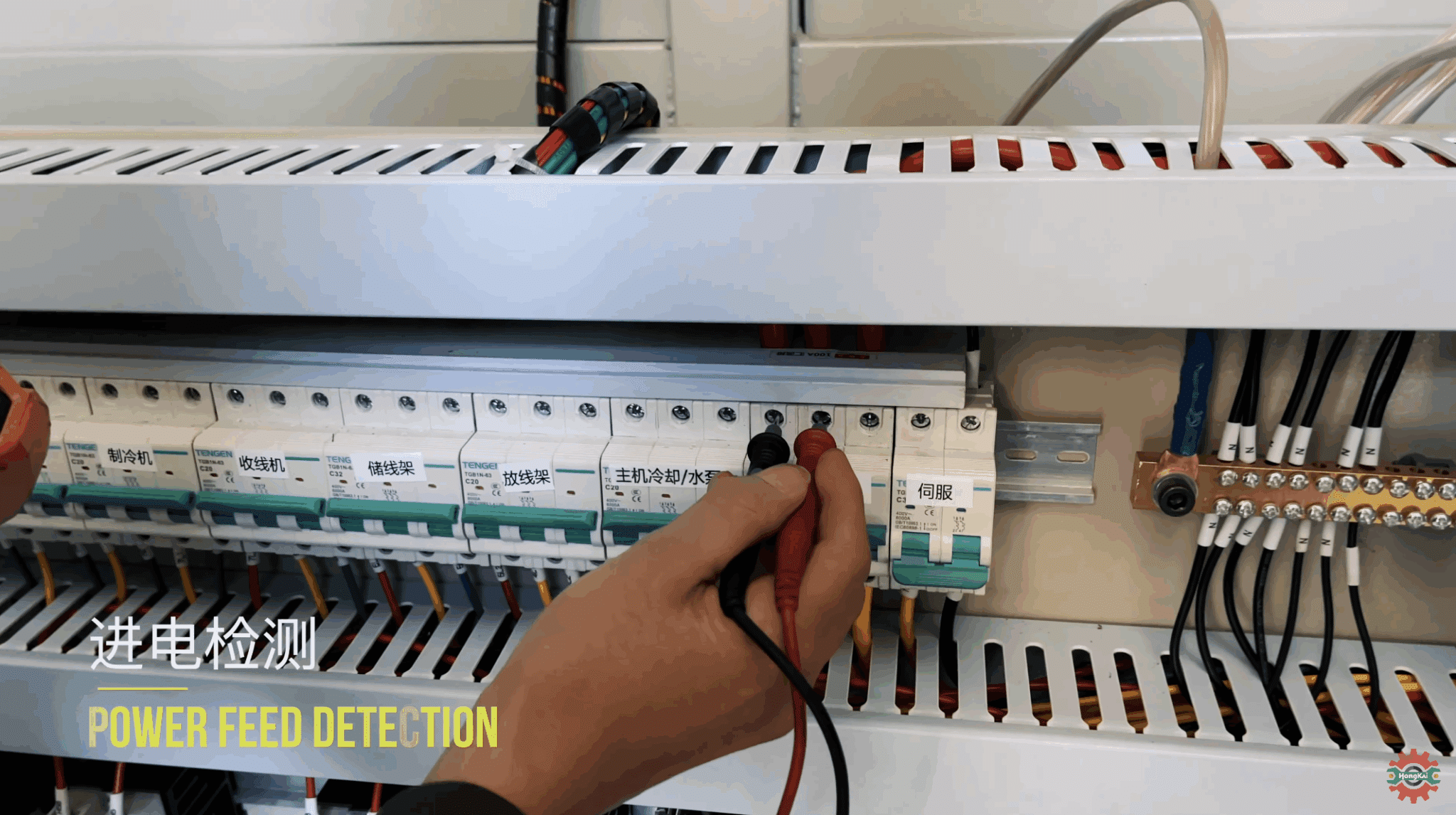
عکس واقعی HONGKAI کارگاه: یک مهندس قبل از تحویل تجهیزات، مدار برق را بررسی میکند.
تجهیزات پشتیبانی کارخانه
بسته به فرآیند، ممکن است پروژه نیازمند موارد زیر نیز باشد:
- توزیع برق؛;
- آب خنککننده یا سیستم خنککننده؛;
- compressed air;
- تأمین نیتروژن در مواردی که فرآیند انتخابشده نیاز داشته باشد؛;
- خشککردن و جابهجایی مواد؛;
- قابلمانها، طومارها و نگهداری کابل؛;
- فضای ایمن برای اپراتورها و تعمیرات و نگهداری.
Auxiliary equipment should come from the real process requirements. It should not be added only to make a quotation look more complete.
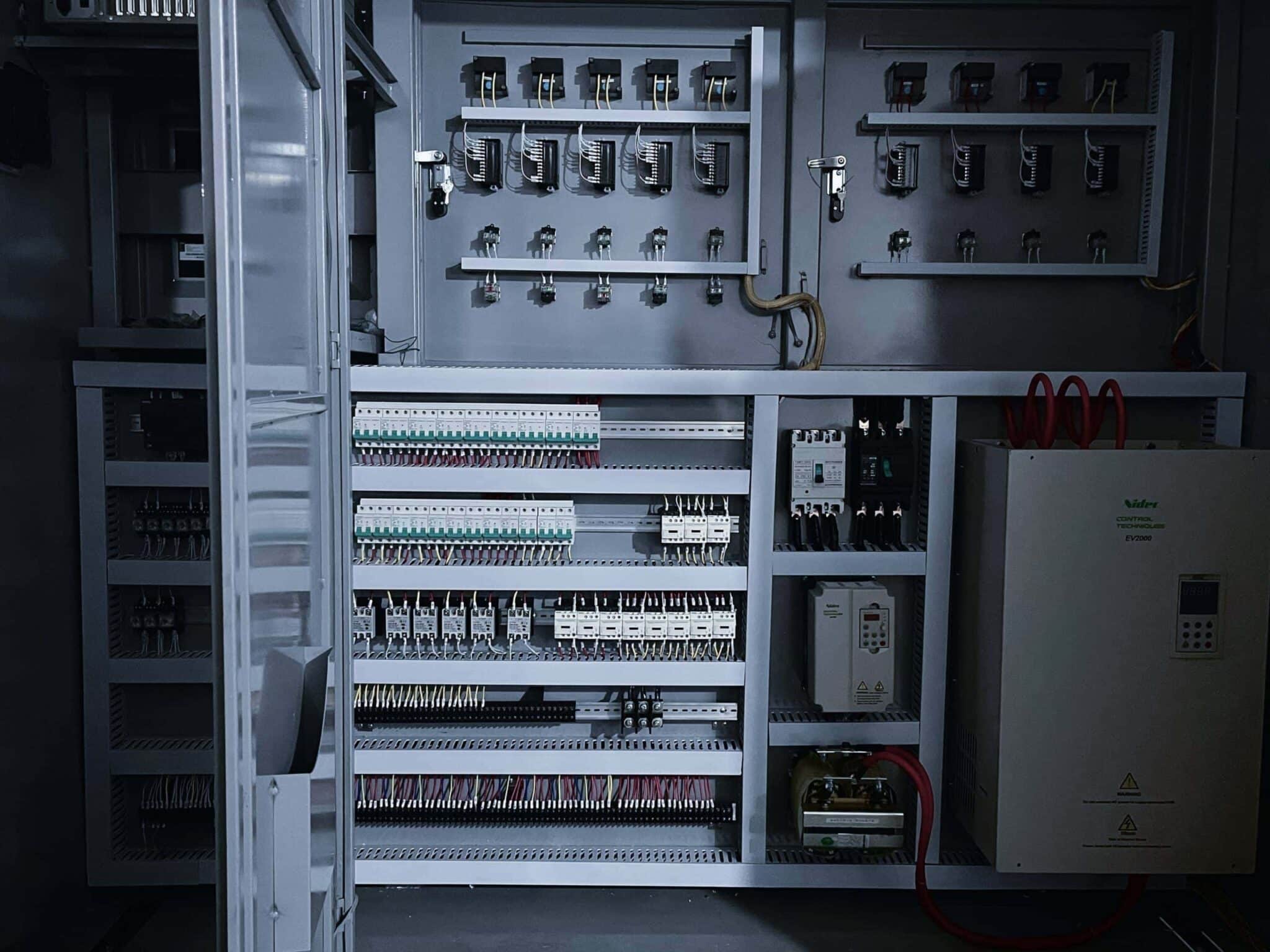
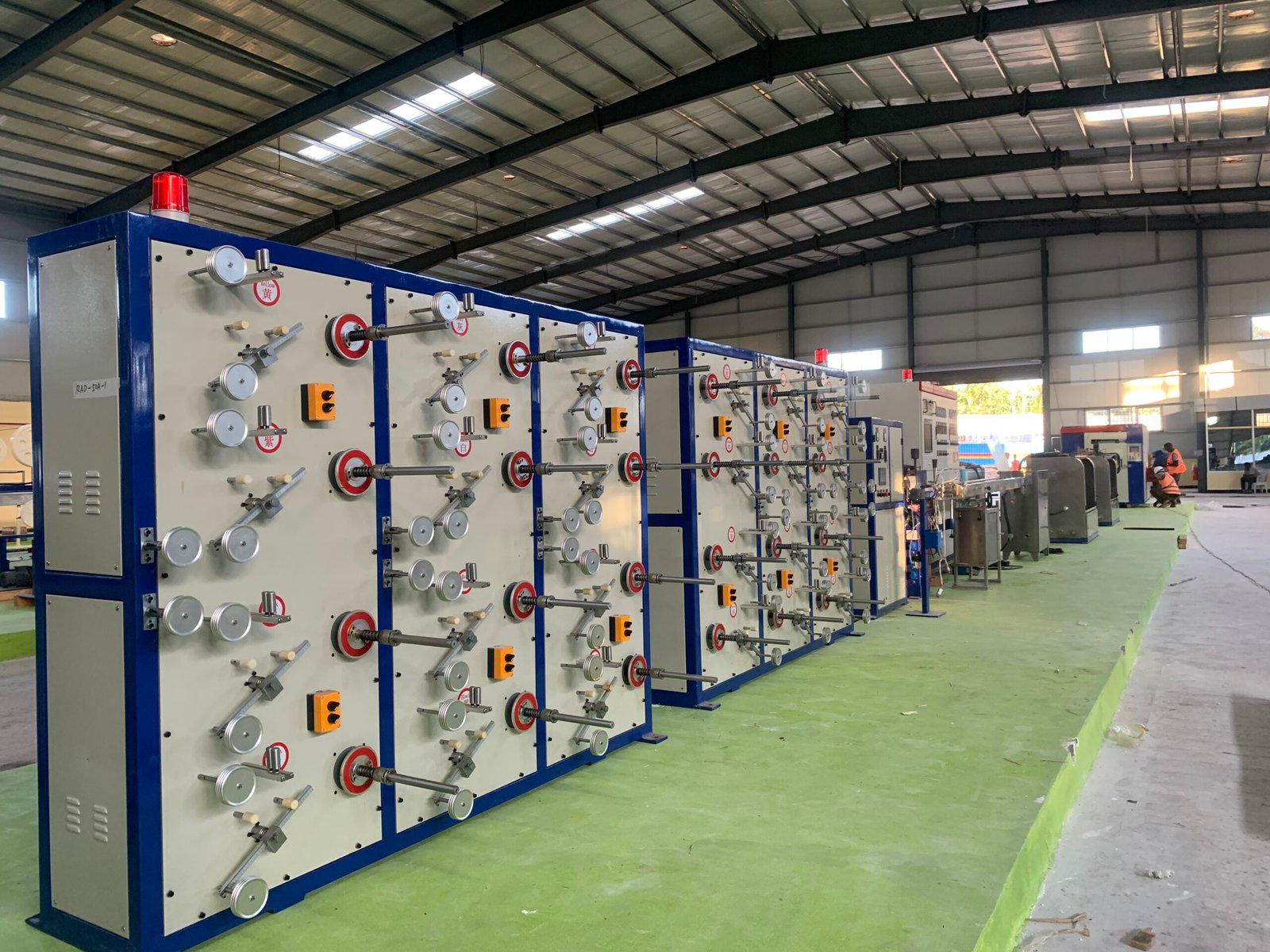
Real HONGKAI equipment detail: electrical control and power distribution must be planned together with the production line.
Note: Leaving test and support equipment out of the budget is a common cause of delayed start-up, because the production machines arrive before the factory can run them.
How Is a Production Line Proposal Configured for Different Buyers?
The same fiber optic cable production line is proposed three different ways depending on who is buying. A new factory owner needs the product and capacity defined first, then a phased equipment list. An existing production manager usually knows the process and needs it matched to current utilities and reel sizes. A technical buyer comparing suppliers needs the scope boundaries stated explicitly, because price differences between quotations usually come from scope differences.
New factory owner
A new investor may not know the exact cable or machine sequence. The first step is defining the target product and capacity. If the customer has not selected one outdoor cable, a broader outdoor-cable factory plan can be discussed based on the intended market and previous project experience.
The proposal can then separate machines required for the first products, optional machines for future products, testing equipment, factory support equipment, and services needed before production starts.
مدیر تولید فعلی
An experienced factory usually knows the process it wants to add. The discussion focuses on the target cable, extra capacity, reel sizes, existing machines, factory utilities, and the planned installation time. The customer may need one machine, one additional line, or a replacement for a production bottleneck.
خریدار فنی در حال مقایسه تأمینکنندگان
یک خریدار فنی نیاز دارد که همان محدوده را در بین تأمینکنندگان مقایسه کند. بررسی کنید:
- which cable products the line can make;
- ظرفیت تولید توافقشده؛;
- which machines and testing items are included;
- کدام سیستمهای کمکی مستثنی هستند؛;
- the parts and controls used;
- نصب، آموزش و پشتیبانی پس از فروش؛;
- the agreed acceptance method.
توجه: دو پیشفاکتور میتوانند قیمتهای بسیار متفاوتی داشته باشند، صرفاً به این دلیل که ظرفیتها و موارد دربرگرفتهشده در آنها متفاوت است؛ بنابراین، قبل از مقایسه قیمتها باید محدوده کار یکسانسازی شود.
What Are the Three Most Common Quotation Mistakes?
Three mistakes account for most wasted quotation cycles when buying a fiber optic cable production line: confusing fiber drawing with cable production, asking for a complete line without naming the cable, and comparing prices across quotations that cover different scopes. All three are avoidable before the first quotation is issued, and each is corrected by supplying the same two pieces of information — the target product and the intended capacity.
Mistake 1: Mixing fiber drawing with cable production
Decide first whether the factory will manufacture optical fiber or buy optical fiber and manufacture finished cable. These are two different industries with different equipment. HONGKAI works in the second area.
Mistake 2: Asking for a complete line without defining the cable
"کابل خارجی" همچنان بسیار کلی است و برای انتخاب تجهیزات کافی نیست. نام کابل، تصویر، نمونه یا سطح مقطع آن را ارسال کنید تا مسیر تولید مناسب شناسایی شود.
Mistake 3: Comparing price without comparing capacity and scope
One quotation may include only production machines. Another may include testing equipment, auxiliary equipment, installation, training, and start-up support. Compare what each quotation can produce and what it includes — not only the final price.
توجه: هر سه اشتباه قبل از ارائه پیشفاکتور اصلاح میشوند، نه بعد از آن — زیرا پس از اینکه پیشنهادها با دامنههای متفاوت ارائه شدند، امکان مقایسهٔ بازگشتی آنها وجود ندارد.
چه اطلاعاتی را باید قبل از درخواست پیشفاکتور ارسال کنید؟
Six items are enough to start a fiber optic cable production line discussion: indoor or outdoor, the cable name or photo or sample, required capacity, planned start date, approximate budget, and whether machines only or one-stop support is needed. A full factory specification is not required for the first conversation. With these six answers, a production route can be identified and a proposal built to a defined scope rather than a generic machine list.
- کابل داخلی یا خارجی.
- نام کابل، عکس، نمونه یا نقشه.
- ظرفیت تولید مورد نیاز.
- تاریخ شروع برنامهریزیشده پروژه.
- Approximate budget.
- ماشینآلات به تنهایی یا پشتیبانی یکپارچه برای پروژه.
HONGKAI را کشف کنید راهحلهای خط تولید کابل فیبر نوری to compare common indoor and outdoor product routes.
Then شش مورد را به تیم HONGKAI ارسال کنید. ما از آنها برای تهیه سؤالات صحیح و بحث عملی درباره تجهیزات مربوط به پروژه شما استفاده خواهیم کرد.
Note: A complete line should be complete for the cable you plan to sell — not simply a long list of machines.

 English
  हिन्दी
  فارسی
فارسی