









01Selected production line

Dây chuyền sản xuất cáp HK-30 đệm chặt

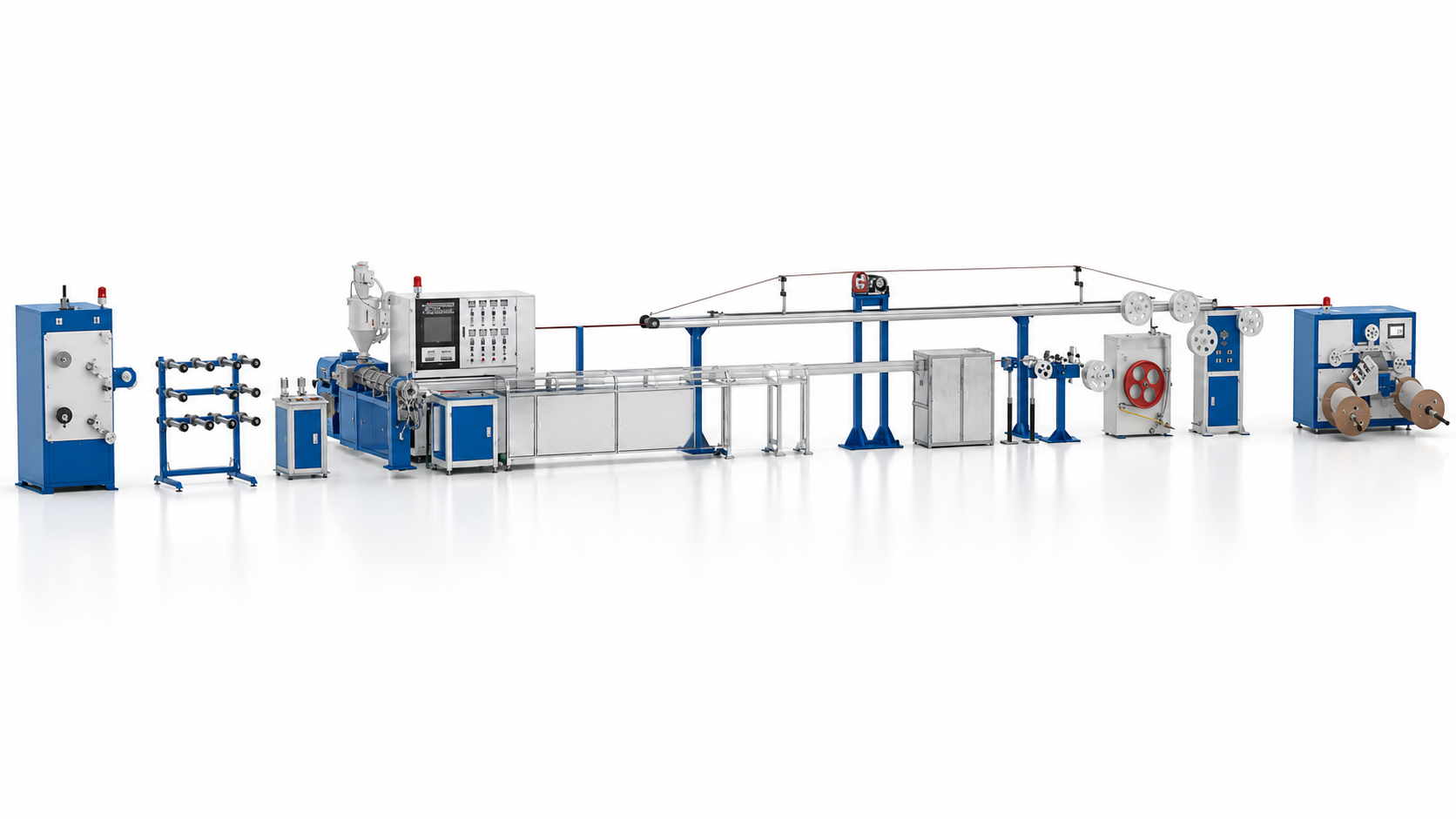
What does this production line do? The HK-30 applies a project-approved LSZH, PVC or TPEE tight-buffer layer around bare optical fiber. Its reference route coordinates fiber payoff, preheating, extrusion, controlled cooling, diameter monitoring, traction and take-up in one connected production line. Final material, dimensions, speed and equipment arrangement follow the approved product drawing and project requirements.

Line model
HK-30
Hệ thống điều khiển
IPC + PLC Control
Quy trình chính
Bare-fiber payoff → tight-buffer extrusion → cooling, measuring & take-up
Reference product
Single tight-buffered optical fiber · LSZH, PVC or TPEE · project confirmation required
02Fiber structure → HK-30 process

Open the tight-buffered optical fiber and trace each layer to production.

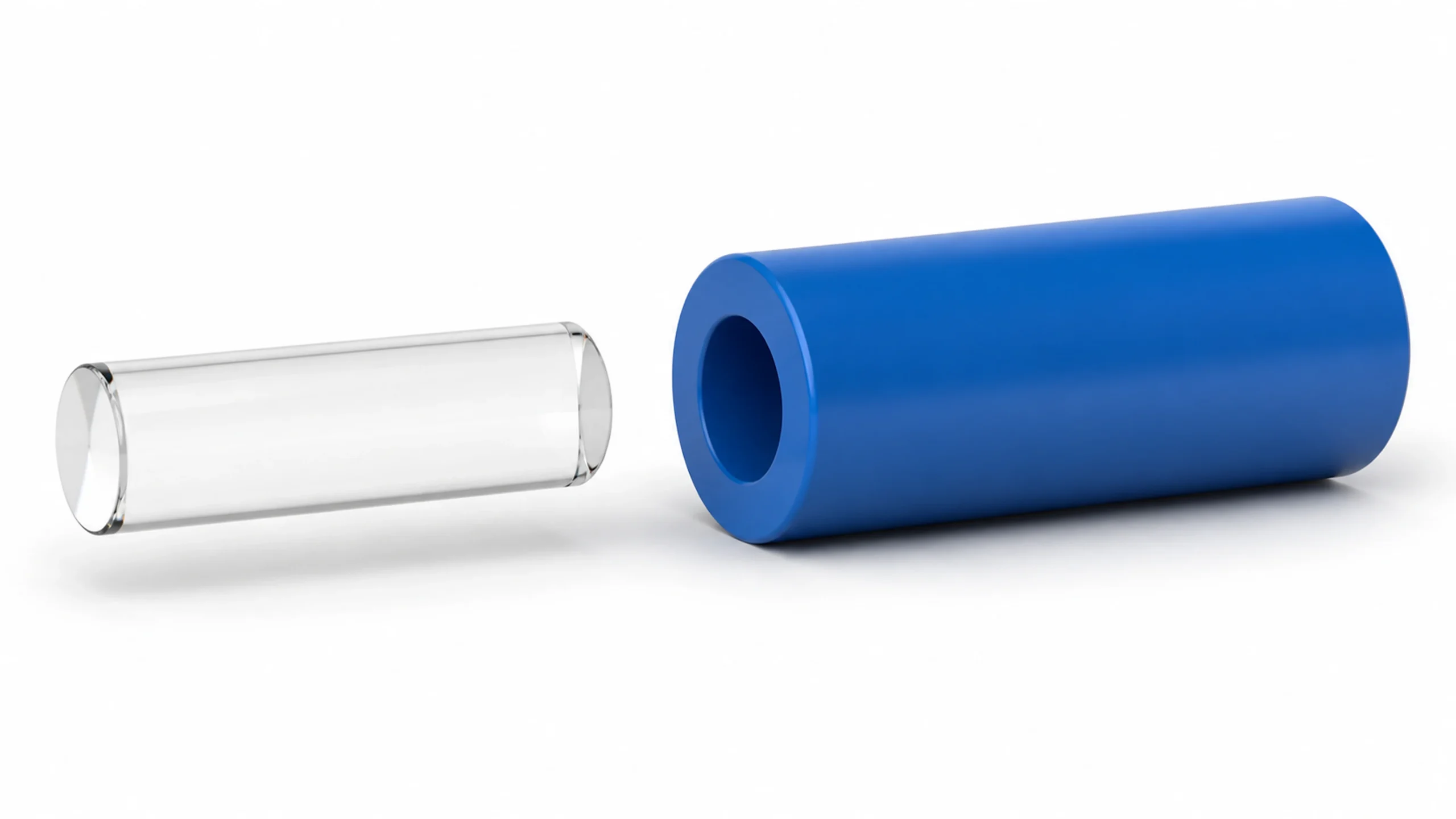
Start with the assembled structure, open the rendered 3D exploded view, then select the fiber core or tight-buffer layer to see the HK-30 process and equipment it affects.

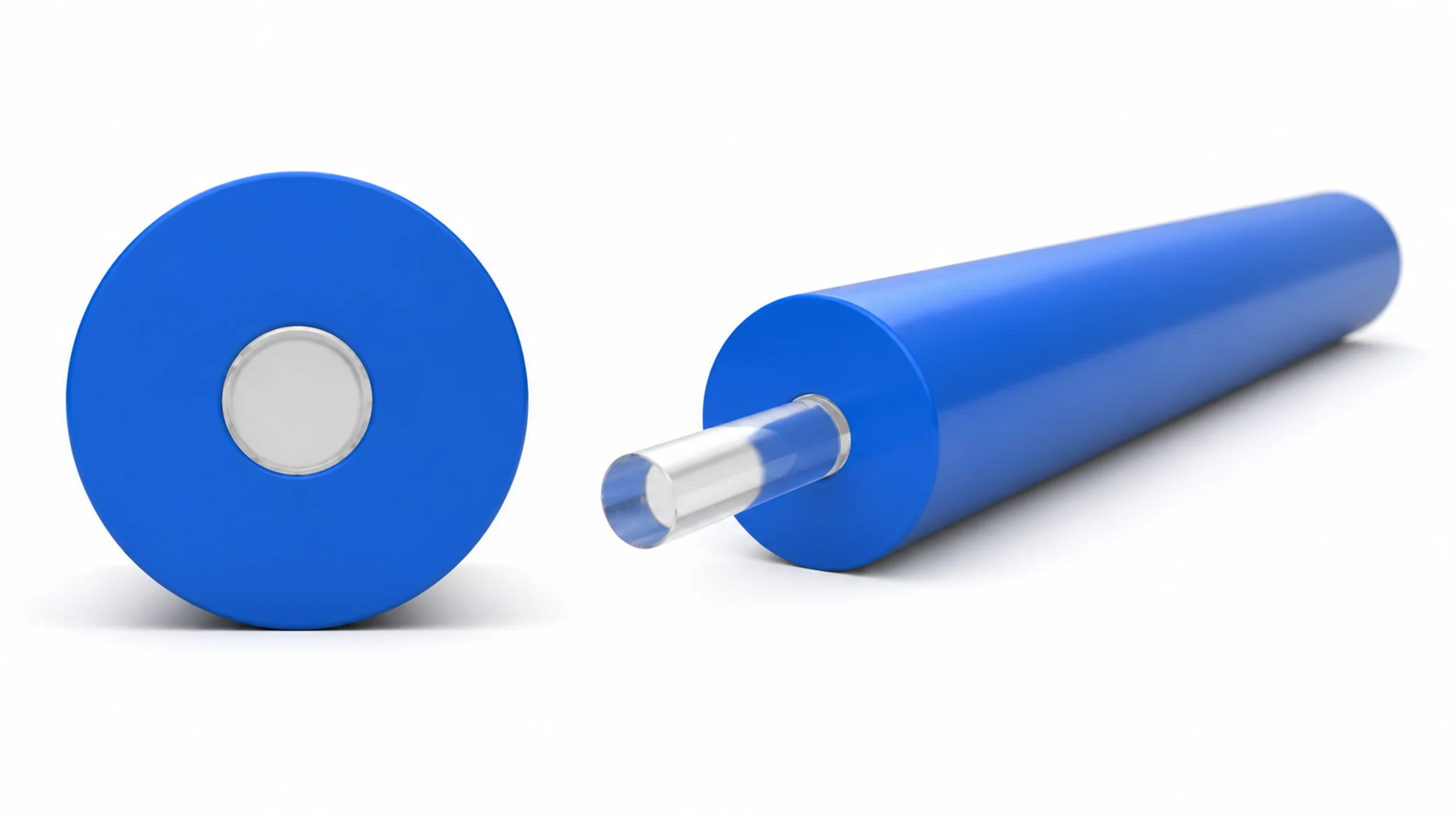
Interactive structure preview Reference tight-buffered optical fiber
Assembled tight-buffered optical fiber showing the central glass fiber and surrounding blue buffer layer Exploded tight-buffered optical fiber showing the glass fiber separated from the surrounding buffer layer
The exploded spacing is illustrative. Final dimensions, materials and construction follow the approved cable drawing. Rendered interaction preview
The structure and equipment mapping shown here is a reference route. Fiber specification, buffer material, finished diameter, tooling, line speed, active payoff positions and final equipment scope are confirmed from the approved product specification and project requirements.
03 REFERENCE CONFIGURATION

Review the HK-30 equipment used at each tight-buffered-fiber stage.

One HK-30 line completes the reference tight-buffered optical fiber route. The cable layer selected above opens its primary equipment here, while the remaining modules stay available for route review.

SELECTED IN SECTION 02 Choose a cable layer above The corresponding HK-30 equipment will open automatically. CABLE LAYER → PROCESS → EQUIPMENT
COMPLETE PRODUCTION-LINE OVERVIEW

One HK-30 line completes the product.

The full-line image shows the connected route. The explorer below focuses on the individual equipment that handles the selected optical-fiber core or tight-buffer layer.

Line modelHK-30 ControlIPC+PLC StatusFinal setup pending
Reference overview of the HONGKAI HK-30 tight-buffered optical fiber production line
REFERENCE EQUIPMENT · 01 EQUIPMENT IMAGE
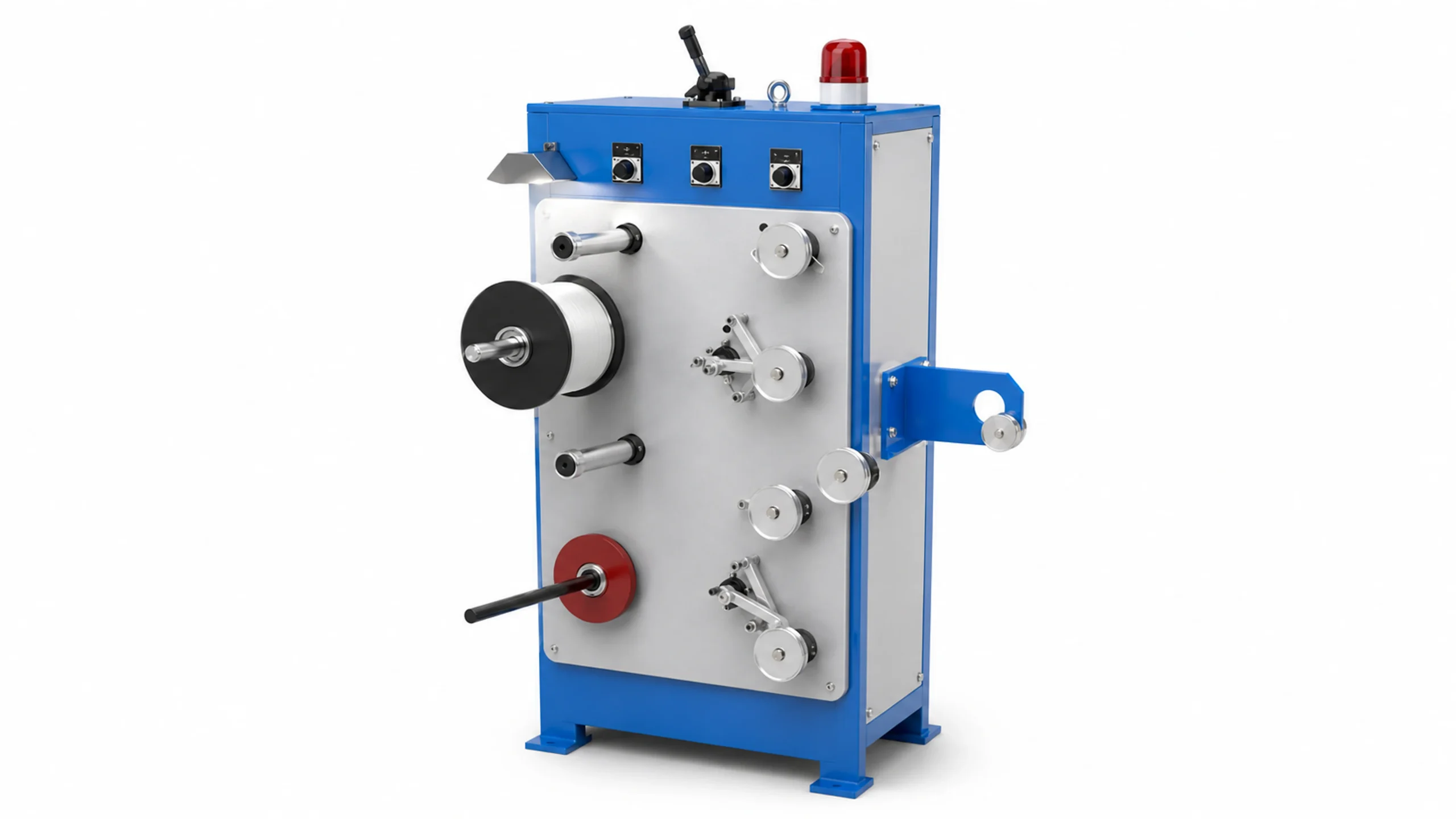
HONGKAI two-head fiber payoff machine reference render for the HK-30 tight-buffered optical fiber line Reference crop from the complete HK-30 line image; final equipment arrangement follows the approved project.
SELECTED DEVICE Two-head fiber payoff
MODULE 01 · OPTICAL FIBER INPUT

Reference two-head fiber payoff

Presents the project-confirmed bare optical fiber to the HK-30 route under controlled tension before preheating and buffer extrusion.

Supports process
Stage 01 · Fiber payoff
Receives
Buyer-confirmed bare optical fiber
Hands off to
Fiber preheater and extrusion crosshead
Confirm before proposal
Fiber format, reel size, tension range and active payoff positions
REFERENCE EQUIPMENT · FINAL CONFIGURATION PENDING The image shows a reference two-head fiber payoff. Final active positions, reel range, tension settings and supplied arrangement require project confirmation.

Reference two-head fiber payoff selected.

03B HK-30 process video

See the tight-buffered optical fiber production process in operation.

This official HONGKAI video shows the connected HK-30 reference process, from controlled optical-fiber payoff and preheating through buffer extrusion, cooling, monitoring, traction and take-up. It helps buyers understand how the optical fiber core and tight-buffer layer move through one coordinated production route.

HONGKAI video · HK-30 tight-buffered process Watch on YouTube
Reference boundary: the video demonstrates an HK-30 tight-buffered optical fiber production process, but it does not confirm the final machine quantity, arrangement, capacity, interfaces, supplied scope, acceptance result or project performance. The approved product requirements and project inputs determine the final configuration. If the embedded player is unavailable, use "Watch on YouTube" above.
04 Project responsibility

Define the HK-30 tight-buffer project boundary before the line is finalized.

The HK-30 route above is a reference configuration for one tight-buffered optical fiber production line, not a contractual supply scope. Buyer, HONGKAI and joint responsibilities become final only in the approved technical proposal or agreement.

Scope status Engineering review required

Nothing below is treated as included, excluded, buyer-supplied or HONGKAI-supplied until it is confirmed in writing.

Responsibility matrix Review all three responsibility groups

Opening a group only reveals its details; it does not confirm scope.

Buyer prepares Buyer responsibility Project, product and site information for engineering review 4 items

Information HONGKAI must review before fixing the production route and reference equipment configuration.

  • Approved tight-buffered optical fiber specification and target product range To be confirmed
  • Bare-fiber type, coating diameter, reel format and supply condition To be confirmed
  • Buffer material family, finished diameter, tolerance and color requirements To be confirmed
  • Target output, packaging format, utilities and available factory layout To be confirmed
Defined in the written proposal HONGKAI responsibility Recommended configuration and quoted supply boundary 4 items

HONGKAI defines the recommended configuration and quoted supply boundary after reviewing the available project inputs.

  • Recommended HK-30 route and reference equipment configuration To be confirmed
  • Quoted equipment list and equipment-source boundary To be confirmed
  • Tooling, process-control and utility-interface proposal To be confirmed
  • Installation, commissioning, training and after-sales scope stated in writing To be confirmed
Confirmed together Joint confirmation Technical interfaces, acceptance and project coordination 4 items

Technical interfaces, acceptance and project coordination require written confirmation from both project teams.

  • Final process route and equipment configuration To be confirmed
  • Material and tooling compatibility and trial requirements To be confirmed
  • FAT, acceptance criteria and project documentation To be confirmed
  • Delivery schedule, site readiness and project coordination To be confirmed

05 Planning inputs

Confirm the inputs needed to configure the HK-30 tight-buffered line.

Select the planning topics you are ready to discuss during the first engineering review. A selection marks a review topic only; it does not approve a technical value, equipment quantity, material grade, performance target or supply scope.

Select the production-line planning topics to review
06 Reference & verification

Review the HK-30 evidence — and the decisions that remain open.

Use the tight-buffered optical-fiber structure, complete HK-30 line view and structure-mapped equipment to verify the one-line production route. These references do not represent a final equipment list, layout, performance commitment, FAT result or acceptance record.

Section 05 context carried forward Tight-buffered optical fiber → mapped equipment → one HK-30 production line

No planning topics selected yet. Return to Section 05 to add review priorities.

Tight-buffered optical-fiber 3D structure reference showing the bare optical fiber core and applied buffer layer
Product reference
Not final arrangement
Reference available

Tight-buffered optical-fiber construction reference

Reference view of the bare optical fiber and applied tight-buffer layer. Final bare-fiber specification, buffer compound, finished diameter and tolerance require the approved product drawing.

These references explain one HK-30 production route from bare-fiber payoff and preheating through buffer extrusion, downstream handling, monitoring and take-up. Final equipment quantity, sequence, dimensions, utilities, supply, performance and acceptance are defined only by the mutually approved technical agreement.

Product reference

Tight-buffered optical-fiber construction reference

1 of 3
06B HK-30 customer feedback

Customer perspectives on the HK-30 Tight Buffered Production Line.

Feedback focuses on the fiber route, buffer material, finished diameter, connected equipment, workshop planning and the information needed to review the production-line scope.

07 Route FAQ

Clarify the HK-30 route before requesting a proposal.

These answers explain what the tight-buffered optical-fiber line produces, which modules may change, and what still requires project confirmation.

What product does the HK-30 line make?

The HK-30 reference route converts a confirmed bare optical fiber into tight-buffered optical fiber by applying the approved buffer compound. It is not, by itself, a finished multi-fiber cable production route. Final buffer material, color, outside diameter and tolerance follow the approved product drawing.

Can one HK-30 line complete the tight-buffered optical fiber?

The connected reference route coordinates fiber pay-off and conditioning, compound preparation and loading, buffer extrusion, post-extrusion guiding and cooling, in-line monitoring, traction and take-up. Exact module quantities, active positions and arrangement remain project-specific.

Which buffer materials can the reference line process?

LSZH, PVC and TPEE are shown as possible reference material families, not as automatically approved compounds. Resin grade, drying and processing window, color masterbatch, adhesion, stripping behaviour and target dimensions must be validated for the selected product.

Which equipment may change when the fiber or buffer specification changes?

Pay-off and tension control, preheating, material feed, crosshead and tooling, guide and cooling route, diameter monitoring, capstan settings, take-up and reel arrangement may require review. The equipment explorer explains these relationships; it is not a universal equipment list.

Are the machine images and video the final supplied configuration?

No. They are reference evidence used to explain the process and the role of individual modules. Final equipment quantities, arrangement, controls, utilities, safeguards, interfaces and acceptance criteria are confirmed only in the approved project-specific proposal or agreement.

What information is needed to confirm line speed and capacity?

Please provide fiber type and coating, input diameter, target buffer outside diameter and tolerance, material and color requirements, target output or stable line speed, reel dimensions, available utilities, factory layout and planned schedule. This page does not assume a guaranteed capacity.

Can the finished tight-buffered fiber feed a later cable process?

Yes, when the approved finished-cable drawing uses tight-buffered optical fibers. Bundling, strength-member application, jacketing or other downstream cable-making processes are separate project stages and are not included in the HK-30 reference scope unless they are agreed in writing.

Are FAT, installation, commissioning and training included?

Inspection points, FAT requirements, acceptance criteria, documentation, installation, commissioning, training, travel and on-site responsibility are project-scope items. Their exact content must be defined in the approved technical proposal and commercial agreement.

Final product construction, performance, equipment, acceptance criteria and supply scope are defined only in the mutually approved technical and commercial agreement.

08 Investment enquiry

Plan your tight-buffered optical fiber production project.

Share the bare-fiber type, buffer material, finished diameter, color, planned output, take-up format and factory conditions. HONGKAI will review the HK-30 process route, equipment scope, system interfaces and open technical items before preparing a project-specific proposal.

Current page context Tight-buffered optical fiber · HK-30 single-line reference route This context accompanies the enquiry as a reference. It does not confirm the final HK-30 arrangement, capacity, performance or supply scope. Planning inputs remain open · No equipment selection carried forward

What HONGKAI will review

Target cable plan
Bare-fiber type, buffer compound, finished diameter, color and tolerances
Process route
Fiber payoff, preheating, buffer extrusion, cooling, inspection, traction and take-up
Capacity target
Product mix, expected output, stable line speed and take-up format
Factory conditions
Available space, utilities, existing equipment and testing needs
Project stage
Planning, budgeting, factory preparation or production expansion
Review status
Preliminary assessment · Technical confirmation required
What to prepare · 6 items
  • Target tight-buffered optical-fiber types, reference samples or available drawings
  • Bare-fiber details, coating condition and input-package requirements
  • Buffer compound, finished diameter, color, tolerance and test requirements
  • Target output, product mix and expected stable line speed
  • Take-up reel sizes, winding requirements and packaging format
  • Utilities, factory layout, existing equipment, acceptance criteria and timeline

No complete specification yet? Share the available fiber, target diameter and current assumptions. Unconfirmed items can remain “To be confirmed”.

The information submitted here supports a preliminary technical review. Final equipment configuration, performance, price, delivery schedule and supply scope are confirmed only in an approved proposal or agreement.

Investment project brief

Fiber Optic Cable Production Project Brief

Tell us your planned cable products, target capacity and current investment stage. Partial information is welcome, and you may upload a cable drawing when available.

Drag & Drop Files, Choose Files to Upload
Allow the customer to upload available cable drawings, specifications or reference documents. Display the accepted file types and file-size limit configured in WPForms.

Yêu cầu báo giá

chúng tôi sẽ trả lời bạn trong vòng 24 giờ!!!