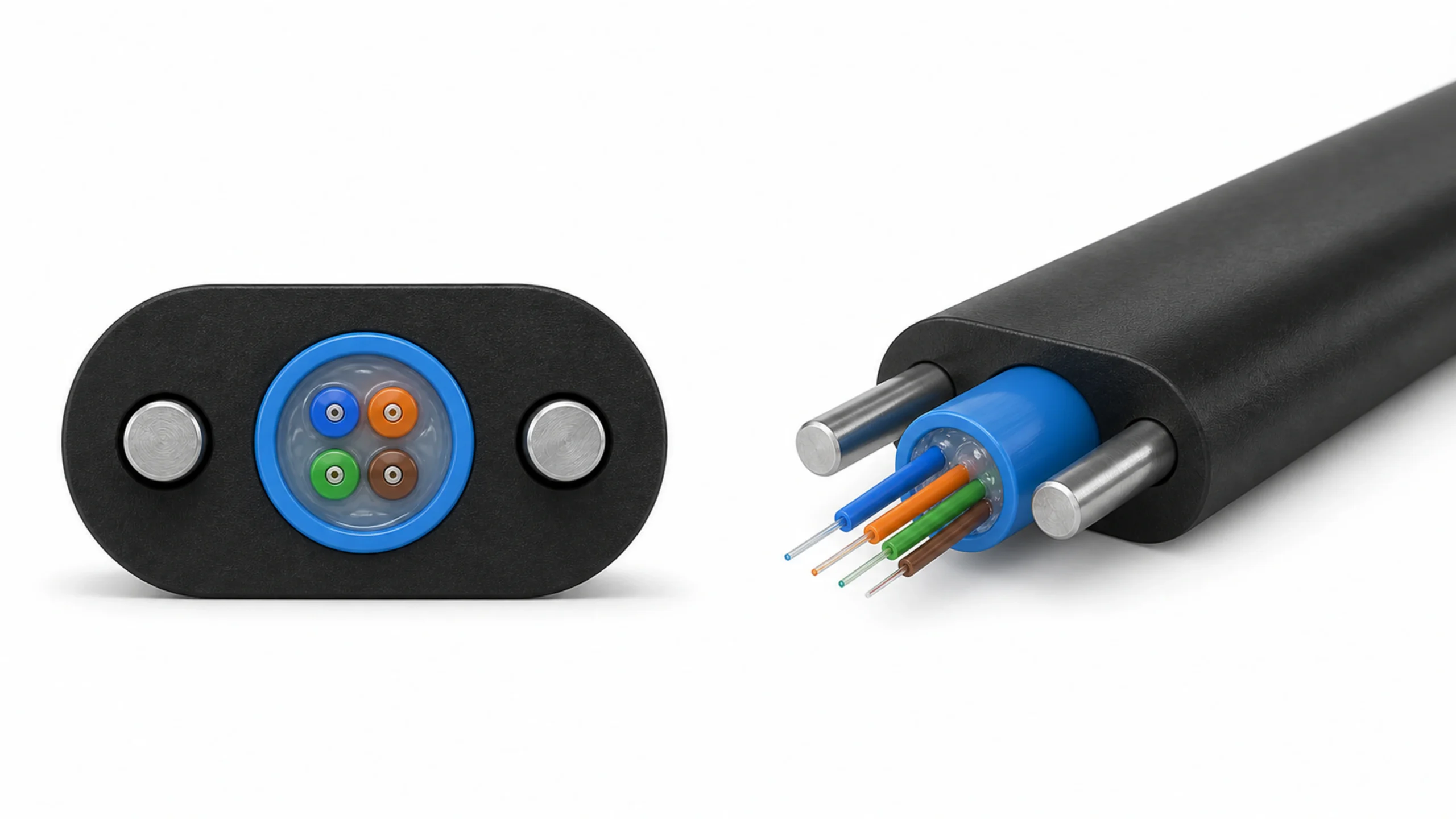

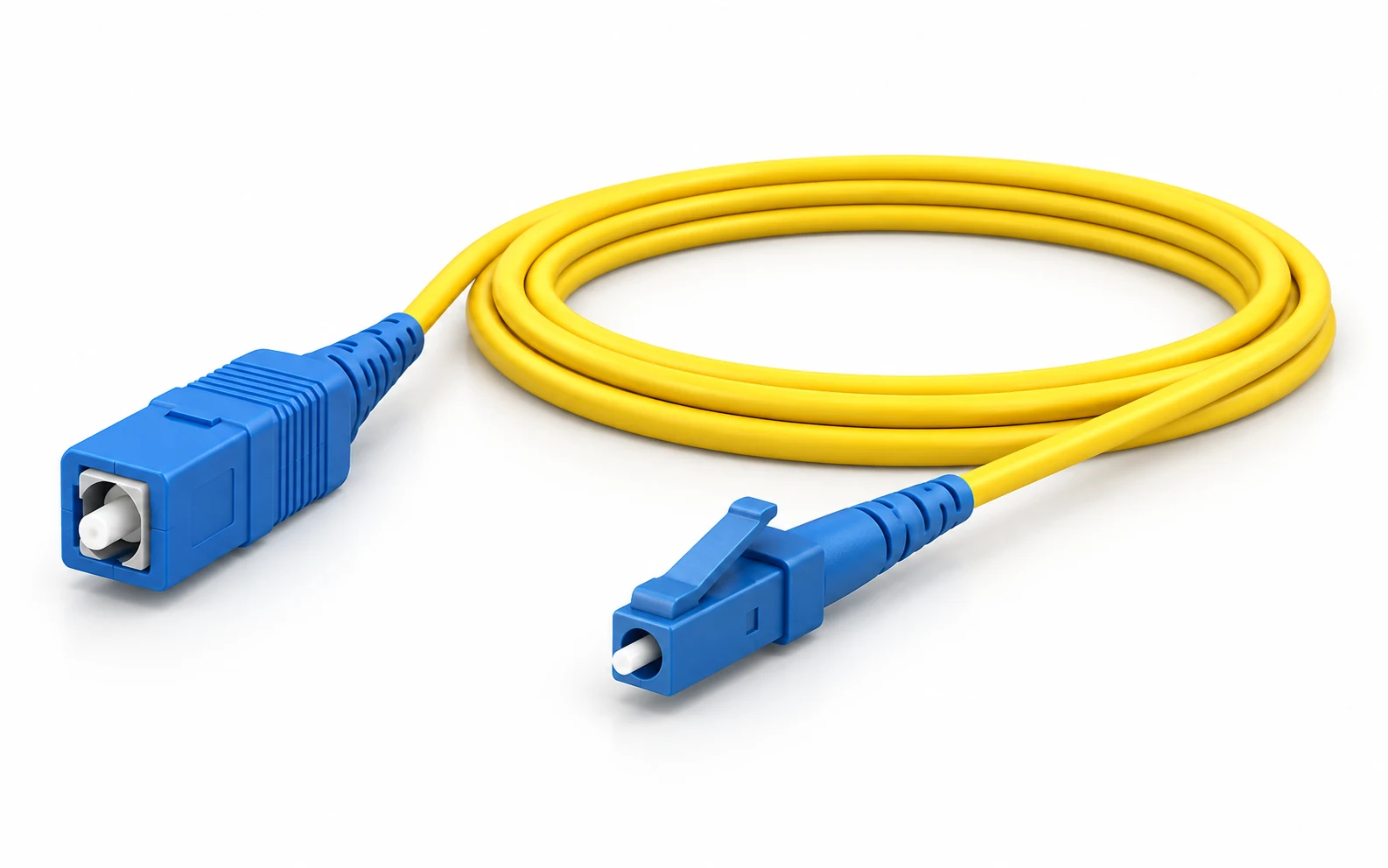
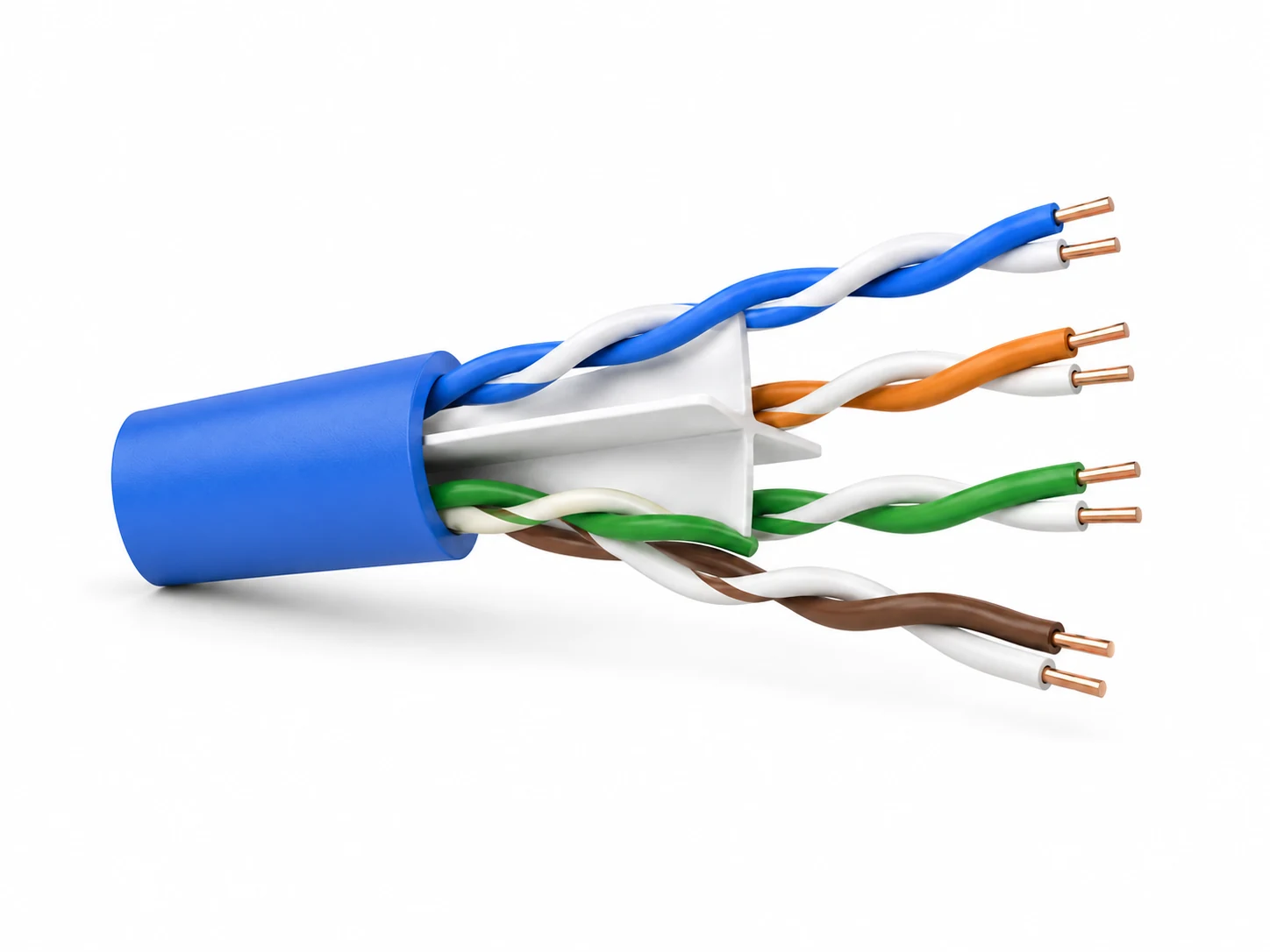







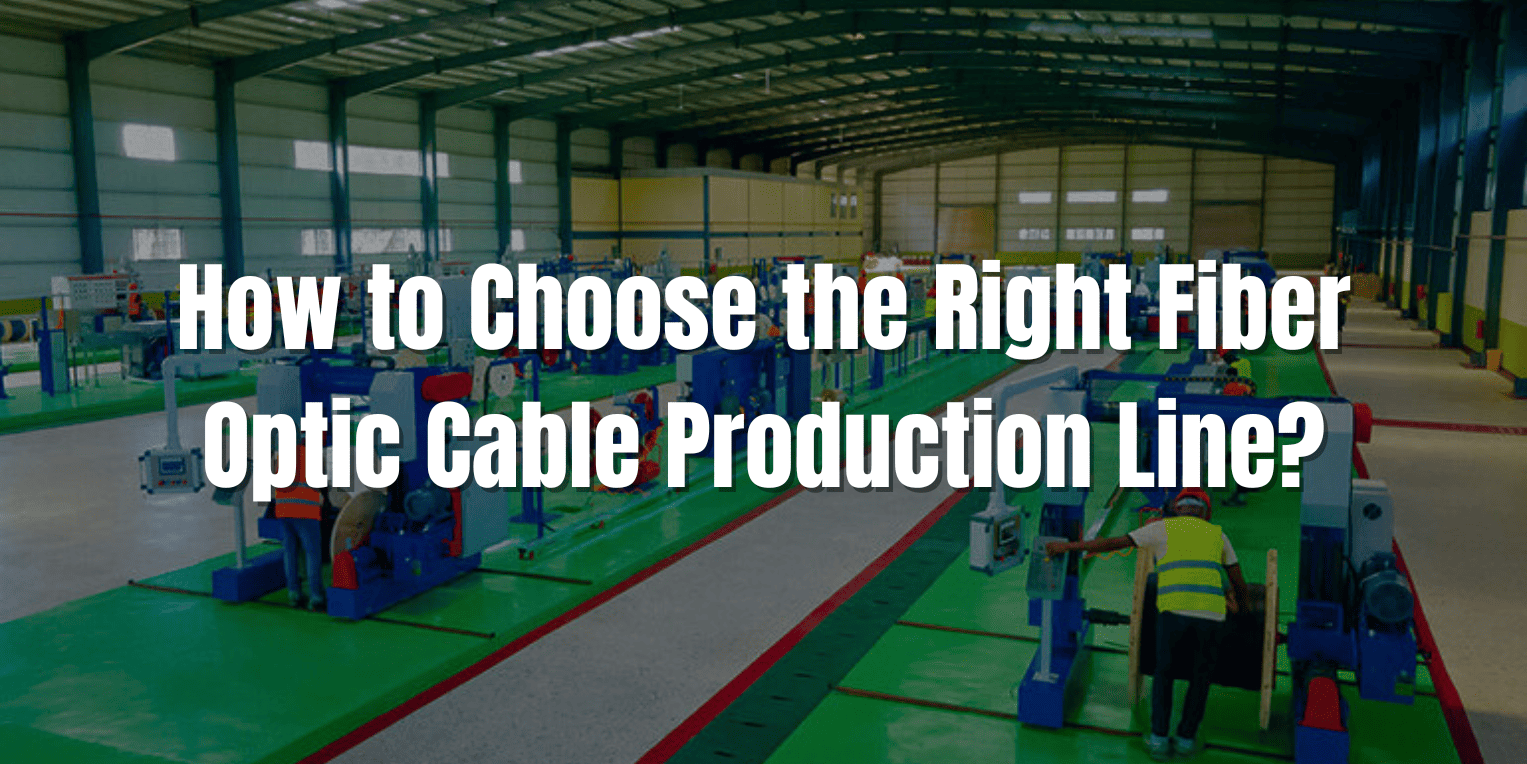
सही चुनना फाइबर ऑप्टिक केबल उत्पादन लाइन1 में $200,000 से अधिक $1,000,000 के निवेश का संतुलन करना शामिल है, जो आपके विशिष्ट उत्पादन लक्ष्यों पर निर्भर करता है। मुख्य निर्णय लक्ष्य क्षमता (उदाहरण के लिए, 1,500 km/माह), केबल प्रकार2 (उदाहरण के लिए, FTTH, ADSS), और वांछित स्वचालन स्तर पर निर्भर करते हैं, जो श्रम लागत को कम कर सकता है श्रम लागत3 अधिकतम 40% तक।.
अपने कारखाने के लिए सही मशीनरी चुनने में कठिनाई हो रही है? उच्च लागत और जटिल प्रौद्योगिकी दबाव भरी महसूस हो सकती है। एक गलत चयन उत्पादन बॉटलनेक, कम गुणवत्ता और एक विफल निवेश का कारण बनता है, जिससे दीर्घकाल में आपको करोड़ों की हानि होती है।.
सही फाइबर ऑप्टिक केबल उत्पादन लाइन चुनने के लिए, तीन मुख्य कारकों पर ध्यान केंद्रित करें: उत्पादन क्षमता, केबल प्रकार विशेषज्ञता, और कुल स्वामित्व लागत (TCO। एक सामान्य लाइन की लागत $200,000 a और $1,000,000 a के बीच होती है और प्रति माह 500 से 3,000 km केबल उत्पादित कर सकती है।.

– लक्ष्य एक उत्पादन क्षमता4 जो भविष्य की वृद्धि के लिए कम से कम 25%** अपनी वर्तमान मांग से अधिक हो। एक मानक द्वितीयक कोटिंग लाइन5 पर 800 m/min चलता है, जिससे महत्वपूर्ण उत्पादन संभव होता है।.
- अपने प्राथमिक केबल उत्पादों के आधार पर मशीनरी चुनें।. एक एफटीटीएच ड्रॉप केबल6 लाइन की आवश्यकताएं अलग होती हैं और लागत लगभग 30% कम होती है एक उच्च-फाइबर-गिनती ढीली ट्यूब स्ट्रैंडिंग लाइन7.
- गणना स्वामित्व की कुल लागत (टीसीओ)8, की तुलना में, केवल प्रारंभिक खरीद मूल्य के अलावा।. TCO में शामिल हैं ऊर्जा उपभोग9 (एक पूर्ण लाइन के लिए अधिकतम 150 kWh), स्पेयर पार्ट्स (वार्षिक रूप से मशीन की लागत के लगभग 3-5%), और ऑपरेटर प्रशिक्षण।.
- दीर्घकालिक संचालन लागत कम करने के लिए स्वचालन को प्राथमिकता दें।. पूर्णतः स्वचालित लाइनें ऑपरेटरों की आवश्यक संख्या को अधिकतम 50% तक कम कर सकती हैं और मानव त्रुटि को कम कर सकती हैं, जिससे केबल की गुणवत्ता की स्थिरता में सुधार होता है।.
Choosing a production line is a major strategic decision defining your factory’s competitive edge for the next decade. It’s more than just buying machines; it’s about building a complete manufacturing ecosystem. In this guide, we will break down the entire process, using our 20+ years of experience to help you make an informed decision that drives profitability and growth.
What are the Core Components of a Fiber Optic Cable Production Line?
A complete fiber optic cable production line consists of four main stages: secondary coating, SZ stranding, sheathing (jacketing), and rewinding, with each stage requiring specialized equipment that costs between $50,000 and $300,000 per unit.
Are you unsure which machines you actually need? Investing in the wrong components creates bottlenecks and inflates your budget. You need a clear roadmap to build an efficient, cohesive production flow from start to finish.
The essential components are the Secondary Coating Line, SZ Stranding Line, and Sheathing Line. For a mid-sized factory targeting 1,500 km of outdoor cable per month, this setup represents an initial investment of approximately $450,000 to $700,000, depending on the level of automation and speed.

Breaking Down the Production Workflow
Raw optical fibers must be protected and bundled to make high-quality fiber optic cables. Each production line stage adds a layer of protection and structure, transforming fragile glass fibers into a durable, high-performance cable. Understanding the function of each machine is the first step toward building an efficient factory.
1. Fiber Coloring and Rewinding Line
Before any protective layers are added, individual fibers are colored for identification. A coloring and rewinding line unwinds fibers from their original spools, applies a thin layer of UV-cured colored ink, and rewinds them onto new bobbins. This process is critical for assembly and splicing in the field. A typical machine can color fibers at up to 2,000 m/min speeds.
2. Secondary Coating Line
This is where the fibers receive their first layer of significant protection. In a loose tube design, the द्वितीयक कोटिंग लाइन5 extrudes a plastic tube (usually made of PBT) around a bundle of colored fibers. The line includes payoffs for the fibers, an extruder, cooling troughs, a capstan, and a take-up. High-speed lines can operate at over 800 m/min, producing the semi-finished "loose tubes" that will form the core of the cable. Jelly-filling stations are also integrated here to make the tubes water-resistant.
3. SZ Stranding Line
The SZ stranding machine takes multiple loose tubes (each containing fibers) and twists them together around a central strength member (like a FRP rod). The "SZ" pattern allows easy access to individual tubes without breaking the cable. This machine also applies water-blocking yarns and tapes. The stranding pitch and tension control are critical parameters, directly impacting the cable’s mechanical and optical performance.
4. Sheathing (Jacketing) Line
The final stage is applying the outer jacket. The शीथिंग लाइन10 takes the stranded cable core, applies additional strength members if needed (like aramid yarn for ADSS cables), and extrudes a final protective jacket, usually made of HDPE or LSZH. This line is crucial for ensuring the cable can withstand environmental factors like moisture, UV radiation, and physical stress. A typical शीथिंग लाइन10 for outdoor cables runs at speeds between 80 and 120 m/min.
| Machine Component | बेसिक कार्यक्रम | Typical Speed (m/min) | Estimated Cost Range |
|---|---|---|---|
| Fiber Coloring Line | Colors individual fibers for identification | 1000 – 2000 | $40,000 – $80,000 |
| Secondary Coating Line | Encases fibers in a protective loose tube | 500 – 1000 | $150,000 – $300,000 |
| एसजेड स्ट्रैंडिंग लाइन | केंद्रीय सदस्य के चारों ओर ढीले ट्यूब्स को घुमाएँ | 80 – 150 | $120,000 – $250,000 |
| शीथिंग लाइन | अंतिम बाहरी जैकेट लगाएँ | 60 – 120 | $100,000 – $200,000 |
चाबी छीनना:
- तीन मूलभूत लाइनों से शुरू करें: सेकेंडरी कोटिंग, SZ स्ट्रैंडिंग, और शीथिंग। एक रंगीन मशीन एक सहायक लेकिन महत्वपूर्ण घटक है।.
- आपके द्वितीयक कोटिंग लाइन5 अक्सर आपके पूरे कारखाने की अधिकतम सैद्धांतिक उत्पादन क्षमता निर्धारित करता है।.
- प्रत्येक मशीन की लागत इसकी गति, स्वचालन स्तर और इसके घटकों की गुणवत्ता (जैसे, एक्सट्रूडर स्क्रू, मोटर्स और PLC सिस्टम) से सीधे जुड़ी होती है।.
आपका लक्षित केबल प्रकार मशीनरी चयन को कैसे प्रभावित करता है?
आप जिस प्रकार का केबल उत्पादित करने की योजना बना रहे हैं—जैसे FTTH ड्रॉप केबल बनाम 288-कोर ADSS केबल—सीधे रूप से मशीनरी विनिर्देशों को निर्धारित करता है, जिसमें उच्च-कोर केबल के लिए विशेष लाइनें साधारण इंडोर केबल लाइनों की तुलना में 50-70% अधिक महंगी होती हैं।.
एक सामान्य उत्पादन लाइन चुनना सुरक्षित लगता है, लेकिन यह एक अक्षम रणनीति है। भारी उपयोग वाले आउटडोर केबल के लिए डिज़ाइन की गई लाइन साधारण इंडोर पैच कॉर्ड के लिए अतिरिक्त है, जिससे ऊर्जा और पूंजी बर्बाद होती है। आपको मशीन को मिशन के अनुसार मिलाना होगा।.
आपकी मशीनरी चयन आपके प्राथमिक बाजार के साथ संरेखित होना चाहिए। FTTH ड्रॉप केबल के लिए, आपको फाइबर पेऑफ के साथ एक विशेष शीथिंग लाइन की आवश्यकता होती है, जिसकी लागत लगभग $80,000-$150,000 होती है। उच्च-गिनती आर्मर्ड केबल के लिए, आपको एक अतिरिक्त स्टील टेपिंग लाइन और एक भारी ड्यूटी SZ स्ट्रैंडर की आवश्यकता होती है, जो कुल लागत में $200,000 जोड़ देता है।.

बाजार के अनुसार मशीन का मिलान
फाइबर ऑप्टिक केबल बाजार एक-आकार-सभी के लिए नहीं है। विभिन्न अनुप्रयोगों के लिए बहुत अलग केबल डिज़ाइन की आवश्यकता होती है। आपके कारखाने की लाभदायकता आपकी क्षमता पर निर्भर करती है कि आप एक विशिष्ट बाजार खंड11. को कुशलतापूर्वक सेवा प्रदान कर सकते हैं। आइए तीन सामान्य केबल प्रकार2.
1. FTTH (घर तक फाइबर) ड्रॉप केबल्स के लिए मशीनरी की आवश्यकताओं की तुलना करें।
These cables bring fiber from a local distribution point to an individual home. They are typically low-fiber-count (1-4 fibers), lightweight, and designed for easy installation.
- Production Process: Significantly simpler. It often uses a specialized एफटीटीएच ड्रॉप केबल6 production line that combines fiber payoffs, strength member application (FRP or steel wire), and sheathing into a single, continuous process.
- Key Machinery: A dedicated FTTH शीथिंग लाइन10 is the core component. A separate coloring machine is also needed. For the most common designs, you do not need a secondary coating or एसजेड स्ट्रैंडिंग लाइन12.
- Investment Focus: Speed and reliability for high-volume production of a standardized product.
2. Indoor Distribution Cables (Tight Buffer)
भवनों के अंदर डेटा केंद्रों और LANs के लिए उपयोग किए जाने वाले इन केबल्स में फाइबर्स के एक "टाइट बफर" कोटिंग (एक 900µm प्लास्टिक परत जो सीधे 250µm फाइबर पर लागू की जाती है) होती हैं।.
- Production Process: इसके लिए लूस-ट्यूब के बजाय टाइट-बफरिंग लाइन की आवश्यकता होती है द्वितीयक कोटिंग लाइन5. टाइट-बफर्ड फाइबर्स को फिर बंडल किया जाता है और जैकेट किया जाता है।.
- Key Machinery: टाइट बफरिंग लाइन, केबलिंग/स्ट्रैंडिंग मशीन (SZ स्ट्रैंडर की तुलना में सरल), और एक इंडोर केबल शीथिंग लाइन (अक्सर PVC या LSZH सामग्री का उपयोग करते हुए)।.
- Investment Focus: टाइट-बफरिंग लाइन पर सटीक तनाव नियंत्रण फाइबर्स को कमजोर करने (माइक्रो-बेंडिंग) से बचने के लिए आवश्यक है।.
3. आउटडोर लूस ट्यूब केबल्स (डक्ट/एरियल/बर्यल)
ये कठोर आउटडोर वातावरण के लिए डिज़ाइन किए गए मजबूत केबल हैं। इनमें कई लूस ट्यूब्स के अंदर 12 से 576+ तक फाइबर्स हो सकते हैं।.
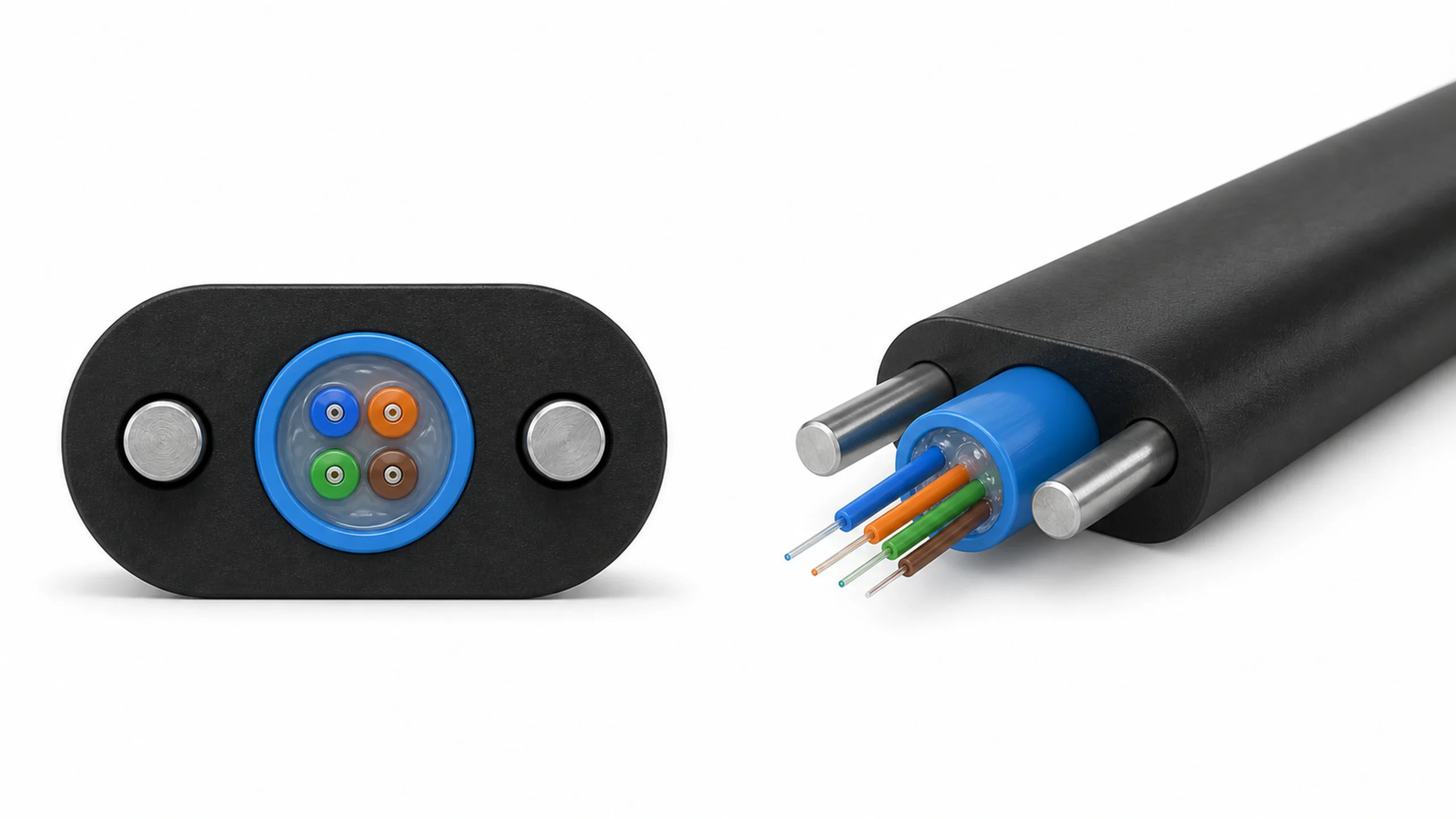
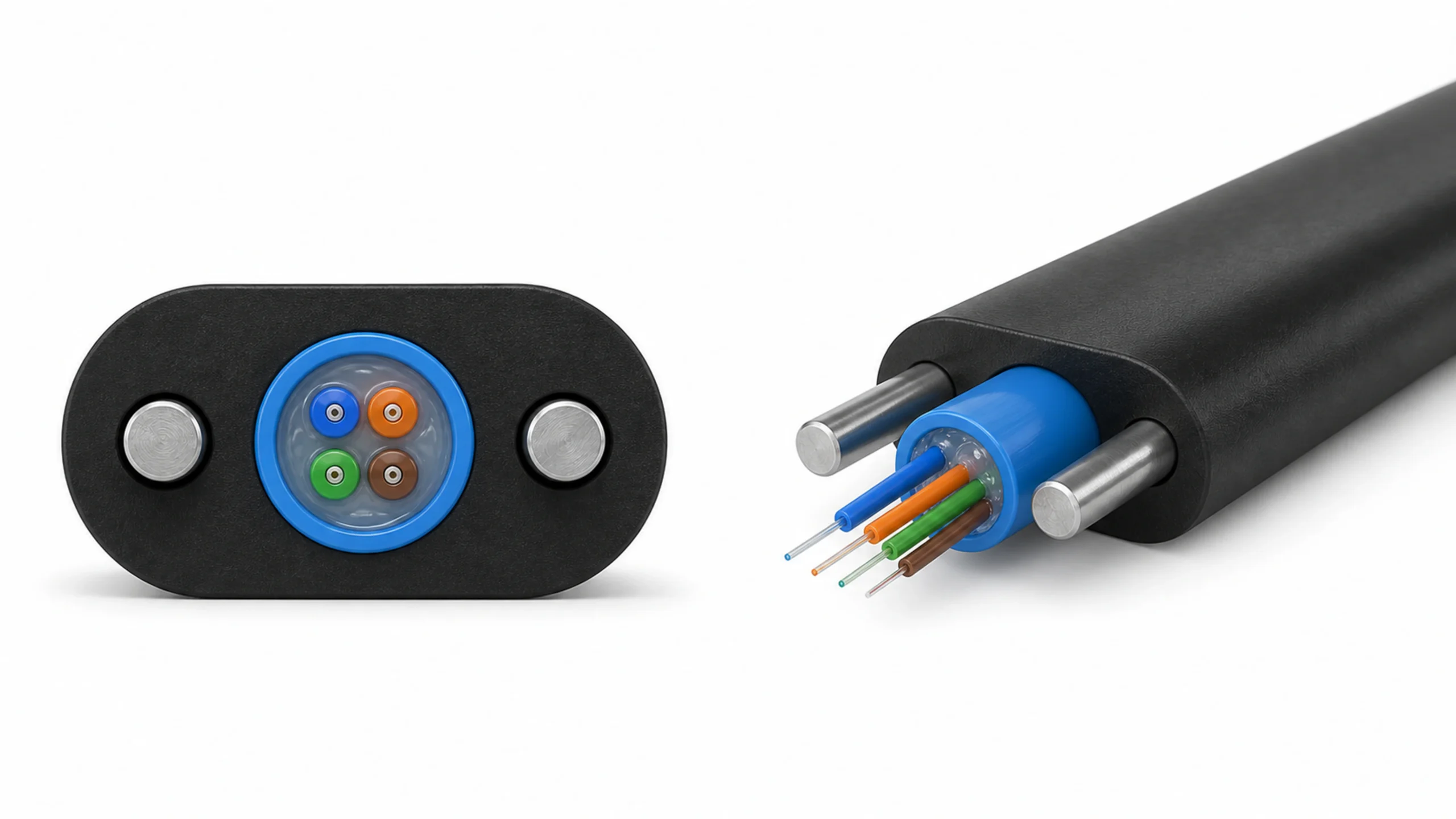
- Production Process: इसके लिए पूरी मशीनरी की आवश्यकता होती है: सेकेंडरी कोटिंग, SZ स्ट्रैंडिंग, और शीथिंग। आर्मर्ड केबल्स के लिए अंतिम जैकेट से पहले एक अतिरिक्त स्टील टेप आर्मोरिंग लाइन की आवश्यकता होती है। ऑल-डायलेक्ट्रिक सेल्फ-सपोर्टिंग (ADSS) केबल्स के लिए, शीथिंग लाइन10 में एक हाई-टॉर्क कैटरपिलर और अरामिड यार्न सर्वर्स होने चाहिए।.
- Key Machinery: पिछले खंड में वर्णित पूरी लाइन।.
- Investment Focus: टिकाऊपन, भारी घटकों के लिए मजबूत तनाव प्रबंधन, और मोटी, सुरक्षात्मक जैकेट्स के लिए सटीक सामग्री निकास।.
| केबल प्रकार | आवश्यक कोर मशीनें | मुख्य तकनीकी ध्यान | अनुमानित लाइन लागत |
|---|---|---|---|
| एफटीटीएच ड्रॉप केबल | कलरिंग लाइन, FTTH शीथिंग लाइन | उच्च गति (अधिकतम 200 m/min), संकुचित फुटप्रिंट | $120,000 – $230,000 |
| इंडोर टाइट बफर | टाइट बफरिंग लाइन, केबलिंग मशीन, शीथिंग लाइन | सटीक तनाव नियंत्रण, लचीली सामग्री (LSZH) | $250,000 – $400,000 |
| आउटडोर लूस ट्यूब | द्वितीयक कोटिंग, SZ स्ट्रैंडिंग, शीथिंग लाइन | उच्च स्ट्रैंडिंग टॉर्क, मजबूत ठंडा करना, जेली भरण | $450,000 – $1,000,000+ |
चाबी छीनना:
- मशीनरी के लिए उद्धरण मांगने से पहले अपने लक्षित बाजार और शीर्ष 2-3 केबल उत्पादों को परिभाषित करें।.
- एक लचीली उत्पादन लाइन जो कई केबल प्रकार2 संभव है, लेकिन अक्सर किसी एक प्रकार के लिए कम दक्षता की कीमत पर।.
- आर्मर्ड या ADSS केबल के लिए, स्ट्रैंडिंग और शीथिंग लाइन10महत्वपूर्ण सफलता के कारक हैं। सुनिश्चित करें कि मशीनें आप जिन सबसे भारी केबल्स का उत्पादन करने की योजना बना रहे हैं, उनके लिए निर्दिष्ट की गई हैं।.
एक उत्पादन लाइन के लिए कुल स्वामित्व लागत क्या है?
The Total Cost of Ownership (TCO) for a fiber optic cable production line is typically 2-3 times the initial purchase price over a 10-year lifespan, including energy, labor, maintenance, and raw materials, which account for over 70% of ongoing expenses.
आपके पास मशीनरी के लिए बजट है, लेकिन क्या आपने छिपी हुई लागतों को शामिल किया है? केवल स्टिकर मूल्य पर ध्यान केंद्रित करना एक सामान्य गलती है जो बजट अतिरिक्त और अलाभदायक संचालन की ओर ले जाती है। आपको एक पूर्ण वित्तीय चित्र की आवश्यकता है।.
एक मानक लाइन के लिए प्रारंभिक $450,000-$700,000 m मशीन निवेश के अतिरिक्त, संचालन लागत के लिए प्रति वर्ष अतिरिक्त 15-20% बजट बनाएं। इसमें लगभग $80,000/वर्ष ऊर्जा के लिए, $120,000/वर्ष अनुभवी ऑपरेटर्स के लिए, और $25,000/वर्ष बदले जाने वाले भागों और रखरखाव के लिए शामिल हैं।.

मूल्य टैग के परे देखना
एक बुद्धिमान निवेश मशीन के जीवनकाल के दौरान गुणवत्तापूर्ण केबल की प्रति मीटर न्यूनतम लागत प्रदान करता है। एक प्रतिष्ठित आपूर्तिकर्ता से उच्च गुणवत्ता वाली मशीनरी का प्रारंभिक लागत 20% अधिक हो सकता है, लेकिन बेहतर दक्षता, कम विफलता दर और कम अपशिष्ट के माध्यम से TCO को लगभग 30% तक कम कर सकता है।.
1। ऊर्जा खपत
एक पूर्ण उत्पादन लाइन ऊर्जा-उपभोगी होती है। एक्सट्रूडर (द्वितीयक कोटिंग और शीथिंग के लिए) सबसे बड़े उपभोक्ता हैं, जिनके साथ मोटर्स और गर्मी/ठंडा करने की प्रणालियां शामिल हैं।.
- मानक लाइन: एक विशिष्ट प्रकार लाइन मध्यम क्षमत पर मध्यम क्षम धारिता वाली खपत कर सकती है 100-150 kWघंट की बिजली की मात्रा पर घं.
- Cost Impact: At an industrial rate of $0.10/kWh, running two shifts can cost $4,000-$6,000 per month, or over $50,000 per year, just in electricity.
- Optimization: उच्च-दक्षता वाली मोटर्स (IE3 या बेहतर) और आधुनिक, इन्सुलेटेड एक्सट्रूडर वाली मशीनों की तलाश करें जो ऊष्मा हानि को कम करते हैं।.
2. Labor Costs
लाइन चलाने, बदलाव करने और समस्याओं का निवारण करने के लिए कुशल ऑपरेटर आवश्यक हैं।.
- Team Size: A semi-automated line requires 4-6 operators per shift. A highly automated line might only need 2-3.
- Cost Impact: With an average salary of $30,000/year, a team of 5 operators for two shifts costs $300,000 annually. Reducing this by just two positions through automation saves $120,000 annually, offering a clear ROI.
- Optimization: Invest in machines with a centralized PLC control system (like Siemens or Rockwell), automatic tension control, and sensor-driven quality monitoring.
3. Maintenance and Spare Parts
Machines with moving parts will eventually require maintenance. Planning for this is crucial for minimizing downtime.
- Budget: Allocate 3-5% of the initial machine cost for annual spare parts. A $500,000 line is $15,000 – $25,000 per year.
- Critical Spares: Key parts to keep in stock include extruder screws, heaters, thermocouples, belts, and bearings. A reputable supplier will provide a recommended spare parts list with the initial quote.
- Optimization: Choose suppliers who use globally recognized components (e.g., Siemens motors, Omron sensors). This ensures you can source replacements locally, reducing downtime from weeks to days.
4. Raw Material Waste (Scrap Rate)
You produce scrap cable every time you start the line, change a product, or have a process instability.
- Industry Average: A well-run factory aims for a scrap rate below 1.5%. A poorly managed line can easily exceed 5%.
- Cost Impact: With raw materials for optical cable costing $500-$1,500 per kilometer, a 3% scrap rate on a production of 1,000 km/month can cost over $200,000 per year.
- Optimization: High-quality machines with stable process controls (precise temperature, tension, and speed management) are essential for minimizing scrap.
चाबी छीनना:
- Request suppliers’ ऊर्जा उपभोग9 data (in kWh) and factor it into your financial model.
- Analyze the ROI of automation11 by comparing the upfront cost to a 3-5 year projection of labor savings.
- Demand a two-year recommended स्पेयर पार्ट्स की सूची12 अपने मशीनरी के उद्धरण के साथ और इसे अपने प्रारंभिक बजट में शामिल करें।.
वास्तविक दुनिया का उदाहरण
Typical Scenario: पूर्वी यूरोप का एक बढ़ता हुआ इंटरनेट सेवा प्रदाता (ISP) अपना स्वयं का उत्पादन करने का लक्ष्य रखता था FTTH ड्रॉप केबल13 आपूर्ति को नियंत्रित करने और लागत कम करने के लिए।.
चुनौती: The company must produce 2,000 km of 2-fiber flat drop cable monthly. They had a dedicated space of only 500 square meters and lacked experienced machine operators. Their primary goal was to achieve the lowest possible cost per meter while ensuring high quality.
समाधानहमने उन्हें एक सघन, अत्यधिक स्वचालित FTTH ड्रॉप केबल उत्पादन लाइन प्रदान की।.
- The line integrated the fiber payoff, parallel strength member applicators, and the sheathing extruder into a single, 40-meter-long frame, saving over 30% floor space compared to a non-integrated setup.
- We included a Siemens PLC प्रणाली14 एक केंद्रीय टचस्क्रीन इंटरफ़ेस के साथ जो विभिन्न केबल विशिष्टताओं के लिए रेसिपी संग्रहीत करता है, जिससे उत्पाद परिवर्तन सरल हो जाता है।.
- An online diameter and flaw detector was integrated to provide real-time quality feedback, automatically adjusting the line speed and extruder output to minimize waste and ensure consistent cable dimensions.
परिणाम:
- उत्पादन क्षमता: The customer is now producing an average of 2,500 km of cable per month, exceeding their initial target by 25%.
- लागत बचत: They reduced their cable procurement costs by 35% by producing in-house. The स्वचालित गुणवत्ता नियंत्रण प्रणाली15 keeps its raw material scrap rate below 0.8%, saving an estimated $70,000 per year compared to industry averages.
- Labor Optimization: The line requires only two operators per shift, a 50% reduction compared to a conventional, semi-automatic line, saving over $100,000 in annual labor costs. The investment paid for itself in just under 3 years.

Expert Insight
"Many new investors focus 90% of their attention on the machine’s price and 10% on the process. Our most successful clients do the opposite. They work with us to understand the entire workflow—from raw material sourcing to final testing. A cheaper machine that produces 3% more scrap is far more expensive in the long run. We help our partners build a profitable business, not just buy a machine."
— HONGKAI बिक्री और बाजारकरण टीम
"एक महान का हृदय फाइबर ऑप्टिक केबल16 is consistency. This comes from perfect tension control. We use active dancer controls and servo motors for every payoff reel on our SZ stranding lines. This prevents the micro-stresses on the fibers that can degrade the optical signal over 25 years in the field. It’s a small detail that defines the long-term reliability of your product."
— HONGKAI Engineering Team (20+ years combined experience)
सामान्य प्रश्न
प्रश्न: एक पूर्ण उत्पादन लाइन के लिए मुझे कितना कारखाना स्थान चाहिए?
A: For a standard outdoor loose tube cable line (Secondary Coating, Stranding, Sheathing), plan for a facility that is at least 150 meters (490 ft) long and 20 meters (65 ft) wide. This provides enough space for the machines, raw material storage, and semi-finished product workflow. A compact FTTH line may only require a length of 60-80 meters.
प्रश्न: मुख्य बिजली और उपयोगिता आवश्यकताएँ क्या हैं?
A: A complete production line typically requires a 380V/440V 3-phase power supply with a total capacity of around 250-350 kVA. For the extruders and cooling troughs, you will also need a supply of compressed air (for pneumatic controls) and a chilled water system (with a cooling capacity of around 300,000 kcal/hour).
प्रश्न: मशीनरी स्थापित करने और कर्मचारियों को प्रशिक्षित करने में कितना समय लगता है?
A: Installation and commissioning typically take 3-4 weeks for a complete line. This is followed by 1-2 weeks of comprehensive operator and maintenance training. HONGKAI provides on-site engineering support to oversee this process, ensuring your team is fully prepared before production begins.
प्रश्न: क्या मैं अपनी उत्पादन लाइन को बाद में अपग्रेड कर सकता हूँ?
A: Yes, modularity is a key feature of modern lines. You can start with a basic setup and add capabilities later. For example, you can add an armoring station to your sheathing line or increase the number of payoffs on your SZ strander to produce higher-fiber-count cables. Plan for this by leaving physical space for future expansion.
प्रश्न: उत्पादन लाइन पर विफलता का सबसे आम बिंदु क्या है?
A: The extruder’s heating elements and the gearbox are common failure points if not properly maintained. We mitigate this using high-quality, durable components and by providing a detailed निवारक रखरखाव अनुसूची17. । एक्सट्रूडर स्क्रू और डाई हेड की नियमित सफाई सुसंगत गुणवत्ता सुनिश्चित करने के लिए सबसे महत्वपूर्ण रखरखाव कार्य है।.
निष्कर्ष
सही चुनना फाइबर ऑप्टिक केबल16 production line is a decision that balances cost, capacity, and capability. By focusing on the total cost of ownership instead of just the initial price, aligning machinery with your target products, and planning for future growth, you build a foundation for long-term success.
कार्रवाई करने के लिए तैयार हैं?
- Step 1: Define your top 3 target cable products and your desired monthly production volume (km).
- Step 2: हमारे गाइड का उपयोग करके एक प्रारंभिक बजट तैयार करें जिसमें मशीनरी, स्थापना और एक वर्ष की संचालन लागत शामिल हो।.
- Step 3: अपने व्यवसाय लक्ष्यों के अनुरूप एक अनुकूलित लाइन कॉन्फ़िगरेशन विकसित करने के लिए तकनीकी परामर्श हेतु HONGKAI टीम से संपर्क करें।.
-
फाइबर ऑप्टिक केबल उत्पादन लाइन के घटकों और लाभों को समझने के लिए इस लिंक का पता लगाएं।↩
-
फाइबर ऑप्टिक केबलों के विभिन्न प्रकारों और उनके विशिष्ट अनुप्रयोगों की खोज करें।↩ ↩ ↩
-
यह जानें कि श्रम लागत उत्पादन लाइन के समग्र बजट को कैसे प्रभावित करती है।↩
-
बाज़ार की मांगों को पूरा करने के लिए उत्पादन क्षमता का प्रभावी ढंग से आकलन कैसे करें, यह जानें।↩
-
केबल की टिकाऊपन सुनिश्चित करने में सेकेंडरी कोटिंग लाइन की भूमिका का पता लगाएं।↩ ↩ ↩ ↩
-
Learn about FTTH drop cables and their role in modern telecommunications. ↩ ↩
-
उच्च फाइबर-गणना स्ट्रैंडिंग लाइनों के विनिर्देशों और उपयोगों का पता लगाएं।↩
-
Understand TCO to make informed financial decisions for your production line. ↩
-
संचालन लागतों को अनुकूलित करने के लिए ऊर्जा खपत का आकलन कैसे करें, यह जानें।↩ ↩
-
Discover how the sheathing line protects and enhances fiber optic cables. ↩ ↩ ↩ ↩ ↩
-
ऑटोमेशन के ROI को समझने से आप अपने व्यवसाय के लिए प्रौद्योगिकी में निवेश करने के बारे में सूचित निर्णय लेने में सक्षम होंगे।↩ ↩
-
एक अच्छी तरह से तैयार किया गया स्पेयर पार्ट्स की सूची न्यूनतम डाउनटाइम और कुशल रखरखाव सुनिश्चित करती है, जो संचालन सफलता के लिए महत्वपूर्ण है।↩ ↩
-
Exploring FTTH drop cables will provide insights into their importance in modern telecommunications and infrastructure. ↩
-
Understanding Siemens PLC systems can help you leverage automation for better control and efficiency in production. ↩
-
जानें कि स्वचालित गुणवत्ता नियंत्रण प्रणालियाँ उत्पाद की गुणवत्ता को कैसे बढ़ाती हैं और अपशिष्ट को कम करती हैं, जो मानकों को बनाए रखने के लिए महत्वपूर्ण है।↩
-
Exploring different types of fiber optic cables will enhance your knowledge of their applications in various industries. ↩ ↩
-
मशीनरी की लंबी उम्र और संचालन क्षमता सुनिश्चित करने के लिए एक निवारक रखरखाव अनुसूचि आवश्यक है।↩