
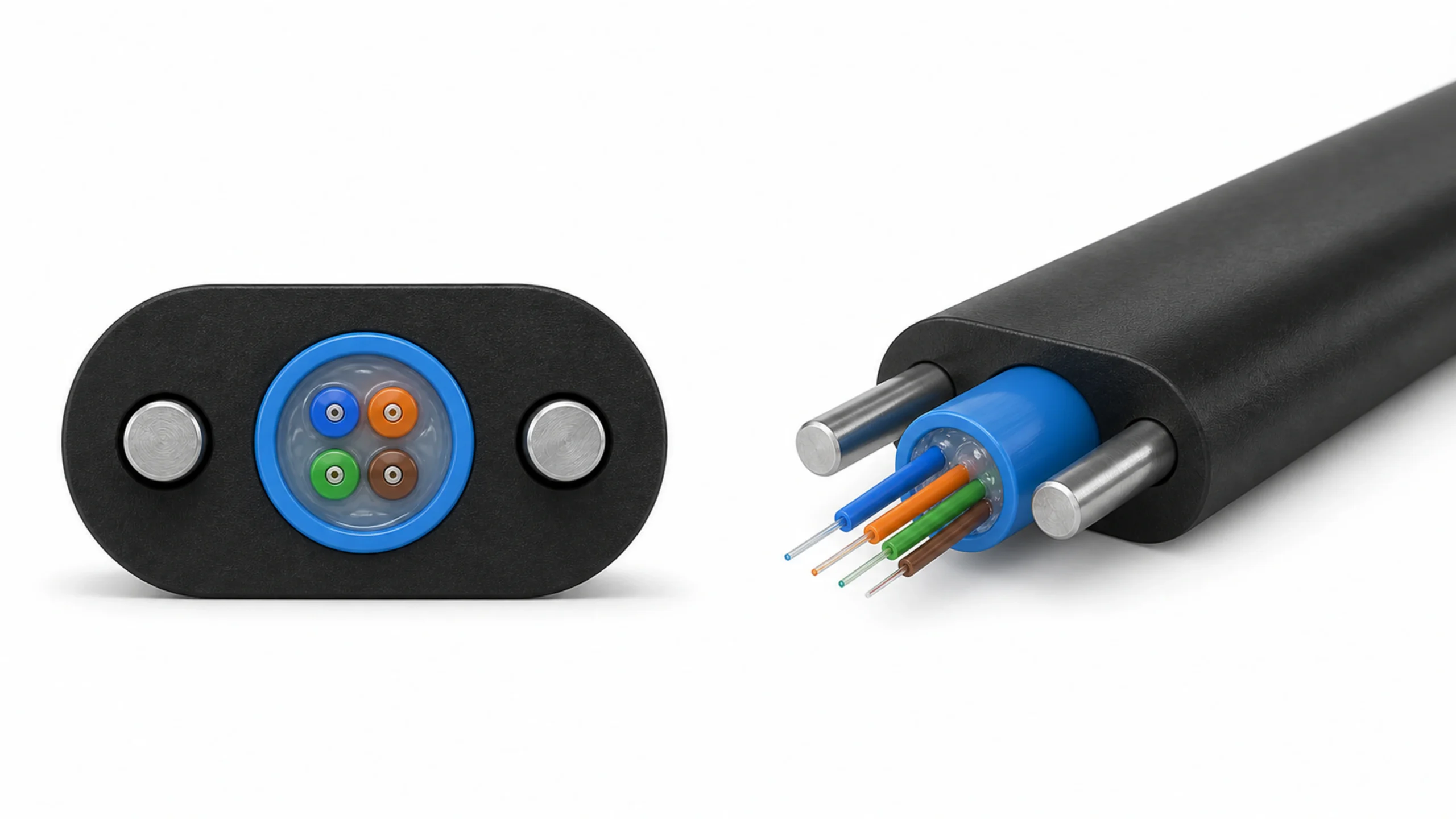
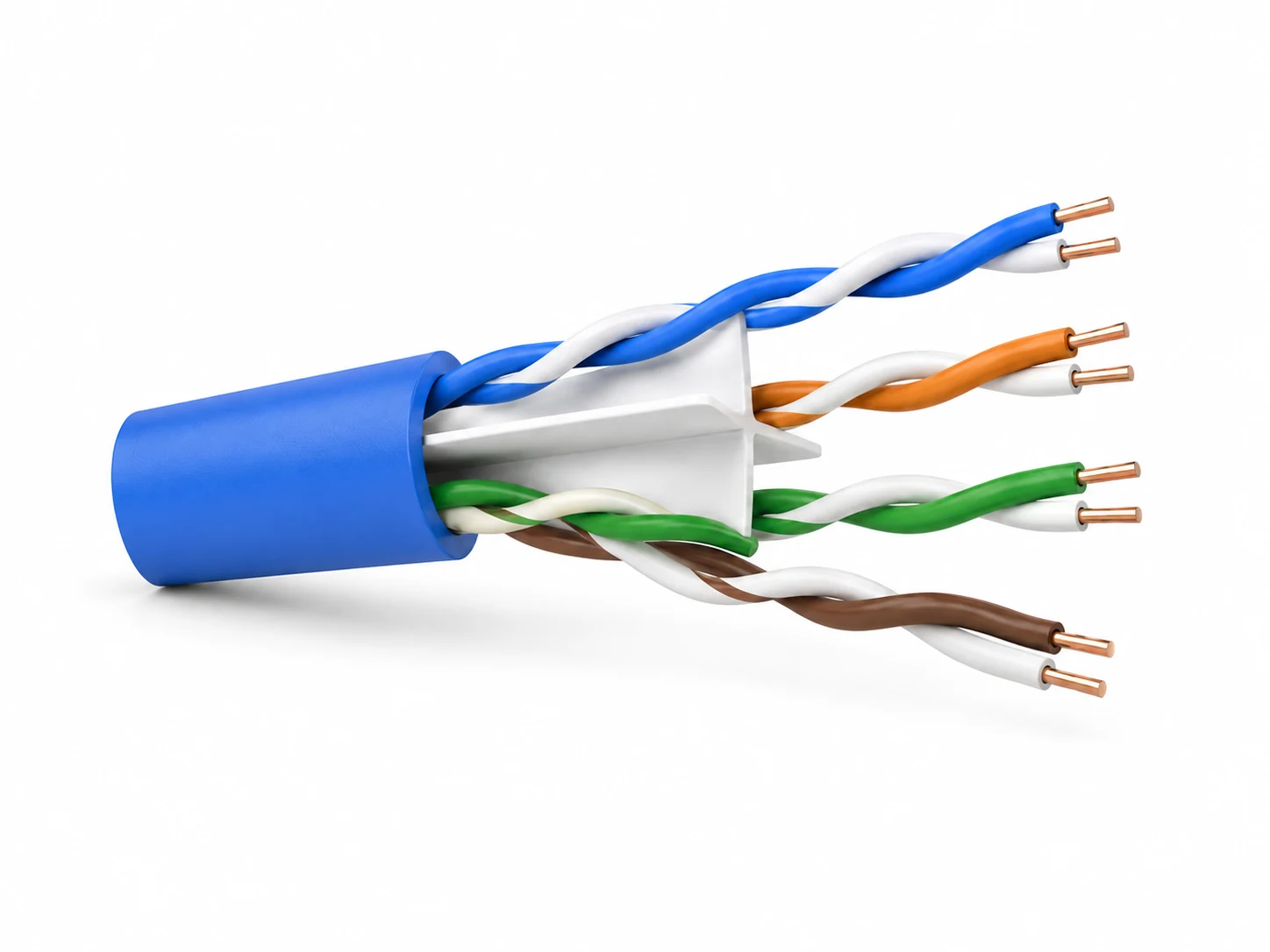
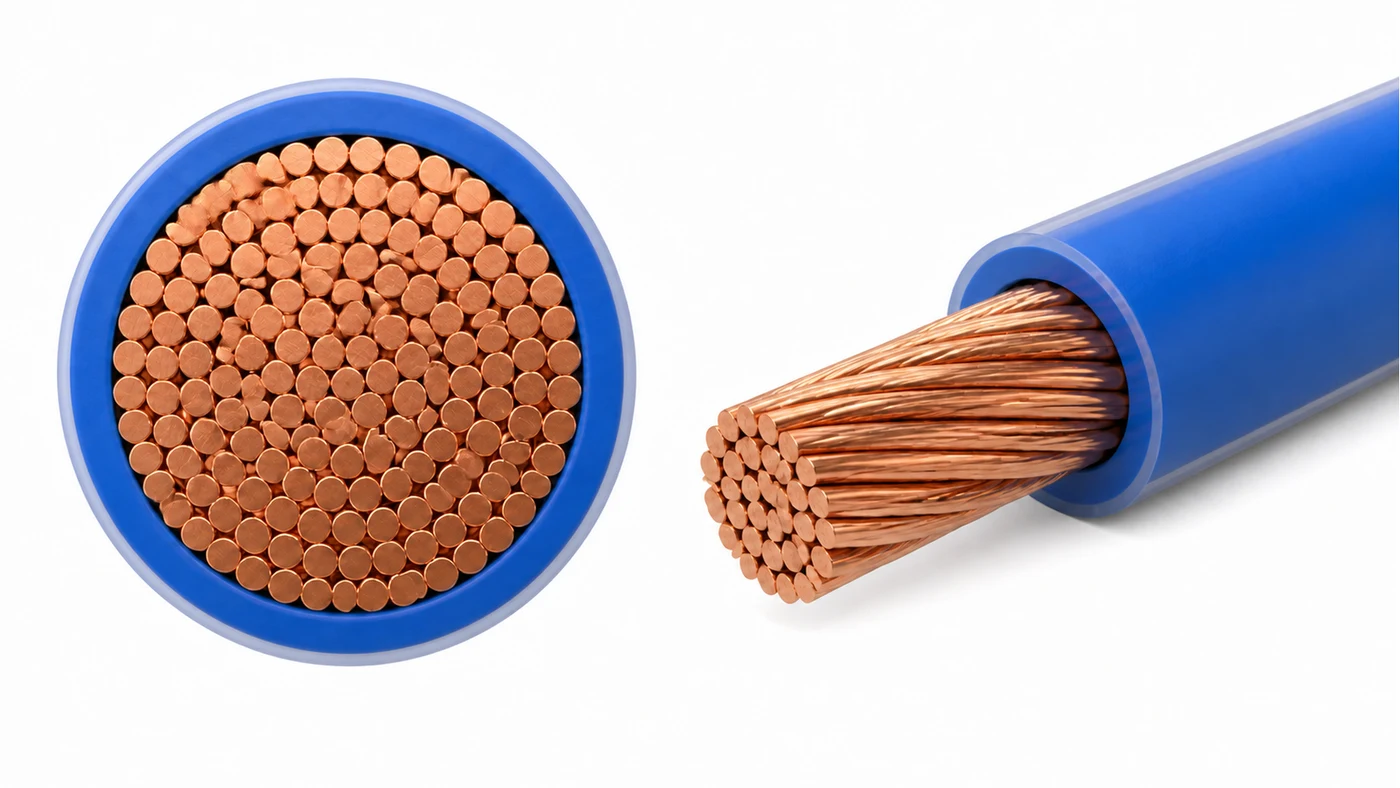
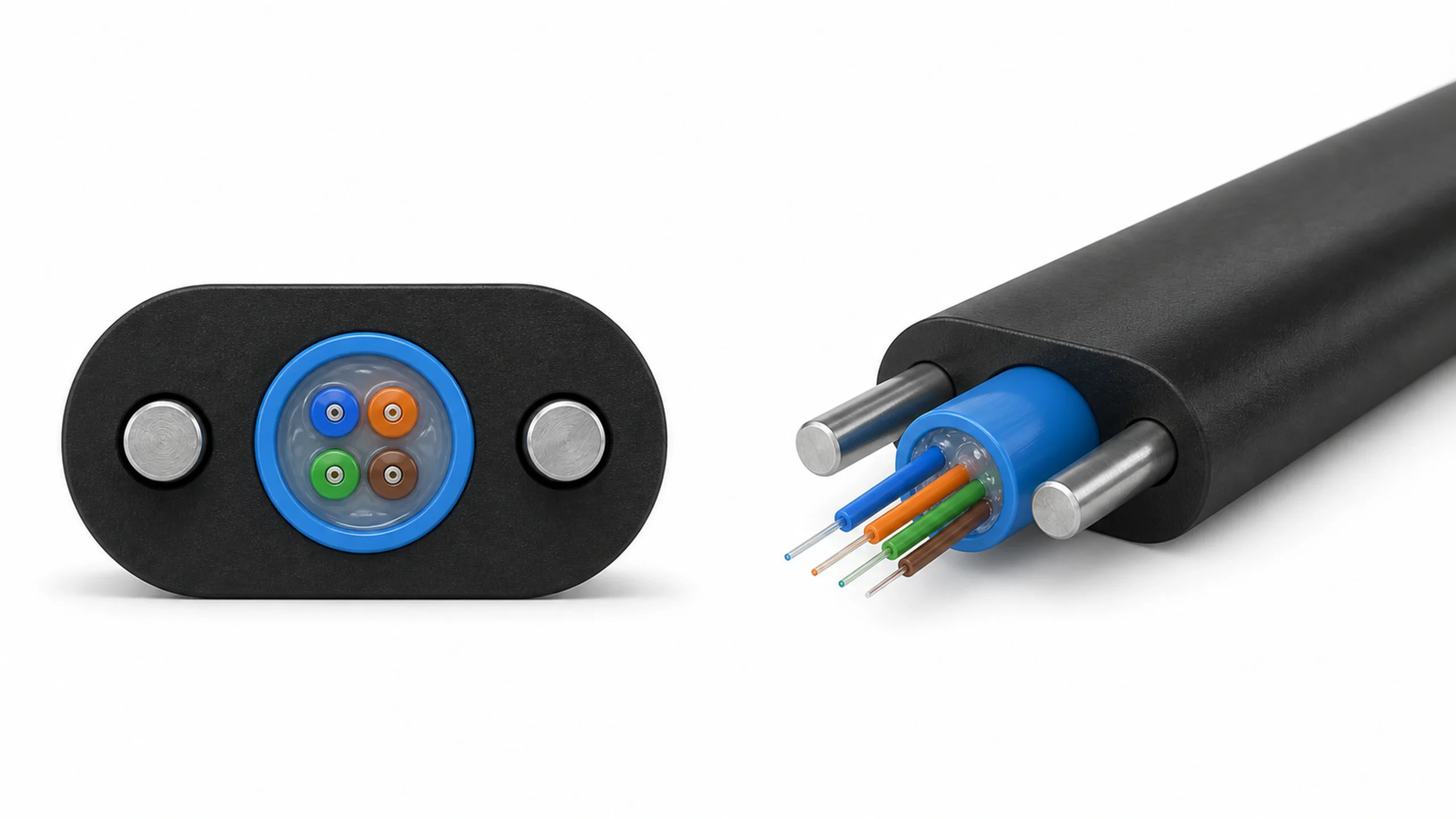





সঠিকটি বাছাই করা ফাইবার অপটিক কেবল উৎপাদন লাইন1 এর মধ্যে ভারসাম্য রাখা প্রয়োজন $200,000 থেকে বেশি $1,000,000 আপনার নির্দিষ্ট উত্পাদন লক্ষ্যের সাথে। মূল সিদ্ধান্তগুলি নির্ভর করে লক্ষ্য ক্ষমতার উপর (যেমন, 1,500 km/মাস), তারের ধরণ2 (যেমন, FTTH, ADSS), এবং প্রয়োজনীয় স্বয়ংক্রিয়করণের মাত্রার উপর, যা কমাতে পারে শ্রম খরচ3 প্রায় 40% পর্যন্ত।.
আপনার কারখানার জন্য সঠিক যন্ত্রপাতি বাছাই করতে সমস্যা হচ্ছে? উচ্চ খরচ এবং জটিল প্রযুক্তি অত্যন্ত চাপদায়ক মনে হতে পারে। ভুল বাছাইয়ের ফলে উত্পাদনের বাধা, খারাপ মান এবং ব্যর্থ বিনিয়োগ ঘটে, যা দীর্ঘমেয়াদে আপনাপকে কোটি কোটি খরচ করতে বাধ্য করবে।.
সঠিক ফাইবার অপটিক ক্যাবল উত্পাদন লাইন বাছাই করতে, কেন্দ্রীয় তিনটি কারকের উপর মনোনিবেশ করুন: উত্পাদন ক্ষমতা, ক্যাবল টাইপ বিশেষায়ন এবং মোট মালিকানার খরচ (TCO). একটি সাধারণ লাইনের খরচ হয় $200,000 a এবং $1,000,000 a এর মধ্যে এবং প্রতি মাসে 500 থেকে 3,000 km ক্যাবল উৎপাদন করতে পারে।.

– লক্ষ্য করুন উৎপাদন ক্ষমতা4 যা আপনার বর্তমান চাহিদার চেয়ে কমপক্ষে 25%** বেশি হোক যাতে ভবিষ্যতের বৃদ্ধির জন্য স্থান থাকে। একটি স্ট্যান্ডার্ড সেকেন্ডারি লেপ লাইন5 চলে 800 m/min এ, যা উল্লেখযোগ্য আউটপুট সক্ষম করে।.
- আপনার প্রাথমিক ক্যাবল পণ্যের উপর ভিত্তি করে যন্ত্রপাতি বাছাই করুন।. একটি FTTH ড্রপ ক্যাবল6 line has different requirements and costs about 30% less than a high-fiber-count loose tube stranding line7.
- গণনা করুন মোট মালিকানা খরচ (TCO)8, শুধুমাত্র প্রাথমিক ক্রয় মূল্য নয়।. TCO অন্তর্ভুক্ত করে শক্তি খরচ9 (একটি সম্পূর্ণ লাইনের জন্য প্রায় 150 kWh), স্পেয়ার পার্টস (বার্ষিকভাবে মেশিনের খরচের প্রায় 3-5%), এবং অপারেটর প্রশিক্ষণ।.
- দীর্ঘমেয়াদী পরিচালন খরচ কমাতে স্বয়ংক্রিয়করণকে অগ্রাধিকার দিন।. Fully automated lines can reduce the required number of operators by up to 50% and minimize human error, improving cable quality consistency.
Choosing a production line is a major strategic decision defining your factory’s competitive edge for the next decade. It’s more than just buying machines; it’s about building a complete manufacturing ecosystem. In this guide, we will break down the entire process, using our 20+ years of experience to help you make an informed decision that drives profitability and growth.
What are the Core Components of a Fiber Optic Cable Production Line?
A complete fiber optic cable production line consists of four main stages: secondary coating, SZ stranding, sheathing (jacketing), and rewinding, with each stage requiring specialized equipment that costs between $50,000 and $300,000 per unit.
Are you unsure which machines you actually need? Investing in the wrong components creates bottlenecks and inflates your budget. You need a clear roadmap to build an efficient, cohesive production flow from start to finish.
The essential components are the Secondary Coating Line, SZ Stranding Line, and Sheathing Line. For a mid-sized factory targeting 1,500 km of outdoor cable per month, this setup represents an initial investment of approximately $450,000 to $700,000, depending on the level of automation and speed.

Breaking Down the Production Workflow
Raw optical fibers must be protected and bundled to make high-quality fiber optic cables. Each production line stage adds a layer of protection and structure, transforming fragile glass fibers into a durable, high-performance cable. Understanding the function of each machine is the first step toward building an efficient factory.
1. Fiber Coloring and Rewinding Line
Before any protective layers are added, individual fibers are colored for identification. A coloring and rewinding line unwinds fibers from their original spools, applies a thin layer of UV-cured colored ink, and rewinds them onto new bobbins. This process is critical for assembly and splicing in the field. A typical machine can color fibers at up to 2,000 m/min speeds.
2. Secondary Coating Line
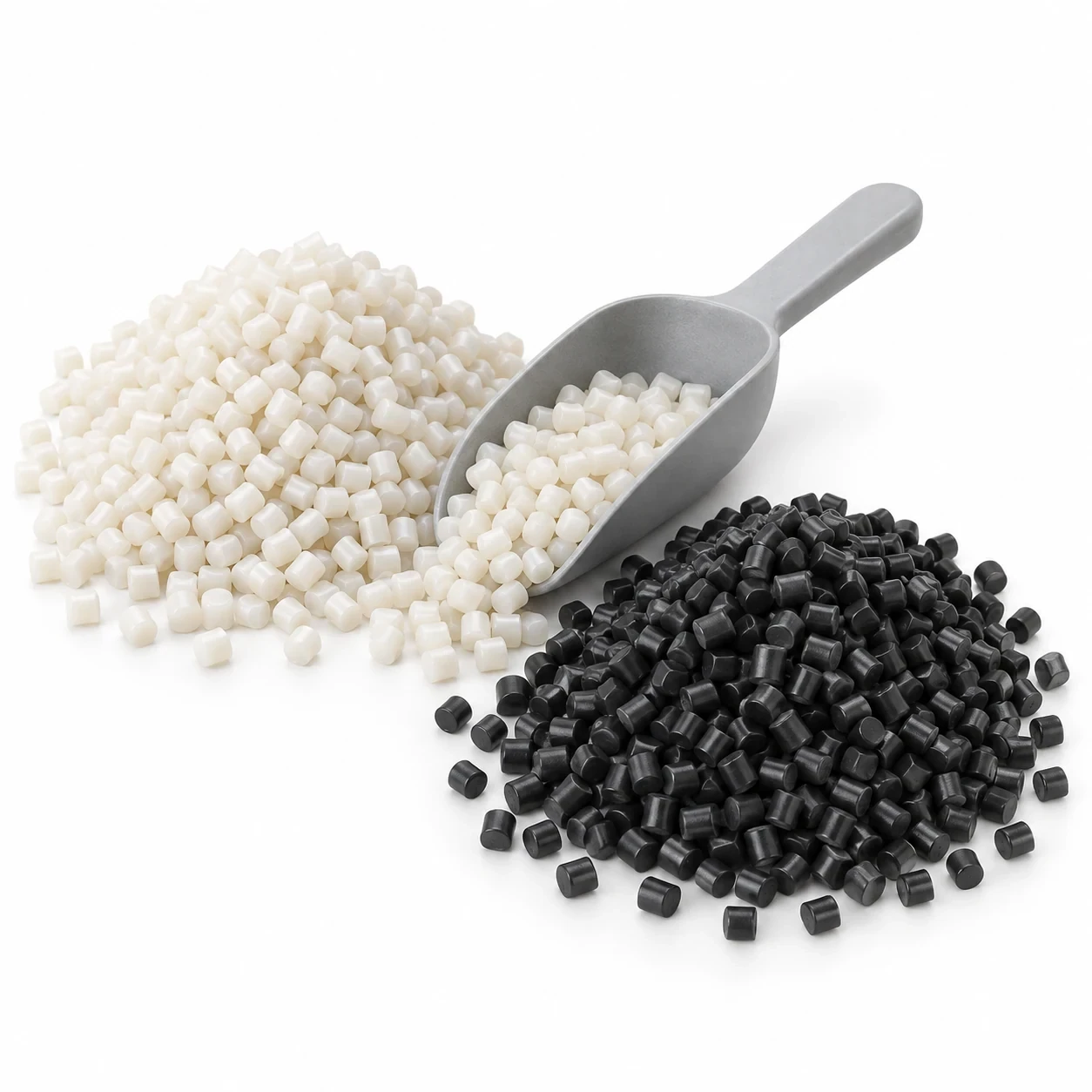
This is where the fibers receive their first layer of significant protection. In a loose tube design, the সেকেন্ডারি লেপ লাইন5 extrudes a plastic tube (usually made of PBT) around a bundle of colored fibers. The line includes payoffs for the fibers, an extruder, cooling troughs, a capstan, and a take-up. High-speed lines can operate at over 800 m/min, producing the semi-finished "loose tubes" that will form the core of the cable. Jelly-filling stations are also integrated here to make the tubes water-resistant.
3. SZ Stranding Line
The SZ stranding machine takes multiple loose tubes (each containing fibers) and twists them together around a central strength member (like a FRP rod). The "SZ" pattern allows easy access to individual tubes without breaking the cable. This machine also applies water-blocking yarns and tapes. The stranding pitch and tension control are critical parameters, directly impacting the cable’s mechanical and optical performance.
4. Sheathing (Jacketing) Line
The final stage is applying the outer jacket. The আবরণ লাইন10 takes the stranded cable core, applies additional strength members if needed (like aramid yarn for ADSS cables), and extrudes a final protective jacket, usually made of HDPE or LSZH. This line is crucial for ensuring the cable can withstand environmental factors like moisture, UV radiation, and physical stress. A typical আবরণ লাইন10 for outdoor cables runs at speeds between 80 and 120 m/min.
| মেশিন কম্পোনেন্ট | প্রাথমিক ফাংশন | প্রায় গতি (মি/মিনিট) | আনুমানিক খরচ পরিসর |
|---|---|---|---|
| ফাইবার কালারিং লাইন | শনাক্তকরণের জন্য একক ফাইবারগুলিকে রঙ করে | 1000 – 2000 | $40,000 – $80,000 |
| সেকেন্ডারি কোটিং লাইন | ফাইবারগুলিকে একটি সুরক্ষিত ঢিলে টিউবে আবৃত করে | 500 – 1000 | $150,000 – $300,000 |
| এসজেড স্ট্র্যান্ডিং লাইন | কেন্দ্রীয় সদস্যের চারপাশে ঢিলে টিউবগুলিকে ঘোরায় | 80 – 150 | $120,000 – $250,000 |
| শীথিং লাইন | চূড়ান্ত বাহ্যিক জ্যাকেট প্রয়োগ করে | 60 – 120 | $100,000 – $200,000 |
কী Takeaways:
- শুরু করুন তিনটি প্রয়োজনীয় লাইন দিয়ে: সেকেন্ডারি কোটিং, SZ স্ট্র্যান্ডিং, এবং শিথিং। একটি কালারিং মেশিন একটি সহায়ক কিন্তু অপরিহার্য কম্পোনেন্ট।.
- আপনার গতি সেকেন্ডারি লেপ লাইন5 প্রায়শই আপনার সম্পূর্ণ কারখানার সর্বোচ্চ তাত্ত্বিক আউটপুট নির্ধারণ করে।.
- The cost of each machine is directly tied to its speed, automation level, and the quality of its components (e.g., brand of extruder screw, motors, and PLC system).
How Does Your Target Cable Type Influence Machinery Selection?
The type of cable you plan to produce—such as FTTH drop cable versus a 288-core ADSS cable—directly dictates machinery specifications, with specialized lines for high-core cables costing up to 50-70% more than simpler indoor cable lines.
Choosing a generic production line seems safe, but it’s an inefficient strategy. A line designed for heavy-duty outdoor cables is overkill for simple indoor patch cords, wasting energy and capital. You need to match the machine to the mission.
Your machinery choice must align with your primary Market. For FTTH drop cables, you need a specialized sheathing line with fiber payoffs, costing around $80,000-$150,000. For high-count armored cables, you need an additional steel taping line and a heavy-duty SZ strander, adding over $200,000 to the total cost.

Matching the Machine to the Market
The fiber optic cable market is not one-size-fits-all. Different applications require vastly different cable designs. Your factory’s profitability depends on your ability to efficiently serve a specific market segment11. Let’s compare the machinery requirements for three common তারের ধরণ2.
1. FTTH (Fiber-to-the-Home) Drop Cables
These cables bring fiber from a local distribution point to an individual home. They are typically low-fiber-count (1-4 fibers), lightweight, and designed for easy installation.
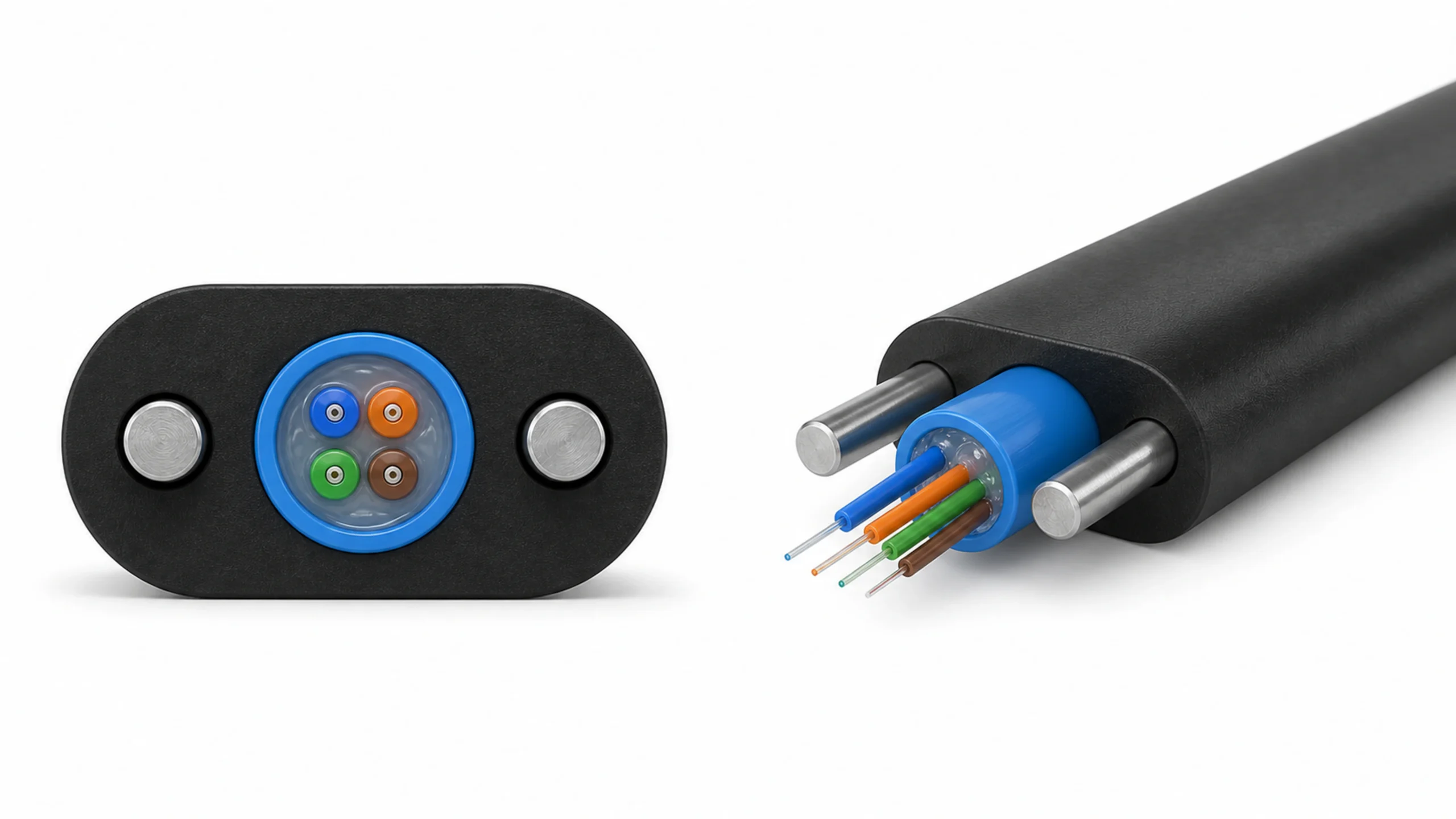
- Production Process: Significantly simpler. It often uses a specialized FTTH ড্রপ ক্যাবল6 production line that combines fiber payoffs, strength member application (FRP or steel wire), and sheathing into a single, continuous process.
- Key Machinery: A dedicated FTTH আবরণ লাইন10 is the core component. A separate coloring machine is also needed. For the most common designs, you do not need a secondary coating or SZ স্ট্র্যান্ডিং লাইন12.
- Investment Focus: Speed and reliability for high-volume production of a standardized product.
2. Indoor Distribution Cables (Tight Buffer)
Used inside buildings for data centers and LANs, these cables contain fibers with a "tight buffer" coating (a 900µm plastic layer applied directly to the 250µm fiber).
- Production Process: Requires a tight-buffering line instead of a loose-tube সেকেন্ডারি লেপ লাইন5. The tight-buffered fibers are then bundled and jacketed.
- Key Machinery: Tight Buffering Line, Cabling/Stranding Machine (simpler than SZ strander), and an indoor cable Sheathing Line (often using PVC or LSZH materials).
- Investment Focus: Precision tension control on the tight-buffering line is critical to avoid attenuating the fibers (micro-bending).
3. Outdoor Loose Tube Cables (Duct/Aerial/Burial)
These are rugged cables designed for harsh outdoor environments. They can contain anywhere from 12 to 576+ fibers inside multiple loose tubes.
- Production Process: This requires the full suite of machinery: secondary coating, SZ stranding, and sheathing. An additional steel tape armoring line is needed before the final jacket for armored cables. For All-Dielectric Self-Supporting (ADSS) cables, the আবরণ লাইন10 must have a high-torque caterpillar and aramid yarn servers.
- Key Machinery: পূর্ববর্তী অংশে বর্ণিত সম্পূর্ণ লাইন।.
- Investment Focus: ভারী উপাদানের জন্য দৃঢ় টেনশন ম্যানেজমেন্ট এবং পুরু, সুরক্ষিত জ্যাকেটের জন্য প্রিসিস ম্যাটেরিয়াল এক্সট্রুশন।.
| কেবলের ধরণ | প্রয়োজনীয় কোর মেশিন | প্রধান প্রযুক্তিগত ফোকাস | আনুমানিক লাইন খরচ |
|---|---|---|---|
| FTTH ড্রপ কেবল | কালারিং লাইন, FTTH শিথিং লাইন | উচ্চ গতি (পর্যন্ত 200 m/min), কম্প্যাক্ট ফুটপ্রিন্ট | $120,000 – $230,000 |
| ইনডোর টাইট বাফার | টাইট বাফারিং লাইন, ক্যাবলিং মেশিন, শিথিং লাইন | প্রিসিস টেনশন কন্ট্রোল, ফ্লেক্সিবল ম্যাটেরিয়াল (LSZH) | $250,000 – $400,000 |
| আউটডোর লুস টিউব | সেকেন্ডারি কোটিং, SZ স্ট্র্যান্ডিং, শিথিং লাইন | উচ্চ স্ট্র্যান্ডিং টর্ক, দৃঢ় কুলিং, জেলি ফিলিং | $450,000 – $1,000,000+ |
কী Takeaways:
- মেশিনারি উদ্ধৃতি চাওয়ার আগে আপনার লক্ষ্য বাজার এবং শীর্ষ 2-3 ক্যাবল পণ্যগুলি সংজ্ঞায়িত করুন।.
- একটি ফ্লেক্সিবল প্রোডাকশন লাইন যা একাধিক তারের ধরণ2 হ্যান্ডেল করতে পারে, কিন্তু প্রায়শই যেকোনো একটি ধরনের জন্য কম দক্ষতার সাথে আসে।.
- আর্মরড বা ADSS ক্যাবলের জন্য, স্ট্র্যান্ডিং এবং আবরণ লাইন10s are critical success factors. Ensure the machines are specified for the heaviest cables you plan to produce.
What is the Total Cost of Ownership for a Production Line?
The Total Cost of Ownership (TCO) for a fiber optic cable production line is typically 2-3 times the initial purchase price over a 10-year lifespan, including energy, labor, maintenance, and raw materials, which account for over 70% of ongoing expenses.
You have a budget for the machinery, but have you accounted for the hidden costs? Focusing only on the sticker price is a common mistake that leads to budget overruns and unprofitable operations. You need a complete financial picture.
Beyond the initial $450,000-$700,000 machine investment for a standard line, budget an additional 15-20% annually for operational costs. This includes approximately $80,000/year for energy, $120,000/year for skilled operators, and $25,000/year for spare parts and maintenance.

Looking Beyond the Price Tag
A wise investment delivers the lowest cost per meter of quality cable over the machine’s lifetime. High-quality machinery from a reputable supplier may have a 20% higher initial cost but can reduce TCO by up to 30% through better efficiency, lower failure rates, and reduced waste.
1. Energy Consumption
A complete production line is energy-intensive. The extruders (for secondary coating and sheathing) are the biggest consumers, along with the motors and heating/cooling systems.
- স্ট্যান্ডার্ড লাইন: মাঝারি ক্ষমতায় চলমান একটি সাধারণ লাইন 100-150 kWh বিদ্যুৎ খরচ করে।.
- খরচের প্রভাব: শিল্প হার $0.10/kWh-এ, দুটি শিফট চালানো মাসে $4,000-$6,000 খরচ করতে পারে, বা শুধুমাত্র বিদ্যুতের জন্য বছরে $50,000 এর বেশি।.
- অপ্টিমাইজেশন: উচ্চ দক্ষতার মোটর (IE3 বা তার চেয়ে ভালো) এবং আধুনিক, বিচ্ছিন্ন এক্সট্রুডার সহ মেশিন খুঁজুন যা তাপ ক্ষতি কমায়।.
2. শ্রম খরচ
লাইন চালানো, পরিবর্তন করা এবং সমস্যা সমাধানের জন্য দক্ষ অপারেটর অপরিহার্য।.
- টিমের আকার: অর্ধ-স্বয়ংক্রিয় লাইনের জন্য প্রতি শিফটে 4-6 অপারেটর প্রয়োজন। অত্যন্ত স্বয়ংক্রিয় লাইনের জন্য শুধুমাত্র 2-3 প্রয়োজন হতে পারে।.
- খরচের প্রভাব: $30,000/বছর গড় বেতনে, দুটি শিফটের জন্য 5 অপারেটরের টিমের খরচ বছরে $300,000 a। স্বয়ংক্রিয়করণের মাধ্যমে শুধুমাত্র দুটি পদ কমিয়ে $120,000 annually বাঁচানো যায়, যা একটি স্পষ্ট ROI প্রদান করে।.
- অপ্টিমাইজেশন: কেন্দ্রীয় PLC নিয়ন্ত্রণ সিস্টেম (যেমন Siemens বা Rockwell), স্বয়ংক্রিয় টেনশন নিয়ন্ত্রণ এবং সেন্সর-চালিত গুণমান নিয়ন্ত্রণ সহ মেশিনে বিনিয়োগ করুন।.
3. রক্ষণাবেক্ষণ এবং স্পেয়ার পার্টস
চলমান অংশ সহ মেশিনগুলি চূড়ান্তভাবে রক্ষণাবেক্ষণের প্রয়োজন হবে। ডাউনটাইম কমানোর জন্য এটি পরিকল্পনা করা অপরিহার্য।.
- বাজেট: বার্ষিক স্পেয়ার পার্টসের জন্য প্রাথমিক মেশিনের খরচের 3-5% বরাদ্দ করুন। $500,000 লাইনের জন্য বার্ষিক $15,000 – $25,000 প্রয়োজন।.
- গুরুত্বপূর্ণ স্পেয়ার: স্টকে রাখার জন্য প্রধান অংশগুলি হল এক্সট্রুডার স্ক্রু, হিটার, থার্মোকাপল, বেল্ট এবং বিয়ারিং। একজন বিশ্বস্ত সরবরাহকারী প্রাথমিক উদ্ধৃতির সাথে সুপারিশকৃত স্পেয়ার পার্টসের তালিকা প্রদান করবেন।.
- অপ্টিমাইজেশন: বিশ্বব্যাপী স্বীকৃত উপাদান (যেমন Siemens মোটর, Omron সেন্সর) ব্যবহার করে সরবরাহকারীদের বাছাই করুন। এটি নিশ্চিত করে যে আপনি স্থানীয়ভাবে প্রতিস্থাপন সরবরাহ করতে পারবেন, যা সপ্তাহ থেকে দিনে ডাউনটাইম কমায়।.
4. কাঁচামালের বর্জ্য (স্ক্র্যাপ হার)
You produce scrap cable every time you start the line, change a product, or have a process instability.
- Industry Average: A well-run factory aims for a scrap rate below 1.5%. A poorly managed line can easily exceed 5%.
- খরচের প্রভাব: With raw materials for optical cable costing $500-$1,500 per kilometer, a 3% scrap rate on a production of 1,000 km/month can cost over $200,000 per year.
- অপ্টিমাইজেশন: High-quality machines with stable process controls (precise temperature, tension, and speed management) are essential for minimizing scrap.
কী Takeaways:
- Analyze the ROI of automation11 by comparing the upfront cost to a 3-5 year projection of labor savings.
- Demand a two-year recommended spare parts list12 with your machinery quote and include this in your initial budget.
Real-World Example
Typical Scenario: A growing Internet Service Provider (ISP) in Eastern Europe aimed to produce their own FTTH drop cables13 to control supply and reduce costs.
চ্যালেঞ্জ: The company must produce 2,000 km of 2-fiber flat drop cable monthly. They had a dedicated space of only 500 square meters and lacked experienced machine operators. Their primary goal was to achieve the lowest possible cost per meter while ensuring high quality.
সমাধান: We provided them with a compact, highly automated FTTH Drop Cable Production Line.
- The line integrated the fiber payoff, parallel strength member applicators, and the sheathing extruder into a single, 40-meter-long frame, saving over 30% floor space compared to a non-integrated setup.
- We included a সিমেন্স PLC সিস্টেম14 বিভিন্ন কেবল স্পেসিফিকেশনের জন্য রেসিপি সংরক্ষণ করে এমন একটি কেন্দ্রীয় টাচস্ক্রিন ইন্টারফেস সহ, যা পণ্য পরিবর্তনকে সহজ করে।.
- রিয়েল-টাইম মান প্রতিক্রিয়া প্রদানের জন্য একটি অনলাইন ব্যাস ও ত্রুটি সনাক্তকারী যন্ত্র সংযুক্ত করা হয়েছিল, যা স্বয়ংক্রিয়ভাবে লাইন গতি এবং এক্সট্রুডার আউটপুট সামঞ্জস্য করে ক্ষতি কমায় এবং কেবলের মাত্রা সুসংগত রাখে।.
ফলাফল:
- উৎপাদন দক্ষতা: গ্রাহক এখন প্রতি মাসে গড়ে 2,500 km কেবল উৎপাদন করছেন, যা তাদের প্রাথমিক লক্ষ্যকে 25% দ্বারা অতিক্রম করেছে।.
- খরচ সাশ্রয়: তারা নিজেদের মধ্যে উৎপাদন করে তাদের কেবল ক্রয় ব্যয় 35% হ্রাস করেছে। এই স্বয়ংক্রিয় মান নিয়ন্ত্রণ ব্যবস্থা15 এটি তার কাঁচামালের স্ক্র্যাপ হার 0.8%-এর নিচে রাখে, যা শিল্পের গড় হারের তুলনায় প্রতি বছর আনুমানিক $70,000 সাশ্রয় করে।.
- Labor Optimization: প্রতি শিফটে লাইনের জন্য মাত্র দুইজন অপারেটরের প্রয়োজন, যা একটি প্রচলিত, আধা-স্বয়ংক্রিয় লাইনের তুলনায় 50% হ্রাস, যা বার্ষিক শ্রম খরচে $100,000 এর বেশি সাশ্রয় করে। বিনিয়োগটি মাত্র 3 বছরের কম সময়ে নিজেকে পরিশোধ করে দেয়।.

Expert Insight
"অনেক নতুন বিনিয়োগকারী 90% তাদের মনোযোগের অধিকাংশ মেশিনের মূল্যের উপর এবং 10% প্রক্রিয়াটির উপর কেন্দ্রীভূত করেন। আমাদের সবচেয়ে সফল ক্লায়েন্টরা এর বিপরীত কাজ করেন। তাঁরা আমাদের সাথে কাজ করে কাঁচামাল সংগ্রহ থেকে শুরু করে চূড়ান্ত পরীক্ষা পর্যন্ত সম্পূর্ণ ওয়ার্কফ্লোটি বুঝতে চেষ্টা করেন। একটি সস্তা মেশিন যা 3% বেশি স্ক্র্যাপ উৎপাদন করে, তা দীর্ঘমেয়াদে অনেক বেশি খরচ হয়। আমরা আমাদের অংশীদারদের শুধু একটি মেশিন কেনার পরিবর্তে একটি লাভজনক ব্যবসা গড়ে তুলতে সাহায্য করি।"
— HONGKAI বিক্রয় ও মার্কেটিং দল
"একটি মহানের হৃদয় ফাইবার অপটিক তার16 is consistency. This comes from perfect tension control. We use active dancer controls and servo motors for every payoff reel on our SZ stranding lines. This prevents the micro-stresses on the fibers that can degrade the optical signal over 25 years in the field. It’s a small detail that defines the long-term reliability of your product."
— HONGKAI প্রকৌশল দল (20+ বছরের সম্মিলিত অভিজ্ঞতা)
Common Questions
প্রশ্ন: একটি সম্পূর্ণ উৎপাদন লাইনের জন্য আমার কতটুকু কারখানা জায়গার প্রয়োজন?
A: For a standard outdoor loose tube cable line (Secondary Coating, Stranding, Sheathing), plan for a facility that is at least 150 meters (490 ft) long and 20 meters (65 ft) wide. This provides enough space for the machines, raw material storage, and semi-finished product workflow. A compact FTTH line may only require a length of 60-80 meters.
প্রশ্ন: প্রধান বৈদ্যুতিক শক্তি এবং ইউটিলিটির প্রয়োজনীয়তা কী কী?
A: A complete production line typically requires a 380V/440V 3-phase power supply with a total capacity of around 250-350 kVA. For the extruders and cooling troughs, you will also need a supply of compressed air (for pneumatic controls) and a chilled water system (with a cooling capacity of around 300,000 kcal/hour).
প্রশ্ন: মেশিনপাতি ইনস্টল করতে এবং কর্মীদের প্রশিক্ষণ দিতে কত সময় লাগে?
A: Installation and commissioning typically take 3-4 weeks for a complete line. This is followed by 1-2 weeks of comprehensive operator and maintenance training. HONGKAI provides on-site engineering support to oversee this process, ensuring your team is fully prepared before production begins.
প্রশ্ন: আমি কি পরে আমার উৎপাদন লাইন আপগ্রেড করতে পারব?
উত্তর: হ্যাঁ, আধুনিক লাইনগুলির একটি প্রধান বৈশিষ্ট্য হল মডিউলারিটি। আপনি একটি মৌলিক সেটআপ দিয়ে শুরু করতে পারেন এবং পরে ক্ষমতা যোগ করতে পারেন। উদাহরণস্বরূপ, আপনি আপনার শিথিং লাইনে একটি আর্মারিং স্টেশন যোগ করতে পারেন অথবা আপনার SZ স্ট্র্যান্ডারে পে-অফের সংখ্যা বাড়িয়ে উচ্চ-ফাইবার-গণনা কেবল উৎপাদন করতে পারেন। ভবিষ্যতের সম্প্রসারণের জন্য শারীরিক জায়গা রেখে এটির পরিকল্পনা করুন।.
প্রশ্ন: একটি উৎপাদন লাইনে ব্যর্থতার সবচেয়ে সাধারণ বিন্দু কী?
A: যদি সঠিকভাবে রক্ষণাবেক্ষণ না করা হয়, তবে এক্সট্রুডারের হিটিং এলিমেন্টগুলি এবং গিয়ারবক্স সাধারণত ব্যর্থতার স্থান হয়ে ওঠে। আমরা উচ্চমানের, টেকসই উপাদান ব্যবহার করে এবং একটি বিস্তারিত প্রতিরোধমূলক রক্ষণাবেক্ষণ সময়সূচী17. । স্থির মানের নিশ্চয়তা দেওয়ার জন্য এক্সট্রুডার স্ক্রু এবং ডাই হেডের নিয়মিত পরিষ্কার করা হল সবচেয়ে গুরুত্বপূর্ণ রক্ষণাবেক্ষণ কাজ।.
উপসংহার
সঠিকটি বাছাই করা ফাইবার অপটিক তার16 উৎপাদন লাইন হল এমন একটি সিদ্ধান্ত যা খরচ, ক্ষমতা এবং দক্ষতার মধ্যে ভারসাম্য রক্ষা করে। শুধুমাত্র প্রাথমিক মূল্যের পরিবর্তে মালিকানার মোট খরচের উপর ফোকাস করে, আপনার লক্ষ্য পণ্যগুলির সাথে মেশিনপাতি সামঞ্জস্য করে এবং ভবিষ্যতের প্রসারের জন্য পরিকল্পনা করে, আপনি দীর্ঘমেয়াদী সাফল্যের জন্য একটি ভিত্তি গড়ে তুলবেন।.
কর্মে অগ্রসর হওয়ার জন্য প্রস্তুত?
- Step 1: আপনার শীর্ষ 3 টার্গেট কেবল পণ্য এবং আপনার ইচ্ছিত মাসিক উৎপাদন আয়তন (কিমি) নির্ধারণ করুন।.
- ধাপ 2: যন্ত্রপাতি, ইনস্টলেশন এবং এক বছরের পরিচালন খরচ সহ একটি প্রাথমিক বাজেট প্রস্তুত করতে আমাদের গাইড ব্যবহার করুন।.
- ধাপ 3: আপনার ব্যবসার লক্ষ্যগুলির সাথে খাপ খাইয়ে একটি কাস্টমাইজড লাইন কনফিগারেশন বিকাশের জন্য HONGKAI দলের সাথে যোগাযোগ করুন।.
-
এই লিঙ্কটি অনুসরণ করুন যাতে আপনি একটি ফাইবার অপটিক্যাল কেবল উৎপাদন লাইনের উপাদান এবং সুবিধাগুলি বুঝতে পারেন।↩
-
বিভিন্ন ধরনের ফাইবার অপটিক্যাল কেবল এবং তাদের নির্দিষ্ট প্রয়োগগুলি সম্পর্কে জানুন।↩ ↩ ↩
-
শ্রম খরচ কিভাবে একটি উৎপাদন লাইনের মোট বাজেটকে প্রভাবিত করে তা অনুসন্ধান করুন।↩
-
বাজারের চাহিদা পূরণের জন্য উৎপাদন ক্ষমতা মূল্যায়নের কৌশল শিখুন।↩
-
কেবলের টেকসই প্রকৃতি নিশ্চিত করতে দ্বিতীয় কোটিং লাইনের ভূমিকা অনুসন্ধান করুন।↩ ↩ ↩ ↩
-
FTTH ড্রপ কেবল এবং আধুনিক টেলিকমিউনিকেশনে তাদের ভূমিকা সম্পর্কে জানুন।↩ ↩
-
উচ্চ-ফাইবার-কাউন্ট স্ট্র্যান্ডিং লাইনের স্পেসিফিকেশন এবং ব্যবহার অনুসন্ধান করুন।↩
-
আপনার উৎপাদন লাইনের জন্য সঠিক আর্থিক সিদ্ধান্ত নিতে TCO সম্পর্কে বুঝুন।↩
-
পরিচালন খরচ অপ্টিমাইজ করতে শক্তি খরচ মূল্যায়নের পদ্ধতি শিখুন।↩ ↩
-
শিথিং লাইন কিভাবে ফাইবার অপটিক্যাল কেবলকে সুরক্ষিত করে এবং উন্নত করে তা আবিষ্কার করুন।↩ ↩ ↩ ↩ ↩
-
অটোমেশনের ROI বুঝতে পারলে আপনি আপনার ব্যবসার জন্য প্রযুক্তি বিনিয়োগের সিদ্ধান্ত নিতে পারবেন।↩ ↩
-
একটি ভালভাবে প্রস্তুত স্পেয়ার পার্টসের তালিকা ন্যূনতম বন্ধ সময় এবং দক্ষ রক্ষণাবেক্ষণ নিশ্চিত করে, যা পরিচালন সাফল্যের জন্য অপরিহার্য।↩ ↩
-
FTTH ড্রপ কেবল অনুসন্ধান করলে আধুনিক টেলিকমিউনিকেশন এবং অবকাঠামোতে তাদের গুরুত্ব সম্পর্কে পরিষ্কার ধারণা পাওয়া যাবে।↩
-
সিমেন্স PLC সিস্টেমগুলি বুঝে আপনি উৎপাদনে ভালো নিয়ন্ত্রণ এবং দক্ষতা অর্জনের জন্য অটোমেশনকে ব্যবহার করতে পারবেন।↩
-
অটোমেটেড কোয়ালিটি কন্ট্রোল সিস্টেমগুলি কিভাবে পণ্যের গুণগত মান বাড়ায় এবং বর্জ্য কমায়, যা মান বজায় রাখার জন্য অপরিহার্য।↩
-
বিভিন্ন ধরনের ফাইবার অপটিক ক্যাবল নিয়ে গবেষণা করলে আপনার বিভিন্ন শিল্পে এগুলির প্রয়োগ সম্পর্কে জ্ঞান বৃদ্ধি পাবে।↩ ↩
-
মেশিনপত্রের দীর্ঘায়ু এবং কার্যকরী দক্ষতা নিশ্চিত করার জন্য একটি প্রতিরোধমূলক রক্ষণাবেক্ষণ সময়সূচি অত্যন্ত গুরুত্বপূর্ণ।↩

 English
  हिन्दी
  فارسی
فارسی