













A cable factory should not build its maintenance system from a generic spare-parts catalog. The production manager first needs to know which assets stop saleable production, which conditions can be inspected, which work requires controlled isolation, and which replacement details must be frozen before a failure occurs.
A cable production line maintenance plan should connect each machine position to a safe task, inspection evidence, action limit, responsible person and exact spare-part identity. Critical stock is not simply the most expensive stock or the longest list; it is the smallest justified set of parts whose failure, sourcing difficulty and process consequence the factory cannot accept. Wear parts, repairable assemblies, control components and vendor-specific items should be reviewed separately. HONGKAI can help match parts to the confirmed machine and configuration, but the factory must set its final maintenance and inventory policy from real operating conditions and local safety requirements.
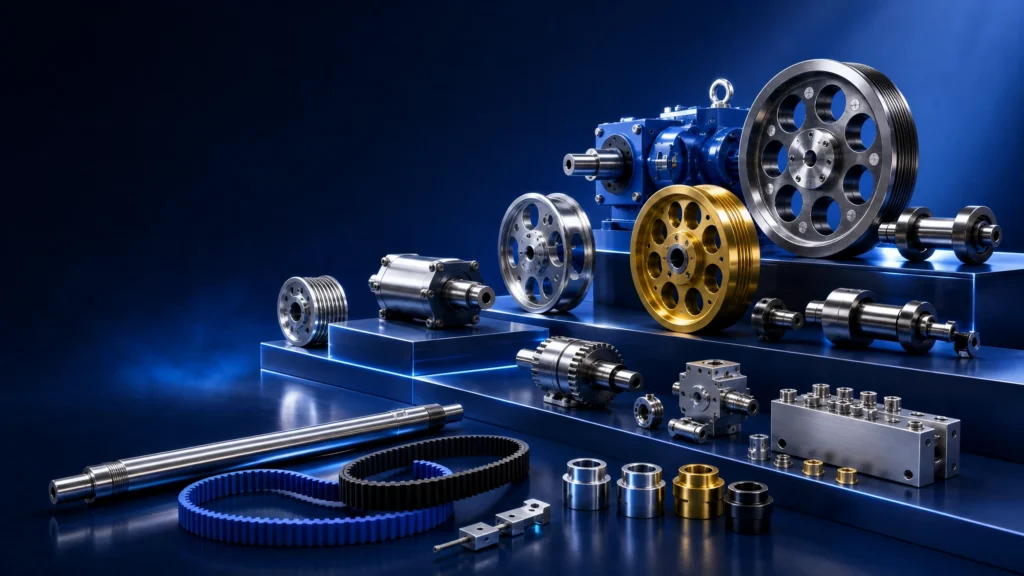
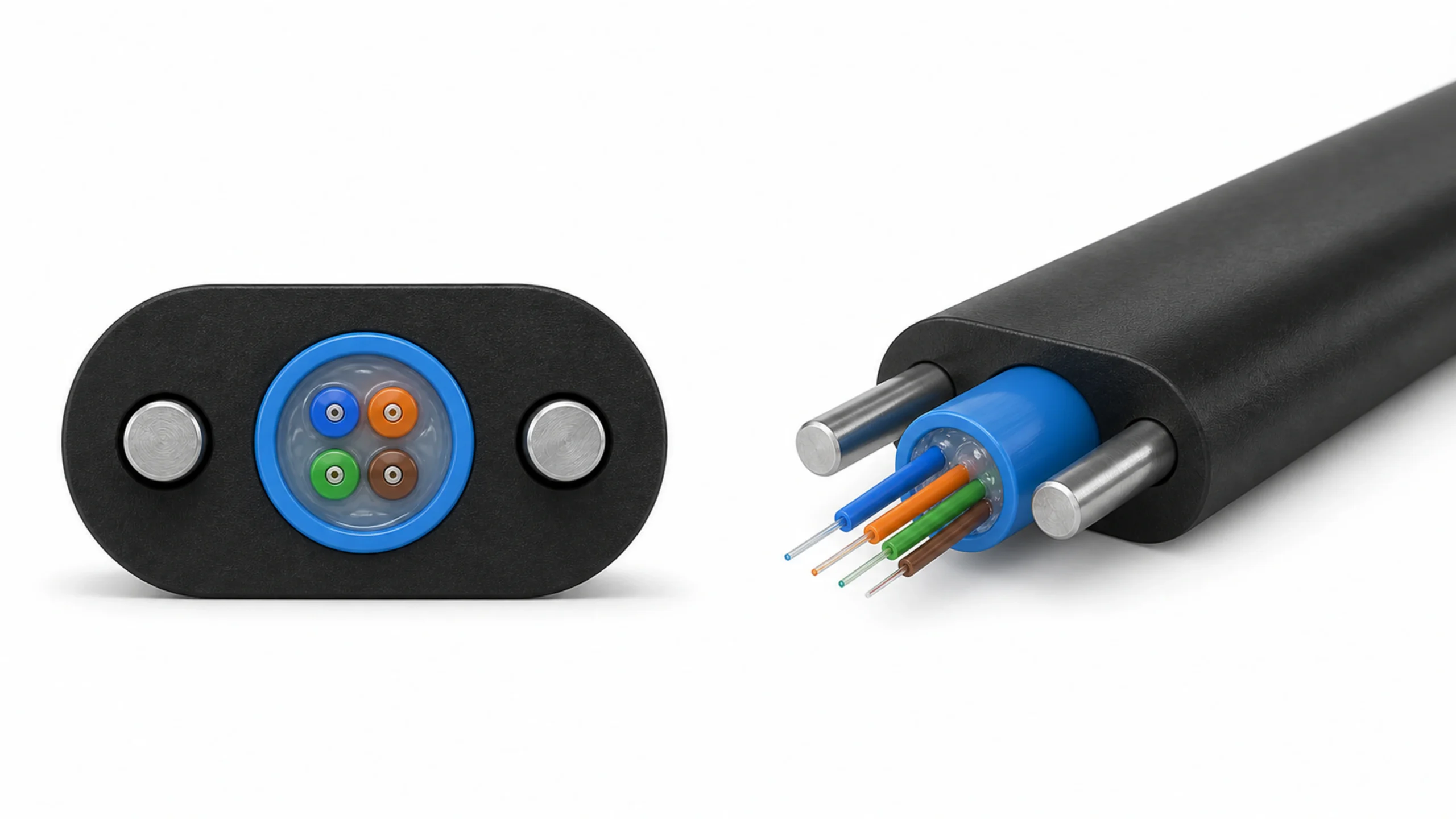
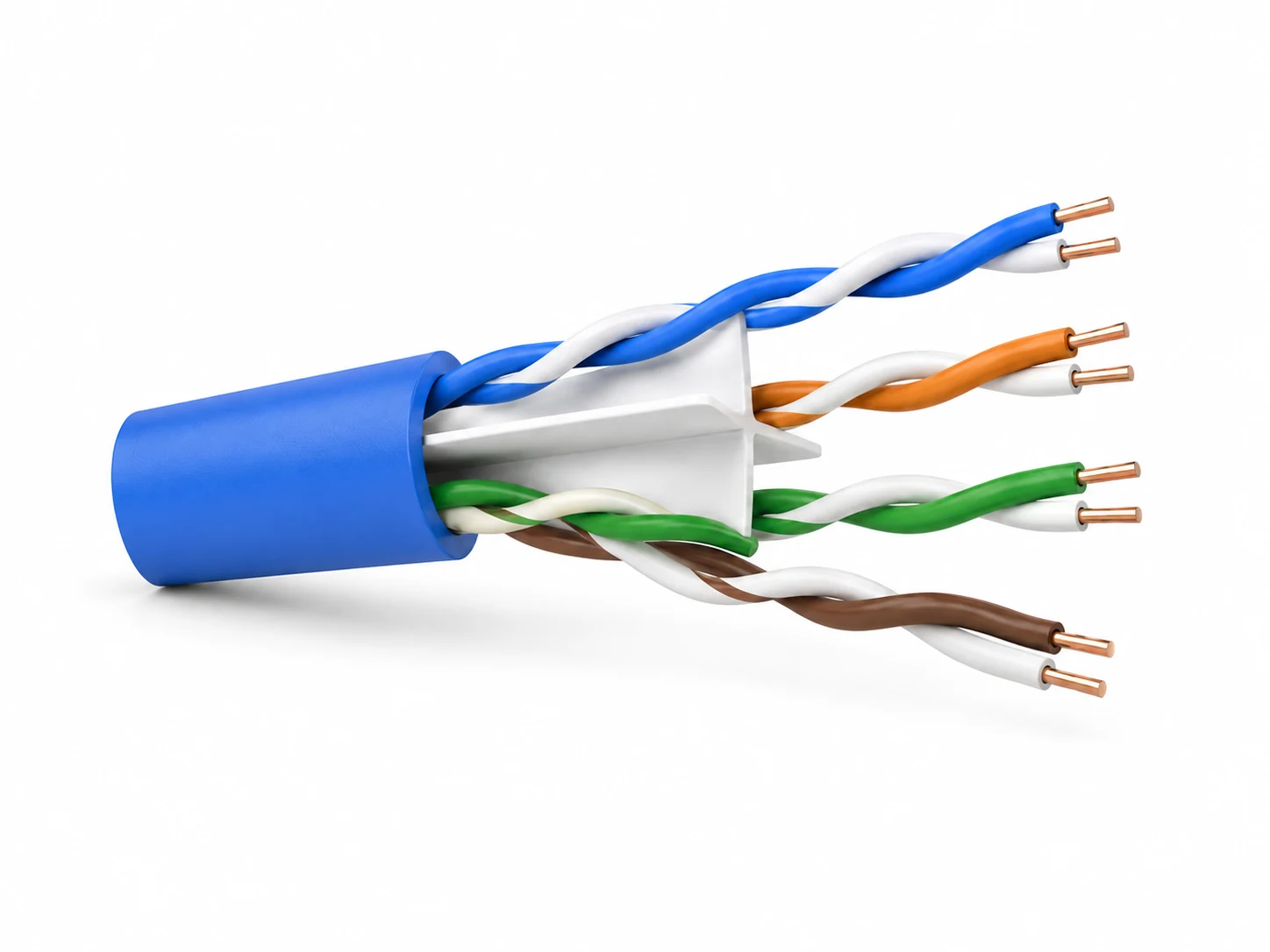
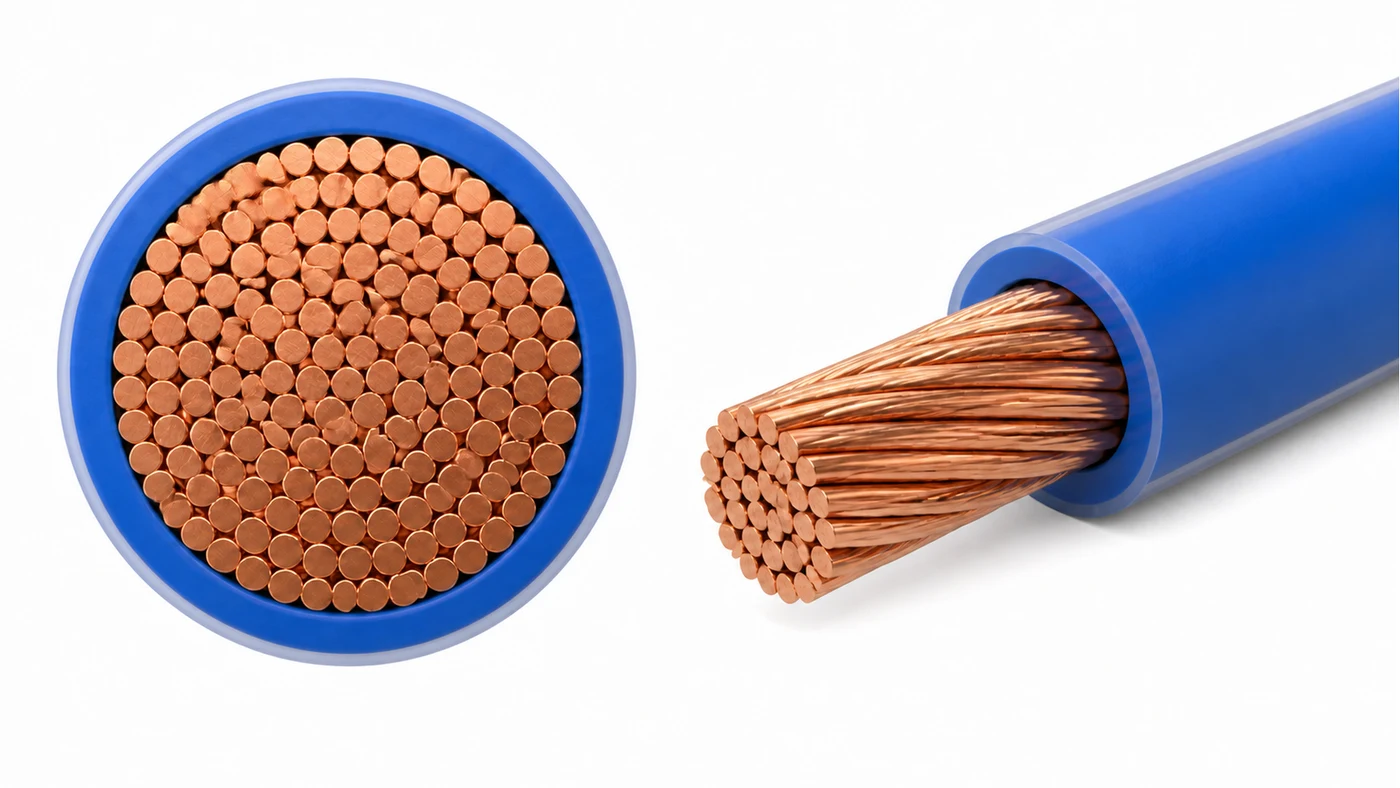
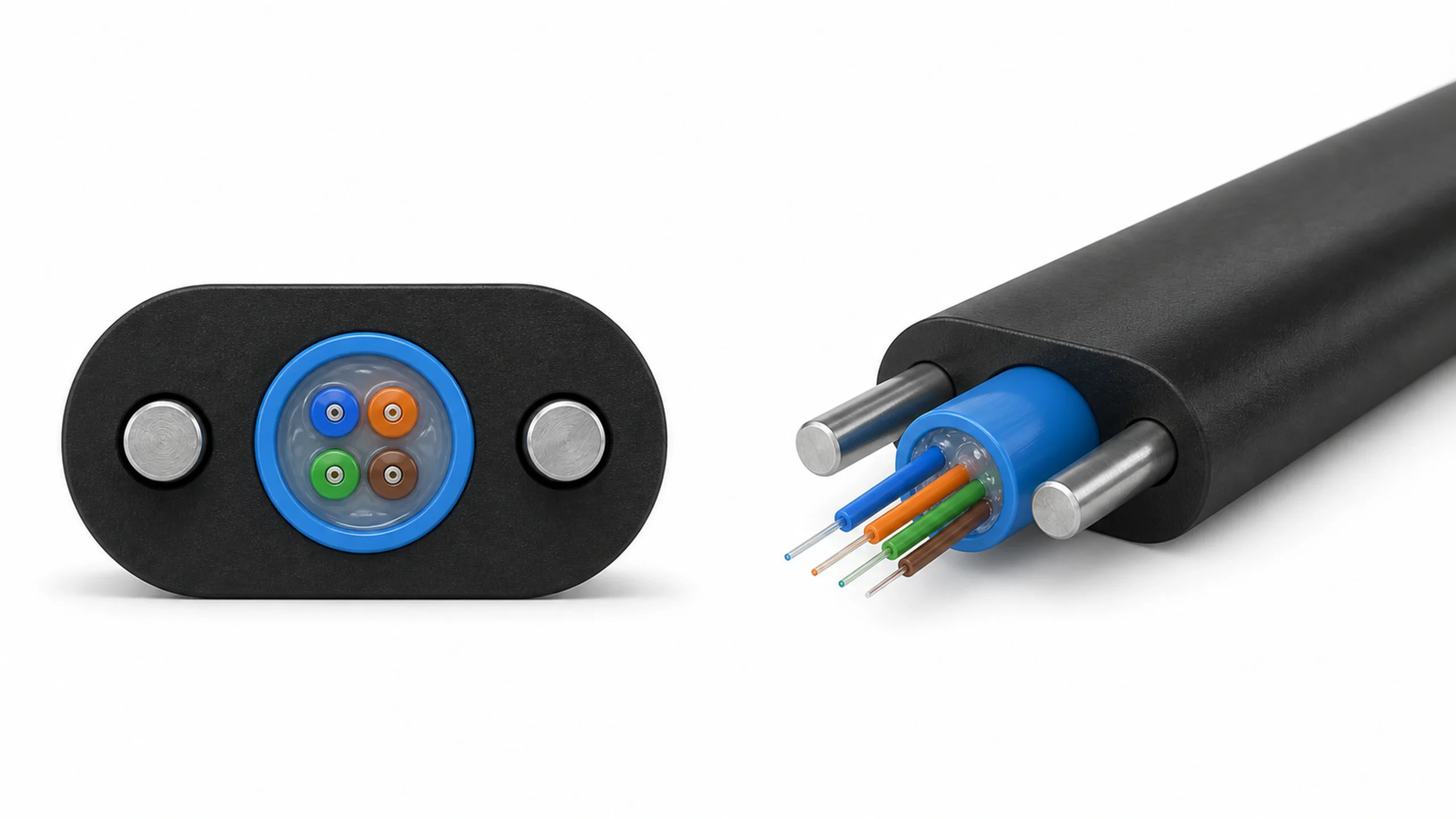
HONGKAI technical reference illustration of mechanical cable-machine parts. The image is a category guide, not a universal spare-parts kit for every production line.
This guide is for factory owners, production managers, maintenance teams and technical buyers who need a usable system before commissioning a new line or taking over an existing one. The decision is not whether to “buy more spares.” The decision is how to prevent an avoidable failure from becoming an uncontrolled repair, an untraceable quality change or an extended wait for an unidentified component.
What Must a Factory Define Before Approving a Cable Production Line Maintenance Plan?
A factory should approve eight connected decisions: the asset register, safe-work boundary, process criticality, condition evidence, task ownership, spare-part identity, stock policy and supplier handover. These decisions turn a machine list into a controlled cable production line maintenance system. The same framework can cover extrusion, drawing, bunching, stranding, fiber processing, testing and handling while keeping every task configuration-specific. A proposed interval, action limit or stock quantity should remain project-specific until the machine documents and factory operating history support it.
1. Asset Register: Can every maintained item be identified at its exact machine position?
Why it matters: A maintenance request such as “replace the sensor” is not actionable when one production line contains multiple sensors, controllers, drives and tension zones. The asset register must connect the complete line, each machine unit, the installed assembly and the replacement component. Without that hierarchy, technicians can fit a visually similar part with a different range, signal, mounting, material or control behavior.
पूछने योग्य बातें: लाइन का नाम, मशीन मॉडल, सीरियल या प्रोजेक्ट पहचानकर्ता, यूनिट की स्थिति, उपकरण ड्रॉइंग संदर्भ, विद्युत पदनाम, घटक निर्माता, पूर्ण भाग संख्या, संशोधन, स्थापित मात्रा और फ़ोटो दर्ज करें। टूलिंग या यांत्रिक भागों के लिए, अनुमोदित ड्रॉइंग, आयाम, सामग्री, सतह उपचार और जुड़ने वाले घटक को जोड़ें। HONGKAI प्रतिस्थापन समीक्षा के लिए, क्षति का स्पष्ट कारण और स्पष्ट फ़ोटोग्राफ़ भी प्रदान करें जो स्थापित स्थिति तथा मापा गया विवरण दोनों को दर्शाएं, जब संख्या या ड्रॉइंग आइटम की पूर्ण पहचान न कर पा रही हो। सॉफ़्टवेयर-नियंत्रित उपकरणों के लिए, PLC, HMI और ड्राइव संस्करणों के साथ-साथ नियंत्रित बैकअप स्थान को दर्ज करें, लेकिन रखरखाव रजिस्टर में पासवर्ड संग्रहीत न करें।.
How to verify: Walk the physical cable production line with the signed equipment list, electrical drawings, manuals and packing list. Photograph nameplates and installed positions, then test whether a person who did not build the register can locate the correct item and its document. HONGKAI’s cable machine spare-parts hub organizes replacement enquiries by production process, part name, photos and machine identity; the factory register should retain all four paths.
Red flags: The register contains only generic names, photos omit the installed position, drawings have no revision, two different parts share one store label, or a supplier code cannot be traced to the original component specification.
2. Safe Work: Is every maintenance task tied to an approved energy-control method?
Why it matters: Cleaning, lubrication, adjustment and replacement can expose personnel to electrical, pneumatic, hydraulic, thermal, rotating, gravitational or stored-tension hazards. Pressing an HMI stop or emergency stop does not by itself prove that every hazardous energy source is isolated. The maintenance plan must be subordinate to the factory’s risk assessment, local law and machine-specific safe-work procedure.
What to ask: Define who may authorize, isolate, verify, test and return each machine to service. Identify main and secondary energy sources, stored-energy locations, isolation devices, discharge or restraint steps, test points, required tools and communication between operations and maintenance. State when guards may be removed and how a controlled test or positioning step is performed before isolation is reapplied.
How to verify: Conduct a documented field trial of each energy-control procedure with qualified personnel. IEC 60204-1:2016 with Amendment 1:2021 covers electrical equipment of machines from the supply connection and is a useful technical reference, while the applicable law and project risk assessment remain controlling.1 For factories subject to United States rules, OSHA 29 CFR 1910.147 requires an energy-control program, documented procedures in covered cases, training and verification before servicing.2
Red flags: The procedure says only “switch off power,” stored pneumatic or mechanical energy is not addressed, outside technicians follow a different isolation method without coordination, or production can restart the line while maintenance personnel remain exposed.
3. Criticality: Which failures create an unacceptable production, safety or quality consequence?
Why it matters: Not every installed component deserves the same stock or monitoring policy. A common fastener, a process-contact tool, a matched mechanical assembly and a discontinued controller create different consequences. Criticality should reflect what happens to people, product, traceability and the production route when the function is lost—not the visual size or purchase price of the component.
पूछने योग्य बातें: प्रत्येक संपत्ति या घटक के लिए, विफलता के प्रभाव को दर्ज करें, यह बताएं कि लाइन सुरक्षित रूप से चल सकती है या नहीं, क्या पता लगाने से पहले बनाया गया उत्पाद नियंत्रित किया जाना चाहिए, क्या कोई अनुमोदित अस्थायी विधि मौजूद है, खराबी का निदान कैसे किया जाता है, क्या मरम्मत संभव है और कौन-सी स्रोत जानकारी पहले से उपलब्ध है। लाइन रुकावट और छिपे हुए गुणवत्ता विचलन में अंतर करें। किसी भी ऐसे एकल बिंदु का नाम बताएं जिसके नष्ट होने से कई डाउनस्ट्रीम चरण अवरुद्ध हो जाएं या जिससे बचाए गए उत्पाद के साक्ष्य अविश्वसनीय हो जाएं। HONGKAI स्पेयर-पार्ट्स समीक्षाओं में एक प्रारंभिक स्क्रीन के रूप में, मुख्य इलेक्ट्रॉनिक घटकों और अक्सर उपयोग किए जाने वाले घिसाव वाले भागों पर शुरुआत में ध्यान दिया जाता है; यह कोई सार्वभौमिक स्टॉक सूची नहीं है, इसलिए कारखाने को अभी भी प्रक्रिया रुकावट, अंतर-परिवर्तनीयता और यह पुष्टि करना होगा कि क्या एक सत्यापित प्रतिस्थापन उसकी स्वीकार्य व्यवधान अवधि के भीतर पहुंच सकता है।.
How to verify: Run a cross-functional review with production, quality, maintenance, safety and purchasing. Trace a failure from the machine position to cable dimensions, tension, temperature, surface, electrical result, marking, package or other controlled characteristic only when that relationship applies to the approved process. Require one written reason for every “critical” rating and one defined response for every detected condition.
Red flags: Every part is labelled critical, no quality consequence is considered, a bypass is accepted without technical approval, or the rating is copied from another factory whose line, materials and support network differ.
4. Condition Evidence: What observation tells the factory to inspect, adjust or replace?
Why it matters: Calendar-only maintenance can create unnecessary intervention while still missing deterioration between intervals. Condition monitoring is useful only when the factory defines the parameter, measurement method, baseline, trend, action boundary and response. Vibration, temperature, current, pressure, tension, wear, leakage, surface condition and product measurements are different evidence streams and should not be mixed without a stated relationship.
What to ask: For every monitored item, name the failure mode, observable condition, instrument or inspection method, measurement position, operating condition, unit, baseline source, review owner and action rule. Link process measurements to the cable specification where a component can cause gradual quality change. Mark conditions that require an immediate safe stop separately from those that trigger planned inspection.
कैसे सत्यापित करें: तुलनीय मशीन और उत्पादन परिस्थितियों के तहत मापन को दोहराएं, कच्चा परिणाम सुरक्षित रखें और यह पुष्टि करें कि विभिन्न योग्य व्यक्ति इस विधि को सुसंगत रूप से लागू कर सकते हैं। लगातार दोहराए जाने वाले उत्पादन अलार्म को बार-बार रीसेट करने के बजाय नियंत्रित निदान के लिए ट्रिगर के रूप में मानें। एक एक्सट्रूज़न लाइन के लिए, कोई हीटिंग ज़ोन जो अपने सेटपॉइंट तक नहीं पहुंच पा रहा है, अस्थिर सामग्री आउटपुट या उपकरण के आंतरिक भाग में ट्रेस किया जा सकने वाला कोई नया शोर, जांच का औचित्य सिद्ध करता है, लेकिन इनमें से कोई भी अवलोकन अकेले विफल घटक की पहचान नहीं करता या निरंतर उत्पादन को अधिकृत नहीं करता।. ISO 17359:2018 gives general procedures for establishing a machine condition-monitoring program and remains current after ISO’s 2023 review.3 The standard supplies a framework, not universal alarm values for a cable production line.
Red flags: The plan says “check regularly” without a method, a handheld reading has no measurement position, thresholds come from an unrelated machine, or a product defect is treated as the first acceptable warning of equipment deterioration.
5. Task Plan: Are maintenance tasks, evidence and ownership usable on the factory floor?
Why it matters: A maintenance schedule fails when it lists activities but not safe conditions, acceptance evidence or responsibility. “Lubricate bearings” is incomplete if the lubricant, point, machine state, amount, contamination control and record are unknown. “Check alignment” is incomplete if the reference, method and action boundary are absent.
पूछने योग्य बातें: प्रत्येक कार्य को उसकी संपत्ति, उद्देश्य, ट्रिगर या अनुमोदित अंतराल, पूर्वापेक्षाएँ, अलगाव स्थिति, उपकरण और सामग्री, प्रक्रिया संदर्भ, अपेक्षित स्थिति, सीमा से बाहर होने पर कार्रवाई, रिकॉर्ड और जिम्मेदार भूमिका के साथ लिखें। ऑपरेटर देखभाल, नियोजित रखरखाव, स्थिति-आधारित निरीक्षण, कैलिब्रेशन, सुरक्षा उपकरण सत्यापन, नियंत्रित सफाई और सुधारात्मक मरम्मत को अलग करें। HONGKAI केबल एक्सट्रूज़न लाइन के लिए, प्रारंभिक समीक्षा एक्सट्रूज़न खंड, ट्रैक्शन उपकरण, गाइड व्हील, गियरबॉक्स, स्क्रू और कूलिंग ट्रॉफ को शामिल करती है; बार-बार गति वाले घटकों की जाँच और रखरखाव की आवश्यकता होती है, जबकि स्क्रू, ट्रॉफ और अन्य सामग्री-संपर्क क्षेत्रों को भी नियंत्रित सफाई की आवश्यकता होती है। स्थापित एक्सट्रूडर, प्रसंस्कृत सामग्री, निर्माता निर्देश और अनुमोदित फैक्टरी विधि का उपयोग करके सटीक कार्य, अंतराल और स्वीकृति की स्थिति निर्धारित करें, बजाय हर लाइन पर एक ही अनुसूची लागू करने के।.
How to verify: Observe the assigned person perform the task using the controlled instruction. Confirm that the record identifies the asset, condition found, work completed, parts used, measurement result, unresolved issue and return-to-service approval. Review whether the task itself changes tooling, alignment, recipe, sensor position or any other condition that requires a product or process check afterward.
Red flags: Tasks have no document revision, operators sign work they cannot perform, completion is recorded without the condition found, or a repaired line returns to production without checking the affected cable characteristic.
6. Part Identity: Can purchasing obtain a functionally correct replacement before a breakdown?
Why it matters: A spare is useful only when its identity and compatibility are confirmed. The same visible shape can hide different voltage, current, temperature, signal, accuracy, range, material, hardness, geometry, direction, connector, firmware or mounting details. Emergency purchasing creates the highest risk when the failed part must first be reverse-engineered under time pressure.
What to ask: Freeze the original manufacturer and part number where appropriate, plus function, technical specification, drawing, photos, nameplate, connector or terminal plan, mounting dimensions, mating part and approved substitute rule. For wear tooling, retain a new-part reference and the cable products or material system for which the geometry is approved. For a custom mechanical item, identify whether HONGKAI needs a sample, drawing, measured dimensions or all three.
कैसे सत्यापित करें: ऑर्डर करने से पहले प्रस्तावित स्पेयर की तुलना स्थापित आइटम और प्रोजेक्ट दस्तावेज़ों से करें। प्राप्ति के बाद, पहचान और महत्वपूर्ण आयामों का निरीक्षण करें, फिर स्टॉक रिकॉर्ड के साथ साक्ष्य संग्रहित करें। HONGKAI स्पेयर-पार्ट्स प्रक्रिया मशीन ब्रांड और मॉडल, भाग विवरण, प्रमुख आयाम, फ़ोटो या ड्रॉइंग्स को स्वीकार करती है क्योंकि कोई भी एकल पहचानकर्ता प्रत्येक पुराने या कस्टम घटक के लिए विश्वसनीय नहीं है। अनुरोध में हैंडलिंग क्षति, दुरुपयोग, सामान्य घिसावट और संदिग्ध गुणवत्ता समस्या में भी अंतर किया जाना चाहिए ताकि समीक्षा यह निर्धारित कर सके कि केवल प्रतिस्थापन ही उचित है या फिर स्थापना, संचालन स्थिति या मेटिंग असेंबली की जांच की आवश्यकता है। कई कस्टम या पुराने भागों के लिए मशीन की स्थिति और मापे गए विवरण के बिना एक फ़ोटोग्राफ़ पर्याप्त नहीं है।.
Red flags: A substitute is chosen only from an online photo, the original drawing is unavailable, incoming inspection checks only quantity, or a custom part is first fitted during an unplanned stop.
7. Stock Policy: Which parts should be stocked, monitored, repaired or sourced on demand?
Why it matters: Criticality alone does not decide inventory. The factory should also consider failure detectability, installed quantity, interchangeability, preservation requirements, repair option, supplier status, transport and customs constraints, approved substitute and the production buffer available for the affected route. A large store can still fail if the needed item is unidentified, degraded or reserved for another machine.
What to ask: Assign each reviewed item to a clear strategy: operating consumable, planned wear stock, critical insurance spare, repairable assembly, shared interchangeable spare, supplier-held or made-to-order part, or non-stock item with a complete sourcing file. Record minimum review data without forcing a universal quantity. Include shelf condition, environmental protection, rotation, inspection, firmware or software compatibility and obsolescence review where applicable.
सत्यापित करने का तरीका: स्टॉक निर्णय को यथार्थ विफलता परिदृश्यों और कारखाने की उत्पादन योजना के खिलाफ परखें। नई HONGKAI मशीन के साथ आपूर्ति किए गए बुनियादी स्पेयर सेट को प्रारंभिक पैकेज के रूप में मानें, फिर आपूर्ति किए गए सटीक कॉन्फ़िगरेशन पर सामान्यतः घिसे हुए भागों की समीक्षा करें और शिपमेंट से पहले किसी भी अतिरिक्त प्रारंभिक स्टॉक पर सहमति बनाएं। वर्तमान HONGKAI नियंत्रण परियोजनाएं आमतौर पर सीमेंस PLC हार्डवेयर का चयन करती हैं, जो स्थानीय चैनलों के माध्यम से उपलब्ध हो सकता है, लेकिन सटीक मॉडल, प्रोग्राम, संशोधन और स्थानीय उपलब्धता की अभी भी पुष्टि की आवश्यकता है; उत्पादन-रोधी या पुराने हो रहे भाग की चर्चा इतनी पहले करें कि संगत रिज़र्व या प्रतिस्थापन मार्ग स्थापित किया जा सके। पुष्टि करें कि भौतिक शेल्फ आइटम डिजिटल रजिस्टर से मेल खाता है और आरक्षित भागों का उपयोग किसी अन्य लाइन द्वारा चुपचाप न किया जा रहा हो। केबल मिश्रण, ऑपरेटिंग लोड, उपकरण संशोधन, आपूर्तिकर्ता की स्थिति या स्वीकार्य उत्पादन व्यवधान में परिवर्तन होने पर रणनीति का पुनर्मूल्यांकन करें।.
Red flags: Stock quantity is copied from the supplier without a consequence review, electronic parts are stored without compatibility records, seals or compounds age unnoticed, or the only critical assembly is already installed on another machine.
8. Handover: Does the supplier deliver the records needed to maintain and recover the line?
Why it matters: A factory cannot maintain a cable production line from a sales quotation. The handover must transfer drawings, manuals, installed-component identities, backups, tool and spare lists, safe procedures, troubleshooting evidence and open issues. Training that covers only normal start-up leaves the maintenance team dependent on the visiting engineer.
What to ask: Require current mechanical and electrical drawings, operating and maintenance manuals, lubrication information, alarm and troubleshooting guide, component and spare-parts list, tooling drawings, software and recipe backups, parameter-change control, training records, service contact route and final open-item list. Name the file owner, revision and storage location. Separate HONGKAI-manufactured equipment from integrated specialist equipment so responsibility and parts sources remain visible.
सत्यापन कैसे करें: FAT और साइट हैंडओवर के दौरान, विभिन्न लाइन खंडों से नमूना दोष और भाग चुनें। कारखाने के कर्मचारियों से मशीन की स्थिति पहचानने, सही ड्रॉइंग खोजने, उपकरण को अलग करने, अनुमोदित स्पेयर की स्थिति निर्धारित करने, सत्यापन चरण स्पष्ट करने और दस्तावेज़ीकृत विन्यास को पुनर्स्थापित करने के लिए कहें। पहले सत्यापित HONGKAI इंस्टॉलेशन पैकेज में इंस्टॉलेशन ड्रॉइंग्स, ऑपरेटिंग मैनुअल, इलेक्ट्रिकल डायग्राम और पैकिंग जानकारी शामिल थी; अंतिम प्रोजेक्ट सूची को अभी भी आपूर्ति की गई वास्तविक लाइन से मिलाना आवश्यक है। केवल तभी मरम्मत की गई मशीन को जारी करें जब दोष दूर हो चुका हो, संचालन स्थिर हो, कोई असामान्य स्थिति शेष न हो और प्रभावित कार्य के लिए आवश्यक प्रक्रिया या तैयार-उत्पाद जाँच पास हो चुकी हो। कोई ऐसी मशीन जो केवल अलार्म, अस्थिर आउटपुट, असामान्य शोर या गुणवत्ता संबंधी अनिश्चितता के बने रहने के बावजूद पुनः आरंभ हो जाती है, जारी उत्पादन के लिए तैयार नहीं है।.
Red flags: Backups remain only on a supplier laptop, the spare list has no installed position, drawings do not reflect site changes, integrated machines have no named support owner, or unresolved alarms disappear from the signed handover record.
Note: A maintenance plan becomes auditable when every task and spare can be traced from the physical machine to the hazard, failure mode, evidence, approved action and return-to-service record.
Which Spare-Part Families Should a Cable Factory Review by Production Process?
A cable factory should review spare parts by process position and failure function, not by one universal kit. Extrusion, fiber processing, stranding, drawing, handling and control systems expose different parts to heat, friction, tension, material contact, motion and electrical duty. The table below is a review map, not a stock recommendation. HONGKAI should confirm the final part, quantity and compatibility against the approved equipment configuration and packing list.
| Process area | Part families to review | Buyer evidence needed before stocking | Why the final decision remains project-specific |
|---|---|---|---|
| Extrusion and sheathing | Screw and barrel; crosshead and dies; heating bands or plates; thermocouples; melt or pressure-related items where fitted; haul-off belts | Extruder and crosshead model, polymer system, tooling drawing, heater rating, sensor type, installed position and mating dimensions | Material contact, wear pattern, heater construction and tooling geometry change with the extruder and cable design |
| Fiber coloring and loose tube | Coloring dies; fiber guides; PBT or loose-tube tooling; tension-control parts; approved sensors and heaters where fitted | Fiber path, die or tooling drawing, approved tube construction, guide dimensions, tension function and exact device identity | Small geometry or surface differences can affect a sensitive fiber or tube process |
| SZ stranding and twisting | गाइड व्हील; सेरामिक गाइड; टेंशनर; चुंबकीय ब्रेक या क्लच; बाइंडर; बॉबिन और रील इंटरफेस | पेय-ऑफ और स्ट्रैंडिंग स्थिति, गाइड प्रोफाइल, ब्रेक या क्लच रेटिंग, रील ड्रॉइंग, दिशा और नियंत्रण इंटरफेस | एक ही भाग का नाम विभिन्न टेंशन जोन, पैकेज और केबल संरचनाओं के लिए उपयोग किया जा सकता है |
| तार ड्रॉइंग और एनीलिंग | ड्रॉइंग डाई; गाइड या कैप्स्टन रिंग; एनीलिंग व्हील; सील और लुब्रिकेशन-संबंधित भाग जो मशीन द्वारा निर्दिष्ट किए गए हैं | तार सामग्री और रेंज, डाई शेड्यूल, व्हील या रिंग ड्रॉइंग, ठंडा करने और लुब्रिकेशन विनिर्देश, स्थापित मशीन पहचान | पहनावा, सतह और विद्युत संपर्क वास्तविक ड्रॉइंग और एनीलिंग प्रणाली पर निर्भर करता है |
| विद्युत और नियंत्रण | फ्यूज; संपर्कक; रिले; बटन; एन्कोडर; सेंसर; तापमान नियंत्रक; VFD, PLC या HMI मॉड्यूल जब स्वीकृत किया जाए | पूर्ण भाग संख्या, विद्युत रेटिंग, I/O या सिग्नल प्रकार, टर्मिनल योजना, प्रोग्राम या पैरामीटर बैकअप, संशोधन और स्वीकृत विकल्प | समान हाउसिंग से कार्यात्मक या सॉफ्टवेयर संगतता का पता नहीं चलता |
| पन्यूमैटिक, शीतलन और सुविधाएँ | प्रोजेक्ट में शामिल ट्यूबिंग, फिटिंग, वाल्व, फिल्टर, पंप, सील और यूटिलिटी-इंटरफेस भाग | माध्यम, दबाव या तापमान आधार, सामग्री, पोर्ट और ट्यूब आकार, प्रवाह दिशा, सील संगतता और मशीन स्थिति | यूटिलिटी डिजाइन और सामग्री लाइन, साइट और स्वीकृत कॉन्फिगरेशन के आधार पर भिन्न होती हैं |
| टूलिंग, फास्टनर और रखरखाव उपकरण | उत्पाद-विशिष्ट मोल्ड; मानक और विशेष उपकरण; स्वीकृत बोल्ट और फास्टनिंग भाग | आवश्यकता के अनुसार टूल सूची, टॉर्क या उपयोग निर्देश, ड्रॉइंग संशोधन, केबल विनिर्देश और स्टोरेज नियंत्रण | एक उपकरण या मोल्ड उत्पाद-विशिष्ट हो सकता है, भले ही यह यांत्रिक रूप से सरल प्रतीत होता हो |
सत्यापित HONGKAI प्रोजेक्ट दस्तावेज़ यह दर्शाते हैं कि सामान्य सूची क्यों असुरक्षित है। एक PY-70+35 केबल-एक्सट्रूजन प्रोजेक्ट में एक मशीन-गर्दन गर्मी फिल्म, आँख-मोल्ड गर्मी रिंग, K- प्रकार के थर्मोकपल, फ्यूज, पोटेंशियोमीटर, बटन और एक गर्मी संपर्कक शामिल था जो आपूर्ति किए गए स्पेयर सेट में था। एक अलग सत्यापित आंतरिक फाइबर-केबल कॉन्फिगरेशन में मानक उपकरण, चयनित ट्यूबिंग और फास्टनर, उत्पाद-विशिष्ट मोल्ड, क्रॉसहेड गर्मी वस्तुएँ, स्रोत-निर्दिष्ट थर्मोकपल, चयनित विद्युत स्पेयर और दस्तावेज पैकेज शामिल थे। ये कॉन्फिगरेशन उदाहरण हैं, न कि यह वादा कि एक ही किट, मात्राएँ या घटक पहचान किसी अन्य केबल उत्पादन लाइन के लिए उपयुक्त होंगी।.
The buyer should also separate stocking from identification. A custom extrusion die may be planned as a controlled wear item; a large mechanical assembly may be documented for repair or made-to-order supply; a common electrical device may be stocked only after its rating, program and substitute rule are confirmed. The correct policy follows the failure consequence and recovery path, not the category name.
Note: The most useful spare-parts list does not begin with quantity—it begins with the installed position, exact function, compatibility evidence and recovery strategy.
What Maintenance and Spare-Parts Evidence Should Enter the RFQ, FAT and Handover?
A buyer should require maintenance and spare-parts evidence before the cable production line leaves the supplier, then verify the same evidence during FAT and site handover. The RFQ should define document scope, identification rules, training, initial spare review and responsibility for integrated equipment. FAT should prove that records match the supplied configuration, while handover should prove that factory personnel can use them. The list below is a procurement control, not a substitute for the factory’s safe-work system or project-specific maintenance instructions.
- ☐ Complete production-line and machine-unit asset hierarchy
- ☐ Signed equipment list with manufacturer, model and source attribution
- ☐ Current mechanical, electrical, pneumatic and utility drawings
- ☐ Installed-component list with part numbers, ratings and machine positions
- ☐ Product-specific tooling list and controlled drawings
- ☐ Operating, cleaning, lubrication and maintenance instructions
- ☐ Machine-specific energy-isolation information and site procedure owner
- ☐ Alarm, fault and troubleshooting reference with escalation route
- ☐ PLC, HMI, drive, recipe and parameter backups under revision control
- ☐ Condition-monitoring points, methods and project-approved action rules
- ☐ Calibration and safety-function verification responsibilities
- ☐ Initial spare-parts proposal with a written reason for each critical item
- ☐ Wear, repairable, interchangeable, made-to-order and non-stock classifications
- ☐ Incoming-inspection method for custom and compatibility-sensitive parts
- ☐ Storage, preservation, rotation and obsolescence review requirements
- ☐ Supplier and factory responsibility for integrated specialist equipment
- ☐ वास्तविक आपूर्ति की गई लाइन का उपयोग करते हुए ऑपरेटर और रखरखाव प्रशिक्षण रिकॉर्ड
- ☐ FAT विचलन, अनसुलझे अलार्म और जिम्मेदार मालिकों से जुड़े खुले मद
FAT पर, केवल पार्ट्स कार्टन की समीक्षा करने के बजाय कई प्रक्रिया क्षेत्रों से नमूने चुनें। एक टूलिंग आइटम को उसके ड्राइंग और अनुमोदित केबल से मिलाएं, एक विद्युत आइटम को उसके नामांकन और रेटिंग से मिलाएं, एक यांत्रिक आइटम को उसकी स्थापित स्थिति से मिलाएं, और बैकअप को वास्तविक नियंत्रक संस्करण से मिलाएं। सुनिश्चित करें कि मात्राएं और पहचान अंतिम पैकिंग सूची के साथ सहमत हैं, लेकिन पैकिंग-सूची सहमति को कार्यात्मक संगति के साबित के रूप में न लें।.
स्थान पर हस्तांतरण पर, दस्तावेजों को कार्य से जोड़ें। एक योग्य तकनीशियन को एक दोष रिकॉर्ड ढूंढना चाहिए, मशीन की स्थिति को स्थानित करना चाहिए, अनुमोदित सुरक्षित प्रक्रिया लागू करना चाहिए, प्रतिस्थापन की पहचान करना चाहिए, कार्य को रिकॉर्ड करना चाहिए और उत्पादन फिर से शुरू करने से पहले किस प्रक्रिया या उत्पाद साक्ष्य की आवश्यकता है, इसकी व्याख्या करनी चाहिए। उत्पादन प्रबंधक को यह भी पता होना चाहिए कि कौन से मद फैक्टरी स्टॉक, आपूर्तिकर्ता-स्रोतित, मरम्मत योग्य या लंबित हैं, और उनके नुकसान से कौन सी लाइन या उत्पाद प्रभावित होगा।.
एक मौजूदा लाइन के लिए, HONGKAI के माध्यम से स्पष्ट फोटो, नामपट्ट, ड्राइंग, आयाम और स्थापित स्थान भेजें project enquiry page संगति की धारणा से पहले। एक नई लाइन के लिए, इस चेकलिस्ट को RFQ से जोड़ें और आपूर्तिकर्ता से एक परियोजना-विशिष्ट स्पेयर पार्ट्स और दस्तावेजीकरण मैट्रिक्स लौटाने की मांग करें। सटीक मात्राएं, प्रतिस्थापन अंतराल, नेतृत्व समय और स्टॉक स्तर अभी भी परियोजना के आधार पर पुष्टि के लिए शेष हैं।.
नोट: रखरखाव तैयारी तब साबित होती है जब कारखाना एक घटक की पहचान, अलग करना, निदान, प्रतिस्थापन, पुष्टि और दस्तावेजीकरण सुरक्षा या उत्पाद साक्ष्य के नियंत्रण को खोए बिना कर सके।.
-
IEC 60204-1:2016, Safety of machinery — Electrical equipment of machines — Part 1, संशोधन 1 के साथ:2021 available समान आधिकारिक IEC प्रकाशन रिकॉर्ड से उपलब्ध है। मानक आपूर्ति संयोजन से मशीनों के विद्युत, इलेक्ट्रॉनिक और प्रोग्राम करने योग्य इलेक्ट्रॉनिक उपकरणों को कवर करता है।↩
-
OSHA 29 CFR 1910.147, खतरनाक ऊर्जा का नियंत्रण. यह संयुक्त राज्य अमेरिका का नियम आवश्यक सेवा और रखरखाव पर लागू होता है; अन्य स्थानों के कारखानों को अपने लागू कानून और अनुमोदित जोखिम नियंत्रणों का पालन करना चाहिए।↩
-
ISO 17359:2018, मशीनों की अवस्था निगरानी और निदान — सामान्य मार्गदर्शिका. ISO बताता है कि तीसरा संस्करण 2023 aवें में पुष्ट किया गया था और अभी भी वर्तमान है।↩