
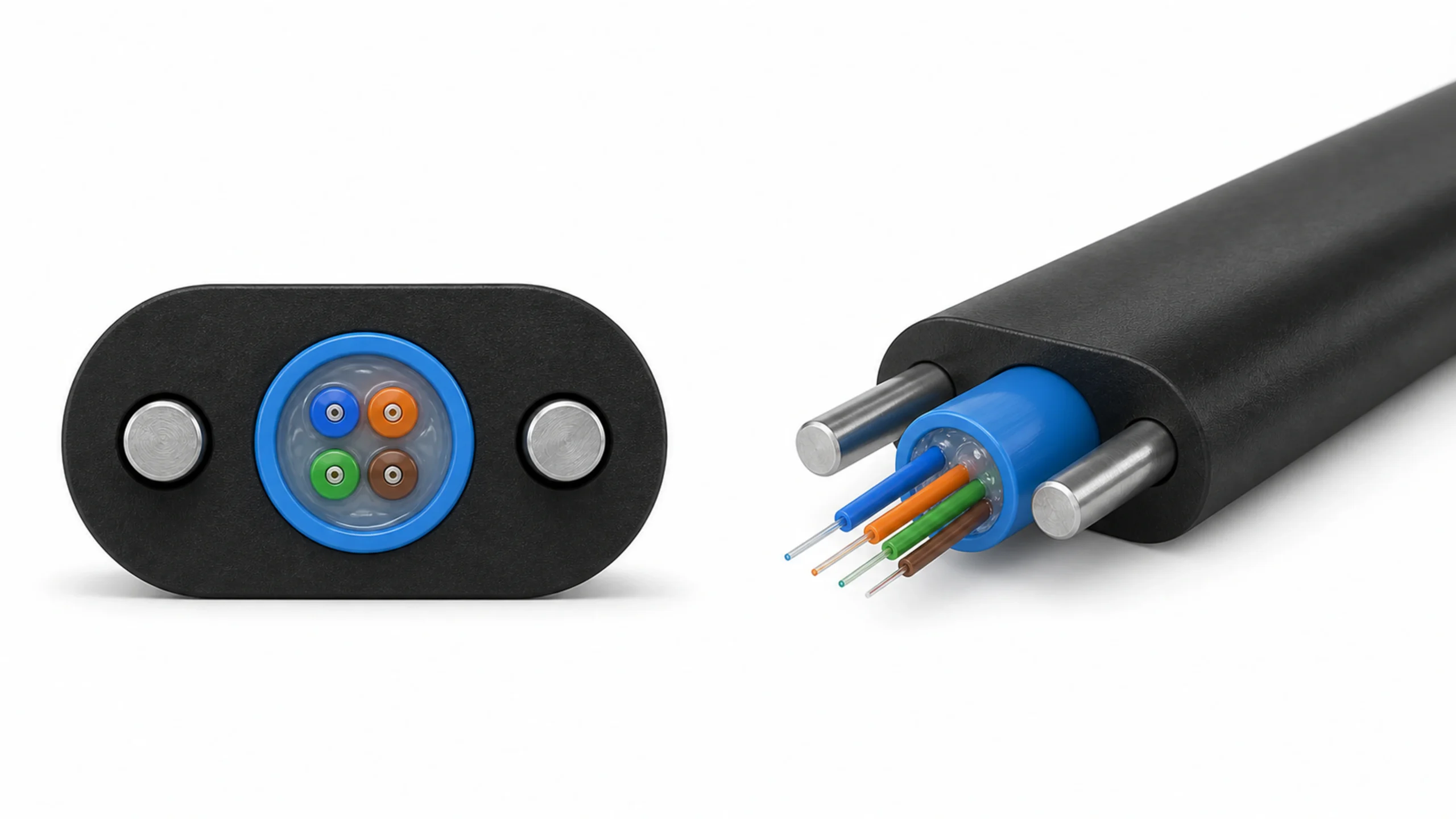
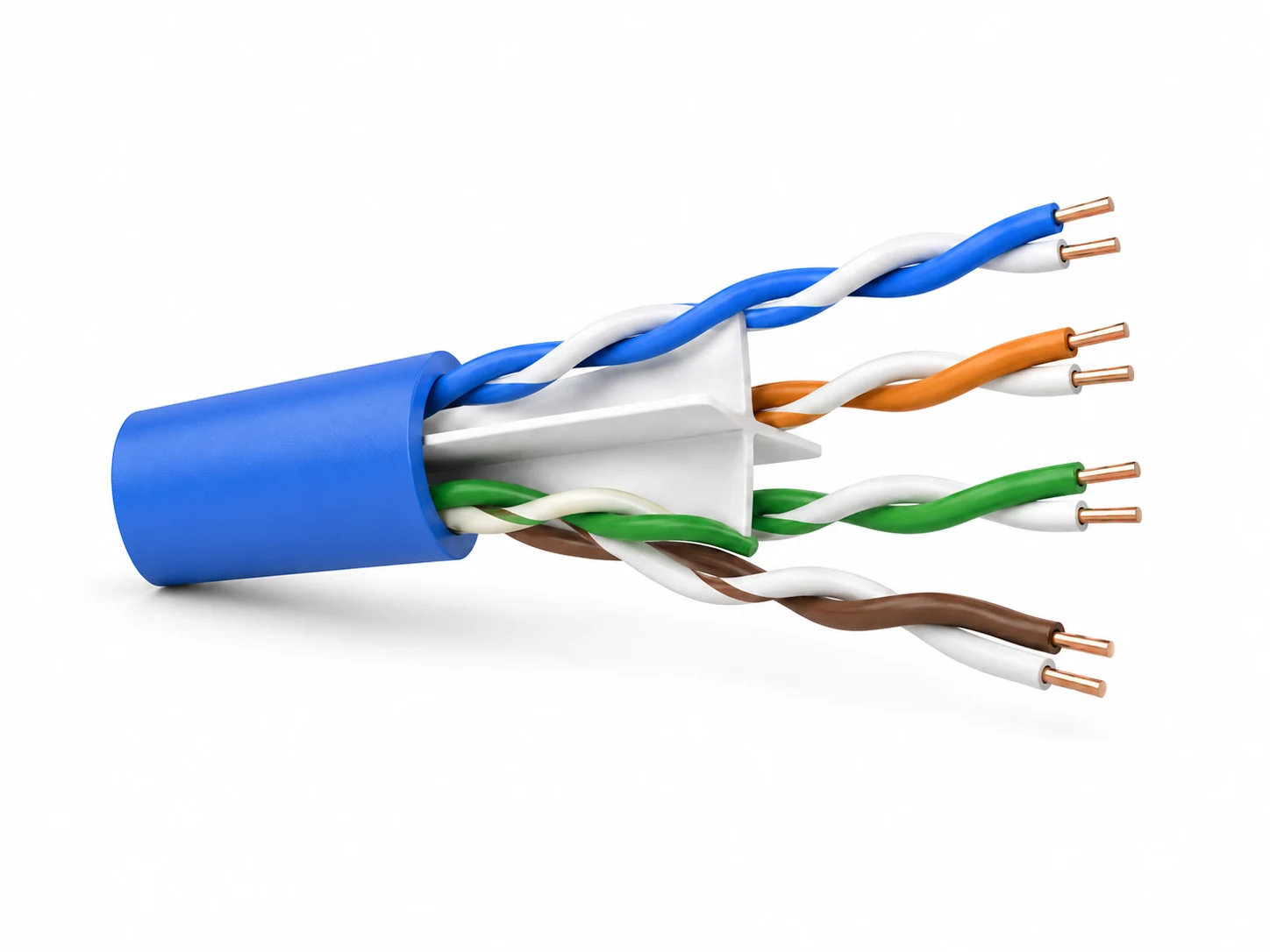
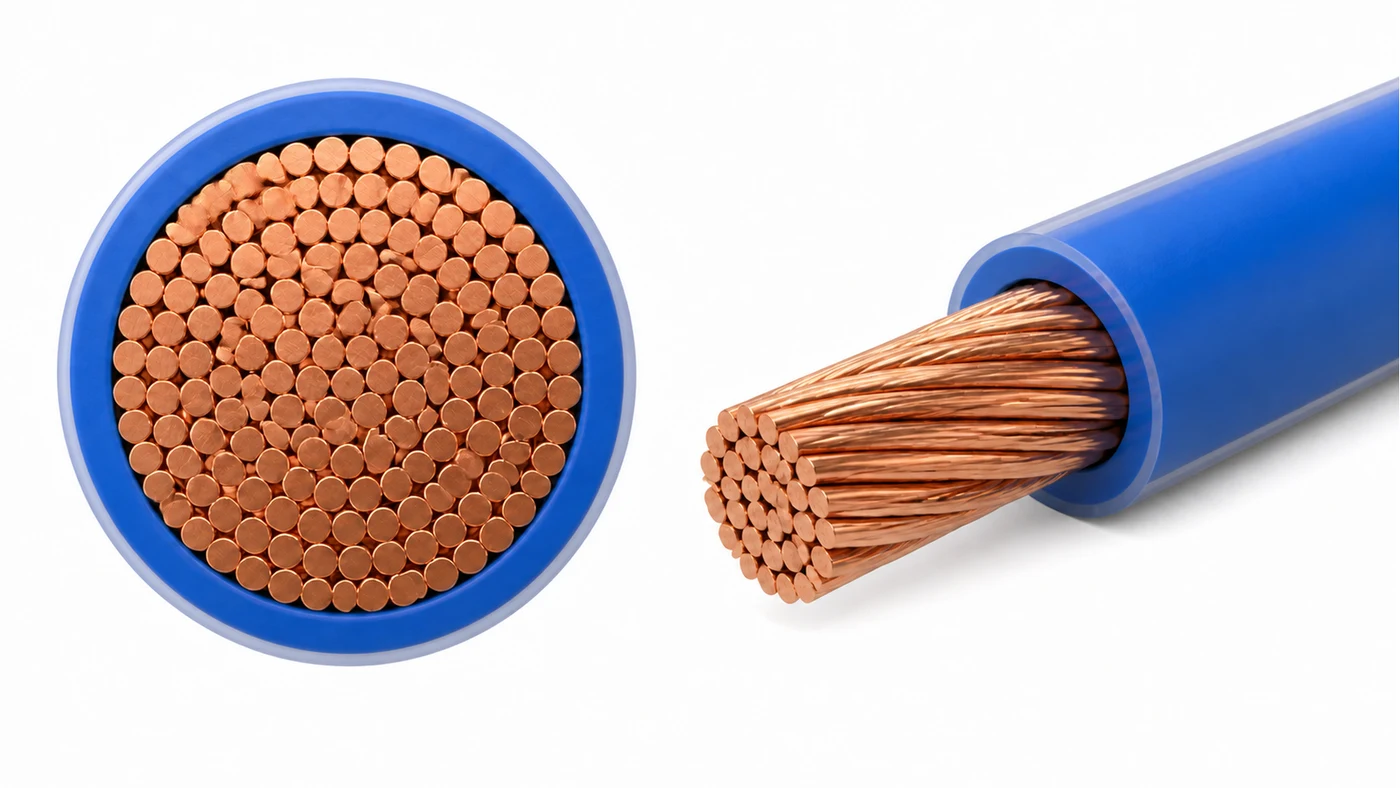
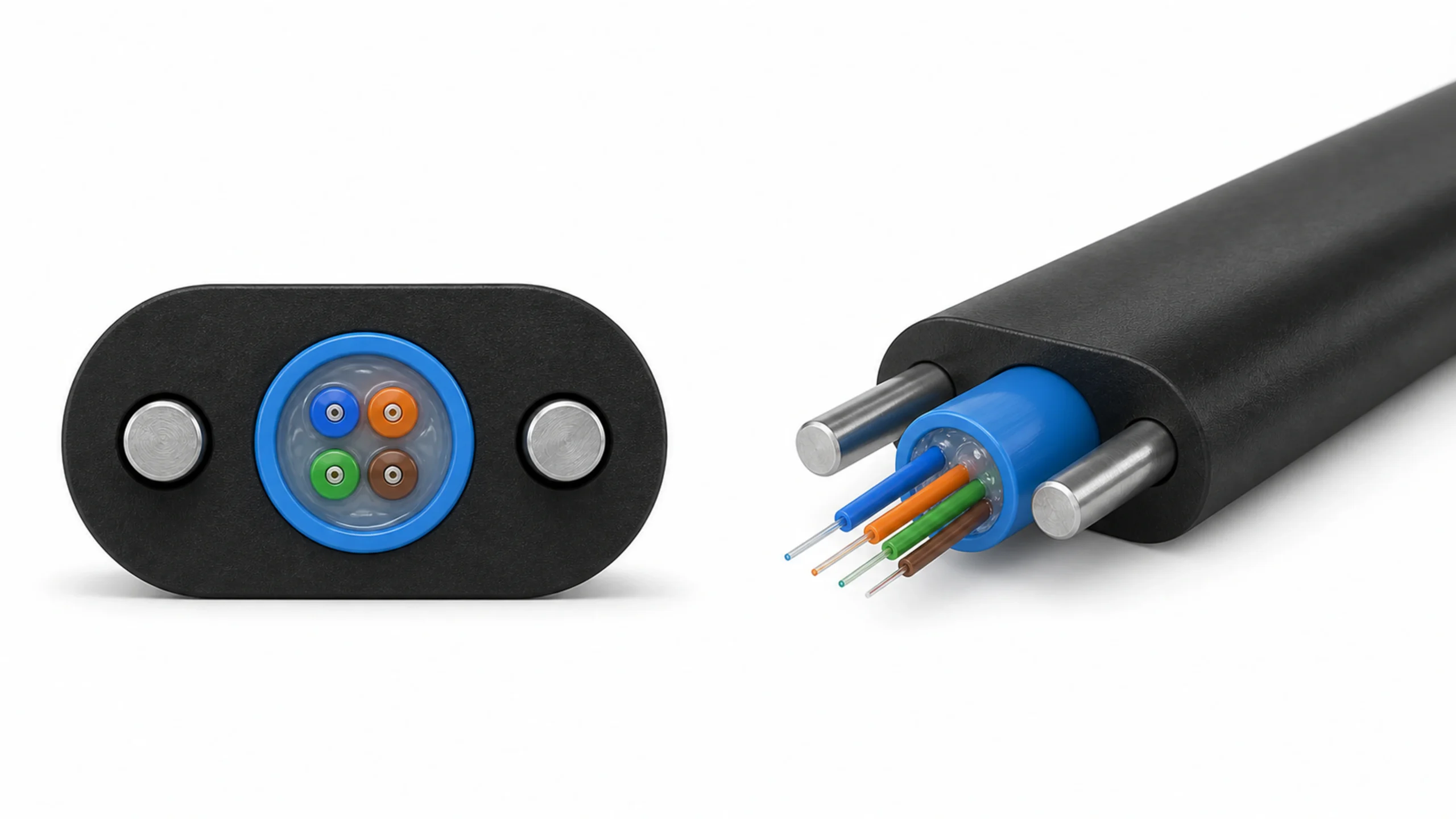








Choosing the right خط تولید کابل فیبر نوری1 involves balancing an investment of $200,000 to over $1,000,000 with your specific production goals. Key decisions depend on target capacity (e.g., 1,500 km/month), انواع کابل2 (e.g., FTTH, ADSS), and desired automation levels, which can reduce labor costs3 by up to 40%.
Struggling to select the right machinery for your factory? The high costs and complex technology can feel overwhelming. A wrong choice leads to production bottlenecks, poor quality, and a failed investment, costing you millions in the long run.
To choose the right fiber optic cable production line, focus on three core factors: production capacity, cable type specialization, and total cost of ownership (TCO). A typical line costs between $200,000 and $1,000,000 and can produce from 500 to 3,000 km of cable per month.

– Target a ظرفیت تولید4 that exceeds your current demand by at least 25%** to accommodate future growth. A standard خط پوشش ثانویه5 runs at 800 m/min, enabling significant output.
- Select machinery based on your primary cable products. یک کابل دراپ FTTH6 line has different requirements and costs about 30% less than a high-fiber-count loose tube stranding line7.
- محاسبه کنید هزینه کل مالکیت (TCO)8, not just the initial purchase price. TCO includes energy consumption9 (up to 150 kWh for a complete line), spare parts (around 3-5% of machine cost annually), and operator training.
- Prioritize automation to reduce long-term operational costs. Fully automated lines can reduce the required number of operators by up to 50% and minimize human error, improving cable quality consistency.
Choosing a production line is a major strategic decision defining your factory’s competitive edge for the next decade. It’s more than just buying machines; it’s about building a complete manufacturing ecosystem. In this guide, we will break down the entire process, using our 20+ years of experience to help you make an informed decision that drives profitability and growth.
What are the Core Components of a Fiber Optic Cable Production Line?
A complete fiber optic cable production line consists of four main stages: secondary coating, SZ stranding, sheathing (jacketing), and rewinding, with each stage requiring specialized equipment that costs between $50,000 and $300,000 per unit.
Are you unsure which machines you actually need? Investing in the wrong components creates bottlenecks and inflates your budget. You need a clear roadmap to build an efficient, cohesive production flow from start to finish.
The essential components are the Secondary Coating Line, SZ Stranding Line, and Sheathing Line. For a mid-sized factory targeting 1,500 km of outdoor cable per month, this setup represents an initial investment of approximately $450,000 to $700,000, depending on the level of automation and speed.

Breaking Down the Production Workflow
Raw optical fibers must be protected and bundled to make high-quality fiber optic cables. Each production line stage adds a layer of protection and structure, transforming fragile glass fibers into a durable, high-performance cable. Understanding the function of each machine is the first step toward building an efficient factory.
1. Fiber Coloring and Rewinding Line
Before any protective layers are added, individual fibers are colored for identification. A coloring and rewinding line unwinds fibers from their original spools, applies a thin layer of UV-cured colored ink, and rewinds them onto new bobbins. This process is critical for assembly and splicing in the field. A typical machine can color fibers at up to 2,000 m/min speeds.
2. Secondary Coating Line
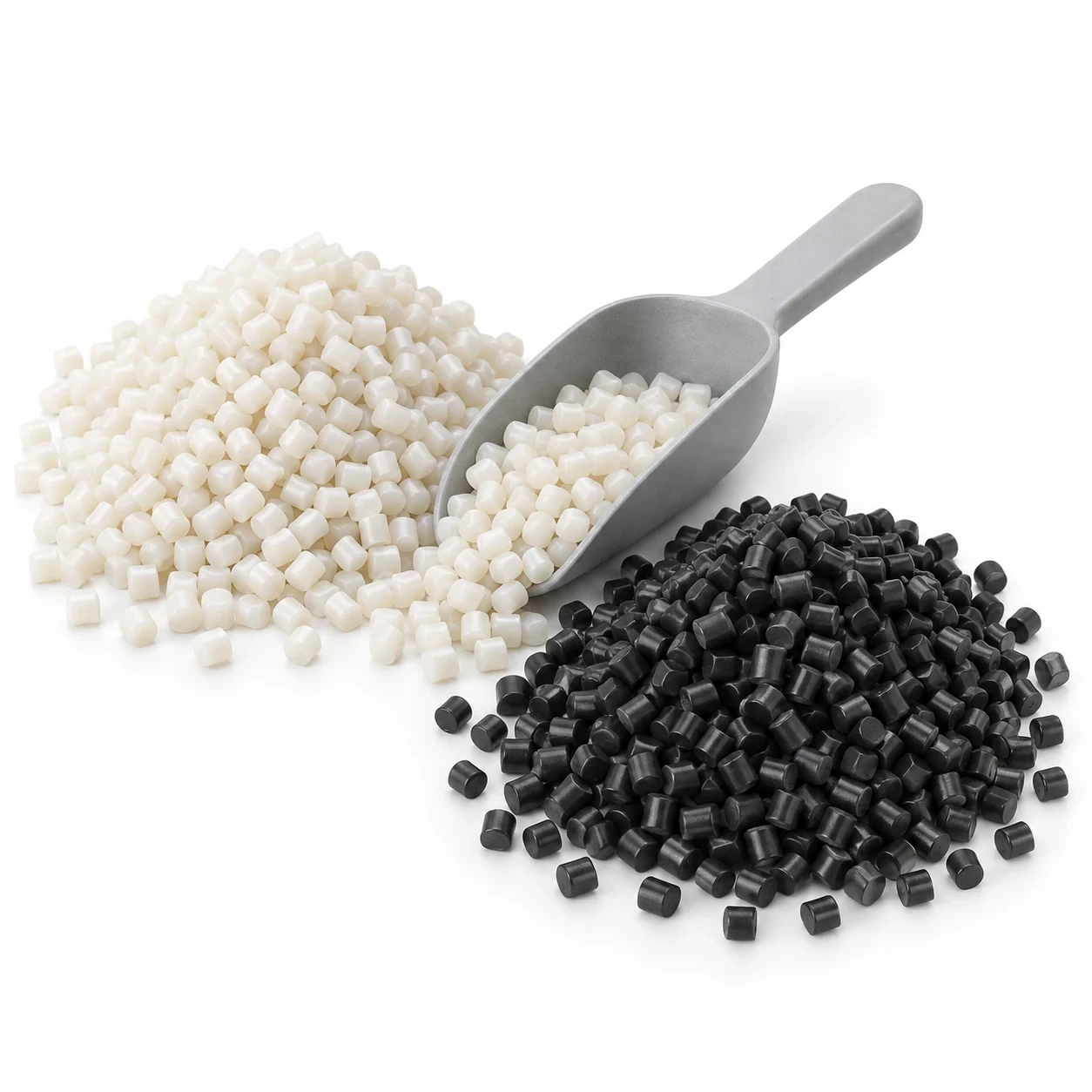
This is where the fibers receive their first layer of significant protection. In a loose tube design, the خط پوشش ثانویه5 extrudes a plastic tube (usually made of PBT) around a bundle of colored fibers. The line includes payoffs for the fibers, an extruder, cooling troughs, a capstan, and a take-up. High-speed lines can operate at over 800 m/min, producing the semi-finished "loose tubes" that will form the core of the cable. Jelly-filling stations are also integrated here to make the tubes water-resistant.
3. SZ Stranding Line
The SZ stranding machine takes multiple loose tubes (each containing fibers) and twists them together around a central strength member (like a FRP rod). The "SZ" pattern allows easy access to individual tubes without breaking the cable. This machine also applies water-blocking yarns and tapes. The stranding pitch and tension control are critical parameters, directly impacting the cable’s mechanical and optical performance.
4. Sheathing (Jacketing) Line
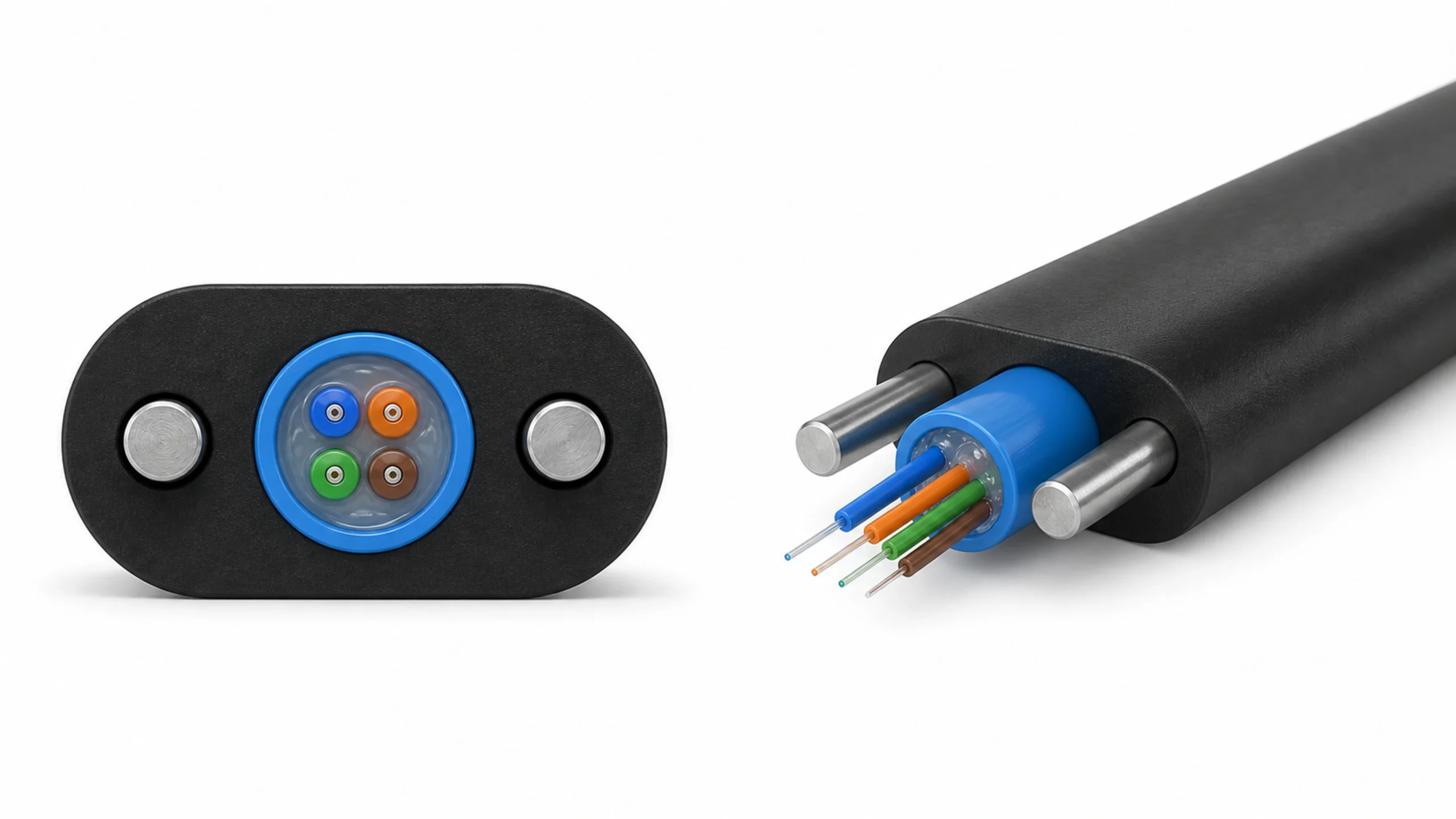
The final stage is applying the outer jacket. The خط پوشش10 takes the stranded cable core, applies additional strength members if needed (like aramid yarn for ADSS cables), and extrudes a final protective jacket, usually made of HDPE or LSZH. This line is crucial for ensuring the cable can withstand environmental factors like moisture, UV radiation, and physical stress. A typical خط پوشش10 for outdoor cables runs at speeds between 80 and 120 m/min.
| قطعات ماشین | عملکرد اصلی | سرعت معمول (متر/دقیقه) | محدوده هزینه تخمینی |
|---|---|---|---|
| خط رنگ آمیزی نخ | رنگ آمیزی نخهای منفرد برای شناسایی | 1000 – 2000 | $40,000 – $80,000 |
| خط پوشش ثانویه | پوشش دهی نخها در لولههای آزاد محافظ | 500 – 1000 | $150,000 – $300,000 |
| خط ریسندگی SZ | پیچش لولههای آزاد حول یک عضو مرکزی | 80 – 150 | $120,000 – $250,000 |
| خط پوشش | اعمال پوسته نهایی خارجی | 60 – 120 | $100,000 – $200,000 |
نکات کلیدی:
- با سه خط اصلی شروع کنید: پوشش ثانویه، SZ سیمپیچی و پوستهپوشی. ماشین رنگ آمیزی یک قطعه حمایتی اما حیاتی است.
- سرعت خط پوشش ثانویه5 شما اغلب حداکثر خروجی نظری کل کارخانه شما را تعیین میکند.
- The cost of each machine is directly tied to its speed, automation level, and the quality of its components (e.g., brand of extruder screw, motors, and PLC system).
How Does Your Target Cable Type Influence Machinery Selection?
The type of cable you plan to produce—such as FTTH drop cable versus a 288-core ADSS cable—directly dictates machinery specifications, with specialized lines for high-core cables costing up to 50-70% more than simpler indoor cable lines.
Choosing a generic production line seems safe, but it’s an inefficient strategy. A line designed for heavy-duty outdoor cables is overkill for simple indoor patch cords, wasting energy and capital. You need to match the machine to the mission.
Your machinery choice must align with your primary Market. For FTTH drop cables, you need a specialized sheathing line with fiber payoffs, costing around $80,000-$150,000. For high-count armored cables, you need an additional steel taping line and a heavy-duty SZ strander, adding over $200,000 to the total cost.

Matching the Machine to the Market
The fiber optic cable market is not one-size-fits-all. Different applications require vastly different cable designs. Your factory’s profitability depends on your ability to efficiently serve a specific market segment11. Let’s compare the machinery requirements for three common انواع کابل2.
1. FTTH (Fiber-to-the-Home) Drop Cables
These cables bring fiber from a local distribution point to an individual home. They are typically low-fiber-count (1-4 fibers), lightweight, and designed for easy installation.
- Production Process: Significantly simpler. It often uses a specialized کابل دراپ FTTH6 production line that combines fiber payoffs, strength member application (FRP or steel wire), and sheathing into a single, continuous process.
- Key Machinery: A dedicated FTTH خط پوشش10 is the core component. A separate coloring machine is also needed. For the most common designs, you do not need a secondary coating or خط تابنده SZ12.
- Investment Focus: Speed and reliability for high-volume production of a standardized product.
2. کابلهای توزیع داخلی (با روکش محکم)
Used inside buildings for data centers and LANs, these cables contain fibers with a "tight buffer" coating (a 900µm plastic layer applied directly to the 250µm fiber).
- Production Process: نیازمند یک خط بافر محکم به جای لوله شل است خط پوشش ثانویه5. سپس فیبرهای با روکش محکم گروهبندی شده و پوشش داده میشوند.
- Key Machinery: خط بافرینگ فشرده، دستگاه کابلبندی/رشتهپیچی (سادهتر از رشتهپیچ SZ) و خط روکش کابل داخل ساختمان (که اغلب از مواد PVC یا LSZH استفاده میکند).
- Investment Focus: کنترل دقیق کشش در خط بافرینگ فشرده برای جلوگیری از تضعیف فیبرها (خمیدگی میکرو) بسیار حیاتی است.
3. کابلهای لولهای شل فضای باز (کانالی/هوایی/دفنی)
این کابلها برای محیطهای سخت بیرونی طراحی شدهاند. آنها میتوانند از 12 تا 576+ فیبر در داخل چندین لوله شل داشته باشند.
- Production Process: This requires the full suite of machinery: secondary coating, SZ stranding, and sheathing. An additional steel tape armoring line is needed before the final jacket for armored cables. For All-Dielectric Self-Supporting (ADSS) cables, the خط پوشش10 باید دارای کاترپیلار با گشتاور بالا و سرورهای نخ آرامید باشد.
- Key Machinery: خط کامل توصیفشده در بخش قبلی.
- Investment Focus: پایداری، مدیریت دقیق کشش برای قطعات سنگین، و اکستروژن دقیق مواد برای جاکتهای ضخیم و محافظتکننده.
| نوع کابل | ماشینهای اصلی مورد نیاز | تمرکز فنی کلیدی | هزینه تخمینی خط |
|---|---|---|---|
| کابل دراپ FTTH | خط رنگآمیزی، خط پوششدهی FTTH | سرعت بالا (تا 200 m/min)، فضای کم | $120,000 – $230,000 |
| بافتن تنگ داخلی | خط بافتن تنگ، ماشین کابلسازی، خط پوششدهی | کنترل دقیق کشش، مواد انعطافپذیر (LSZH) | $250,000 – $400,000 |
| لوله شل بیرونی | پوشش ثانویه، SZ پیچش، خط پوششدهی | گشتاور پیچش بالا، خنکسازی قوی، پرکردن ژله | $450,000 – $1,000,000+ |
نکات کلیدی:
- پیش از درخواست قیمت ماشینآلات، بازار هدف و بالاترین 2-3 محصول کابل را تعریف کنید.
- خط تولید انعطافپذیری که میتواند چندین انواع کابل2 را پشتیبانی کند، اما اغلب با کاهش کارایی برای هر نوع خاص همراه است.
- برای کابلهای مسلح یا ADSS، توان و گشتاور پیچش و خط پوشش10عوامل موفقیت بحرانی هستند. اطمینان حاصل کنید که دستگاهها برای سنگینترین کابلهایی که قصد تولید آنها را دارید، مشخص شدهاند.
هزینه کل مالکیت یک خط تولید چقدر است؟
The Total Cost of Ownership (TCO) for a fiber optic cable production line is typically 2-3 times the initial purchase price over a 10-year lifespan, including energy, labor, maintenance, and raw materials, which account for over 70% of ongoing expenses.
You have a budget for the machinery, but have you accounted for the hidden costs? Focusing only on the sticker price is a common mistake that leads to budget overruns and unprofitable operations. You need a complete financial picture.
Beyond the initial $450,000-$700,000 machine investment for a standard line, budget an additional 15-20% annually for operational costs. This includes approximately $80,000/year for energy, $120,000/year for skilled operators, and $25,000/year for spare parts and maintenance.

نگاهی فراتر از برچسب قیمت
A wise investment delivers the lowest cost per meter of quality cable over the machine’s lifetime. High-quality machinery from a reputable supplier may have a 20% higher initial cost but can reduce TCO by up to 30% through better efficiency, lower failure rates, and reduced waste.
1. Energy Consumption
یک خط تولید کامل، مصرفکننده انرژی است. اکسترودرها (برای پوشش ثانویه و روکش) بزرگترین مصرفکنندگان هستند، همراه با موتورها و سیستمهای گرمایش/سرمایش.
- Standard Line: یک خط معمولی که با ظرفیت متوسط کار میکند میتواند 100-150 kWh برق مصرف کند.
- Cost Impact: با نرخ صنعتی $0.10 کیلوواتساعت، اجرای دو شیفت میتواند ماهانه $4,000-$6,000 و سالانه بیش از $50,000 هزینه برق داشته باشد.
- Optimization: به دنبال دستگاههایی با موتورهای بازدهی بالا (IE3 یا بهتر) و اکسترودرهای مدرن عایقبندیشدهای باشید که اتلاف گرما را کاهش میدهند.
2. Labor Costs
اپراتورهای ماهر برای راهاندازی خط، انجام تعویضها و عیبیابی مشکلات ضروری هستند.
- Team Size: یک خط نیمهخودکار نیازمند 4-6 اپراتور در هر شیفت است. یک خط بسیار خودکار ممکن است تنها به 2-3 نیاز داشته باشد.
- Cost Impact: با دستمزد متوسط $30,000/سال، تیمی از 5 عملیاتی برای دو شیفت، هزینه سالانه $300,000 a را به همراه دارد. کاهش این هزینه تنها با حذف دو پست از طریق اتوماسیون، سالانه $120,000 a صرفهجویی ایجاد میکند و ROI واضحی ارائه میدهد.
- Optimization: در ماشینهایی با سیستم کنترل مرکزی PLC (مانند Siemens یا Rockwell)، کنترل خودکار کشش و نظارت کیفیت مبتنی بر سنسورها سرمایهگذاری کنید.
3. نگهداری و قطعات یدکی
ماشینهایی با قطعات متحرک در نهایت نیاز به نگهداری خواهند داشت. برنامهریزی برای این موضوع برای حداقلسازی زمان توقف حیاتی است.
- بودجه: برای قطعات یدکی سالانه، 3-5% از هزینه اولیه ماشین را اختصاص دهید. یک خط $500,000، سالانه $15,000 – $25,000 هزینه دارد.
- قطعات یدکی حیاتی: قطعات کلیدی که باید در انبار نگهداری شوند شامل مارچندهای اکسترودر، گرمکنها، ترموکوپلها، تسمهها و بستها هستند. یک تأمینکننده معتبر، لیست پیشنهادی قطعات یدکی را همراه با پیشفاکتور اولیه ارائه خواهد داد.
- Optimization: تأمینکنندگانی را انتخاب کنید که از قطعات شناختهشده جهانی (مانند موتورهای Siemens و سنسورهای Omron) استفاده میکنند. این امر تضمین میکند که میتوانید جایگزینها را بهصورت محلی تأمین کنید و زمان توقف را از هفتهها به روزها کاهش دهید.
4. ضایعات مواد اولیه (نرخ پسماند)
شما هر زمان که خط را راهاندازی میکنید، محصول را تغییر میدهید یا ناپایداری فرآیندی دارید، کابل پسماند تولید میکنید.
- میانگین صنعت: یک کارخانه بهخوبی مدیریتشده هدف دارد که نرخ پسماند زیر 1.5% باشد. یک خط مدیریتنشده بهراحتی میتواند از 5% تجاوز کند.
- Cost Impact: با هزینه مواد اولیه برای کابل نوری در حدود $500-$1,500 به ازای هر کیلومتر، یک نرخ پسماند 3% در تولید 1,000 km/ماه میتواند بیش از $200,000 در سال هزینه داشته باشد.
- Optimization: ماشینهای با کیفیت بالا با کنترل فرآیند پایدار (مدیریت دقیق دما، کشش و سرعت) برای حداقلسازی پسماند ضروری هستند.
نکات کلیدی:
- درخواست دادههای تأمینکنندگان’ energy consumption9 (بهصورت kWh) و آن را در مدل مالی خود لحاظ کنید.
- تحلیل کنید ROI اتوماسیون11 با مقایسه هزینه اولیه با پیشبینی یک دوره 3-5 ساله از صرفهجویی در هزینه نیروی کار.
- درخواست یک دوره دو ساله توصیهشده فهرست قطعات یدکی12 همراه با پیشفاکتور ماشینآلات خود این مورد را در نظر بگیرید و آن را در بودجه اولیه خود لحاظ کنید.
مثال واقعی
Typical Scenario: یک ارائهدهنده خدمات اینترنتی (ISP) در حال رشد در اروپای شرقی قصد داشت محصولات خود را تولید کند کابلهای انشعاب FTTH13 برای کنترل تأمین و کاهش هزینهها.
چالش: The company must produce 2,000 km of 2-fiber flat drop cable monthly. They had a dedicated space of only 500 square meters and lacked experienced machine operators. Their primary goal was to achieve the lowest possible cost per meter while ensuring high quality.
راه حلما به آنها یک خط تولید کابل انشعابی FTTH فشرده و بسیار خودکار ارائه دادیم.
- The line integrated the fiber payoff, parallel strength member applicators, and the sheathing extruder into a single, 40-meter-long frame, saving over 30% floor space compared to a non-integrated setup.
- We included a سیستم PLC سیمنس14 با یک رابط صفحهنمایش لمسی مرکزی که دستورالعملهای تولید مشخصات مختلف کابل را ذخیره میکرد و تعویض محصول را سادهتر مینمود.
- An online diameter and flaw detector was integrated to provide real-time quality feedback, automatically adjusting the line speed and extruder output to minimize waste and ensure consistent cable dimensions.
نتایج:
- راندمان تولید: The customer is now producing an average of 2,500 km of cable per month, exceeding their initial target by 25%.
- صرفهجویی در هزینهها: They reduced their cable procurement costs by 35% by producing in-house. The سیستم کنترل کیفیت خودکار15 keeps its raw material scrap rate below 0.8%, saving an estimated $70,000 per year compared to industry averages.
- Labor Optimization: The line requires only two operators per shift, a 50% reduction compared to a conventional, semi-automatic line, saving over $100,000 in annual labor costs. The investment paid for itself in just under 3 years.

Expert Insight
"Many new investors focus 90% of their attention on the machine’s price and 10% on the process. Our most successful clients do the opposite. They work with us to understand the entire workflow—from raw material sourcing to final testing. A cheaper machine that produces 3% more scrap is far more expensive in the long run. We help our partners build a profitable business, not just buy a machine."
— تیم فروش و بازاریابی HONGKAI
"قلب یک عالی کابل فیبر نوری16 is consistency. This comes from perfect tension control. We use active dancer controls and servo motors for every payoff reel on our SZ stranding lines. This prevents the micro-stresses on the fibers that can degrade the optical signal over 25 years in the field. It’s a small detail that defines the long-term reliability of your product."
— HONGKAI Engineering Team (20+ years combined experience)
Common Questions
پ: برای یک خط تولید کامل به چقدر فضای کارخانه نیاز دارم؟
A: For a standard outdoor loose tube cable line (Secondary Coating, Stranding, Sheathing), plan for a facility that is at least 150 meters (490 ft) long and 20 meters (65 ft) wide. This provides enough space for the machines, raw material storage, and semi-finished product workflow. A compact FTTH line may only require a length of 60-80 meters.
پ: نیازمندیهای اصلی توان و خدمات چیست؟
A: A complete production line typically requires a 380V/440V 3-phase power supply with a total capacity of around 250-350 kVA. For the extruders and cooling troughs, you will also need a supply of compressed air (for pneumatic controls) and a chilled water system (with a cooling capacity of around 300,000 kcal/hour).
پ: نصب ماشینآلات و آموزش کارکنان چه مدت طول میکشد؟
A: Installation and commissioning typically take 3-4 weeks for a complete line. This is followed by 1-2 weeks of comprehensive operator and maintenance training. HONGKAI provides on-site engineering support to oversee this process, ensuring your team is fully prepared before production begins.
پرسش: آیا میتوانم خط تولید خود را بعداً ارتقا دهم؟
A: Yes, modularity is a key feature of modern lines. You can start with a basic setup and add capabilities later. For example, you can add an armoring station to your sheathing line or increase the number of payoffs on your SZ strander to produce higher-fiber-count cables. Plan for this by leaving physical space for future expansion.
پ: رایجترین نقطه خرابی در یک خط تولید چیست؟
A: The extruder’s heating elements and the gearbox are common failure points if not properly maintained. We mitigate this using high-quality, durable components and by providing a detailed برنامه نگهداری پیشگیرانه17. تمیزکاری منظم پیچ اکسترودر و سر قالب مهمترین عملیات نگهداری برای تضمین کیفیت یکنواخت است.
نتیجهگیری
Choosing the right کابل فیبر نوری16 production line is a decision that balances cost, capacity, and capability. By focusing on the total cost of ownership instead of just the initial price, aligning machinery with your target products, and planning for future growth, you build a foundation for long-term success.
آمادهاید اقدام کنید؟
- Step 1: Define your top 3 target cable products and your desired monthly production volume (km).
- Step 2: از راهنمای ما برای تهیه بودجه اولیهای استفاده کنید که شامل ماشینآلات، نصب و یک سال هزینههای عملیاتی باشد.
- Step 3: با تیم HONGKAI برای مشاوره فنی جهت توسعه پیکربندی خط سفارشیسازیشدهای که با اهداف کسبوکار شما همخوانی دارد، تماس بگیرید.
-
این لینک را بررسی کنید تا اجزا و مزایای یک خط تولید کابل فیبر نوری را درک کنید.↩
-
انواع مختلف کابلهای فیبر نوری و کاربردهای خاص آنها را کشف کنید.↩ ↩ ↩
-
بررسی کنید که چگونه هزینههای نیروی کار بر بودجه کلی یک خط تولید تأثیر میگذارند.↩
-
یاد بگیرید چگونه بهطور مؤثر ظرفیت تولید را برای پاسخگویی به تقاضاهای بازار ارزیابی کنید.↩
-
در مورد کابلهای FTTH و نقش آنها در مخابرات مدرن اطلاعات کسب کنید.↩ ↩
-
مشخصات و کاربردهای خطوط رشتهبندی با تعداد بالای فیبر را بررسی کنید.↩
-
TCO را درک کنید تا تصمیمات مالی آگاهانهای برای خط تولید خود اتخاذ نمایید.↩
-
یاد بگیرید چگونه مصرف انرژی را ارزیابی کنید تا هزینههای عملیاتی را بهینه سازی نمایید.↩ ↩
-
کشف کنید که چگونه خط روکش، کابلهای فیبر نوری را محافظت و بهبود میدهد.↩ ↩ ↩ ↩ ↩
-
درک بازگشت سرمایه (ROI) اتوماسیون میتواند به شما کمک کند تا تصمیمات آگاهانهای درباره سرمایهگذاری در فناوری برای کسبوکار خود بگیرید.↩ ↩
-
فهرست قطعات یدکی آمادهشده بهخوبی، اطمینان حاصل میکند که زمان توقف به حداقل برسد و نگهداری بهصورت کارآمد انجام شود که برای موفقیت عملیاتی ضروری است.↩ ↩
-
بررسی کابلهای انشعاب FTTH بینشهایی در مورد اهمیت آنها در مخابرات و زیرساختهای مدرن فراهم میکند.↩
-
درک سیستمهای PLC شرکت زیمنس میتواند به شما کمک کند تا از اتوماسیون برای کنترل و کارایی بهتر در تولید بهرهبرداری کنید.↩
-
بیاموزید که چگونه سیستمهای کنترل خودکار کیفیت، کیفیت محصول را بهبود بخشیده و ضایعات را کاهش میدهند؛ امری حیاتی برای حفظ استانداردها.↩
-
بررسی انواع مختلف کابلهای فیبر نوری، دانش شما را در مورد کاربردهای آنها در صنایع مختلف افزایش میدهد.↩ ↩
-
برنامهریزی نگهداری پیشگیرانه برای تضمین طول عمر ماشینآلات و کارایی عملیاتی ضروری است.↩

 English
 हिन्दी
 فارسی