












مالکان کارخانه، مدیران تولید و خریداران فنی نیازمند هدف ظرفیت هستند تا بتوانند ماشینآلات کابل فیبر نوری را مقایسه کنند. این هدف باید خروجی قابل فروش برای ترکیب محصول و برنامه تعریفشده را توصیف کند، نه بالاترین سرعت ماشین تأمینکننده.
برنامهریزی ظرفیت تولید فیبر نوری با محصولات کابل و تقاضای ماهانه قابل فروش شروع میشود، سپس به سمت عقب از طریق سرعت ثابت، تغییر رول، تغییرات تولید، توقفهای برنامهریزیشده، بازده کیفیت و سریعترین فرآیند مورد نیاز پیش میرود. کارخانه باید ظرفیت را به صورت جداگانه برای آمادهسازی فیبر، تشکیل واحد، مونتاژ هسته کابل، پوششدهی، آزمون و بستهبندی محاسبه کند. تصمیم خرید این است که آیا مسیر فرآیند پیشنهادی میتواند خروجی مطلوب را تحت شرایط عملیاتی مکتوب تأمین کند یا خیر. تنها سرعت حداکثری پاسخی به سؤال ظرفیت کارخانه نیست.

خط تولید پوششدهی کابل نوری HONGKAI HK-90 واقعی. ظرفیت باید برای قطر کابل تأییدشده، خروجی مواد و شرایط عملیاتی ثابت محاسبه شود.
این راهنما به کارخانه جدید کمک میکند تا RFQ را تعریف کند، به کارخانه موجود کمک میکند تا محدودیت واقعی را شناسایی کند و به خریداران امکان مقایسه تأمینکنندگان بر اساس پایه یکسان را میدهد. هر فرضیه در مورد سرعت، بازده، در دسترس بودن و تغییرات باید از سوابق خریدار یا آزمایشی خاص پروژه نشأت بگیرد.
ظرفیت تولید برای یک کارخانه کابل فیبر نوری چه معنا دارد؟
ظرفیت تولید مقدار کابل یا محصول میانی مطابق با استانداردی است که کارخانه میتواند در یک دوره تعریفشده برای ترکیب محصول تعریفشده تحویل دهد. تعریف باید محصول، واحد، برنامه، مرز کیفیت و شرایط عملیاتی را بیان کند. سرعت نصبشده تنها یک ورودی است، زیرا کارخانه کابل فیبر نوری شامل فرآیندهای جداگانه با مواد، اندازه بستهبندی و الگوهای توقف متفاوت است. ظرفیت تنها زمانی مفید است که تولید، کیفیت و خرید از تعریف یکسانی استفاده کنند.
بیان عملی ظرفیت باید پنج سؤال را پاسخ دهد:
- کدام خانوادهها و ساختارهای کابل نهایی شامل میشوند؟
- آیا خروجی به صورت فیبر رنگی، لوله شل، هسته کابل یا کابل نهایی اندازهگیری میشود؟
- آیا پایه زمانی یک شیفت، یک روز یا یک ماه است؟
- آیا خروجی به معنای طول تولیدشده خام یا طول قابل فروش تأییدشده توسط کنترل کیفیت است؟
- کدام تغییرات، توقفهای نگهداری و آزمایشهای محصول شامل میشوند؟
تمایز بین خروجی میانی و نهایی مهم است. رنگآمیزی فیبر، فیبرهای منفرد را آماده میکند. خط لوله شل، فیبرها را درون یک لوله گروهبندی میکند. SZ پیچش ممکن است چندین لوله را حول یک عضو مرکزی جمعبندی کند. مسیر پوششدهی، حفاظت نهایی تعریفشده توسط نقشه کابل را اضافه میکند. یک متر در هر مرحله نمایانگر همان مقدار کابل نهایی قابل فروش نیست.
یک تقسیم برنامهریزی عملی، تفکیک مسیرهای ادغامی و چندمرحلهای است. کابل داخلی که از یک خط تولید ادغامی عبور میکند، میتواند بر اساس سرعت ثابت تأییدشده برای مشخصات دقیق کابل برنامهریزی شود. کابل بیرونی که نیاز به چندین خط تولید دارد، باید از طریق محاسبه معکوس از کیلومترهای مورد نیاز کابل نهایی محاسبه شود، زیرا هر مرحله پیشین، مقدار، بستهبندی و رنگ متفاوتی را به مرحله بعدی تأمین میکند.
معیار تصمیمگیری: هدف ظرفیت را به صورت یک جمله کامل بنویسید، مانند “خروجی ماهانه قابل فروش برای ترکیب محصول تأییدشده تحت برنامه شیفت برنامهریزیشده، پس از تغییرات عادی و از دسترفتن کیفیت”. مقادیر واقعی را در فایل پروژه نگه دارید و از درصد کارکرد عمومی استفاده نکنید.
HONGKAI نقشه خط تولید کابل فیبر نوری فرآیند آمادهسازی فیبر، پوشش سفت، اکستروژن لوله شل، SZ پیچش، تقویت، پوششدهی، آزمون و بستهبندی را جدا میکند. این مرز فرآیند باید قبل از مقایسه هر تعداد ماشین یا قول ظرفیتی تعریف شود.
توجه: عدد ظرفیت کارخانه بدون محصول، دوره و مرز کیفیت، یک عنوان فروش است، نه یک برنامه تولید.
چگونه تقاضای ماهانه کابل به خروجی خط مورد نیاز تبدیل شود؟
تقاضای ماهانه قابل فروش را قبل از انتخاب تجهیزات به نیاز ساعتی خروجی خوب تبدیل کنید. برای یک مسیر کابل بیرونی چندمرحلهای، از کیلومترهای مورد نیاز کابل نهایی شروع کنید و از فرآیند پوشش نهایی به سمت پیچش SZ، اکستروژن لوله آزاد و رنگآمیزی الیاف محاسبه کنید. این محاسبه را برای هر خانواده اصلی محصول تکرار کنید، زیرا قطر، مواد، تعداد لولهها، رنگها، طول رول و مسیر فرآیند، پنجره عملیاتی را تغییر میدهند. از یک محصول میانگین برای پنهان کردن ترکیب دشوار استفاده نکنید.
از زنجیره محاسباتی ساده زیر استفاده کنید.
| آیتم برنامهریزی | محاسبه یا شواهد | تصمیم خریدار |
|---|---|---|
| تقاضای قابل فروش | تقاضای تأییدشده ماهانه بر اساس خانواده کابل | کدام محصولات باید توسط کارخانه بهطور قابل اعتماد تأمین شوند؟ |
| ساعات برنامهریزیشده | تقویم شیفت منهای تعطیلات و توقفهای برنامهریزیشده | چه میزان زمان تولید واقعاً اختصاص داده شده است؟ |
| خروجی خوب مورد نیاز | تقاضای قابل فروش تقسیم بر ساعتهای محصول برنامهریزیشده | چه خروجی مطابق باید هر ساعت آزاد شود؟ |
| خروجی خام مورد نیاز | خروجی خوب تقسیم بر بازده تأییدشده خریدار | چه خروجی باید قبل از از دست دادن کیفیت عادی تولید شود؟ |
| سرعت پایدار مورد نیاز | خروجی خام تقسیم بر زمان اجرا تأییدشده | What stable operating condition should the RFQ and FAT test? |
The same method must be applied upstream. If one finished cable uses several loose tubes, the tube requirement must reflect the cable construction, tube count, package plan and expected upstream loss. If the factory buys pre-colored fiber, coloring capacity may not be required for that product. If the factory sells tight-buffered indoor cable, a loose-tube calculation may be irrelevant.
برای بررسی اولیه کابل بیرونی، از این ترتیب معکوس استفاده کنید:
| Reverse-planning stage | Capacity input | مرز برنامهریزی پروژه |
|---|---|---|
| Final sheathing | Finished cable kilometers, cable outer diameter, polymer and extrusion output | Calculate the realistic sheathing speed for the confirmed construction first |
| تابیدگی SZ | Required core length, tube count, lay length and package plan | یک ارجاع برنامهریزی اولیه HONGKAI در مورد 50–60 m/min است، اما طول پیچش و مشخصات کابل، سرعت ثابت واقعی را تعیین میکنند |
| Loose-tube extrusion | Required tube length by tube position and color | یک ارجاع برنامهریزی اولیه HONGKAI در مورد 500–600 m/min برای یک رنگ است؛ مجموع تقاضا باید هر رنگ و تغییر مواد لوله مورد نیاز را شامل شود |
| رنگ آمیزی الیاف | Fiber count, color sequence, reel plan and required colored-fiber length | Confirm whether the coloring and rewinding schedule can feed the loose-tube plan |
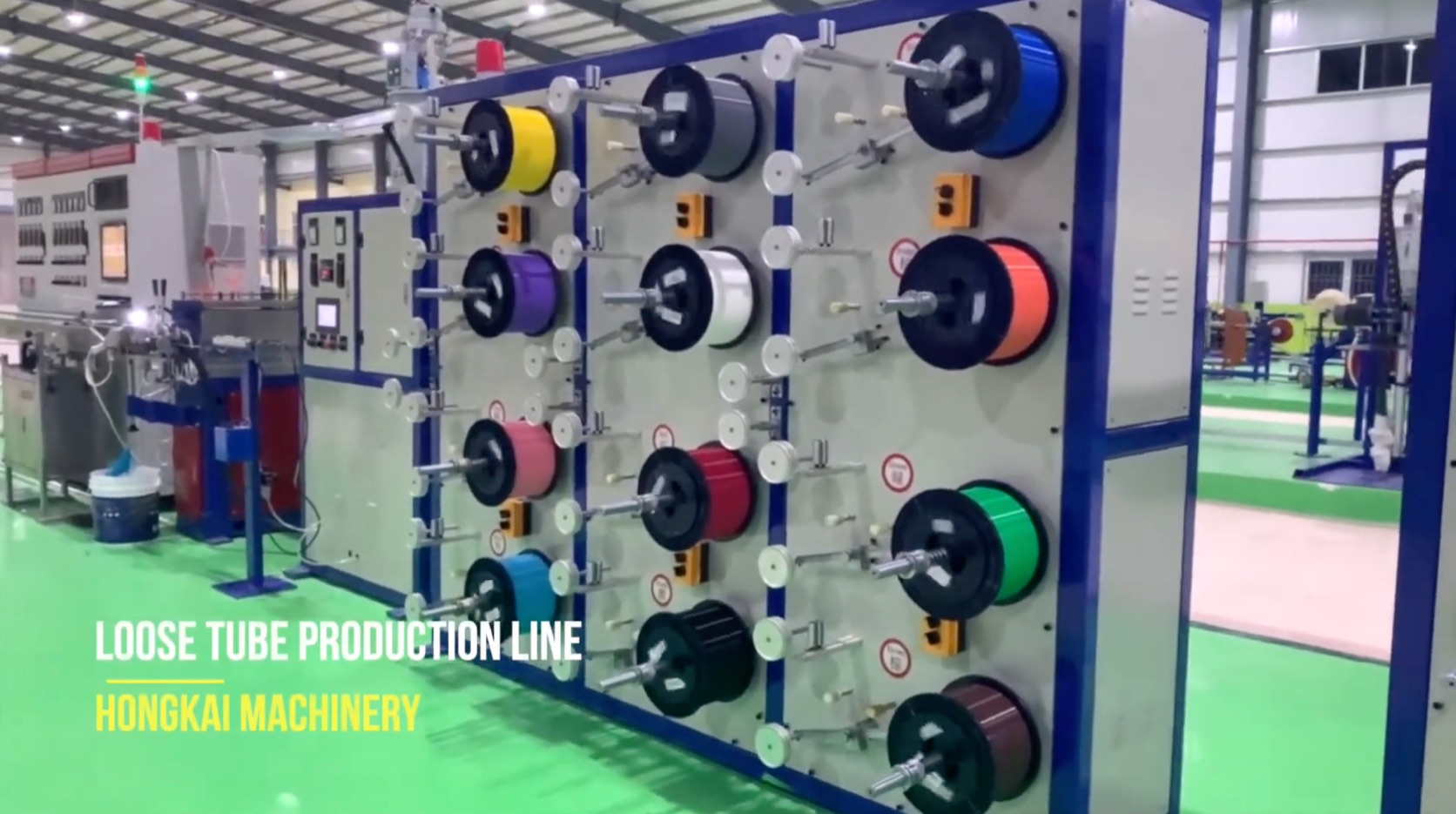
Real HONGKAI loose tube production line with multi-color fiber payoff. Upstream capacity must cover every required tube color and changeover.
محدودههای عددی فوق از تجربه تأییدشده برنامهریزی پروژه HONGKAI نشأت میگیرند؛ این مقادیر، مقادیر تضمینشده یا محدودههای عملیاتی استاندارد صنعتی نیستند. تأمینکننده هنوز نیاز به نقشه دقیق کابل، ابعاد، مواد، طول پیچش، کیلومترهای سفارش و برنامه تولید دارد تا ظرفیت یا سرعت ثابت را تأیید کند.
What to ask: Request a product-mix table containing the finished cable drawing, monthly saleable length, production batch size, reel length, material family, required process route and planned shift pattern. Existing factories should add actual setup time, scrap, unplanned stops and quality-hold data for each stage.
Avoid entering a supplier’s catalogue speed directly into the monthly plan. The catalogue condition may refer to a particular material, diameter, package, tooling and test method. The required stable speed should be demonstrated on the approved or agreed representative product under written conditions.
توجه: محاسبه تقاضا تعیین میکند که کارخانه باید چه تحویل دهد؛ محاسبه فرآیند نشان میدهد که آیا مسیر پیشنهادی میتواند آن را تحویل دهد یا خیر.
چرا فرآیند گلوگاه، ظرفیت فروشپذیر کارخانه را تعیین میکند؟
گلوگاه، فرآیند مورد نیازی است که پس از شامل کردن تلفات عملیاتی عادی، خروجی فروشپذیر را محدود میکند. ماشینی با سرعت بالاتر در بخش قبلی، ظرفیت کابل نهایی را افزایش نمیدهد، زمانی که فرآیند پس از آن، آزمایشگاه یا منطقه بستهبندی نتواند خروجی آن را مصرف کند. گلوگاه میتواند هنگام تغییر ترکیب محصول جابجا شود، بنابراین ظرفیت باید بر اساس مسیر بررسی شود، نه اینکه به طور دائم به یک ماشین اختصاص داده شود. موجودی کار در جریان، شواهدی برای بررسی است، نه اثباتی برای بهرهوری مرحله قبلی.
HONGKAI فعلی ارجاع خط تولید کابل GYXTW مسیر سهمرحلهای تأییدشده را نشان میدهد: رنگآمیزی و بازپیچیدن الیاف HK-235، اکستروژن لولههای آزاد پر از ژل HK-50 PBT، و تقویت و پوشش دهی HK-90 PE برای ساختار تأییدشده GYXTW. این ماشینها تبدیلات متفاوتی انجام میدهند و بستههای متفاوتی را تحویل میدهند. سرعت خط آنها نمیتواند به گونهای مقایسه شود که هر متر یک محصول نهایی یکسان باشد.

خط پیچش واقعی HONGKAI HK-800/12 SZ. خروجی پایدار به ساختار کابل، تعداد لولهها، طول پیچش و برنامه بستهبندی بستگی دارد.
| مرز فرآیند | شواهد ظرفیت برای جمعآوری | محدودیت پنهان رایج |
|---|---|---|
| آمادهسازی فیبر | رکورد اجرای پایدار، اندازه رول فیبر، کیفیت ترانسورس و زمان تغییر | تغییرات مکرر رولهای کوچک یا محدودیتهای پخت |
| Loose-tube extrusion | ساختار لوله تأییدشده، شرایط پایدار، طول بستهبندی لوله و کیفیت اندازهگیریشده | تغییر مواد، تمیزکاری، خنکسازی یا از دست رفتن کیفیت لوله |
| مونتاژ هسته کابل | تعداد قطعات ویژه محصول، برنامه بستهبندی و خروجی پایدار هسته | تغییرات تخلیه لوله، مواد بستهبندی یا پایداری کشش |
| زرهبندی و پوشش | ساختار کابل تأییدشده، مسیر مواد، اندازه درام و خروجی قابل فروش | تغییر درام، آمادهسازی مواد، خنکسازی یا محدودیت جمعآوری |
| ارائه آزمایشگاهی | روش آزمون، برنامه نمونهبرداری، در دسترس بودن ابزار و زمان ارائه | کابل نهایی منتظر بازرسی یا آزمون مجدد است |
| بستهبندی و ارسال | برداری درام، شناسایی، بازرسی و ظرفیت انبار | درامهای نهایی نمیتوانند از منطقه تولید خارج شوند |
روش تأیید: مسیر محصول را از فیبر پوششدار ورودی تا کابل تأییدشده رسم کنید. برای هر مرحله، بستههای ورودی مورد نیاز، خروجی مطلوب، ساعتهای برنامهریزیشده، سرعت پایدار واقعی، دستهبندی توقفات، سطح کار در جریان و تقاضای بخش بعدی را ثبت کنید. مرحلهای که به طور مکرر از رسیدن مسیر به تقاضای خروجی مطلوب جلوگیری میکند، محدودیت فعلی است.
قبل از نامگذاری یک محدودیت، ساختار کابل و هر انتقال مرحلهای را بررسی کنید. کابلهای رشتهای با لولههای شل GYXTW، ADSS و سایر کابلها سرعت و تقاضای ماشین را بر اساس مشخصات دقیق، تعداد لولهها، طول پیچش و برنامه بستهبندی تغییر میدهند؛ کابلهای داخلی با لایه فشرده و مسیرهای FTTH ممکن است از خط تولید متفاوت یا ادغامی استفاده کنند.
Note: سؤال ظرفیت مفید این نیست که “کدام ماشین سریعتر است؟” بلکه این است که “کدام مرحله مورد نیاز، از دستیابی ترکیب محصول تأییدشده به خروجی قابل فروش جلوگیری میکند؟”
کدام تلفات عملیاتی باید قبل از خرید تجهیزات بیشتر شامل شوند؟
توقفهای عادی و تلفات کیفیتی را که پس از نصب همچنان وجود خواهند داشت، شامل شوید. تغییر رول، تغییر ابزار، تغییر مواد، تمیزکاری، گرمکردن، تنظیم دستورالعمل، نگهداری برنامهریزیشده، نمونهبرداری کیفیت، ضایعات و بازکاری همه، خروجی فروشپذیر را کاهش میدهند. از تاریخچه اندازهگیریشده کارخانه در صورت وجود استفاده کنید و در صورت عدم وجود، از طرح آزمایشی محافظهکارانه استفاده نمایید. پیشنهاد ظرفیت باید زمان برنامهریزیشده، زمان اجرا، خروجی خام و خروجی تأییدشده را جداگانه نشان دهد، نه اینکه آنها را در یک درصد نامشخص فشرده کند.
مدل تلفات را از رویدادهای قابل مشاهده بسازید:
- تلفات بسته: تغییر رول تحویل، تغییر استوانه پیچش، اتصال یا راهاندازی، و بستههای ناقص.
- تلفات تغییر محصول: تغییر ابزار، تغییر رنگ یا مواد، تمیزکاری، انتخاب دستورالعمل و تأیید نمونه اولیه.
- تلفات فرآیند: راهاندازی ناپایدار، هشدارها، بازنشانی کشش، تثبیت دما و قطعی مواد.
- تلفات کیفیت: ابعاد خارج از مشخصات، عیوب سطحی، شکست آزمون نوری، بازکاری، آزمون مجدد و مواد قرنطینهشده.
- زیانهای برنامهریزیشده: نگهداری پیشگیرانه، کالیبراسیون، استراحتهای عملیاتی، آموزش و آزمایشهای مهندسی برنامهریزیشده.
- زیانهای جریان: انتظار در بخش قبلی، مسدود شدن در بخش بعدی، تأخیر در انتشار آزمایشگاهی، انتقال قوطیها و کمبود مواد.
اشتباهات رایج: استفاده از یک ضریب بهرهوری برای تمام مراحل، برنامه را کامل به نظر میرساند اما دلیل از دست رفتن زمان را پنهان میکند. رنگآمیزی، اکستروژن، سیمپیچی، پوششدهی و کارهای آزمایشگاهی الگوهای توقف متفاوتی دارند. این ضریب باید بر اساس ثبتهای خاص هر مرحله تأیید شود یا به عنوان فرضیه صریح برنامهریزی باقی بماند تا تأیید شود.
بررسی محافظهکارانه باید زمان تغییر مواد را به عنوان یک زیان صریح در نظر بگیرد و نباید سرعت ساختار را جایگزین سرعت تولید تأییدشده کند. طول پیچش و مهارت عملیاتی نیز میتواند نتیجه ثابت را تغییر دهد. برای برآورد ماهانه محافظهکارانه، از کمترین ظرفیت تأییدشده بین مراحل مورد نیاز استفاده کنید، نه میانگین یک مرحله سریع با یک مرحله کند.
برای یک کارخانه جدید، از تأمینکنندگان بخواهید شرایط عملیاتی پشت هر پاسخ ظرفیت را مشخص کنند و توانایی ماشین را از در دسترس بودن آینده خریدار و بازدهی او جدا کنند. یک تأمینکننده ماشین میتواند شرایط تولید پایدار را در طول FAT نشان دهد؛ اما بدون شواهد پروژه، نمیتواند انضباط نوبتی، کیفیت مواد، روش نگهداری یا ترکیب سفارشات خریدار را تضمین کند.
برای یک کارخانه موجود، چندین بچ نماینده اخیر را مقایسه کنید، نه بهترین نوبت. دلیل توقف مرحله تولید، زمان لازم برای راهاندازی مجدد، آیا مواد انتشار یافته بود و آیا مراحل قبلی یا بعدی در انتظار بودند را ثبت کنید. این کار بحث ظرفیت را به لیستی قابل اندازهگیری برای بهبود تبدیل میکند.
توجه: برنامهریزی ظرفیت قابل اعتماد میشود زمانی که هر زیان یا اندازهگیری شده، یا به صورت صریح فرض شده، یا به یک مرحله تأیید آینده اختصاص داده شده باشد.
چه شواهد ظرفیتی باید در RFQ و FAT ثبت شود؟
RFQ باید محصول هدف، مواد، ابزارها، اندازه بستهبندی، شرایط عملیاتی، روش اندازهگیری و ثبت پذیرش برای خروجی پایدار مورد نیاز را تعریف کند. FAT باید یک محصول نماینده توافقشده را برای مدت زمان مداوم تعریفشده آزمایش کند و تنظیمات ماشین را به نمونه اندازهگیریشده پیوند دهد. سرعت مکانیکی یا ساختاری حداکثر ممکن است به صورت جداگانه ثبت شود، اما نباید آزمایش تولید پایدار را جایگزین کند. هر محصول یا شرایطی که آزمایش نشده باشد، باید به عنوان محدودیت صریح باقی بماند.
شواهد درخواستی: این موارد را در همان برنامه ظرفیت کنترلشده با نسخه قرار دهید:
- ☐ طرح و نسخه کابل نهایی یا محصول میانی
- ☐ الیاف، پلیمر، ترکیب پرکننده، عضو تقویتکننده و مواد زرهی ورودی، همانطور که مربوط باشد
- ☐ ابزارها، تعداد قطعات، ابعاد محصول و محدوده ساختاری
- ☐ طرحهای رول تغذیه، رول گیرنده یا قوطی نهایی و جهت پیچش
- ☐ سرعت پایدار هدف برای محصول نماینده توافقشده
- ☐ شرایط اجرای مداوم مورد نیاز و مداخلات برنامهریزیشده مجاز
- ☐ اندازهگیریهای آنلاین، آزمایشهای آزمایشگاهی، ابزارها و وضعیت کالیبراسیون
- ☐ طول تولید شده خالص، طول نمونه مطابق، ضایعات و روشهای نگهداری
- ☐ توقف ماشین با دلیل، مدت زمان، اقدام راهاندازی مجدد و مسئولیت
- ☐ ریسیپ، هشدار، روند و رکوردهای عملیاتی به همراه نمونه نگهداری شوند
- ☐ حدود قبول/رد و روش تست مجدد
- ☐ محصولات، مواد و شرایط عملیاتی که در طول FAT نشان داده نشدهاند
خریدار باید سه ادعا را در پیشنهاد خود جدا کند: سرعت طراحی مکانیکی، سرعت تولید پایدار برای محصول توافقشده و خروجی انتظاری کارخانه تحت برنامه خریدار. این مقادیر به سؤالات متفاوتی پاسخ میدهند. تنها ادعا وسطی معمولاً میتواند مستقیماً در طول یک ماشین FAT نشان داده شود؛ نتیجه خروجی کارخانه نیازمند دادههای عملیاتی پس از راهاندازی است.
برای بررسی ظرفیت مرحله اکستروژن، با خروجی پیچ از شرایط ذکر شده شروع کنید. محاسبه سپس از پلیمر، ابعاد داخلی و خارجی کابل یا لوله و جرم مواد مورد نیاز به ازای هر متر برای استخراج مقدار نظری متر بر دقیقه برای اندازه اکسترودر انتخابی، مانند ماشین 50 mm یا 90 mm استفاده میکند. FAT باید سرعت ثابت واقعی و کیفیت محصول را برای ساختار توافقشده تأیید کند؛ نتیجه کیلوگرم بر ساعت با سرریز باز به تنهایی نمیتواند ظرفیت کابل نهایی را اثبات کند.

تصویر فنی—نه عکس میدانی. یک FAT با سرعت پایدار، مواد و نقشه تأییدشده را به خروجی پیچ اندازهگیریشده، مواد به ازای هر متر، سرعت پایدار، رکوردهای توقف و بررسیهای کیفیت متصل میکند.
روش تأیید: از همان برنامه ظرفیت برای مقایسه پیشنهاد، بازبینی طراحی، FAT، نصب و راهاندازی میدانی استفاده کنید. اگر محصولی در طول FAT بسیار گران یا غیرعملی باشد، یک محصول نماینده توافق کنید و تأیید باقیمانده را به عنوان نقطه توقف پذیرش میدانی مشخص شده نگه دارید.
گستردهتر بررسینامه کارخانه کابل فیبر نوری به خریداران کمک میکند تا امکانات، حوزه آزمایشگاهی، مدیریت مواد و آمادهسازی عملیاتی را کنار ماشینآلات اصلی مشاهده کنند.
توجه: تعهد ظرفیت فقط زمانی قابل اجرا است که محصول آزمایششده، شرایط، اندازهگیریها و مرز مسئولیت به صورت نوشتهشده کنار عدد ذکر شده باشند.
زمانی که یک کارخانه باید تجهیزات اضافه کند تا به جای بهبود فرآیند موجود؟
تجهیزات اضافه کنید زمانی که فرآیند مورد نیاز پس از بررسی ضایعات قابل بازیابی و مشکلات رابط، همچنان محدودیت تأییدشده باقی میماند. ابتدا فرآیند فعلی را بهبود دهید زمانی که خروجی از دسترفته عمدتاً ناشی از تغییرات، تأمین مواد، نگهداری، نگهداری کیفیت، مدیریت استوانهها یا مسدود شدن پاییندست باشد. یک ماشین دوم فقط زمانی ارزش ایجاد میکند که تأمین بالادست، مصرف پاییندست، امکانات، نیروی کار، ظرفیت آزمایشگاهی و جریان کف بتوانند آن را پشتیبانی کنند. تصمیمگیری باید ظرفیت کامل مسیر را قبل و بعد از تغییر مقایسه کند.
از تصمیمگیری مرحلهای زیر استفاده کنید.
- شکاف خروجی قابل فروش برای ترکیب محصول تأییدشده را تأیید کنید.
- محدودیت فعلی را با استفاده از رکوردهای دستهبندی و توقف شناسایی کنید.
- ضایعات قابل کاهش را از ضایعاتی که نیاز به ظرفیت نصبشده بیشتری دارند، جدا کنید.
- محدودیت بعدی را پس از بهبود پیشنهادی مدلسازی کنید.
- امکانات، فضای کف، تأمین مواد، نیروی انسانی، آزمایش و جریان استوانه را بررسی کنید.
- FAT و شواهد پذیرش سایت را برای مرحله جدید یا اصلاحشده تعریف کنید.
معیار تصمیمگیری: پیشنهاد بهبود باید محدودیت فعلی، مرز فرآیند تغییریافته، انتقال انتظاری به مراحل بالادست و پاییندست و شواهدی که تعادل جدید را اثبات خواهد کرد را نشان دهد. یک اکسترودر بزرگتر، تحویل سریعتر یا خط تولید اضافی نباید به عنوان خرید جداگانه سرعت تأیید شود.
تجهیزات موازی میتوانند زمانی توجیه شوند که خانوادههای محصول نیاز به مواد، ابزارها یا مرزهای تمیزکاری ناسازگار دارند؛ زمانی که یک مرحله حتی در شرایط ثابت تأییدشده نتواند تقاضا را برآورده کند؛ یا زمانی که ریسک نگهداری نیاز به افزونگی دارد. این تصمیمات ویژه پروژه هستند و نباید تنها از حجم فروش سالانه استنباط شوند.
یک تحریک عملی گسترش، تقاضای پایدار فراتر از حد محدود تأییدشده مسیر موجود است. اگر کارخانه در حال حاضر دو یا سه شیفت کار میکند و مرحله محدودیت به سقف تولید ثابت خود برای محصول تأییدشده رسیده باشد، میتوان خط دوم یا سوم را ارزیابی کرد. هنگامی که HONGKAI یک برآورد مرحله اولیه آماده میکند، ممکن است ظرفیتی حدود 10%–20% بالاتر از تقاضای تأییدشده سفارش مدل کند، اما این اجازه باید در مقابل ترکیب محصول، تغییرات و ریسک سرمایهگذاری بررسی شود، نه به عنوان یک قاعده جهانی در نظر گرفته شود.
برای برنامهریزی بازسازی، خریدار باید سازگاری رول، جهت خط، تأمین برق، خنکسازی، هوای فشرده، رابطهای کنترل، دسترسی به نگهداری و پنجرههای توقف را نیز بررسی کند. ظرفیت به دست آمده روی کاغذ میتواند در حین نصب از بین برود اگر مرحله جدید با جریان کارخانه موجود سازگار نباشد.
توجه: بهترین پروژه ظرفیت، محدودیت تأییدشده سیستم را حذف میکند؛ به طور خودکار ماشینی با بزرگترین مشخصات تبلیغاتی را خریداری نمیکند.
اطلاعاتی که باید برای بررسی ظرفیت فیبر نوری ارسال شود چیست؟
قبل از درخواست پاسخ ظرفیت، برنامه محصول و عملیاتی را ارسال کنید. یک بررسی ویژه پیکربندی نیازمند نقشههای کابل هدف، ترکیب محصول ماهانه، نیاز به خروجی قابل فروش، برنامه بسته و رول، برنامه شیفت، تجهیزات موجود، امکانات و مرز کیفیت است. یک کارخانه موجود باید رکوردهای تولید و توقف نمایندگان را اضافه کند؛ یک کارخانه جدید باید مشخص کند که چه فرضیاتی هنوز نیاز به تأیید دارند. مقادیر گمشده باید به سوالات فنی تبدیل شوند، نه به پیشفرضهای اختراعی.
بررسی: یک بسته پروژه شامل موارد زیر آماده کنید:
- ☐ نامهای کابل نهایی، کاربردها، مقاطع عرضی و لیست مواد
- ☐ تقاضای ماهانه قابل فروش بر اساس خانواده کابل
- ☐ کیلومترهای سفارش تأییدشده و هر امتیاز ظرفیت اولیه تأییدشده
- ☐ طول دستههای برنامهریزیشده و اندازههای پایانی درام
- ☐ تقویم شیفت، تعطیلات و بازههای نگهداری برنامهریزیشده
- ☐ مسیر فرآیند مورد نیاز از فیبر پوششدار خریداریشده تا کابل بستهبندیشده
- ☐ مدلهای ماشین موجود، مرزهای فرآیند و گرههای احتمالی
- ☐ سرعتهای پایدار واقعی، تغییرات، ضایعات و دلایل توقف در صورت موجود بودن
- ☐ محدودیتهای ولتاژ کارخانه، خنکسازی، هوای فشرده، چیدمان و جریان مواد
- ☐ برنامه کیفیت، آزمونهای تأیید و مرز پذیرش مشتری
- ☐ تاریخ مورد نیاز راهاندازی و برنامه گسترش مرحلي
- ☐ محصولات و فرضیاتی که هنوز نیاز به آزمایش دارند
از ساختار کابل برای تعیین اینکه آیا مسیر نیاز به رنگآمیزی، بستهبندی فشرده، اکستروژن لوله شل، رشتهبندی SZ، تقویت، زرهبندی، پوشش، آزمون و بستهبندی دارد یا خیر، استفاده کنید. خریداران میتوانند از عمومی fiber optic cable production solutions page as a process map, then send the project package through the clean HONGKAI contact page for a configuration-specific review.
Evidence to request: Ask for the final proposal to identify every capacity assumption, every demonstrated condition and every open item that remains the buyer’s responsibility. This prevents a preliminary planning model from being presented later as a guaranteed production result.
هنگامی که مشخصات کابل و برنامه سفارش وجود ندارند، هر تأمینکننده میتواند فقط یک محدوده گسترده ارائه دهد. تطابق دقیق ظرفیت زمانی شروع میشود که خریدار ساختار، ابعاد، مواد، کیلومترهای مورد نیاز و برنامه شیفت را ارائه دهد، اجازه دهد تا هر مرحله تولید از خروجی کابل نهایی به صورت معکوس محاسبه شود.
Note: A useful capacity review ends with a balanced process map, a testable output target and a short list of assumptions that still need project evidence.

 English
  हिन्दी
  فارسی
فارسی