






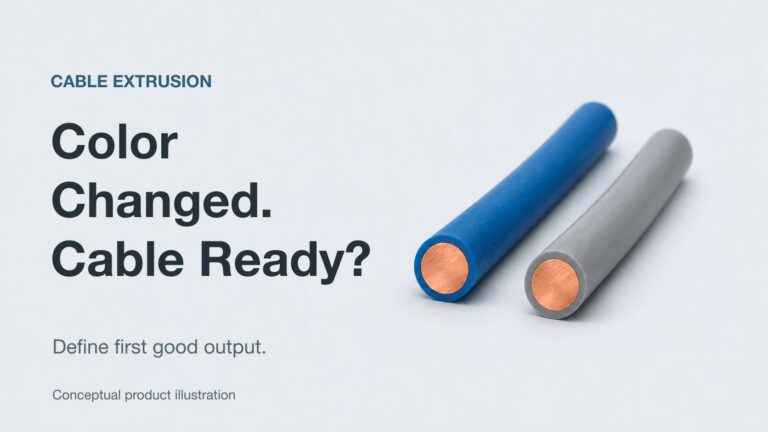
Một nhà máy có đơn đặt hàng cho hai loại dây điện xây dựng lõi đơn PVC. Một loại sử dụng lõi đồng đặc; loại kia sử dụng sợi đồng mảnh. Có cần hai dây chuyền cách điện riêng biệt không?
One insulation line can make both in separate batches if it can feed each conductor, apply the specified insulation and wind the finished wire into the pack the customer ordered. Start by pricing a shared line with the necessary change parts. Compare a second line if one product falls outside its working range or the two orders need more production hours than one line can provide.
Why 2.5 mm² is not a tooling size
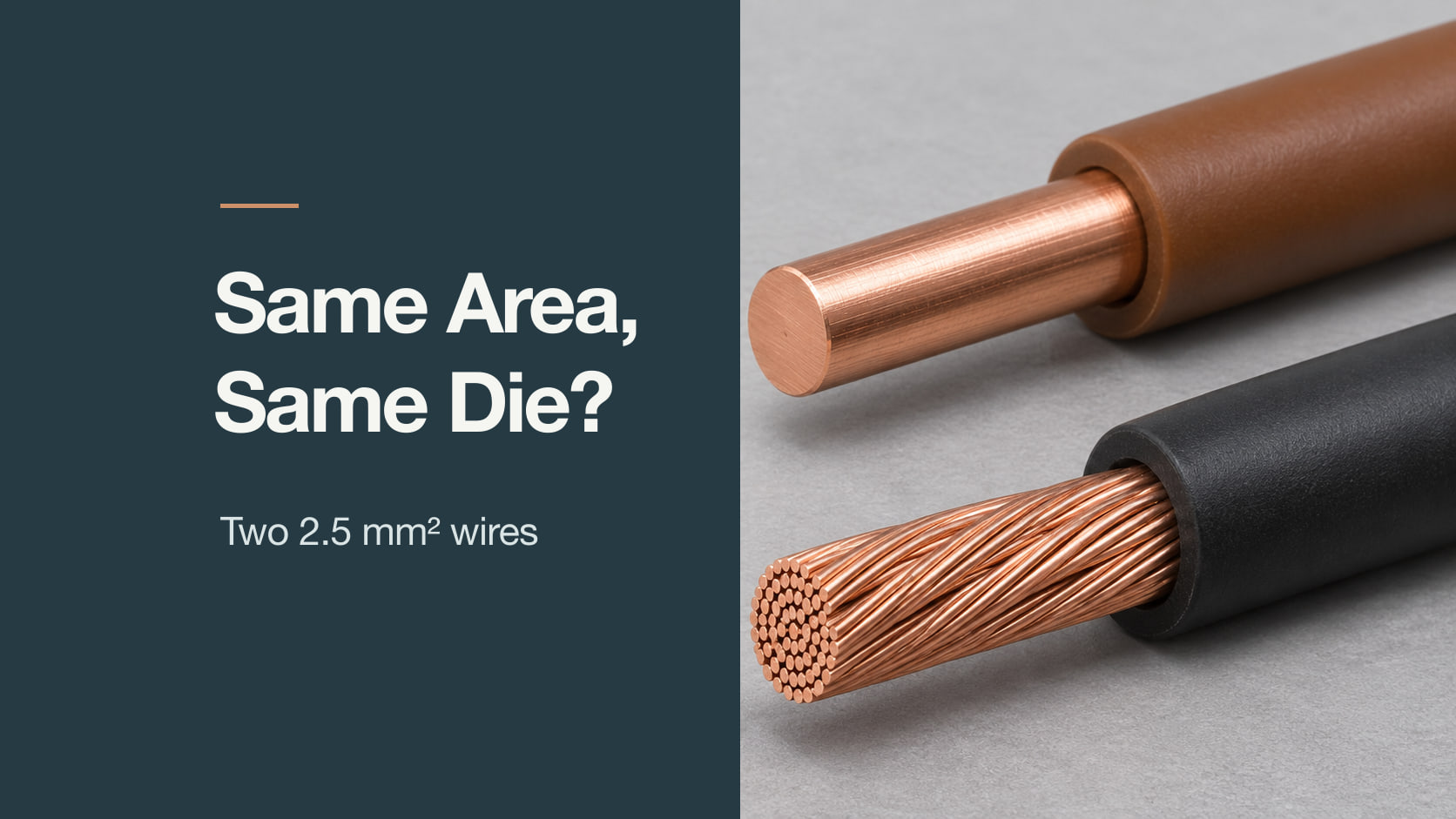
Put two Nexans data sheets side by side. Both products have the same nominal conductor size and the same published average insulation thickness. Now look at the bare diameter: it is 1.8 mm on the solid wire and 2.0 mm on the flexible one.12
| What the manufacturer lists | H07V-U: solid copper, Class 1 | H07V-K: flexible copper, Class 5 |
|---|---|---|
| Tiết diện danh nghĩa của ruột dẫn | 2.5 mm² | 2.5 mm² |
| Bare conductor diameter | 1.8 mm | 2.0 mm |
| Average PVC insulation thickness | 0.8 mm | 0.8 mm |
| Maximum finished outside diameter | 3.9 mm | 4.1 mm |
Read the last row as a limit on the finished wire, not a die setting. The guide tip sees the bare conductor: take a sample of each incoming conductor to the tooling discussion.
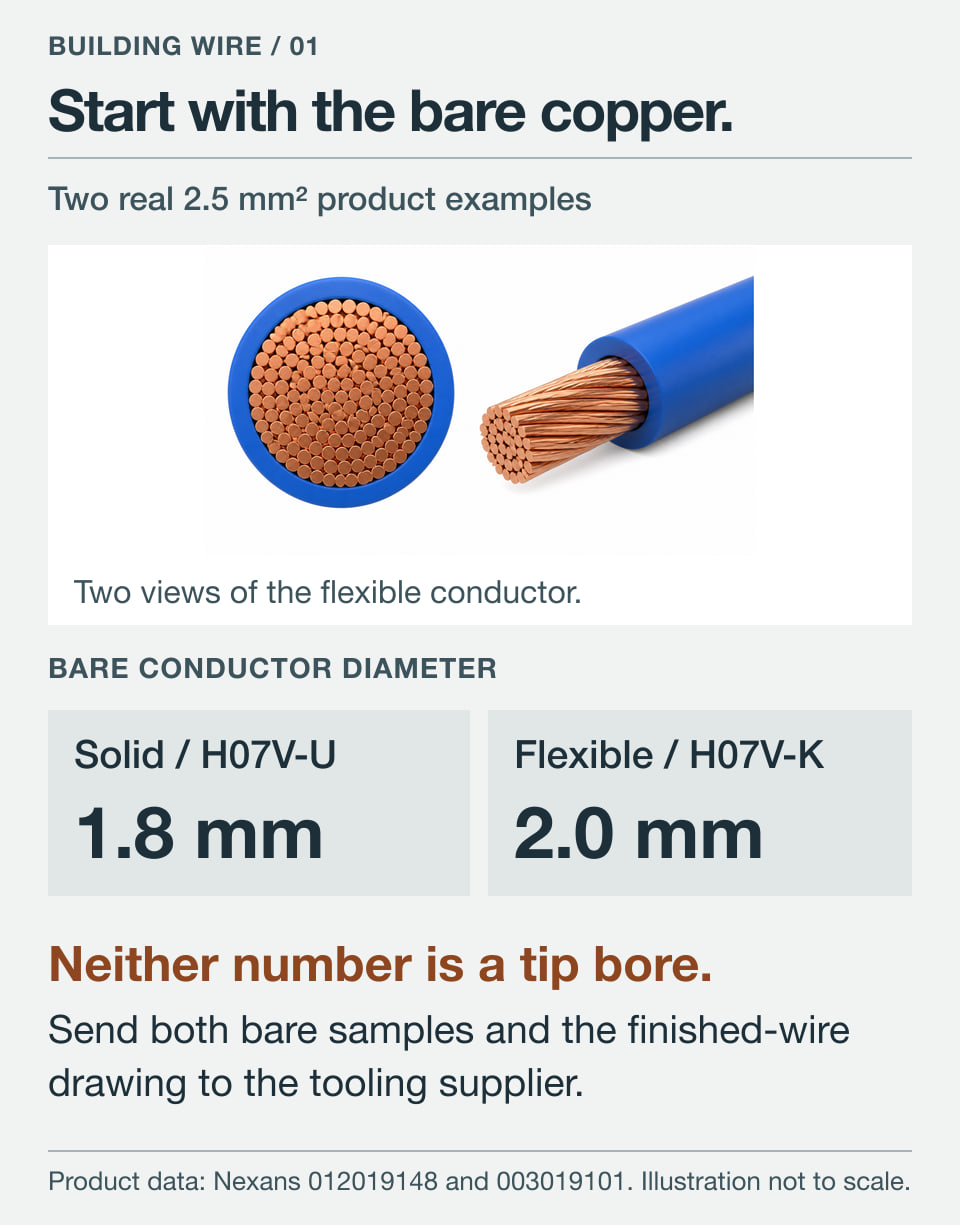
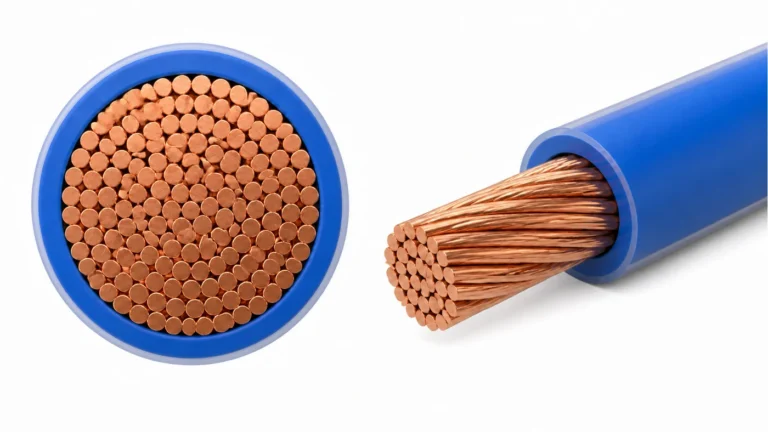
The two blue views show the same stranded construction. The guide has to fit the outside of the whole bundle, including the spaces between strands. The illustration is not a Nexans specimen; the two diameters come from the named product sheets, not the drawing.
Inside the extrusion head, the guide tip guides the bare conductor; the outer die shapes the PVC around it.3 Neither the nominal copper area nor the maximum finished diameter tells the buyer which tool opening to order. Nor does the difference between these two examples prove that both tools must change.
Give the tooling supplier a sample of each actual bare conductor, its outside-diameter range and the finished-wire drawing. Ask which guide tip and die it proposes for each. A common die with different tips is a possibility to trial, not something to accept from the “2.5 mm²” label alone.
Which machines can stay when the conductor changes?
First establish what arrives at the factory. If both bare conductors arrive ready for insulation on reels, the order can start at the payoff. If the factory starts from copper rod, the solid conductor needs drawing to the specified size and condition, but no bunching pass. The flexible conductor needs fine wires made or bought and then assembled to its drawing. If ready-drawn fine wires are purchased, compare wire bunching equipment for that step; there is no reason to include rod drawing in the same purchase.
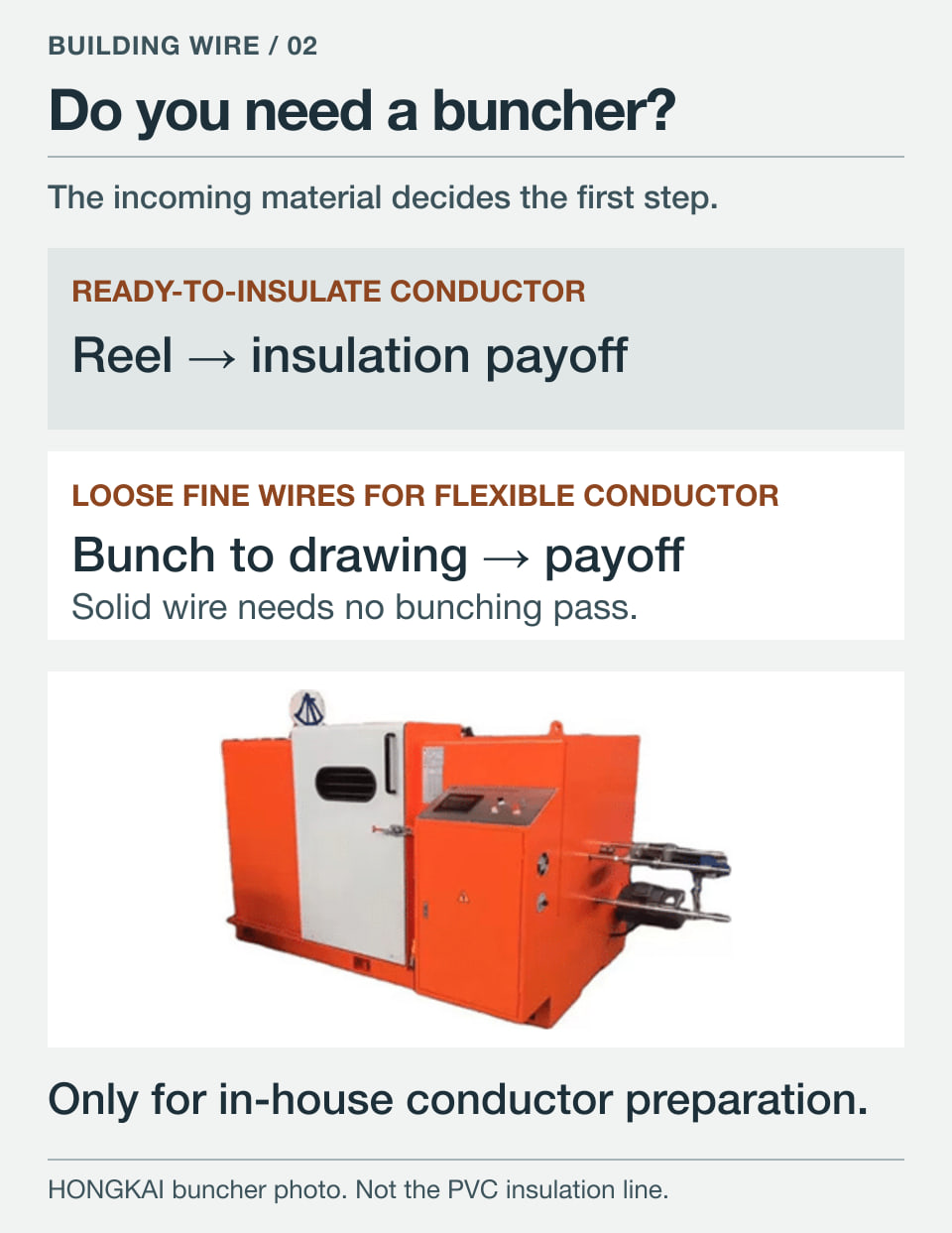
The HONGKAI machine in the photo belongs to the second route. If the supplier ships an already-bunched conductor on a reel, that reel goes to the insulation payoff. There is no extra bunching pass to buy.
| Part of the insulation line | When it can be shared | What to check at changeover |
|---|---|---|
| Payoff and inlet guides | Both supply reels fit and unwind under controllable tension. | Check reel bore, flange and weight. Watch how the fine strands enter the guide: do they stay together or catch? |
| Extruder and head | The machine can process both specified PVC compounds at the output each order needs. | Identify the tip and die by part number. On a cooled cut sample, check the wall all the way around the conductor. |
| Cooling, haul-off and winding | Both finished sizes can be cooled, pulled and packed on the installed units. | Check surface marks, winding tension and the final reel or coil. Confirm the packed wire pays out cleanly. |
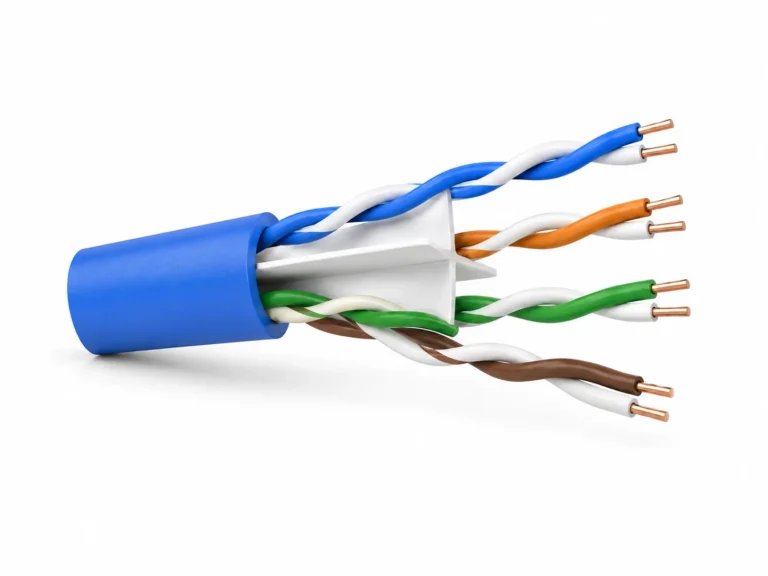
Here “flexible” describes the conductor in one insulated wire. If the order is for a flexible cord with several insulated cores under a common sheath, the insulation line produces the individual cores, not the finished cord. That needs a different tuyến sản xuất cáp hạ áp.
Make a coil of each before accepting the shared line
Ask the supplier to run the solid product, change over, then run the flexible product on the same proposed equipment. Use the intended conductors, PVC and delivery packs, or identify any substitutions in advance. Keep separate trial records so the result for one wire cannot be mistaken for the other.
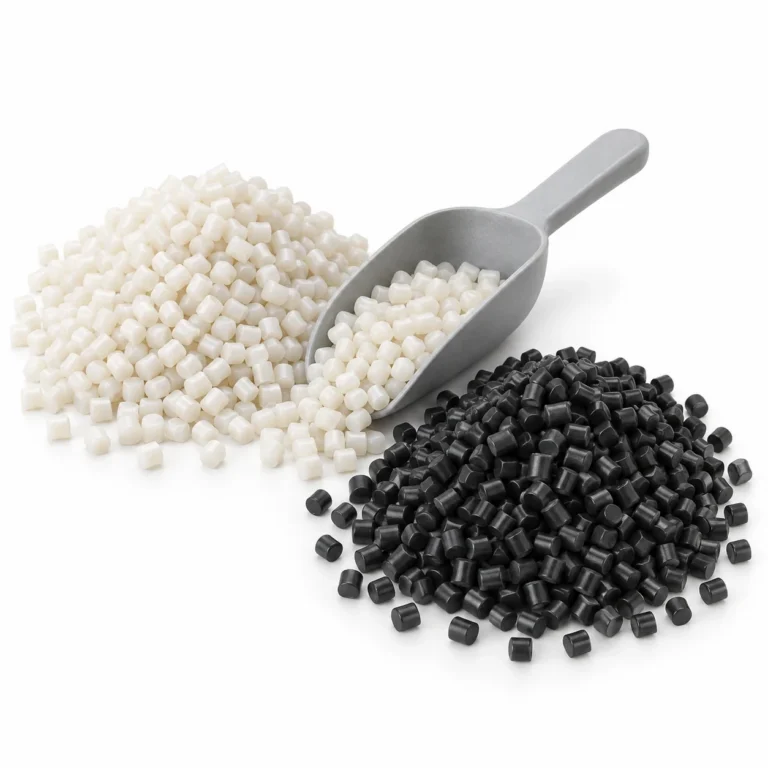
- Solid wire: Record the reel and tools used. On a cooled cut section, check the finished diameter and the thinnest insulation wall against the product specification. A round wire can still have a thin side if the copper is off-centre. Keep the electrical results the order calls for, such as conductor resistance, alongside the sample ID.
- Flexible wire: Repeat the same dimensional and specified electrical checks as for the solid wire. Also inspect the strand bundle at the guide and a stripped end from the finished coil. Use the agreed stripping method so damage caused by the stripping tool is not blamed on extrusion.
- Production planning: If these orders will alternate regularly, record the time from the last acceptable coil of solid wire to the first acceptable coil of flexible wire. Include that changeover and both orders' run hours in the shift plan. One line might make both wires well and still miss their delivery dates.
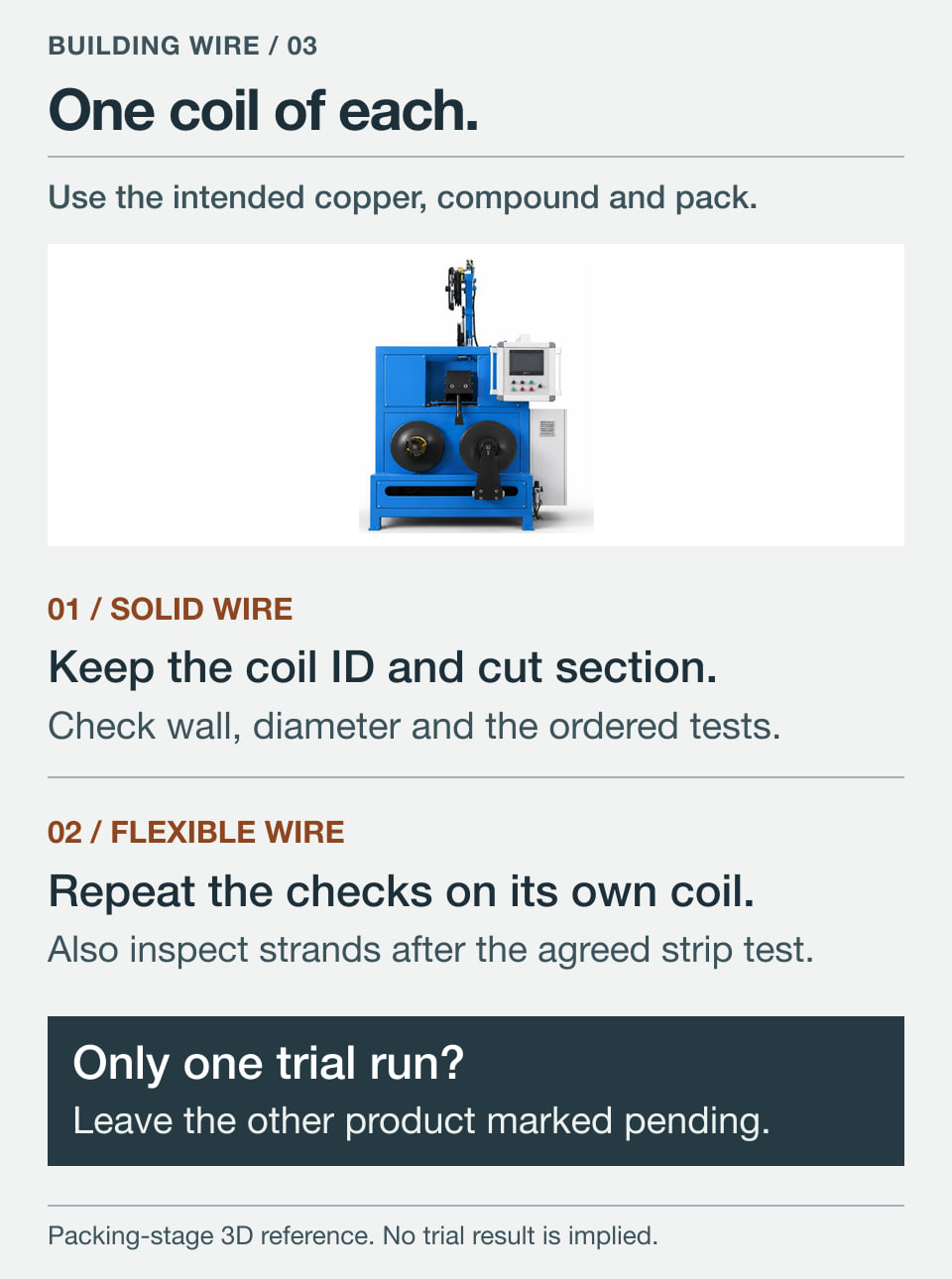
The coiler is a packing-stage illustration, not a trial result. Finish each run with the pack the customer buys. Check the ordered length and unwind a sample from each coil; a good cut section cannot tell you whether the wire will snag.
Ask for a quotation that names what stays, what changes and what was demonstrated. If both trials pass and only the tools change, compare the price of one line plus those tools. If the flexible wire runs well but its delivery reel does not fit, price a suitable take-up before assuming you need a second extrusion line. If only the solid wire was run, record “solid wire demonstrated; flexible wire trial pending.”
-
Nexans La Triveneta Cavi, H07V-U 1 × 2.5, reference 012019148, construction and dimensional characteristics. ↩
-
Nexans La Triveneta Cavi, H07V-K 1 × 2.5, reference 003019101, construction and dimensional characteristics. These are product examples, not HONGKAI output claims. ↩
-
Esteves Group, extrusion tips and dies for wire insulation. The tooling manufacturer distinguishes the wire guide from the die that shapes the insulation; it does not specify tool sizes for either wire in the comparison. ↩


 English
 Русский
 हिन्दी
 한국어
 বাংলা
 Bahasa Indonesia
 Tiếng Việt
 മലയാളം
 Português do Brasil
 العربية
 فارسی