















01
SELECTED LAN PROCESS LINE
LAN 쌍 트위스팅 라인
공장에 장비를 배치하기 전에 코어 구조, 페어 비틀기, 페어 레이 및 백-비틀기 요구사항을 선택하십시오.
02
PROCESS ROUTE
케이블 설계에 페어링을 활용하십시오
Turn insulated conductors into the twisted pairs used by the LAN cable assembly stage. Match pair lay, tension, direction, back-twist and reel interfaces to the intended cable construction.
Pair twisting sits between insulated-core production and cable-core assembly. It is relevant when you need to create the required pair geometry, review back-twist or balance pairing output with a cabling line. The important decision is the pairing route for the actual core. A triple pair-twist family and a back-twist pay-off with a pairing system are different arrangements. Review each against the cable drawing, reel interfaces and agreed working target before treating a catalog model as a selected line.
Incoming material
Two approved insulated conductors per pair
Finished output
Twisted pair on a receiving reel
Select by
Pair geometry, back-twist and production balance
Line scope
승인된 케이블 도면 및 프로젝트 입력에서 확인됨
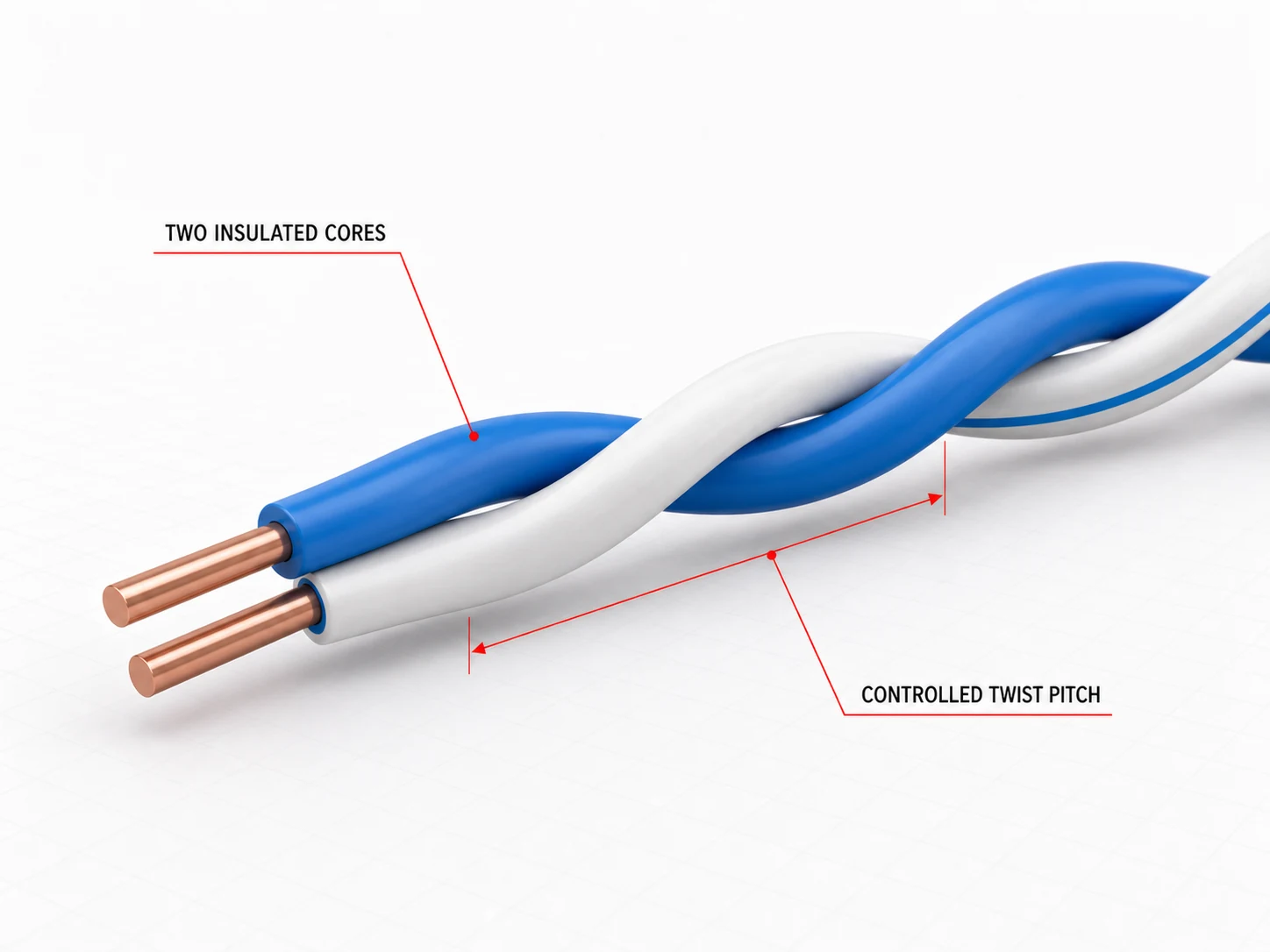
Two insulated cores become one controlled pair
The illustration makes the pair geometry easier to review. Specify the lay and direction for each pair, then connect those settings to core tension, back-twist and the cabling reel format.
생산 공정을 따르십시오
STAGE 01
Feed the insulated cores
Confirm core diameter, insulation construction and pay-off packages. Where back-twist is required, specify the pay-off arrangement and its relationship to pair formation.
STAGE 02
Form the pair
Set the pair-specific lay and direction with the required tension and back-twist controls. A triple pair-twist family and a separate back-twist pay-off plus pairing system are distinct configuration routes.
STAGE 03
Receive for cabling
Collect each pair on a package compatible with the cabling pay-offs. Balance the required pair output with the downstream four-pair assembly operation.
What a well-defined line gives your project
A route selected for the pair
Put core dimensions, pair lay, direction and back-twist into the specification. These inputs explain why a particular pairing arrangement is being considered.
A receiving package that fits cabling
Review the output reel against the cabling pay-offs. The pairing and assembly stages then share a defined transfer interface.
An allocation based on factory balance
Use the required pair outputs and downstream demand to review the number of pairing sets. A reference-project quantity remains a reference rather than a default purchase list.
03
LINE EQUIPMENT
Equipment duties and configuration
Review each module by its function and the project input it needs. Use the documented arrangement as a configuration reference.

Inspect the pairing equipment arrangement
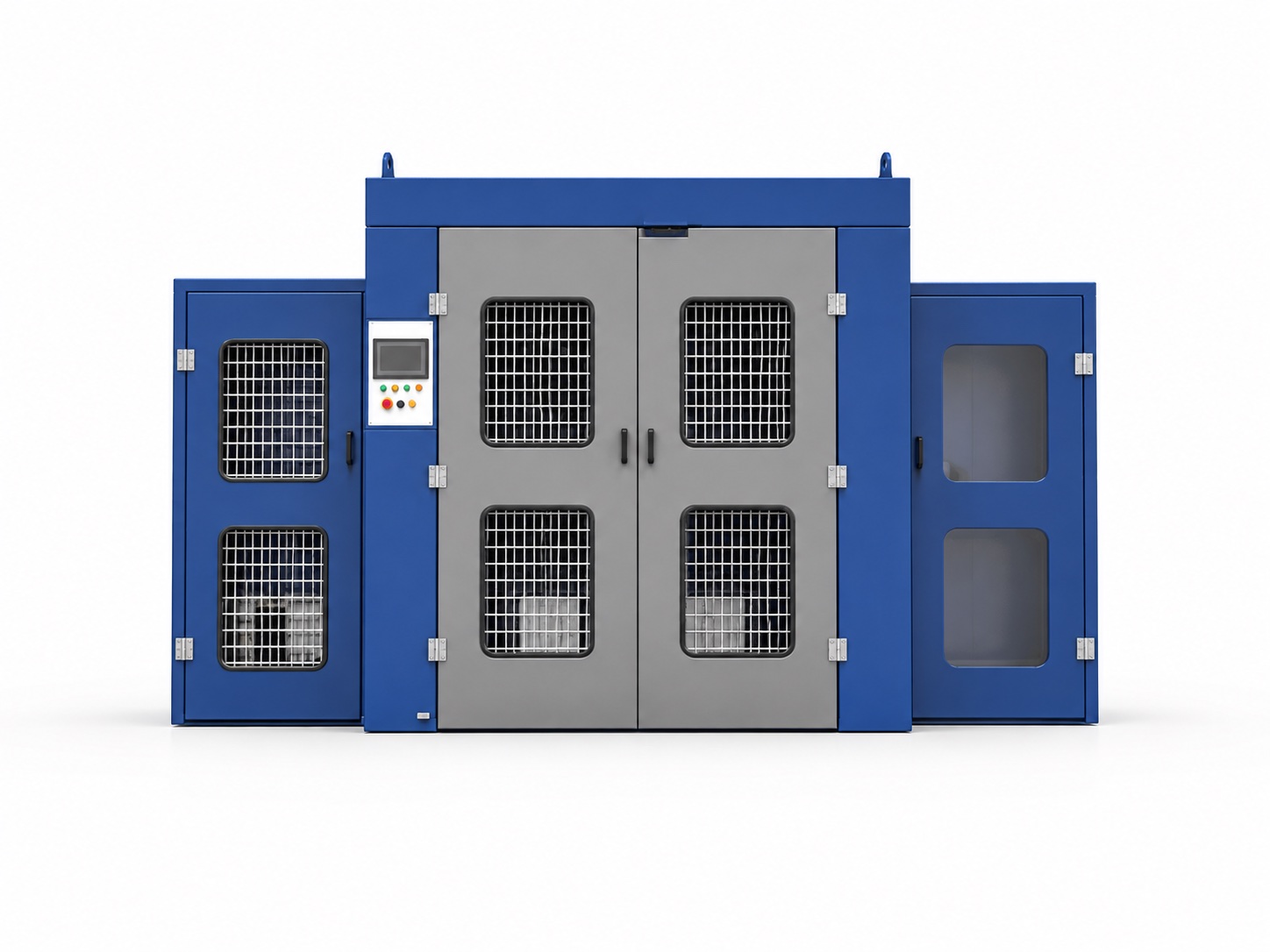
Compare the illustrated triple-twist family with the pay-off and back-twist route in your proposal. Reel handling, tension control and guarding belong in the configuration review.
Two-core pay-off and reel handling
Feed the two specified insulated conductors. Confirm reel geometry, core handling and the tension requirements for the selected pair.
Back-twist pay-off where the selected route requires it
The CAT7 reference uses a 500 mm double-disc horizontal back-twist pay-off with auxiliary traction before the pairing machine. Its back-twist adjustment is specified separately from the pair-forming machine.
Pair-twisting equipment selected for the core construction
The CAT5/CAT6 project specifies HK-500 triple twisting with electronically set pitch. The CAT7 pairing reference uses a separate machine and change-gear pitch adjustment; these control arrangements are not interchangeable.
Tension coordination and auxiliary haul-off
Review the tension path and any auxiliary haul-off through pair formation. Define the settings and adjustments that belong in the selected configuration.
Lay, direction and length controls
Specify pair lay, direction and length-control duties. These settings must refer to the intended cable design and the agreed inspection basis.
Pair take-up and the specified interlocks
Collect the pair on the package required by cabling. Confirm take-up, interlocks and the handling sequence at the transfer point.
Configuration reference
Two documented pairing routes
- CAT5/CAT6 reference: HK-500 triple-twist machine; 500 mm reels; electronic pitch 1-60 mm; maximum rotational speed 2,000 rpm.
- The triple-twist arrangement includes external pay-off, internal rotary pay-off, servo twisting, servo traction and rotary shaftless take-up.
- CAT7 reference: 500 mm double-disc horizontal back-twist pay-off, auxiliary traction and a separate PLC pairing machine.
- CAT7 reference pairing pitch: 4.22-41.62 mm with change gears. The back-twist unit and pairing machine have separate ratings.
Choose one route for the specified insulated cores and pair lay. Reference-project quantities and machine maxima are not a common working output for both routes.
구성 경로 선택
HK-500 triple-twist route Review the 500 mm reel system, servo twisting and traction, electronic 1-60 mm pitch setting and safety interlocks for the approved CAT5/CAT6 core construction.
CAT7 back-twist and pairing route Review the separate 500 mm horizontal back-twist pay-off, auxiliary traction and pairing machine. Confirm the required back-twist setting and change-gear pair lay.
Factory allocation
After the route is selected, evaluate the required pairing sets against pair-specific working output and downstream assembly demand. Do not combine alternatives into an assumed supply scope.
HONGKAI LAN pair-twisting operating reference. Pair settings and acceptance checks follow the project specification.
Watch LAN pair twisting in operation
Look at how the insulated cores are guided and collected while the pair is formed. Review the exact pay-off and back-twist arrangement with your proposed scope.
- Core guidance into the twisting operation
- Pair collection and reel handling
- Machine enclosure and operator access
04
FACTORY INPUTS
Define the line before comparing quotations
Use the same cable, material and receiving-package requirements when comparing configurations. Unknown items can remain questions for the review.
Your selection brief
Core and pair dimensions
Provide conductor and insulation dimensions, pair outside diameter and the insulation material.
Pair settings
Supply the required lay for each pair, direction, back-twist requirement and acceptance criteria.
Factory balance
Define the receiving reels, production target and downstream cabling interfaces before deciding the number of pairing sets.
Inputs to include
Insulated core
Conductor and insulation dimensions, material and core sample.
페어 구조
Pair outside diameter and the required lay for each pair.
Rotation requirements
Lay direction, back-twist requirement and the chosen process route.
Reel interfaces
Incoming core reels and receiving pair reels with dimensions.
Production balance
Pair mix, required working output and downstream cabling demand.
수락
Pair geometry, handling checks and finished-cable electrical test basis.
05
SUPPLY SCOPE & QUALITY
Agree supply scope and acceptance
Put the selected equipment, plant interfaces and product-specific checks into the written proposal.
ACCEPTANCE CHECKPOINTS
Checks to agree
- Agree how pair lay and core geometry will be checked at the selected operating point.
- Review tension and handling through both pairing and cabling.
- Confirm the finished-cable electrical tests required by the cable specification.
SUPPLY BOUNDARY
확인할 범위
Identify whether the proposal supplies the HK-500 triple-twist route or the separate CAT7 back-twist and pairing system. List pay-offs, traction, take-up, controls, reels and interlocks for the chosen route.
Define the acceptance sequence
Trial basis
Agree the representative insulated cores, pair settings and receiving reels for the trial.
Line and product checks
Check pair lay and geometry at the selected operating point, including the required tension and back-twist arrangement.
Records and transfer
Record the pair sample and handling checks; evaluate cable-category acceptance using the complete finished-cable test basis.
06
RELATED ROUTES
Connect the upstream and downstream stages
Review the material and receiving packages on both sides of this line, then compare the complete LAN cable route.
Incoming operation
Incoming insulated cores come from the approved solid or foamed insulation route.
Next operation
Completed pairs enter the cable-core assembly and taping operation.
Interface to confirm
Confirm that the pair take-up packages can be used by the selected cabling pay-offs and define any intermediate handling.
07
REFERENCE PRICING
Plan your equipment budget
Review the EXW reference price for the named configuration, then request a quotation against your cable drawing, output target and required supply scope.
HK-500 triple-twist configuration
USD 29,300
Per machine
HK-500 horizontal back-twist and pairing configuration
USD 32,000
Per reference set
EXW. Taxes excluded.
Confirm your quotation scope
The CAT5/CAT6 triple-twist route with electronic pitch control. The separately configured horizontal back-twist and pair-twisting route.
Prices are in USD on an EXW basis and exclude taxes. They apply to the named reference configurations. Final price and validity depend on the agreed equipment, tooling, auxiliaries and project requirements.
Confirm the supply boundary and delivery arrangements in the quotation.
08
CUSTOMER FEEDBACK
Good value, with one project team
Feedback from Devang Shah on HONGKAI’s LAN cable equipment and one-stop project service for Channeltech Systems in India.
Devang Shah
Channeltech Systems
인도
1 customer review
LAN cable equipment project
Equipment value and project support
HONGKAI’s LAN cable production equipment offers good value for money. The service is good, and the one-stop solution saved time for our project.
English summary of customer feedback.
09
QUESTIONS BEFORE SELECTION
Questions before selecting the line
Clarify configuration choices, material duties and process boundaries before turning a reference arrangement into an equipment order.
Pair twisting combines two insulated conductors. Cabling assembles the completed pairs into the cable core and may introduce separator or wrapping elements.
The cable category depends on the complete cable construction and its specified electrical acceptance tests. Pair-twisting equipment is one stage in that route.
Calculate the allocation from the required output, pair lays, working speeds and downstream balance. A quantity shown in a reference project is not a universal requirement.
Compare each route for the same core, pair lay, back-twist duty and receiving package. Their general catalog operating ranges are not interchangeable production commitments.
Check the cabling pay-off capacity and reel drawing, the required pair length and the handling method. Include those interfaces in the pairing proposal.
Provide the core and pair drawings, pair-specific settings, process route, reel formats and working target. Include the electrical acceptance requirement for the completed cable project.
10
PROJECT ENQUIRY
Request a line configuration
LAN 쌍 트위스팅 라인
Include core dimensions, insulation material, pair lays and directions, back-twist requirement, reel drawings and the required pair output. Identify the cabling equipment that will receive the pairs.
Use the review to agree
- The equipment arrangement and selected configuration route.
- Incoming material, receiving package and plant interfaces.
- The working target, supplied instruments and acceptance basis.
Send the information you already have. Mark undecided requirements for discussion rather than guessing a specification.
 English
 Русский
 हिन्दी
 한국어
 বাংলা
 Bahasa Indonesia
 Tiếng Việt
 മലയാളം
 Português do Brasil
 العربية
 فارسی