












कई केबल निर्माता अपने विशिष्ट उत्पादन लक्ष्यों के लिए उन्हें क्या आवश्यकता है, इसे समझने के कारण गलत उपकरणों पर पैसा बर्बाद कर देते हैं।.
सही केबल मशीनरी चुनने के लिए विस्तृत केबल विनिर्देश, सटीक उत्पादन क्षमता की गणना, उचित कारखाना लेआउट योजना और पूर्ण सामग्री आवश्यकताएँ आवश्यक हैं। यह व्यवस्थित दृष्टिकोण महंगी गलतियों को रोकता है और उत्कृष्ट उपकरण प्रदर्शन सुनिश्चित करता है।.
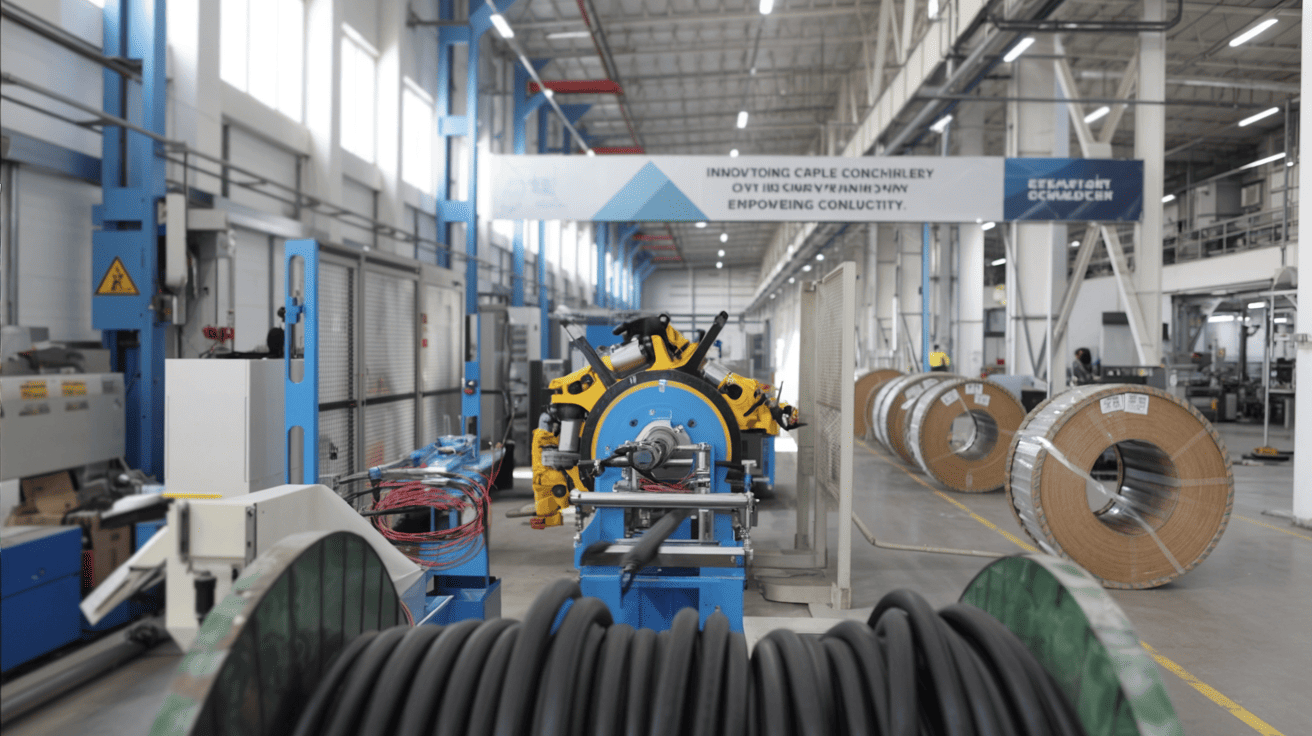
HONGKAI पर, मैंने बहुत सारे निर्माताओं को केबल उपकरण खरीदते समय महंगी गलतियाँ करते देखा है। वे कीमत और डिलीवरी समय पर ध्यान केंद्रित करते हैं लेकिन सफलता या असफलता निर्धारित करने वाली मूलभूत आवश्यकताओं को नज़रअंदाज़ कर देते हैं।.
विस्तृत विनिर्देशों के बिना अधिकांश केबल मशीनरी खरीदारियाँ क्यों विफल हो जाती हैं?
जब निर्माता विस्तृत विनिर्देशों के बजाय अस्पष्ट आवश्यकताएँ प्रदान करते हैं, तो केबल मशीनरी खरीदारियाँ विफल हो जाती हैं, जिससे ऐसे उपकरण मिलते हैं जो उनके लक्ष्यित केबल को कुशलता से उत्पादित नहीं कर सकते।.
विशिष्ट केबल ड्राइंग, सामग्री आवश्यकताएँ और उत्पादन मानकों के बिना, आपूर्तिकर्ता सही तार ड्राइंग मशीनें, एक्सट्रूज़न लाइनें या स्ट्रैंडिंग उपकरण सुझा नहीं सकते। यह असंगति गुणवत्ता समस्याओं, उत्पादन बॉटलनेक और महंगे उपकरण संशोधनों का कारण बनती है।.

पिछले वर्ष, जर्मनी से एक निर्माता हमसे संपर्क करने आया और "मानक बिजली केबल उपकरण" के लिए पूछा। उसके पास €400,000 का बजट था और वह तीन महीनों के भीतर उत्पादन शुरू करना चाहता था। हमारी पहली बैठक के दौरान, उसने मुझे बिना किसी तकनीकी विवरण के बिजली केबल का एक सरल स्केच दिखाया।.
यह दृष्टिकोण गंभीर समस्याएँ पैदा करता है। केबल मशीनरी विशिष्ट अनुप्रयोगों के लिए डिज़ाइन की जाती है। एकल-कोर बिल्डिंग वायर के लिए जो मशीन पूरी तरह से काम करती है, वह बहु-कोर शील्डेड केबल को संभाल नहीं सकती। तनाव नियंत्रण प्रणालियाँ, व्यास की सीमाएँ और प्रोसेसिंग गति पूरी तरह अलग होती हैं।.
यहाँ उचित विनिर्देशों के बिना आमतौर पर क्या गलत होता है:
सामान्य विनिर्देश समस्याएँ
उपकरण असंगति:
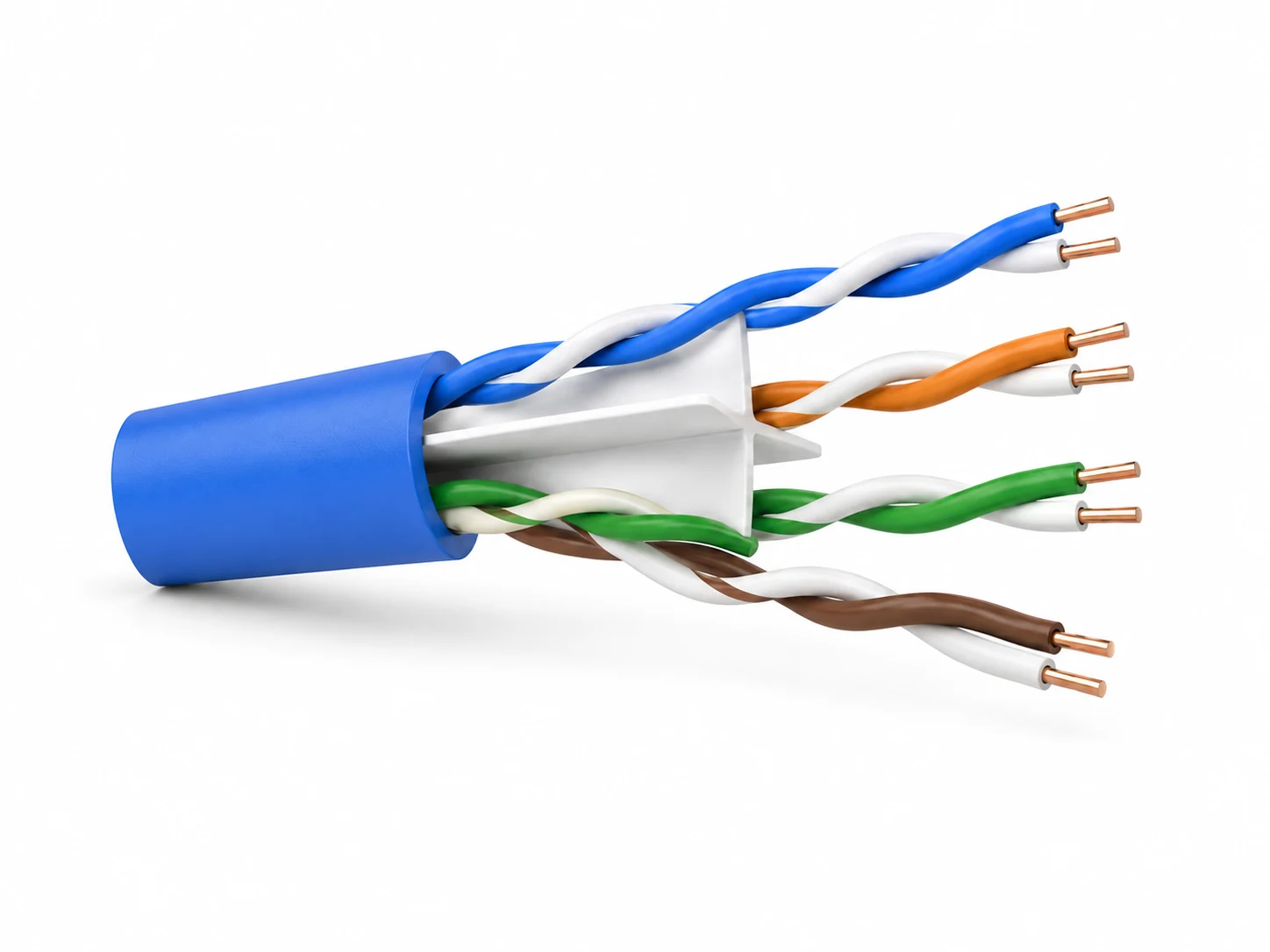
जब खरीददार सटीक केबल प्रकार निर्दिष्ट नहीं करते, तो वे अक्सर बुनियादी उपकरण प्राप्त करते हैं जो उनकी आवश्यकताओं को पूरा नहीं कर सकते। उदाहरण के लिए, यदि आपको FTP या STP केबल उत्पादित करने की आवश्यकता है, तो UTP केबल लाइन खरीदने का मतलब है कि आपको बाद में महंगे संशोधन करने होंगे।.
गति और क्षमता समस्याएँ:
अलग-अलग केबल प्रकारों के लिए अलग-अलग उत्पादन गतियाँ आवश्यक होती हैं। शील्डेड केबल के लिए धातु ब्रेडिंग 5 m मीटर प्रति मिनट पर चलती है, जबकि इंसुलेशन एक्सट्रूज़न 50-90 m मीटर प्रति मिनट तक पहुँच सकता है। इन विवरणों को न जानने पर, निर्माता अक्सर असंतुलित उत्पादन लाइनों के साथ समाप्त हो जाते हैं।.
गुणवत्ता नियंत्रण समस्याएँ:
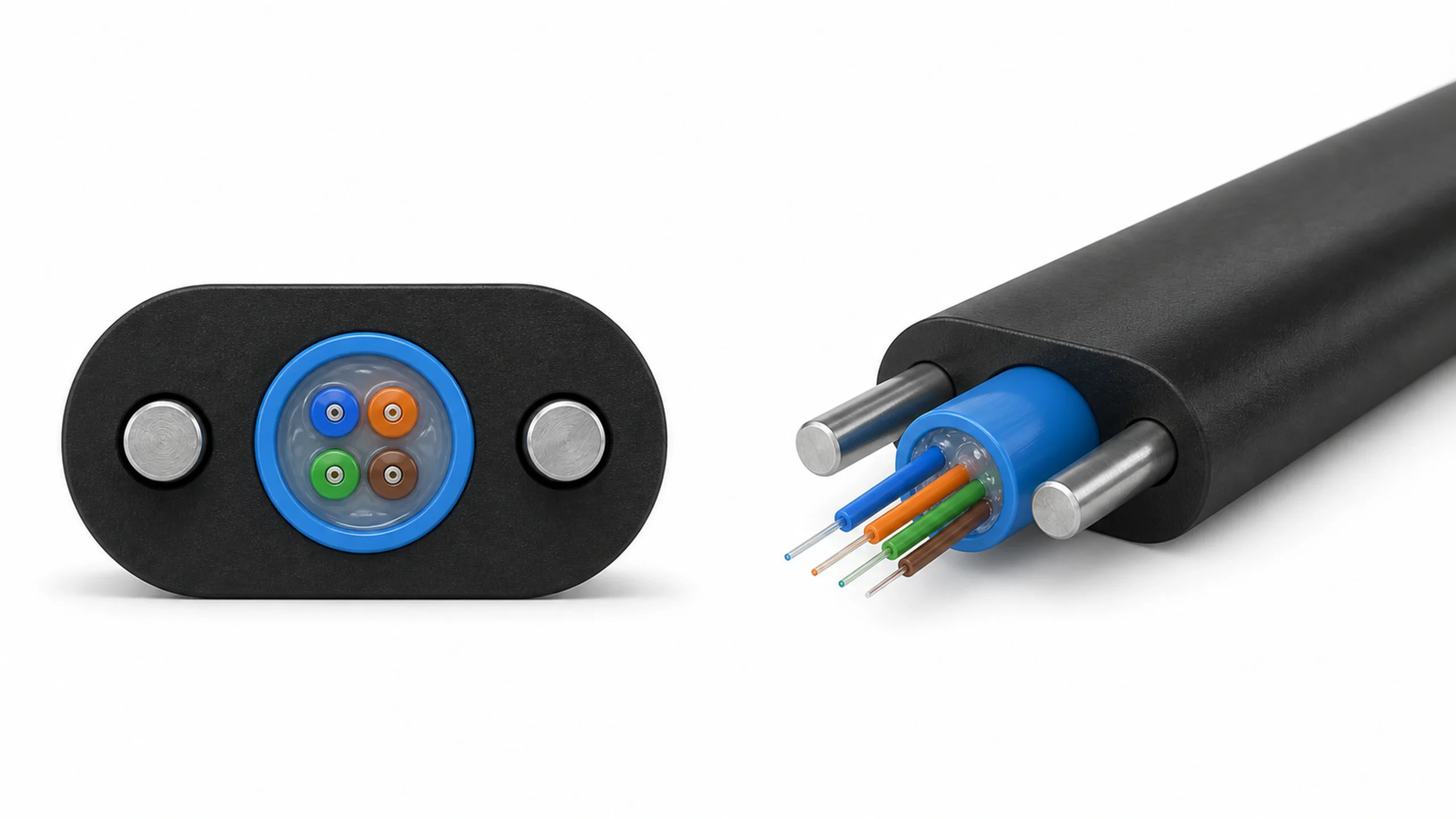
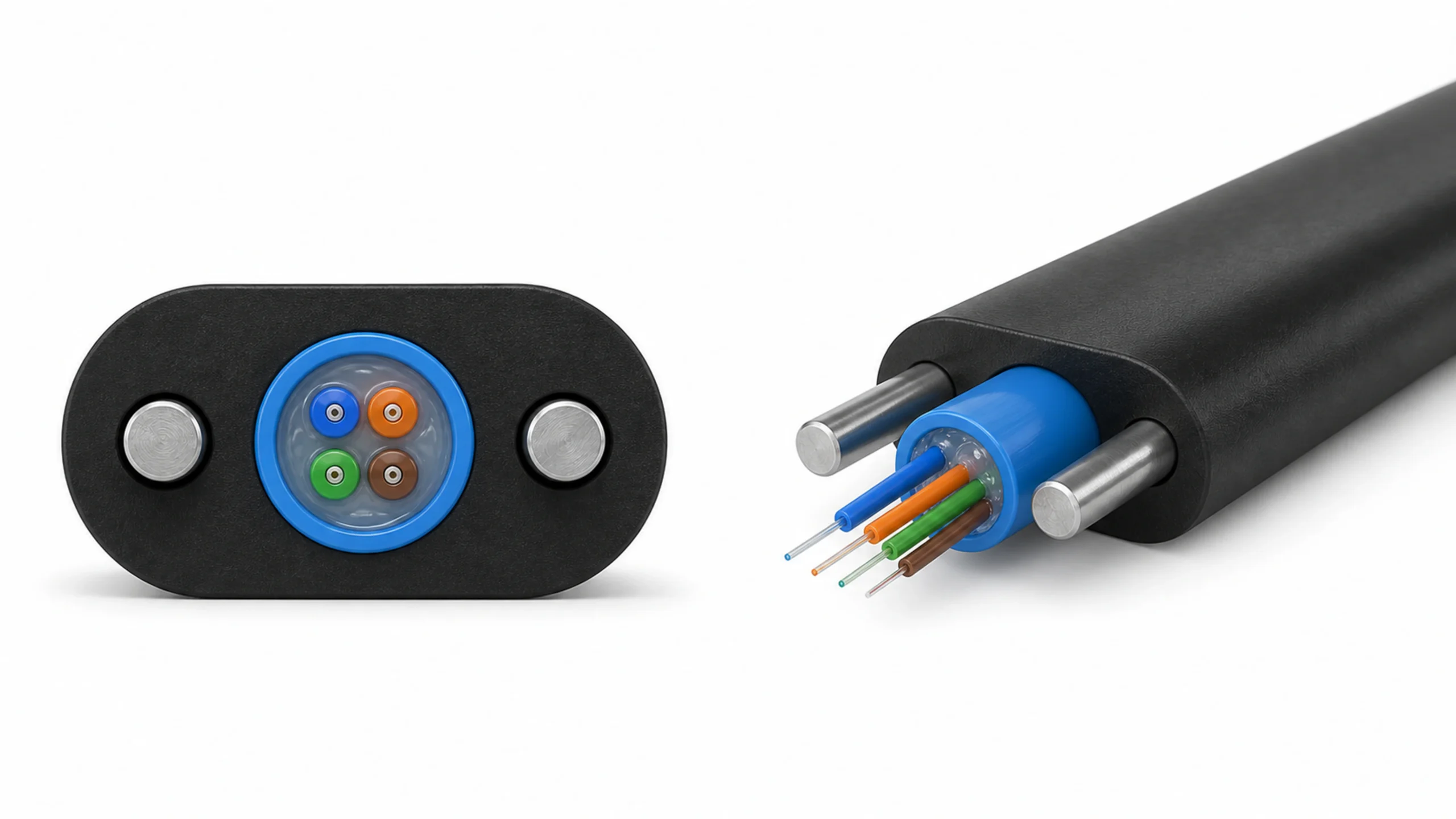
तनाव नियंत्रण की आवश्यकताएँ केबल प्रकारों के बीच भिन्न होती हैं। बिल्डिंग वायर के लिए बुनियादी तनाव प्रणालियाँ पर्याप्त होती हैं, लेकिन फाइबर ऑप्टिक केबल के लिए संकेत हानि को रोकने के लिए सटीक तनाव नियंत्रण की आवश्यकता होती है। गलत विनिर्देश गुणवत्ता समस्याओं का कारण बनते हैं जो आपकी प्रतिष्ठा को नुकसान पहुँचाते हैं।.
छिपी हुई लागतें:
अस्पष्ट विनिर्देश अक्सर निम्न प्रारंभिक उद्धरण का कारण बनते हैं जिनमें आवश्यक घटक शामिल नहीं होते। खरीददार यह सोचते हैं कि वे एक अच्छा सौदा पा रहे हैं, जब तक कि उन्हें यह पता नहीं चलता कि उन्हें शील्डिंग, आर्मरिंग या विशेष इन्सुलेशन सामग्री के लिए अतिरिक्त उपकरण की आवश्यकता है।.
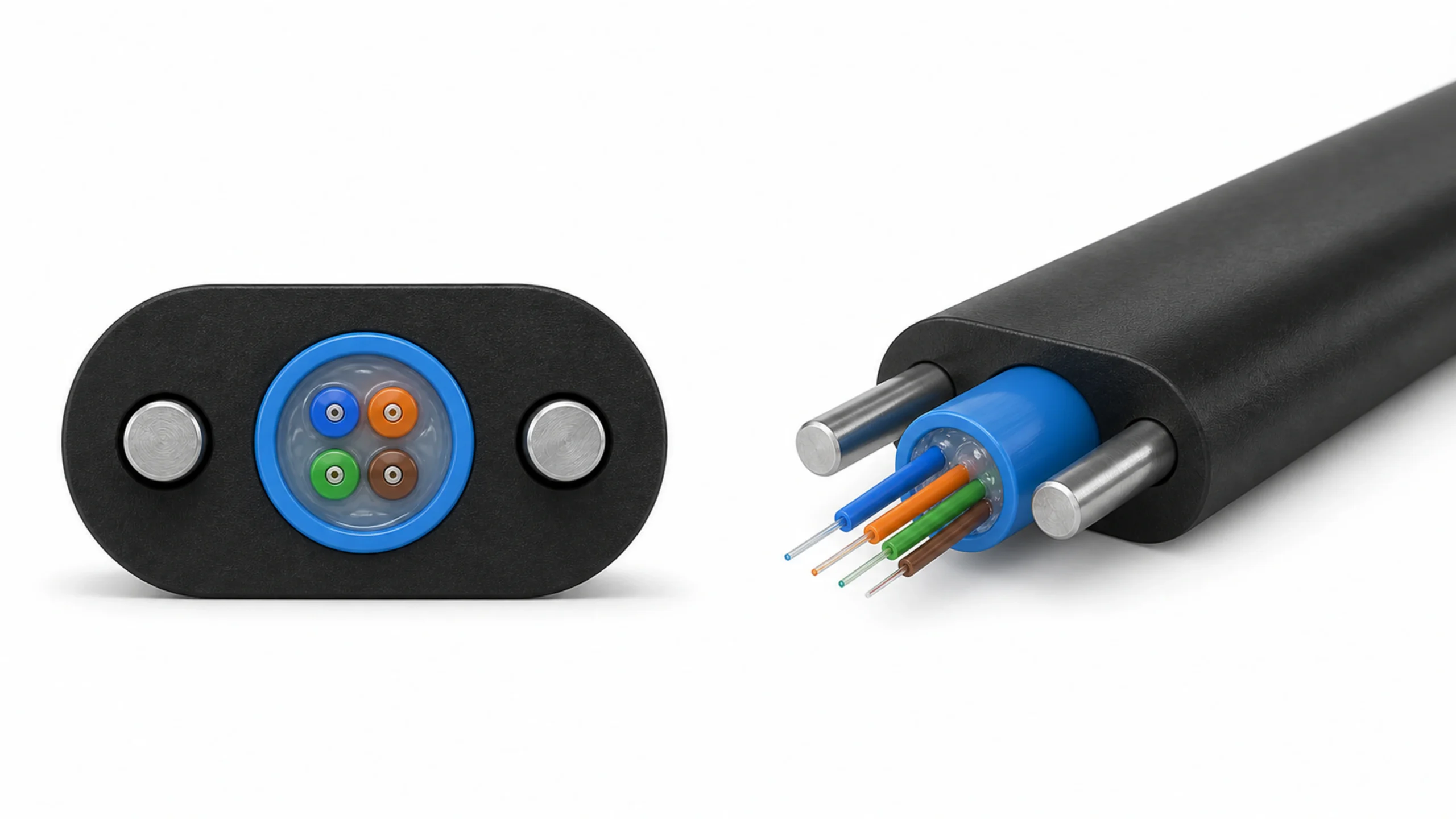
जर्मन निर्माता ने अंततः विस्तृत केबल ड्राइंग्स1 प्रदान कीं जिनमें तीन अलग-अलग केबल निर्माण दिखाए गए। उनके विनिर्देशों में यह पता चला कि उन्हें विशेष आर्मरिंग उपकरण और उच्च तापमान प्रसंस्करण क्षमताओं की आवश्यकता है। यह जानकारी हमारी उपकरण सिफारिश को पूरी तरह बदल गई और परियोजना लागत में €150,000 जोड़ दिया, लेकिन इससे यह सुनिश्चित हुआ कि वह अपने लक्ष्य केबल बना सके।.
उपकरण उद्धरण के लिए आपको किन केबल विनिर्देशों की तैयारी करनी चाहिए?
पूर्ण केबल विनिर्देश आपूर्तिकर्ताओं को सटीक उपकरण कॉन्फ़िगरेशन सिफारिश करने में सक्षम बनाते हैं, जिससे असंगत मशीनरी और पहले दिन से सफल उत्पादन की रोकथाम होती है।.
आवश्यक विनिर्देशों में आयाम, चालक विन्यास, इन्सुलेशन सामग्री, शील्डिंग आवश्यकताओं, वोल्टेज रेटिंग और अनुपालन मानकों के साथ विस्तृत केबल ड्राइंग्स शामिल हैं। ये विवरण यह निर्धारित करते हैं कि आपको बेसिक एक्सट्रूज़न लाइन्स की आवश्यकता है या जटिल केबल निर्माण के लिए विशेष उपकरण।.
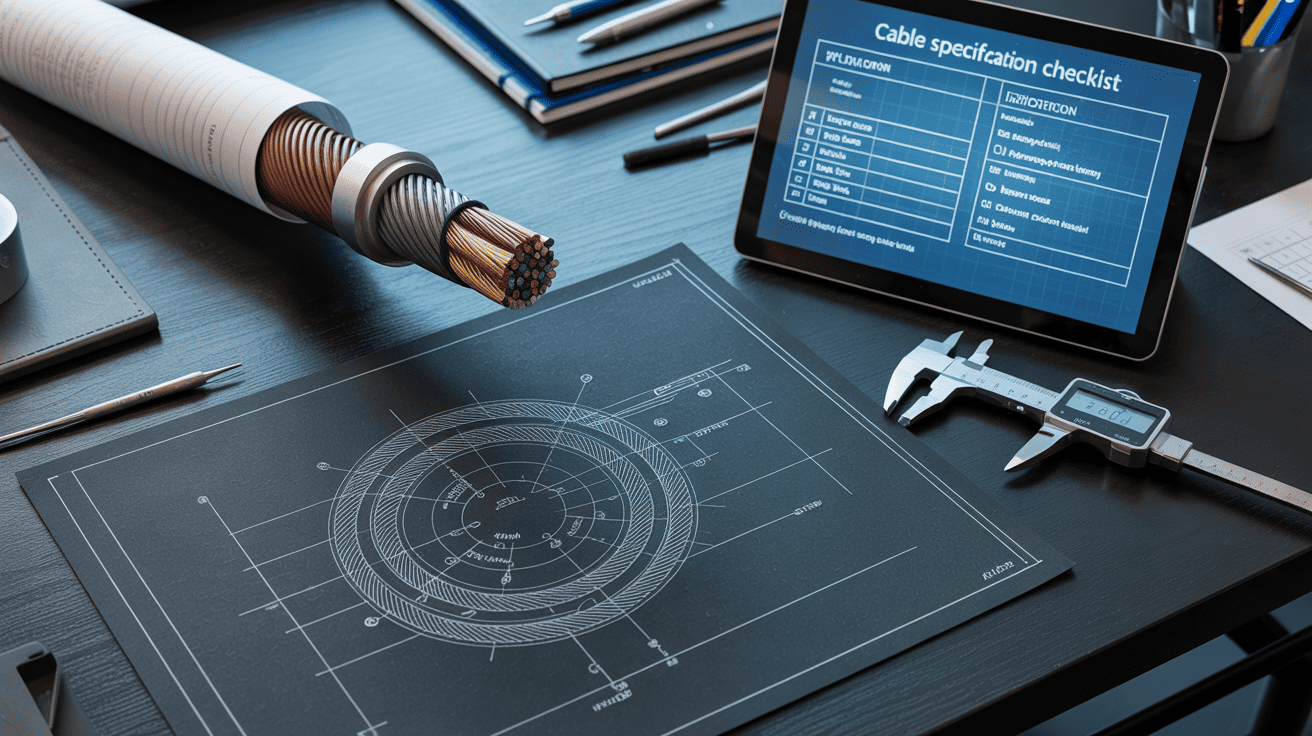
मेरे HONGKAI में अपने करियर की शुरुआत में, मैंने एक एशियाई निर्माता के साथ एक चुनौतीपूर्ण परियोजना के माध्यम से इस सबक को सीखा। उन्हें Cat6 डेटा केबल बनाने की इच्छा थी, लेकिन उन्होंने केवल "नेटवर्क केबल" के बारे में बुनियादी जानकारी प्रदान की। मुख्य इंजीनियर हुआंग कै और मैंने एक सटीक उद्धरण देने से पहले सप्ताहों तक अतिरिक्त विवरण मांगे।.
उल्लेखनीय बदलाव तब आया जब उन्होंने अंततः BS 6724 and IEC 60331 जैसे अंतर्राष्ट्रीय मानकों के अनुसार पूर्ण तकनीकी ड्राइंग्स भेजीं। इनमें जोड़ी ट्विस्टिंग, शील्डिंग सामग्री और अग्नि प्रदर्शन रेटिंग के लिए विशिष्ट आवश्यकताएं दिखाई गईं जिन्होंने हमारी उपकरण सिफारिश को पूरी तरह बदल दिया।.
पूर्ण विनिर्देश आवश्यकताएं
चालक विवरण:
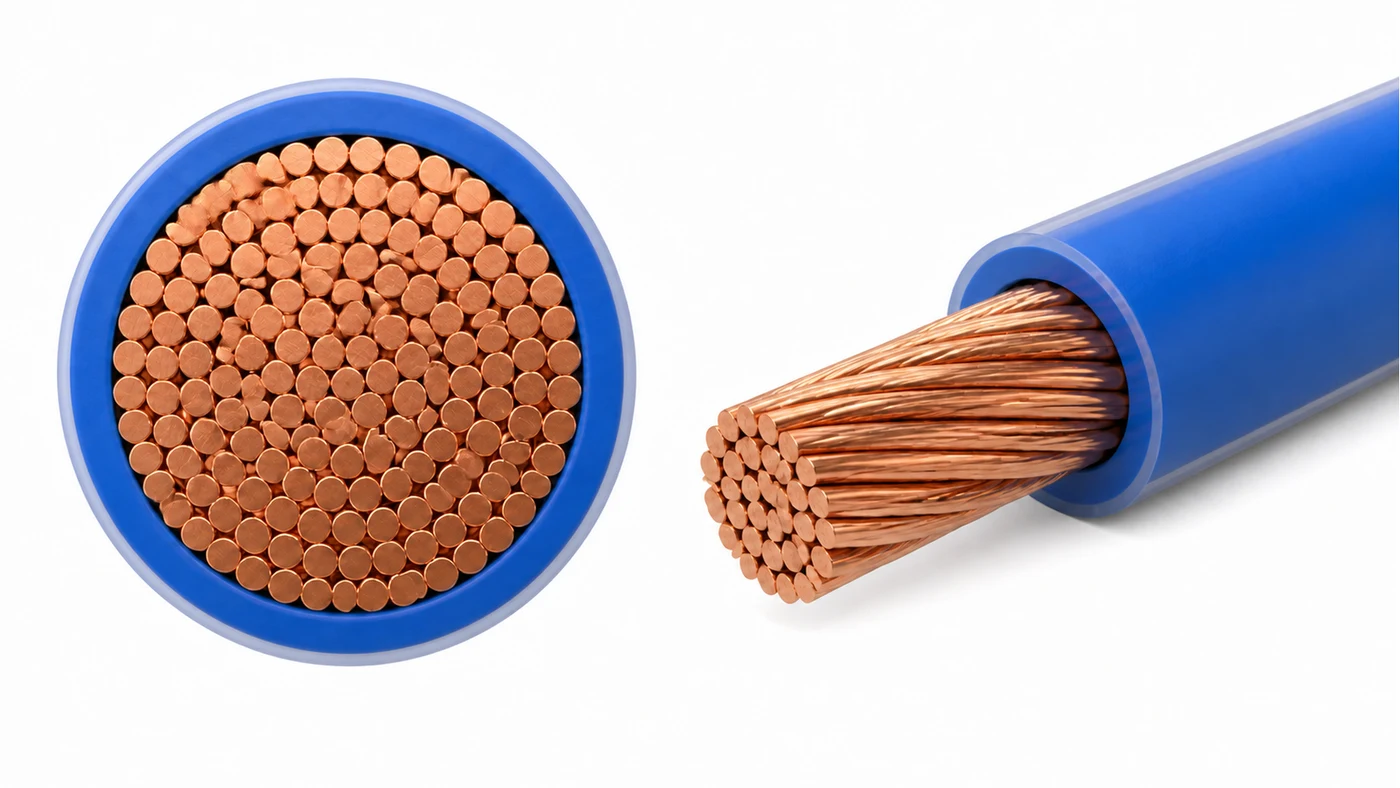
आपको चालक सामग्री (तांबा, एल्युमीनियम या तांबा-आच्छादित एल्युमीनियम), तार गेज या अनुप्रस्थ क्षेत्रफल, और स्ट्रैंडिंग पैटर्न निर्दिष्ट करना चाहिए। ठोस चालकों के लिए अलग उपकरण की आवश्यकता होती है जबकि स्ट्रैंडेड चालकों के लिए अलग। चालक सतह का उपचार (बेयर तांबा, टिन्ड तांबा या सिल्वर-प्लेटेड) भी प्रसंस्करण आवश्यकताओं को प्रभावित करता है।.
इन्सुलेशन और शीथिंग सामग्री:
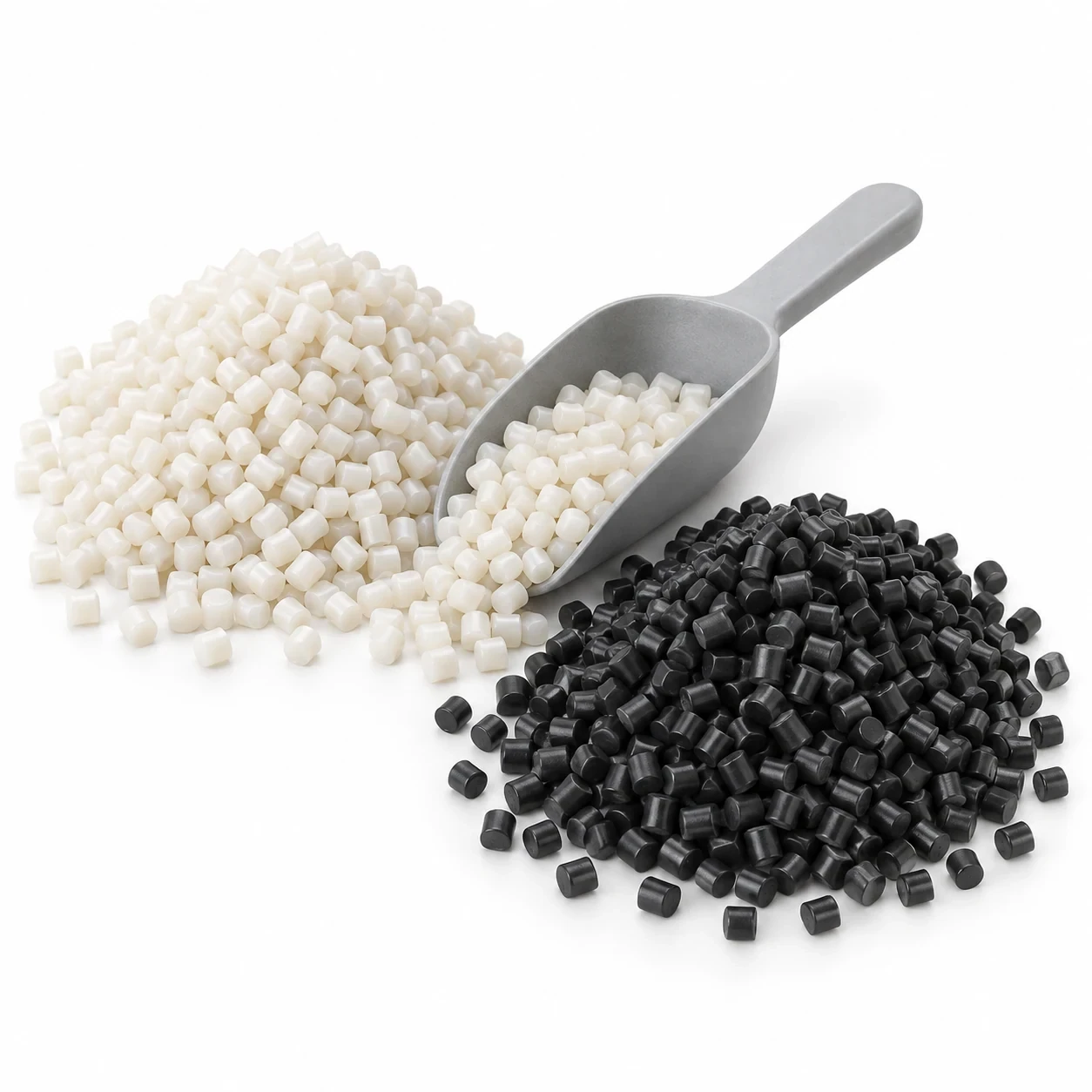
EPR, XLPE, या PVC यौगिकों जैसी सटीक सामग्री निर्दिष्ट करें। मोटाई की आवश्यकताओं, रंग विनिर्देशों और UV प्रतिरोध या अग्निरोधी जैसी विशेष विशेषताओं को शामिल करें। अलग-अलग सामग्रियों के लिए अलग-अलग प्रसंस्करण तापमान और शीतलन प्रणालियों की आवश्यकता होती है।.
केबल निर्माण:
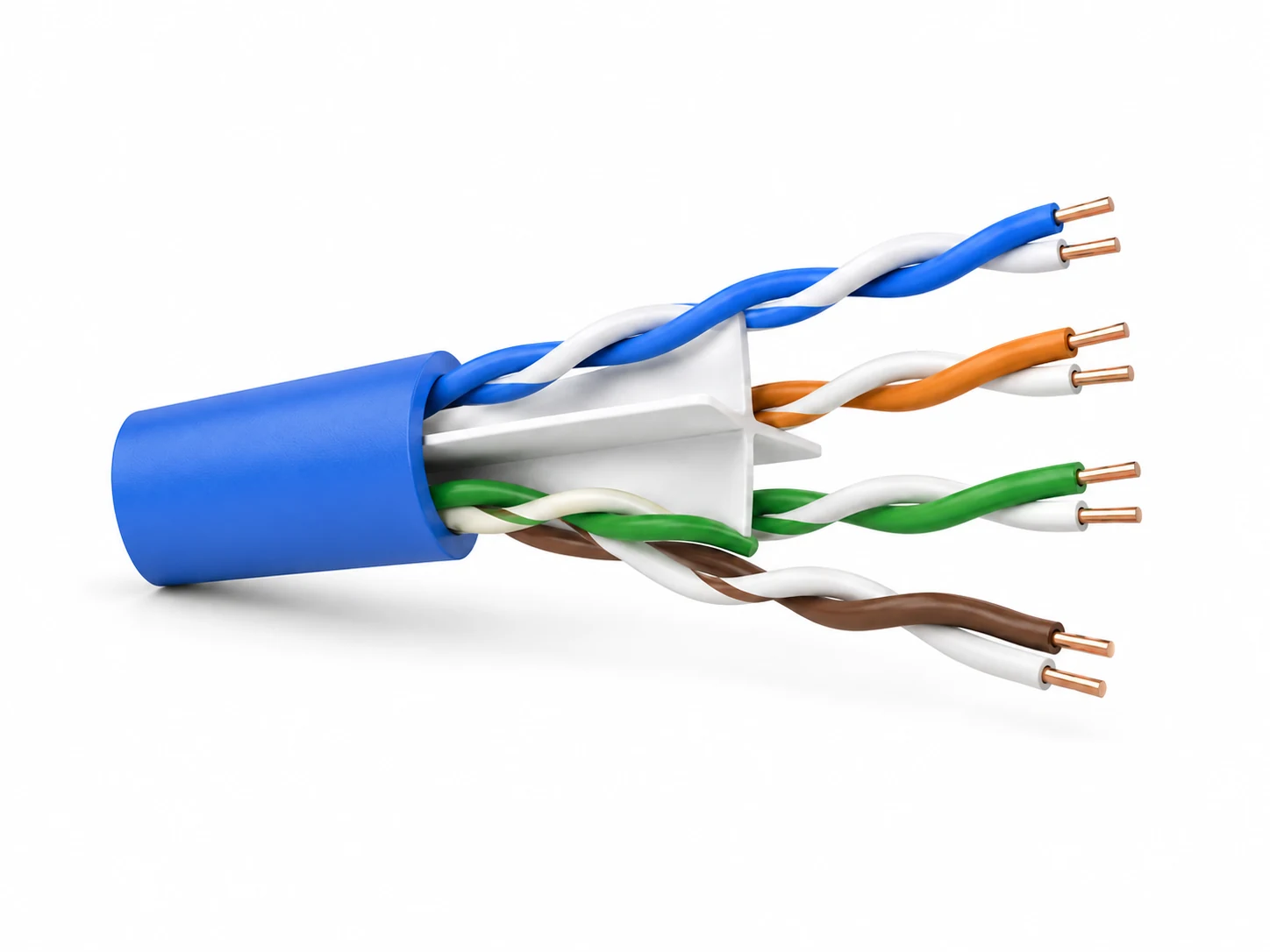
कोर की संख्या, कोर विन्यास और विशेष निर्माण विशेषताओं को परिभाषित करें। डेटा केबल के लिए, निर्दिष्ट करें कि क्या आपको UTP (अशील्डेड ट्विस्टेड पेयर), FTP (फोइल शील्डेड), STP (ब्रेडेड शील्डेड), या SFTP (दोनों फोइल और ब्रेड शील्डिंग) की आवश्यकता है। प्रत्येक प्रकार के लिए अलग-अलग उपकरण कॉन्फ़िगरेशन की आवश्यकता होती है।.
प्रदर्शन मानक:
आवश्यक अनुपालन मानकों जैसे IEC, UL, BS, या DIN विनिर्देशों को शामिल करें। यूरोपीय बाजारों के लिए Cca-s1a,d0,a1 जैसे अग्नि प्रदर्शन रेटिंग के लिए विशेष यौगिकों और परीक्षण प्रक्रियाओं की आवश्यकता होती है जो उपकरण चयन को प्रभावित करती हैं।.
आयामी आवश्यकताएं:
Provide overall diameter ranges, length tolerances, and core color coding requirements. These specifications determine take-up equipment sizing and quality control systems.
I always recommend providing samples or prototypes when possible. Physical samples help our engineering team understand special requirements unclear from written specifications alone. This approach has prevented numerous specification misunderstandings over the years.
How Does Your Production Capacity Determine the Right Equipment Configuration?
Production capacity requirements directly determine the number of machines, line speeds, and equipment configurations needed to meet your business goals efficiently and profitably.
Accurate capacity calculations determine whether you need single production lines or multiple parallel systems. Production demand is divided by machine capacity, adjusted for efficiency factors and waste allowances, and shows exactly how many machines you need for each production step.
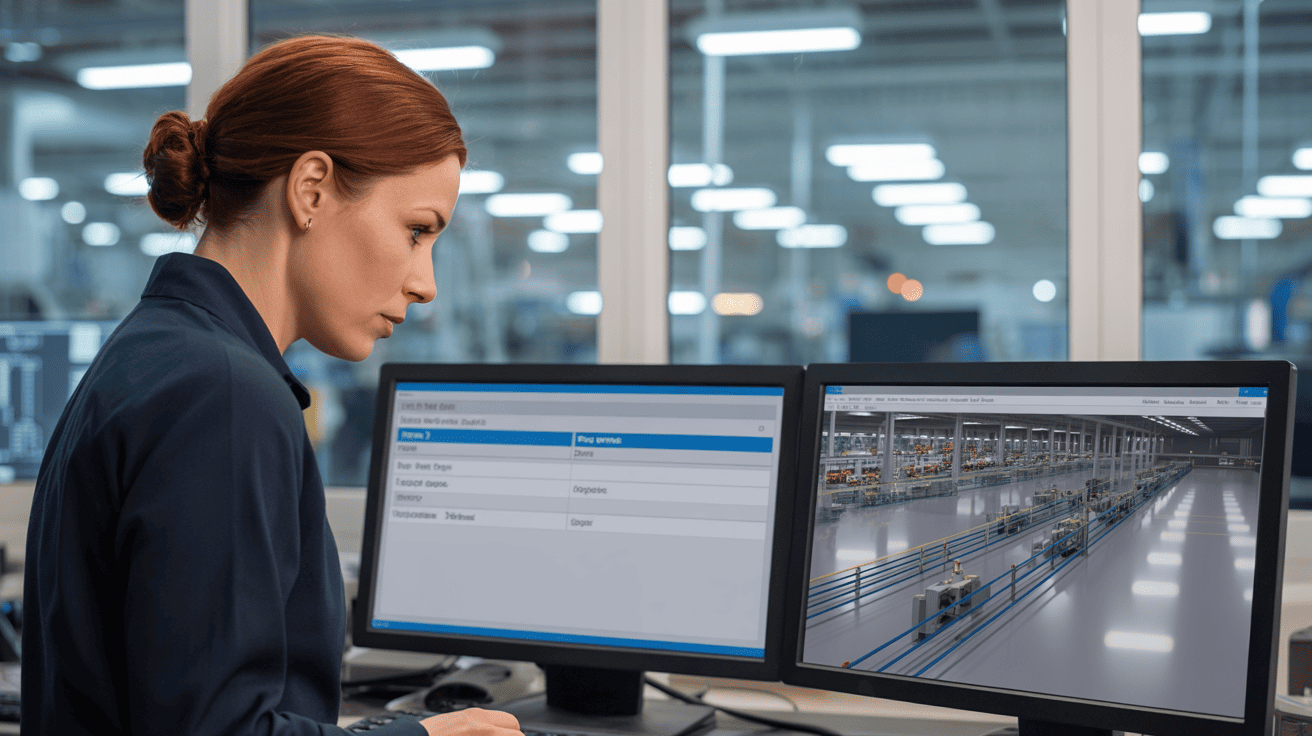
One of my most complex capacity planning projects involved a Middle Eastern manufacturer who wanted to produce 10,000 kilometers of Cat6 cable monthly. He initially thought one high-speed production line would be sufficient. Our detailed analysis revealed a different picture.
Huang Kai and I calculated the actual production requirements based on his cable specifications and market demand patterns. Cat6 cable production involves multiple steps with different processing speeds. Wire drawing operates at 200-300 meters per minute, insulation extrusion runs at 50-90 meters per minute, but pair twisting only achieves 30-50 meters per minute.
Capacity Calculation Methods
Production Speed Analysis:
Each production step has a different maximum speed. You need to identify the slowest process, which becomes your production bottleneck. Metal braiding is often the limiting factor for shielded cables at only 5 meters per minute, while basic extrusion can reach 90 meters per minute.
Equipment Quantity Calculations:
Use this formula: Required Machines = Production Demand ÷ (Machine Capacity × Efficiency Factor). Apply 75-85% efficiency factors for real-world conditions, including setup time, maintenance, and quality control checks.
Line Balancing Requirements:
Balance production speeds across all processes to prevent bottlenecks. If twisting operates at 40 meters per minute but needs 100 meters per minute total capacity, you need at least three twisting machines feeding one downstream process.
Scalability Planning:
| Production Level | Monthly Output (km) | Equipment Configuration | Investment Range (USD) |
|---|---|---|---|
| छोटे पैमाने | 1,000 | Single line, basic equipment | 100,000-200,000 |
| मध्यम पैमाना | 3,000 | Balanced line with backup capacity | 280,000-580,000 |
| High Volume | 10,000 | Multiple parallel lines | 650,000-1,200,000 |
The Middle Eastern project required eight twisting and three stranding machines to achieve the target capacity. We also recommended adding wire drawing equipment because high-volume production makes it cost-effective to process raw copper instead of buying pre-drawn wire. This decision reduced material costs from $6.50 per kilogram to $5.80 per kilogram.
Capacity planning also revealed seasonal demand variations. His peak demand periods required 40% higher capacity during certain months, leading us to recommend modular equipment that could be shared between different cable types during low-demand periods.
Why Factory Layout and Material Planning Matter for Cable Production Success?
Proper factory layout optimizes material flow and equipment efficiency while accurate material planning prevents production delays and minimizes inventory costs.
Factory layout affects productivity, safety, and operational costs. Poor layouts create bottlenecks, increase material handling expenses, and create safety hazards. Combined with precise material calculations, good layout planning maximizes return on investment and ensures smooth operations.

The most challenging layout project I’ve handled was for a manufacturer with a narrow 1,800 square meter facility. He wanted to install three एक्सट्रूज़न लाइनें2 for power cable production, but the space seemed impossible to work with efficiently.
Huang Kai and I visited his facility and discovered several optimization opportunities. The key was understanding cable production workflow requirements. Raw materials must flow smoothly from storage areas to production equipment. Finished products need efficient paths to testing areas and shipping zones.
Layout Optimization Strategies
Material Flow Design:
Cable production follows a logical sequence from raw materials to finished products. Conductor spools feed into stranding or direct extrusion equipment. Insulation compounds move from storage silos to extruder hoppers. Finished cables travel through testing stations to packaging areas.
Space Utilization:
Calculate equipment footprints, including maintenance access requirements. Extrusion lines need overhead crane access for die changes and maintenance. Testing equipment requires dedicated floor space that doesn’t interfere with production flow.
Safety and Compliance:
Factory layouts must include emergency exits, fire safety systems, and proper ventilation for processing areas. Chemical storage areas need special considerations for compound handling and safety equipment access.
Vertical Space Utilization:
Many facilities underutilize vertical space. Overhead cable runs, elevated storage platforms, and mezzanine levels can significantly increase adequate floor space without expanding the building footprint.
Material Planning Calculations
Raw Material Requirements:
Calculate monthly material consumption based on production capacity and cable specifications. Include safety stock levels to prevent production interruptions from supplier delays.
Conductor Materials:
Calculate: Cable Length × Conductor Cross-Section × Copper Density × Number of Conductors for copper conductors. Add 3-5% for processing waste and quality control samples.
Insulation Materials:
Calculate insulation volume based on cable geometry and insulation thickness. Account for material density variations and processing efficiency factors. Include colorant and additive requirements.
Storage Requirements:
Different materials need different storage conditions. Copper conductors can be stored outdoors under cover, but compounds require climate-controlled warehouses. Calculate storage space based on delivery frequencies and consumption rates.
We designed a U-shaped production flow for the narrow facility project that maximized available space. Raw material storage is positioned at one end, production lines are along the building length, and finished goods storage is at the other end. This layout reduced material handling distances by 60% compared to the client’s original plan.
The material calculations revealed monthly requirements of 45 tons of copper and 25 tons of compound storage. Strategic positioning of these storage areas minimized forklift travel distances and improved overall efficiency while maintaining proper inventory rotation.
निष्कर्ष
Successful केबल मशीनरी3 selection requires detailed specifications, accurate capacity planning, optimized factory layout, and precise material calculations for long-term profitability and operational success.
-
Learn how to create precise cable drawings that facilitate accurate machinery recommendations. ↩
-
Explore the workings of extrusion lines and their importance in cable production. ↩
-
Explore this resource to understand the essential factors in choosing the right cable machinery for your production needs. ↩