
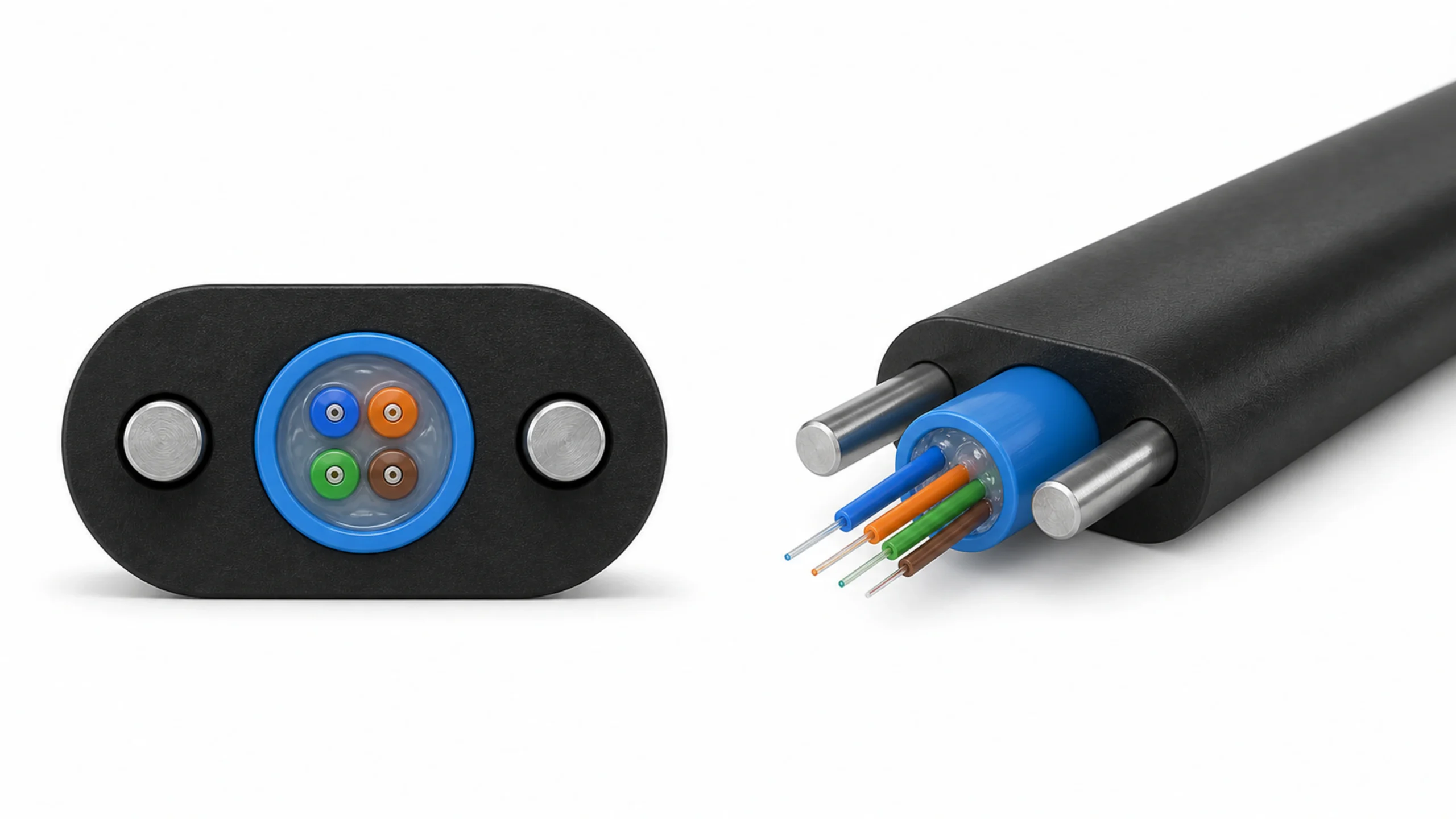












Many cable manufacturers waste money on the wrong equipment because they don’t understand what they need for their specific production goals.
Choosing the right cable machinery requires detailed cable specifications, accurate production capacity calculations, proper factory layout planning, and complete material requirements. This systematic approach prevents costly mistakes and ensures optimal equipment performance.
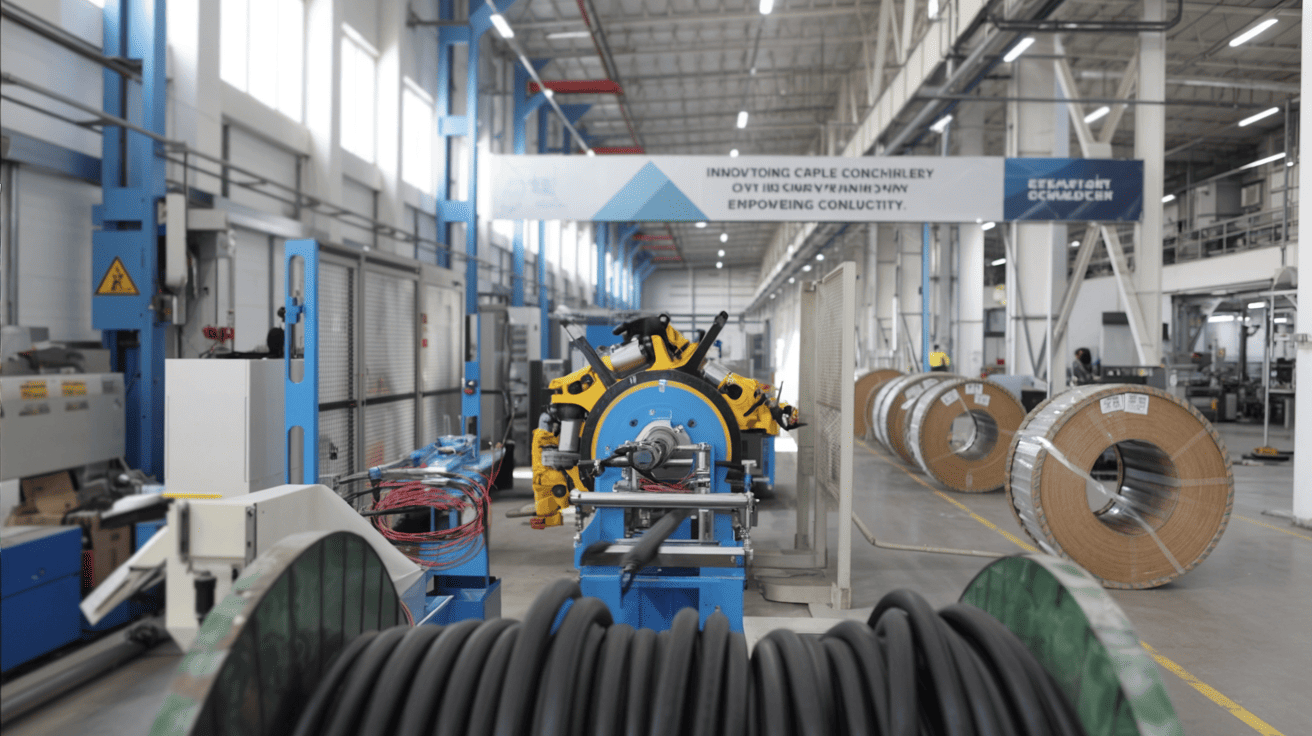
While at HONGKAI, I’ve seen too many manufacturers make expensive mistakes when buying cable equipment. They focus on price and delivery time but ignore the fundamental requirements determining success or failure.
Why Do Most Cable Machinery Purchases Fail Without Detailed Specifications?
Cable machinery purchases fail when manufacturers provide vague requirements instead of detailed specifications, leading to equipment that cannot produce their target cables efficiently.
suppliers cannot recommend the correct wire drawing machines, extrusion lines, or stranding equipment without specific cable drawings, material requirements, and production standards. This mismatch results in quality problems, production bottlenecks, and costly equipment modifications.

Last year, a manufacturer from Germany contacted us asking for "standard power cable equipment." He had a budget of €400,000 and wanted to start production within three months. During our first meeting, he showed me a simple sketch of a power cable without any technical details.
This approach creates serious problems. Cable machinery is designed for specific applications. A machine that works perfectly for single-core building wire cannot handle multi-core shielded cables. The tension control systems, diameter ranges, and processing speeds are entirely different.
Here’s what typically goes wrong without proper specifications:
Common Specification Problems
Equipment Mismatches:
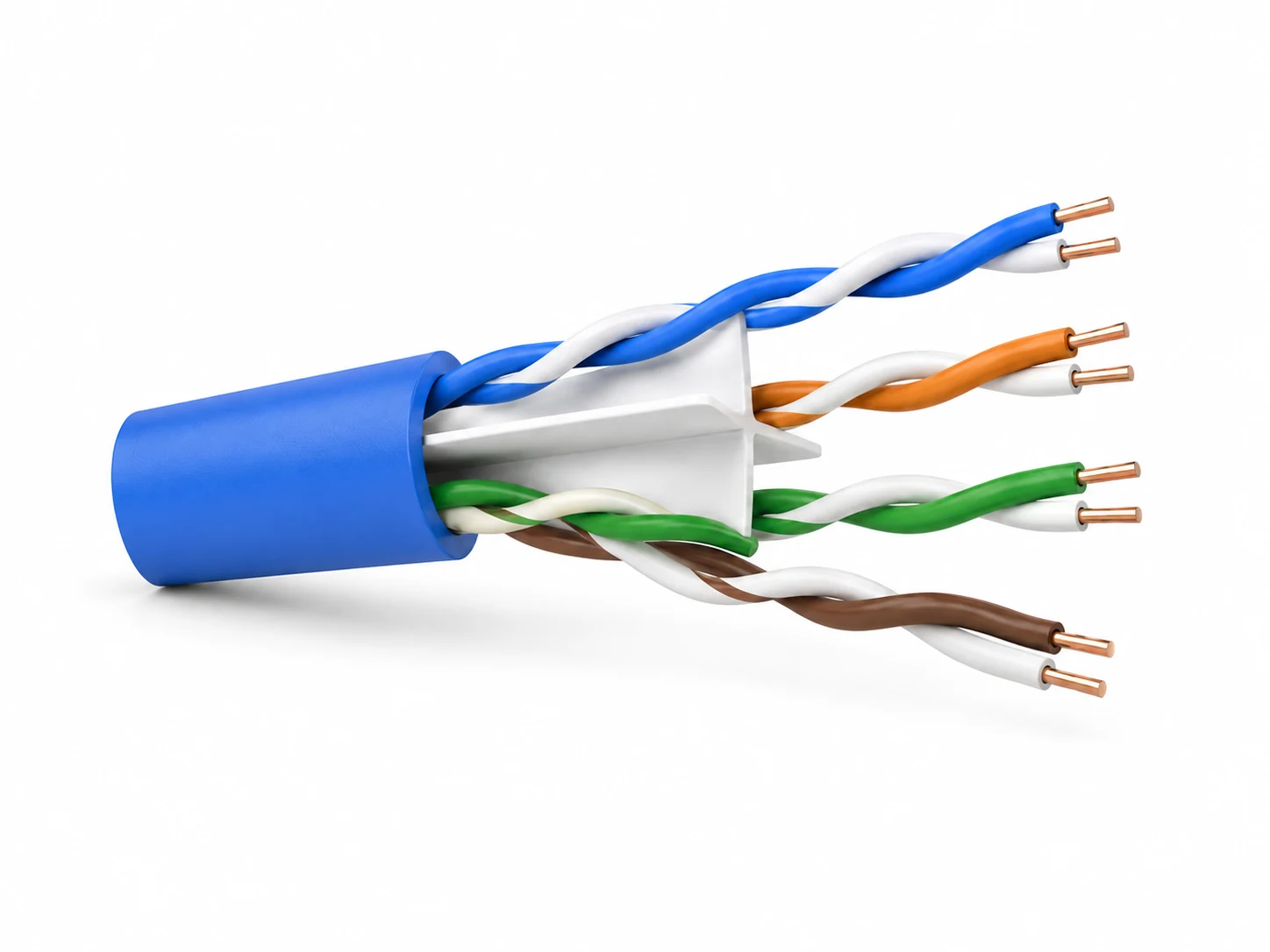
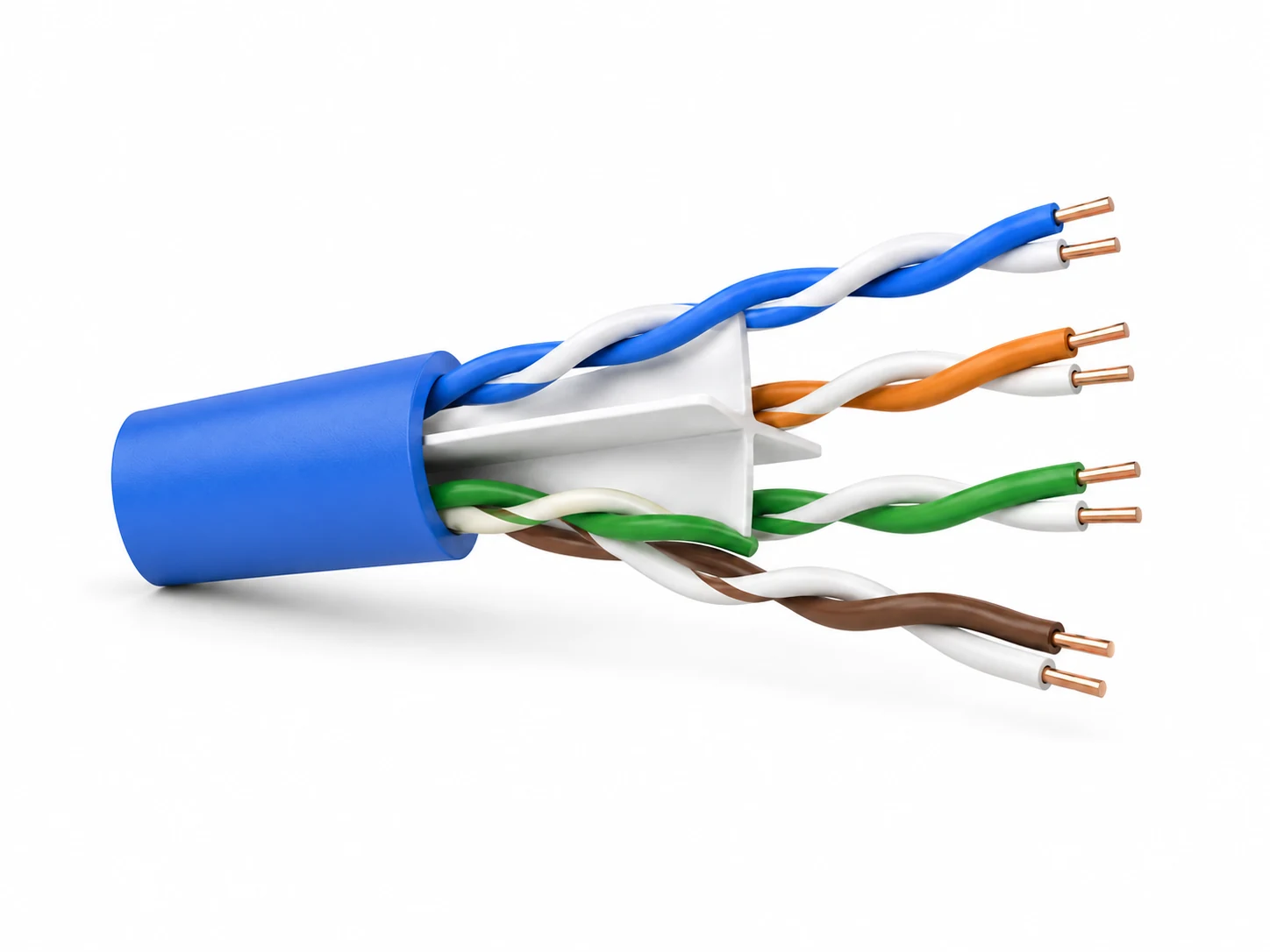
When buyers don’t specify exact cable types, they often get basic equipment that cannot meet their requirements. For example, buying a UTP cable line when you need to produce shielded FTP or STP cables means you’ll need expensive modifications later.
Speed and Capacity Issues:
Different cable types require different production speeds. Metal braiding for shielded cables runs 5 meters per minute, while insulation extrusion can reach 50-90 meters per minute. Without knowing these details, manufacturers often end up with unbalanced production lines.
Quality Control Problems:
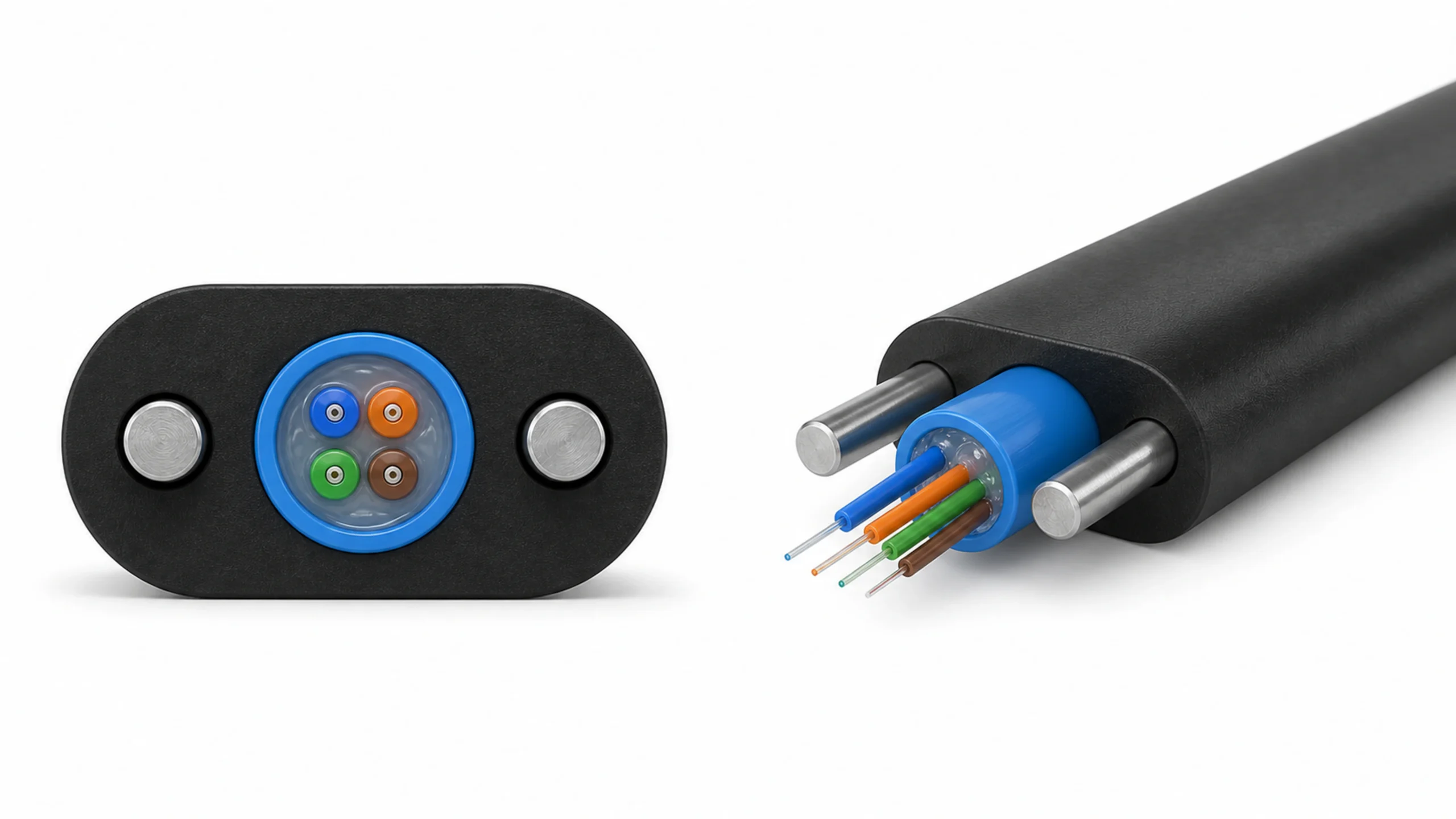
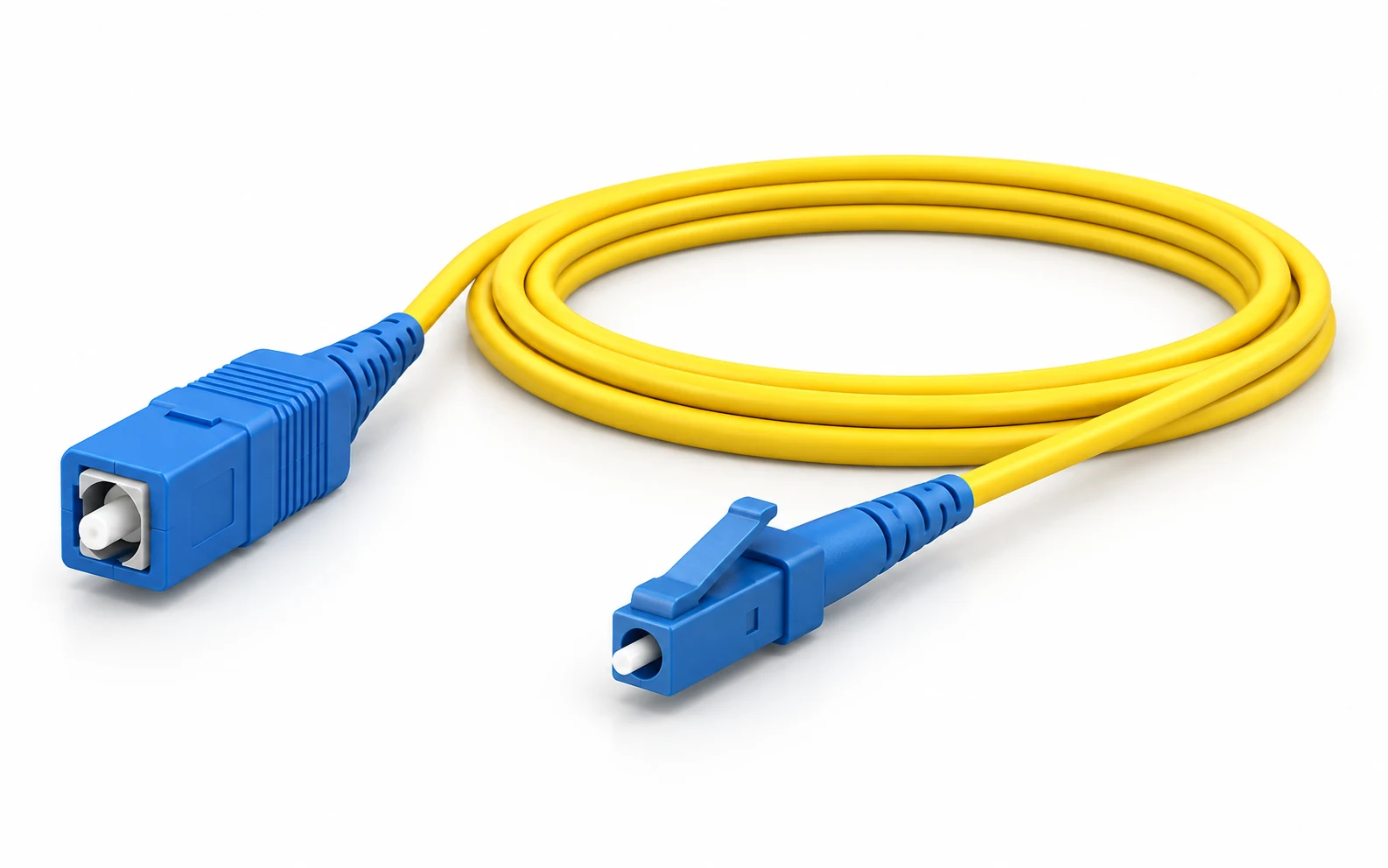
Tension control requirements vary dramatically between cable types. Building wires need basic tension systems, but fiber optic cables require precision tension control to prevent signal loss. Wrong specifications lead to quality issues that damage your reputation.
Hidden Costs:
Vague specifications often result in low initial quotes that don’t include necessary components. Buyers think they’re getting a good deal until they discover they need additional equipment for shielding, armoring, or special insulation materials.
The German manufacturer eventually provided detailed cable drawings1 showing three different cable constructions. His specifications revealed that he needed specialized armoring equipment and high-temperature processing capabilities. This information completely changed our equipment recommendation and added €150,000 to the project cost, but it ensured he could produce his target cables.
What Cable Specifications Should You Prepare Before Requesting Equipment Quotes?
Complete cable specifications enable suppliers to recommend exact equipment configurations, preventing mismatched machinery and ensuring successful production from day one.
Essential specifications include detailed cable drawings with dimensions, conductor configurations, insulation materials, shielding requirements, voltage ratings, and compliance standards. These details determine whether you need basic extrusion lines or specialized equipment for complex cable constructions.
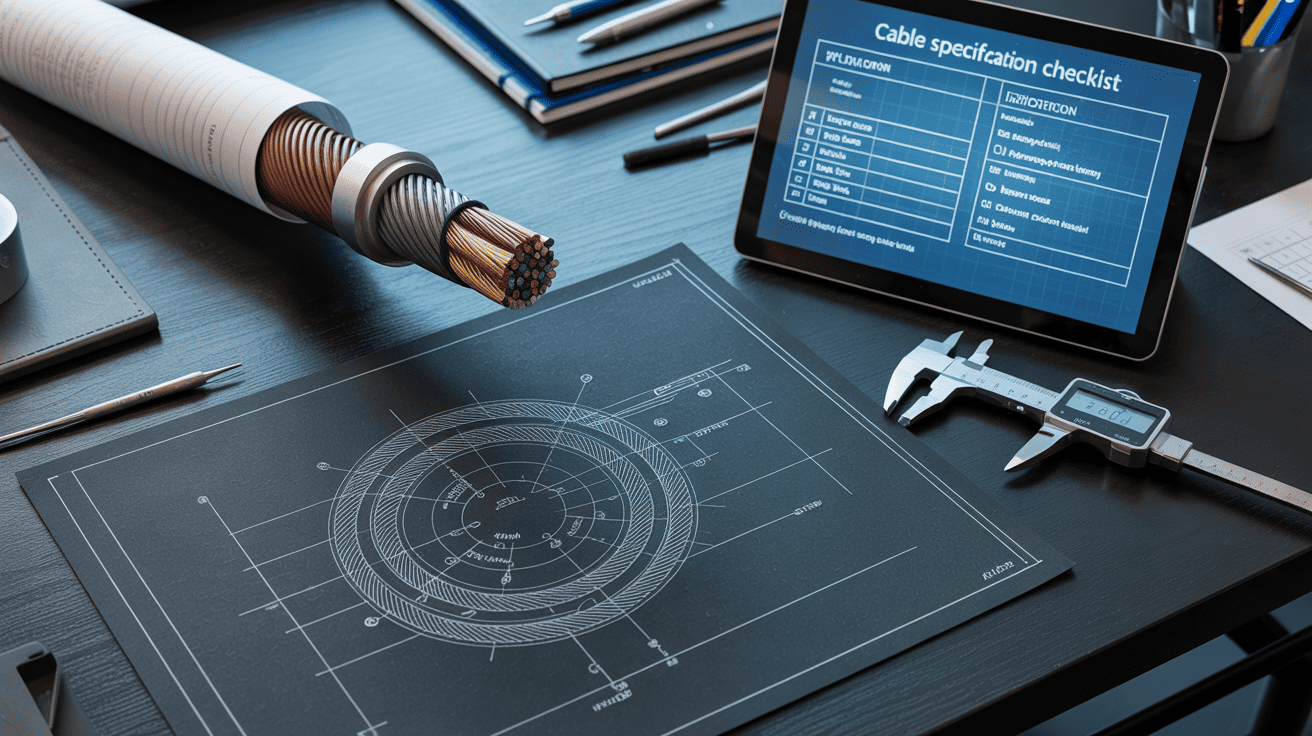
Early in my career at HONGKAI, I learned this lesson through a challenging project with an Asian manufacturer. They wanted to produce Cat6 data cables, but only provided basic information about "network cables." Chief Engineer Huang Kai and I spent weeks requesting additional details before we could give an accurate quote.
The breakthrough came when they finally sent complete technical drawings following international standards like BS 6724 and IEC 60331. These revealed specific requirements for pair twisting, shielding materials, and fire performance ratings that completely changed our equipment recommendation.
Complete Specification Requirements
Conductor Details:
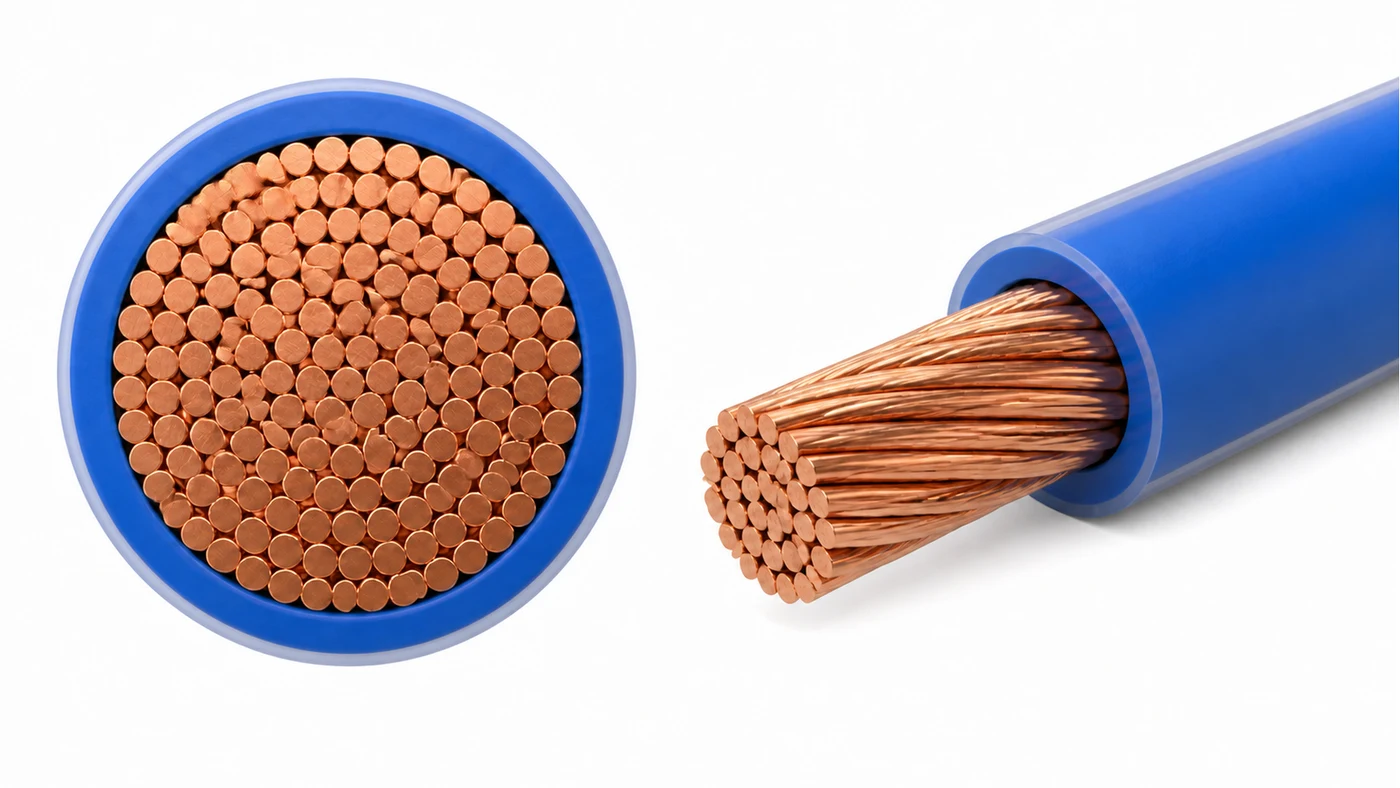
You must specify conductor material (copper, aluminum, or copper-clad aluminum), wire gauge or cross-sectional area, and stranding patterns. Solid conductors require different equipment than stranded conductors. The conductor surface treatment (bare copper, tinned copper, or silver-plated) also affects processing requirements.
Insulation and Sheathing Materials:
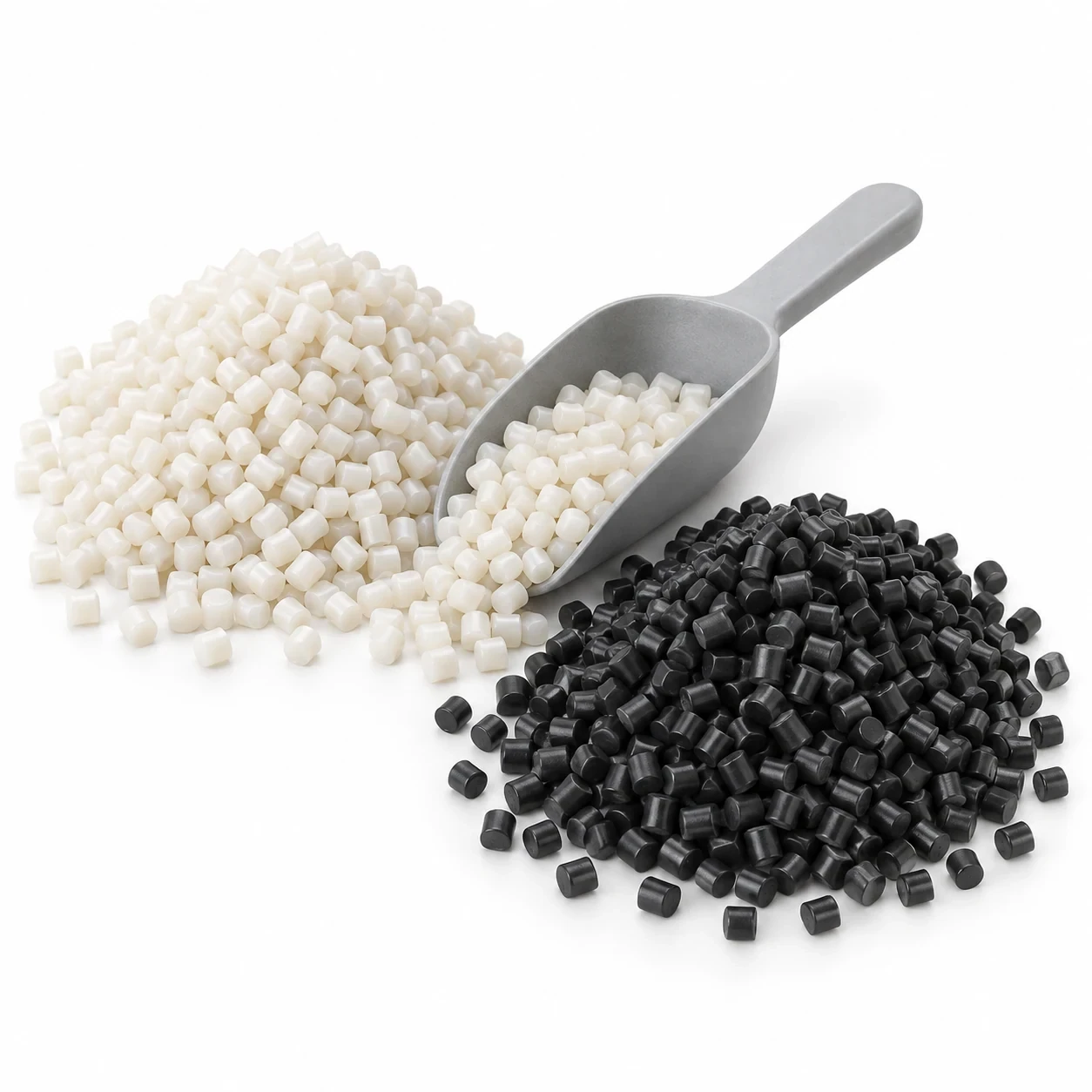
Specify exact materials like EPR, XLPE, or PVC compounds. Include thickness requirements, color specifications, and special properties like UV resistance or fire retardancy. Different materials require different processing temperatures and cooling systems.
Cable Construction:
Define the number of cores, core arrangement, and special construction features. For data cables, specify whether you need UTP (unshielded twisted pair), FTP (foil shielded), STP (braided shielded), or SFTP (both foil and braid shielding). Each type requires different equipment configurations.
Performance Standards:
Include required compliance standards such as IEC, UL, BS, or DIN specifications. Fire performance ratings like Cca-s1a,d0,a1 for European markets require specialized compounds and testing procedures that affect equipment selection.
Dimensional Requirements:
সমগ্র ব্যাস পরিসর, দৈর্ঘ্য সহনশীলতা এবং কোর রঙ কোডিং প্রয়োজনীয়তা প্রদান করুন। এই স্পেসিফিকেশনগুলি টেক-আপ সরঞ্জামের আকার এবং গুণগত নিয়ন্ত্রণ সিস্টেম নির্ধারণ করে।.
আমি সবসময় সম্ভব হলে নমুনা বা প্রোটোটাইপ প্রদানের সুপারিশ করি। ভৌত নমুনাগুলি আমাদের প্রকৌশলীদের লিখিত স্পেসিফিকেশন থেকে অস্পষ্ট বিশেষ প্রয়োজনীয়তা বুঝতে সাহায্য করে। বছরের পর বছর ধরে এই পদ্ধতি অসংখ্য স্পেসিফিকেশন বুঝতে ব্যর্থতা প্রতিরোধ করেছে।.
আপনার উৎপাদন ক্ষমতা সঠিক সরঞ্জাম কনফিগারেশন নির্ধারণ করে কিভাবে?
উৎপাদন ক্ষমতার প্রয়োজনীয়তা সরাসরি আপনার ব্যবসায়িক লক্ষ্যগুলি দক্ষতার সাথে এবং লাভজনকভাবে পূরণ করতে প্রয়োজনীয় মেশিনের সংখ্যা, লাইন গতি এবং সরঞ্জাম কনফিগারেশন নির্ধারণ করে।.
সঠিক ক্ষমতা গণনা নির্ধারণ করে যে আপনার একটি উৎপাদন লাইন নাকি একাধিক সমান্তরাল সিস্টেম প্রয়োজন। উৎপাদন চাহিদাকে মেশিনের ক্ষমতা দিয়ে ভাগ করা হয়, দক্ষতা ফ্যাক্টর এবং বর্জ্য অনুমতির জন্য সামঞ্জস্য করা হয় এবং প্রতিটি উৎপাদন ধাপের জন্য আপনার কতগুলি মেশিন প্রয়োজন তা সঠিকভাবে দেখায়।.
আমার সবচেয়ে জটিল ক্ষমতা পরিকল্পনা প্রকল্পগুলির মধ্যে একটি ছিল একজন মধ্যপ্রাচ্যের উৎপাদনকারী যিনি মাসিক 10,000 k কিলোমিটার Cat6 কেবল উৎপাদন করতে চাইছিলেন। তিনি প্রাথমিকভাবে মনে করেছিলেন যে একটি উচ্চ গতির উৎপাদন লাইন যথেষ্ট হবে। আমাদের বিস্তারিত বিশ্লেষণ একটি ভিন্ন চিত্র প্রকাশ করেছে।.
হুয়াং কাই এবং আমি তাঁর কেবল স্পেসিফিকেশন এবং বাজার চাহিদার প্যাটার্নের ভিত্তিতে প্রকৃত উৎপাদন প্রয়োজনীয়তা গণনা করেছি। Cat6 কেবল উৎপাদন বিভিন্ন ধাপ সহ করে, যার প্রক্রিয়াকরণ গতি ভিন্ন। তারা টানা প্রক্রিয়া প্রতি মিনিটে 200-300 m মিটার গতিতে চলে, ইনসুলেশন এক্সট্রুশন প্রতি মিনিটে 50-90 m মিটার গতিতে চলে, কিন্তু জোড়া টুইস্টিং শুধুমাত্র প্রতি মিনিটে 30-50 m মিটার গতিতে পৌঁছায়।.
ক্ষমতা গণনার পদ্ধতি
উৎপাদন গতি বিশ্লেষণ:
প্রতিটি উৎপাদন ধাপের একটি ভিন্ন সর্বোচ্চ গতি রয়েছে। আপনাকে ধীরতম প্রক্রিয়াটি চিহ্নিত করতে হবে, যা আপনার উৎপাদন বটলনেক হয়ে ওঠে। ধাতব ব্রেইডিং প্রায়শই শিল্ডেড কেবলের জন্য সীমাবদ্ধ কারণ এটি শুধুমাত্র প্রতি মিনিটে 5 m মিটার গতিতে চলে, যখন মৌলিক এক্সট্রুশন 90 m মিটার প্রতি মিনিট পর্যন্ত পৌঁছতে পারে।.
সরঞ্জামের পরিমাণ গণনা:
এই সূত্রটি ব্যবহার করুন: প্রয়োজনীয় মেশিন = উৎপাদন চাহিদা ÷ (মেশিন ক্ষমতা × দক্ষতা ফ্যাক্টর)। বাস্তব পরিস্থিতির জন্য, সেটআপ সময়, রক্ষণাবেক্ষণ এবং গুণগত নিয়ন্ত্রণ পরীক্ষার সহ প্রয়োগ করুন 75-85% দক্ষতা ফ্যাক্টর।.
লাইন ব্যালেন্সিং প্রয়োজনীয়তা:
বটলনেক প্রতিরোধের জন্য সমস্ত প্রক্রিয়ার উৎপাদন গতি সমন্বয় করুন। যদি টুইস্টিং প্রতি মিনিটে 40 m মিটার গতিতে চলে কিন্তু 100 m মিটার প্রতি মিনিট মোট ক্ষমতা প্রয়োজন হয়, তাহলে আপনার কমপক্ষে তিনটি টুইস্টিং মেশিন প্রয়োজন যা একটি ডাউনস্ট্রিম প্রক্রিয়াকে সরবরাহ করে।.
স্কেলেবিলিটি পরিকল্পনা:
| উৎপাদন স্তর | মাসিক আউটপুট (কিমি) | সরঞ্জাম কনফিগারেশন | বিনিয়োগ পরিসর (USD) |
|---|---|---|---|
| ছোট স্কেল | 1,000 | Single line, basic equipment | 100,000-200,000 |
| মাঝারি স্কেল | 3,000 | Balanced line with backup capacity | 280,000-580,000 |
| High Volume | 10,000 | Multiple parallel lines | 650,000-1,200,000 |
The Middle Eastern project required eight twisting and three stranding machines to achieve the target capacity. We also recommended adding wire drawing equipment because high-volume production makes it cost-effective to process raw copper instead of buying pre-drawn wire. This decision reduced material costs from $6.50 per kilogram to $5.80 per kilogram.
Capacity planning also revealed seasonal demand variations. His peak demand periods required 40% higher capacity during certain months, leading us to recommend modular equipment that could be shared between different cable types during low-demand periods.
Why Factory Layout and Material Planning Matter for Cable Production Success?
Proper factory layout optimizes material flow and equipment efficiency while accurate material planning prevents production delays and minimizes inventory costs.
Factory layout affects productivity, safety, and operational costs. Poor layouts create bottlenecks, increase material handling expenses, and create safety hazards. Combined with precise material calculations, good layout planning maximizes return on investment and ensures smooth operations.

The most challenging layout project I’ve handled was for a manufacturer with a narrow 1,800 square meter facility. He wanted to install three এক্সট্রুশন লাইন2 for power cable production, but the space seemed impossible to work with efficiently.
Huang Kai and I visited his facility and discovered several optimization opportunities. The key was understanding cable production workflow requirements. Raw materials must flow smoothly from storage areas to production equipment. Finished products need efficient paths to testing areas and shipping zones.
Layout Optimization Strategies
Material Flow Design:
Cable production follows a logical sequence from raw materials to finished products. Conductor spools feed into stranding or direct extrusion equipment. Insulation compounds move from storage silos to extruder hoppers. Finished cables travel through testing stations to packaging areas.
Space Utilization:
Calculate equipment footprints, including maintenance access requirements. Extrusion lines need overhead crane access for die changes and maintenance. Testing equipment requires dedicated floor space that doesn’t interfere with production flow.
Safety and Compliance:
Factory layouts must include emergency exits, fire safety systems, and proper ventilation for processing areas. Chemical storage areas need special considerations for compound handling and safety equipment access.
উল্লম্বর স্পেস ইউটিলাইজেশন:
অনেক সুবিধা উল্লম্ব জায়গার অপূর্ণ ব্যবহার করে। ওভারহেড কেবল রান, উন্নত স্টোরেজ প্ল্যাটফর্ম এবং মেজানাইন স্তরগুলি ভবনের ফুটপ্রিন্ট প্রসারিত না করেই উপযুক্ত মেঝের জায়গা উল্লেখযোগ্যভাবে বৃদ্ধি করতে পারে।.
উপাদান পরিকল্পনা গণনা
কাঁচামালের প্রয়োজনীয়তা:
উৎপাদন ক্ষমতা এবং কেবলের স্পেসিফিকেশনের ভিত্তিতে মাসিক উপকরণ খরচ গণনা করুন। সরবরাহকারীর বিলম্বজনিত উৎপাদন ব্যাঘাত রোধ করতে নিরাপত্তা স্টকের পরিমাণ অন্তর্ভুক্ত করুন।.
পরিবাহী উপকরণ:
গণনা করুন: ক্যাবলের দৈর্ঘ্য × পরিবাহীর প্রস্থচ্ছেদ × তামার ঘনত্ব × পরিবাহীর সংখ্যা তামার পরিবাহীর জন্য। প্রক্রিয়াজাতকরণ বর্জ্য এবং মান নিয়ন্ত্রণ নমুনার জন্য 3-5% যোগ করুন।.
ইনসুলেশন উপকরণ:
কেবল জ্যামিতি এবং ইনসুলেশন পুরুত্বের ভিত্তিতে ইনসুলেশনের আয়তন গণনা করুন। উপাদানের ঘনত্বের পরিবর্তন এবং প্রক্রিয়াকরণ দক্ষতা ফ্যাক্টরগুলি হিসাবে অন্তর্ভুক্ত করুন। রঙ এবং সংযোজকের প্রয়োজনীয়তা অন্তর্ভুক্ত করুন।.
সংগ্রহের প্রয়োজনীয়তা:
বিভিন্ন উপকরণের জন্য ভিন্ন ভিন্ন সংরক্ষণের শর্ত প্রয়োজন। তামার পরিবাহীগুলি আবরণের অধীনে বহিরঙ্গনে সংরক্ষণ করা যেতে পারে, কিন্তু কম্পাউন্ডগুলির জন্য জলবায়ু-নিয়ন্ত্রিত গুদাম প্রয়োজন। ডেলিভারির ঘনঘটা এবং খরচের হারের ভিত্তিতে সংরক্ষণ স্থান গণনা করুন।.
আমরা সংকীর্ণ সুবিধা প্রকল্পের জন্য একটি U-আকৃতির উৎপাদন প্রবাহ ডিজাইন করেছি যা উপলব্ধ জায়গাকে সর্বাধিক করেছে। কাঁচামাল সংরক্ষণ এক প্রান্তে অবস্থিত, উৎপাদন লাইনগুলি ভবনের দৈর্ঘ্য বরাবর সাজানো এবং তৈরি পণ্যের সংরক্ষণ অন্য প্রান্তে অবস্থিত। এই বিন্যাস ক্লায়েন্টের মূল পরিকল্পনার তুলনায় উপাদান পরিচালনার দূরত্ব 60% হ্রাস করেছে।.
উপাদান গণনা থেকে মাসিক 45 টন তামা এবং 25 টন কম্পাউন্ড স্টোরেজের প্রয়োজনীয়তা প্রকাশিত হয়েছে। এই স্টোরেজ এলাকাগুলির কৌশলগত অবস্থান ফর্কলিফ্টের ভ্রমণ দূরত্ব কমিয়েছে এবং সঠিক ইনভেন্টরি রোটেশন বজায় রেখে সামগ্রিক দক্ষতা উন্নত করেছে।.
উপসংহার
সফল তারের যন্ত্রপাতি3 নির্বাচনের জন্য বিস্তারিত স্পেসিফিকেশন, সঠিক ক্ষমতা পরিকল্পনা, অপ্টিমাইজড ফ্যাক্টরি লেআউট এবং দীর্ঘমেয়াদী লাভজনকতা ও কার্যকরী সফলতার জন্য সুনির্দিষ্ট উপাদান গণনা প্রয়োজন।.