UV-LAMP & LED CONFIGURATIONSUV-lamp machine — equipment image
UV-lamp equipment image from the outdoor cable project reference.
CONFIGURE THE WHOLE PROCESSFiber + ink + curing + tension + reel compatibility

केबल मशीनरी
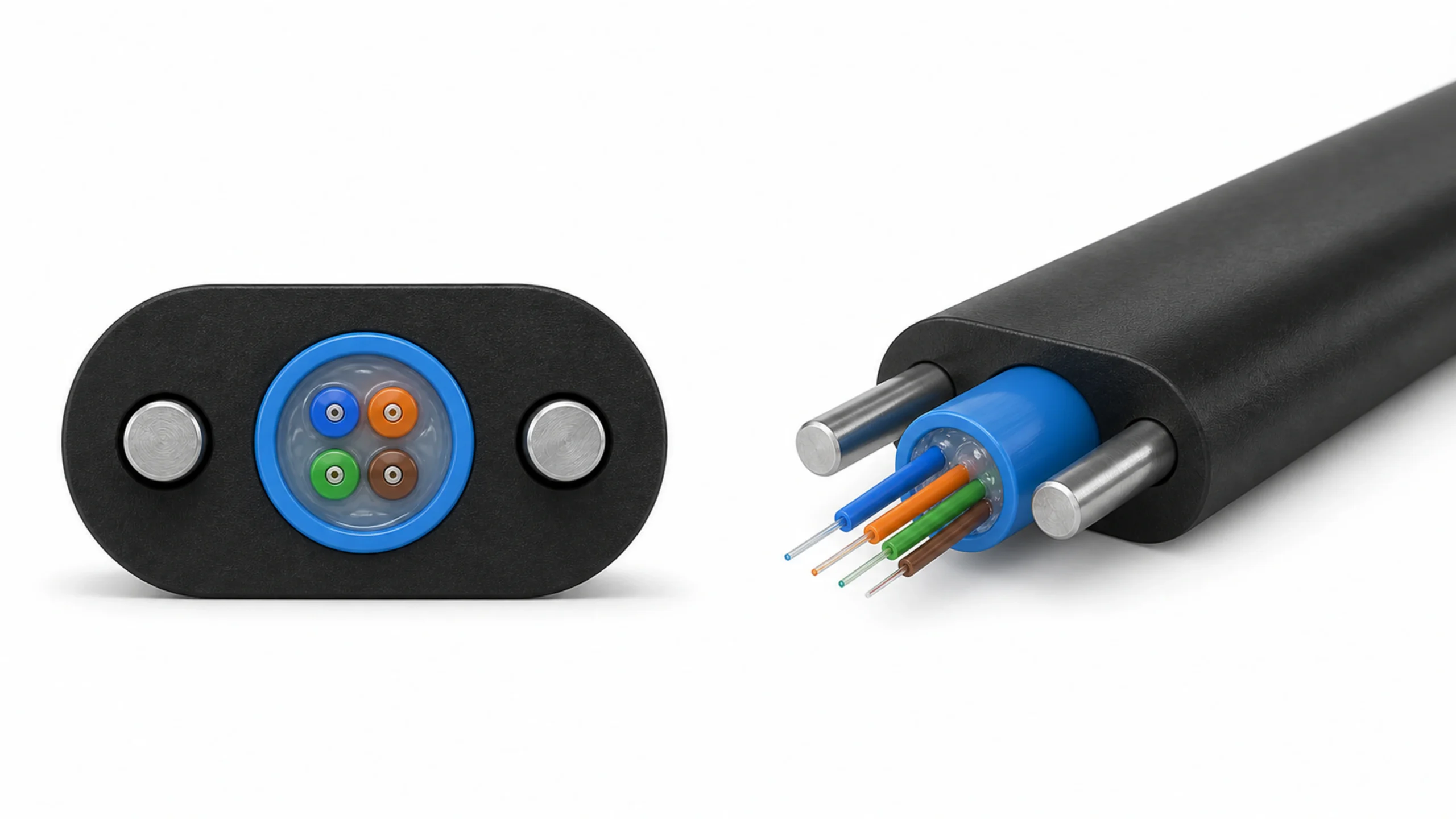
ऑप्टिकल केबल निर्माण के लिए उपकरण
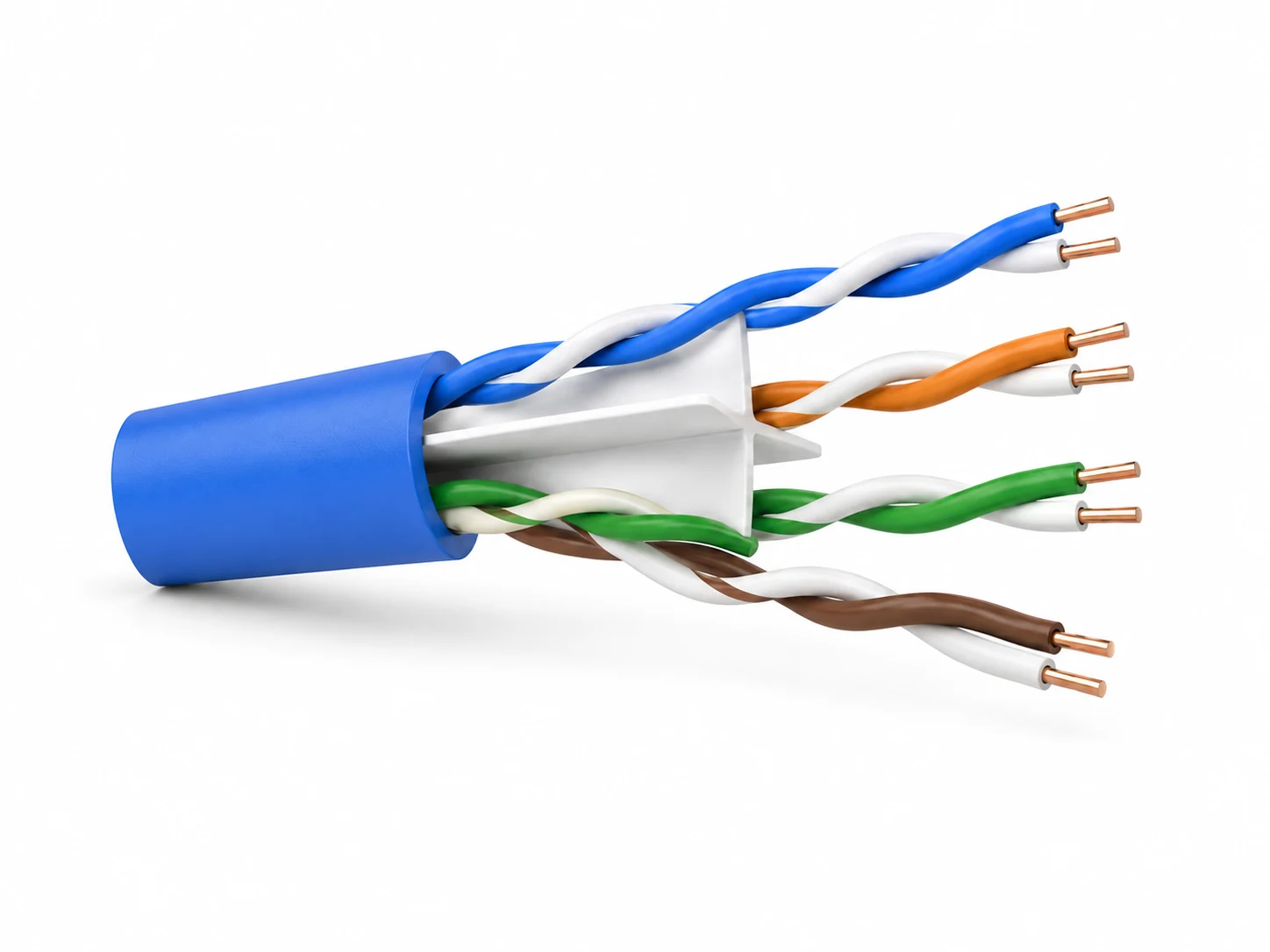
ट्विस्टेड-पेयर केबल के लिए उपकरण
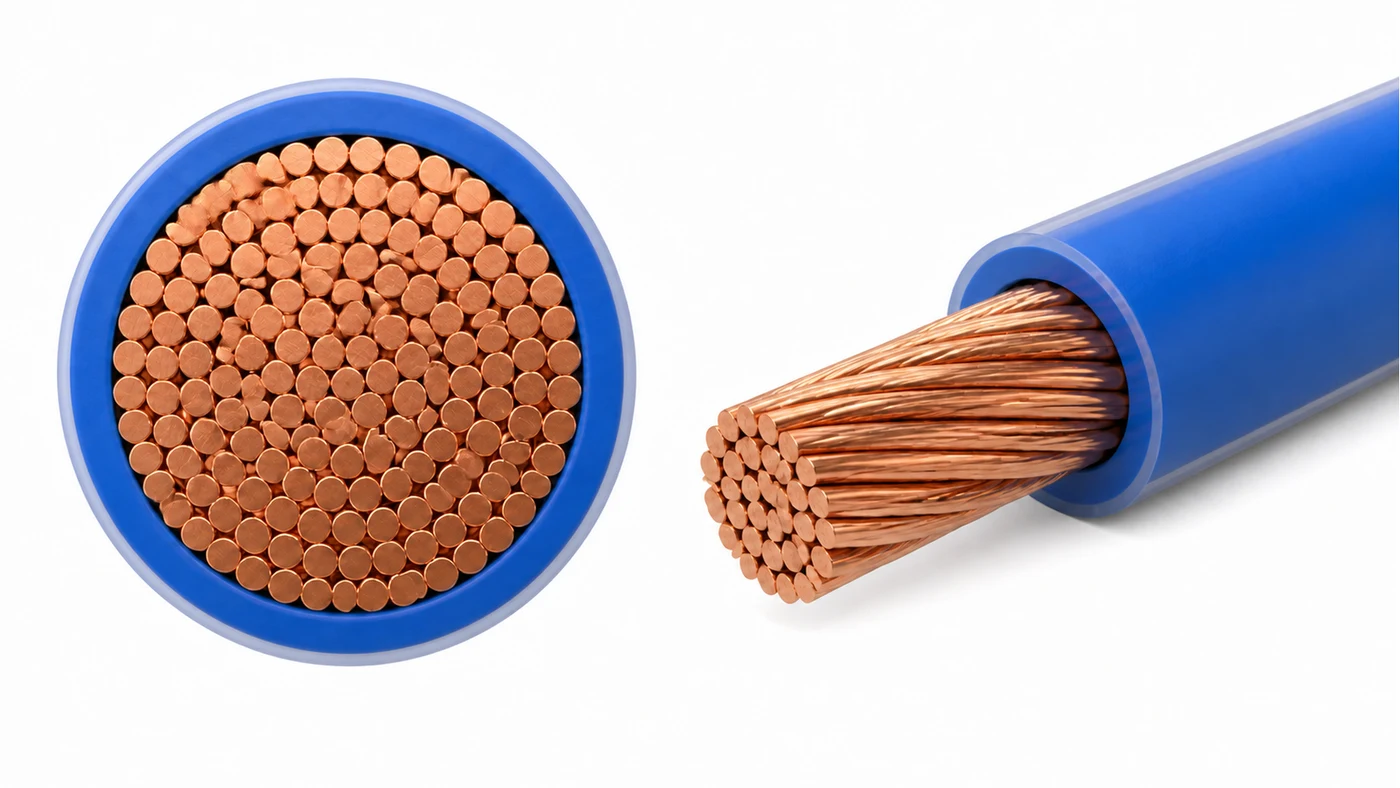
इन्सुलेटेड तार और केबल के लिए मशीनरी
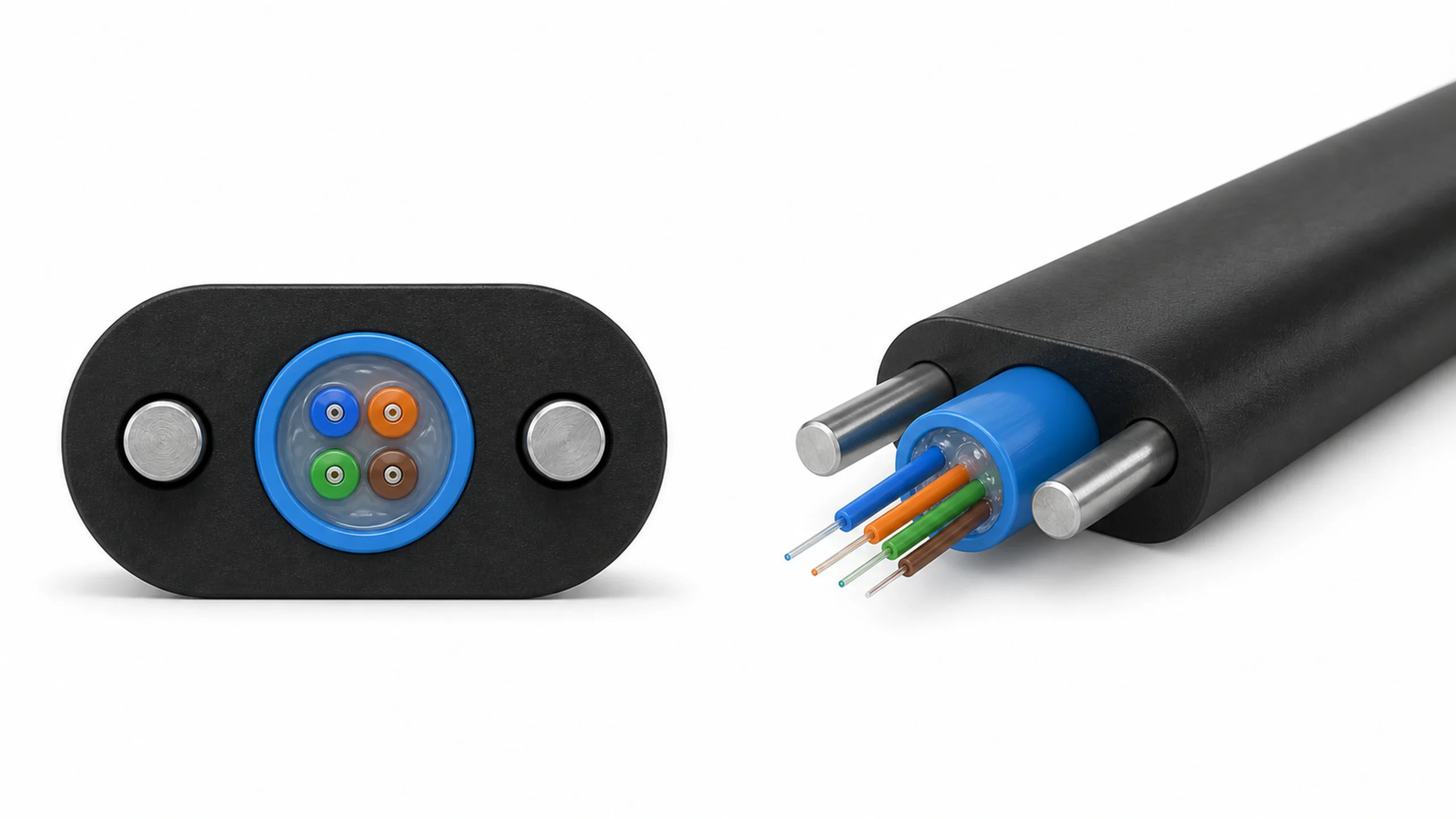
फाइबर ऑप्टिक केबल प्रकार ब्राउज़ करें
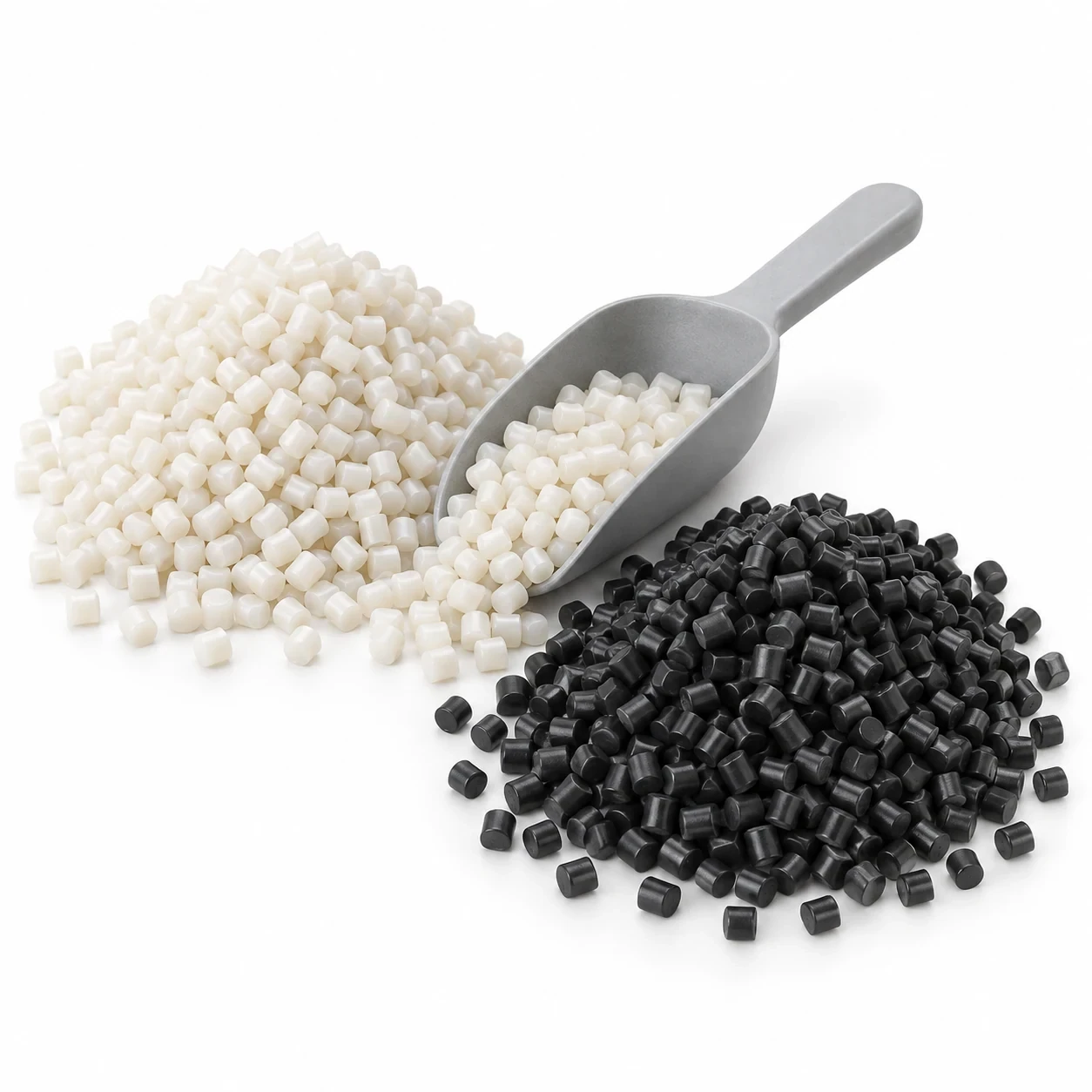
ऑप्टिकल केबल उत्पादन के लिए सामग्री
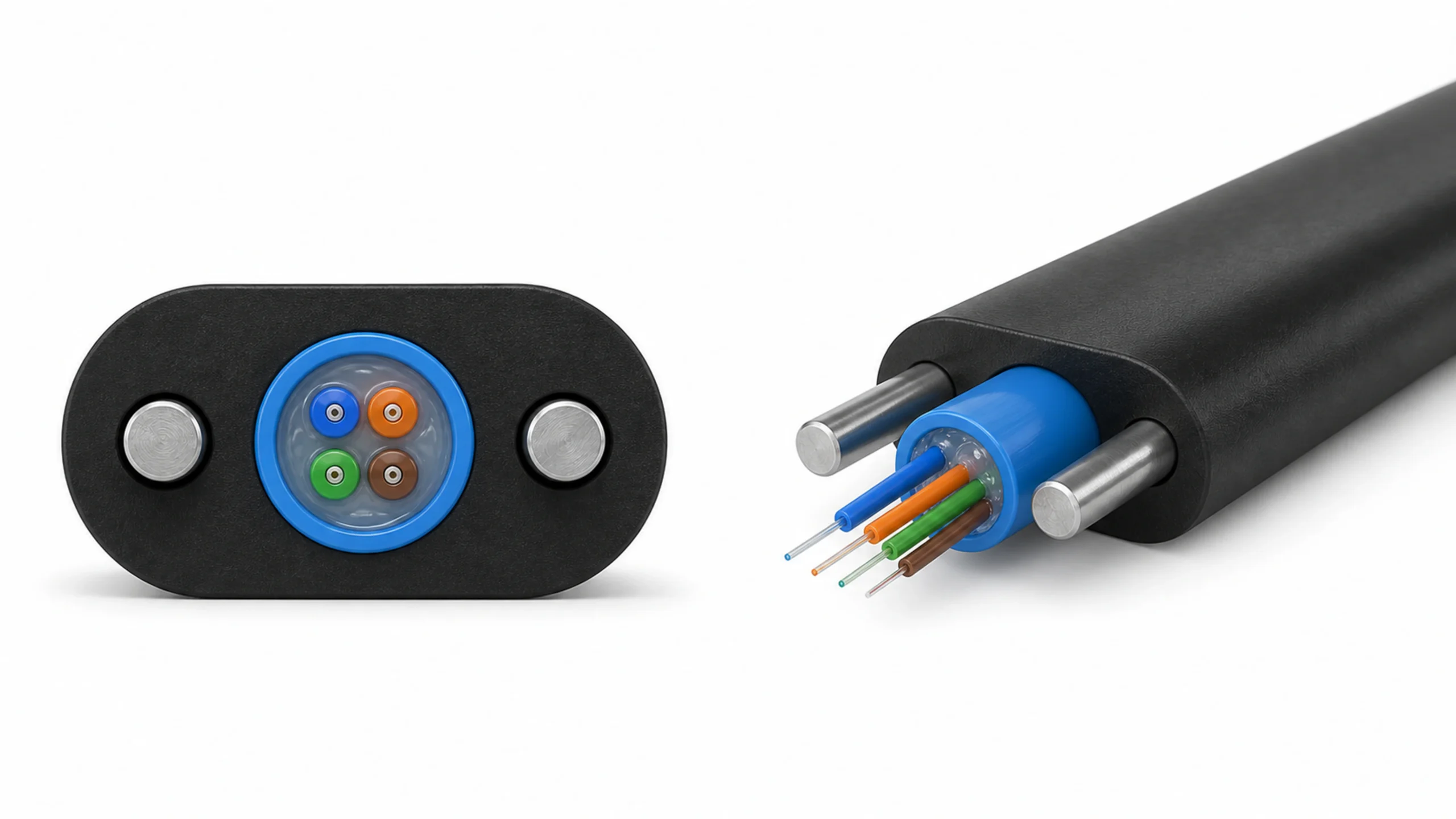
पूर्ण केबल लाइनें, सामग्री, लेआउट और स्टार्टअप समर्थन।.

केबल निर्माण, MPO असेंबली और अंतिम ऑप्टिकल परीक्षण।.
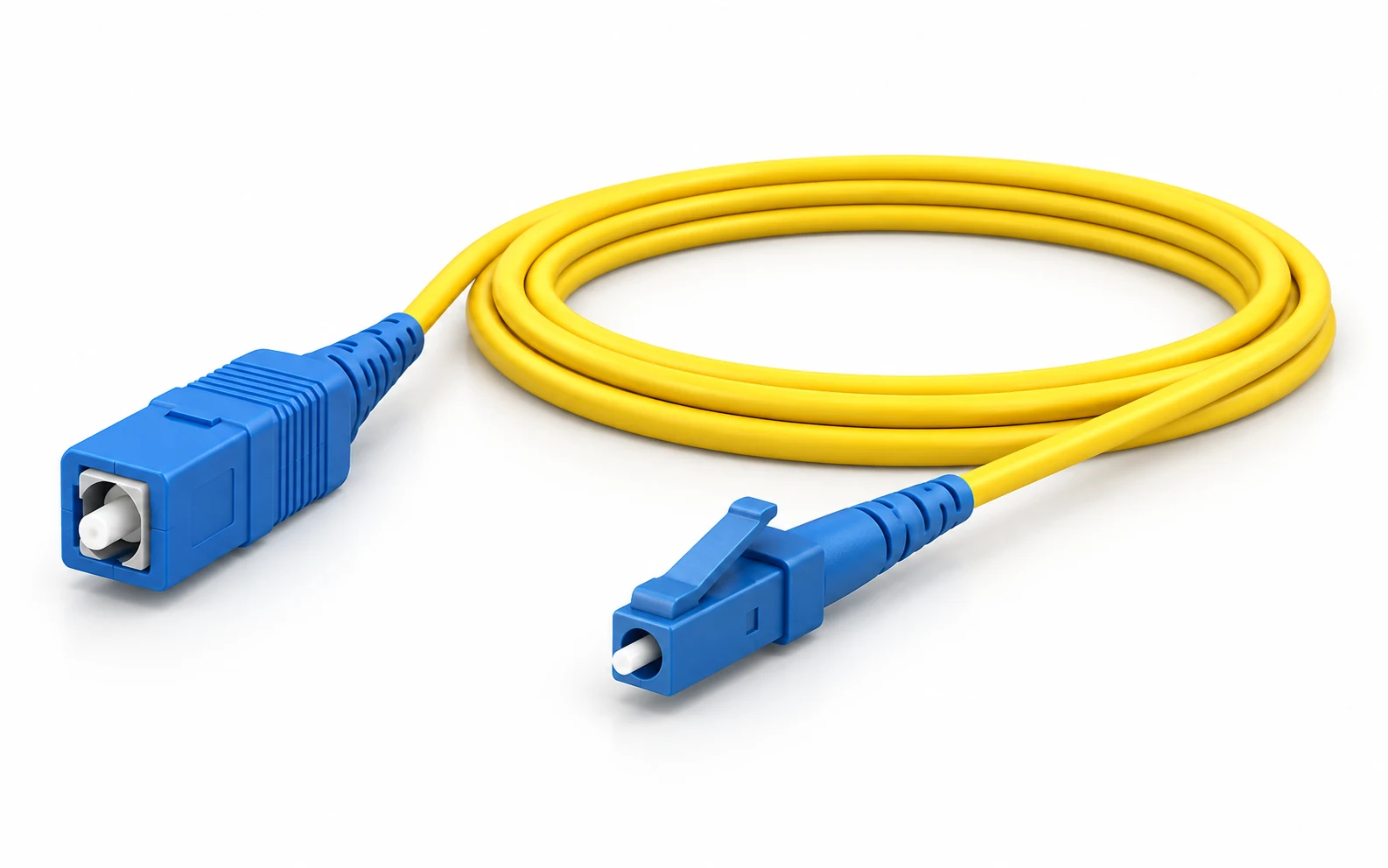
बेस केबल, कनेक्टर असेंबली, पॉलिशिंग और रिलीज़।.
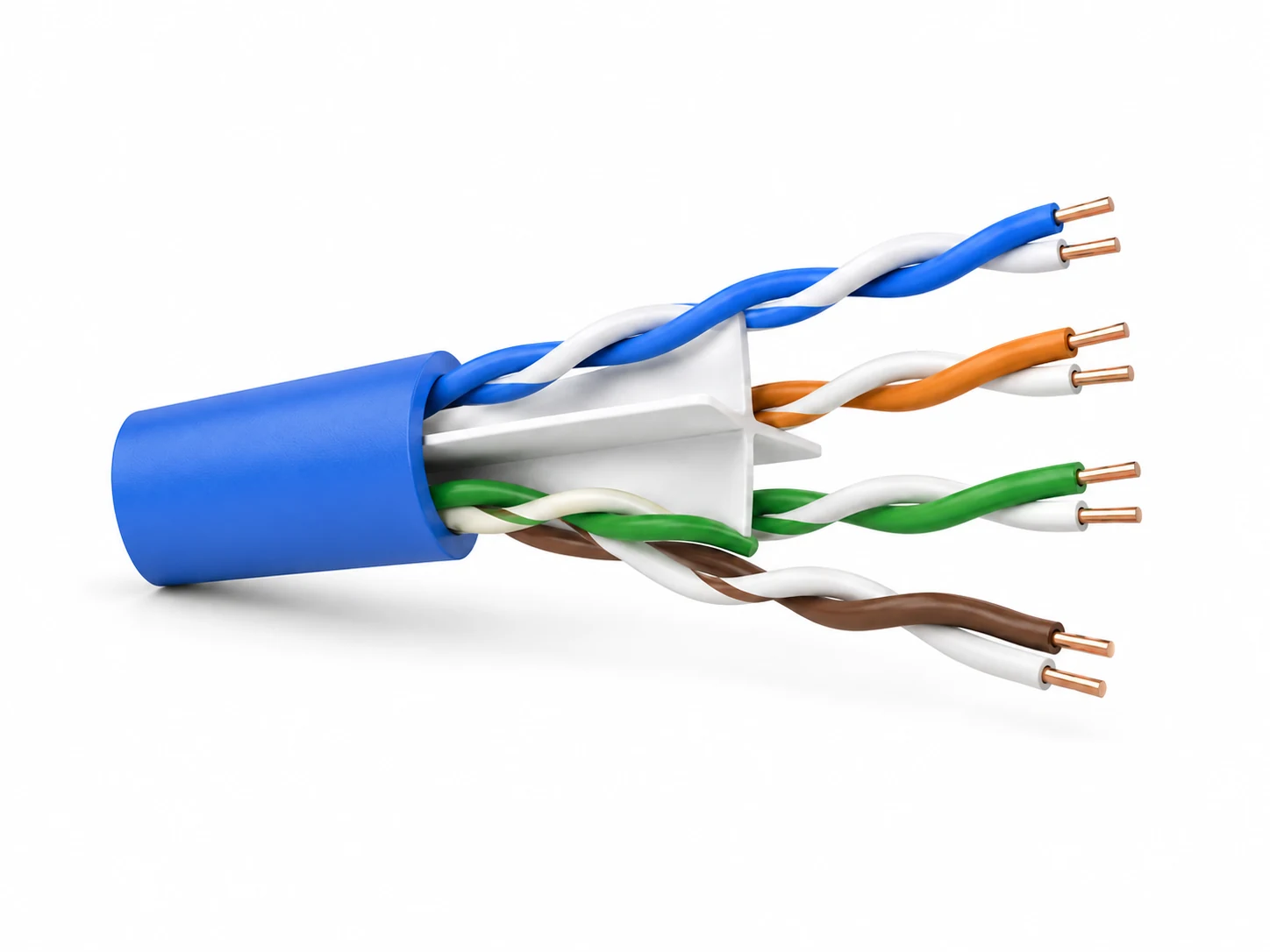
नेटवर्क केबल के लिए उपकरण चयन और प्रक्रिया योजना।.

Identify every fiber. Control every reel.
Apply and cure identification ink on individual optical fibers, then rewind them with coordinated tension and traverse. Select the curing system, fiber path and reel package around your production requirements.
UV-lamp equipment image from the outdoor cable project reference.
Fiber preparation: this machine colors or rewinds individual optical fibers. Loose-tube extrusion, tight buffering and cable sheathing are separate downstream processes.
Coloring follows all four steps. For rewinding without a new color coating, the machine uses the confirmed transfer path and operating settings.
Coordinate the driven pay-off, dancer and guide path with the actual supply reel.
Select the ink and die, center the coating system and set the required application conditions.
Match the UV-lamp or LED system, nitrogen protection and speed to the approved ink.
Coordinate wheel haul-off, winding tension and traverse for the required reel package.
Compare UV-lamp coloring, an LED configuration and rewinding mode. Each requires its own operating and acceptance conditions.
Select a unit to review its role and project requirements. These functions are integrated into the complete machine; the supplied reference image shows the whole equipment.
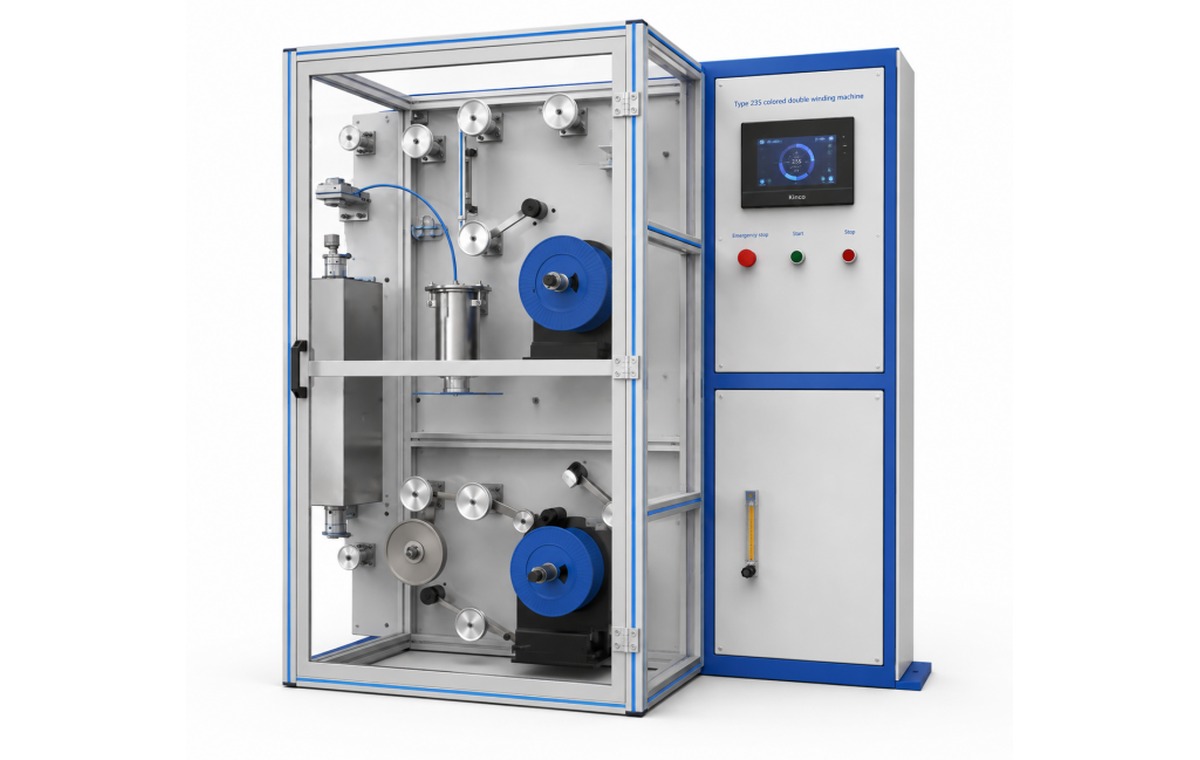
UV-lamp complete-machine image. Individual component photos and the final internal layout are confirmed for the selected project.
Feeds one optical fiber from the supply reel. The movable, motor-driven pay-off coordinates reel motion with fiber demand to limit tension variation and vibration.
Supply reel flange, barrel, bore, width and mass; fiber length; drive and threading arrangement.
Selected unit 01: Driven fiber pay-off
Select the complete UV-lamp or LED configuration. The electrical supply, drives, curing unit and speed ratings below belong to the stated reference equipment.
| प्रक्रिया | Single-fiber coloring and rewinding |
|---|---|
| Coloring production speed | Up to 1,800 m/min |
| यांत्रिक डिज़ाइन गति | Up to 2,000 m/min |
| Rewinding speed | चयनित तकनीकी प्रस्ताव में पुष्टि करें |
| Curing technology | UV lamp with nitrogen flushing |
| UV lamp power | 7.5 kW |
| Color coating thickness | 3–5 μm |
| पे-ऑफ तनाव | 0.2–1.0 N; tolerance ±0.05 N |
| Reel reference | 25 / 50 km classes; final reel dimensions to confirm |
| Pay-off drives | 2 × 1.5 kW Panasonic servos; 0.4 kW traverse |
| Wheel haul-off | 0.75 kW Panasonic servo |
| Take-up drives | 1.5 kW Panasonic servo; 0.4 kW traverse |
| नियंत्रण | Siemens S7 PLC; Kinco 10.2-inch HMI; RKC PID |
| Installed power reference | Approx. 13 kW |
| Electrical supply reference | 380 V / 50 Hz |
Reference configuration. Final supply, performance and utilities follow the agreed technical proposal and trial conditions.
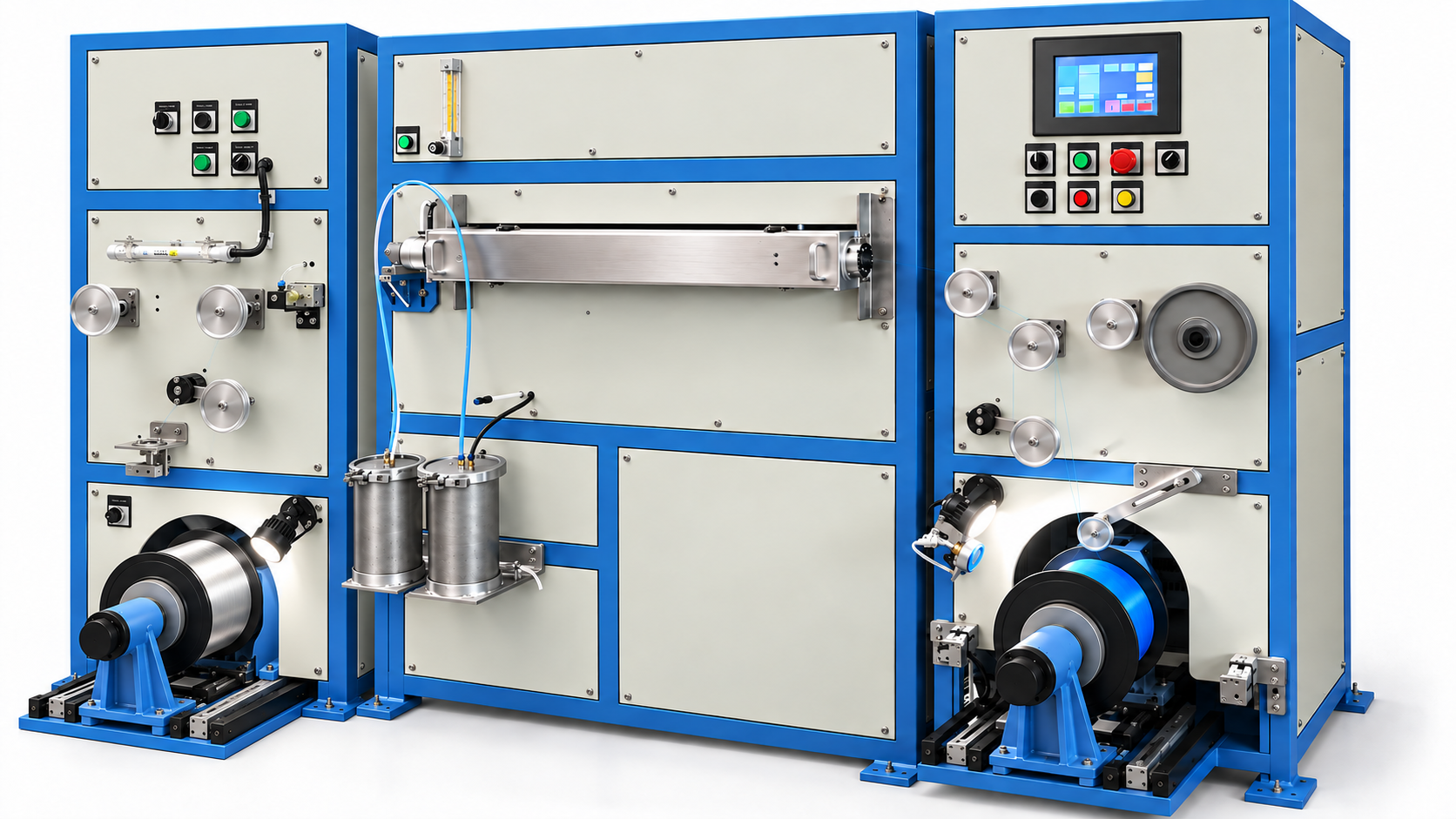
| प्रक्रिया | Single-fiber coloring and rewinding |
|---|---|
| Coloring speed | 2,000 m/min |
| यांत्रिक डिज़ाइन गति | 2,200 m/min |
| Rewinding speed | ≤2,200 m/min |
| Curing technology | LED oven with nitrogen protection |
| LED curing power | 3.7 kW |
| Cooling fan motor | 1.1 kW |
| Color coating thickness | 3–5 μm |
| पे-ऑफ तनाव | 0.2–1.0 N; tolerance ±0.05 N |
| Traverse pitch | 0.1–2.0 mm |
| Additional attenuation after coloring | ≤0.02 dB/km; agreed test method and conditions |
| Maximum reel diameter / mass | Ø236 mm / 10 kg |
| Machine dimensions (L × W × H) | 1,900 × 1,350 × 2,100 mm |
| Pay-off drives | 2 × 1 kW Panasonic servos; 0.4 kW traverse |
| Wheel haul-off | 0.75 kW Panasonic servo |
| Take-up drives | 1 kW Panasonic servo; 0.4 kW traverse |
| नियंत्रण | Siemens S7-300 PLC; Kinco 10.2-inch HMI; RKC PID |
| Electrical supply reference | 440 V / 60 Hz |
| Nitrogen purity | ≥99.99% |
| Compressed air | 0.5 MPa |
| Operating ambient temperature | 20–25 °C |
| कोटिंग डाई तापमान | 20–60 °C; tolerance ±2 °C |
| Ink pressure / capacity | 0–2.0 bar / 2 kg |
Reference configuration. Final supply, performance and utilities follow the agreed technical proposal and trial conditions.
The LED unit's 3.7 kW curing rating is not total machine power. Confirm the installed-load schedule and agree the fiber, ink, cure, tension, winding and optical tests for the selected design.
The coloring machine prepares the fiber package. Select the downstream production stages from the finished cable drawing and the processes already available in your factory.
Feed the prepared fiber reels into the approved loose-tube extrusion and filling process.
Explore the routeConnect fiber preparation with loose tubes, stranded core, aramid reinforcement and sheathing.
Explore the routeStart from the finished cable to identify the required preparation and downstream equipment.
Explore the routeThe UV-lamp image and LED factory video show their respective equipment designs. Use the selected technical schedule and agreed trial conditions for acceptance.
Equipment image from the outdoor optical cable project. Review the lamp system, reel arrangement and final installation drawing with the UV-lamp specification.
View UV-lamp specifications →HONGKAI factory footage shows the fiber path, guide rollers, reel handling and HMI with a 2,000 m/min display. The display is an operating reference; acceptance uses the agreed materials and quality tests.
Confirm fiber condition, ink, input reel and output package before running the selected machine.
Check tension, coating, curing, haul-off and winding during starts, stable production and stops.
Record color identification, coating and cure quality, reel build and the agreed optical measurements.
The written proposal should connect equipment selection, integration and start-up responsibilities. Confirm the scope with HONGKAI for your project.
Start with your fiber, ink and reel specifications. Technical details can be confirmed during the first review.
Fiber type, coating diameter and incoming condition
Color program, ink brand / grade and coating target
UV-lamp or LED curing preference
Input and output reel drawings, mass and length
Target coloring and rewinding duties
Tension, winding and optical quality requirements
Site voltage, frequency, nitrogen and compressed air
Workshop space, installation and service access
Trial materials, inspection method and acceptance scope
Review the fiber, curing method, reel compatibility and information needed for a proposal.
आपूर्ति की गई मशीन रेफरेंस एक समय में एक ऑप्टिकल फाइबर को प्रोसेस करती है। उत्पादन कार्यक्रम के अनुसार विभिन्न पहचान रंग लागू किए जाते हैं; एक 12-रंग कार्यक्रम का अर्थ 12 समानांतर फाइबर पथ नहीं है।.
रंगाई पहचान इंक जोड़ती है और वाइंडिंग से पहले उसे क्योर करती है। रीवाइंडिंग नियंत्रित तनाव और ट्रैवर्स के साथ मौजूदा फाइबर पैकेज को स्थानांतरित करती है, बिना कोई नया रंग कोटिंग लगाए। चयनित मशीन के लिए थ्रेडिंग पथ और ऑपरेटिंग सेटिंग्स की पुष्टि करें।.
HONGKAI स्रोत दस्तावेज़ों में एक UV-लैंप मशीन रेफरेंस और एक अलग LED-क्योरिंग कॉन्फ़िगरेशन शामिल है। सिस्टम को स्याही, नाइट्रोजन, शीतलन, विद्युत आपूर्ति और आवश्यक उत्पादन ड्यूटी के साथ चुनें। अंतिम कार्यक्षेत्र तकनीकी प्रस्ताव के अनुसार होगा।.
नहीं। यांत्रिक डिज़ाइन गति, रंगाई गति और रीवाइंडिंग गति अलग-अलग सीमाओं या कर्तव्यों का वर्णन करती हैं। प्राप्त करने योग्य रंगाई प्रदर्शन फाइबर, स्याही, कोटिंग की मोटाई, क्योरिंग परिस्थितियों, तनाव और सहमत गुणवत्ता मानदंडों पर निर्भर करता है।.
केवल रील की लंबाई पर्याप्त नहीं है। फ्लैंज और बैरल व्यास, चौड़ाई, बोर, पूर्ण-रील द्रव्यमान और वाइंडिंग आवश्यकताएं प्रदान करें। UV और LED स्रोत विन्यासों में अलग-अलग निर्दिष्ट रील संदर्भ हैं, इसलिए संगतता की जांच की जानी चाहिए।.
वे रंगाई और रीवाइंडिंग मशीन की सात एकीकृत क्रियात्मक इकाइयाँ हैं। आपूर्ति किया गया आउटडोर-प्रोजेक्ट दस्तावेज़ एक पूर्ण-मशीन छवि प्रदान करता है, सात स्वतंत्र घटक फ़ोटोग्राफ़ नहीं।.
यह ढीले-ट्यूब एक्सट्रूज़न या टाइट बफरिंग जैसी प्रक्रियाओं से पहले पहचाने गए फाइबर पैकेजों को तैयार करता है। अगला उत्पादन चरण तैयार केबल और इस बात पर निर्भर करता है कि क्या उपयुक्त पूर्व-रंगीन फाइबर पहले से आपूर्ति किया जा चुका है।.
फाइबर और स्याही के विनिर्देश, आवश्यक रंगाई या पुनः लपेटने की ड्यूटी, रील के ड्रॉइंग्स, लक्षित आउटपुट, क्योरिंग प्राथमिकता और साइट उपयोगिताएँ भेजें। निरीक्षण और स्वीकृति आवश्यकताएँ तथा कोई भी मौजूदा उपकरण इंटरफेस जोड़ें।.