










When bubbles, a rough surface or uneven dimensions appear during cable extrusion, the production team needs to know what to check first. Changing several settings at once can make the cause harder to find.
Start by checking the cable compound, its preparation and the stability of the extrusion process. If the cause remains unclear, retain material and cable samples with the operating records so the material supplier and equipment supplier can investigate the same problem.
This guide is for factories making solid insulation or solid cable jackets. Use the approved cable drawing to define the defect; a deliberately foamed insulation construction needs a different assessment.
شروع با ماده و سوابق خشککردن آن
Before adjusting the extruder, identify exactly what went into the hopper. Record the compound supplier, grade and batch, and confirm whether the material is virgin, recycled or a declared blend. “PVC,” “PE” or “cable material” alone does not identify a production batch.
Check the purchase specification against the bag label and supplier documents. Confirm that the grade is intended for the cable layer being made. An unfamiliar or untraceable batch deserves investigation even when the machine settings have not changed.
This material-first check reflects HONGKAI’s practical troubleshooting approach: examine material quality and preparation together with the consistency of the extruded output before deciding that equipment needs repair. It is a starting point for diagnosis, not a guarantee that good-looking material will produce compliant cable.
شرایط خشکشدن را بررسی کنید، نه فقط زمان سپریشده
Where the material supplier requires drying, compare the actual preparation with the instructions for that exact grade. Record the drying equipment, conditions, duration and handling between drying and feeding. If a moisture result is needed, agree on the measurement method with the material supplier.
“It was dried for a long time” is not the same as a verified material condition. Do not invent one drying temperature or time for every cable compound, and do not keep extending the cycle without checking the supplier’s instructions.
یک نمونهی شبیه به لانهزنبور را بهعنوان یک سرنخ در نظر بگیرید
Peter’s experience highlights a useful warning sign: a material may still produce a porous, honeycomb-like result after a drying attempt. At that point, retain the sample and investigate the compound rather than assuming that more drying will solve the problem.
The appearance alone does not prove that the material is recycled or identify the root cause. HMEL’s wire-and-cable extrusion guide lists both moisture and excessive temperature among possible causes of holes and bubbles.1 به همین دلیل است که بررسی نیازمند تاریخچهٔ ماده و سوابق فرآوری بهعلاوهٔ عیب قابل مشاهده است.
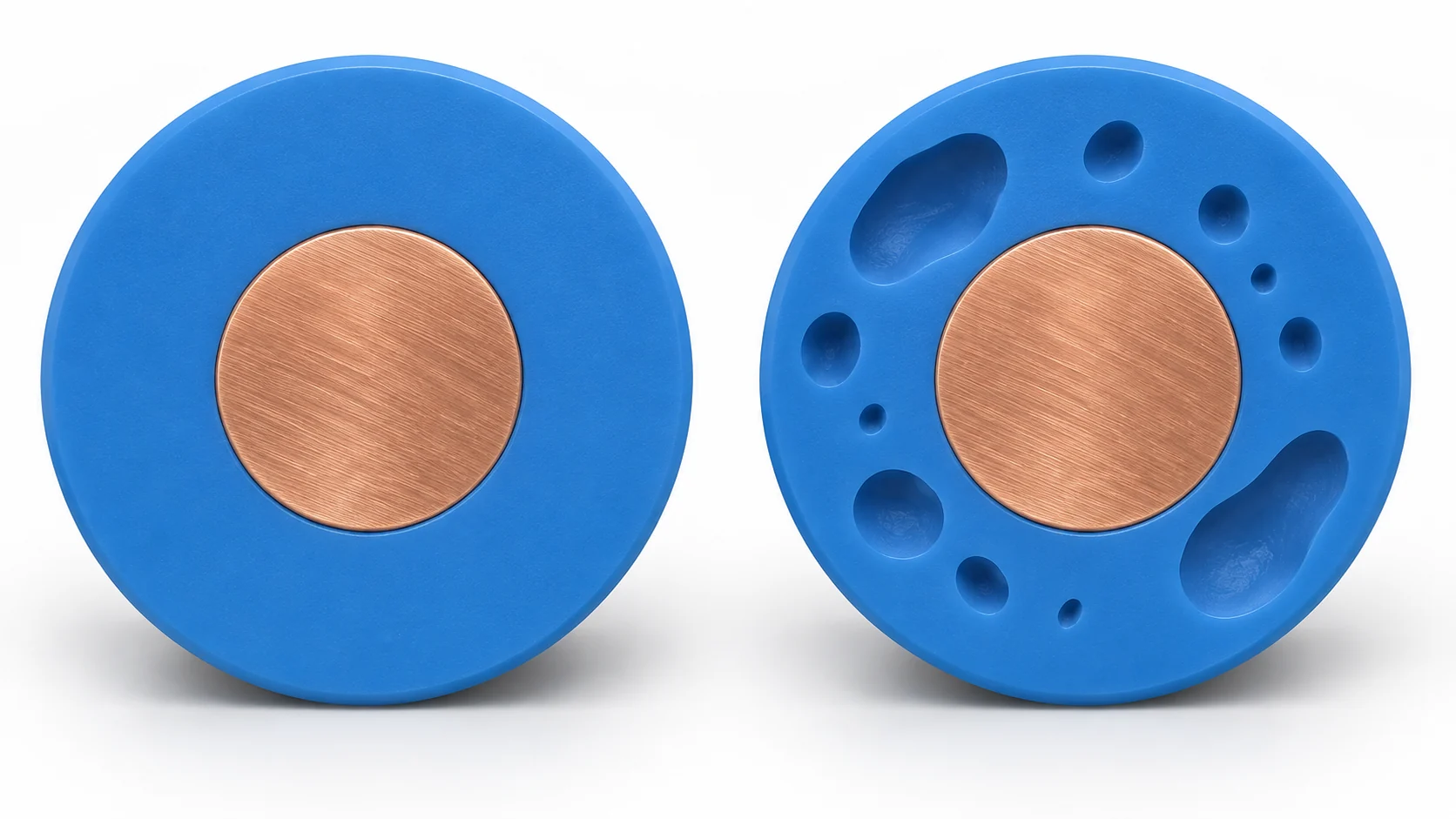
AI-generated illustration, not a photograph or test result. Left: uniform solid appearance. Right: illustrative voids in the insulation. The shapes are not to scale and do not identify a material grade, recycled content or the cause of a defect.
Ask the material supplier to confirm the grade, declared composition and suitability for the application. Whether recycled content is allowed is a question for the cable specification and material approval, not something a photograph can settle.
جدا کردن دغدغههای مربوط به مواد از ناپایداری فرآیند
Suitable material and steady extrusion are useful starting conditions. They do not, by themselves, prove that every cable requirement has been met. Compare what happened before and after the defect appeared.
Did the problem start with a new material batch? After a restart? After a tooling or recipe change? Or does the symptom appear and disappear while the recorded settings remain unchanged? These observations help decide which evidence to collect next.
از جدول برای سازماندهی بررسی استفاده کنید. بررسیها تشخیصهای تأییدشده یا دستورالعملهایی برای تغییر تنظیمات نیستند.
| Observation | مدارک برای مقایسه اولیه | آنچه مشاهده اثبات نمیکند |
|---|---|---|
| حبابها یا ساختاری شبیه لانه زنبور در لایهای که به عنوان جامد مشخص شده است | لُت مواد تحت تأثیر، سوابق خشککردن، دماهای فرآوری و نمونههای مطابق کابل | که ماده باید بازیافت شود یا اینکه خشککردن ناکافی تنها علت است |
| قطر خارجی تمامشده بالا و پایین میرود | مقادیر قطر در برابر پیچ، سرعتهای ثبتشدهی کشش و پیچش، در صورت وجود | کدام قطعه دستگاه خراب شده است |
| قطر خارجی قابل قبول است، اما عایق در یک طرف نازکتر است | اندازهگیریهای سطح مقطع و هرگونه سوابق مناسب ضخامت دیواره یا خروج از مرکزیت | اینکه قطر قابل قبول به این معناست که هادی در مرکز قرار دارد |
| زبری یا ذرات مرئی پس از تغییر در دستهبندی یا تنظیمات ظاهر میشوند | نمونههای قبل و بعد، هویت ماده و توالی تغییرات | اینکه آیا ماده یا تجهیزات بدون بازرسی بیشتر مسئول هستند یا خیر |
HMEL همچنین پیچ ناپایدار یا سرعت خط را به عنوان عوامل احتمالی مؤثر بر قطر نامساوی شناسایی میکند.1 از آن رابطه برای مقایسهی رفتار ثبتشده استفاده کنید، نه برای فرض اینکه موتور، درایو یا پیچ نیاز به تعویض دارد.
Keep diameter and eccentricity separate. Eccentricity means the conductor or core is off-center within the applied layer. SIKORA explains that comparing laser diameter measurements before and after extrusion can estimate wall thickness, but does not measure eccentricity.2 از روش اندازهگیری مناسب برای ویژگی مورد بررسی استفاده کنید.
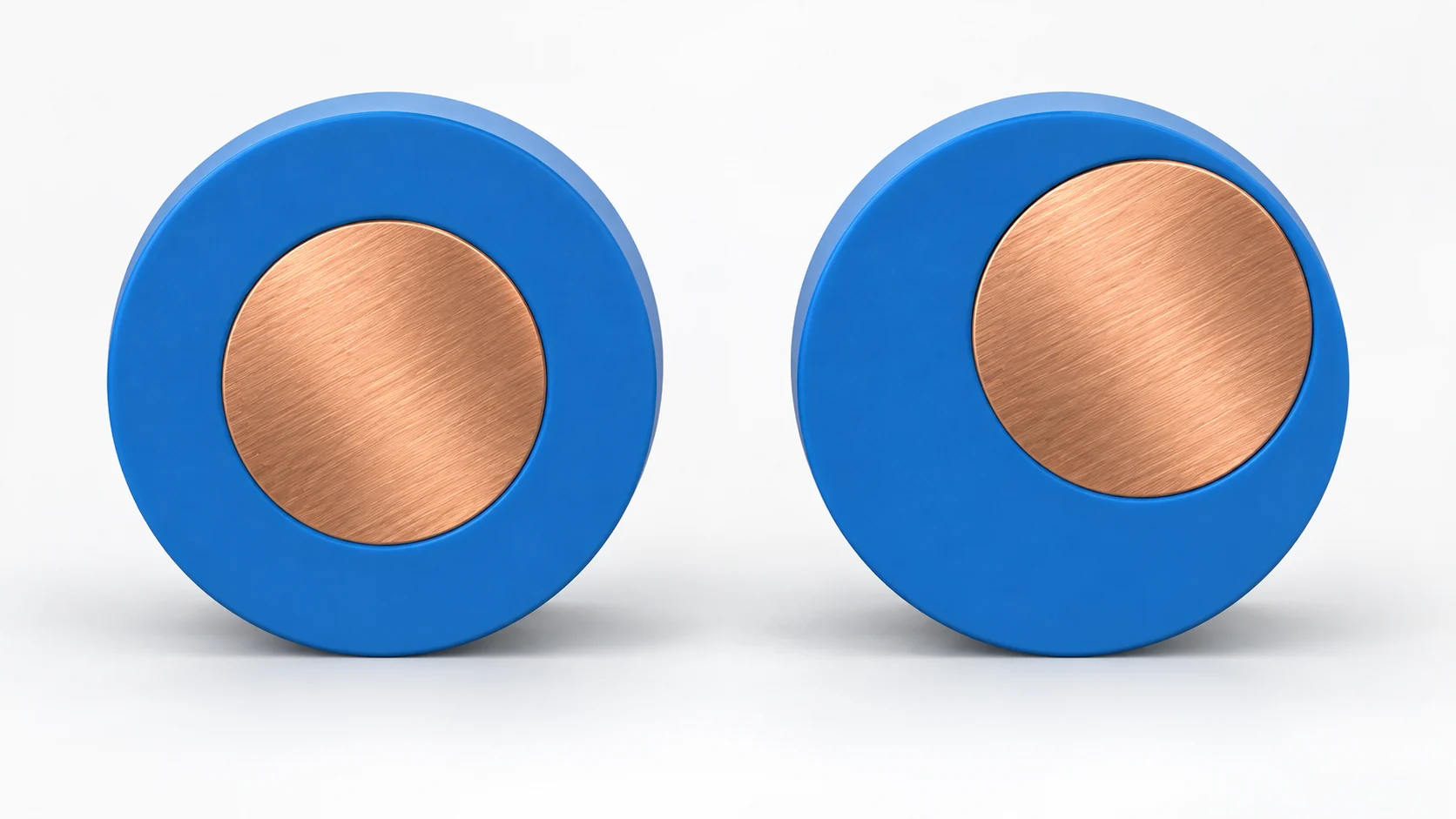
AI-generated illustration, not measured samples. The outer diameter is the same in both examples, but the off-center conductor on the right leaves an uneven insulation wall. No dimensions or acceptance tolerances are implied.
For a comparison trial, agree on an appropriate reference material and an approved process with the responsible engineers. Record each planned change and retain the resulting sample. If a different grade needs a different recipe, record both changes; that trial is not a clean comparison of material alone.
A better result with the reference material directs attention toward the suspect material or its processing requirements. It does not automatically certify the machine as fault-free. A defect that remains with the reference material still needs a review of preparation, operating conditions and equipment behavior.
کابل را با ساخت خود ترکیب اشتباه نگیرید. این مقایسهی روشهای اکستروژن کابل و تولید ترکیب توضیح میدهد که چرا آنها وظایف تولیدی جداگانهای هستند.
Note: Keep checks within the machine’s operating and safety instructions. Intrusive inspection, cleaning or repair requires qualified personnel and the approved isolation procedure; a troubleshooting article is not permission to open running or pressurized equipment.
ارسال نمونههایی که تأمینکننده بتواند مقایسه کند
A useful support request connects the problem material, the defective cable and the conditions that produced it. Photos help explain the symptom; identified samples allow a more detailed examination.
Peter recommends supplying samples so the material characteristics and the equipment’s processing behavior can be considered together. Ask the receiving supplier what sample quantity, packaging and preparation are needed before dispatch. A sample can support diagnosis, but it cannot establish every aspect of machine condition without operating evidence or further tests.
موارد زیر را در صورت موجود بودن آماده کنید:
- یک نمونه بهطور جداگانه شناساییشده از مادهای که در طول عیب استفاده شده، همراه با جزئیات گرید و لات آن.
- یک بخش معیوب کابل که به وضوح مشکل را نشان میدهد و برچسبگذاری شده تا با سوابق تولید مطابقت داشته باشد.
- یک نمونه کابل مقایسهای قابل قبول و در صورت امکان، جزئیات مربوط به دسته مواد متناظر.
- ابعاد کشش یا ابعاد هدف کابل، سوابق خشککردن، دستورالعمل و مقادیر واقعی ثبتشده هنگام ظهور عیب.
- توضیحی کوتاه درباره اینکه چه چیزی تغییر کرده، چه مواردی قبلاً امتحان شده و نتیجه پس از هر تلاش چگونه تغییر کرده است.
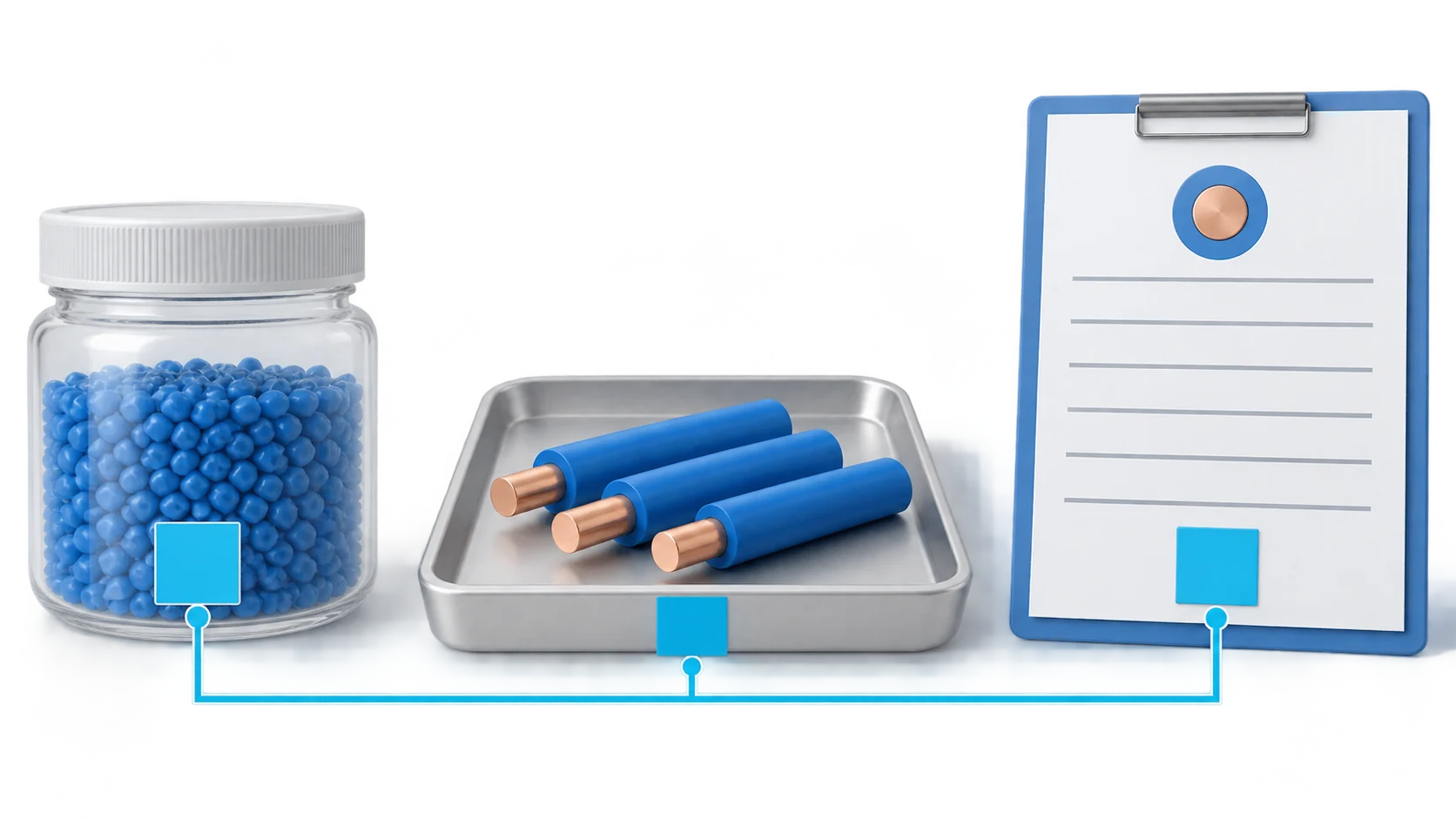
AI-generated evidence-matching illustration. The matching markers represent one linked material, cable and production record; they are not actual batch labels. The blank document is illustrative, not a test result.
Keep samples from different batches or trials separate. Use clear photographs of the cable surface and cross-section, and identify which image belongs to which sample. Do not mark a sample as “after repair” without recording what was repaired or changed.
For equipment review, add the line or machine identification, the relevant tooling details and any alarms. A short operating video can help show when the defect occurs, but a video should not replace the material and sample information.
This gives both suppliers a common starting point. The compound supplier can review the material and its processing requirements. The equipment supplier can compare the approved setup with the line’s observed behavior and decide what inspection or controlled trial is justified.
نتیجه را قبل از رها کردن بیشتر کابل تأیید کنید
An improved surface is useful evidence, but it is not the whole acceptance decision. Check the characteristics affected by the defect against the approved cable specification and test plan.
If the concern was uneven insulation, retain the relevant wall-thickness or eccentricity results. If it was diameter variation, review the diameter record for the agreed trial. Complete any other product checks required for that cable rather than assuming that the disappearance of one visible symptom proves compliance.
Record the material batch, preparation, approved settings, actual readings, sample identity and test results from the improved run. Keep affected production identifiable until the quality team decides its disposition. No universal test duration or sampling quantity is prescribed here; use the applicable factory and product requirements.
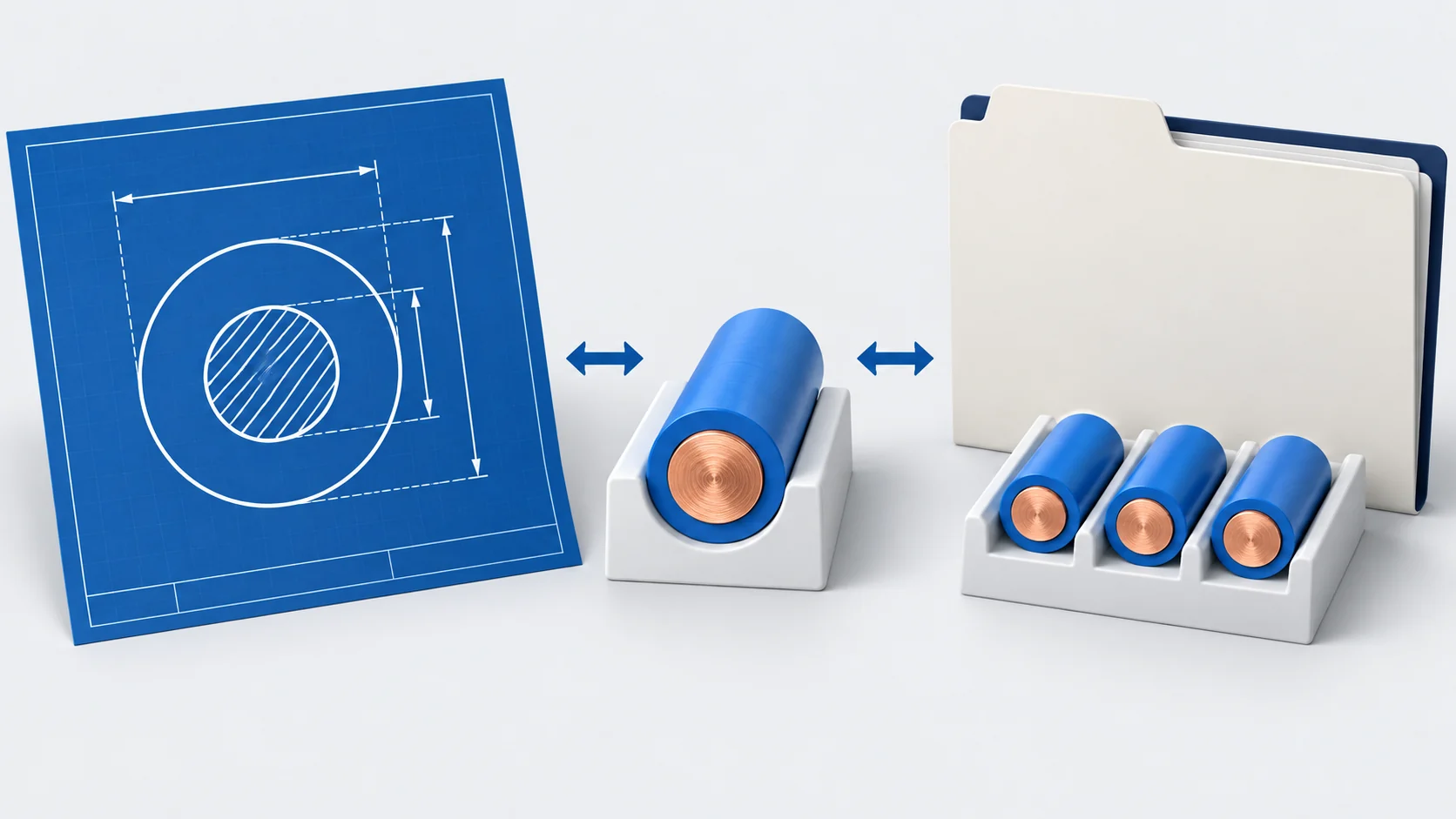
AI-generated verification illustration, not an actual drawing or inspection record. Compare the trial cable with the approved specification and retain the matching records and samples. The illustration does not show a passed test or authorize product release.
اگر شواهد به مشکل دستگاه اشاره کنند، وضعیت بازرسیشده را قبل از سفارش قطعات مستند کنید. این راهنمای نگهداری خط کابل و قطعات یدکی توضیح میدهد که چگونه یک عیب را به قطعه نصبشده متصل کنیم، هویت آن و بررسیهای لازم پس از تعمیر.
The investigation is complete when the factory can explain what changed, show the resulting cable evidence and repeat the accepted process. That is a stronger outcome than changing settings until one short sample looks better.
-
HMEL, راهنمای فنی فرآیند اکستروژن سیم و کابل و محصولات پلیشور, Table 4, printed page 11, February 2022. Used for examples of possible bubble and diameter-variation causes, not universal settings for all cable compounds. ↩ ↩
-
SIKORA, Thickness measurement, especially the laser-measurement section. Supports the distinction between diameter-derived thickness and eccentricity measurement; no particular instrument is prescribed for every cable line. ↩

 English
 हिन्दी
 فارسی