

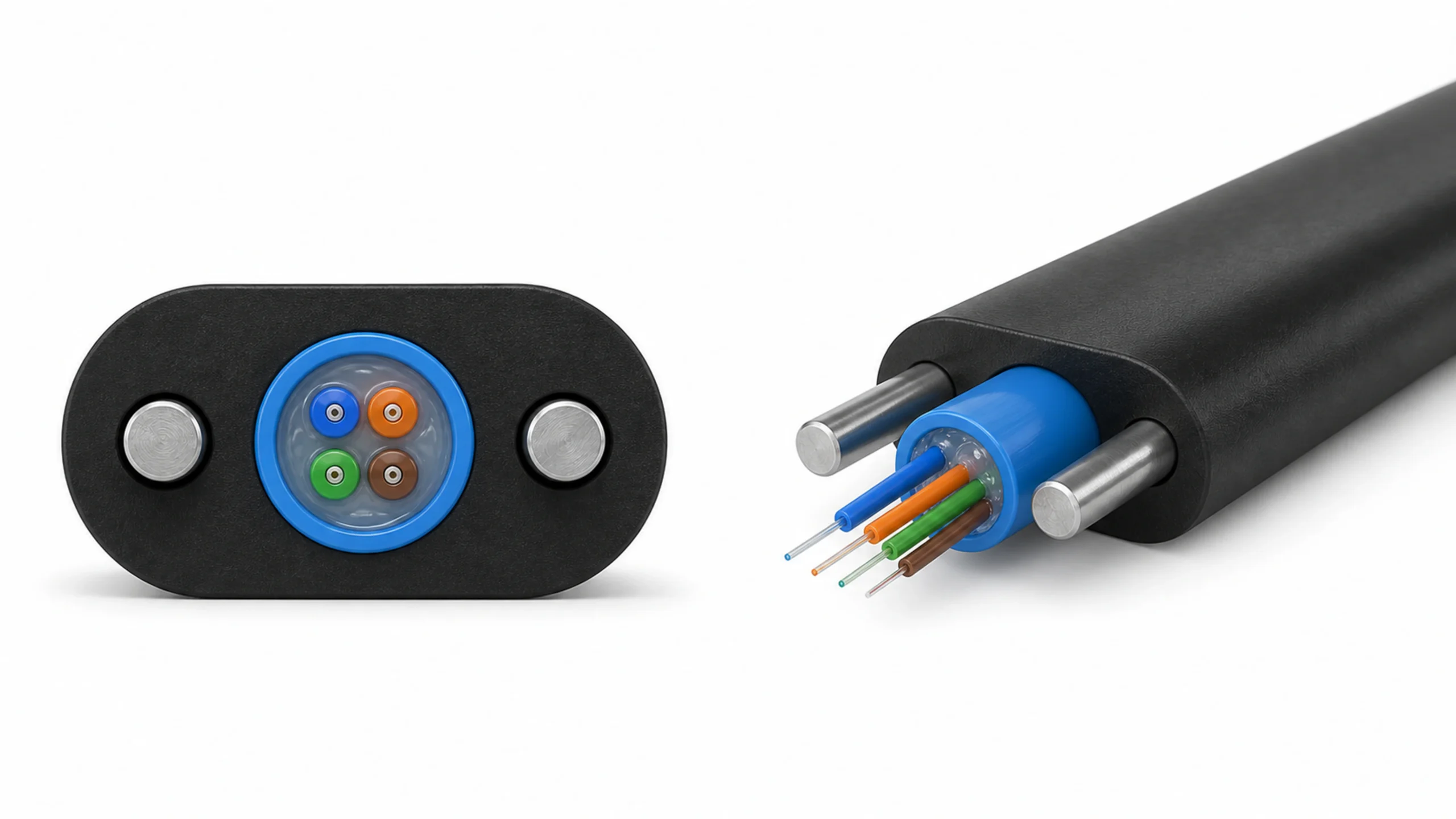

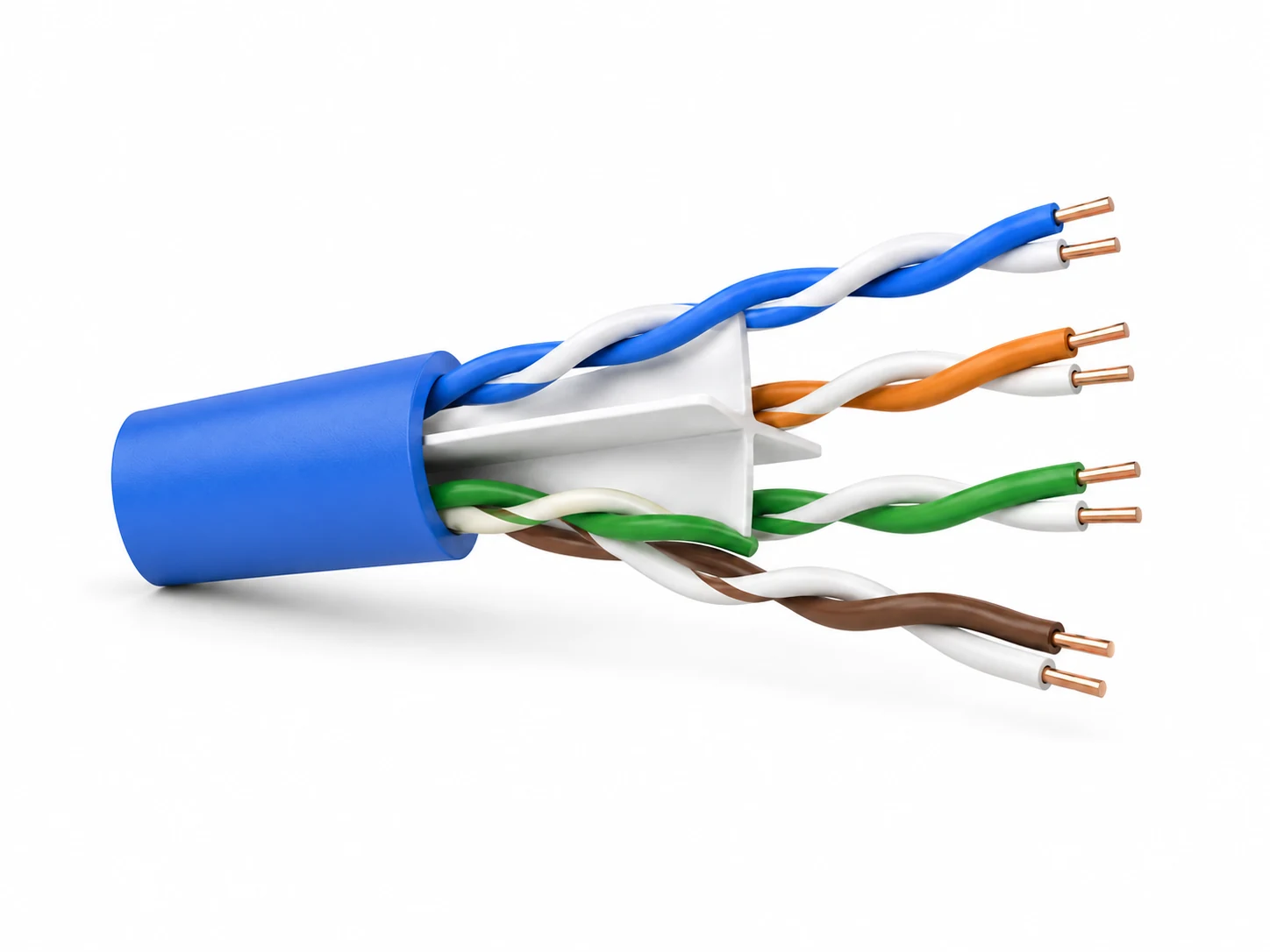










A fiber optic cable factory can buy tensile, crush, impact, bending, environmental and optical test equipment and still fail a customer audit. The missing element is often not another machine. It is a signed test plan that connects the cable construction, applicable specification, test method, acceptance limit and recorded evidence.
Factory owners, production managers and technical procurement teams should select a fiber optic cable test laboratory from the approved product scope backward. First identify what is being accepted, then name the governing product requirement, current test method, specimen and conditioning rules, pass/fail limit, measuring equipment and required record. IEC, TIA and ISO/IEC documents cover different objects and cannot be treated as interchangeable certificates.
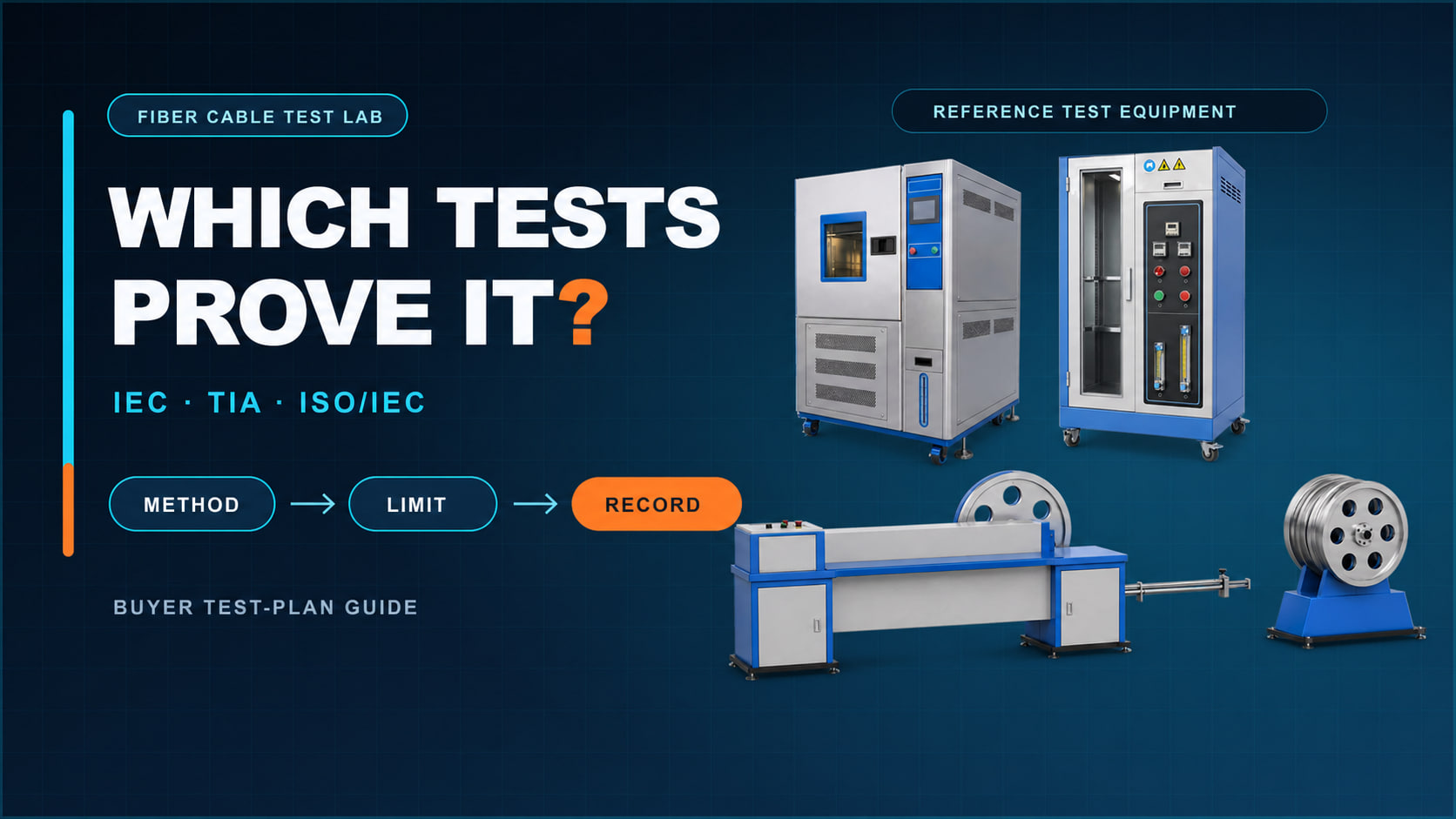
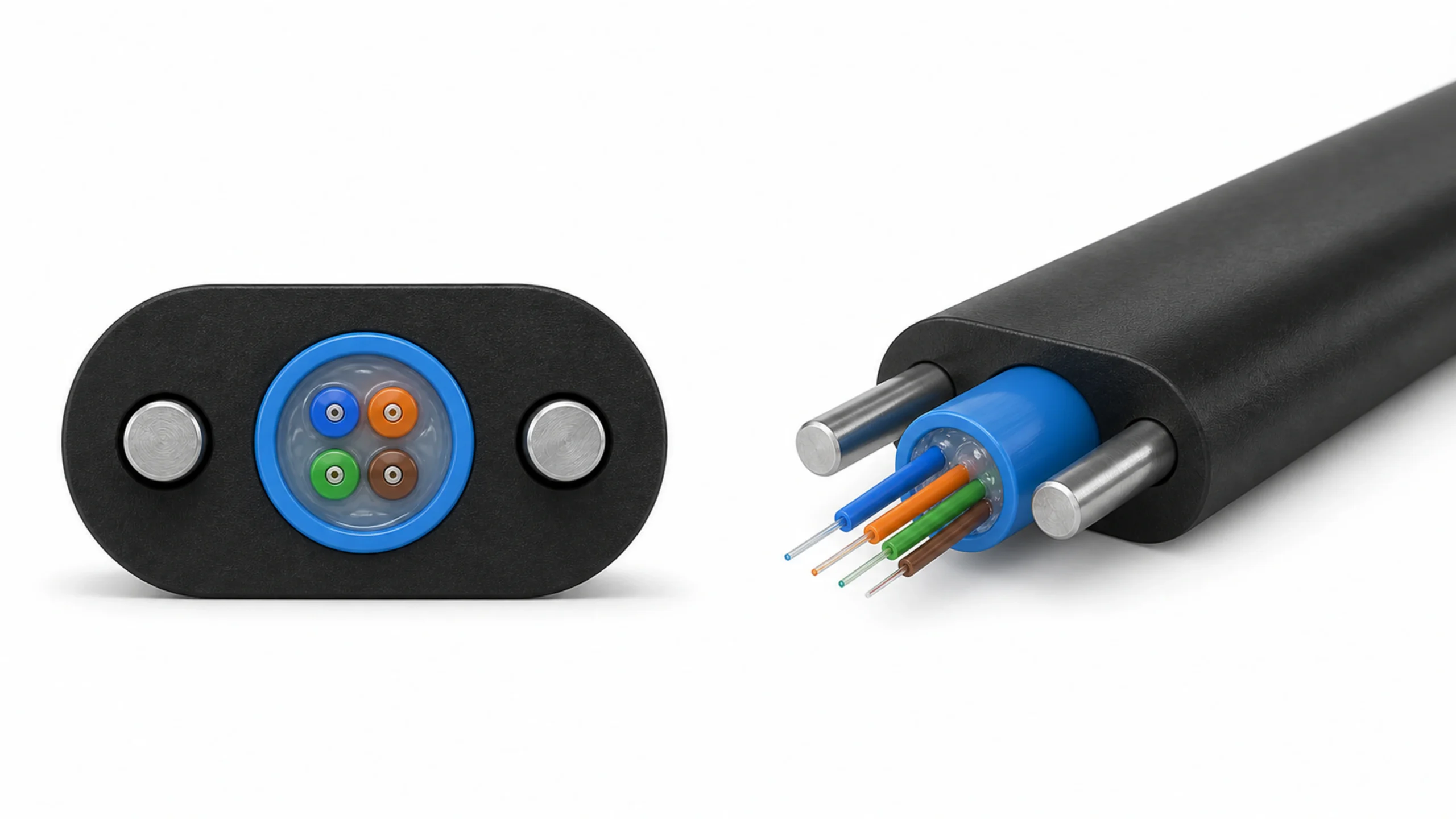
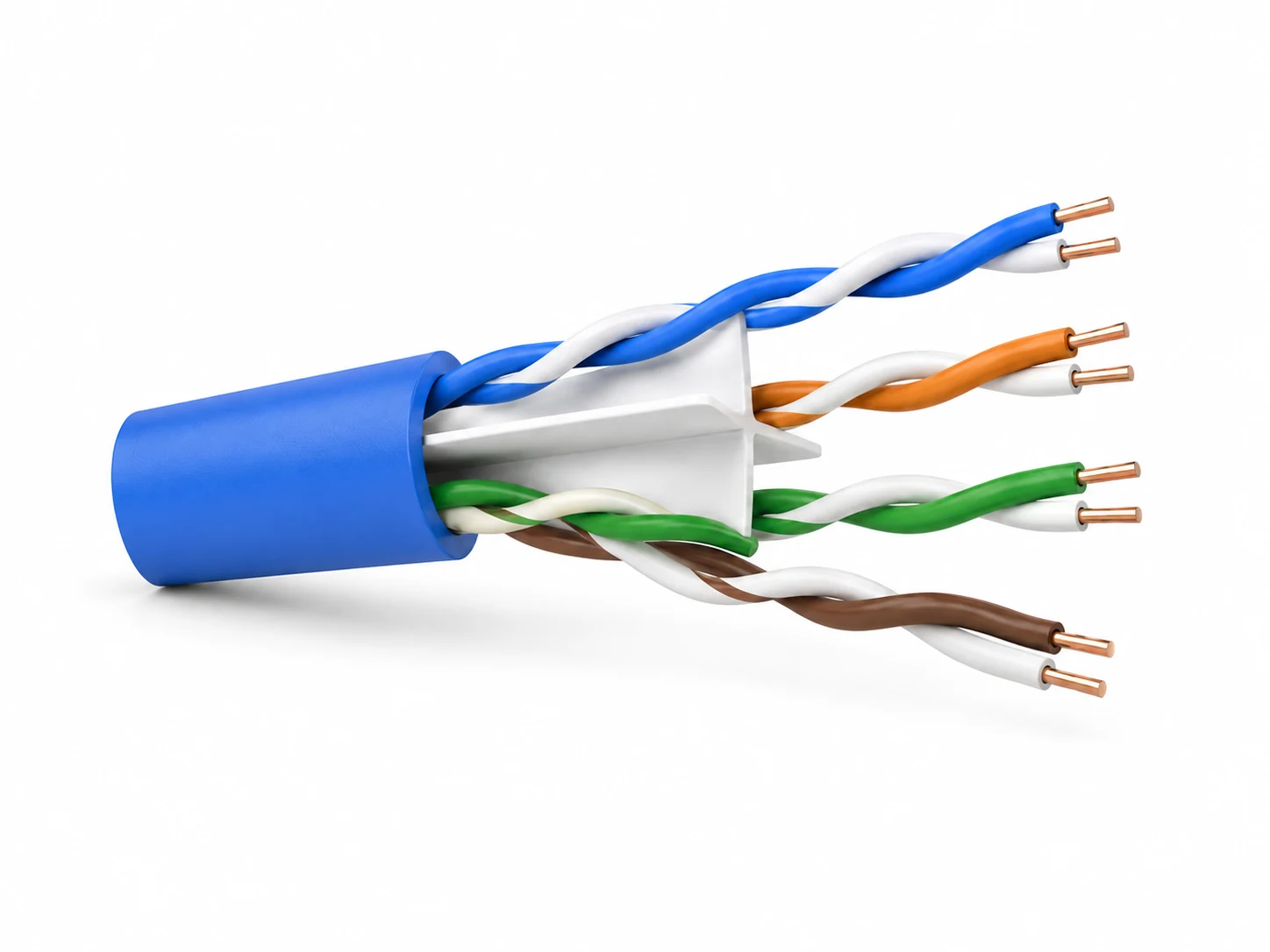
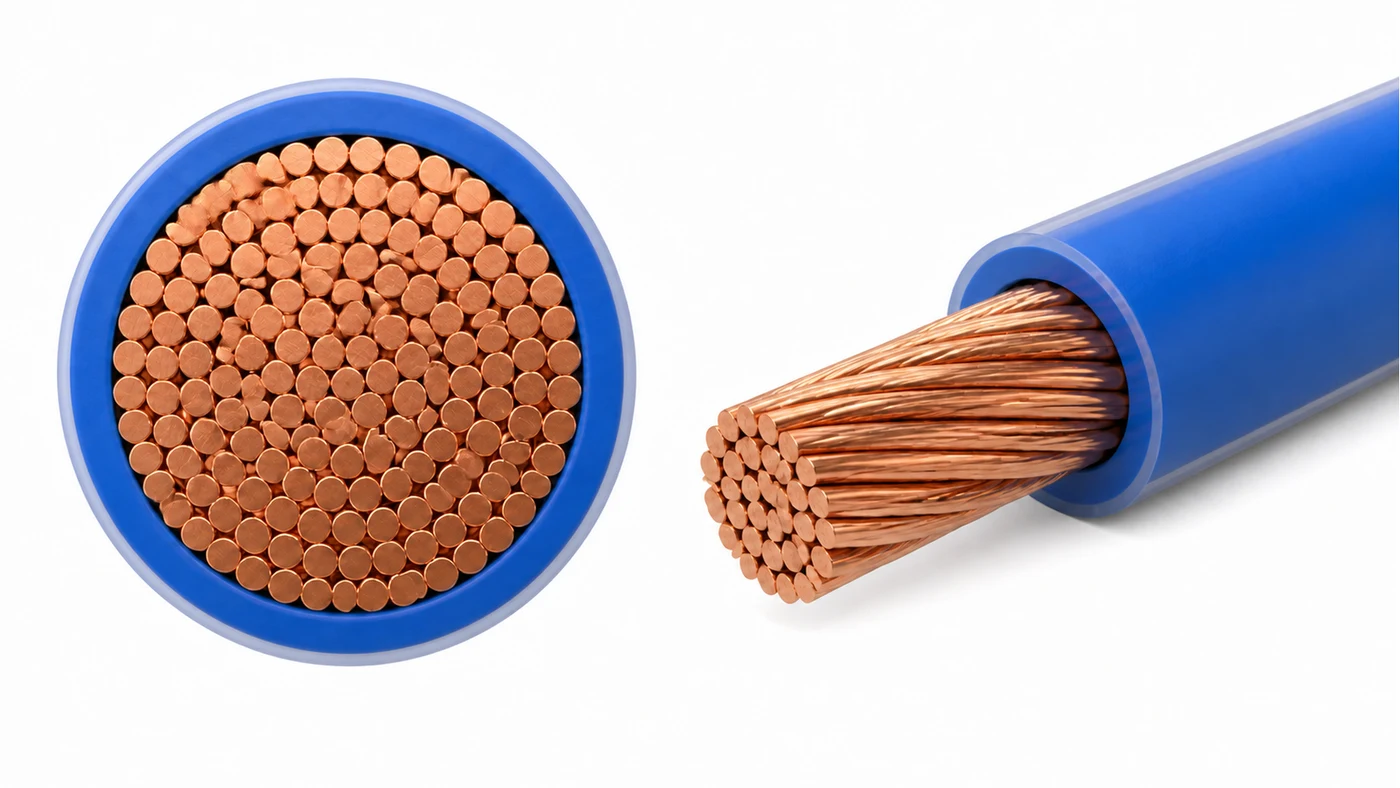
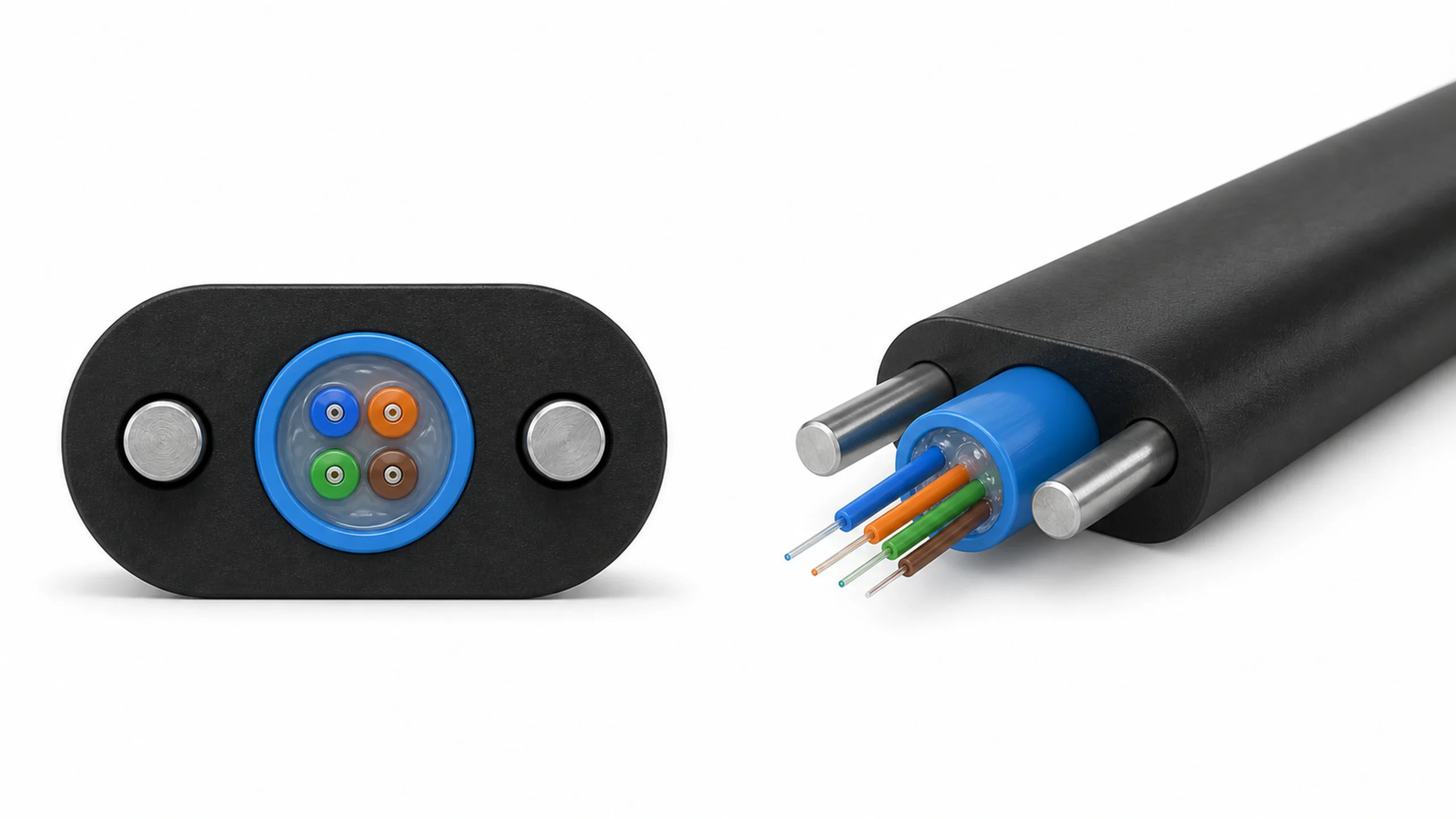
Reference test-equipment images from a HONGKAI optical-cable mechanical-performance equipment proposal. The final fixtures, ranges, methods and acceptance limits must be confirmed for the signed cable specification.
This guide explains how to convert fiber testing standards into a laboratory scope, equipment requirement and FAT evidence package. It does not publish universal loads, wavelengths, cycle counts or pass limits because those values depend on the product specification, cable construction, customer contract and current edition of the selected method.
Сначала определите, что принимается
The phrase “fiber test” is incomplete until the buyer identifies the object under acceptance. Bare optical fiber, finished cable, a connectorized assembly, an installed link and a testing machine require different standards and different evidence.
A cable factory normally receives qualified optical fiber and other materials, transforms them through coloring, buffering, stranding and sheathing, and releases a finished cable on a reel. A vertically integrated project may cover more stages, but the acceptance boundary must still be explicit.
| Acceptance object | Решение покупателя | Доказательства, которые относятся к этой границе | Доказательство, которое его не заменяет |
|---|---|---|---|
| Входящее оптическое волокно или другой материал | Достаточна ли документация поставщика или требуется входной контроль? | Маркировка материала, прослеживаемость партии, сертификат поставщика и согласованные входные проверки | Отчет об испытании готового кабеля на растяжение или сдавливание |
| Готовый оптический кабель | Which construction, application and product requirement apply? | Габаритные размеры, оптические записи и указанные механические, климатические или огневые испытания | An ISO 9001 certificate by itself |
| Connectorized cable assembly | Which connector interface, polarity and finished-assembly tests apply? | End-face, geometry, polarity/channel and optical test records where required | A base-cable attenuation record alone |
| Installed cabling system | Which link or channel performance must be proven after installation? | Installed-system test records made with the specified reference method | Factory cable type tests alone |
| Test machine or laboratory | Can the equipment reproduce the required method and retain auditable data? | Fixture, range, control, calibration status, software record and witnessed sample run | A machine brochure that only names a standard family |
This separation prevents a common purchasing error: asking one OTDR, one tensile tester or one general “IEC laboratory” to prove every stage. The HONGKAI fiber optic cable production-line overview shows why process stages and final-cable evidence should be planned together but accepted separately.
Decision criterion: Write a one-line acceptance statement before selecting equipment: “This test releases [named object] against [named requirement] using [method and edition], with [pass/fail source] recorded in [required report].” Any blank field is a procurement question, not a detail to resolve after installation.
Build the Specification Stack Before Choosing Equipment
A test method explains how to perform a test; it does not automatically define which cable must be tested or what value constitutes a pass. The buyer needs a complete specification stack from the approved cable application down to the final record.
The generic IEC 60794-1-1 document establishes broad requirements for optical fibre cables and cable elements.1 IEC 60794-1-2 provides general requirements, methodology guidance and an overview of the test methods in the IEC 60794-1 series.2 Neither document should be copied into a quotation as a universal pass certificate without the applicable product requirements and contract limits.
| Specification layer | What it decides | What the RFQ or test plan should record |
|---|---|---|
| Customer and application requirement | Where the cable will be used and which risks matter | Cable model, construction, installation environment, service conditions and customer specification |
| Product requirement | Which properties and qualification tests apply to that cable family | Full document reference, edition, clauses, amendments and any customer deviations |
| Метод испытания | How the specimen is prepared, loaded, conditioned and measured | Ссылка на текущий метод, длина образца, приспособления, последовательность, правила контроля и отчетности |
| Contract acceptance limit | Что проходит, что не проходит и кто утверждает отклонение | Value source, sample count, rounding rule, retest rule and disposition authority |
| Evidence package | Как результат остается прослеживаемым до выпущенного продукта | Reel/lot ID, sample ID, equipment ID, calibration status, raw data, photos and signatures |
The IEC mechanical-test collection is also changing from one broad document toward individual method publications. The official IEC page for IEC 60794-1-21 states that it has been partially replaced by newer method-specific documents.3 A 2015 method number copied from an old machine proposal may therefore be an unsafe contract reference in a new project.
Note: Freeze the edition and amendment status at the quotation or contract stage. Writing only “latest IEC standard” creates a moving target for equipment design, FAT preparation and dispute resolution.
Что на самом деле регулируют IEC, TIA и ISO/IEC?
IEC, TIA and ISO/IEC documents overlap around optical communications, but their scopes are not identical. The correct family depends on whether the buyer is qualifying cable, testing a component, designing premises cabling, measuring an installed system or auditing a management system.
| Standards family | Основной объект этого решения о покупке | Useful role | Что само по себе не доказывает |
|---|---|---|---|
| IEC 60794-1-1 and the IEC 60794 cable series | Оптический волоконный кабель и элементы кабеля | Общие требования, требования к семейству продукции и структура испытаний кабелей | That any machine or cable passes every IEC cable type |
| IEC 60794-1-2 and current IEC 60794-1 test-method documents | Optical cable test methodology | Method guidance and the applicable mechanical, environmental, cable-element or electrical procedure | A universal acceptance load, duration or attenuation limit for every cable |
| TIA-455 series | Оптические волокна, кабели, преобразователи и другие волоконно-оптические компоненты | Standard Fiber Optic Test Procedures where the contract selects them | Installed-system performance or blanket product certification |
| ANSI/TIA-568.3-E | Premises optical-fibre cabling components and related arrangements | Component and premises-cabling requirements for applicable projects | Every outdoor, aerial, submarine or utility cable requirement |
| TIA-526 series | Installed optical-fibre systems or cable plants | System-level optical measurement where the project selects the relevant method | Mechanical qualification of factory cable or reel FAT |
| ISO/IEC 11801 series | Generic cabling for customer premises | Multi-vendor premises-cabling system requirements | A complete factory type-test plan for all optical cable products |
| ISO/IEC 14763-3 | Installed optical-fibre cabling | Inspection and testing after installation | Factory qualification of the cable construction |
| ИСО 9001 | An organization’s quality management system | Process control, documented information, evaluation and improvement | Product approval, a cable pass result or proof that a named test was performed |
TIA identifies the TIA-455 series as standards for Fiber Optic Test Procedures.4 TIA’s own release for TIA-455-C states that the procedures apply to fibres, cables, transducers, sensors, connecting and terminating devices and other components, while system or subsystem testing belongs to the TIA-526 series.5 TIA also describes ANSI/TIA-568.3-E as its Optical Fiber Cabling Component Standard for premises cabling.6
ISO/IEC 11801-1 defines general requirements for generic customer-premises cabling and has a published 2025 amendment.7 ISO/IEC 14763-3 covers inspection and testing of installed optical-fibre cabling, reinforcing the boundary between factory cable evidence and site-link evidence.8 ISO 9001, by contrast, specifies quality-management-system requirements that can apply to organizations in many sectors.9 A factory may use ISO 9001 controls to manage calibration, traceability and nonconforming output, but the certificate does not replace a cable product requirement or test report. ISO itself does not perform certification or issue certificates; any management-system certificate must be attributed to the issuing certification body and its stated scope.10
Red flags: A supplier writes “IEC/TIA/ISO compliant” without naming the document, edition, acceptance object, test clause and pass/fail source. That phrase is not specific enough to select laboratory equipment or release finished cable.
Сопоставьте риски кабелей с испытаниями, оборудованием и записями
The laboratory scope should follow the risks created by the cable construction and its application. Online measurements control the manufacturing process; routine reel tests release production; qualification tests challenge representative samples; project-specific tests address requirements that do not apply to every cable.
| Риск или характеристика | Типовая функция тестирования | Оборудование или интерфейс для определения | Minimum evidence to request |
|---|---|---|---|
| Диаметр, толщина стенки, концентричность, маркировка и длина | Dimensional and process verification | Online diameter gauge, offline dimensional tools, marking/length record and sampling plan | Product/lot ID, setpoint, measured value, tolerance source and disposition |
| Optical continuity and attenuation | Оптическое освобождение волокна или готовой катушки | Approved source/power-meter or OTDR arrangement, launch/receive setup and wavelength plan | Raw trace or readings, reel/fibre ID, method, equipment ID and acceptance limit |
| Tensile loading | Реакция кабеля при заданном условии протяжки | Load frame, cable path, grips, sample length and optical monitoring interface | История нагрузки/времени, запись деформации волокна или затухания, где это требуется, и осмотр после испытаний |
| Crush or impact | Resistance to a specified compressive or impact event | Correct plates, impact surface, mass/load, energy or control sequence for the selected method | Setup identity, applied condition, optical monitoring and visible-damage record |
| Bending, repeated bending, flexing or torsion | Response to routing, handling or service motion | Cable-specific mandrels, pulleys, weights, clamps, angles and cycle control | Fixture dimensions, sequence, count, before/during/after optical data and inspection |
| Longitudinal water penetration | Water-blocking performance of the applicable cable structure | Герметичный интерфейс образца, водяной столб или система давления и наблюдение в течение заданного времени | Specimen preparation, water condition, duration, migration result and photos |
| Temperature or humidity exposure | Environmental response of cable and materials | Chamber range, sample routing, feed-through and optical monitoring arrangement | Program profile, chamber/equipment ID, actual log and before/during/after results |
| Flame or fire performance | Fire behaviour required by a specific product or installation rule | Test apparatus, specimen mounting, burner and ventilation system matched to the named method | Exact fire method, conditioning, specimen, observed result and authorised report |
An archived HONGKAI full-factory configuration contains equipment categories for tensile, crush/impact, repeated bending, torsion, flexing, water penetration and environmental conditioning, while another confirmed full-line project scope includes OTDR and a broader test-device package. Those records support a real integration boundary: HONGKAI can review production-line and specialist laboratory equipment together for a project. They do not establish one universal fixture, range or test limit for every optical cable.
The standards structure also prevents one fixed “indoor and outdoor” machine list. ITU-T L.103:2024 makes indoor-cable test selection and frequency dependent on the application and agreement, rather than requiring every listed test for every cable.11 IEC 60794-3:2022 covers outdoor uses as different as ducts, direct burial, aerial routes, water crossings, sewers and utility pipes, with additional requirements possible for some applications.12
HONGKAI insight: HONGKAI treats laboratory investment as a conditional project scope, not a universal machine list. A buyer planning both indoor and outdoor cable families may evaluate a broader in-house equipment package when the approved product scope and budget support it. With a limited budget, the first phase should cover the tests required to release the launch products and satisfy the signed customer specification; lower-frequency, specialist or currently non-applicable tests can be deferred or assigned to an external laboratory. “Lower priority” means outside the present launch and contract scope, not technically unimportant.
| Laboratory investment route | Best fit | What to secure first | Boundary to keep explicit |
|---|---|---|---|
| Broader in-house package | A defined indoor-and-outdoor portfolio, recurring test demand, trained staff and sufficient budget | Каждая станция, которая сопоставляется с утвержденными семействами продукции, методами и сохраняемой документацией | A complete package is not permission to apply every test to every cable |
| Phased in-house package | A narrow launch portfolio or constrained first-stage budget | Рутинные проверки при выпуске и подтверждающие документы, требуемые по контракту, для пусковых кабелей | Add stations when a new product or customer requirement creates a documented need |
| In-house plus external laboratory | Infrequent, long-duration, destructive, specialist or independently witnessed work | Подготовка образцов, прослеживаемость, согласованный внешний метод и принятие отчета | External evidence does not remove the factory’s routine process and reel-release controls |
When external evidence is required, verify that the laboratory’s competence or accreditation scope includes the exact selected method. ISO/IEC 17025:2017 addresses laboratory competence, impartiality and consistent operation, but its name alone does not show that every optical-cable test is inside one laboratory’s approved scope.13
Текущий HONGKAI руководство по производственной линии loose-tube applies the same principle at process level: the cable construction, material system, packages and acceptance evidence must be defined before a machine configuration becomes auditable.
Note: Fire testing is not a default requirement for every optical cable, and a generic vertical burner image is not proof of compliance. IEC 60332-1-2:2025 covers a single vertical cable and explicitly separates that result from grouped-cable fire propagation, while IEC 60332-3-24:2018 addresses a defined bunched-cable Category C type-approval test.1415 The RFQ must therefore name the applicable fire document, apparatus, specimen arrangement and reporting requirement before that station is included.
Превратите стандарты в план лабораторных испытаний
A useful laboratory plan is executable by an operator and auditable by a buyer. It must define the sample, method, setup, equipment status, acceptance source and record before the first test begins.
For each test, use the following sequence.
- Идентифицируйте образец. Record the cable model, construction, reel or lot, fibre count, relevant materials and specimen location.
- Freeze the requirement. Record the customer specification, product requirement, test method, edition, amendment and contract deviation if any.
- Определите кондиционирование и настройку. State sample length, preconditioning, fixtures, cable routing, environmental condition, monitoring points and test sequence.
- Confirm measurement capability. Match force, displacement, temperature, optical wavelength, resolution, data acquisition and software output to the selected method without assuming that a larger machine is automatically suitable.
- Установите правило приемки. Identify the source of every limit, the sampling rule, rounding, retest condition and authority for disposition.
- Build the record before the run. Prepare fields for operator, witness, date/time, sample and equipment IDs, calibration status, raw data, photos, result and signatures.
This plan should also state who owns specialist items such as optical instruments, reference cords, fixtures, calibration services, chamber feed-throughs, test software and computer interfaces. A complete machine price without these interfaces can still leave the factory unable to execute the signed method.
Evidence to request: Ask for a method-to-equipment matrix before purchase. Each row should name the cable scope, method/edition, required fixture and range, monitoring instruments, report output, calibration responsibility, FAT sample and items excluded from the supplier’s scope.
What Can Factory FAT Prove?
Factory acceptance testing can prove that the contracted equipment functions with the agreed sample and produces the specified records. It does not automatically replace cable qualification, long-duration environmental testing, an accredited third-party report or installed-system acceptance.
| Evidence gate | Primary question | Representative proof | Boundary to state |
|---|---|---|---|
| FAT испытательного оборудования | Does the contracted station execute the agreed function safely and repeatably? | Controls, fixtures, sensors, alarms, data capture, calibration status and witnessed sample run | FAT is limited to the signed station, sample and protocol |
| Production-line FAT | Can the line make the agreed representative cable under the signed conditions? | Stable operation, dimensions, online records, alarms, sample cable and agreed test data | One FAT sample is not approval for every future cable construction |
| Routine cable release | Does the identified reel or lot meet its release checks? | Traceable optical, dimensional, visual and other routine records | Routine tests do not replace type or qualification tests |
| Квалификационные или типовые испытания | Does a representative design survive the specified challenge? | Complete method, sample, conditioning, raw data, result and authorised report | Applicability to design changes must be defined |
| Third-party or scheme evidence | Is independent conformity evidence required by the customer or market? | Report or certificate from the required competent body and scope | Supplier self-test records cannot be relabelled as third-party certification |
| Site acceptance | Оборудование работает корректно после поставки, установки и интеграции? | Utilities, safety, function, sample run, training and open-item closure | SAT does not prove an installed telecom link unless that scope is contracted |
The HONGKAI installation and commissioning guide separates equipment readiness, product evidence, training and unresolved alarms for the same reason. Test records are meaningful only when the acceptance gate and responsibility owner are clear.
The laboratory plan must also include calibration and maintenance status. Test equipment can produce a plausible number while a sensor, reference cord, fixture or software configuration is outside its valid control. The HONGKAI maintenance and spare-parts guide explains how configuration-specific identification and records should support maintenance decisions rather than relying on a generic spare-parts list.
Write the RFQ as an Evidence Package
A strong fiber optic cable laboratory RFQ asks the supplier to prove a complete test-and-record chain, not merely to quote a list of machines. The final scope should be specific enough that the buyer, supplier and future laboratory operator would execute the same test plan.
Before releasing the RFQ, confirm:
- ☐ Каждое семейство кабелей и объект приемки имеет наименование.
- ☐ Every product requirement, test method, edition and amendment is recorded.
- ☐ Customer deviations and pass/fail limits have an identified source.
- ☐ Sample preparation, conditioning, fixture and monitoring rules are defined.
- ☐ Equipment ranges and interfaces are matched to the selected methods.
- ☐ Оптические приборы, передающие/приемные устройства и эталонные аксессуары назначены.
- ☐ Calibration, software, raw-data export and record retention responsibilities are assigned.
- ☐ FAT samples, witnesses, test sequence and acceptance evidence are agreed.
- ☐ Long-duration, destructive or third-party tests are separated from normal FAT.
- ☐ Training covers setup, alarm recovery, method selection, record creation and escalation.
The resulting laboratory may be a phased first-stage package, a broader indoor-and-outdoor facility or an in-house system supported by external specialist testing. The correct scope is not the longest equipment list. It is the route that releases the approved cable under the signed requirement, while giving the buyer a documented trigger for adding the next station.
-
IEC 60794-1-1:2023, Optical fibre cables – Generic specification – General, IEC.↩
-
IEC 60794-1-2:2021, Basic optical cable test procedures – General guidance, IEC.↩
-
IEC 60794-1-21:2015+A1:2020, Mechanical tests methods, IEC; the official lifecycle page lists partial replacements by newer method-specific publications. ↩
-
TIA reaffirmations for the TIA-455 Fiber Optic Test Procedure series, Telecommunications Industry Association. ↩
-
TIA-455-C general requirements announcement, Telecommunications Industry Association. ↩
-
ANSI/TIA-568.3-E Optical Fiber Cabling Component Standard announcement, Telecommunications Industry Association. ↩
-
ISO/IEC 11801-1:2017, Generic cabling for customer premises – General requirements, including the amendment history shown by ISO. ↩
-
ISO/IEC 14763-3:2024, Testing of optical fibre cabling, ISO. ↩
-
ISO 9001:2015, Quality management systems – Requirements, ISO. ↩
-
ITU-T L.103 (08/2024), Optical fibre cables for indoor applications, International Telecommunication Union. ↩
-
IEC 60794-3:2022, Outdoor cables – Sectional specification, IEC.↩
-
ISO/IEC 17025:2017, General requirements for the competence of testing and calibration laboratories, ISO. ↩
-
IEC 60332-1-2:2025, Vertical flame propagation for a single insulated wire or cable, IEC.↩
-
IEC 60332-3-24:2018, Vertical flame spread of bunched wires or cables – Category C, IEC.↩