


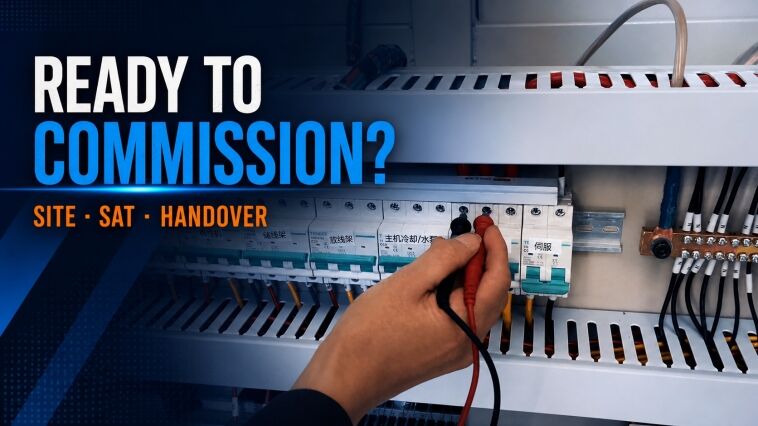
광섬유 케이블 공장 주인은 모든 기계가 바닥에 설치되고 전원을 켤 수 있다고 해서 설치를 완료된 것으로 간주해서는 안 됩니다. 진정한 판단 기준은 완전한 라인이 안전하고 정확히 연결되었으며, 합의된 케이블을 일관되게 생산할 수 있으며, 공급업체가 퇴장한 후 구매자가 사용할 수 있는 기록이 갖춰져 있는지 여부입니다.
광섬유 케이블 생산 라인의 설치는 다섯 가지 증거 간극을 해소해야 합니다: 현장 준비 상태, 기계 상태, 전기 및 기계적 안전성, 제어된 라인 기능, 그리고 제품 수용입니다. 구매자는 인수 검사부터 건조 운전, 재료 시험, 현장 수용 시험 및 인도에 이르기까지 서면 절차를 승인해야 합니다. 각 결과는 계약 구성, 케이블 도면, 승인된 재료 및 명시된 측정 방법과 연결되어야 합니다. 구두로 완료되었다는 약속보다 서명된 미해결 항목 목록이 더 유용합니다.

실제 HONGKAI 작업장 사진: 장비 인도 전에 전력 공급 검사가 완료되었습니다. 고객 현장은 프로젝트 문서 및 지역 규정에서 요구하는 검사를 반복해야 합니다.
설치, 운전 시작 및 수용은 관련 있지만 서로 다릅니다. 설치는 장비를 배치하고 연결합니다. 운전 시작은 기계의 기능, 인터록, 및 연결된 제어를 입증합니다. 이후 현장 수용 시험(SAT)은 구매자 공장에서 합의된 출력과 문서를 검증합니다. 남은 위험과 책임이 명확해진 후에야 제어된 생산을 시작해야 합니다.
The eight decisions below turn those stages into an auditable project plan. They apply whether the factory is adding one loose-tube line or coordinating coloring, secondary coating, SZ stranding and sheathing as a complete route.
광섬유 케이블 라인을 수용하기 전에 구매자가 완료해야 할 사항은 무엇입니까?
구매자는 여덟 가지 연결된 수용 결정을 완료해야 합니다: 문서 관리, 현장 준비 상태, 인수 검사, 물리적 설치, 전기 및 안전 검증, 건조 운전 시작, 제품 시험, 그리고 최종 인도를 포함한 교육입니다. 각 결정에는 책임자, 입력, 합격 기준, 그리고 보관된 기록이 필요합니다. HONGKAI 기계 도면 및 제어 문서는 공급 장비를 정의할 수 있지만, 구매자는 이를 지역 유틸리티, 지역 안전 의무, 그리고 승인된 케이블 사양과도 연결해야 합니다. 수용은 저위험 검사에서 전원이 공급된 기능으로, 그 다음 재료 생산으로 진행되어야 합니다.
1. 프로젝트 기준: 어떤 문서가 설치 및 수용을 관리합니까?
Why it matters: A commissioning team cannot resolve a disagreement if the contract, machine configuration, layout, cable drawing and test method describe different scopes. The document baseline decides what was supplied, what the buyer must prepare and what result closes the project. HONGKAI reference configurations for HK-235 coloring, HK-50 loose-tube, HK-800/12 SZ stranding and HK-90 sheathing include installation drawings, operating instructions and electrical diagrams, but each project must confirm the final revision set.
질문할 사항: 서명된 기술 구성, 장비 목록, 배치, 기초 및 설치 도면, 전기 도면, 유틸리티 일정, 소프트웨어 또는 레시피 백업, 케이블 및 튜브 도면, 승인된 원료, 공장 수용 기록, SAT 매트릭스, 매뉴얼, 예비 부품 및 미해결 항목에 대한 하나의 통제된 등록부를 작성하세요. 모든 문서의 현재 버전과 승인자를 명시하세요. 공장 수용 시험과 현장 수용 시험 사이의 합의된 차이점을 기록하세요.
검증 방법: 광섬유 케이블 생산 라인을 해체하거나 전원을 켜기 전에 문서 검토를 실시하세요. 인도된 모든 장치, 옵션, 센서, 도구 및 인터페이스를 서명된 범위와 추적하세요. 비공식적인 설명을 수용하지 말고, 날짜가 기록된 행동 목록에 누락되거나 수정된 항목을 표시하세요. HONGKAI 영업 계약 참조는 기술 구성 문서를 첨부물로 만들고 시험 재료 책임을 구매자에게 부여하므로, 최종 계약서에는 재료 수량, 사양, 인도 지점 및 미사용 재료 처리 방식이 명시되어야 합니다.
경고 신호: 도면이 기계 배치 후에 도착하거나, SAT가 구매 사양과 다른 케이블을 사용하거나, 소프트웨어 및 레시피에 백업이 없거나, 팀이 어떤 문서 버전이 통제하는지 식별할 수 없는 경우입니다.
2. 현장 준비 상태: 해체 전에 공간, 기초 및 유틸리티가 준비되어 있습니까?
이유: 라인이 기계적으로 완료되었더라도 바닥, 접근로, 전력 공급, 냉각수, 압축 공기, 환기 또는 재료 경로가 정확한 구성에 맞게 준비되지 않으면 고객 현장에서 실패할 수 있습니다. 유틸리티 요구 사항은 컬러링, 루즈튜브, 린딩 및 쉬싱 장비 간에 교환 불가능합니다. 구매자는 운전 시작 중에 임의로 연결을 시도하기보다, 선적 전에 현장 인터페이스를 고정해야 합니다.
확인 사항: 하역 경로, 리프팅 지점, 바닥 적재 조건, 기계 중심선, 기초 또는 앵커 상세사항, 작업자 통로, 유지보수 공간 확보 여부, 릴 취급 방식, 원자재 보관 장소, 폐기물 분리 방법 및 실험실 시료 이동 경로를 확인하십시오. 서명된 구성도에 명시된 경우에만 필요한 전원, 보호 접지, 공기압축기, 공정용수, 냉각수, 배수, 배출(추출), 질소 또는 기타 매체를 명시한 유틸리티 매트릭스를 작성하십시오. HONGKAI 설치 검토에서는 특히 하역 전에 공기압축기, 급수, 배수 및 명확한 리프팅 및 접근 경로를 점검합니다. 이 네 가지 점검 항목은 프로젝트 준비 상태를 판단하는 스크리닝 항목일 뿐이며, 서명된 전체 유틸리티 및 배치 요구사항을 대체하지 않습니다. 연결 위치, 품질, 압력 또는 용량, 책임 당사자 및 준비 완료일을 다른 항목의 값을 복사하지 않고 각각 명시하십시오.
검증 방법: 장비를 최종 위치로 이동하기 전에 실제 현장을 승인된 배치와 비교하세요. 연결 지점을 검사하고 측정된 유틸리티 조건을 프로젝트 요구 사항과 대조하세요. HONGKAI의 현재 루즈튜브 참조는 온수 및 냉각수, 압축 공기 및 조정된 전력 공급을 포함하며, 컬러링 참조는 합의된 UV- 경화 공정을 위해 질소 인터페이스도 요구할 수 있습니다. 최종 목록은 일반적인 공장 체크리스트가 아니라 프로젝트 구성에 의해 결정됩니다.
경고 신호: 설치자가 배치 후 불일치하는 전압을 발견하거나, 호스나 케이블이 접근 통로를 가로지르거나, 수급 및 배수를 혼동하거나, 리ール 처리가 비상 접근을 차단하거나, 보호 접지 및 공급 검사가 완료되기 전에 라인이 전원이 켜진 경우입니다.
3. 인수 상태: 인도된 모든 장치가 완전하고 손상되지 않았습니까?
Why it matters: Shipping damage, missing loose parts and mismatched labels are easier to resolve before assembly. Once packaging is discarded and units are connected, responsibility becomes harder to establish. The buyer should separate transport condition from machine performance and record both.
What to ask: Obtain the packing list, equipment list, serial or identification records, accessory and tooling list, spare-parts list, container loading plan and preservation instructions. Define who opens each package, who photographs the condition and how damage or shortage is reported. Keep moisture protection and temporary supports in place until the manufacturer instructions allow removal.
How to verify: Photograph packaging before opening and each machine unit after opening. Match nameplates, cabinets, pay-offs, take-ups, sensors, tooling, cables, manuals, spares and supplied tools against the signed list. Rotate or move only the parts that the manual permits during the receipt check. Record damage, corrosion, loose connections, contaminated surfaces and missing items with a location and corrective owner.
Red flags: Crates are discarded before reconciliation, the team signs a complete-delivery record from a packing count alone, tooling is not tied to the target product, or shipping locks remain installed during a powered test.
4. Physical Installation: Are alignment, guarding and interfaces correct before power-on?
Why it matters: Cable machinery is a linked system. A misplaced guide, uneven machine centerline, unstable foundation, wrong rotation path or restricted dancer can create tension and quality problems that look like control faults. Installation therefore has to verify both individual units and the continuous product path.
What to ask: Require a unit-by-unit placement and assembly checklist covering center height, centerline, leveling, anchoring, fasteners, guards, access panels, reel orientation, guide and capstan alignment, water and air connections, drain routing, lubrication, shipping-lock removal and cleanliness. Define the accepted method and tolerance in the project documents where the value matters; do not invent a universal alignment tolerance.
How to verify: Walk the complete material path from pay-off to take-up using the approved drawing. For a HONGKAI installation, the normal project sequence is to unpack the equipment, position each unit in the approved order and location, connect the units to the main control cabinet according to the electrical drawings, connect the incoming supply to the main cabinet and complete the specified water connections. Test individual units before linked operation, inspect the complete product path and horizontal centerline, make the final alignment adjustments and only then install the expansion anchors. Confirm that guides, dies, capstans, dancers, sensors and take-up traverse can move through their intended range without interference. Inspect guards and access points before trial material is loaded. Product trials and parameter fine-tuning follow mechanical fixation; exact electrical and utility checks remain project-specific. For a full outdoor route, repeat the check separately for coloring, loose-tube production, SZ stranding and sheathing because each process has different reels, tension zones and auxiliary systems.

Real HONGKAI installation and trial environment for fiber optic cable production equipment. Final placement follows the approved project layout.
Red flags: Operators must bypass a guard to thread the product, the product path rubs a frame, drain lines can flood an electrical area, reel lifting conflicts with an adjacent unit, or alignment is accepted by visual judgment without the project method.
5. Electrical Safety: Which checks must pass before the production line is energized?
Why it matters: Power-on is a controlled safety gate, not the first troubleshooting step. Supply compatibility, protective bonding, overcurrent protection, control circuits, emergency stops and documentation must be evaluated for the installed machine group. Local legal requirements and the contracted standards remain controlling.
What to ask: Define the competent person, lockout procedure, supply data, short-circuit and protection information, protective-bonding checks, insulation or other required measurements, cabinet inspection, phase and rotation checks, emergency-stop zones, reset behavior, control-voltage checks and test instruments. Require calibration or status evidence for the instruments used. Identify any site modifications and update the drawings before acceptance.
How to verify: Record the installed electrical checks before enabling powered movement, then challenge emergency stops, guards, limit switches and fault responses by the approved test method. IEC 60204-1:2016 with its 2021 amendment covers electrical equipment of machines from the supply connection and includes protective bonding, control-circuit protection, emergency-stop-related requirements and technical documentation.1 The standard reference does not replace local regulation or a project-specific risk assessment.
Red flags: Cabinet doors remain open during uncontrolled start-up, a safety device is bridged to save time, a site wiring change is not added to the diagram, or the SAT record says only “power OK” without the measured checks and responsible person.
6. Dry Commissioning: Do individual units, interlocks and linked controls behave correctly?
왜 중요한가: 건조 커미셔닝은 비싼 섬유, 고분자, 젤, 실 또는 케이블 코어가 도입되기 전에 기계 및 제어 동작을 분리합니다. 방향, 수동 이동, 속도 기준, 댄서, 경보, 한계, 가열 및 냉각 기능, 카운터, 레시피 및 협조 정지 동작을 확인해야 합니다. 성공적인 공회전은 제품 품질을 증명하지 않지만, 재료 시험에서 피할 수 있는 결함을 제거합니다.
질문할 사항: 프로젝트에 포함된 모든 모터, 드라이브, 히터, 펌프, 팬, 밸브, 센서, 게이지, 댄서, 캡스탄, 페이아웃, 테이크업, 트래버스, 경보 및 인간-기계 인터페이스 화면에 대해 기능 테스트 목록을 구축하세요. 정상 반응, 고장 반응, 리셋 조건 및 유지 증거를 정의하세요. 승인된 방법이 안전하게 허용하는 경우에만 신호 손실, 재료 부재 또는 라인 정지 시뮬레이션을 포함하세요.
확인 방법: 허용된 수동 또는 인칭 모드에서 먼저 단위를 테스트한 후, 제어된 조건에서 연결된 작동을 테스트하세요. 속도를 증가하기 전에 방향과 피드백을 확인하세요. 전류 및 과거 경보, 생산 추세, 레시피 저장, 길이 카운팅 및 협조 가속, 감속 및 정지를 검토하세요. HONGKAI의 HK-800/12 및 HK-90 참조 제어는 연결된 PLC 작동, 경보 이력, 추세 표시 및 레시피 기능을 포함하며, 최종 SAT는 실제로 공급된 기능만 테스트해야 합니다.
경고 신호: 팀이 즉시 고속 공회전으로 넘어가고, 경보 이력이 검토 전에 지워지며, 한 명의 운영자가 모든 인터록을 구두로 확인하거나, 공급업체가 회전하는 모터를 연결된 생산 라인이 커미셔닝되었음을 증명하는 것으로 간주합니다.
7. 제품 시험: 라인은 추적 가능한 증거로 합의된 케이블을 재현할 수 있습니까?
왜 중요한가: 제품 커미셔닝은 기계 기능을 판매 가능한 케이블 요구사항과 연결합니다. 승인된 시험은 명명된 재료, 공구, 설정, 샘플링 위치 및 측정 방법을 사용해야 합니다. 헤드라인 속도의 짧은 디스플레이는 합의된 구조에 대한 안정적인 생산 증거를 대체할 수 없습니다.
질문할 사항: 제품 도면, 자재 명세서, 재료 등급 및 로트, 섬유 및 리ール 패키지, 공구, 공정 레시피, 목표 운영 조건, 안정화 규칙, 샘플 계획, 측정 장비, 케이블 시험, 계약상 요구되는 경우 런 길이 또는 시간, 및 합격/불합격 기준을 승인하세요. 커미셔닝용 재료와 판매용 재료를 분리하세요. 시험 출력물 및 불합격 재료의 처분 주체를 명시하세요.
How to verify: Link every sample to the machine, recipe, time, reel and measured result. For a HONGKAI SAT, the core evidence set is stable line operation, finished-product dimensions, the agreed product-test data and no unresolved alarms. The contract and approved product specification must define every measurement method and pass limit because no universal value applies to every cable construction. Compare online gauges and counters with the agreed offline method. Review start-up, stable-run and end-of-run evidence instead of retaining only the best sample. IEC 60794-1-1:2023 기하학, 전송, 재료, 기계적 및 환경적 특성 전반에 걸쳐 일반적인 광케이블 요구사항을 설정하며, 구매자의 제품 사양 및 적용되는 시험 방법이 실제 SAT 한계를 결정합니다.2
경고 신호: 시험 재료가 승인된 등급과 다르고, 샘플에 시간 또는 리ール 추적성이 없으며, 케이블 결과 없이 속도가 수용되거나, 합격 기준이 시험 후에 작성됩니다.
8. 인수: 운영자, 정비 인력 및 기록은 제어된 생산을 위해 준비되어 있습니까?
왜 중요한가: 방문한 엔지니어만 기계를 시작하고, 고장을 복구하며, 제품을 변경할 수 있다면 라인은 준비되지 않은 것입니다. 인수는 운영 지식, 정비 책임, 백업, 예비 부품 및 해결되지 않은 조치를 명시된 공장 인력에게 전달해야 합니다. 교육 참석만으로 역량을 증명할 수 없습니다.
질문할 사항: 운영자, 공정 엔지니어, 정비 인력 및 품질 인력에 대해 별도의 교육을 정의하세요. 안전한 시작 및 정지, 스레딩, 레시피 제어, 교체, 경보 대응, 청소, 윤활, 검사, 샘플 추적성, 백업 및 복원, 예비 부품 식별 및 승계를 포함하세요. 최종 매뉴얼, 도면, 소프트웨어 및 레시피 백업, 교육 기록, 승인된 SAT 보고서, 열린 항목 목록 및 책임 매트릭스를 요구하세요.
How to verify: Have factory personnel operate the fiber optic cable production line under observation, respond to selected safe fault scenarios, perform a defined changeover and retrieve the required records. Do not limit handover to normal start-up: verify product-specification changeover, alarm recovery, routine responses to operating errors, normal maintenance tasks, and the evidence needed when requesting online after-sales support. Reconcile all physical spares and tools. Close the SAT with three categories: accepted items, dated corrective actions and items that block production. The fiber optic cable production line is ready for controlled production only when the trial product meets the agreed test standard and the customer’s operator can run the process normally, handle basic problems and recognize when escalation is required. Do not hide a blocking issue inside a general “commissioning completed” signature.
경고 신호: 교육은 일반적인 운전만을 다루고, 백업은 공급업체의 노트북에 남아 있으며, 예비 부품에 라벨이 없고, 도면은 현장 변경 사항을 반영하지 않으며, 수락 서명에 연결된 열린 항목 목록이 없습니다.
참고: 타당한 현장 수용 테스트는 문서 및 유틸리티에서 안전, 기능, 제품 증거 및 인적 인수로 이동합니다. 이를 통해 생산은 기억이 아닌 제어된 기준에서 시작됩니다.
HONGKAI는 프로젝트별 커미셔닝 인수를 어떻게 구조화합니까?
HONGKAI는 서명된 기계 구성, 대상 케이블, 현장 인터페이스 및 합의된 수락 매트릭스에서 시작됩니다. 완전한 야외 광섬유 케이블 경로는 별도의 HK-235 코팅, HK-50 루즈튜브, HK-800/12 SZ- 린딩 및 HK-90 외피 공정을 포함할 수 있지만, 각 공정은 자체 제공 기능에 대해 설치 및 검증됩니다. HONGKAI 참조 문서에는 설치 도면, 운영 설명서 및 전기 도면이 포함되며, 최종 계약은 현장 서비스, 시험 재료, 출석 및 수락 책임을 정의합니다. 생산 속도, 시험 기간 및 케이블 한계는 합의된 제품 및 SAT 조건에 따라 다릅니다.
HONGKAI 광섬유 케이블 장비 계획 가이드 범용 장비 목록이 아닌 완성된 케이블에서 경로를 시작해야 하는 이유를 설명합니다. 부가적인 코팅만 추가하는 공장은 다음 가이드를 사용해야 합니다. 루즈튜브 생산 라인 사양 가이드 가동 전에 광섬유 처리, 고분자, 충진, 냉각, 과잉 광섬유 길이 및 리ール 증거를 확보하기 위해 HONGKAI의 다음 방법을 사용해야 합니다. 광섬유 생산 능력 계획 방법 수락된 출력 및 리얼 인터페이스가 새로운 병목 현상을 일으키지 않도록 합니다.
인도 시, 구매자는 별도로 조정할 수 없는 폴더가 아니라 하나의 프로젝트 문서 세트를 요청해야 합니다. 이 문서 세트는 다음 항목을 연결해야 합니다:
- ☐ 서명된 기술 구성 및 변경 기록
- ☐ 최종 레이아웃, 설치 도면 및 전기 도면
- ☐ 현장 유틸리티 및 보호 접지 기록
- ☐ 수령 및 설치 검사 기록
- ☐ 기능, 경보 및 안전 테스트 결과
- ☐ 승인된 재료, 공구, 레시피 및 시험 샘플
- ☐ 시간 및 리얼과 연결된 제품 측정값
- ☐ 교육, 백업, 예비 부품 및 유지보수 기록
- ☐ 차단 및 비차단 열린 항목이 포함된 서명된 SAT 보고서
HONGKAI의 현재 기계 참조는 이 증거 체인을 지원합니다. 코팅 라인은 설치 및 회로 문서를 식별하며, 루즈튜브 및 외피 라인은 압출, 냉각, 장력 및 연결 제어를 통합합니다. SZ 라인은 여러 페이오프, 린딩, 결합 및 테이크업 인터페이스를 추가합니다. 이는 구성 사실이며, 모든 고객 프로젝트가 동일한 유틸리티, 제어 또는 수락 테스트를 사용한다는 증거가 아닙니다.
구매자는 제품 검증을 기계 안전과 별도로 유지해야 합니다. ISO 12100:2010 기계 수명 주기 전반에 걸쳐 위험 평가 및 위험 감소 원칙을 제공하며, 2022 확인 후에도 최신 상태를 유지하였으나, ISO은 개정 초안이 개발 중임을 보여준다.3 프로젝트를 실행할 때 계약된 판본, 현지 법률 및 적합한 현장 평가를 확인해야 한다.
참고: HONGKAI은 기계별 설치 및 제어 증거를 제공할 수 있으나, 구매자가 문서화되지 않은 지식에 의존하지 않고 합의된 광섬유 케이블 라인을 운영하고 측정하며 유지보수 및 감사할 수 있을 때만 프로젝트가 종료된다.
-
IEC 60204-1:2016, 기계의 안전성 — 기계의 전기 장비 — 제1부. IEC 제품 페이지는 Amendment 1:2021로 통합된 판본을 식별한다. 계약 판본 및 현지 요구사항을 확인하십시오.↩
-
IEC 60794-1-1:2023, 광섬유 케이블 — 일반 사양 — 일반. 제품별 표준, 고객 사양 및 합의된 방법은 최종 승인을 위해 여전히 필요하다.↩
-
ISO 12100:2010, 기계의 안전성 — 설계를 위한 일반 원칙 — 위험 평가 및 위험 감소. ISO는 이 판본이 2022 a년에 확인되었으며 개정 중임을 보고한다. 계약 시 상태를 확인하십시오.↩
