











You want to enter the power cable market, but the upfront costs scare you. Many dream of running their own factory, yet hidden expenses lead to failure and debt. This guide breaks down every cost to help you plan wisely.
Setting up a mid-sized power cable factory in 2026 is expected to cost between $3.5 million and $7 million USD. This covers facility setup, machinery purchase, raw materials stock, labor hiring, regulatory compliance, and initial operations. Costs vary by location, scale, and tech choices like automation.
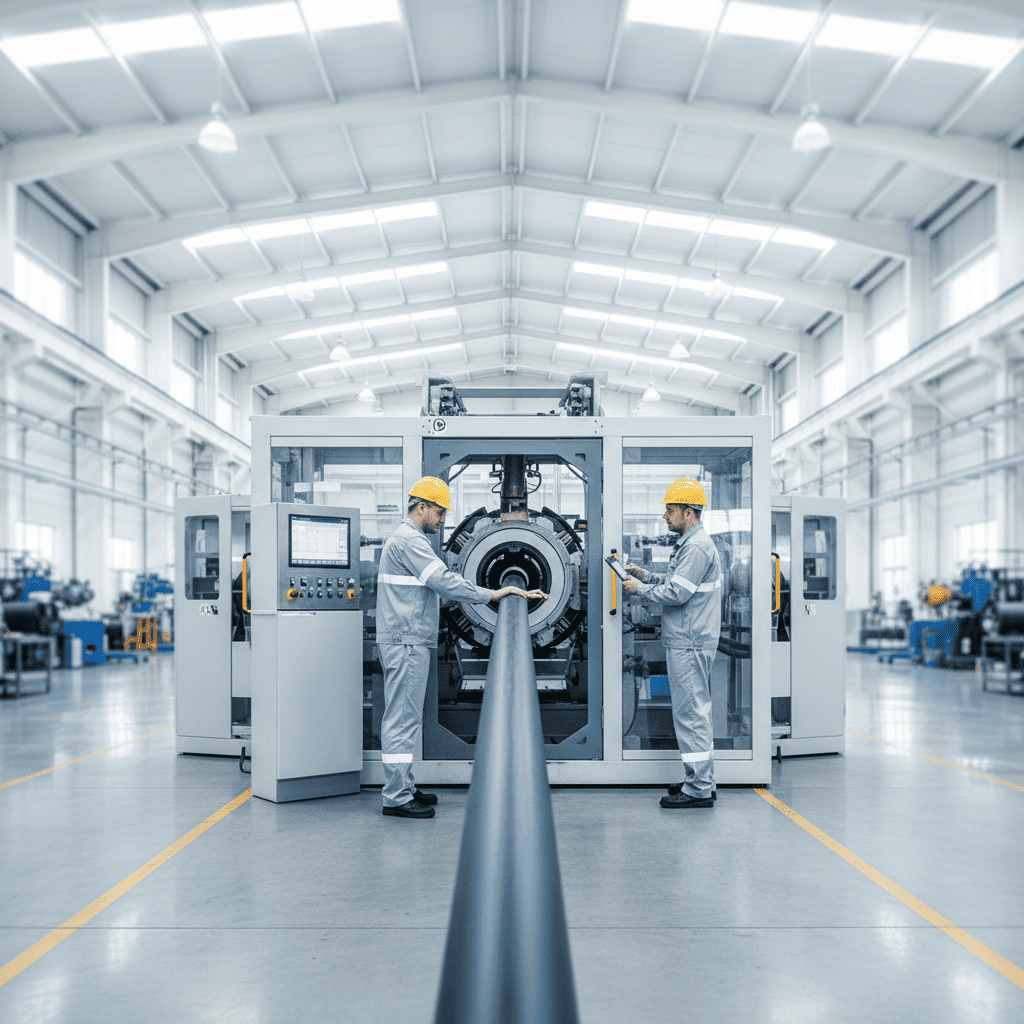
Knowing these numbers helps you avoid surprises. It turns a risky venture into a smart investment. Now, we dive into each cost area. I share insights from helping clients at HONGKAI build their operations.
What Machinery Do You Need for Power Cable Production?
Power cables need specific machines to twist wires, insulate them, and sheath the final product. Without the right equipment, your factory produces junk. This leads to recalls, lost customers, and wasted money.
The core machinery for a mid-sized, low- to medium-voltage power cable factory1 includes wire drawing machines, bunchers, extruders, and testing equipment. Expect to spend $1.5 million to $3.5 million on these. Prices rise 4-5% yearly due to inflation and tech upgrades like servo motors for precision.
You start with raw copper or aluminum rods. A wire drawing machine pulls them into thin wires. Next, a buncher twists multiple strands into a conductor. Then, an extruder applies insulation, such as XLPE, followed by another extruder for the outer sheath. Cooling troughs, capstans, and take-up machines handle the flow. Finally, a testing setup checks voltage and insulation integrity.
At HONGKAI, we design these lines for efficiency. A basic setup for 2-10mm² cables might cost $1.2 million. Add automation, and it hits $2.5 million. I recall a client in the Middle East. They skimped on a proper buncher and faced constant breaks. We replaced it with our servo-controlled model. Their output doubled, and downtime vanished. For 2026, factor in supply chain hikes from global tensions. Copper prices fluctuate, but machinery, steel, and electronics add 10% to quotes. Choose modular systems. They allow you to scale without a full replacement.
Budget for installation too. It takes skilled technicians 4-6 weeks, for $50,000-$100,000, including travel expenses. Maintenance kits and spares add 5-10% to the upfront cost. Energy-efficient motors cut long-term bills. In emerging markets, import duties typically range from 15% to 25%. Local assembly options from suppliers like us save 10-20%.
| Machinery Type | Key Function | Estimated Cost (USD, 2026) | Notes |
|———————-|—————————————|—————————-|——-|
| Wire Drawing | Shapes metal rods into wires | $200,000 – $500,000 | Includes annealer for softness. |
| Bunching/Stranding | Twists wires into conductors | $300,000 – $800,000 | Servo drives for speed control. |
| Primary Extruder | Applies insulation (XLPE/PVC) | $400,000 – $1,000,000 | Crosshead die for even coating. |
| Sheathing Extruder | Adds outer jacket | $300,000 – $700,000 | Cooling system included. |
| Testing Equipment| Checks IL, voltage withstand | $200,000 – $500,000 | High-voltage hipots mandatory. |
| Auxiliaries | Capstans, pay-offs, take-ups | $100,000 – $500,000 | Automation adds 20%. |
This table shows a baseline. Total machinery: aim for $2 million in a lean setup. Upgrades for 35kV cables push it higher. Training on these machines costs $20,000 to $50,000 per operator group. I always advise budgeting 10% extra for unforeseen tweaks. In 2026, AI monitoring systems become standard, adding $100,000 but saving 15% on defects.
How Much Will the Factory Building and Land Cost?
Your machines need a home. A poorly built facility leads to floods, dust, or breakdowns. This destroys equipment and halts production from the very beginning.
Land and building for a 5,000-10,000 sqm factory will cost between $800,000 and $2 million in 2026. This includes site purchase or lease, construction of workshops, offices, and utilities. Emerging markets keep costs low, but developed areas double the price.

Location matters most. In Asia or Africa, industrial land costs $50-$150 per sqm. In Europe or the US, the cost ranges from $300 to $600. Lease options cut upfront cash by 70%, but ownership builds equity. The building requires a main workshop with 10-15m ceilings to accommodate extruders. Add insulated walls for temperature control—essential for cable quality. Clean rooms for testing add $100,000.
I helped a factory owner in Pakistan pick a site. They chose a 7,000 sqm plot for $400,000. Construction took six months and cost $800,000, utilizing local labor. Utilities, such as three-phase power and water treatment, added $150,000. Permits and environmental impact studies ran another $50,000. In 2026, green building standards are expected to increase costs by 5-10%. Solar panels for partial power save $200,000 over time but add $300,000 now.
Break it down: Foundation and structure: $400-$800 per square meter—roofing and flooring for heavy loads incur an additional 20%. HVAC systems prevent moisture issues in insulation processes. Fire suppression is non-negotiable for cable fires—a minimum of $100,000. Warehouses for raw materials need 2,000 sqm, costing $200,000. Office space for 20 staff: $100,000. Total facility: $1.2 million average. Factor 3% inflation yearly. Local incentives, such as tax breaks in special economic zones, can cut 10-15%.
| Facility Component | Description | Estimated Cost (USD, 2026) | Location Factor |
|———————|—————————————-|—————————-|—————–|
| Land Acquisition| 5,000-10,000 sqm industrial plot | $200,000 – $1,000,000 | Low in Asia ($50/sqm), high in EU ($500/sqm). |
| Main Workshop | 4,000 sqm with high ceilings | $400,000 – $800,000 | Includes cranes for machines. |
| Utilities Setup | Power, water, waste treatment | $150,000 – $300,000 | 500kW transformer key. |
| Ancillary Buildings | Warehouse, offices, labs | $200,000 – $500,000 | Clean room for testing. |
| Permits & Compliance | Environmental, zoning approvals | $50,000 – $150,000 | Varies by country regs. |
This setup supports a monthly output of 500-1,000km. I recommend phased construction. Start with the core workshop to begin partial production. Full build-out follows. In 2026, rising material costs, such as steel (up 5%), took a significant toll—partner with local builders to save 15%.
What Raw Materials Stock Do You Need to Start?
No cables without copper, insulation, and sheathing compounds. Running out mid-run stops everything. This causes delays, rush orders, and higher prices.
The initial raw materials for three months’ production cost between $500,000 and $1.2 million in 2026. Copper or aluminum dominates at 60-70% of this. Add PVC/XLPE for insulation and LDPE for jackets. Prices swing with commodities.

Copper is king for conductors. At $10,000/ton in 2025, expect $10,500 in 2026. For an initial stock of 100 tons: $1 million. Aluminum alternatives reduce this to $300,000 but are suited for lower voltages. Insulation, such as XLPE, costs $2,000/ton; 50 tons: $100,000. Sheathing PVC costs $1,200/ton, 30 tons: $36,000. Add lubricants, tapes, and fillers: $50,000.
From my experience, a client in Egypt ordered short on copper. Production was halted twice in the first year, resulting in $200,000 in lost orders. We advised bulk buying with futures contracts to lock prices. In 2026, supply chains stabilize post-disruptions, but tariffs add 5-10%. Store in climate-controlled warehouses to avoid degradation.
Sustainability trends drive the adoption of bio-based insulators, adding 15% to the cost but opening up green markets. Initial stock assumes 200km/month at 10mm² average. Scale up for larger gauges—freight from suppliers like China: $50,000/container.
| Material Type | Usage per km (10mm²) | Initial Stock (3 months) | Estimated Cost (USD, 2026) |
|———————|—————————————-|—————————|—————————-|
| Copper Rods | 300kg | 100 tons | $900,000 – $1,100,000 |
| Aluminum Alternative | 150kg | N/A | $200,000 – $400,000 |
| XLPE Insulation | 100kg | 50 tons | $100,000 – $150,000 |
| PVC/LDPE Sheath | 80kg | 30 tons | $40,000 – $60,000 |
| Additives/Fillers| Minimal | Various | $50,000 – $100,000 |
Total: $1 million average. Negotiate with suppliers for 5% discounts on volume. In 2026, recycling copper can lead to a 20% cost reduction in the long term. I emphasize the importance of maintaining a just-in-time inventory strategy after startup to minimize capital tied up.
How Much for Labor and Training in Year One?
People run the factory. Untrained staff cause errors, accidents, and low output. High turnover drains your budget fast.
Labor and training for 50-100 workers in year one: $400,000 to $800,000. Salaries average $20,000 to $40,000 per worker annually in emerging markets. Add training, benefits, and management hires.

You need 30-40 production staff, including operators and technicians. Salaries: $1,500/month in Asia, $3,000 in Europe. Management: 5-10 roles at $50,000-$100,000 each. HR, safety officers: $200,000 total.
Training is key. Basic: 2 weeks, $10,000. Advanced from suppliers like HONGKAI: $50,000, including on-site experts. I trained a team in Turkey. Their error rate dropped by 40% after our program on extruder safety. Benefits like health insurance add 20%. In 2026, labor shortages led to a 5% wage increase. Automation reduces headcount by 20%, resulting in $100,000 in savings.
Hire locally for cost, but import specialists for setup: $100,000. Turnover costs: budget 10% for rehires.
| Role Category | Number of Staff | Annual Salary Range (USD) | Total Year 1 Cost |
|———————|—————————————-|—————————|——————-|
| کارگران تولید | 30-50 | $15,000 – $30,000 | $300,000 – $600,000 |
| فنیها/نگهداری | 10-15 | $25,000 – $50,000 | $100,000 – $200,000 |
| مدیریت/مهندسین | 5-10 | $50,000 – $100,000 | $150,000 – $300,000 |
| اداری/پشتیبانی | 5-10 | $20,000 – $40,000 | $50,000 – $100,000 |
| برنامههای آموزشی | N/A | N/A | $50,000 – $100,000 |
مجموع نیروی کار: $600,000 mid-range. در 2026, قوانین اتحادیه در برخی مناطق افزایش 10% ایجاد میکنند. بر آموزش ایمنی تمرکز کنید تا حق بیمه را تا 15% کاهش دهید.
هزینههای نظارتی و انطباقی که باید انتظار داشته باشید؟
قوانین از کارگران و محیط زیست محافظت میکنند. نادیده گرفتن آنها میتواند منجر به جریمه، تعطیلی یا دعاوی قضایی شود. این امر استارتاپها را پیش از شروع نابود میکند.
انطباق در 2026: $200,000 تا $500,000. شامل مجوزها، گواهیها، بازرسیهای محیط زیستی و تجهیزات ایمنی است. استانداردهای جهانی مانند ISO 9001 and IEC 60227 add لایههای اضافی ایجاد میکنند.

Start with business registration: $10,000-$50,000. Environmental permits for emissions and waste: $50,000-$100,000. In the EU, REACH compliance for chemicals: extra $100,000. Safety: OSHA-style setups, $50,000 for gear and audits.
من یک مشتری را در فرآیند گواهی UL برای صادرات US راهنمایی کردم. این فرآیند سه ماه طول کشید و $150,000 هزینه داشت، اما بازارهای بزرگی را باز کرد. در 2026، گزارشدهی کربن افزایش $20,000 ایجاد میکند—بیمه: $50,000/سال برای مسئولیت.
بازنگری سالانه: بودجه 20% مقدار اولیه. مشاوران آن را برای $30,000 تسریع میکنند.
| حوزه انطباق | الزامات | هزینه تخمینی (USD, 2026) | فرکانس بازنگری |
|———————|—————————————-|—————————-|——————-|
| مجوزهای تجاری | منطقهبندی، مجوزهای عملیاتی | $10,000 – $50,000 | سالانه |
| محیط زیستی | EIA، مدیریت پسماند | $50,000 – $150,000 | دو سال یک بار |
| گواهیهای کیفیت | ISO 9001، استانداردهای IEC | $50,000 – $200,000 | هر 3 سال |
| ایمنی و بیمه | OSHA، سیستمهای آتشنشانی، مسئولیت | $50,000 – $100,000 | سالانه |
مجموع: $300,000. بازارهای نوظهور مقررات سبکتری دارند و 30% را صرفهجویی میکنند. برای جلوگیری از تأخیرها، اولویت دهید.
روندهای نوظهور مانند خودکارسازی چگونه بر بودجه شما تأثیر میگذارند؟
تکنولوژی سریع تغییر میکند. رد کردن خودکارسازی2 منجر به افزایش هزینههای نیروی کار و افزایش عیوب میشود. اما هزینه اولیه بیشتری دارد.
خودکارسازی و پایداری در 2026: $300,000 تا $1 میلیون افزودنی. مدیریت رباتیک، کنترل کیفیت AI و فناوریهای سبز مانند مواد بازیافتی، بازدهی را افزایش میدهند اما هزینه اولیه را بالا میبرند.

پایه خودکارسازی2: PLC کنترلهای اکسترودر، $200,000. کامل صنعت 4.0: سنسورها و AI، $500,000. این امر عیوب را 25% کاهش میدهد و سالانه $300,000 صرفهجویی میکند.
پایداری: موتورهای کارآمد انرژی، $100,000. خطوط مس بازیافتی: $150,000، اما شایسته کمکهای دولتی هستند. یک مشتری HONGKAI در هند از خورشیدی استفاده کرد: $200,000، که با تشویقها جبران شد.
در 2026، تقاضای کابل EV، کارخانههای هوشمند را تحریک میکند. در طول ROI سال در 2-3.
| حوزه روند | ویژگیها | هزینه افزودنی (USD, 2026) | صرفهجویی بلندمدت |
|———————|—————————————-|————————–|——————-|
| خودکارسازی | PLC، رباتها، نظارت AI | $200,000 – $600,000 | کاهش نیروی کار 20-30% |
| پایداری | موتورهای کارآمد، تأسیسات بازیافتی | $100,000 – $400,000 | کاهش هزینههای انرژی 15% |
| ادغام دیجیتال | IoT برای نگهداری پیشبینیشونده | $100,000 – $300,000 | کاهش زمان توقف 40% |
جمع افزودنی: $500,000 a میانگین. برای رقابتی بودن ضروری است.
در مورد سرمایه کاری و هزینههای متنوع اولیه چه میگویید؟
شما نیاز به نقدینگی برای عملیات قبل از جریان فروش دارید. نادیده گرفتن این مورد، کارخانه شما را گرسنه میکند.
سرمایه کاری برای 6 m ماه: $500,000 تا $1 میلیون. شامل خدمات عمومی، بازاریابی، حملونقل و موارد اضطراری است. فقط خدمات عمومی: $50,000/ماه برای عملیات پر مصرف برق.
Utilities: $300,000/year. Marketing to secure contracts: $100,000. Transport for materials: $50,000. Legal fees: $20,000. Contingencies: 10% buffer.
I saw a startup ignore this. They ran dry after two months. Now, banks offer lines at interest rates of 5-7%.
| دستهبندی | اقلام | Estimated Cost (USD, 2026) |
|---|---|---|
| Utilities | برق، آب، گاز | $150,000 – $300,000 (6 mo) |
| Marketing/Sales | وبسایت، نمایشگاههای تجاری، نمایندگان | $50,000 – $150,000 |
| Transport/Logistics | Shipping, vehicles | $50,000 – $100,000 |
| Contingencies | Delays, repairs | $100,000 – $200,000 |
Total: $700,000. Secure funding early.
نتیجهگیری
Setting up a power cable factory in 2026 costs between $3.5 million and $7 million, encompassing machinery, facility, materials, labor, compliance, and trends. Smart planning drives profitable growth.