








Choosing a machinery partner is a huge decision. A wrong choice can lead to years of production headaches, missed deadlines, and lost profits, putting your entire business plan at risk.
The right wire drawing machine manufacturer is a strategic partner who provides reliable, efficient technology and robust after-sales support. They focus on boosting your ROI and ensuring your long-term competitive advantage.
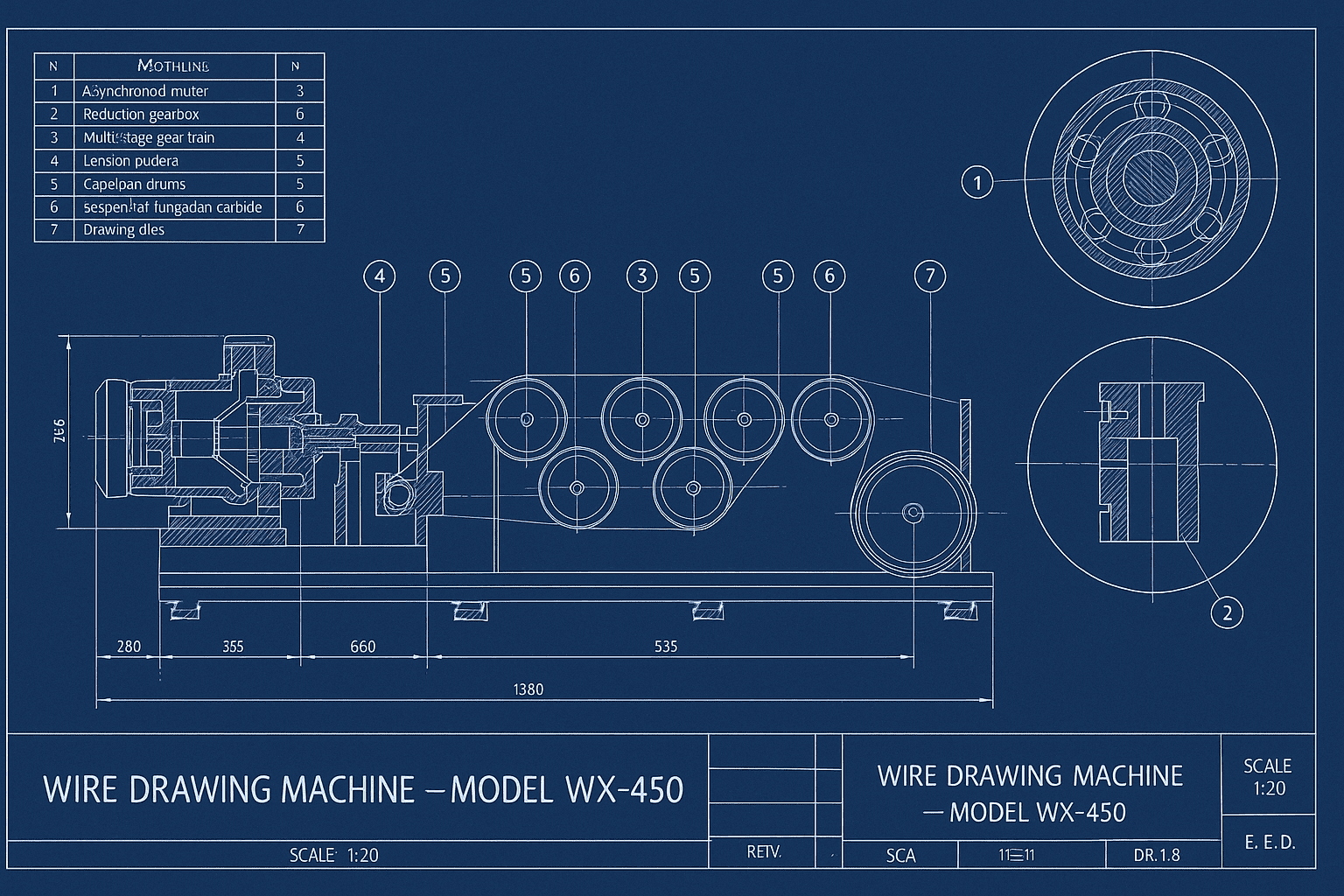
This decision goes far beyond a simple price comparison. It’s about finding a partner who understands your business goals. I have spent over 15 years in this industry and have seen firsthand how the right partnership can transform a cable factory’s future. Let’s explore the critical factors you must consider to make the best choice for your company’s growth.
What Key Qualities Define a Top-Tier Wire Drawing Machine Manufacturer?
You see many manufacturers online, all promising quality. But promises are cheap, and a bad machine can cripple your operations, causing constant downtime and frustrating your team.
A top-tier manufacturer is committed to quality through proven industry experience, a culture of innovation, and transparent کنترل کیفیت1 processes. They are not just sellers; they are engineers and partners.
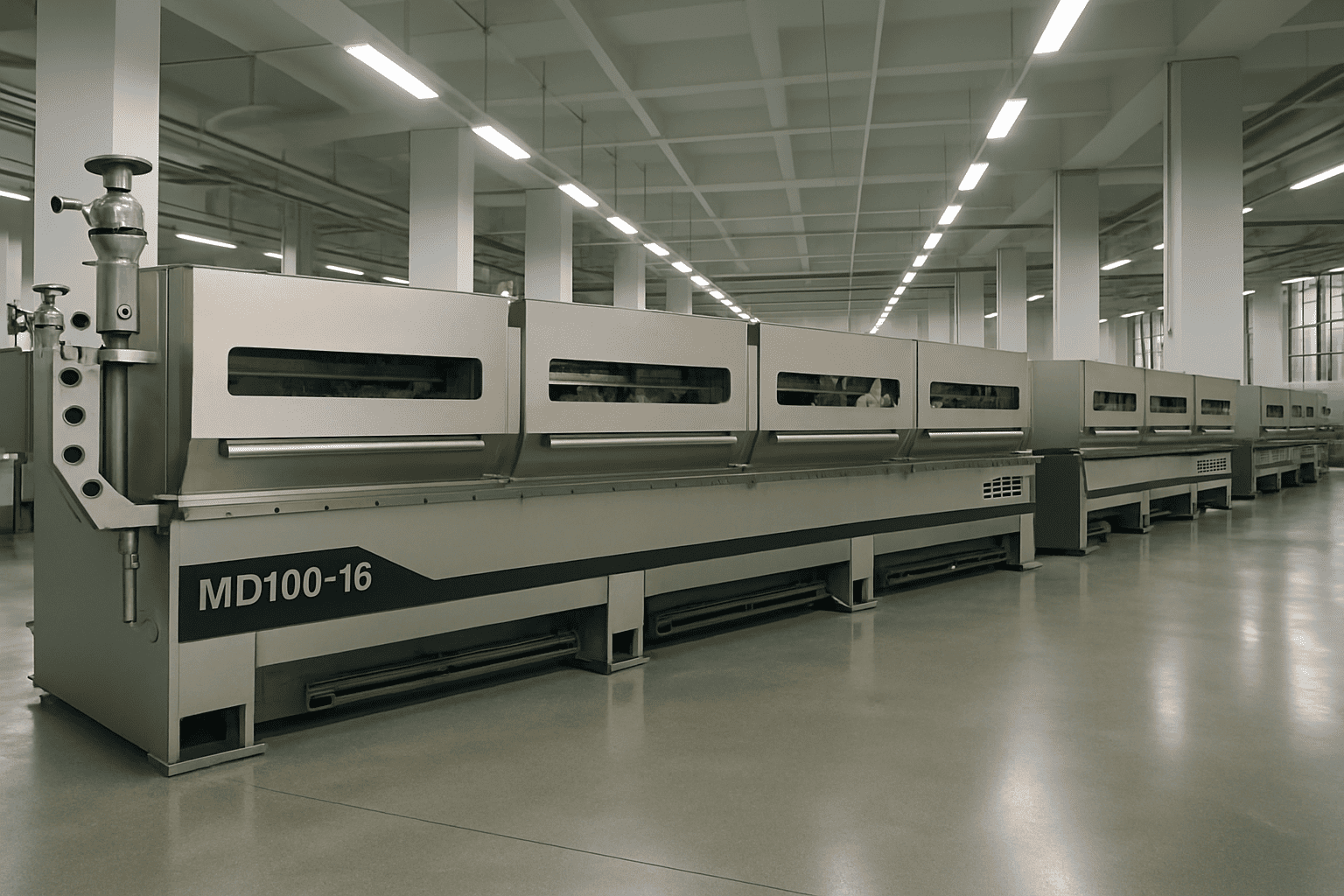
When I talk to business owners like you, the conversation often starts with the machine’s price. But I always steer it towards the manufacturer’s character and capabilities. A machine is only as good as the company that builds and supports it. Over the years, I’ve learned to differentiate between a simple equipment vendor and a true manufacturing partner. It comes down to a few non-negotiable core pillars for long-term success.
A Deep History of Industry Experience
Experience is not just about the years a company has been in business. It’s about the depth of knowledge gained from solving real-world problems for hundreds of clients. An experienced manufacturer has seen challenging materials, unique production requirements, and complex integration projects. This history translates into a machine that is well-built and thoughtfully designed. They have refined their processes based on decades of feedback.
I remember visiting a potential supplier a few years ago. Their workshop was new and shiny, but the engineers couldn’t answer my detailed questions about material stress and long-term wear. A few months later, I visited another company. Their facility was older, but the chief engineer could tell me stories about machines they built 20 years ago that were still running. He showed me the design improvements they made based on those old models. That is the kind of experience that builds trust. It assures that your machine results from continuous improvement, not a first-time experiment.
A Culture of Relentless Innovation
The wire and cable industry is not static. New materials, higher performance standards, and the demand for greater efficiency mean that your machinery needs to evolve. A top-tier manufacturer invests heavily in research and development (R&D). They are not just building the same machine they did five years ago. They are actively making it faster, more energy-efficient, and more innovative.
Look for a manufacturer that discusses their R&D team, patents, or works on Industry 4.0 features like predictive maintenance and data analytics. This shows they are thinking about your future, not just the current sale. For example, at HONGKAI, we have dedicated much of our engineering budget to developing more efficient capstan cooling systems and integrating real-time tension monitoring. This didn’t come from a customer request but from our commitment to anticipating the market’s future needs. A partner who innovates helps you stay ahead of your competitors.
Transparent and Rigorous Quality Control
Quality cannot be an afterthought; it must be built into every step of the manufacturing process. A great manufacturer proudly shows you their کنترل کیفیت1 (QC) systems. This goes beyond a final inspection. It starts with the raw materials.
Here’s what a robust QC process looks like:
- Incoming Material Inspection: Every batch of steel, every motor, and every bearing is tested before it even enters the assembly line.
- In-Process Checks: Key components are measured and verified at multiple stages of production. For example, the dynamic balance of a capstan is checked before and after the final assembly.
- Full System Testing: The completed machine is run for an extended period (often 24-48 hours) under load, simulating real-world conditions. We test for vibration, temperature stability, and consistent wire quality.
- Documentation: Every check is documented and tied to the machine’s serial number. This creates a complete history and ensures accountability.
When you ask a manufacturer about their QC process, their answer should be detailed and confident. If they are vague, it’s a major red flag. True quality is a science, not a slogan.
How Does a Manufacturer’s Technical Expertise Directly Impact Your ROI?
You invest in a new machine to make money. But if the machine is inefficient, wastes material, or produces inconsistent quality, it becomes a financial drain, hurting your profitability.
A manufacturer’s technical expertise2 directly boosts your ROI by delivering a machine engineered for higher speeds, lower material waste, and superior energy efficiency. This precision engineering turns your investment into a profit center.
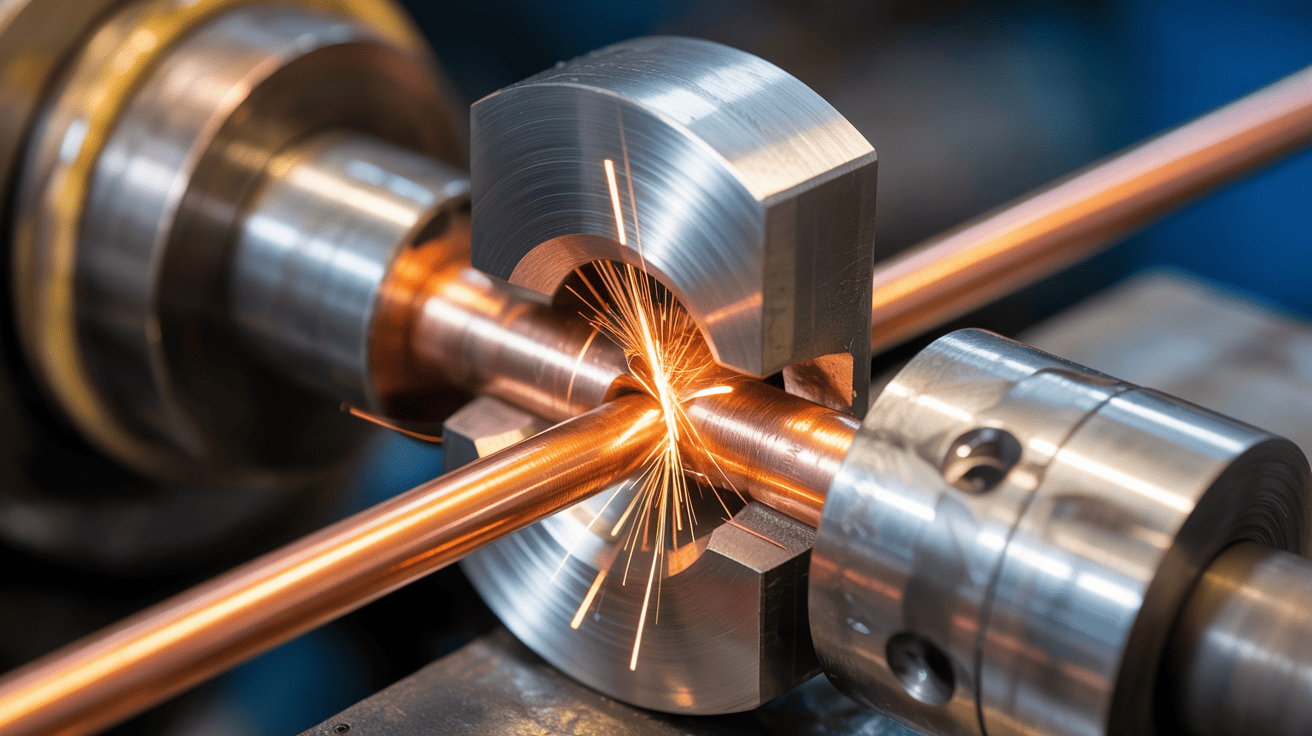
I often tell my clients that the purchase price is only one part of the ROI equation. The true cost and return are revealed during the operation. A machine that is 10% cheaper but wastes 3% more copper will cost you far more over its lifetime. This is where a manufacturer’s deep technical knowledge becomes your greatest asset. It’s not just about assembling parts; it’s about understanding the physics and economics of drawing wire.
Let’s break down how specific areas of technical expertise2 translate into tangible financial benefits for your business.
Precision in Mechanical Design
هسته ماشین کشش سیم، ساختار مکانیکی آن است. پایداری قاب، همسویی محورها و تعادل اجزای چرخان همه تأثیر مستقیمی بر عملکرد دارند.
- کنترل ارتعاش: قابی با طراحی ضعیف در سرعتهای بالا ارتعاش خواهد کرد. ارتعاش منجر به لغزشهای میکرو در کاپستن میشود که باعث تغییرات ناپایدار در قطر سیم و عیوب سطحی میگردد. همچنین باعث سایش زودرس در برشها و موتورها شده و منجر به زمانهای توقف و هزینههای نگهداری بیشتر میشود. یک تولیدکننده با مهارتهای مهندسی قوی از تحلیل اجزای محدود (FEA) برای طراحی قابی سفت و پایدار استفاده میکند که بتواند با حداکثر سرعت بهطور روان کار کند. این بدان معناست که میتوانید هر ساعت مترهای بیشتری از سیم با کیفیت تولید کنید.
- سیستم انتقال قدرت: روش انتقال قدرت از موتور به کاپستنها بسیار حیاتی است. یک گیربکس کارآمد یا یک سیستم مستقیم با تسمههای با کیفیت بالا، از دسترفتن انرژی جلوگیری میکند. من یک بار دو ماشین را برای یک مشتری تحلیل کردم. یکی از آنها از سیستم تسمه استاندارد V- استفاده میکرد، در حالی که دیگری از سیستم تسمه همگامسازی شده پیشرفتهتری بهره میبرد. ماشین با تسمه همگامسازی شده 8% انرژی کمتری برای همان خروجی مصرف میکرد. در طول یک سال، این صرفهجویی تنها کافی بود تا تفاوت قیمت را جبران کند.
تسلط بر علوم مواد
کشش سیم، فرآیندی از تغییر شکل کنترلشده است. یک تولیدکننده باید رفتار مواد مختلف تحت تنش را درک کند. این دانش بر طراحی کل ماشین تأثیر میگذارد.
- مس نسبت به آلومینیوم: مس چقرمه است، اما به سرعت سختمیشود. آلومینیوم سبکتر و نرمتر است، اما میتواند "چسبناک" باشد و مستعد خراشهای سطحی شود. یک تولیدکننده با تخصص عمیق، پروفیلهای کاپستن، سیستمهای خنککننده و پیکربندیهای جعبه قالب متفاوتی را برای هر ماده بهینهسازی میکند. بهعنوان مثال، کشش آلومینیوم نیازمند زاویه پیچش ملایمتر و روغنکاری پیچیدهتری برای جلوگیری از تجمع مواد است. انتخاب ماشینی که توسط متخصصان برای ماده خاص شما طراحی شده، منجر به سیم با کیفیت بهتر و کاهش شکستهای سیم میشود که منبع بزرگی از زمان و مواد از دست رفته است.
اتوماسیون و سیستمهای کنترل پیشرفته
مغز ماشین کشش سیم مدرن، PLC (کنترلکننده منطقی قابل برنامهریزی) و سیستم کنترل آن است. اینجا است که توانایی فنی یک تولیدکننده واقعاً برجسته میشود و تأثیر بسزایی بر هزینههای عملیاتی شما دارد.
| ویژگی فنی | تأثیر بر کسبوکار شما (ROI) |
|---|---|
| کنترل انسیلر ادغامشده | جریان انسیلر را با سرعت کشش همگام میکند. از کشیدن سیم شکننده با سرعت بیش از حد یا سیم نرم با سرعت کم جلوگیری میکند. این کار به طور قابل توجهی پسماند را کاهش میدهد. |
| کنترل دقیق تنش | از دانسرها یا سلولهای بار برای حفظ کشش ثابت بین مراحل استفاده میکند. این کار تغییرات قطر را حذف کرده و از شکست سیم جلوگیری میکند و زمان اجرا و خروجی قابل فروش را افزایش میدهد. |
| موتورهای کارآمد از نظر انرژی | از موتورهای کارآمد IE3 یا IE4 با درایوهای فرکانس متغیر (VFD) استفاده میکند. موتور تنها انرژی مورد نیاز خود را مصرف میکند و قبض برق را به طور قابل توجهی کاهش میدهد. |
| HMI کاربرپسند | رابطه انسان-ماشین آشنا، زمان آموزش عملیاتگران را کاهش داده و خطاها را حداقل میکند. زمانهای راهاندازی کوتاهتر به معنای گذراندن زمان بیشتری در تولید سیم است. |
A manufacturer who develops their software or has a deep partnership with a controls expert like Siemens or Rockwell can offer a level of integration that a simple assembler cannot. This integration is the key to unlocking maximum efficiency and, therefore, maximum ROI.
Why is After-Sales Support More Important Than the Initial Machine Price؟
شما یک دستگاه را با قیمت بسیار مناسبی پیدا کردید. اما وقتی دستگاه خراب شود و نتوانید هفتهها تکنسین یا قطعه یدکی دریافت کنید، آن قیمت پایین به یک بار مسئولیت سنگین تبدیل میشود.
پشتیبانی پس از فروش3 is your insurance against costly downtime. A manufacturer who provides fast, reliable installation, training, and maintenance support ensures your machine remains a productive asset, not a source of stress.
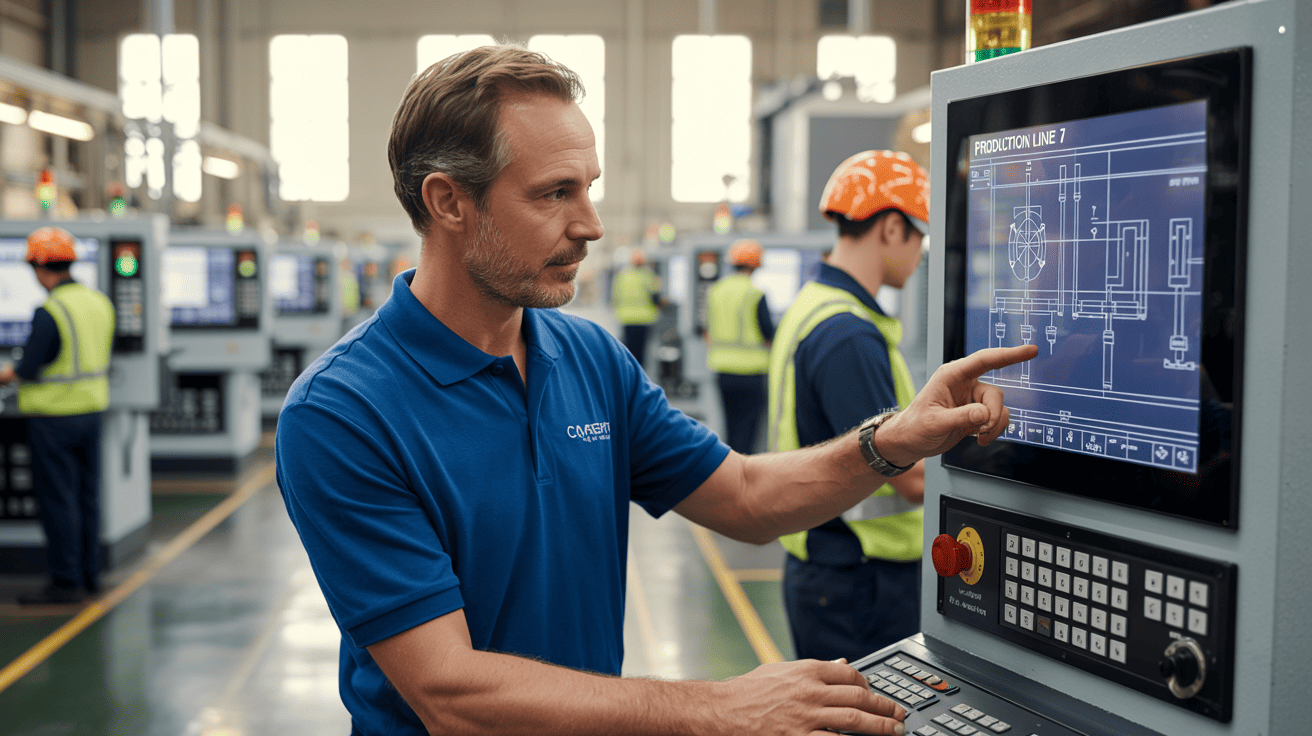
I will never forget a call from a factory owner, Mr. Kumar, in India. He was not my client at the time. He had bought a wire drawing line from a European company to save about 15% on the initial cost compared to other quotes. The machine ran well for six months. Then, a critical sensor failed. He called the manufacturer. They told him the part would take four weeks to ship. Every day, the machine sat idle; he was losing thousands of dollars in production and risking a significant contract. He called me in desperation, asking if we could help.
We identified a compatible sensor from one of our suppliers and got it to him in three days. He became a loyal HONGKAI client after that. His story is a powerful lesson: a machine’s cost includes any potential downtime. A low price from a manufacturer with poor support is one of the riskiest investments you can make.
ستونهای پشتیبانی عالی پس از فروش
پشتیبانی خوب فقط یک وعدهٔ مبهم نیست. بلکه یک سیستم ساختاریافته است که برای ادامهٔ کار کارخانهٔ شما طراحی شده است. در اینجا آنچه باید از هر شریک تولیدی درخواست کنید آورده شده است.
-
Professional Installation and Commissioning: The support starts when the machine arrives at your factory. A top-tier manufacturer sends their experienced technicians, not third-party contractors. These technicians ensure the machine is installed correctly, calibrated perfectly, and integrated with your existing workflow. They don’t leave until the machine runs at its specified speed and produces quality wire. This prevents a thousand minor problems that can arise from improper setup.
-
Comprehensive Operator Training: A powerful machine is useless if your team doesn’t know how to operate it safely and efficiently. Good training goes beyond pushing the "start" button. The manufacturer’s technician should train your operators on the following:
- Proper setup for different wire sizes and materials.
- Routine maintenance procedures (e.g., lubrication, die changes).
- Troubleshooting common issues.
- Understanding the HMI and its diagnostic features.
This investment in training pays for itself by reducing operator errors, minimizing downtime, and extending the machine’s life.
-
Readily Available Spare Parts: Every machine eventually needs a spare part. The question is how quickly you can get it. A responsible manufacturer maintains a large inventory of critical spare parts. They should be able to tell you their standard shipping time for common-wear items like belts, bearings, and sensors. At HONGKAI, we have a dedicated warehouse for spare parts, and our goal is to ship critical components within 24 hours. Ask a potential manufacturer about their spare parts policy. Their answer will tell you a lot about their commitment to your uptime.
-
Responsive Technical Support (Remote and On-Site): When a problem occurs, you need help fast. A great partner offers multiple levels of support.
- تشخیص از راه دور: The manufacturer’s technicians can often access modern machines remotely. They can log into your machine’s PLC to diagnose software issues, analyze error logs, and guide your local team through a fix. This can solve 80% of problems within hours, not days.
- On-Site Support: For complex mechanical issues, you need a technician in your factory. Ask about the manufacturer’s network of service engineers. How quickly can they have someone at your facility? An explicit Service Level Agreement (SLA) signifies a professional organization.
Choosing a manufacturer is like choosing a business partner. You want someone who will support you, not just on the day of the sale, but for the machine’s entire 10- or 20-year life. That peace of mind is worth far more than a small discount on the initial price.
What Role Does Customization4 Play in Gaining a Competitive Edge?
بازار شما منحصربهفرد است و مشتریان شما نیازهای خاصی دارند. یک دستگاه استاندارد و آماده ممکن است کار را انجام دهد، اما به شما مزیتی نسبت به رقبایتان نخواهد داد.
Customization2 allows you to tailor a machine to your exact production needs. This leads to higher efficiency, unique product capabilities, and a stronger market position, helping you win more profitable business.
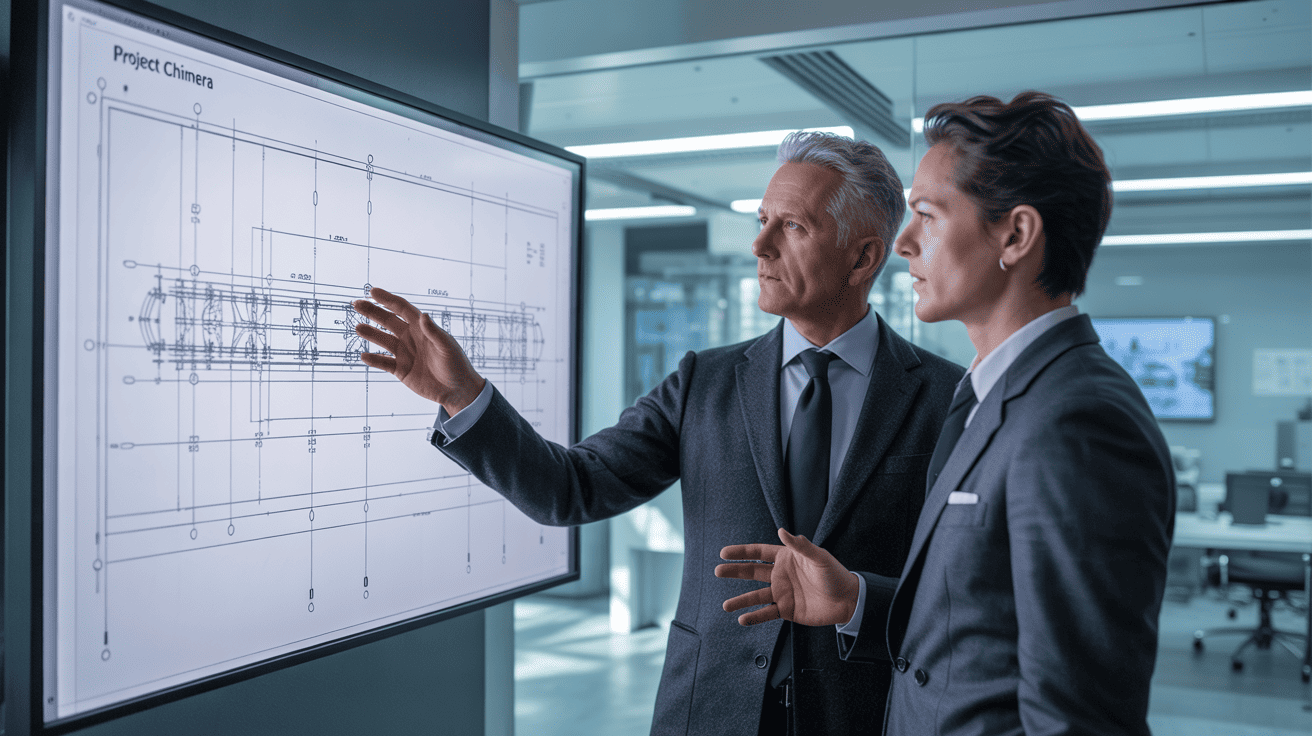
I once worked with a client, let’s call him Mr. Chen, who wanted to enter the market for high-end automotive wiring—the specifications were stringent, requiring a specific surface finish and extremely tight diameter tolerances. The standard multi-wire drawing machines on the market could get close, but not consistently meet the top-tier OEM requirements. Several suppliers told him it was not possible with a standard setup.
Instead of offering a standard machine, we sat with him and his technical team. We treated it like a consulting project. We redesigned the die box lubrication system to provide a higher pressure flow of clean lubricant. We also developed a custom capstan coating with a specific surface roughness to prevent micro-slipping. Finally, we integrated a laser diameter gauge that provided real-time feedback to the final capstan motor, making micro-adjustments to maintain tolerance. The resulting machine was not standard, but it allowed Mr. Chen to produce wire that none of his local competitors could. He secured a significant contract and became the market leader in that segment. This is the power of customization.
When Does Customization4 Make Sense?
Not every factory needs a fully custom machine. However, a manufacturer should have the flexibility and engineering depth to offer tailored solutions when required. Here are some areas where customization provides a significant competitive advantage:
- Specialized Materials: یک دستگاه عمومی در صورت کار با آلیاژها، سیمهای پوششدار یا سایر مواد غیراستاندارد با مشکل مواجه خواهد شد. Customization2 میتواند شامل تغییر تعداد کششها، میزان کاهش در هر کشش، پارامترهای عملیات آنیل و نوع سیستم روانکاری برای تطبیق کامل با خواص ماده باشد.
- نیازمندیهای منحصربهفرد سیمپیچی یا پیچش: Your customers may require specific spool sizes, traverse winding patterns, or coiling dimensions. A manufacturer who can integrate custom spooling or coiling solutions directly into the line saves you from needing a separate, costly downstream process. This improves efficiency and reduces labor costs.
- محدودیتهای چیدمان کارخانه: Your factory floor space may be limited or have an unusual shape. A flexible manufacturer can modify the machine’s layout by creating a more compact design or separating the drawing section from the annealer and spooler to fit your existing facility. This saves you from expensive factory modifications.
فرآیند Customization4: A Collaborative Partnership
تولیدکنندهای که امکان سفارشیسازی واقعی را فراهم میکند، بهعنوان یک شریک عمل میکند، نه صرفاً یک تأمینکننده. فرآیند باید چیزی شبیه به این باشد:
- مشاوره عمیق: They begin by asking questions. What are you trying to achieve? What are your customers’ pain points? What are your production bottlenecks? They seek to understand your business goals first.
- مفهوم و طراحی: مهندسان آنها روی راهحل پیشنهادی کار خواهند کرد. این فرآیندی همکارانه باید باشد، بهگونهای که تیم شما بازخورد خود را در مورد طرحهای اولیه ارائه دهد.
- ارائه قیمت شفاف: قیمتگذاری ماشین سفارشی باید جزئیات کاملی داشته باشد و هر تغییر و دلیل لزوم آن را توضیح دهد. این قیمت باید ویژگیهای سفارشی را به مزایایی که بحث کردید، پیوند دهد.
- تولید و آزمایش: آنها باید در طول تولید، به شما بهروزرسانیهایی ارائه دهند. مهمتر از همه، باید ماشین را بهطور کامل با استفاده از مواد خاص شما یا معادل بسیار نزدیک آن، قبل از ارسال، آزمایش کنند.
انتخاب یک تولیدکننده با تواناییهای قوی سفارشیسازی به این معناست که شما فقط یک ماشین نمیخرید. شما در یک راهحل ساختهشده برای هدف خاص سرمایهگذاری میکنید تا کسبوکار شما موفقتر شود. این یک حرکت استراتژیک است که به شما امکان میدهد بازارهای تخصصی را خدمترسانی کنید، قیمتهای بالاتری تعیین کنید و کسبوکاری قویتر و مقاومتر بسازید.
چگونه میتوانید ادعاها و قابلیت اطمینان یک تولیدکننده را تأیید کنید؟
وبسایت و بروشور هر تولیدکنندهای پر از ادعاهاي چشمنواز است. آنها همگی بهترین کیفیت، سرعت و قابلیت اطمینان را ادعا میکنند. اما چگونه میتوانید واقعیت را از بازاریابی جدا کنید؟
شما باید ادعاها را از طریق شواهد عینی تأیید کنید. این شامل بررسی گواهینامهها، صحبت با مشتریان موجود، درخواست اجرای نمونه و انجام بازرسی دقیق کارخانه برای تأیید مستقیم تواناییهای آنها است.
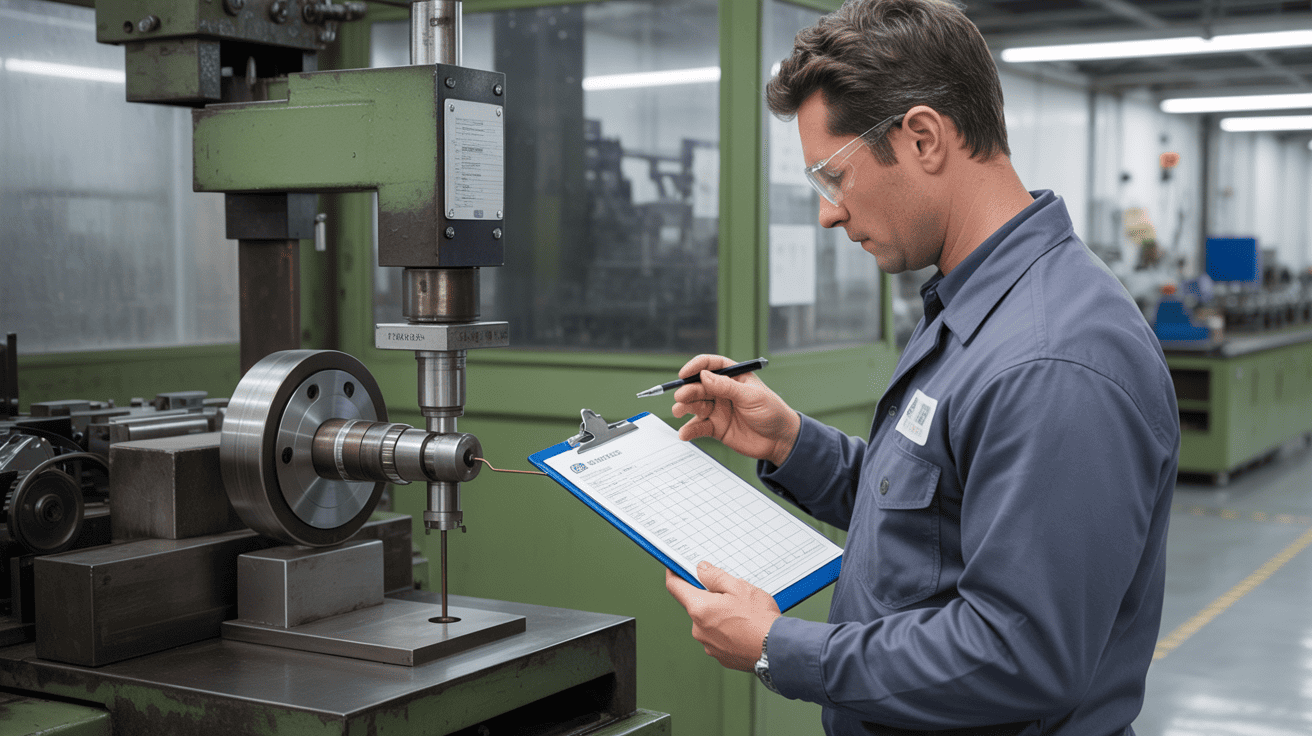
اعتماد در یک شراکت ضروری است، اما اعتماد باید در کسبوکار کسب و تأیید شود. من همیشه مشتریان بالقوه را تشویق میکنم که شکاک باشند. فقط به کلام من اکتفا نکنید؛ بگذارید من به شما ثابت کنم که این ادعاها درست است. یک تولیدکننده مطمئن و قابل اعتماد، کتابی باز خواهد بود. او به سوالات شما خوشآمد میگوید و شواهدی را ارائه میدهد که به شما امکان تصمیمگیری آگاهانه را میدهد. اگر تولیدکنندهای از اجازه دادن به شما برای نگاه کردن پشت پرده تردید کند، باید نگران باشید که چه چیزی را ممکن است پنهان میکند.
در اینجا یک فهرست کاربردی آمده است که میتوانید از آن برای تأیید سیستماتیک ادعاهاي تولیدکننده و کاهش ریسک سرمایهگذاری خود استفاده کنید.
مرحله 1: بررسی گواهینامههای طرف سوم
گواهینامههای مستقل، نشانهای پایهای از تعهد یک شرکت به استانداردهای جهانی هستند. اینها فقط کاغذها نیستند؛ بلکه نمایانگر یک سیستم مستند و بازرسیشده از فرآیندها هستند.
- ISO 90015: این مهمترین گواهینامه برای مدیریت کیفیت است. این گواهی ثابت میکند که تولیدکننده فرآیندی ثابت و مستند برای طراحی، تولید و خدمات دارد. این نشان میدهد که او به کنترل کیفیت جدی است.
- نشان CE (برای اروپا): این اجباری است اگر شما در اروپا هستید یا قصد فروش در آنجا را دارید. ماشین، الزامات بالای ایمنی، بهداشت و حفاظت از محیط زیست EU را برآورده میکند. تولیدکنندهای با گواهی CE، سرمایهگذاری کرده است تا تجهیزات ایمن و قابل اعتمادی طراحی کند.
- سایر گواهینامههای منطقهای (مثلاً UL، CSA): سایر گواهینامهها بسته به مکان شما ممکن است مرتبط باشند. تمایل تولیدکننده به گواهیسازی محصولات خود برای بازارهای مختلف، تجربه جهانی و تعهد به رعایت مقررات را نشان میدهد.
مرحله 2: درخواست و صحبت با مراجع مشتری
This is one of the most powerful steps you can take. A list of satisfied clients is a manufacturer’s best advertisement. Don’t just ask for a list; ask for references that are relevant to you. For example, ask the client to draw the same material or wire size as you.
هنگام صحبت با مرجع، سؤالات مشخصی بپرسید:
- "فرآیند نصب و آموزش چگونه بود؟"
- "قابلیت اطمینان دستگاه چطور بوده است؟ آیا توقفهای طولانیمدت زیادی داشتهاید؟"
- "هنگامی که به پشتیبانی فنی یا یک قطعه یدکی نیاز داشتید، سازنده چقدر سریع پاسخگو بود؟"
- "آیا دستگاه سرعت تولید و کیفیتی را که قول داده بودند ارائه میدهد؟"
- "آیا دوباره از آنها خرید میکنید؟"
پاسخهای این سؤالات به شما تصویری واقعی از اینکه مشتری آنها بودن چگونه است، میدهد.
Step 3: Request a Sample Run with Your Material
Seeing is believing if you are making a significant investment, especially for a specialized application. Ask the manufacturer if you can send them a sample of your raw material (wire rod) and have them run it on one of their machines. They should be able to produce drawn wire samples for you to inspect. This allows you to verify the machine’s capability to make the required surface finish, elongation, and diameter tolerance with your specific input material. Some clients even travel to the manufacturer’s facility to witness the test run in person. This is an excellent way to validate performance claims before you sign a contract.
Step 4: Conduct a Factory Audit
If possible, visiting the manufacturer’s factory is the ultimate verification step. Nothing gives you a better sense of a company’s capabilities than seeing its operations with your own eyes. During a factory audit, you should look for:
| منطقه برای بازرسی | چیزهایی که باید به دنبال آنها بگردید (نشانههای خوب) | هشدارهای قرمز |
|---|---|---|
| Workshop Cleanliness | محیط کار سازمانیافته، تمیز و ایمن. | شرایط شلوغ، کثیف و ناامن. |
| Production Equipment | ماشینآلات CNC مدرن، ابزارهای اندازهگیری دقیق. | Old، poorly maintained equipment۔. |
| ایستگاه کنترل کیفیت | منطقه اختصاصی مجهز به تجهیزات آزمایش مناسب (مانند دستگاههای سختیسنجی، دستگاههای بالانس). | No dedicated QC area or process. |
| Inventory Management | انباری خوب سازماندهیشده برای مواد اولیه و قطعات یدکی. | دستههای نامنظم قطعات. |
| The Team | مهندسین و کارگران آگاه و متعهدی که میتوانند به سؤالات پاسخ دهند. | کارکنانی که به نظر متردد یا اجتنابگر میرسند. |
A factory visit tells you more than any brochure ever could. It reveals the company’s culture, investment in its technology, and commitment to quality. A proud manufacturer will be happy to show you around.
شرکای تولیدی شما باید در چه روندهای آیندهدار کشش سیم پیشرو باشند؟
Buying a machine today is an investment in your production for the next 10 to 20 years. A state-of-the-art machine could be obsolete in five years if your partner isn’t looking ahead.
شریک تولیدی شما باید یک نوآور باشد که بهطور فعال روندهای آینده مانند را ادغام میکند Industry 4.06, ، کارایی انرژی بهبودیافته و پایداری را در طراحی دستگاههای خود گنجاندهاند تا رقابتپذیری بلندمدت شما را تضمین کنند.
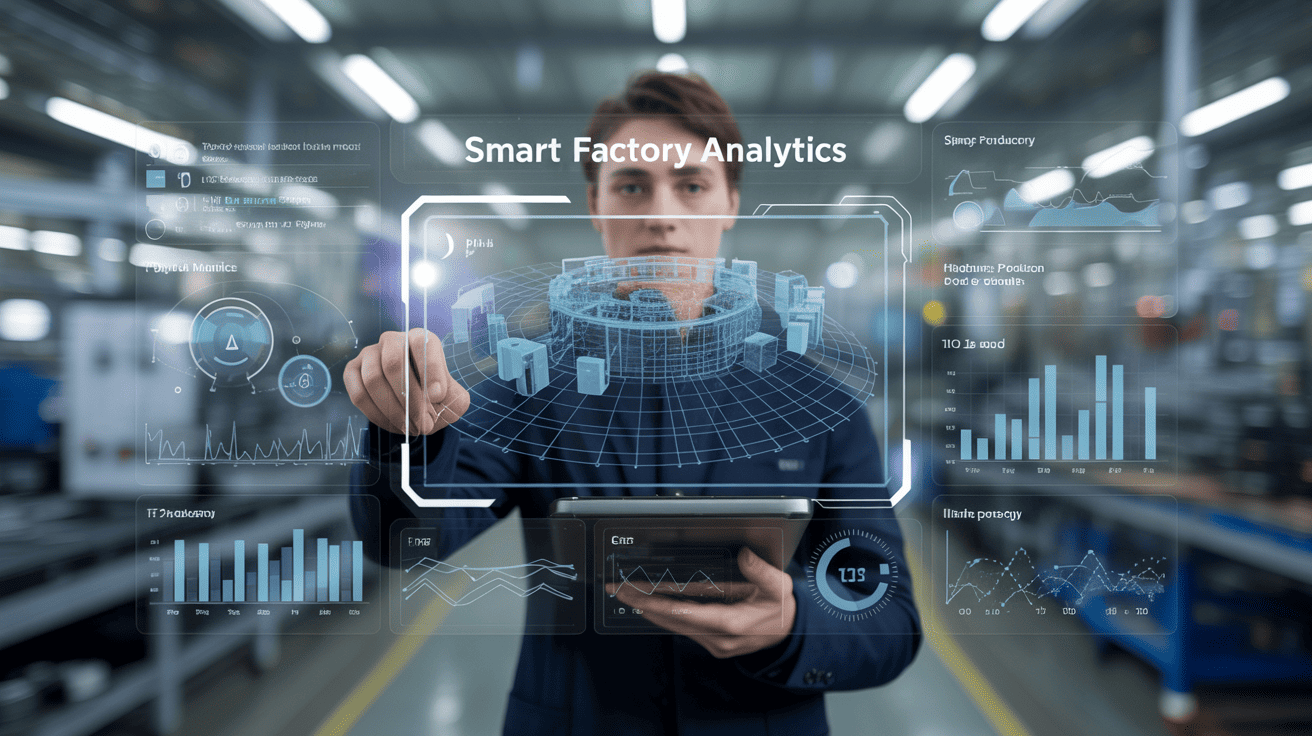
The world is changing faster than ever. The pressures for greater efficiency, better data, and more sustainable operations will only increase. When you choose a wire drawing machine manufacturer, you also select their future vision. If their vision is stuck in the past, your factory will be, too. I spend a lot of my time not just thinking about the machines we build today but about the challenges our clients will face tomorrow. A forward-thinking partner helps you prepare for that future.
Let’s examine the key trends shaping the next generation of wire drawing machinery. Your chosen partner should not just be aware of these trends; they should be actively leading their implementation.
Trend 1: Industry 4.06 و کارخانه هوشمند
Industry 4.06 is about data. It’s about making your machines intelligent so they can communicate with you and each other. This is moving from a reactive "fix it when it breaks" model to a proactive, data-driven operation.
- نظارت و تشخیص از راه دور: Your machine should be able to securely connect to the internet, allowing you and the manufacturer to monitor its performance from anywhere. This means faster troubleshooting and less downtime.
- Predictive Maintenance: Sensors on the machine monitor key components like bearings and motors for vibration and temperature. The system’s software uses this data to predict when a part will likely fail, so you can schedule maintenance before a catastrophic breakdown occurs. This maximizes uptime and reduces repair costs.
- تحلیل دادههای تولید: The machine should collect and display key performance indicators (KPIs) in real time. This includes production speed, uptime, downtime, energy consumption per kilogram of wire, and scrap rates. This data is invaluable for identifying areas for improvement and making more intelligent business decisions.
Trend 2: Uncompromising Energy Efficiency
انرژی یکی از مهمترین هزینههای عملیاتی یک کارخانه کشش سیم است. با افزایش قیمت انرژی، کارایی به مزیت رقابتی قابل توجهی تبدیل میشود.
- موتورهای با راندمان بالا: The standard is now IE3 or IE4 premium efficiency motors. Combined with intelligent Variable Frequency Drives (VFDs), these motors ensure that the machine only uses the power needed at any given moment, especially during acceleration and deceleration.
- سیستمهای مکانیکی بهینهشده: این شامل بلبرینگهای کماصطکاک، گیربکسهای کارآمد و سیستمهای درایو مستقیم میشود. هر بخش از انرژی ذخیرهشده از اصطکاک، بهطور مستقیم صورتحساب برق شما را کاهش میدهد.
- سیستمهای خنککننده هوشمند: Modern cooling systems for the capstans and dies use variable-speed pumps and fans. They adjust their output based on the actual heat load of the machine rather than running at 100% all the time.
Trend 3: پایداری و اقتصاد چرخشی7
جهان درخواست روشهای تولید پایدارتری را دارد. مشتریان شما، شرکتهای بزرگ، بهطور فزایندهای به ردپای زیستمحیطی تأمینکنندگان خود نگاه میکنند.
- مواد بازیافتی کششی: The ability to efficiently draw wire from recycled copper or aluminum is becoming more critical. This requires machines that can handle variations in the input material without compromising quality or breaking down frequently.
- مصرف کاهشیافته روانکار: Advanced lubrication systems are designed to filter and reuse lubricant more effectively, reducing waste and disposal costs. Some new technologies explore minimal quantity lubrication (MQL) or dry lubrication alternatives for specific applications.
- نرخ ضایعات پایینتر: Every feature that reduces scrap—from better tension control to integrated annealers—is also a sustainability feature. It means less wasted material and energy consumed for every meter of saleable wire you produce.
When interviewing a potential manufacturing partner, ask them about their vision for these trends. Their answers will reveal whether they are simply building machines or engineering the future of wire production. Partnering with a leader ensures your investment will continue to pay dividends for years
نتیجهگیری
Choosing the proper manufacturer is a strategic decision that defines your factory’s future. It requires looking beyond price to a partner’s expertise, support, and vision for innovation.
-
در مورد روشهای مؤثر کنترل کیفیت که قابلیت اطمینان محصول را تضمین کرده و ریسکهای عملیاتی در فرآیندهای تولید را کاهش میدهند، اطلاعات کسب کنید.↩ ↩
-
درک نقش تخصص فنی میتواند به شما کمک کند تا شریکی را انتخاب کنید که بهینهترین کارایی عملیاتی و سودآوری را برای شما فراهم کند.↩ ↩ ↩ ↩
-
درک اهمیت پشتیبانی پس از فروش میتواند به شما کمک کند تا هنگام انتخاب یک تولیدکننده، تصمیمات آگاهانهتری بگیرید و بهرهوری بلندمدت را تضمین کنید.↩
-
بررسی نقش سفارشیسازی میتواند نشان دهد که چگونه راهکارهای سفارشیسازیشده میتوانند بهبود کارایی و موقعیت بازار را تقویت کنند که برای موفقیت کسبوکار ضروری است.↩ ↩ ↩
-
Understanding ISO 9001 can help you assess a manufacturer’s commitment to quality management and reliability. ↩
-
Exploring Industry 4.0 will reveal how smart technologies can enhance efficiency and competitiveness in manufacturing. ↩ ↩ ↩
-
آشنایی با شیوههای پایداری میتواند به شما کمک کند تا تولیدکنندگانی را انتخاب کنید که مسئولیتپذیری زیستمحیطی و کارایی را در اولویت قرار میدهند.↩
 English
  हिन्दी
  فارسی
فارسی