










Double Twisting Machine
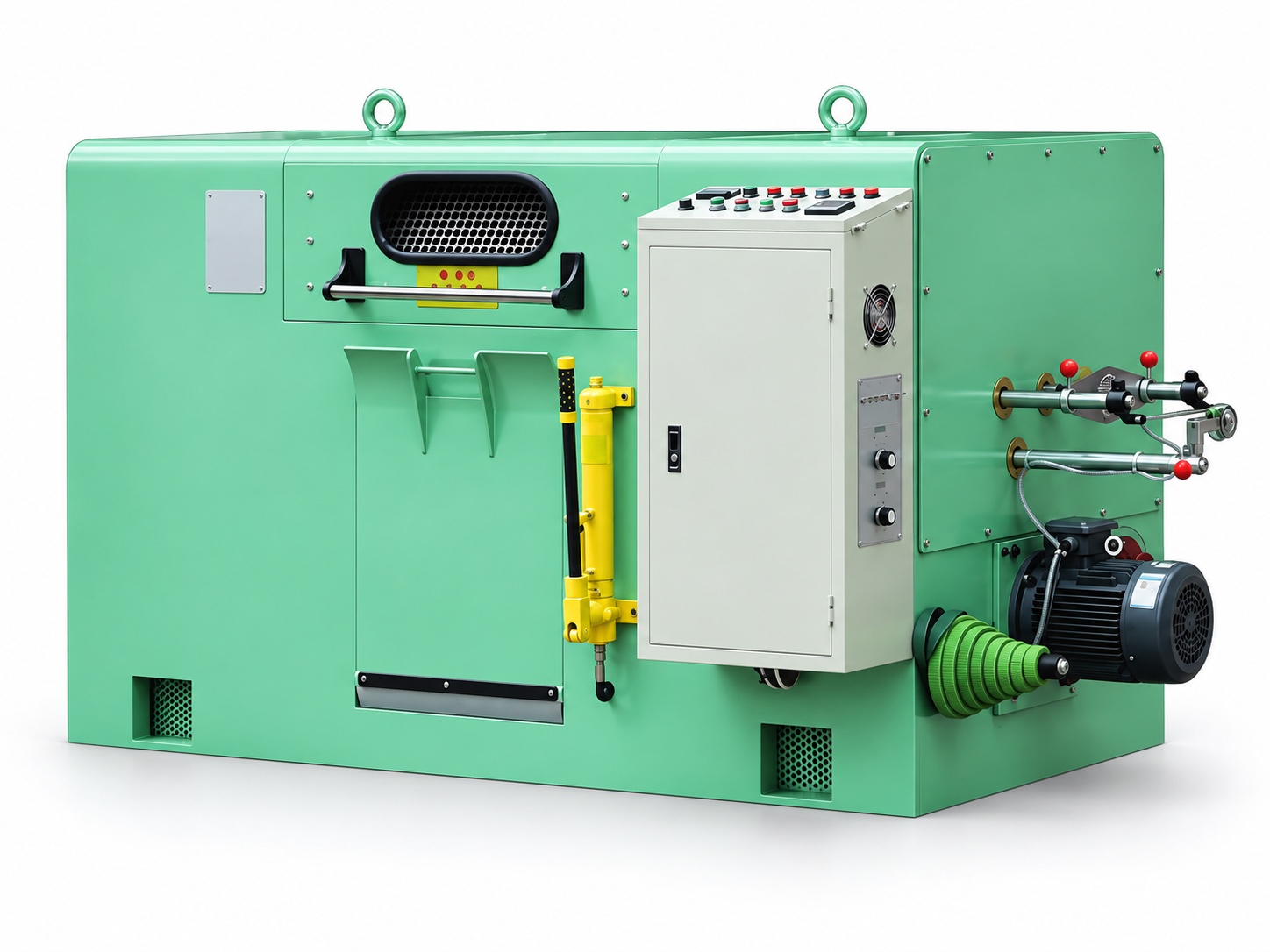
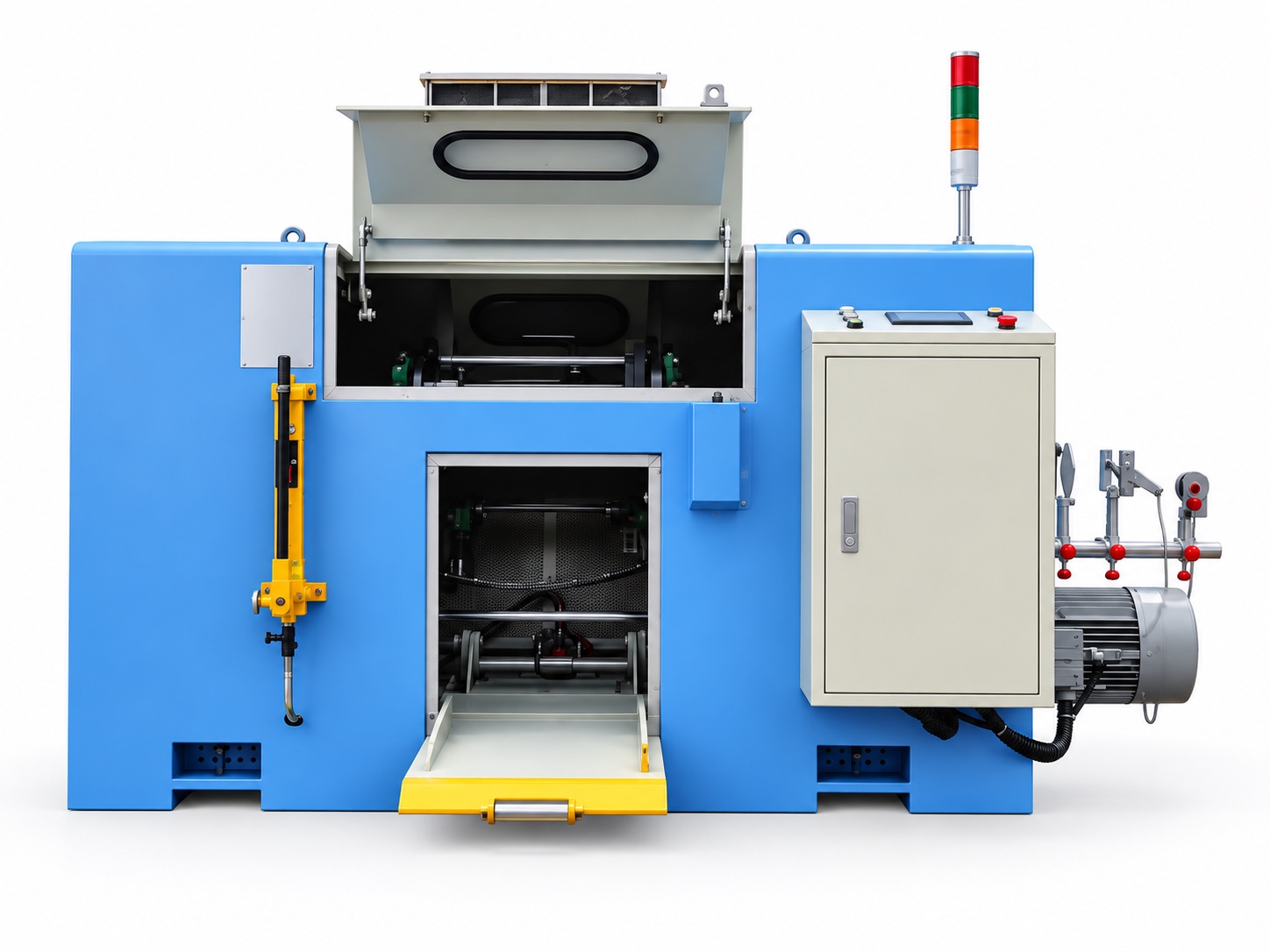
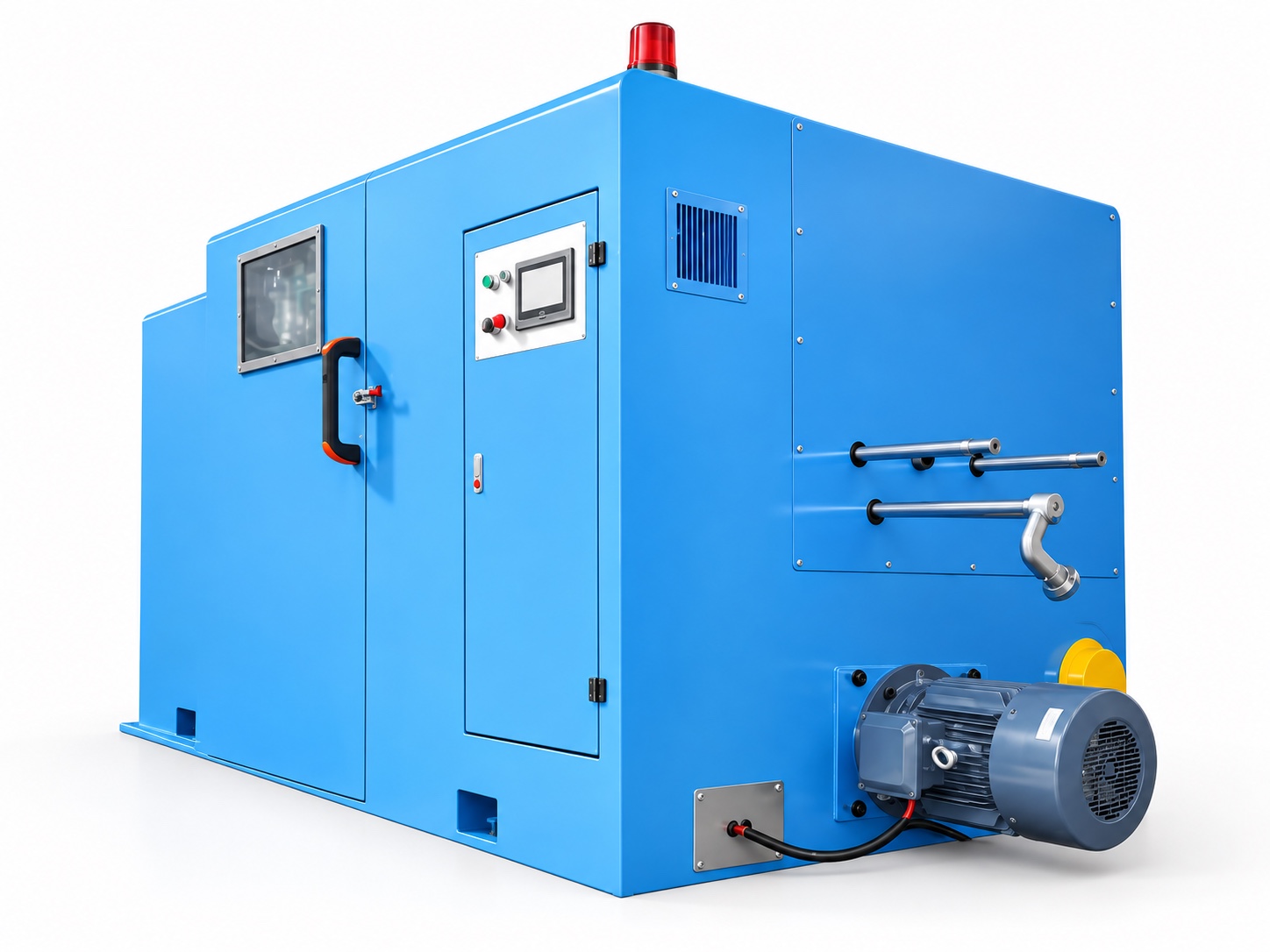
Double-twist bunching for drawn copper wires. Compare HK-500, HK-650 and HK-800 by wire diameter, conductor section, lay length and take-up requirements.
Double-twist bunching for drawn copper wires
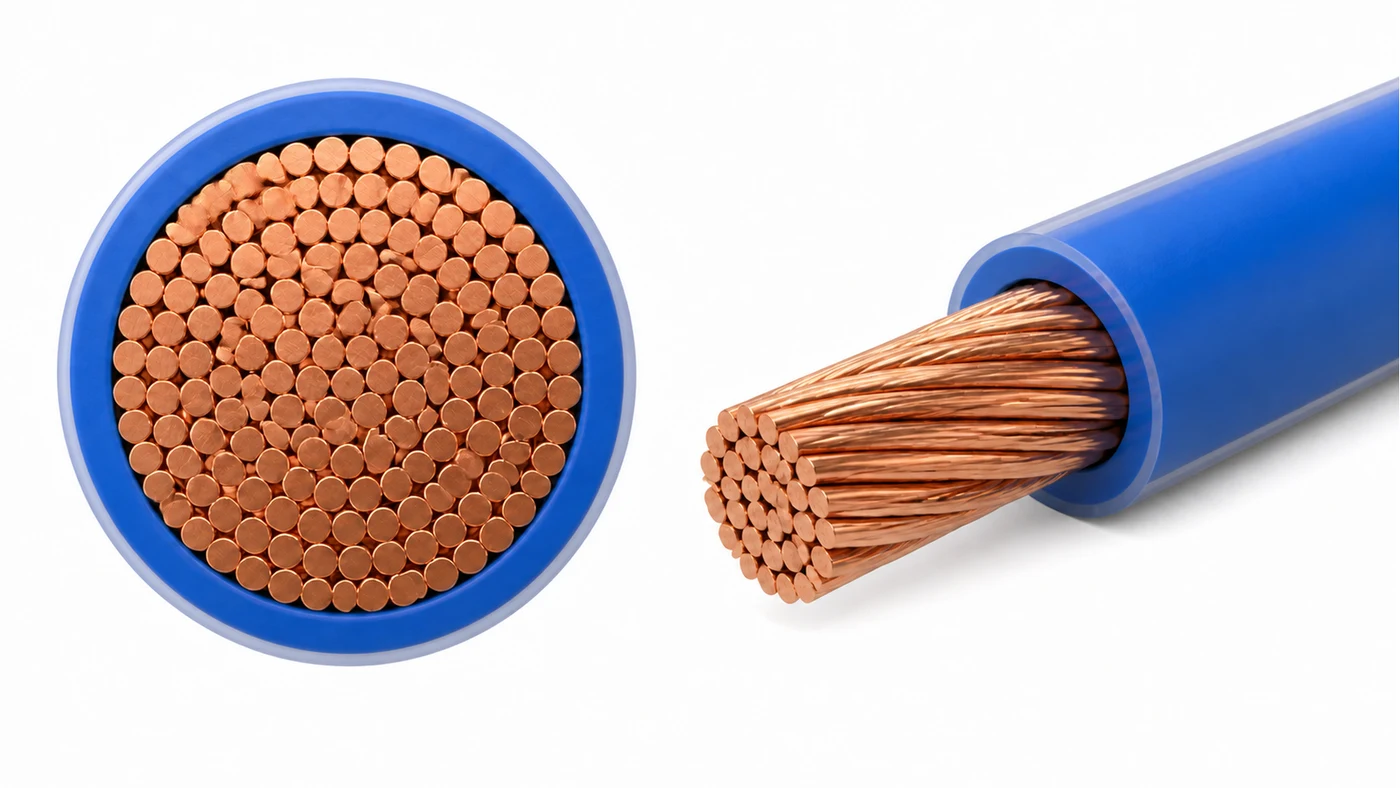
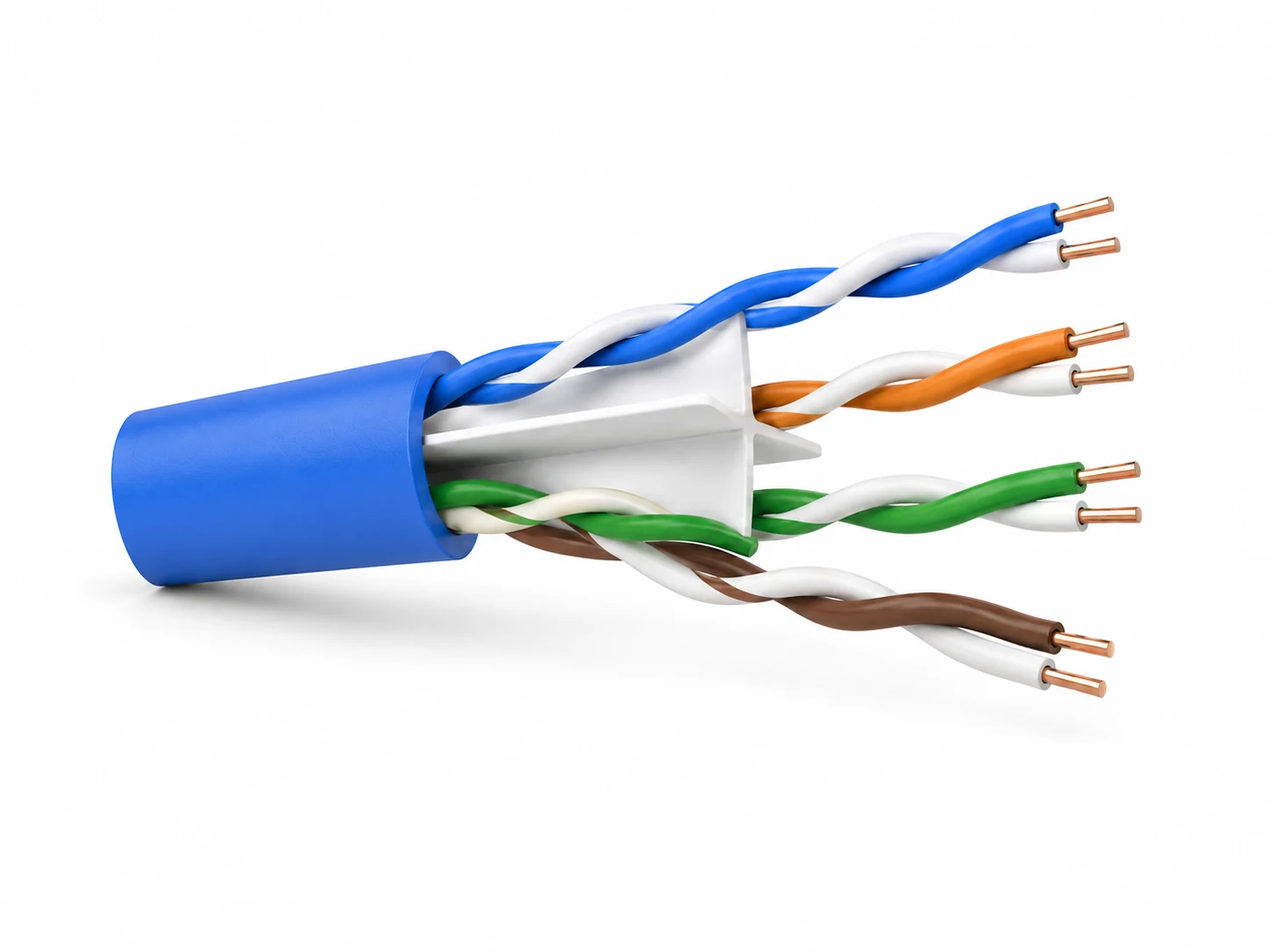
Bunch individual drawn wires into a conductor for the next cable-making process. Compare HK-500, HK-650 and HK-800 by incoming wire diameter, finished section, lay length and take-up requirements.
Position in your production line
Double-twist bunching sits between wire preparation and the next cable process, such as core insulation. If you need to assemble insulated cores, review the single-twist or cage-stranding options below.
Applications include copper, tinned, silver-plated and enamelled wires. Share the material, wire count and diameter so the feed arrangement can be matched to your product.
Compare double-twist models
Compare the wire and conductor ranges first, then check lay length and take-up requirements. The final model depends on your complete conductor construction.
| Parameter | HK-500 | HK-650 | HK-800 |
|---|---|---|---|
| Twisting section | 0.073–4.0 mm² | 0.80–6 mm² | 1.0–10.0 mm² |
| Individual wire diameter | 0.08–0.45 mm | 0.12–0.64 mm | 0.29–1.0 mm |
| Twisting distance | 4.22–39.64 mm | 14.86–60.24 mm | 27.71–130.56 mm |
| Maximum rotation speed | 2,200 rpm | 1,800 rpm | 1,200 rpm |
| Twisting direction | Left or right | Left or right | Left or right |
Share your conductor requirements with our team.
Maximum rotation speed is a machine limit. Working speed and output depend on wire construction, lay length and take-up conditions.
How to select a machine for your conductor
Define every incoming wire
Give the material or coating, the number of ends and the diameter of each wire. A finished section alone does not establish whether the feed arrangement is suitable.
Specify the conductor
Provide a construction drawing, target cross-section, lay length and lay direction. Include any compacting or surface requirements that the offer must address.
Match the take-up to your line
State the reel dimensions, target package weight and the equipment that follows bunching. The collection arrangement is part of model selection, not an afterthought.
Agree the operating point
Request a proposed working speed for your wire, lay and take-up combination. The maximum rotation speed does not by itself establish production output.
Define the machine and supporting equipment
Your proposal should cover the machine, the equipment around it and the interfaces with your existing line.
- the proposed model and confirmed wire materials, number of ends and individual wire diameter;
- the finished conductor construction, achievable lay range and expected operating speed for that construction;
- the pay-off, take-up, traverse and tension arrangement included in the offer;
- the controls and wire-break or length-stop functions included in the proposed build;
- the reel size, factory utilities, footprint and handover or acceptance points.
Adjustable take-up tension and automatic stop functions are available within this family. Confirm the functions and auxiliaries included in your selected configuration.
Need a different twisting process?
Very fine wire bunching
For smaller individual wires, review the compact HK-HST-200/250/300 family on the fine-wire double-twist bunching page.
Insulated core lay-up
If the task is assembling already insulated cores rather than bunching bare wires, start with the cantilever single twisting machine and confirm the cable structure.
Conductor or armour cage work
A larger conductor build or wire armour may call for a different-size cage stranding machine. Share the number of bobbins and finished cable diameter before selecting that route.
Questions buyers ask before ordering
Can one HK-500, HK-650 or HK-800 cover every conductor within its catalog range?
No. The ranges help narrow the family, but the number of ends, wire finish, lay, take-up package and practical operating point must be checked together for each conductor drawing.
Does the maximum rotation speed equal my production speed?
No. Maximum rotation speed is a machine limit. A project-specific production estimate needs the proposed lay length, wire construction, take-up arrangement and operating conditions.
Can this machine twist insulated cores or apply wire armour?
Do not choose this conductor-bunching family from that description alone. Insulated-core lay-up and armour require a separate equipment review, including the cable cross-section and process route.
What should I send for an accurate quotation?
Send the wire or cable drawing, material, number and diameter of wires, required section and lay, take-up reel, target output and a photo or sample if available. State whether you need this machine only or an integrated line.
Tell us what you need.
Ask for a quotation, check a specification or get help selecting equipment.
EquipmentDouble Twisting Machine
 English
 हिन्दी
 فارسی